

Picture this: a perfect summer afternoon, birds singing, you’re relaxing with a cold drink, and then the sky goes dark. Within minutes, a fierce storm rolls in, thunder rattling the windows. You look over at your dog, and there it is. That look. The wide, terrified eyes, the frantic pacing, the desperate search for anywhere to hide. If you know that look, this article is absolutely for you.
Storm anxiety in dogs is far more common than most people realize. According to one study, roughly a third of dogs have anxiety, and thunderstorms top the list of anxiety-inducing situations. The reasons behind it are layered, complex, and honestly a little heartbreaking once you understand what your dog is actually experiencing. The good news? There are real, practical things you can do. Right now. Tonight, if a storm rolls through. Let’s dive in.
Understanding Why Your Dog Is So Afraid in the First Place
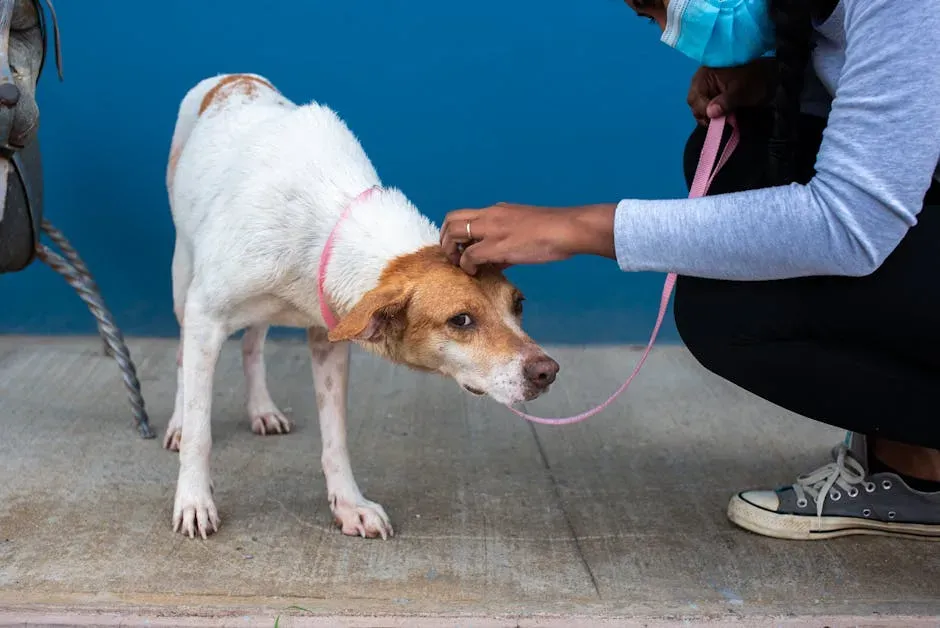
Before we can talk solutions, we need to understand the problem. Here’s the thing most dog parents get wrong: they assume it’s just the noise. Loud boom, scared dog. Simple, right? Not quite.
Storm phobia is a specific type of fear response that dogs display from clues that appear even before a storm arrives, such as darkening skies, rain, gusts of wind, the scent of ozone, and changes in barometric pressure. Your dog isn’t overreacting. They are processing an entirely different storm experience than you are.
Dogs have sharper senses than humans. The sound of thunder is louder to their ears, lightning appears brighter to their eyes, and even changes in barometric pressure are noticeable to them. Some dogs also build up static electricity in their coats, which adds to the discomfort. Think of it like being forced to stand next to a speaker at a rock concert, blindfolded, while someone periodically zaps you with a static shock. That’s closer to the truth.
Research has shown that cortisol levels in dogs experiencing thunderstorms can double. That’s a massive physiological stress response. This isn’t a behavioral quirk you can simply train away overnight. It’s a real, body-wide fear reaction. Knowing this should shift how you respond to your dog completely.
Build a Safe Den Before the Storm Even Hits
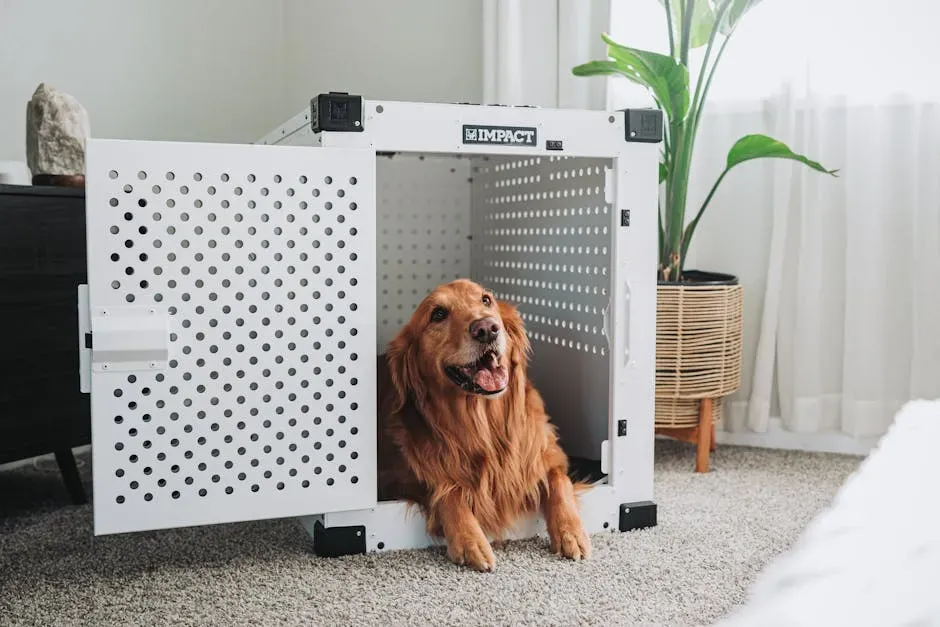
One of the most powerful things you can do costs almost nothing. It just takes a little planning. Dogs like going to a space like their crate or a dark closet during a thunderstorm because it’s familiar and soothing. Dogs descended from wolves and were in dens, so they still like den-like environments. That instinct runs deep.
Having a safe place for your dog to retreat to when it’s storming is a great way for them to find comfort. This space could be a kennel, a bed, or even a small room, and should include comfortable bedding and some of their favorite toys. Don’t wait for storm season to set this up. Introduce it now, in calm moments, so your dog already feels at home there.
Place an item of your clothing in your dog’s bed, along with any of their favorite toys and blankets. This can increase their sense of security. Your scent is literally calming to them. A worn t-shirt tucked into their crate blanket? Sometimes that simple thing makes all the difference. Honestly, I find it kind of beautiful that we can comfort our dogs just by leaving a piece of ourselves nearby.
Use Sound Strategically to Drown Out the Boom

Sound is one of the trickiest parts of thunderstorm anxiety. You can’t stop the thunder, but you can absolutely manage what your dog hears indoors. If your dog can’t hear the thunder or see the lightning, they’ll be less stressed. In addition to providing a safe space that’s dark and covered, provide background noise to reduce stimulation.
If your dog or cat fears thunder, consider playing calming music or white noise to help drown out the sound of the storm. White noise machines, fans set to high, or even a television turned to something calm can act as a buffer. People have found classical music seems to be soothing for their upset dogs. There’s something lovely about that, your nervous Lab curled up listening to Mozart while the sky throws a tantrum outside.
Switch the TV or radio on to something soothing, like calming music or a talking station. The human voices from a radio or talk show can also be oddly comforting to dogs who associate familiar sounds with safety. Think of it as ambient reassurance, a soft reminder that the world is still normal.
Try an Anxiety Wrap or ThunderShirt

This one might look a little silly at first, like dressing your dog in a tiny weighted vest, but the science behind it is genuinely compelling. A ThunderShirt wraps around your dog and applies gentle, constant pressure, similar to swaddling a baby. That comparison to infant swaddling is not just a marketing line. There’s behavioral research behind it.
A ThunderShirt or calming wrap can also serve as a welcome distraction. These wearable solutions help offer a sense of security by providing gentle, constant pressure around your pet’s body. The effect is thought to activate the parasympathetic nervous system, essentially telling the body to settle down. It doesn’t work for every dog, but for many, it’s been genuinely transformative.
Data from studies suggest that the Anxiety Wrap is a safe and effective treatment for canine thunderstorm phobia. If your dog has never tried one, summer storm season is the perfect time to experiment. Put it on your pup during a calm day first so they can get used to the sensation before the real thing hits.
Redirect with Lick Mats, Chews, and Puzzle Toys
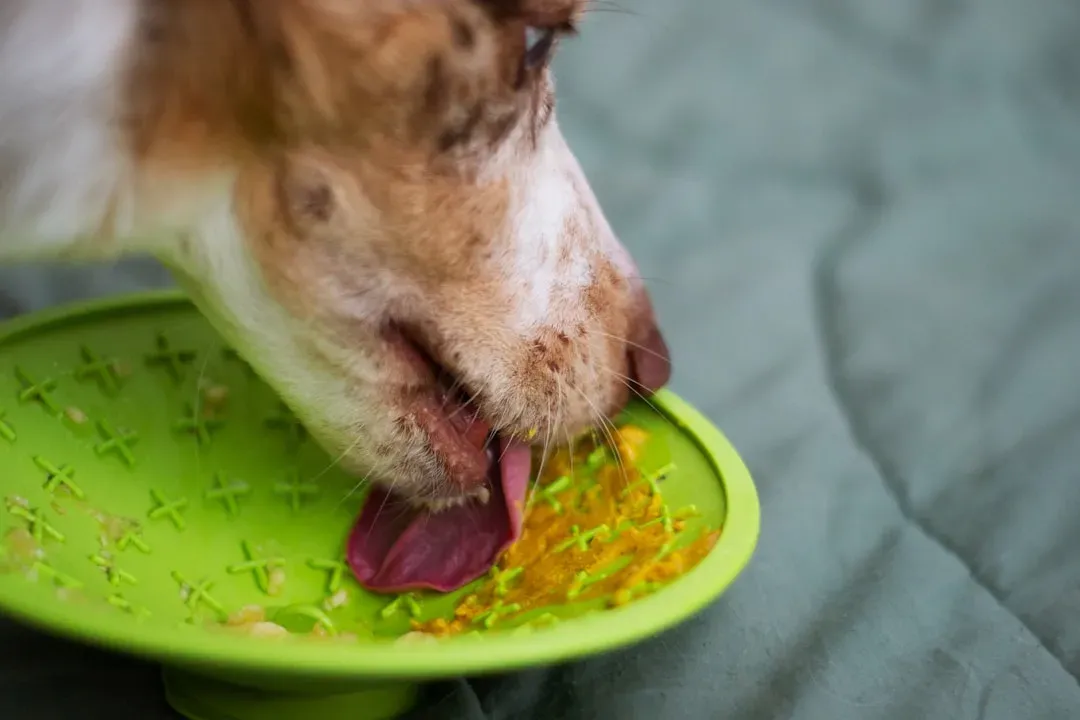
Let’s be real, a bored or distracted dog is a calmer dog. When your dog is laser-focused on licking peanut butter off a silicone mat, they literally cannot devote full attention to panicking. This sounds simple, but it works remarkably well.
Chew and puzzle toys can also help your dog during a thunderstorm. Chewing and licking are self-soothing behaviors. If your dog naturally tends to do those things when they’re upset, giving them positive outlets can be really helpful. You can smear a lick mat with peanut butter, cream cheese, or another spreadable snack, then your dog can work to get the treat off it. It’s basically a spa treatment for anxious dogs.
For dogs who show only minor concern, a fun distraction can take their attention off the storm and reduce their worry. Encourage them to play with their favourite toys or start a game of fetch. If your dog is motivated by food, you can provide tasty treat puzzles to keep them busy. Match the intensity of the distraction to the intensity of your dog’s anxiety. The more worked up they are, the higher-value the treat needs to be. Save the really good stuff for the really bad storms.
Stay Calm Yourself – You Are Your Dog’s Emotional Barometer
This hack might be the hardest one on the list, especially if you also find storms stressful. But your emotional state communicates directly to your dog in ways that are hard to overstate. Your pet often looks to you as a source of security. Remaining calm during a storm sends a reassuring signal to them that everything is all right. If you panic and start babying your pet at the first sound of thunder, your own nervousness may trigger theirs.
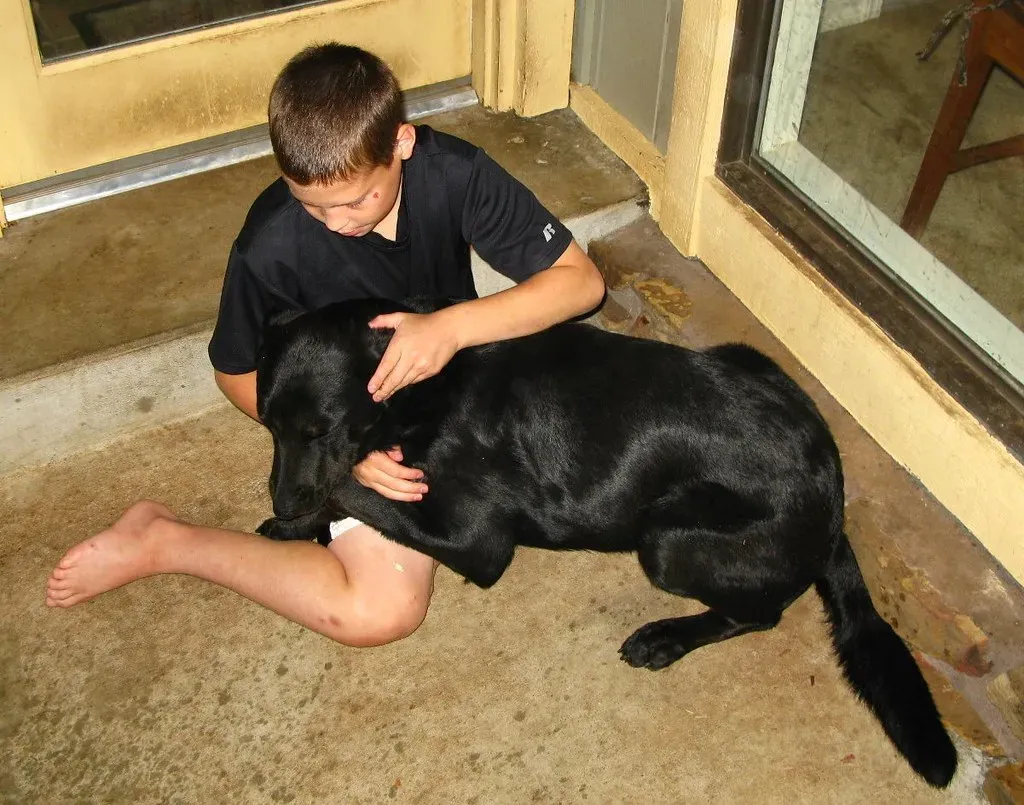
There’s a meaningful difference between comforting your dog and amplifying their panic. You can absolutely cuddle and stroke them without acting alarmed. It’s perfectly acceptable to offer comfort if your dog seeks it during a storm. It’s a common misconception that doing so might accidentally reinforce your dog’s fear, but fear is a visceral response that can’t be altered by petting or kind words. So go ahead, hold your pup close. Just do it calmly.
Research has shown that dogs are significantly more fearful of thunder when their owners are afraid of it. That one fact alone is worth sitting with. Your dog is watching you constantly, reading your energy like a book. Be the calm chapter they need during the storm.
Exercise Your Dog Before the Storm Arrives
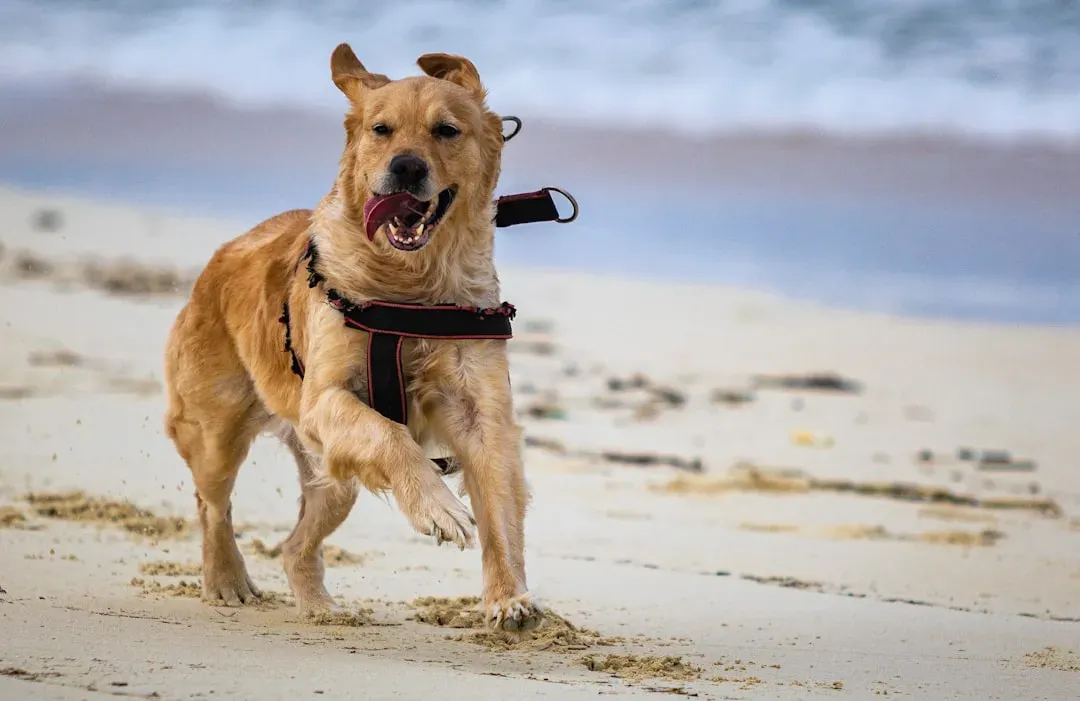
This hack requires a little weather-watching, but it’s one of the most underrated strategies out there. The idea is simple: a physically tired dog has less nervous energy to burn during a storm. Think of it like running down the battery before the chaos starts.
If you know it’s supposed to storm later in the day, exercise your dog to tire them out. Strenuous exercise reduces anxiety, and while it won’t make their fears go away, it can help your animal keep calm during intense weather. A long walk, a run, a solid game of fetch in the yard – anything that gets those legs moving and that heart rate up.
Think of it like a nervous child before a scary event. Worn out kids tend to sleep through things that would otherwise terrify them. Dogs are similar. Keep your dog well-exercised to reduce nervous energy, and use consistent training routines to build overall confidence. Consistency matters here too. Regular exercise doesn’t just help in the moment. It contributes to a calmer baseline temperament over time.
Know When to Call In the Professionals

Sometimes love and lick mats are just not enough. Some dogs experience storm anxiety so severe that it genuinely affects their quality of life, and that’s when it’s time to have a real conversation with your vet. There’s zero shame in it. It’s actually the most caring thing you can do.
Canine thunderstorm anxiety is a disorder characterized by a persistent and exaggerated fear of storms or the stimuli associated with storms. This phobia is complicated and sometimes difficult to manage because it involves physiological, emotional, and behavioral components. A professional can help you untangle which parts of the storm are triggering your individual dog, and create a plan tailored specifically to them.
Although drugs may be useful in some cases, they should only be given under veterinary supervision. To be effective, they must be absorbed and active in the body before any noise starts or panic sets in, usually at least an hour prior to the event. Timing matters enormously with medication. Most dogs cannot be cured of their thunderstorm phobias, but management is possible. In a study, 30 out of 32 dogs showed significant improvement in their symptoms with appropriate medication and behavior modification treatment. Those are honestly hopeful numbers. Don’t give up on your dog before exploring all the options.
Conclusion: Your Dog Needs You – Especially When the Sky Gets Loud
Storm anxiety is one of those issues that can feel overwhelming, especially when you love your dog deeply and feel helpless watching them suffer. But here’s what I want you to take away from all of this: you are not powerless. Not even close.
From building a cozy den to staying calm yourself, from lick mats to calling your vet, every single one of these strategies is an act of love. Small things, done consistently, genuinely change a dog’s life. You can learn to recognize the warning signs and help reduce the fright factor by calming your dog before and during noisy or otherwise scary storms. Over time, this can help them learn they’re safe in your company no matter what life brings.
You showed up by reading this. Now show up for your dog when those storm clouds roll in. They’ve been showing up for you every single day. Which of these hacks are you going to try first? Tell us in the comments – we’d love to hear what works for your pup.


