


Dogs, like humans, can suffer from allergies that manifest in various ways, including skin issues. Skin allergies are common in our furry companions and can cause significant discomfort if not addressed. Identifying the signs early is crucial for effective treatment and alleviation of symptoms. This article will explore the eight common signs of skin allergies in dogs, helping pet owners become more informed and proactive in their pets’ health care.
What Causes Skin Allergies in Dogs?

Before delving into the signs, it’s important to understand what triggers skin allergies in dogs. Common causes include environmental factors such as pollen, dust mites, and mold, as well as food allergens, flea bites, or contact with certain chemicals. Understanding the root cause is essential for targeted treatment and management.
Constant Scratching and Itching

One of the most noticeable signs of a skin allergy in dogs is persistent scratching and itching. While occasional scratching is normal, a dog with allergies may scratch ceaselessly, sometimes causing self-inflicted wounds. This behavior often indicates irritation and discomfort caused by allergens.
Red, Inflamed Skin

Inflammation is another tell-tale sign of skin allergies in dogs. Allergic reactions can cause a dog’s skin to become red and swollen, particularly in areas such as the belly, paws, and ears. This inflammation results from the body’s immune response to perceived threats.
Frequent Licking

Dogs may frequently lick their skin in response to allergies, especially on their paws and legs. This behavior can lead to “hot spots,” which are moist, inflamed areas caused by excessive licking and can become infected if untreated.
Rashes or Hives

Rashes or hives can appear suddenly on a dog’s skin due to allergic reactions. These can vary from small bumps to larger welts and are often itchy, causing further distress to the dog. Hives may be more noticeable on dogs with short or light-colored coats.
Ear Infections

Dogs with allergies are prone to ear infections due to inflammation and yeast overgrowth. Signs of an ear infection include redness, discharge, and a foul odor emanating from the ears. Dogs may also shake their heads or scratch at their ears excessively.
Hair Loss
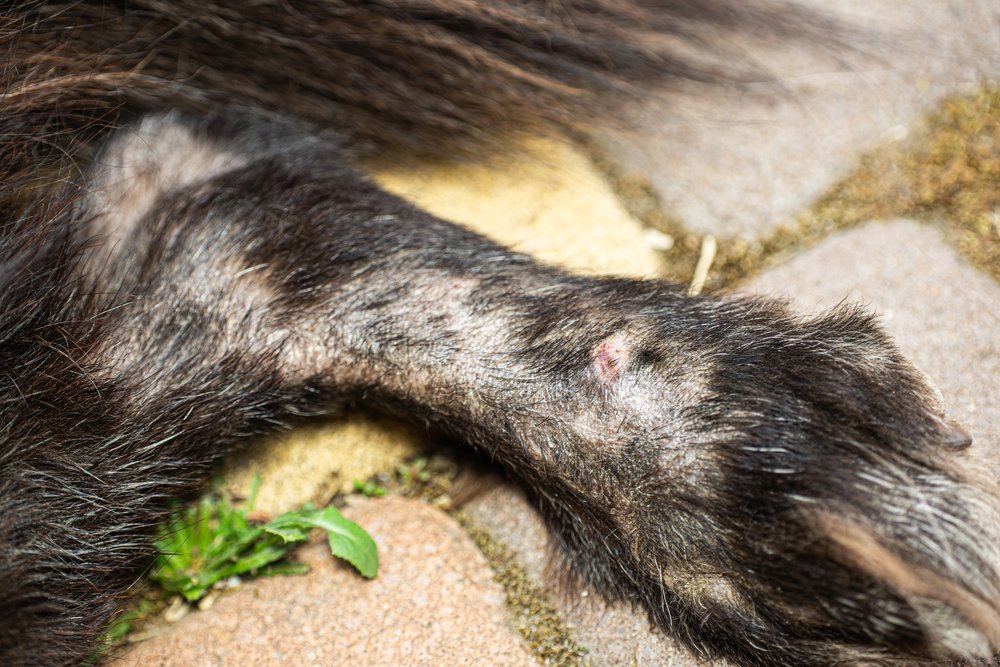
Hair loss, or alopecia, is another common sign of skin allergies. Constant scratching, licking, or biting due to itchiness can lead to bald patches. Additionally, the allergic reaction itself can cause hair to fall out.
Dry, Flaky Skin

Allergies can cause a dog’s skin to become dry and flaky, resulting in dandruff-like flakes. This can be uncomfortable for the dog and unsightly for the owner, further emphasizing the need for addressing the underlying allergy.
Secondary Skin Infections

If left untreated, skin allergies can lead to secondary bacterial or fungal infections. Open sores from scratching or biting provide an entry point for microbes, complicating the allergy with infections that require medical intervention.
Diagnosing and Treating Dog Skin Allergies

Diagnosing skin allergies typically involves veterinary consultation, where history taking, physical examination, and possibly allergy testing are conducted. Treatment depends on the cause and may include antihistamines, corticosteroids, dietary changes, or allergy shots. Addressing one’s environment and incorporating hypoallergenic products can also prevent further allergic flare-ups.
Conclusion

Being attentive to these signs of skin allergies in dogs is crucial for maintaining your pet’s overall health and comfort. Early detection allows for prompt treatment, preventing complications and improving your pet’s quality of life. Regular veterinary check-ups and a tailored approach to allergen exposure are key in managing skin allergies effectively.
Andrew Alpin from India is the Brand Manager of Doggo digest. Andrew is an experienced content specialist and social media manager with a passion for writing. His forte includes health and wellness, Travel, Animals, and Nature. A nature nomad, Andrew is obsessed with mountains and loves high-altitude trekking. He has been on several Himalayan treks in India including the Everest Base Camp in Nepal.


