
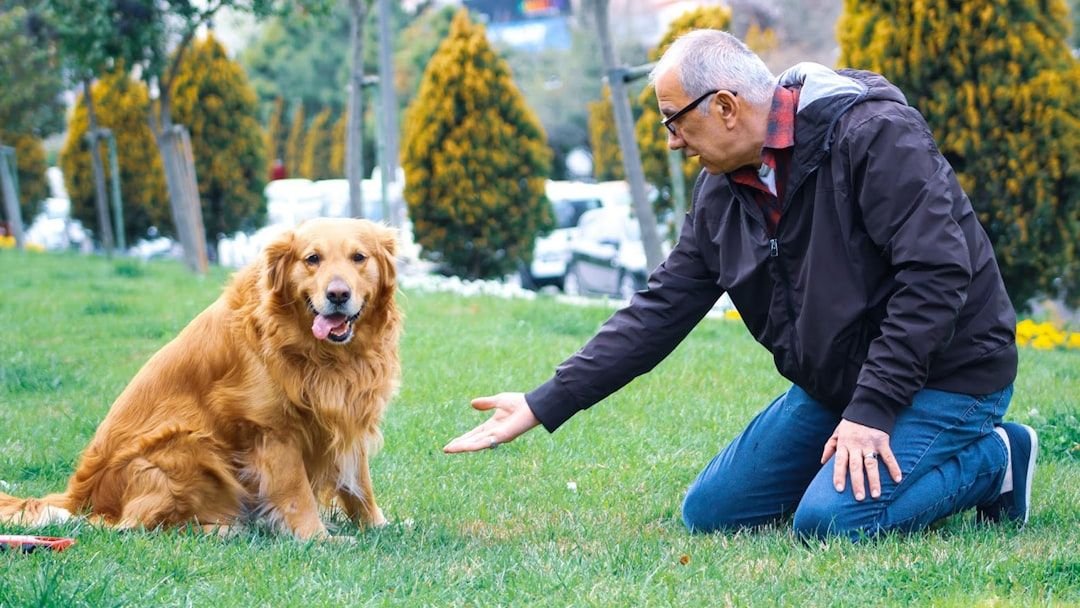
You love your dog with everything you’ve got. You’ve watched the videos, read the threads, maybe even consulted a neighbor who “trains dogs on the side.” Yet somehow, your pup is still pulling on the leash, ignoring your commands, or giving you that wide-eyed look that makes you question everything. Here’s what nobody tells you: a lot of the advice floating around out there is flat-out wrong. Outdated, unscientific, and honestly, a little harmful.
The good news? Once you know the truth, everything changes. Your dog doesn’t become easier to train because you get tougher. They become easier to train because you get smarter. So let’s untangle the myths that might be quietly holding both you and your dog back.
Misconception #1: You Have to Be the “Alpha” to Control Your Dog
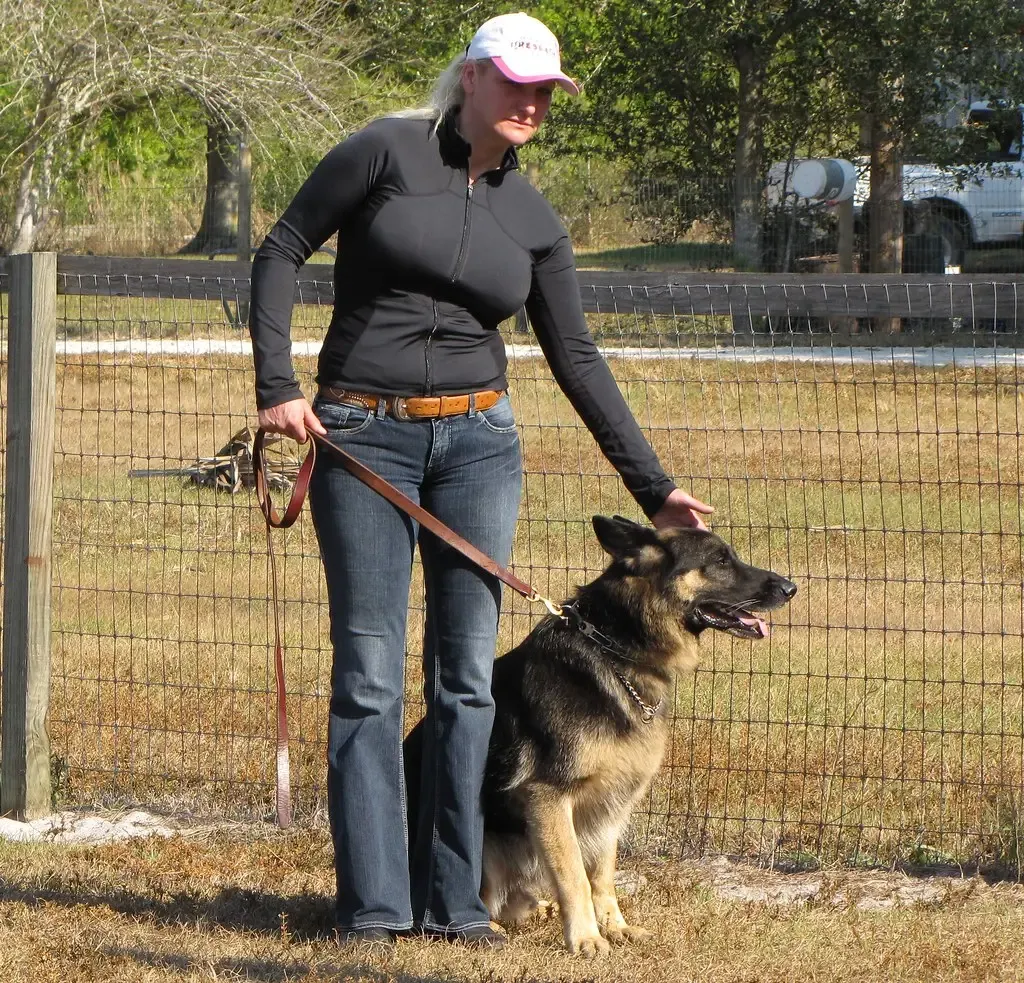
Let’s be real – this one has been around forever. The idea that you need to “dominate” your dog, pin them down, or assert yourself as the pack leader feels intuitive. But it’s wrong. This is one of the most persistent dog training myths, and it’s been debunked by science for decades. The myth claims that dogs misbehave because they want to dominate humans, and owners must “show them who’s boss.”
Dogs do not seek dominance over humans. Dogs do not follow rigid pack hierarchies like wolves. The original wolf studies that inspired this theory were flawed and later retracted. Think about it this way: would you expect to build a great friendship by constantly overpowering the other person?
Dogs do need effective leadership from us, but the whole idea of dominance is a very complex and widely misunderstood concept. Instead of worrying if your dog has the upper hand, focus on building a common language, teaching and rewarding the behavior you want, and building your dog’s confidence.
Misconception #2: Older Dogs Can’t Learn New Things
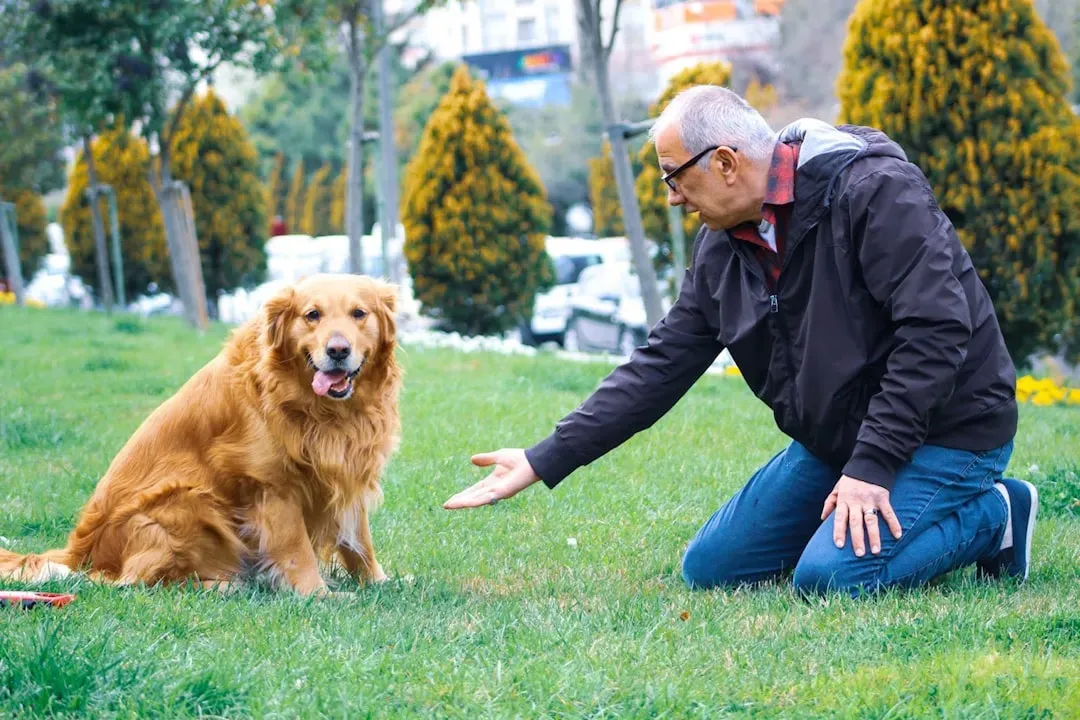
“You can’t teach an old dog new tricks.” Honestly, whoever coined that phrase clearly never met a determined senior rescue with a glimmer in their eye. One of the most widely spread dog training myths is the idea that older dogs are set in their ways and can’t learn new behaviors. While younger dogs tend to learn faster, that doesn’t mean senior dogs are incapable of learning. In fact, dogs of any age have the ability to learn new tricks.
Older dogs are fully capable of learning new behaviors. In fact, older dogs often have better attention spans and a stronger desire to interact with their guardian. That’s something puppy owners can only dream about during the zoomies phase!
A groundbreaking 2018 study in Applied Animal Behaviour Science proved senior dogs learn just as effectively as younger ones, though sometimes slower. So please, don’t give up on your older companion. They have so much more to give.
Misconception #3: Punishment Is the Fastest Way to Fix Bad Behavior

It feels logical, doesn’t it? Dog chews the couch, you raise your voice, problem solved. Except it’s really not. Aversive or punitive dog training is associated with increased anxiety, stress, and a greater likelihood for the dog to shut down or behave more aggressively. Even though intimidation and physical force might stop aggressive behavior in the moment, a dog is more likely to defend himself aggressively in the future because the underlying cause of the behavior has not been addressed.
Dogs do not understand punishment in the same way humans do. Instead, they may associate the punishment with the person delivering it, rather than the behavior itself. Positive reinforcement and redirection are far more effective in shaping desirable behaviors and maintaining a strong bond.
Imagine being yelled at in a language you don’t fully understand. Scary, right? That’s exactly what punishment feels like from your dog’s perspective. Kindness isn’t weakness. It’s strategy.
Misconception #4: Using Treats Is Just Bribing Your Dog

A lot of dog owners feel almost embarrassed about using treats. “Am I just bribing my dog?” they ask. The answer is no, and here’s why that matters. A reward is something presented to an animal to show them they got something right. A bribe is something you give to an animal to get them to do something they already know how to do. Very different things entirely.
Treats are a powerful tool for positive reinforcement training. When used correctly, treats reward desired behaviors, making it more likely that the behavior will be repeated. Over time, you can gradually reduce the frequency of treats and replace them with other rewards such as praise or play. The goal is to create a positive association with the desired behavior, not to bribe the dog.
Intermittent reinforcement actually makes a dog respond faster and more reliably, based on the same theory that makes a slot machine addictive. So even if you don’t give a food reward every time, the possibility of one in the future makes a dog work harder. You’re not bribing them. You’re paying them fairly for great work.
Misconception #5: Only Problem Dogs Need Training

Here’s a thought that sneaks up on many dog owners: “My dog is well-behaved enough, so why bother with formal training?” Oh, this one breaks my heart a little. There’s a common misconception that only dogs with behavioral issues need training. While dogs exhibiting behavioral challenges like barking, jumping, or aggression benefit greatly from training, all dogs can benefit from learning. Training isn’t just for fixing problems – it’s for enhancing the relationship between you and your pet and building better communication.
Training is beneficial for all dogs, regardless of their behavior. Training sessions provide socialization opportunities, mental stimulation, and a structured environment for learning. They also strengthen the bond between you and your dog.
Training can improve general obedience, prevent undesirable behaviors from developing, and provide your dog with much-needed mental stimulation. Even if your dog isn’t exhibiting any behavioral issues, training helps reinforce commands and can improve everyday interactions. Think of it like going to the gym when you’re already healthy. Maintenance matters.
Misconception #6: Training Takes Months or Even Years to Show Results
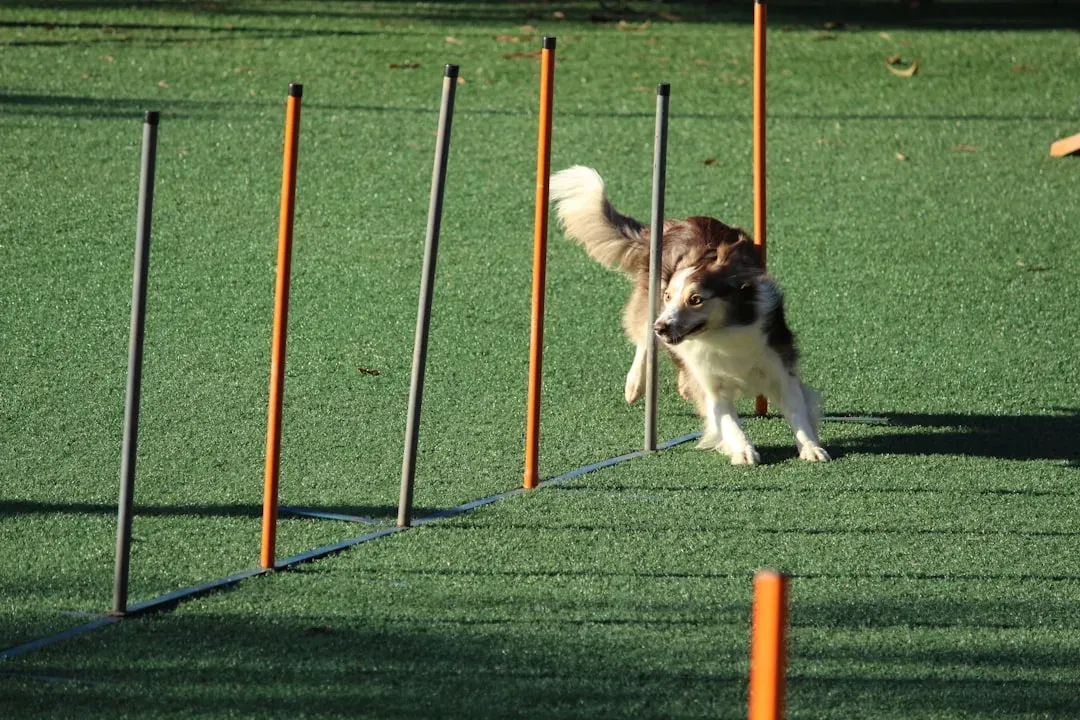
A huge number of dog owners give up too quickly because they think results take forever. They try a few sessions, see little change, and assume the dog is just “untrainable.” One of the biggest misconceptions is that dog training takes forever. While consistency and effort are required, the process doesn’t have to be long and drawn-out. Many dog owners give up too soon because they believe it will take months or years to see progress.
Dogs learn best with brief, positive training sessions of around 5 to 10 minutes that are repeated throughout the day. The key is consistency – short, frequent practice sessions are much more effective than long, sporadic ones. That’s genuinely great news for busy owners.
Think of training sessions like watering a plant. A little water every single day grows something strong. A big flood once a week? Not so much. Tiny moments of connection and practice, done consistently, produce remarkable results faster than most people expect.
Misconception #7: Crate Training Is Cruel

Many loving dog parents feel a wave of guilt at the idea of putting their dog in a crate. It can look like a cage. It can feel like isolation. I get it. When introduced properly, a crate acts as a retreat for a dog, a safe place where they can feel secure and relaxed. It can act as a constant across changing environments when you move homes or stay in hotels, provide a safe haven during thunderstorms, and act as a quiet nap space amidst chaos.
When done correctly, crate training is not cruel; it provides a safe space for dogs. It should never be used as a punishment, and the crate should be appropriately sized for the dog. The difference between a prison and a bedroom is really just intention and comfort.
Crating only when you leave the house or when your dog has done something naughty can create or worsen separation anxiety as well as build negative associations. If you want your dog to be calm and comfortable in the crate, you need to use it regularly as part of your routine, even when you’re home. Introduce it slowly, make it cozy, and watch your dog choose it on their own.
Misconception #8: Positive Training Means No Rules or Boundaries

Some people hear “positive reinforcement” and immediately picture a spoiled dog running riot with an owner helplessly offering treats. That’s not even close to reality. Positive does not mean permissive. Positive trainers set boundaries and teach limits so your dog can’t practice unwanted behaviors but instead chooses appropriate ones. Most positive trainers incorporate boundaries and limits as part of training.
Rather than causing pain and fear to “correct” a dog, positive training works on teaching dogs to make better choices. Giving dogs options of behaviors to perform and allowing them to make choices on their own gives the dog more freedom while improving their impulse control at the same time.
Comparative studies show that reward-based training is more effective than aversive or punishment-based training and has fewer, if any, unwanted side effects. With positive training, dogs show fewer stress signals, trust people more, and tend to learn new behaviors more quickly. Structure and kindness are not opposites. They’re partners.
Conclusion: Your Dog Deserves Better Than Outdated Myths
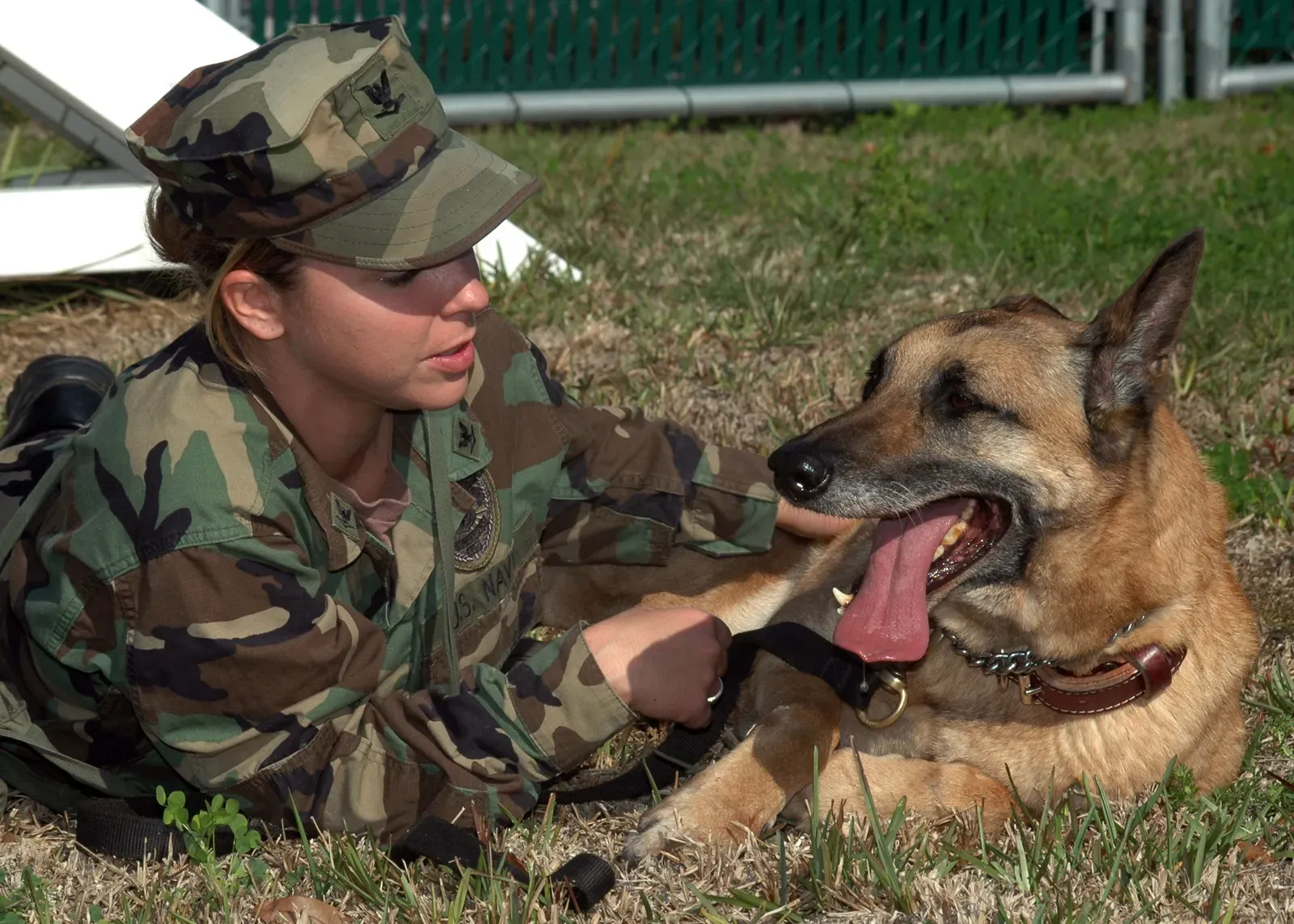
Training your dog should feel like building something beautiful together, not winning a battle. Effective dog training isn’t about domination; it’s about clear communication and mutual understanding. By dismissing these outdated myths and embracing science-based methods, you’ll not only have a better-behaved dog but a deeper, more meaningful relationship.
Every dog, young or old, calm or chaotic, “easy” or “difficult,” deserves a person who understands them. The moment you let go of the myths, you open the door to something so much richer than obedience. You open the door to genuine trust.
So, which of these misconceptions surprised you the most? Drop it in the comments and let’s talk about it – your dog would probably love knowing you’re learning something new just for them.


