

Your dog tugs at the leash, eyes bright with excitement at every rustling leaf and distant bird call. That leash might feel like an unnecessary constraint on a sunny afternoon walk, but it could be the thin line between life and death for your beloved companion.
Picture this: you’re hiking a familiar trail when suddenly your unleashed dog disappears into the brush, only to return moments later with a face full of porcupine quills. Or worse, your pup doesn’t return at all. These scenarios happen more often than you might think, and the consequences can be devastating. From venomous snakes lying in wait to powerful predators that see your dog as their next meal, the American wilderness holds dangers that even the most street-smart city dog can’t anticipate.
Mountain Lions: Silent Stalkers with Deadly Precision
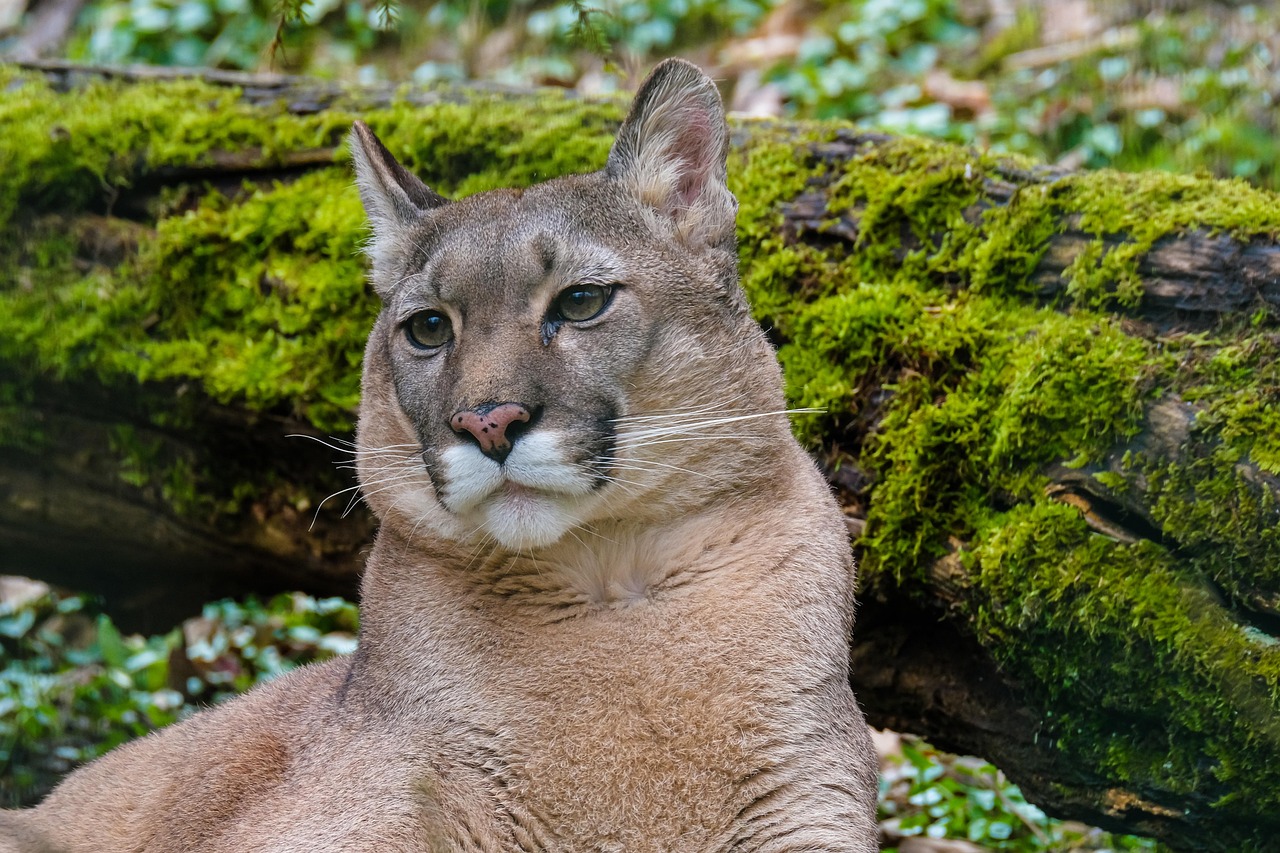
Mountain lions are stealthy in their attacks and try to disable their prey quickly. When a cougar attacks a dog, it generally goes for sensitive areas such as the head and the neck, making the chances of survival difficult to predict.
Picture your dog chasing a squirrel up a canyon trail, completely unaware of the golden eyes watching from the rocky ledge above. Mountain lions are powerful creatures that can weigh up to 180 pounds and could cause serious injury to a person or a dog. These apex predators don’t just attack randomly though – they’re calculating hunters that prefer easy targets.
Mountain lions stalk prey and attack with a sudden rush – often from behind – using powerful jaws to break the windpipe or break the neck of their prey. Your unleashed dog won’t see it coming, and by the time you hear the commotion, it’s often too late.
Pet owners should not let their animals out alone at night and keep pets within eyesight – or better yet – on a leash. Even during daylight hours in populated areas, mountain lions have been known to snatch dogs right from their owners’ yards.
Venomous Snakes: Hidden Death in Plain Sight
Some dangerous species of snakes in the US include the copperhead, cottonmouth, and timber rattlesnake. Your curious pup doesn’t know the difference between a harmless garden snake and a deadly viper coiled beneath that fallen log.
Most snake bites on dogs happen around the nose, mouth, and face because the dogs are usually trying to smell and investigate their surroundings. It’s heartbreaking but predictable – dogs explore the world with their noses first, making them perfect targets for defensive snake strikes.
Some of the best ways to do this include eliminating hiding places in your yard and keeping pets on a leash when hiking in areas where snakes may be present. A leash gives you control to pull your dog away from potential snake habitats before curiosity kills the cat, so to speak.
Even non-venomous snake encounters can be traumatic. The fear, the emergency vet bills, the sleepless nights wondering if you’ll lose your best friend – it’s all preventable with six feet of nylon and a little caution.
American Alligators: Prehistoric Predators in Modern Backyards
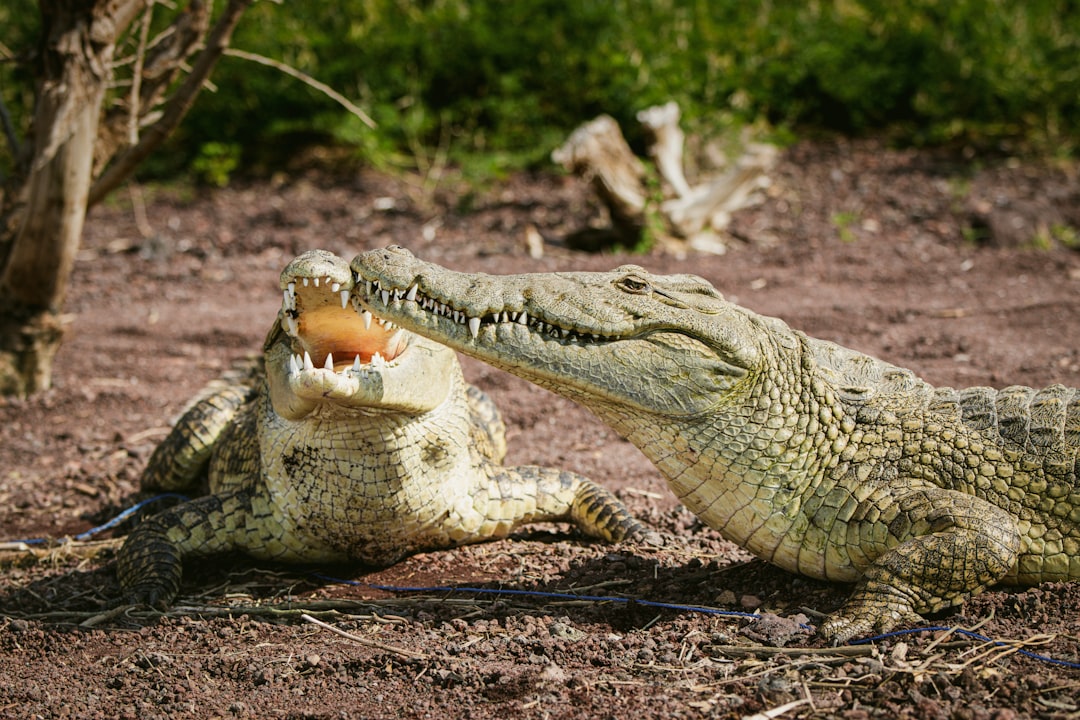
Dogs are more susceptible to being bitten than humans because dogs resemble the natural prey of alligators. The sound of dogs barking and playing may draw an alligator to the area. Your playful retriever splashing in that innocent-looking pond has no idea she’s just announced dinner time to one of nature’s most efficient killers.
Josh Wells watched Toby, his 40-pound black labrador retriever mix, get eaten by an alligator that jumped out of the water and grabbed the dog by the head first. Wells described the attack as explosive – one moment his dog was playing fetch, the next he was gone forever.
The FWC estimates that the state is home to approximately 1.3m alligators of every size across its 67 counties. These aren’t just wilderness creatures anymore – they’re suburban neighbors who view your unleashed dog as a convenient snack.
Dog owners are highly discouraged from walking their pets near any body of water due to the dense alligator population, especially during alligator mating season. Even retention ponds in shopping centers can harbor these ancient predators.
American Black Bears: Gentle Giants with Deadly Potential
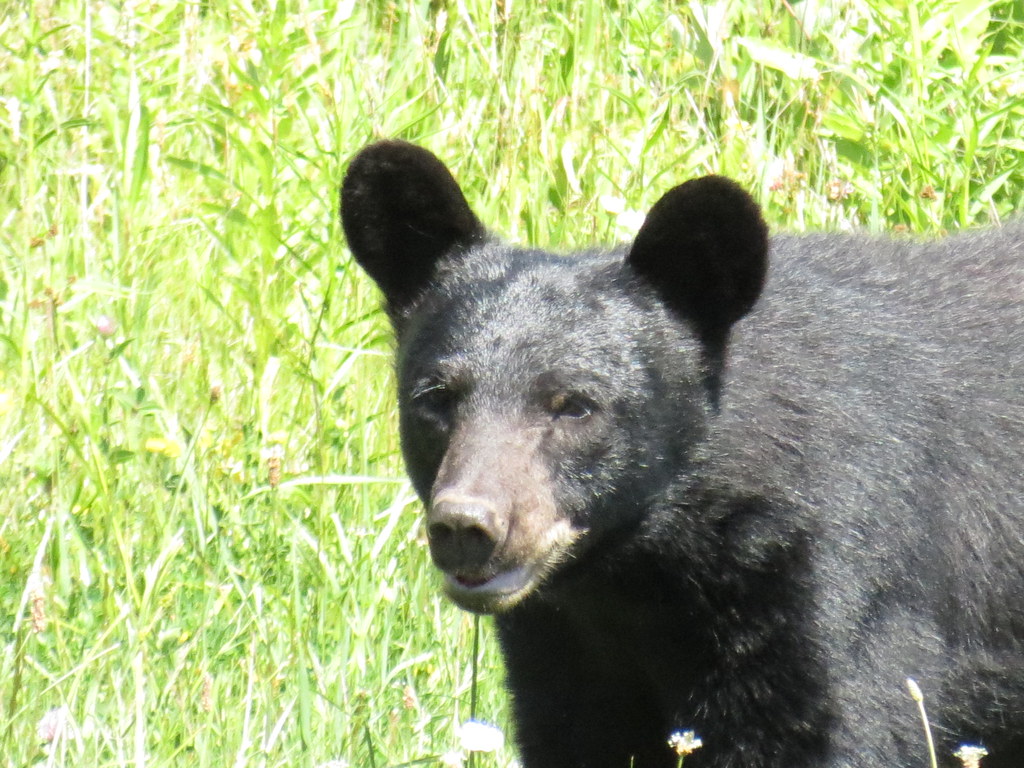
One of the top recommendations for protecting your dog and yourself when hiking in bear country is to always keep your dog on a leash. Dogs that aren’t restrained can chase or corner a bear and may run back to you for protection while being followed by an angry bear.
Your brave little terrier has no concept of size when it comes to defending territory. She’ll bark at that massive black bear just like she barks at the mailman, except this time her aggressive behavior could trigger a deadly chase scene with you as the unwilling participant.
Black bears, which can also be brown, reddish, or blond, are now found in at least 40 states. They’re expanding their range as human development pushes them into new territories, making encounters more common even in suburban areas.
The real danger comes when your unleashed dog runs back to you after provoking a bear. Now you’re dealing with an angry, stressed predator that sees you as either a threat to eliminate or an obstacle between it and its escape route.
Coyotes: Pack Hunters with Urban Intelligence
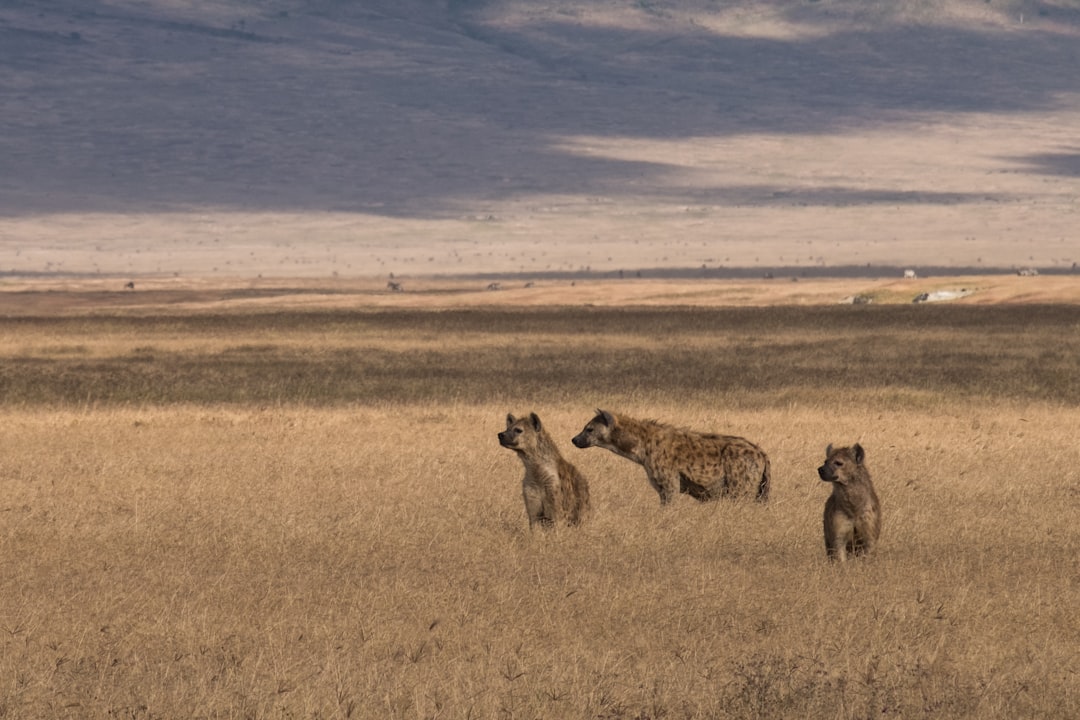
In areas with a large coyote presence, it is best not to leave your dog outside unattended – even during the day. That’s because coyotes are not strictly nocturnal. Your small dog playing in the backyard during your morning coffee might be the perfect opportunity these adaptable predators have been waiting for.
Coyotes have learned to live alongside humans, and they’ve figured out that our pets make easy meals. They’re smart enough to use pack tactics, with one coyote luring a dog away while others wait in ambush.
To keep your pets safe from coyotes, never leave them unattended in your yard and keep them on a leash when walking or hiking. If you have a small dog, a coyote vest can offer an extra layer of protection. Even large dogs aren’t immune – a pack of coyotes can take down much bigger prey when they work together.
The psychological impact is often as devastating as the physical. Hearing coyotes howl in your neighborhood after losing a pet creates a anxiety that changes how you view your own backyard forever.
Porcupines: Walking Pin Cushions with Painful Consequences
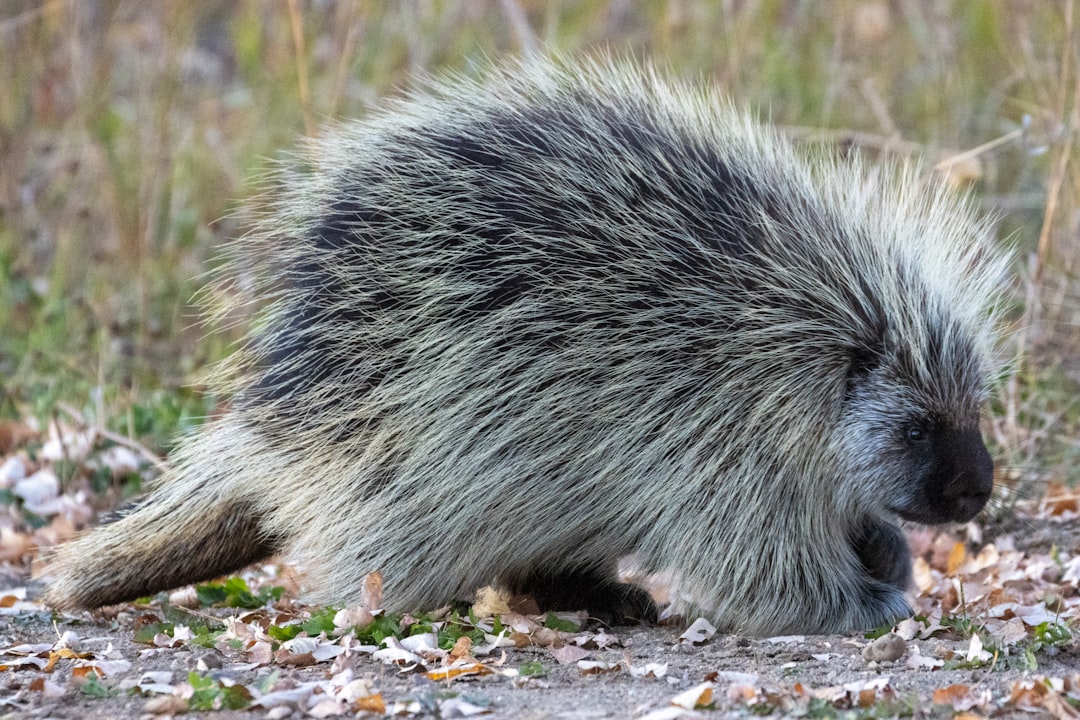
Anyone who has seen a dog after a porcupine attack can understand why these animals are so dangerous – their super sharp quills can end up in a pet’s throat, nose, and eyes, which typically requires surgery to remove. Your dog’s first instinct when meeting this slow-moving, seemingly harmless creature is to investigate with his nose – the worst possible approach.
Porcupines can’t throw their quills, but they don’t need to. One swipe of that spiky tail or a quick defensive turn can embed hundreds of barbed quills into your dog’s face and mouth. Each quill works its way deeper into tissue with every movement, creating internal damage that can be life-threatening.
The average cost of this surgery according to experts is $370. That’s just the surgery cost – emergency vet visits, anesthesia, antibiotics, and follow-up care can easily push the total into thousands of dollars.
The real tragedy is how preventable these injuries are. Porcupines are slow and obvious – you can easily pull your leashed dog away before he gets close enough to become a living pincushion.
Skunks: Chemical Warfare with Disease Risks
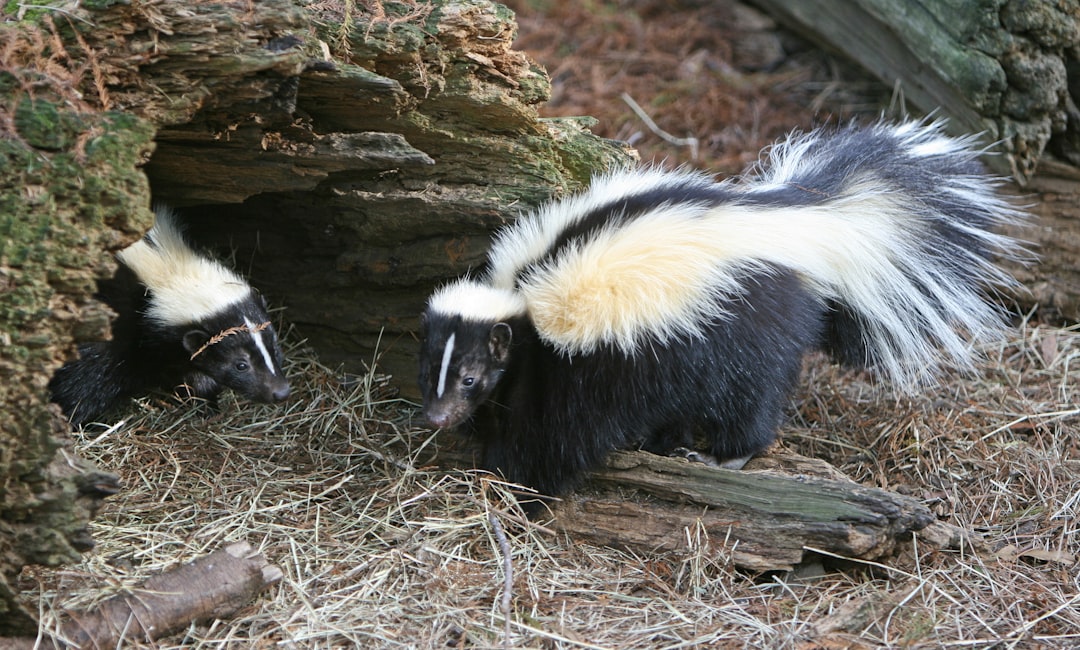
Skunk spray is not just stinky – it causes nausea, vomiting and burning in the eyes. The weird thing is, some dogs can’t resist these striped creatures no matter how times they get sprayed in the face. Your dog’s selective memory when it comes to painful encounters can turn skunk meetings into repeat offenses.
They can carry rabies and other diseases, and their spray can be irritating to both people and animals. The spray itself is just the beginning – skunks are one of the primary carriers of rabies in North America, making every encounter a potential health crisis.
Think about the logistics: your dog gets sprayed at night, you’re dealing with the immediate emergency of burning eyes and difficulty breathing, and now you’re wondering if that skunk was acting aggressively because it was rabid.
Keeping your dog on a leash is the only sure-fire way on a walk to keep your dog from running off and getting nailed. It’s such a simple solution to such a complex and expensive problem.
Birds of Prey: Aerial Assassins Targeting Small Dogs
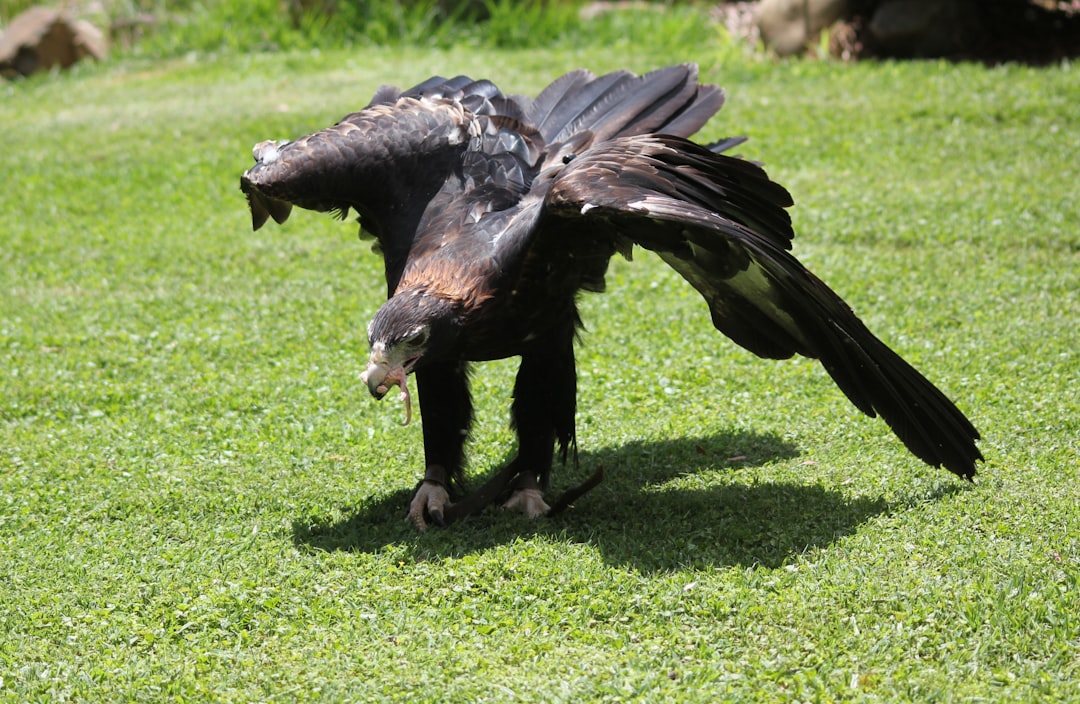
Birds of prey, such as hawks, eagles, and owls, can be found throughout the US. They typically go after small animals like rodents and birds, but small pets are at risk as well. Your Chihuahua or small terrier doesn’t understand that those circling shadows above represent real danger.
Large raptors like red-tailed hawks and great horned owls are generally only capable of carrying prey weighing a few pounds, though they may still attempt to attack larger dogs. Even if they can’t lift your pet, their talons can cause severe internal injuries during an attempted grab.
The attacks happen fast and from above – directions your ground-focused dog isn’t watching. By the time you hear the commotion, your pet might already be airborne or severely injured on the ground.
A leash doesn’t just keep your small dog close to you physically – it keeps them in your protective bubble where you can scan for aerial threats they’ll never see coming. Your presence alone is often enough to deter most birds of prey from attempting an attack.
Conclusion: The Leash as Your Dog’s Lifeline
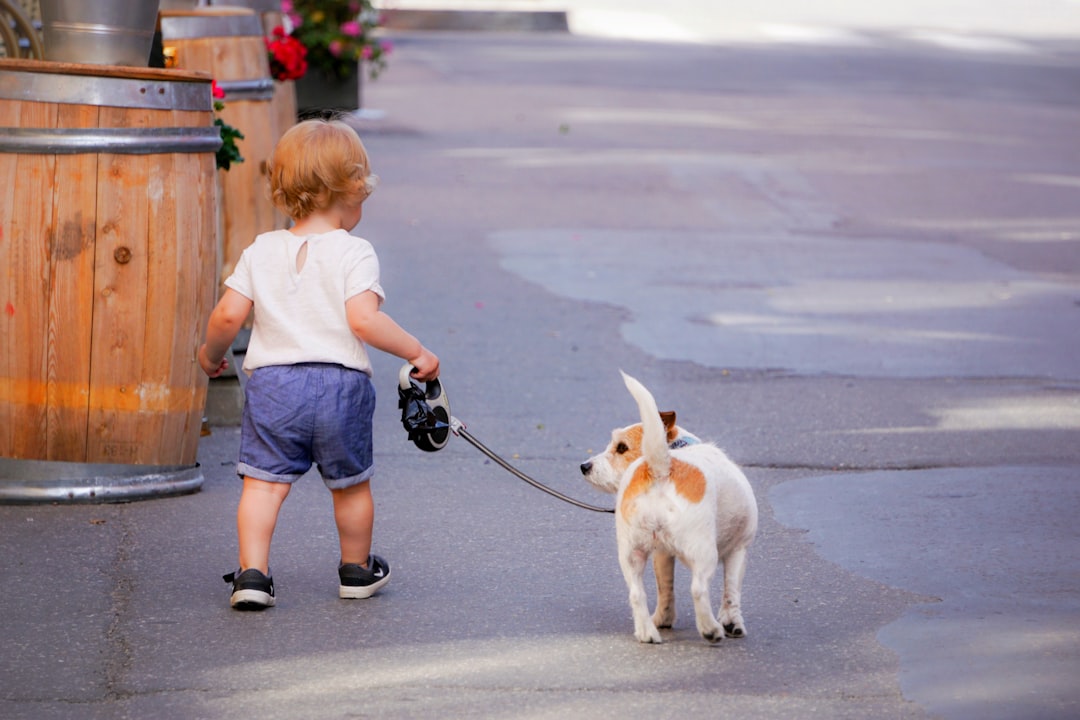
Every tug on that leash represents your dog’s trust that you’ll keep them safe from dangers they can’t understand or anticipate. A leash is your pet’s lifeline and protects them from traffic and unrestrained animals. It’s not about restricting their freedom – it’s about ensuring they have a future full of adventures.
The wild animals we’ve discussed don’t see your beloved family member as anything more than prey or a threat to be eliminated. Your dog’s friendly curiosity, territorial instincts, and fearless personality are the very traits that put them at risk in encounters with dangerous wildlife.
Keeping your dog on a leash is a vital part of keeping your pet safe while outside of the home. As a responsible pet parent, you should be concerned with the safety of your dog and the safety of others.
What do you think about it? Have you had any close calls with dangerous wildlife while walking your dog? Tell us in the comments about how you keep your furry family members safe during outdoor adventures.


