

Have you ever looked into your dog’s soulful eyes and wondered, “What on earth are you thinking?” Dogs have a language all their own, full of tail wags, ear twitches, and mysterious sniffs. Sometimes we get it right, but other times we totally miss the mark. Let’s dig into the world of canine communication, uncovering some of the most misunderstood dog behaviors—and those few that everyone seems to get right. You might be surprised by what your furry friend is actually trying to tell you!
Tail Wagging: Not Always a Sign of Happiness
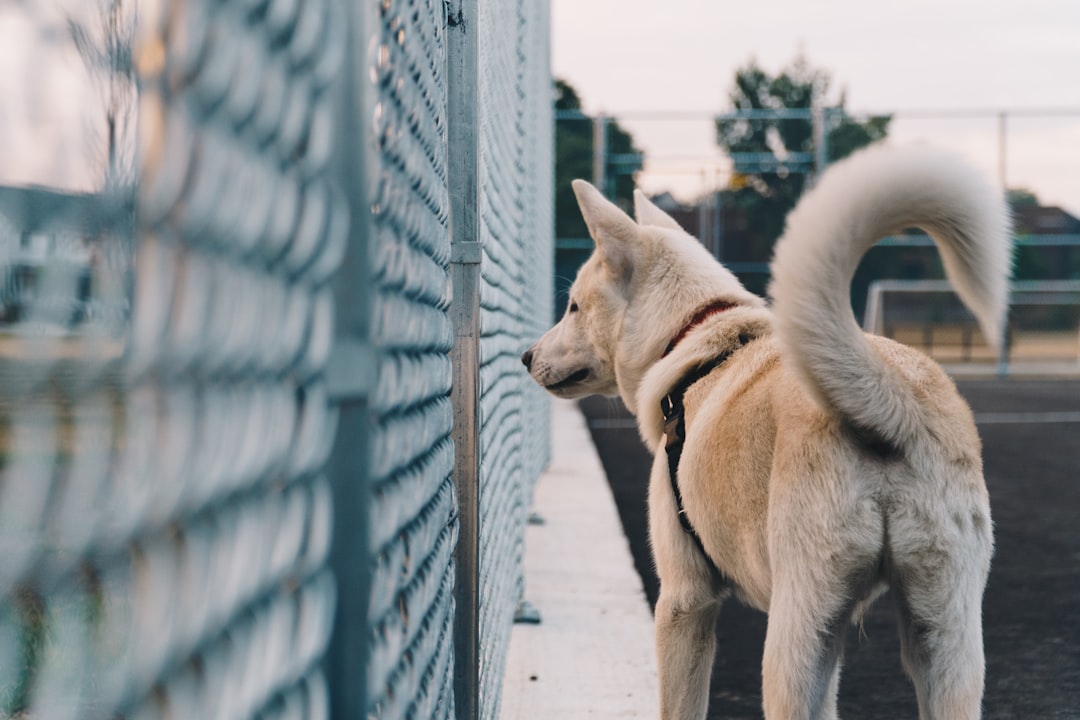
Many people automatically think a wagging tail means a happy dog, but that’s not always true. Dogs wag their tails for many reasons, and the way they do it can mean very different things. For example, a slow, stiff wag can actually signal uncertainty or even agitation. A high, fast wag sometimes points to excitement, but it could also mean a dog is on edge. If the wag is low and relaxed, that’s usually a good sign. Watch for the way your dog holds their tail and how quickly it moves. Like humans using tone of voice, dogs use their tails to add nuance to their “conversations.”
Barking at Strangers: Not Just Aggression
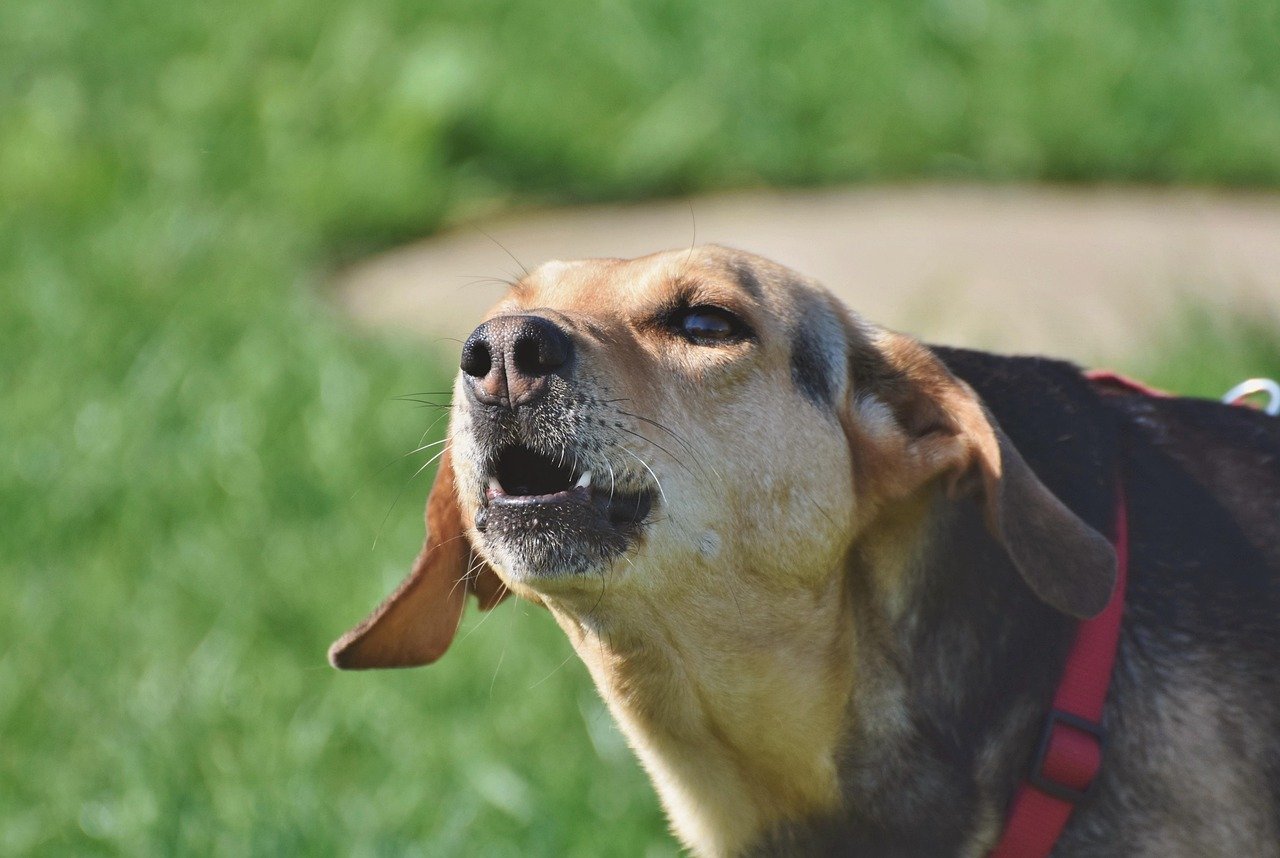
It’s easy to assume that barking at strangers means your dog is aggressive or unfriendly, but the truth is often more complicated. Dogs bark for a variety of reasons, including fear, excitement, or even just to say hello. Some breeds are more vocal than others, and some dogs bark to alert you to something new in their environment. Imagine if someone rang your doorbell—you’d probably react too! Instead of scolding your dog, try to understand what’s causing their reaction. Sometimes, they’re just trying to protect their pack—or let you know someone’s at the door.
Yawning: More Than Just Tiredness
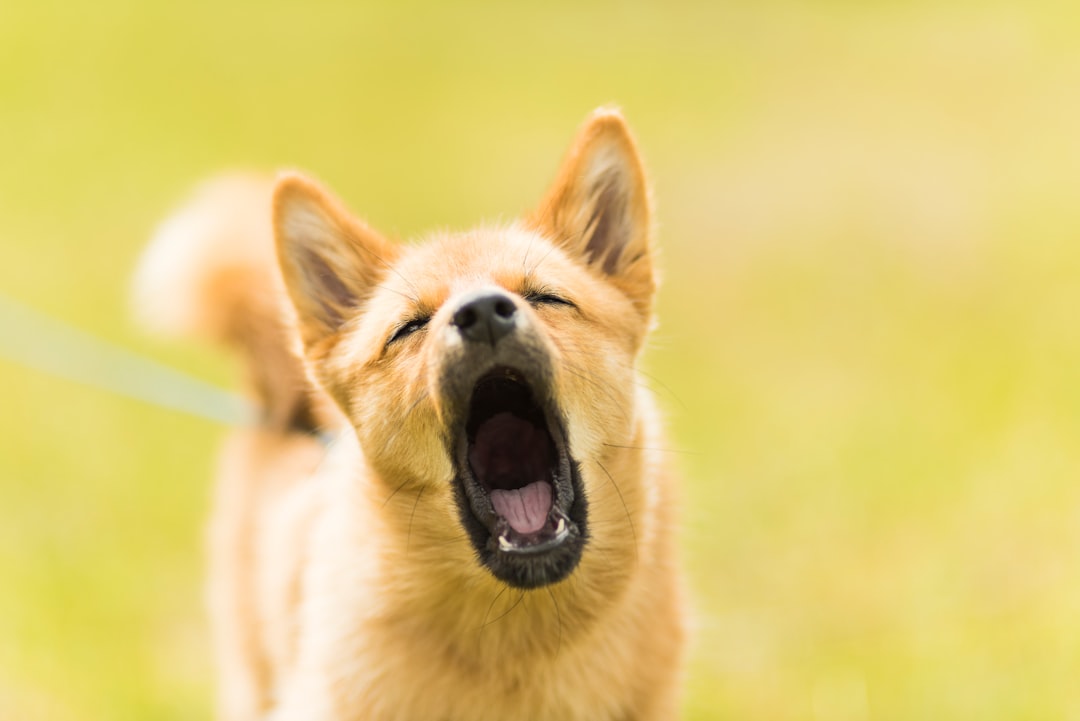
When you see your dog yawn, you might think they’re just sleepy. However, dogs often yawn when they’re feeling stressed, anxious, or uncomfortable. It’s a calming signal—a way for dogs to diffuse tension, either for themselves or those around them. For example, a dog might yawn at the vet’s office or during a tense moment at the dog park. Next time you see your dog yawn at an odd moment, think of it as them saying, “Let’s all just relax a bit.”
Licking Faces: Not Always About Affection
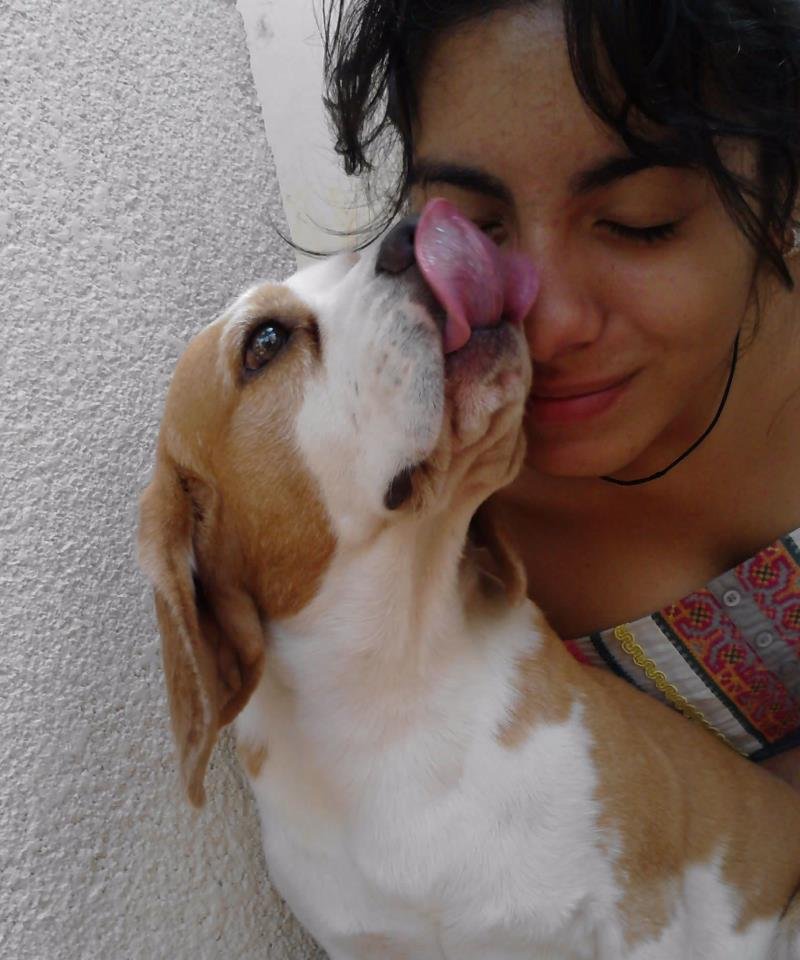
Having your dog lick your face feels like a kiss, but there’s more to it. While licking can be a sign of love, it’s also a way for dogs to show submission or to get information about you. Puppies lick their mother’s face to ask for food, and adult dogs often do it to show respect or to say, “You’re in charge.” Sometimes, your dog might just be curious about what you’ve had for lunch! So, the next time your pup gives you a face wash, remember there may be more on their mind than just affection.
Rolling Over: Submission, Not Always Playfulness
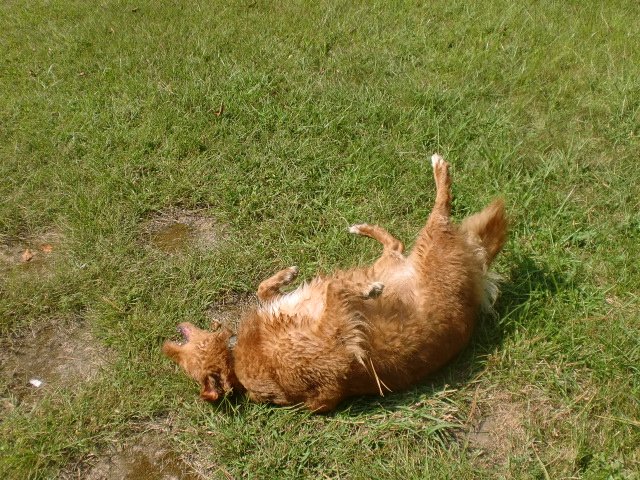
It’s adorable when a dog rolls onto their back, but it’s not always an invitation for belly rubs. In the dog world, rolling over can be a sign of submission or trust, especially if the dog looks away or tucks their tail. It’s their way of saying, “I’m no threat.” Some dogs also do this to ask for a pause in play if things get too rough. So, before you dive in for a belly scratch, make sure your dog is really asking for one—and not just trying to keep the peace.
Panting: Not Just Because They’re Hot
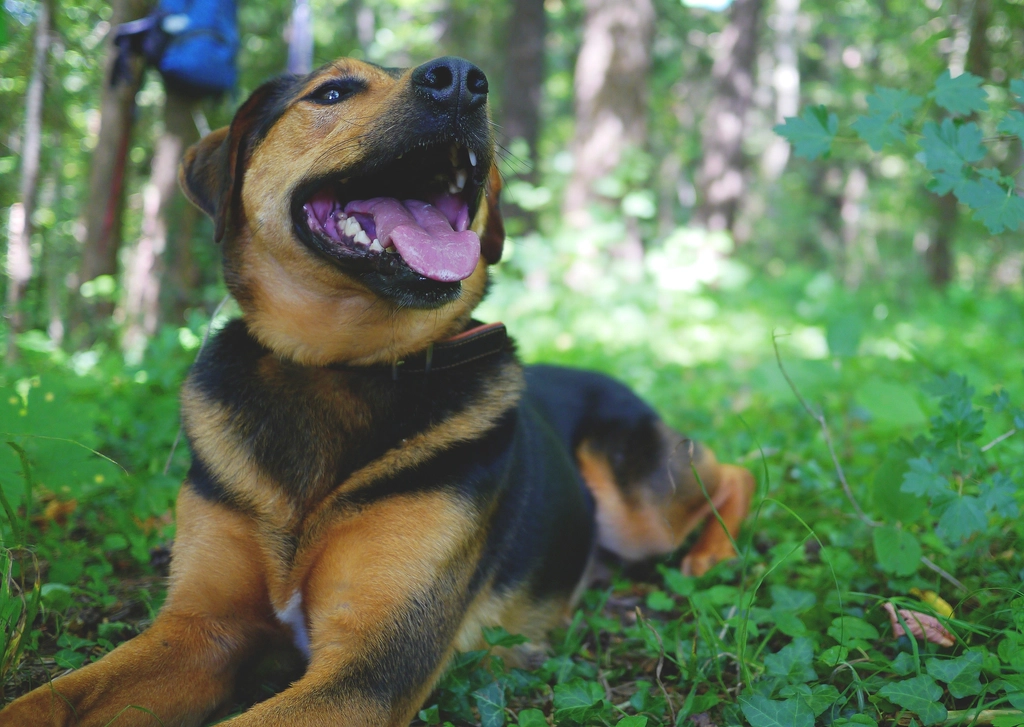
Of course, dogs pant to cool themselves off, but that’s not the only reason. Dogs also pant when they’re stressed, excited, or even in pain. Think of it like a human taking deep breaths to calm down. If your dog suddenly starts panting when there’s no obvious reason—like after a car ride or a loud noise—they could be feeling anxious. Paying attention to when and why your dog pants can help you spot when they’re uncomfortable or need reassurance.
Chewing Everything: Not Just Being Naughty
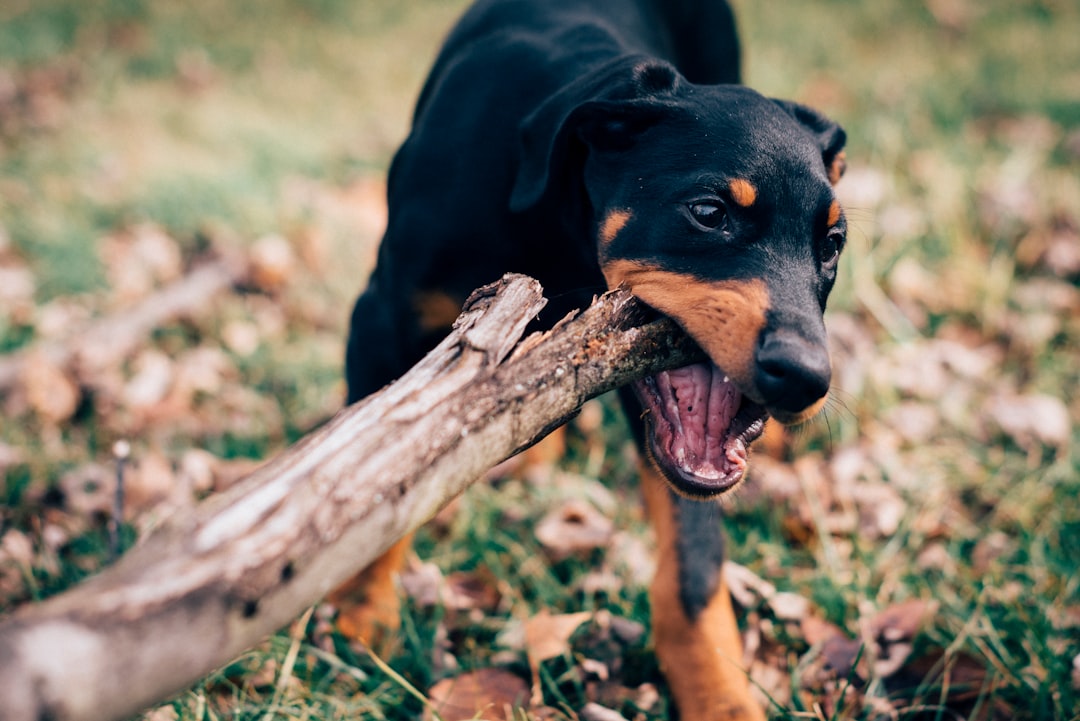
When your dog chews up your shoes, it’s tempting to think they’re just being bad. But chewing is a natural dog behavior, especially for puppies who are teething. Adult dogs might chew to relieve boredom, stress, or even dental discomfort. Dogs explore the world with their mouths, much like toddlers touch everything. Providing safe toys and plenty of mental stimulation can help steer this behavior in the right direction—and save your favorite sneakers!
Growling: Not Always a Threat
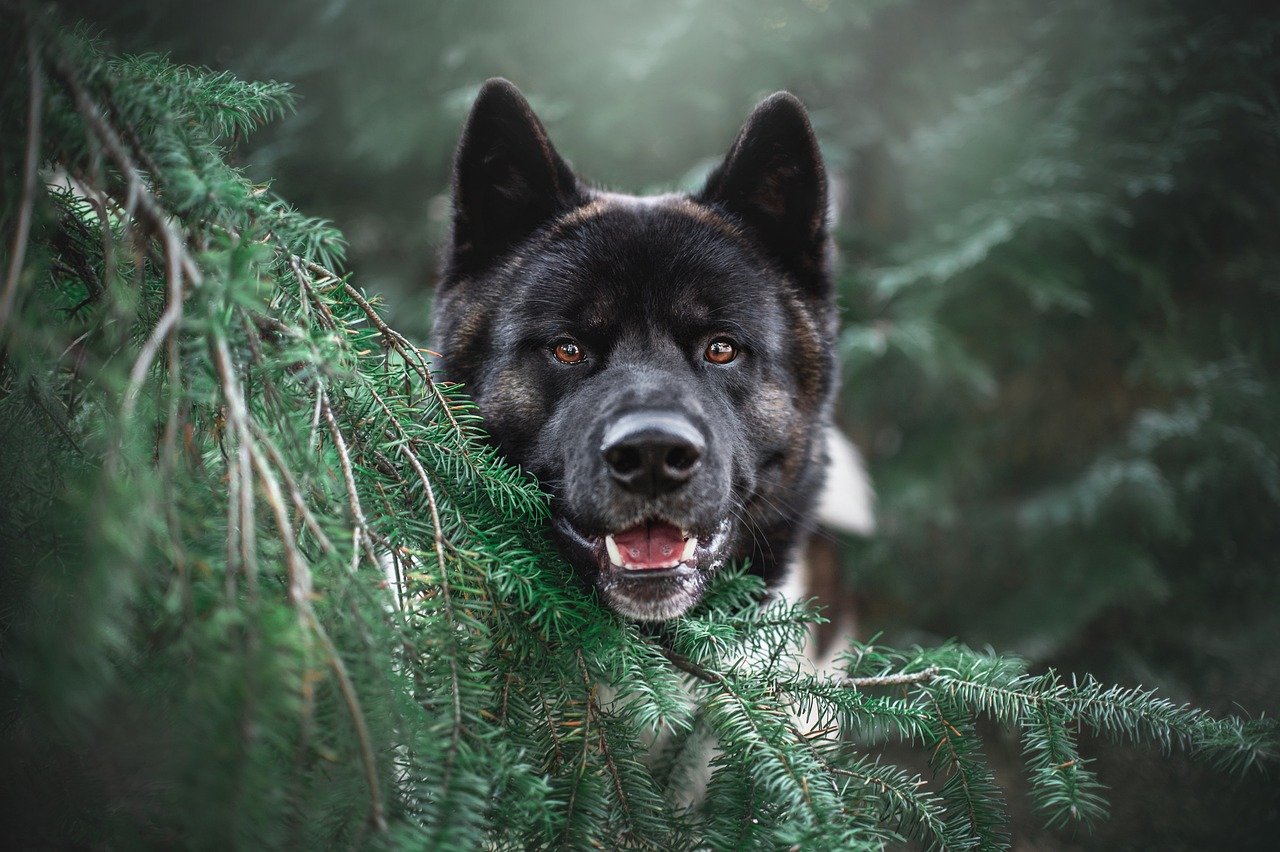
Growling often sounds scary, but it’s not always a sign that your dog is about to bite. Sometimes, dogs growl to communicate discomfort, fear, or even just to set boundaries during play. It’s their way of saying, “I’m not okay with this.” Ignoring a growl or punishing a dog for it can actually make things worse, as they may learn to skip the warning and go straight to more serious actions. Listening to your dog’s growls can help prevent misunderstandings and foster trust.
Wagging Their Whole Body: Pure Joy Everyone Sees
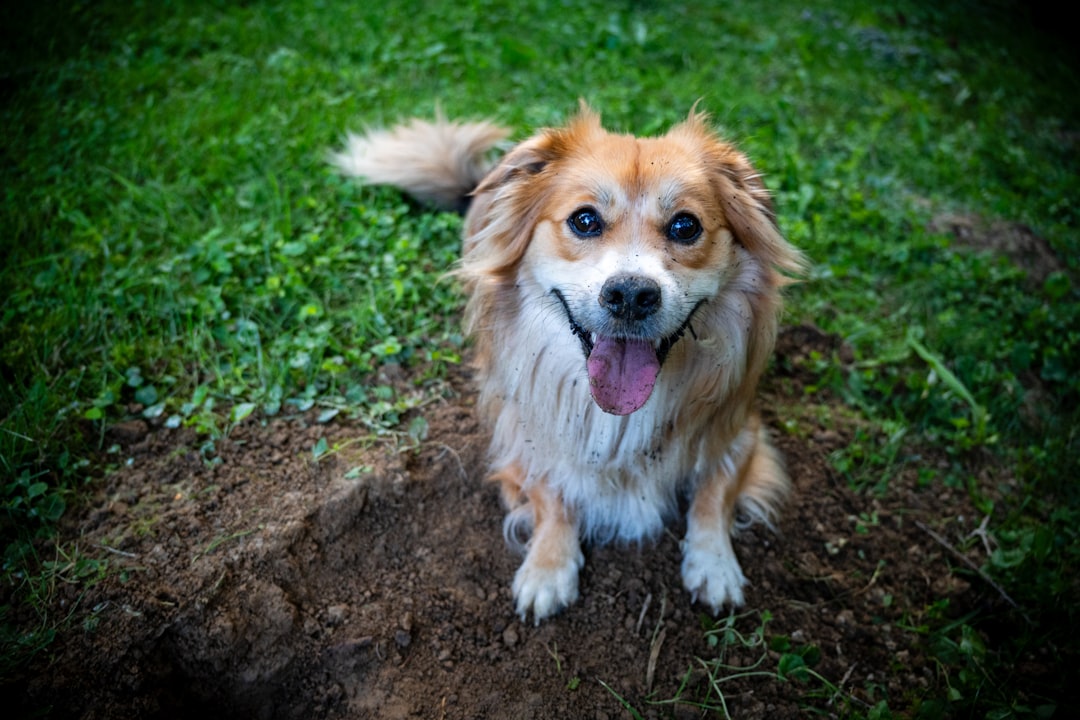
Unlike the sometimes-confusing tail wag, when a dog wiggles their whole body, it’s a clear sign of happiness. This behavior usually happens when you come home or when they see a favorite person or toy. Their enthusiasm is impossible to miss—they might even wiggle so hard they can barely stand still! It’s their way of shouting, “I’m so glad you’re here!” No one mistakes this joyful display for anything but love and excitement.
Chasing Their Tail: Playfulness Everyone Loves
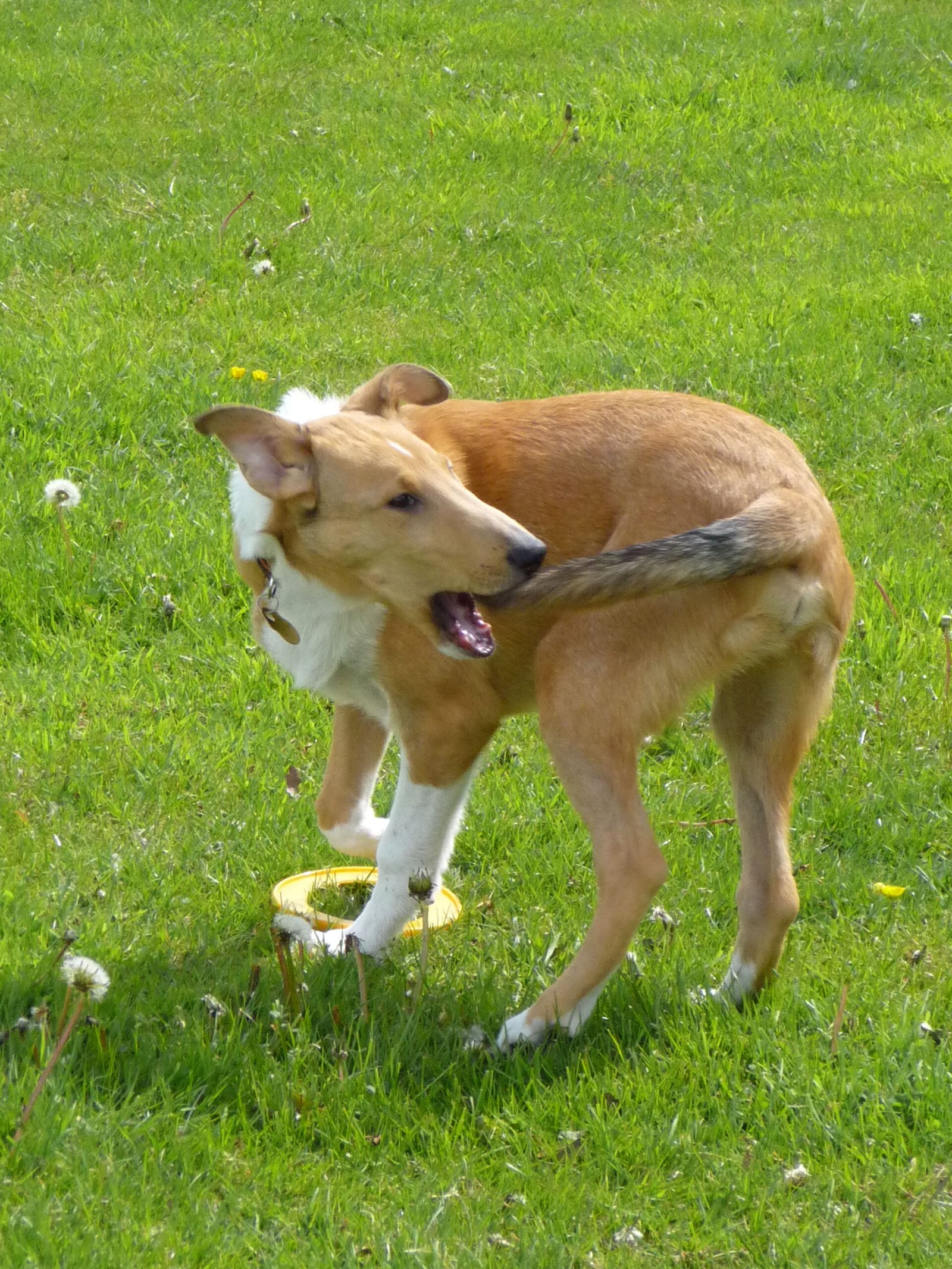
Few things are as funny and heartwarming as watching a dog chase its own tail. Whether it’s a puppy discovering their tail for the first time or an older dog just feeling goofy, everyone recognizes this as a playful moment. Sometimes, it’s just for fun, but dogs might also chase their tails to burn off energy or relieve boredom. As long as it’s not obsessive, it’s one of those silly things that make dogs so endearing.
Cuddling Up: Universal Comfort
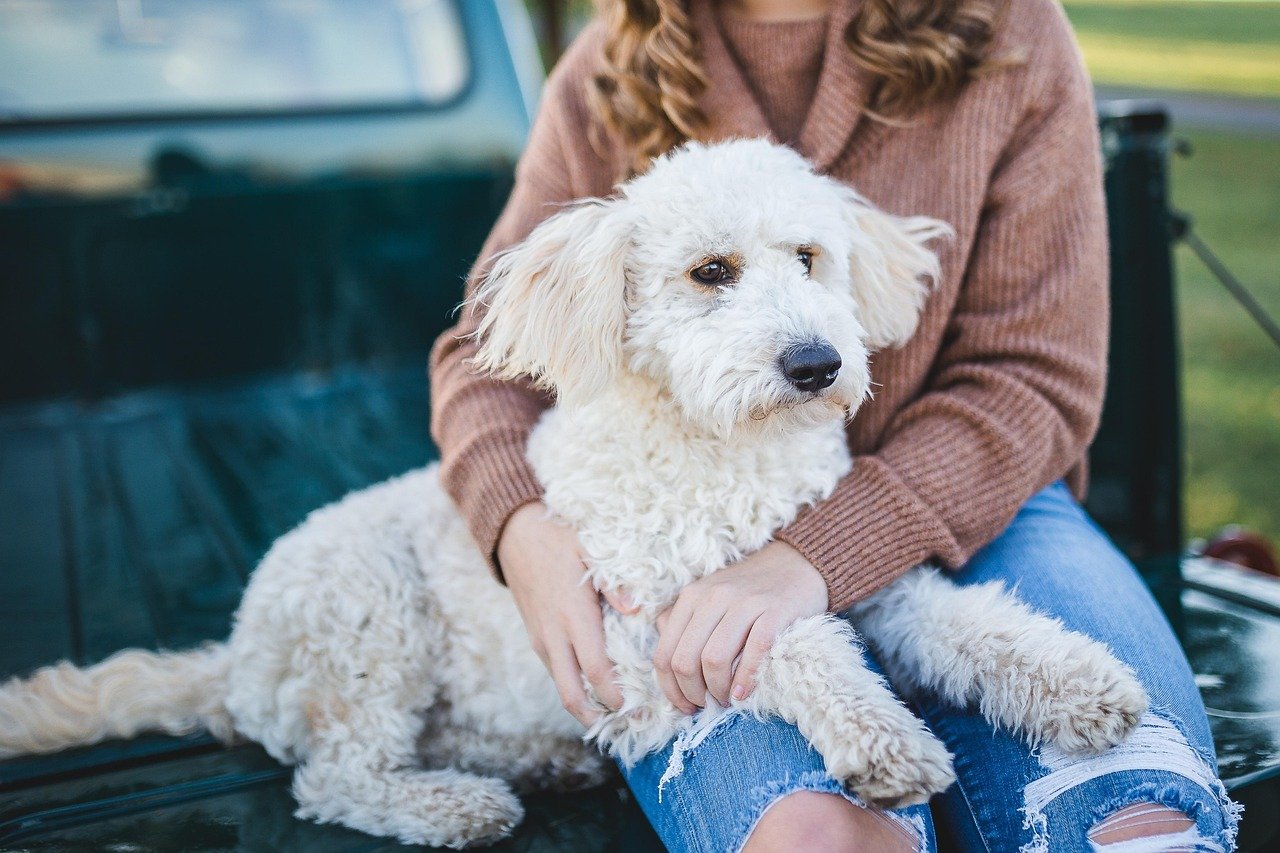
When a dog curls up next to you or puts their head in your lap, it’s a gesture everyone understands. This close contact is a sign of trust, affection, and comfort. Dogs are social animals, and they love to be near the people they care about. It’s their way of saying, “You’re my family.” Whether you’re watching TV or just relaxing, a dog’s cuddle is always welcome and never misunderstood.
Fetching: Shared Fun for All
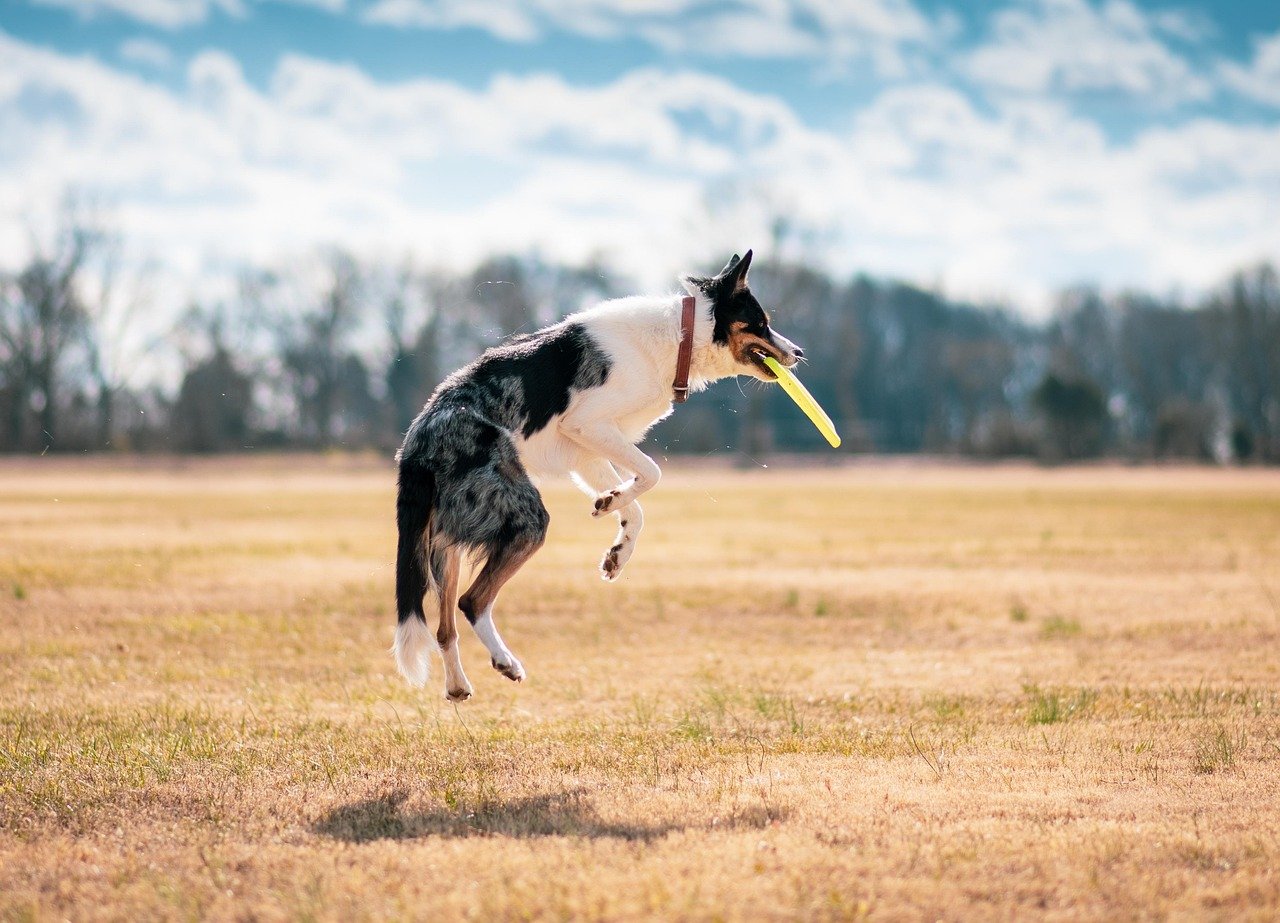
Throw a ball, and most dogs will chase after it with glee. Fetch is a classic game that bridges the communication gap between humans and dogs. It taps into a dog’s natural instincts to chase and retrieve, and it’s a great way to bond. Everyone knows that a wagging tail and eager eyes mean, “Throw it again, please!” It’s a simple pleasure that brings joy to both ends of the leash.
Happy Barking: Excitement Everyone Recognizes
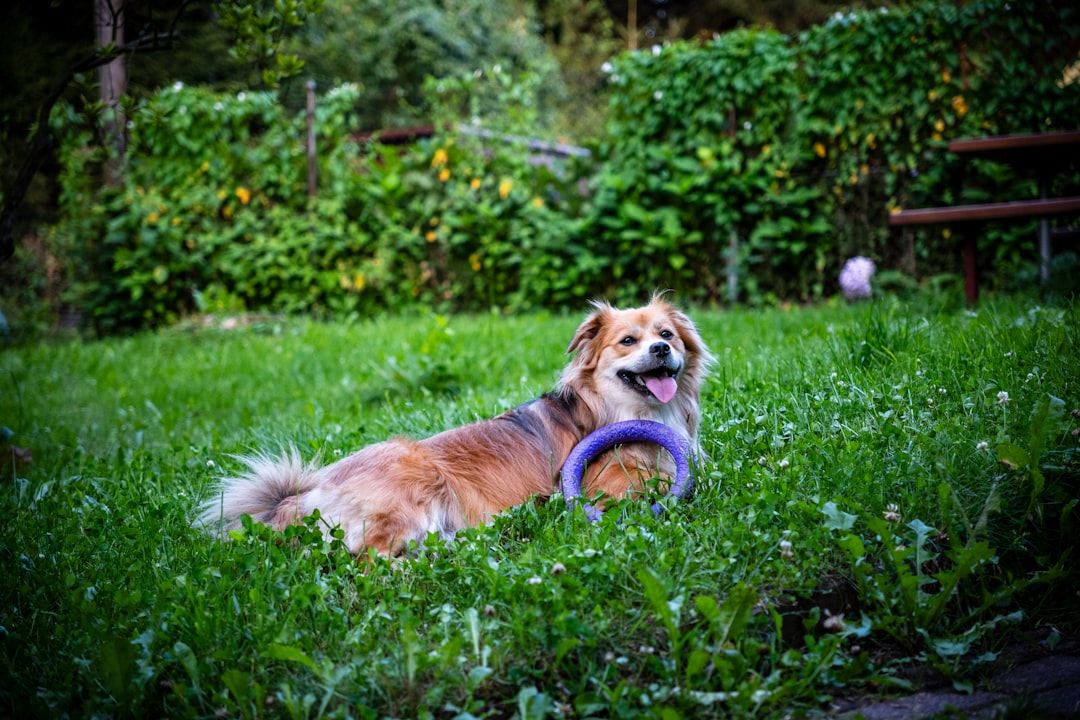
When dogs bark with excitement—whether it’s at the park, during play, or when greeting you—it’s nearly impossible to misinterpret. Their high-pitched, rapid barks are filled with joy and energy. Unlike alarmed or fearful barking, happy barking is infectious and often makes people smile. It’s the sound of a dog living their best life, and it’s something everyone can appreciate.
What dog behavior has surprised you the most?


