

You know, when people picture getting a dog, they often imagine effortless companionship, tail wags, and cozy evenings on the couch. The reality can be beautifully different. Some breeds require more patience, more energy, and honestly, more from you than you might expect. It’s not about them being bad dogs. Far from it. It’s about understanding what you’re really signing up for.
The truth is, certain breeds generate more frustration among owners simply because expectations don’t match reality. That disconnect leads to complaints, behavioral struggles, and sometimes heartbreak. Let’s dive into eight breeds that consistently show up on the trickier side of dog ownership and explore what makes them so challenging.
Siberian Husky: The Escape Artist with Endless Energy
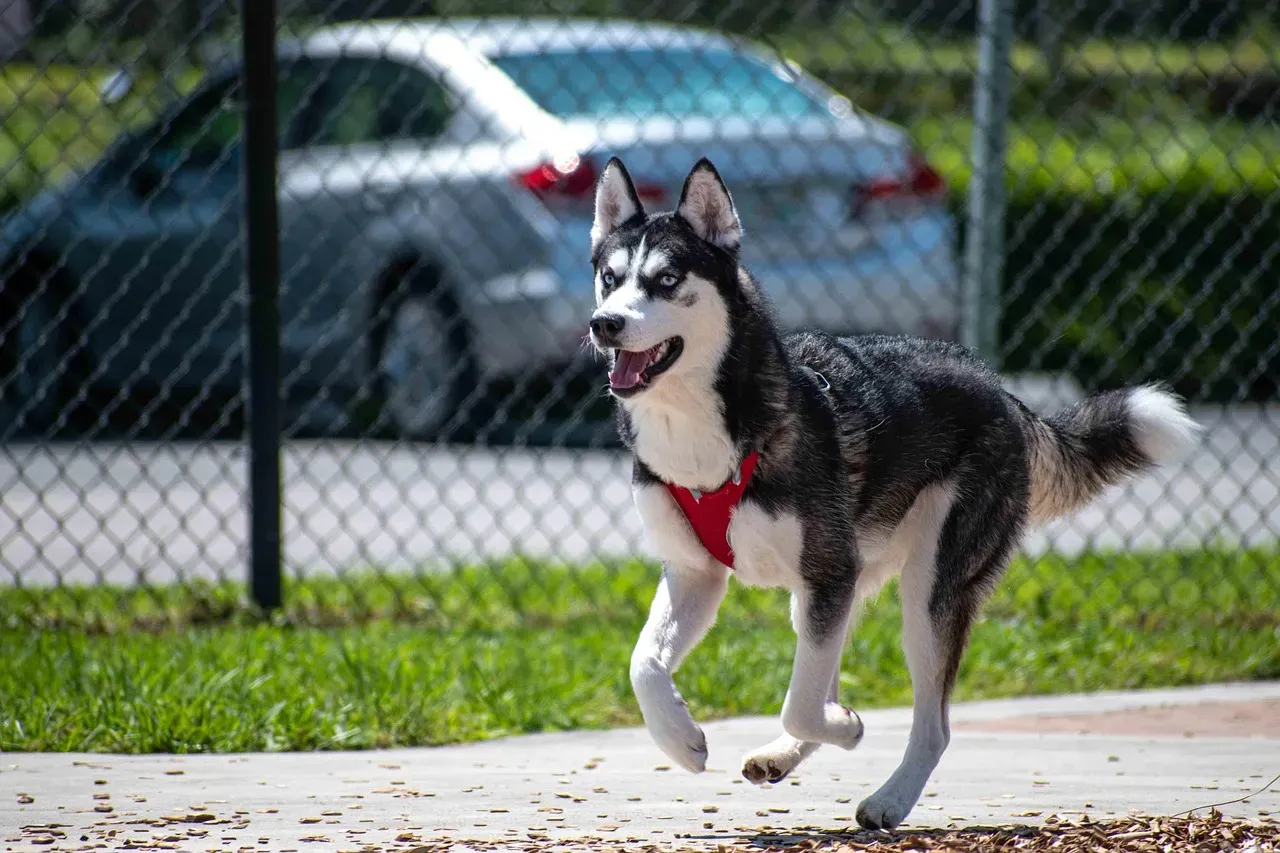
Huskies are far from being low-maintenance dogs, requiring a lot of exercise and prone to bolting out the door. Huskies are famous for their stubborn behavior, bred to pull sleds in harsh climates, and are independent thinkers who love to run and explore, often ignoring commands, especially if off-leash.
Honestly, this breed tests even the most dedicated owners. Intelligent and energetic, these dogs are well known for their “talkative” nature and tendency to throw tantrums when they aren’t getting their way, and these behaviors may be cute and funny initially, but they quickly become frustrating for inexperienced owners who don’t know how to work with these intelligent, strong-willed dogs. They are stubborn, high energy, have a small prey drive, are escape-artists of the dog world, and very vocal at all hours.
Chihuahua: Tiny Size, Enormous Attitude

It’s hard to say for sure, but Chihuahuas might be one of the most underestimated breeds out there. Research from the University of Pennsylvania revealed that smaller breeds like Dachshunds and Chihuahuas exhibit higher rates of aggressive behavior. Although one of the most popular dog breeds and one of the smallest, the Chihuahua is famous for being one of the meanest dogs, with owners tending to coddle them and neglect training or disciplining them because of their small size, making them believe they can handle them, which exacerbates their bad behavior, and they tend to be very possessive of their owners and have no problem barking, snapping at, or even biting other people and dogs several times their size.
These little dynamos demand serious training from the start. They require a lot of extra time and are infamous for their behavioral issues. The problem isn’t intelligence or temperament alone; it’s that people treat them like accessories rather than actual dogs. They need boundaries, socialization, and consistency like any other breed. Skipping that sets everyone up for failure.
Chow Chow: The Fluffy Independent Who Doesn’t Do Cuddles
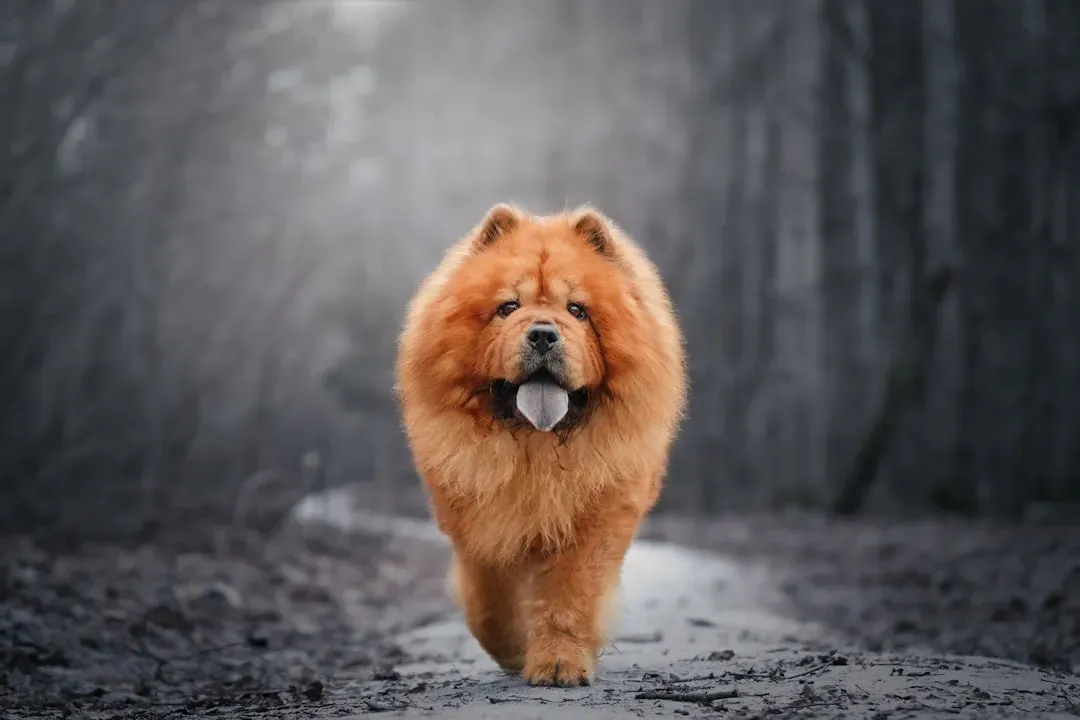
Chow Chows are often admired for their lion-like mane and dignified stance, but their temperament can be challenging, as they are highly independent and prefer doing things on their own terms. At work, chows are some of the meanest dogs encountered, and they’re even worse in grooming, where basically all the groomers agree they’re universally dreaded.
Here’s the thing: this breed wasn’t designed to be a lapdog. Training a Chow Chow requires patience, since they don’t respond quickly to commands, and their willful personality often makes them resistant to repetitive lessons or correction. While intelligent, these dogs are stubborn, and raising a well-mannered and well-adjusted Chow takes a lot of training and patience, so these dogs do best with experienced owners. They’re loyal to their families but wary of the world around them.
Beagle: The Nose That Rules Everything
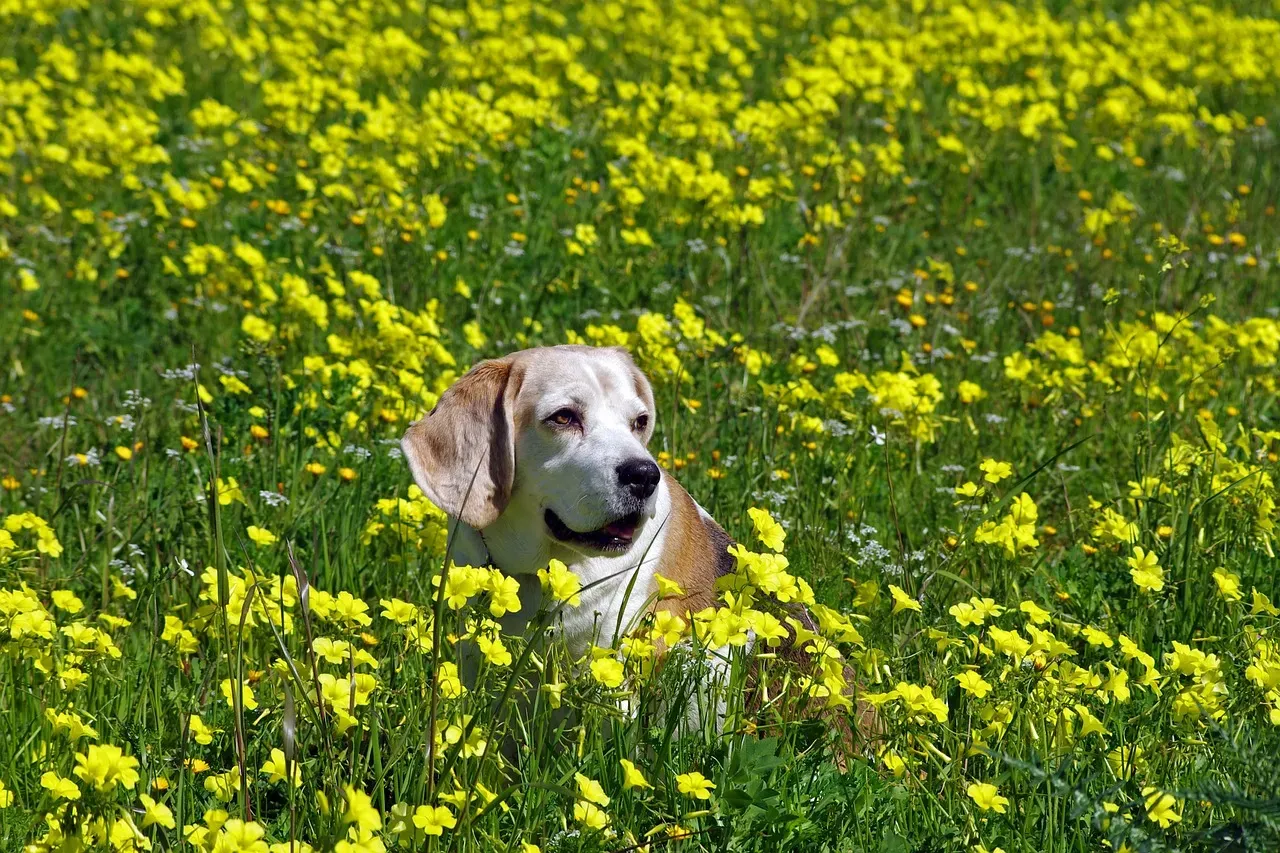
Beagles are adorable, no question. Yet they’re also one of the most complained-about breeds when it comes to training struggles. The Beagle is friendly, loving, and notoriously difficult to train, with an independent streak and incredible nose meaning it will often ignore its owner’s calls when on a scent trail. Bloodhounds are hard to train because they are distracted by smells near and far, and they are gentle, easygoing dogs with strong persistence in following scent trails.
That selective hearing? It’s genetic. They are difficult to train because they are not really looking up, they are looking down, and they are not really interested in listening or pleasing anyone; they are simply interested in following their noses. The key to living happily with a Beagle is understanding what drives them and working with that instinct, not against it. Mental stimulation and scent games help channel their energy constructively.
Rottweiler: Power Paired with Protectiveness

Rottweilers are known for their protective and territorial instincts, and if they aren’t properly trained, this breed may become aggressive; these dogs are strong-willed, large in size, and may try to assert dominance if they sense a lack of authority, and early socialization, routine training, and assertiveness are crucial for raising a Rottweiler that’s well-behaved.
Let’s be real: this is not a starter dog. It’s hard to train Rottweilers once they’re older, and if you’re going to get such a huge and muscular dog who is capable of causing a lot of damage, it is your responsibility to train them effectively. The complaints often come from owners who underestimated what it means to raise a guarding breed. These dogs thrive with structure, consistency, and an owner who understands canine body language and leadership without force.
Dachshund: Long Body, Stubborn Spirit

Dachshunds are one of the most popular breeds, loved for their quirky looks and bold personality, but their unique shape puts them at risk for a range of medical concerns, with their long spine and short legs making them especially vulnerable to back problems, with intervertebral disc disease being one of the most common, and this condition can cause pain, mobility issues, or even paralysis in severe cases.
The stubbornness factor is real with these guys. The so-called stubbornness of breeds such as Dachshund, Siberian Husky, or Beagle stems from their exploratory nature, and they will simply not obey your words until they find something exciting. Owners often complain about training difficulties, housebreaking challenges, and that independent streak that makes a simple recall feel like negotiating a peace treaty. Patience and positive reinforcement go a long way.
Jack Russell Terrier: Boundless Energy in a Compact Package
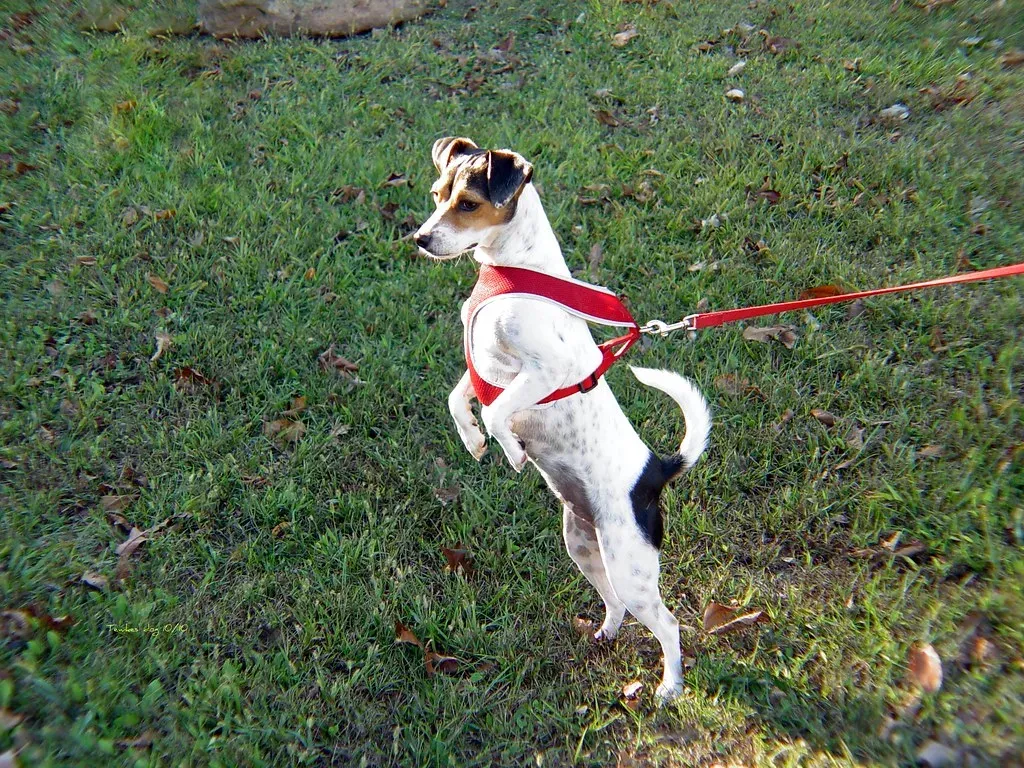
Jack Russells have spirited personalities and seemingly boundless energy, earning them the reputation of being “hyper,” and these pups have a strong prey drive as well, meaning they’re prone to behaviors such as barking and digging, and these tendencies can be especially challenging for first-time dog owners to handle.
I know it sounds crazy, but this breed in the wrong home is a recipe for chaos. A University of Pennsylvania study of 6,000 dog owners found that small breeds like Dachshunds and Jack Russell Terriers showed higher rates of aggression than many feared breeds. They were bred to hunt and work, which means their energy levels and drive are through the roof. Without an outlet, that energy turns destructive fast. Daily mental and physical exercise isn’t optional; it’s survival.
English Bulldog: Health Issues Create Ongoing Challenges
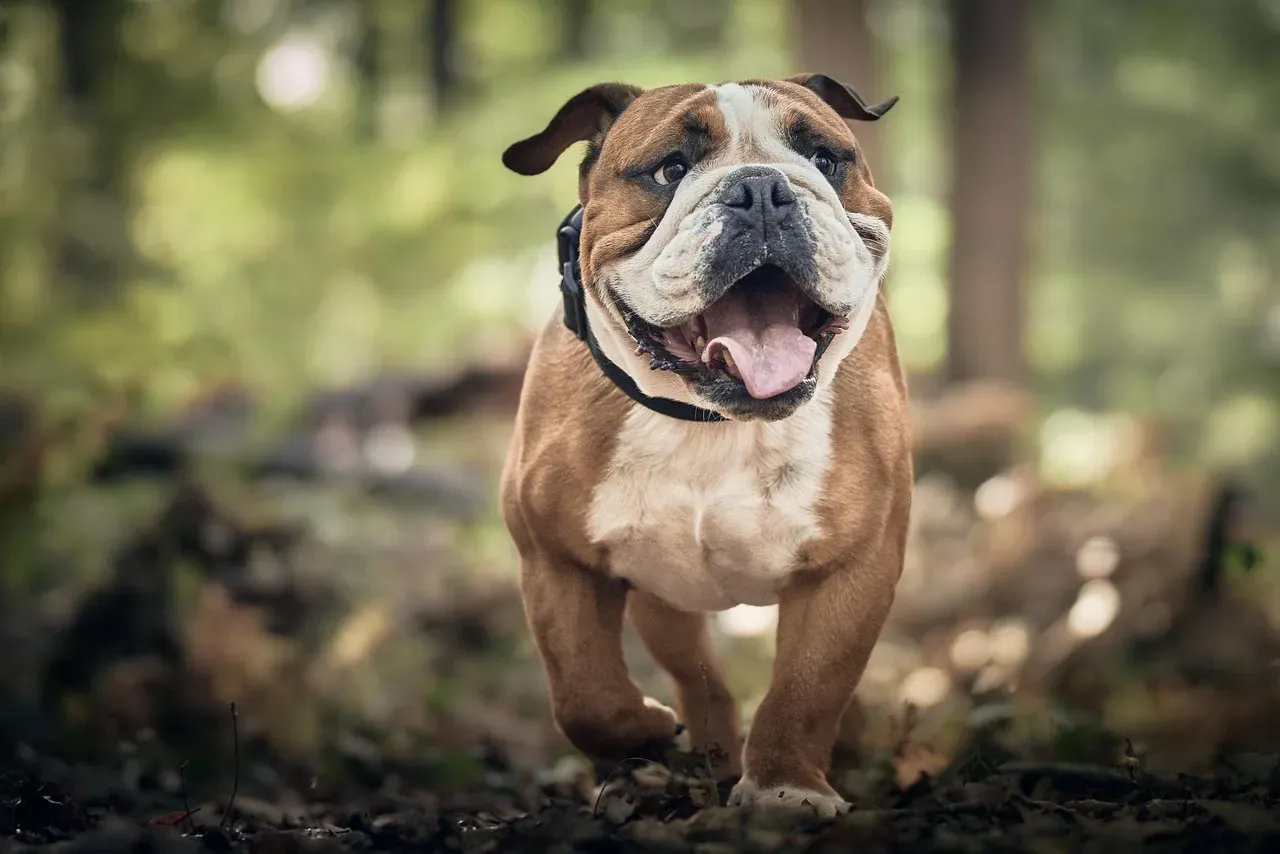
English Bulldogs often require human intervention in the form of artificial insemination and cesarean sections due to their unique physical structure, with large heads and broad shoulders making it difficult for the puppies to pass through the birth canal. Due to their short muzzle, Bulldogs are prone to respiratory problems that affect daily activity, and even short walks in warm weather can leave them gasping for air.
Owner complaints often center on health costs and daily care demands. Although Bulldogs are known for their calm demeanor, their health needs make them demanding, and regular cleaning of skin folds, along with close monitoring of diet, is necessary to avoid infections, and these hidden requirements can surprise owners who expect an easy companion. The financial and emotional toll of managing chronic health conditions can be overwhelming, especially for first-time owners unprepared for the reality.
Conclusion: Love Them, But Know What You’re Getting Into

Here’s what I’ve learned after years around dogs: no breed is inherently bad or impossible. The complaints come when people fall in love with an image instead of understanding the animal. Every one of these eight breeds can be a phenomenal companion in the right home, with the right training, and with realistic expectations.
Do your research. Talk to breeders, trainers, and actual owners. Understand what your lifestyle can genuinely support. Because the goal isn’t just to bring a dog home; it’s to build a partnership that works for both of you.
What’s your experience been with challenging breeds? Have you found ways to work through the tough stuff, or did it catch you off guard? Share your thoughts in the comments.


