
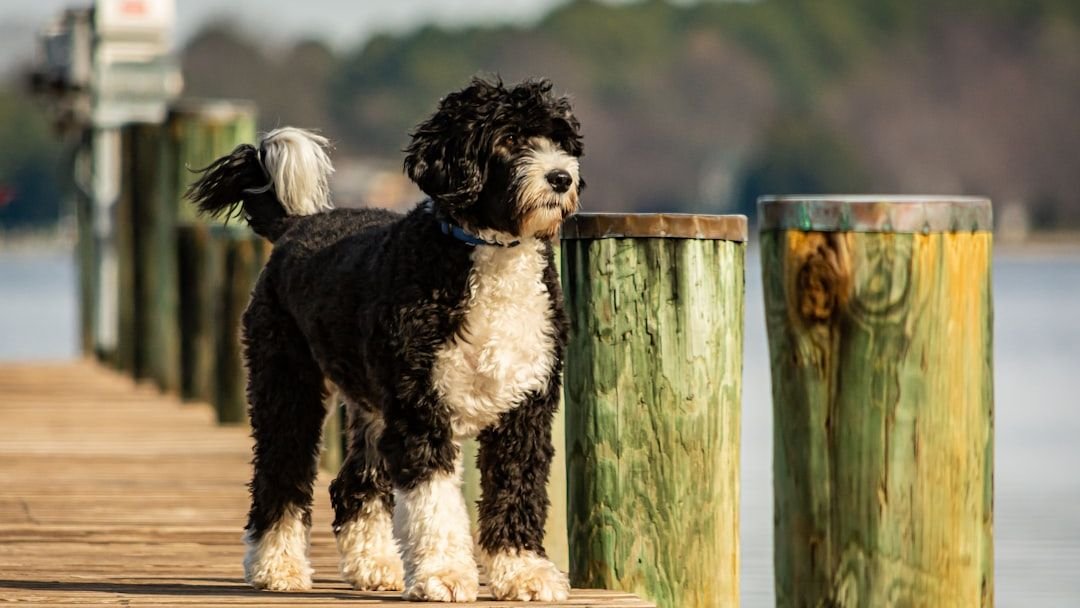
Have you ever noticed how some dogs are absolutely magnetic to water while others act like it’s made of lava? It’s fascinating, really. You might find yourself at the lake watching one pup leap off the dock with pure joy while another stays firmly planted on shore, looking at you like you’ve completely lost your mind for even suggesting they get their paws wet.
This isn’t just about personality quirks, though those certainly play a role. The truth is, nature and centuries of selective breeding have shaped dogs into incredibly diverse swimmers and non-swimmers. Some breeds practically have aquatic superpowers with webbed paws and waterproof coats that would make a duck jealous. Others struggle to keep their heads above water due to their body structure. Let’s explore which breeds are born for the water and which ones would rather sunbathe on the shore.
Labrador Retriever – The Swimming Champion
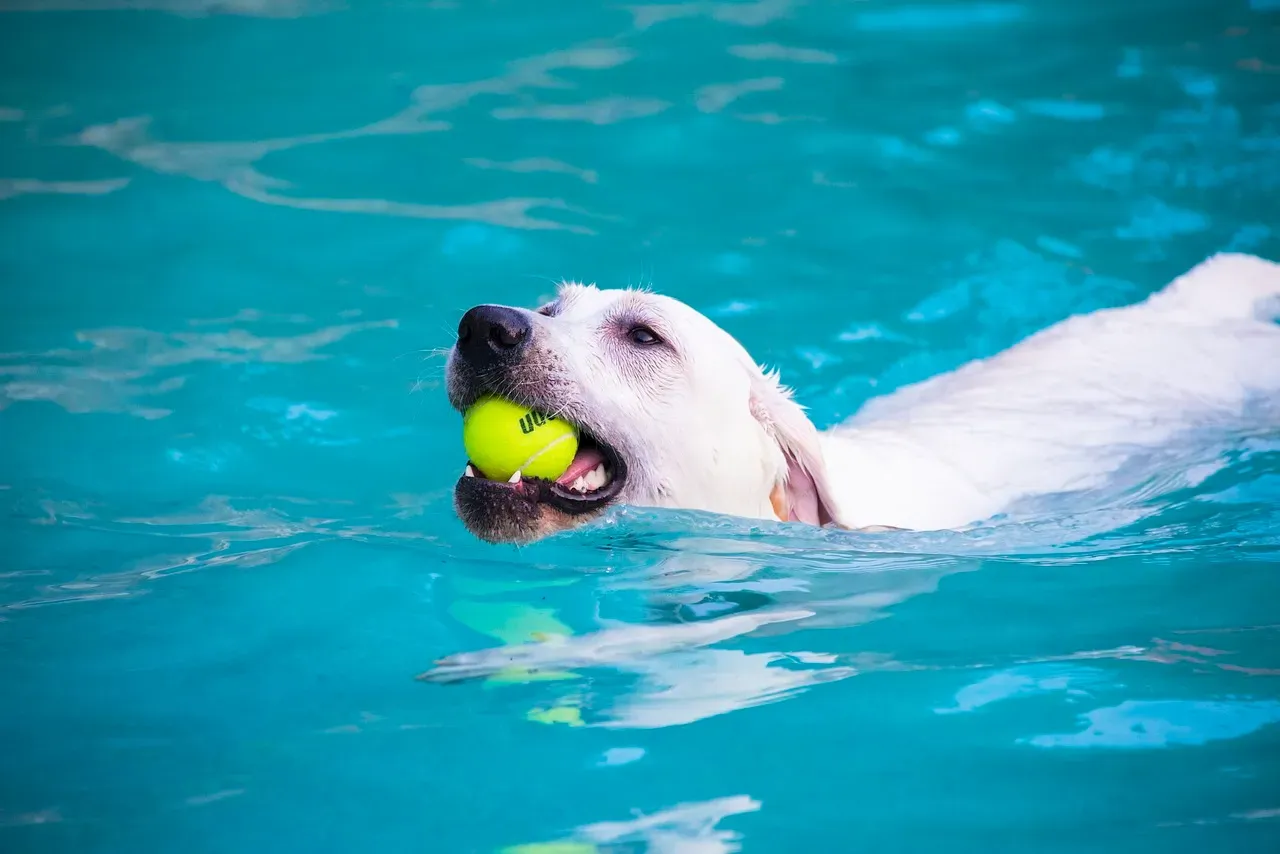
With their muscular body and wide, otter-like tail, Labs are perfectly designed for a great time in the water. Honestly, I’ve yet to meet a Lab who didn’t get excited at the mere sight of a puddle.
Originally bred in Newfoundland as water dogs to help fishermen pull in large nets of fish, these dogs have swimming literally coded into their DNA. Their webbed feet act like built-in flippers, pushing them through water with impressive efficiency.
What makes Labs such incredible swimmers isn’t just one feature. With a thick, water-resistant coat, Labradors are great swimmers, and they love retrieving water toys or taking a dip on a hot day. Their tail works like a rudder, steering them through currents and waves. If you’re looking for a swimming buddy, a Lab will never turn you down.
Golden Retriever – The Joyful Paddler
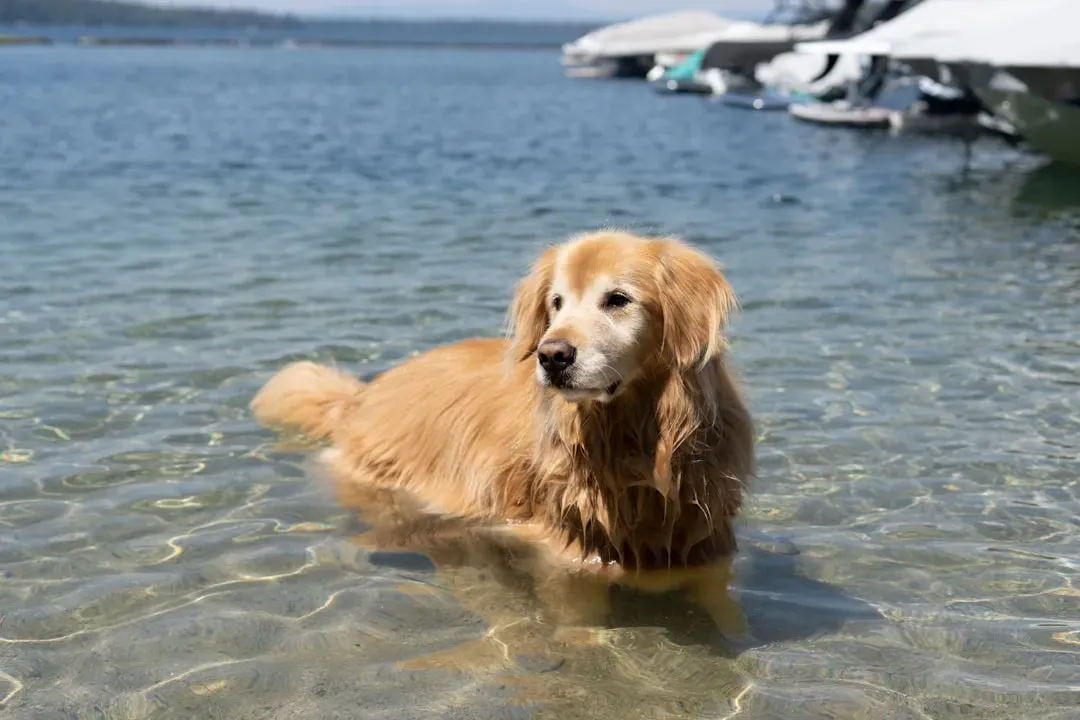
Golden Retrievers share so much in common with their Labrador cousins when it comes to water love. Their famous golden coat is not only beautiful; it also helps repel water when they go for a splash – which is often!
Originally bred to retrieve game from land and water, the Golden Retriever is now one of the most versatile dog breeds. They genuinely seem to smile when they’re swimming, and that enthusiasm is infectious. Watch a Golden retrieve a tennis ball from a lake and you’ll see pure happiness in motion.
Their gentle temperament makes them fantastic swimming companions for families with children. They’re patient, careful around smaller humans, and somehow always ready for one more throw into the water.
Newfoundland – The Gentle Giant Lifeguard
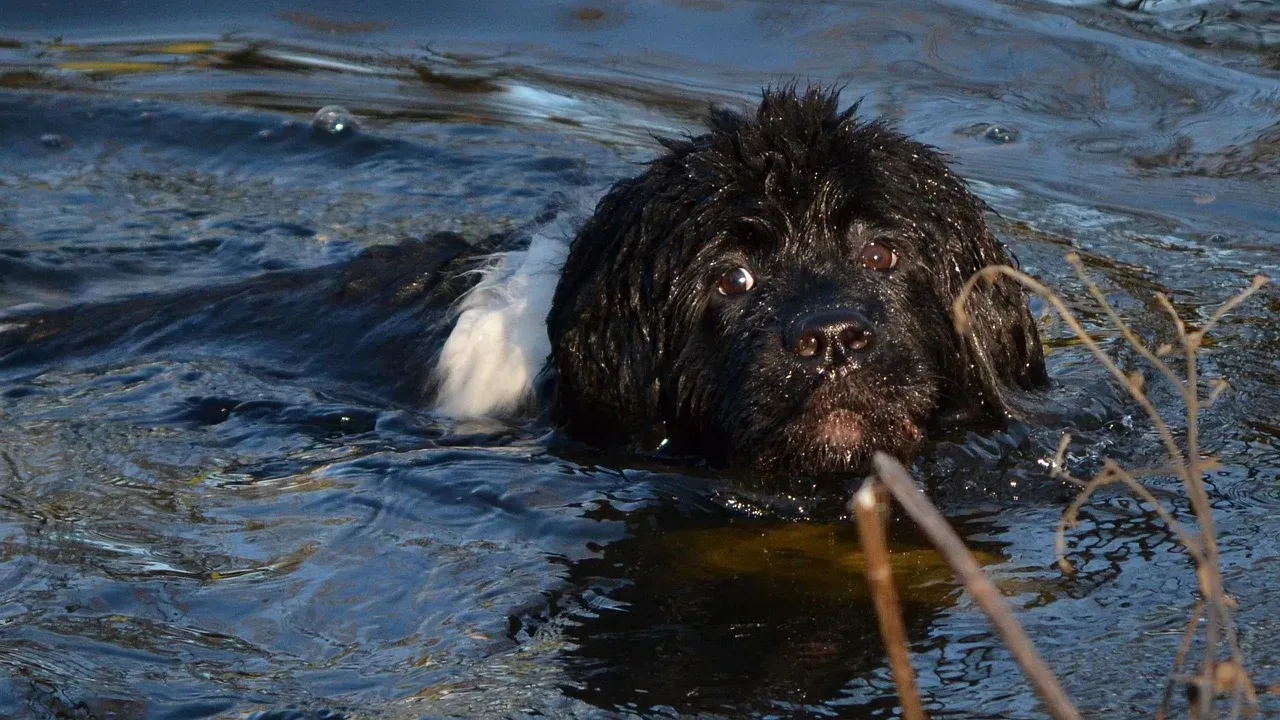
If there’s a superhero of the swimming world, it’s the Newfoundland. These big dogs are adept at swimming and are strong enough to rescue a grown man from drowning. Let’s be real, that’s absolutely remarkable.
Their partially webbed paws and thick, water-resistant coat allow them to maneuver through the icy waters of Canada with ease. These massive dogs were bred for water rescue work, and even today, some organizations train Newfies for lifesaving operations. Their calm demeanor combined with incredible strength makes them natural protectors.
Despite their size, Newfoundlands are surprisingly graceful in water. Their strength, endurance, and natural swimming ability make them exceptional water dogs, renowned for their lifesaving skills. They’re the kind of dog that will instinctively swim toward anyone who looks distressed in the water.
Portuguese Water Dog – The Fisherman’s Partner
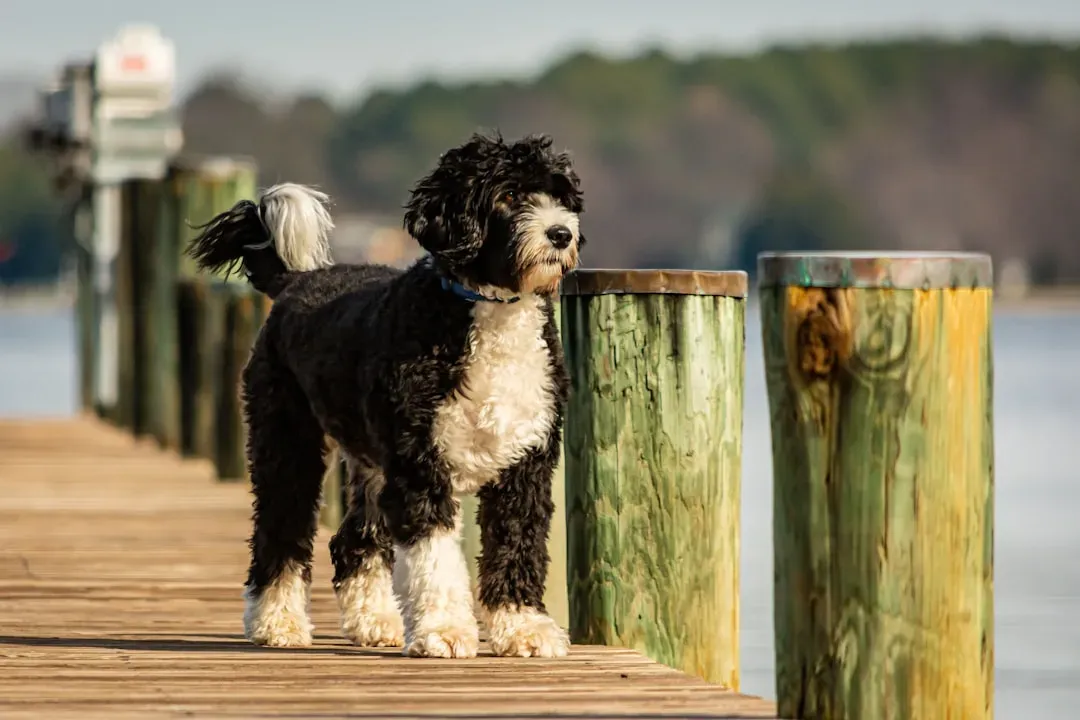
Originally bred to work alongside fishermen, Portuguese Water Dogs have become highly prized pets due to their intelligence, loyalty, and affectionate nature. These dogs weren’t just swimming for fun, they had actual jobs to do.
Their role was incredibly specific and impressive. In their native country, this web-footed breed was used to “herd” fish into the nets, as well as to swim out and retrieve broken nets and lost equipment. Can you imagine training a dog to do that?
Portuguese Water Dogs have curly, waterproof coats that protect them during long periods in cold ocean water. They need considerable exercise and mental stimulation, and they’re happiest when that includes water activities. Their webbed feet make them agile swimmers who can change direction quickly.
Chesapeake Bay Retriever – The Cold Water Specialist
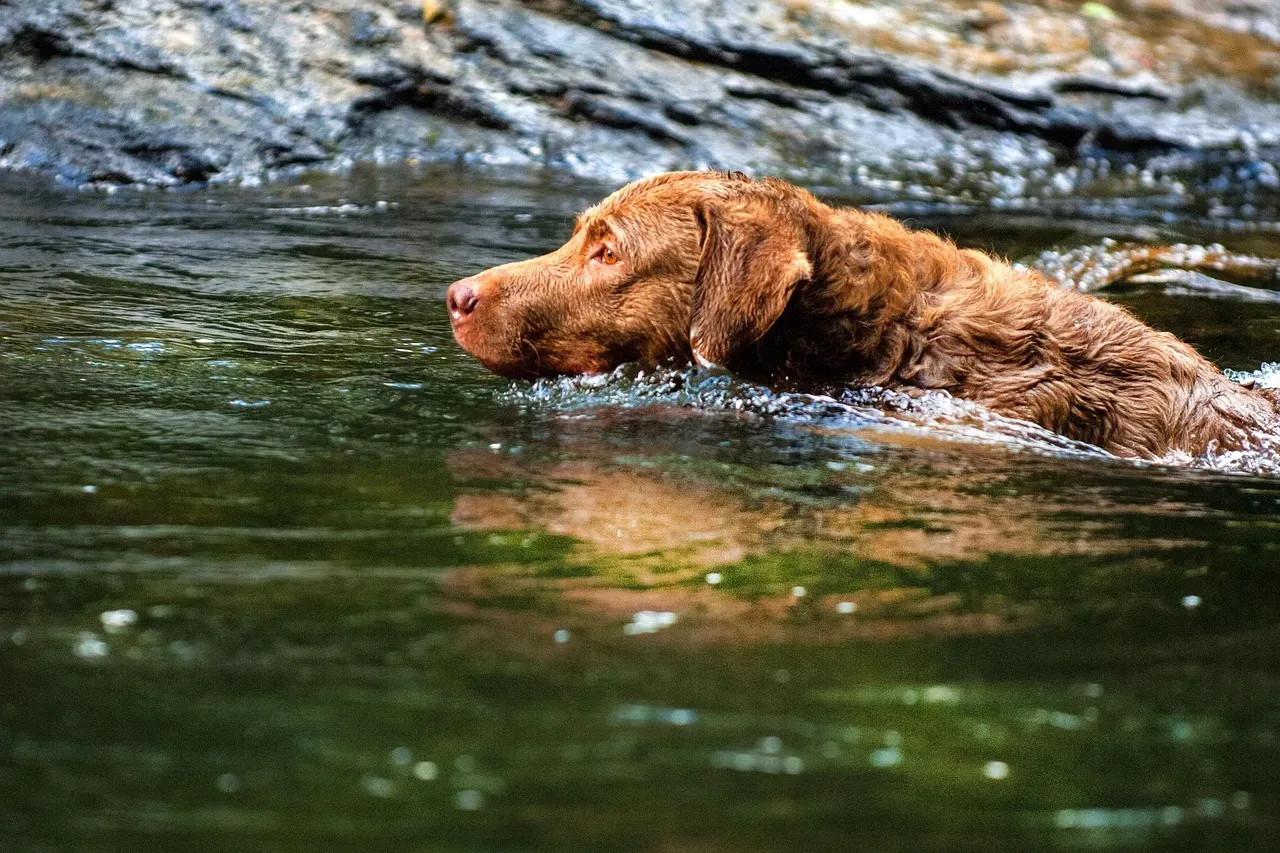
Here’s a breed that truly earns the title of cold water champion. Their dense, curly fur keeps them warm even in the iciest of waters, like the Chesapeake Bay.
Chessies are hardy and well-suited to cold water. They’ve got webbed feet, and short, thick fur with a dense, water resistant undercoat and a wavy, wind-resistant outer coat. This double-layer system is nature’s version of a wetsuit.
These retrievers were specifically developed for hunting waterfowl in harsh conditions. They’re tough, dedicated workers with incredible endurance. While they might not be as widely known as Labs or Goldens, Chesapeake Bay Retrievers are among the most capable swimmers in the canine world.
Standard Poodle – The Elegant Athlete
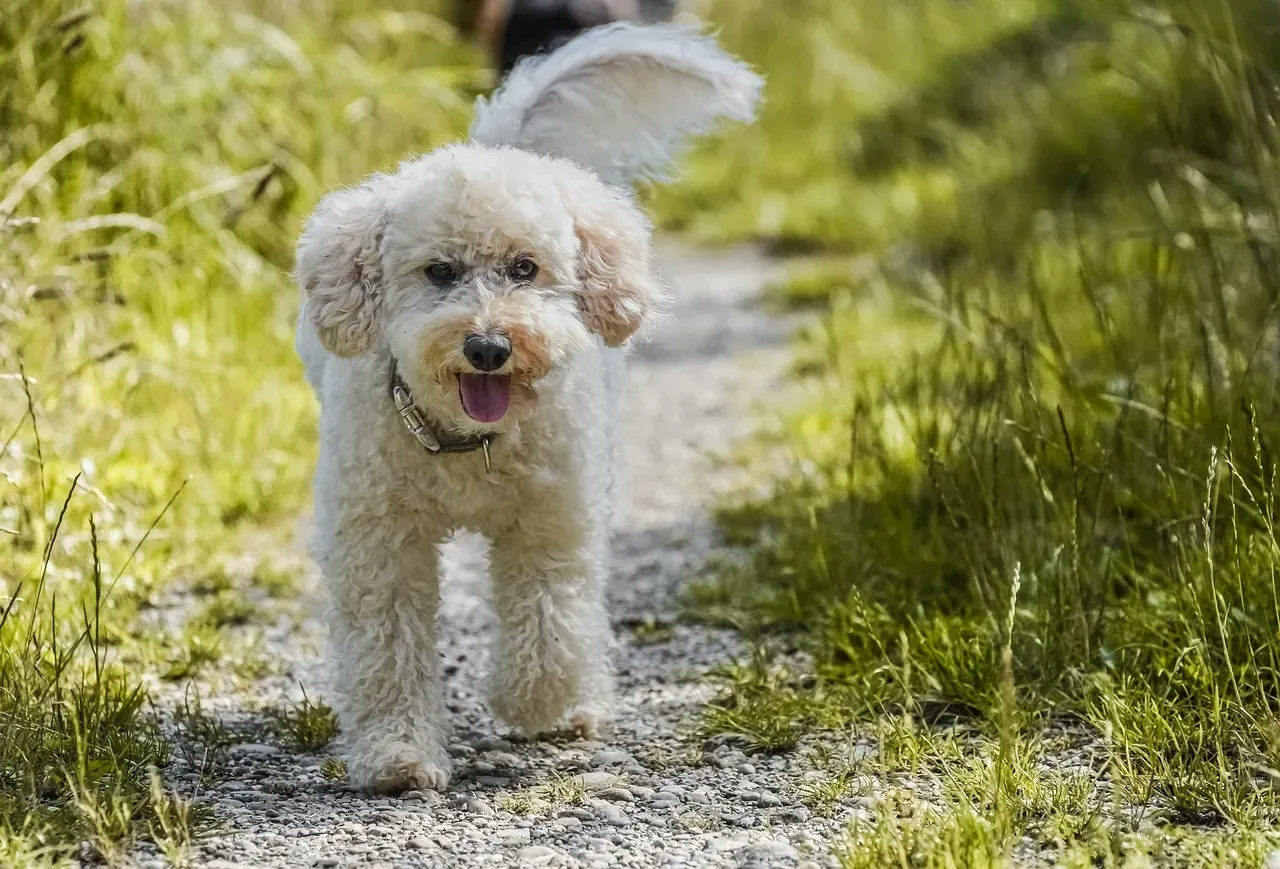
Don’t let those fancy haircuts fool you. In Europe, Poodles were used as waterfowl retrievers and still enjoy a good swim today. Their name actually comes from the German word meaning “to splash.”
Originally bred in Germany as a water retriever, the Poodle’s iconic haircut was actually designed to increase their efficiency in the water. The Poodle clip – shaved on the legs, neck, and tail with tufts of hair around the joints and vital organs – allowed the Poodle to move more easily through water while keeping essential parts of their body warm. How clever is that?
Standard Poodles are athletic, intelligent, and surprisingly sporty. They love swimming and excel at water-based dog sports. Their webbed feet and curly, water-resistant coat make them excellent swimmers despite their refined appearance.
Irish Water Spaniel – The Curly Comedian
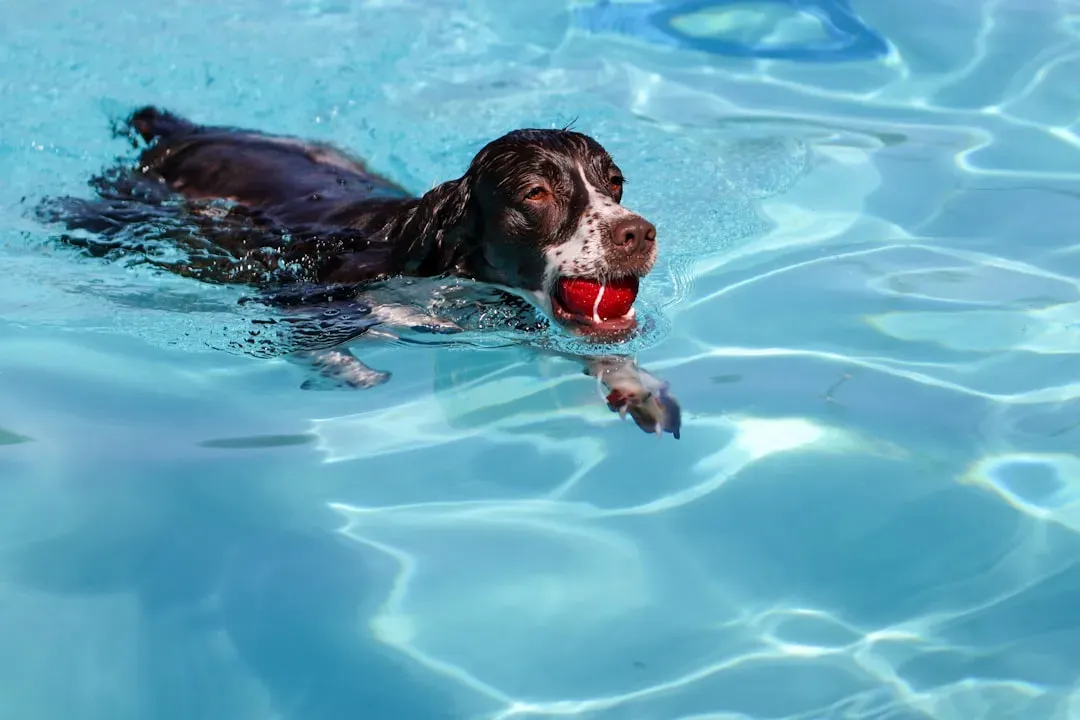
One of the largest and oldest of the spaniel breeds, this dog has a naturally water-repellent coat, along with intelligence, endurance, and an eager attitude. These traits combine to make the Irish Water Spaniel a versatile gundog, especially for waterfowl.
These dogs have a distinctive look with their tight curls and rat-like tail. They are also a lovely companion, often called the “clown of the spaniel family.” Their playful personality makes them entertaining both in and out of the water.
Irish Water Spaniels are enthusiastic swimmers who genuinely enjoy their time in the water. Their curly coat provides excellent insulation, and they have the stamina to swim for extended periods without tiring.
Spanish Water Dog – The Versatile Worker
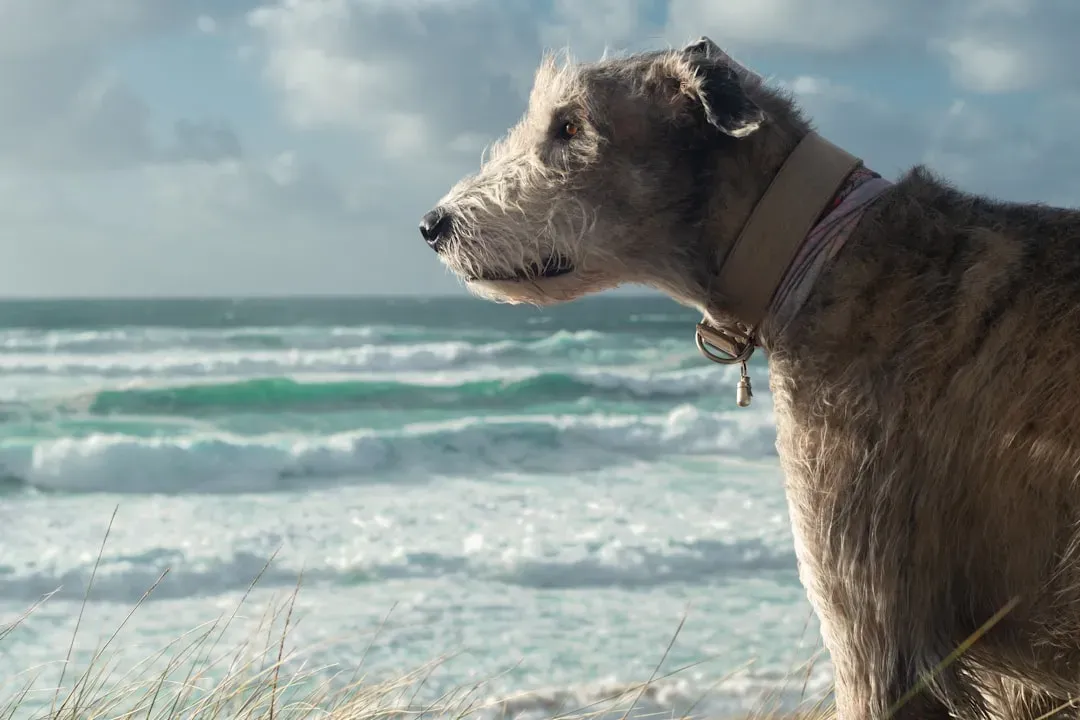
Spanish Water Dogs are happiest with a job to do. Although their origins are unclear, we do know that this is an ancient breed used for herding and hunting on both water and land.
These curly-coated dogs are incredibly versatile. Originally bred to herd cattle and retrieve waterfowl, these dogs thoroughly enjoy staying active by swimming or playing fetch in the water, where they use their webbed paws to help them swim. They’re the ultimate multitaskers.
Spanish Water Dogs need regular exercise and mental challenges. Swimming provides the perfect outlet for their energy and working instincts. Their sporty nature and natural swimming ability make them excellent companions for active families who spend time near water.
English Bulldog – Built for Land, Not Water
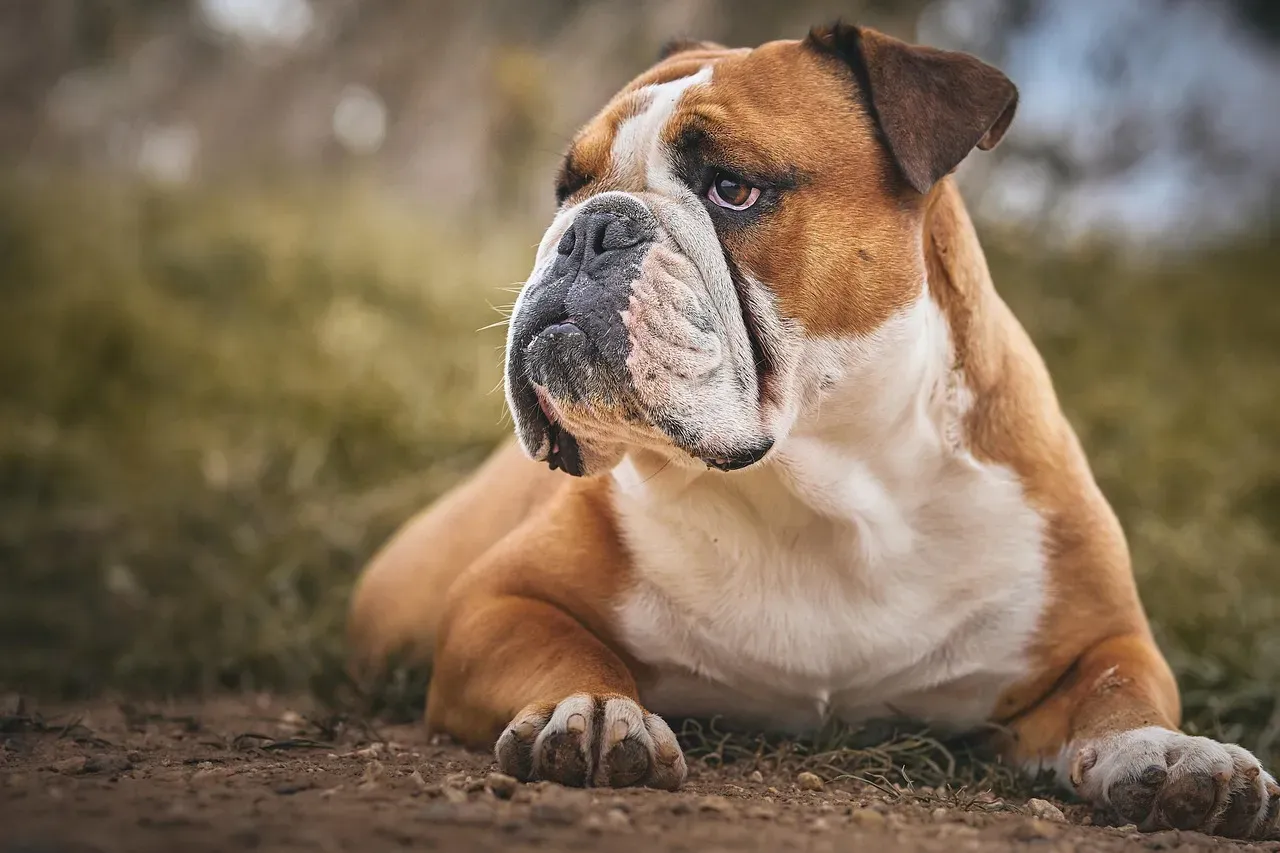
Now we shift to breeds that would much rather stay dry. Bulldogs don’t just dislike swimming. They’re actually quite bad at it, too, as their body simply isn’t built for this activity. Both French and English bulldogs are heavily built with short legs and a pushed-in nose, which makes it challenging for them to stay afloat, move in the water, and breathe properly while swimming.
Their body proportions work against them in water. The heavy front end sinks while they struggle to keep their flat face above the surface to breathe. It’s genuinely difficult and potentially dangerous for them.
Breeds like Bulldogs or Dachshunds may struggle due to body shape or breathing issues. Never force a Bulldog into water, and if they must be near it, a properly fitted life jacket is absolutely essential. They’re much happier being your couch companion than your swimming buddy.
Dachshund – Those Short Legs Are a Problem
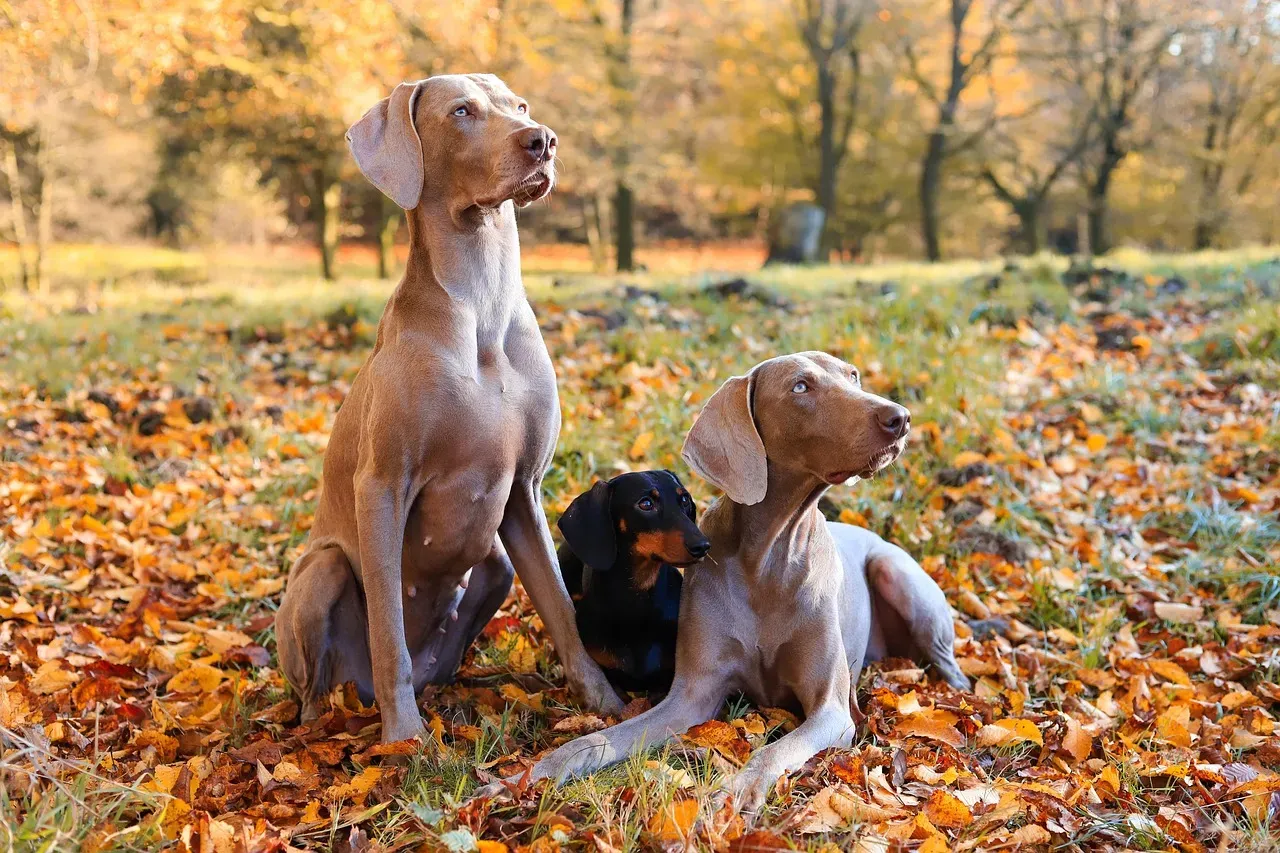
Dachshunds, also called “weiner dogs,” are best known for their unusual body shape, which is precisely the reason why they don’t like swimming and the water. Their odd body shape makes it difficult for them to stay afloat, with deep waters being especially dangerous for their low-to-the-ground stature.
Their little legs have to paddle frantically just to keep them moving, which exhausts them quickly. Think about it, those short limbs need to work twice as hard as a long-legged dog’s to cover the same distance. It’s simply not efficient or enjoyable for them.
With their long, stocky bodies and short legs, Basset Hounds aren’t streamlined for swimming. Because of their proportions, their back end tends to sink down, and their front end tends to float up, giving them an inefficient, vertical position in the water. Dachshunds face similar challenges with their elongated bodies and tiny legs creating an unbalanced swimming position.
Pug – Breathing Challenges in Water
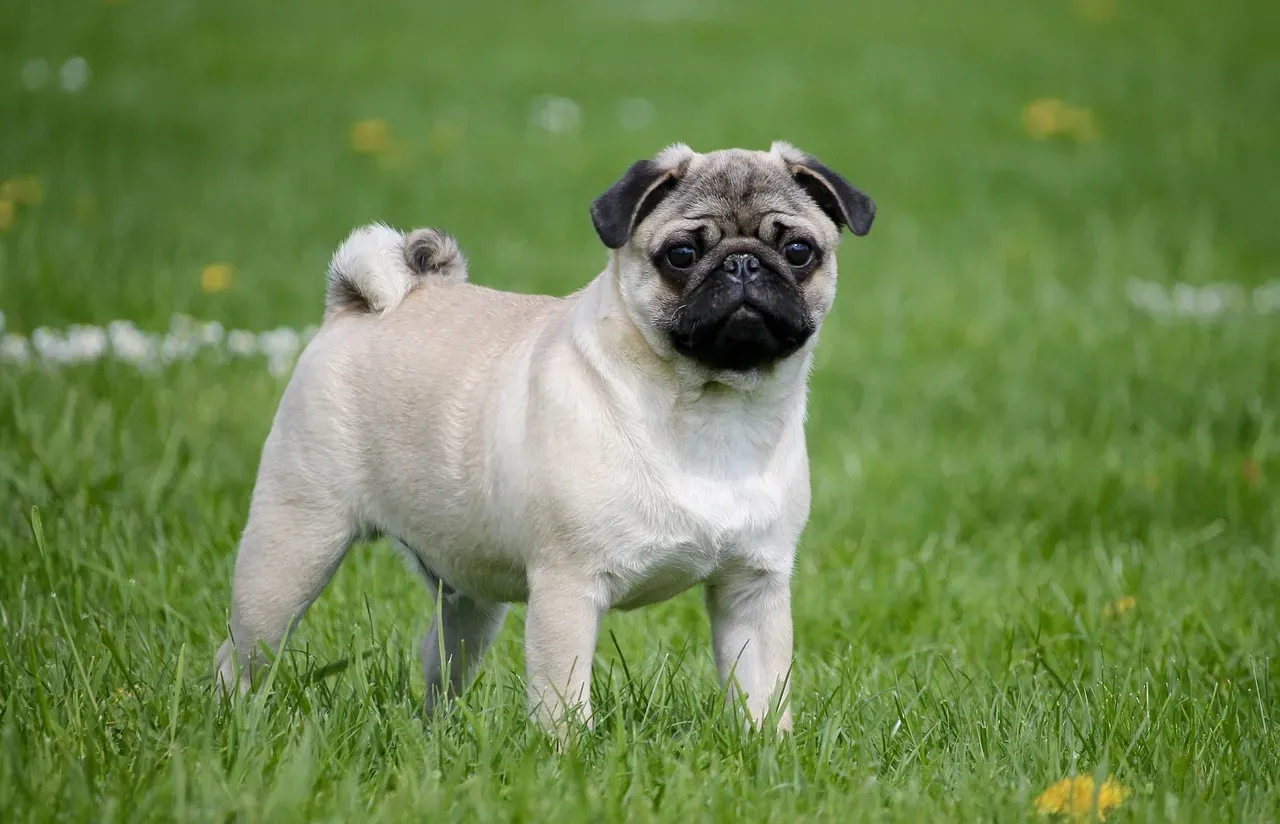
Thanks to their flattened snouts, Pugs often have breathing problems, which stem from narrowed nasal passages, a long soft palate, an unusually narrow trachea (windpipe), or other anatomic abnormalities. While some Pugs may enjoy the water, many panic when faced with a strenuous physical activity like swimming.
Swimming requires dogs to exert themselves while keeping their nose above water to breathe. For Pugs, this combination is extremely challenging and potentially dangerous. Their flat faces mean water can easily enter their nostrils, causing distress and choking.
Like the Chinese Crested, it may be for the best that Pugs tend to not love the water. Because of their flat faces, they can easily suffer heat exhaustion in the sun. They’re much better suited for gentle walks and indoor play rather than aquatic adventures.
Chihuahua – Too Small and Too Cold
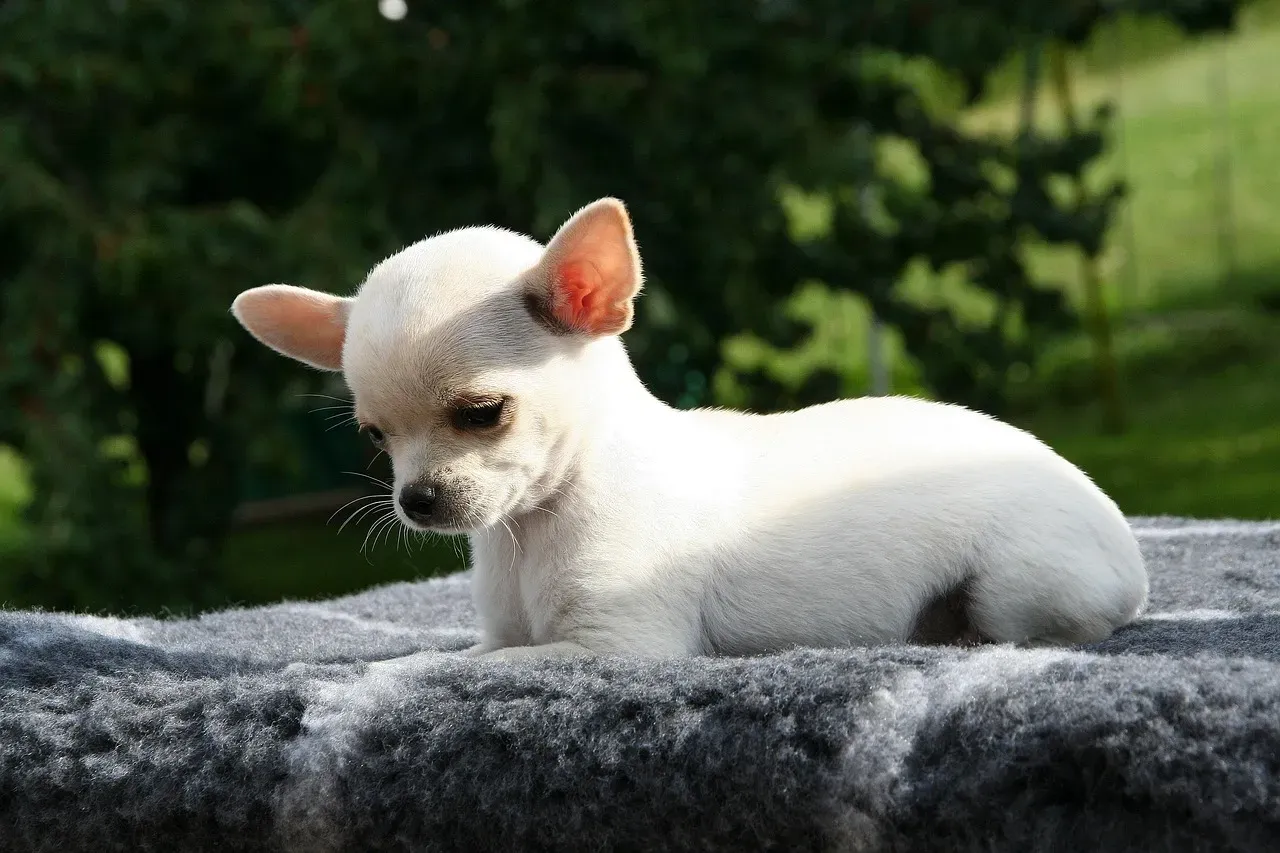
Which breed did our veterinary professionals would choose as the most water shy? It’s the Chihuahua. These pint-sized pups are known and often beloved for their big attitudes – but clearly not their love for water!
Chihuahuas have a low tolerance for cold temperatures and can get chilled very easily. Water lowers body temperature quickly, and these tiny dogs simply don’t have the body mass to maintain warmth. Even on warm days, water can feel shockingly cold to a Chihuahua.
Beyond the temperature issue, many Chihuahuas are simply anxious around large bodies of water. Their small size makes them vulnerable, and they know it. They’d much rather be snuggled in your lap or tucked into a cozy blanket than anywhere near a pool or lake.
Understanding Your Dog’s Relationship With Water
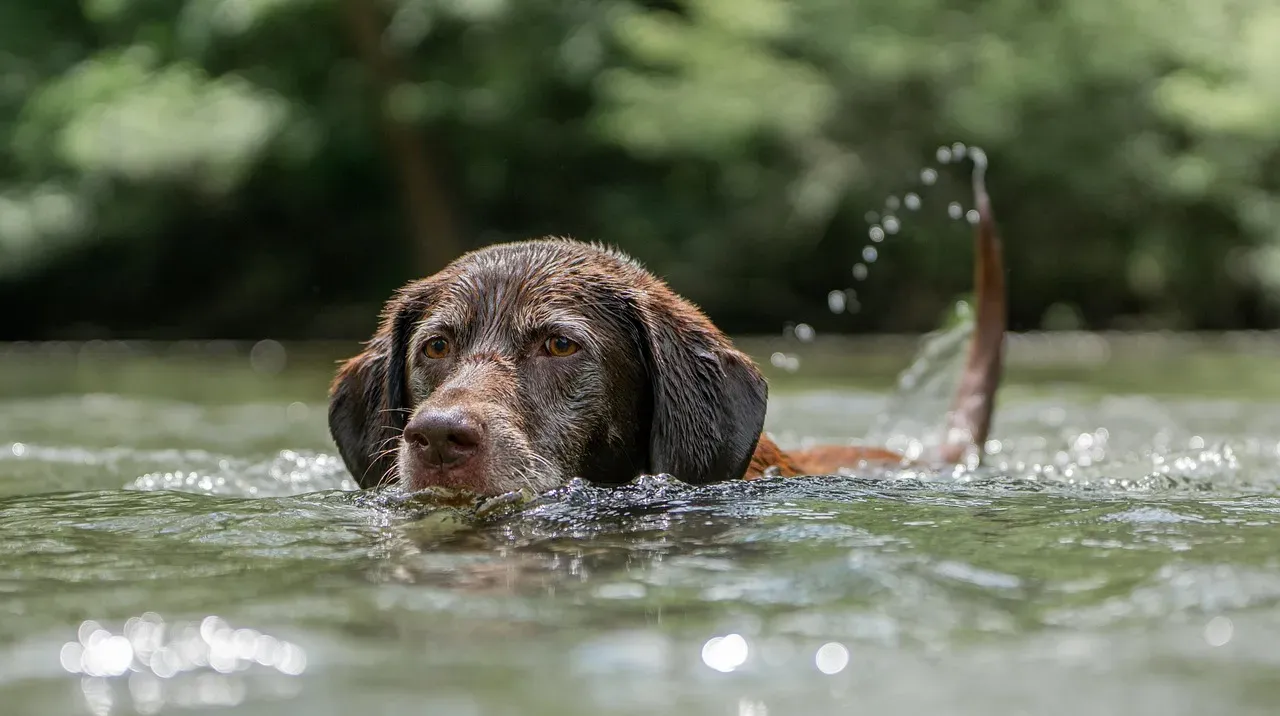
Just because a dog belongs to one of the breeds above doesn’t guarantee they’ll like water. And a dog from a not-so-water-loving breed may be a splashy rebel. Every dog is an individual with unique preferences and experiences.
If you have a water dog, don’t automatically assume they’re an avid swimmer. While some dogs may naturally have a greater affinity for the water, it’s important to introduce all dogs to the water gradually and under supervision. Even natural swimmers can have fears or previous negative experiences that make them hesitant.
Safety should always be your priority. Watch for signs of stress like excessive panting, wide eyes, or attempts to escape the water. Never force your dog to swim if he seems anxious or stressed around the waves. Positive experiences build confidence, while forced interactions create lasting fear.
Some dogs will never enjoy swimming regardless of breed, and that’s perfectly acceptable. Others might surprise you by developing a love for water later in life. The key is patience, respect for their comfort level, and always keeping their safety first. What matters most is understanding your specific dog’s abilities and preferences, then planning activities that keep them happy, healthy, and safe.
Did your dog surprise you with their water preferences? Whether they’re natural swimmers or confirmed landlubbers, they’re perfect just the way they are.


