

There’s something magical about the way a dog can lift your spirits after a hard day. They seem to know when you need them most, leaning against your leg or resting their head on your lap, as if to say, “I’m here.” This isn’t just affection. It’s something deeper, almost therapeutic. While every dog has the potential to offer comfort, certain breeds have a natural gift for reading emotions and responding with exactly the kind of support you didn’t even know you needed.
Some dogs were practically designed to heal broken hearts and calm anxious minds. Yet, there are others who carry their own burdens, dogs who feel the weight of the world just as deeply as you do. They need patience, reassurance, and someone who understands that sensitivity isn’t a flaw. Let’s explore the breeds that step into the role of natural therapists, and those who quietly ask for emotional support in return.
Golden Retrievers: The Calming Presence You Can Count On
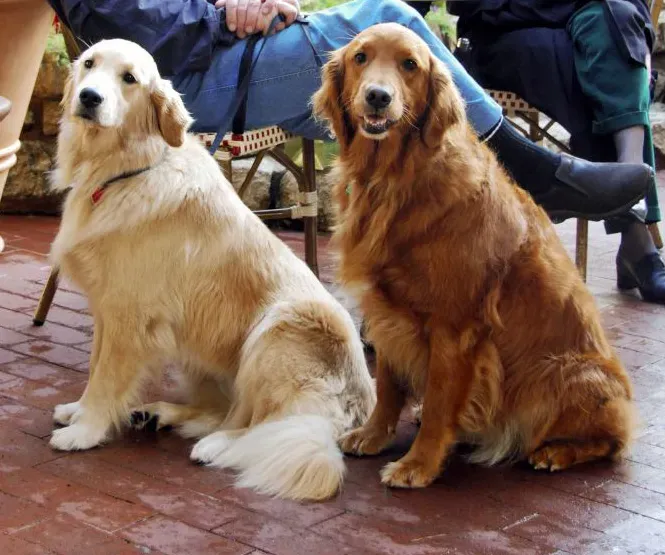
Golden Retrievers are known for their friendly and gentle nature, and they have a natural instinct to comfort and connect with people. There’s a reason you see them everywhere from hospital corridors to therapy centers. They have an incredible ability to sense human emotions and can often tell when their owners are feeling sad, anxious, or stressed.
What sets Goldens apart is their emotional radar. They are famously sensitive to the mood of their household and possess a very natural “emotional radar.” It’s like they’re tuned into a frequency that most of us can barely hear. They tend to form deep emotional bonds and are especially sensitive to their environment and the moods of those around them, which is part of what makes them great therapy and assistance dogs.
Labrador Retrievers: Loyal Companions With an Instinct to Soothe

Labradors are renowned for their loyalty, kindness, and affection, and they have an innate ability to sense emotions and provide unconditional love to their owners. They’re the friends who show up when you need them, no questions asked. Labs excel at providing emotional support because they genuinely want to please you.
The Labrador Retriever is widely considered one of the most empathetic breeds and is exceptionally skilled at sensing sadness. If a Lab senses that you are feeling downcast, they are likely to offer comfort through physical proximity and will often rest their head on your lap or nudge your hand for a stroke. It’s hard to stay upset when sixty pounds of pure devotion is leaning into you.
Cavalier King Charles Spaniels: The Ultimate Lap Therapist

This affectionate and calm toy breed thrives on human connection and excels in apartment settings, making it a good choice for emotional support. Honestly, these little dogs were bred for one job: loving you. The Cavalier King Charles Spaniel was originally bred to be a comfort and companion dog, and it is said that most toy breeds are in this world for humans to love them, but the Cavalier is in this world to love humans.
The Cavalier King Charles Spaniel is very sensitive to sadness and is often described as “love sponges” because they soak up their owner’s emotions. They’re most known for their incredibly cuddly nature, which makes them a perfect companion for someone who would benefit from tactile therapy. They want nothing more than to curl up beside you and make the world feel a little softer.
Poodles: Smart, Sensitive, and Surprisingly Therapeutic
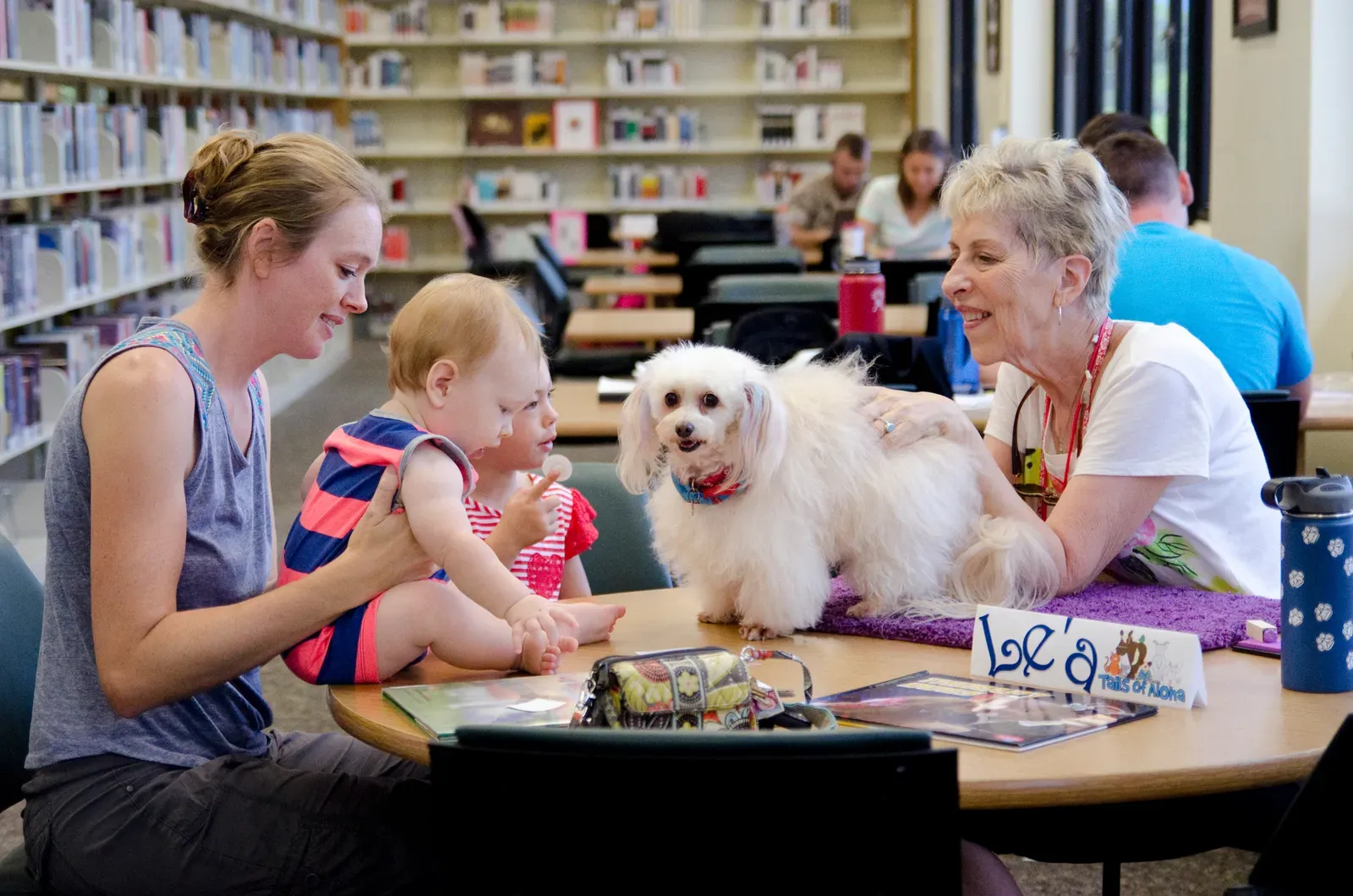
Poodles have an undeserved reputation as fussy show dogs. The truth is, they’re incredibly perceptive. They are among the most observant and attentive breeds in the canine world, and most of them are very intelligent and easily trainable for emotional support roles, able to pick up on subtle signs of anxiety and stress.
Poodles are among the most intelligent and trainable breeds, with Toy and Miniature types especially suited for close emotional bonding and small-space living. Whether you need a small companion or a larger, more substantial presence, Poodles come in sizes to fit every home. They are not only hypoallergenic but also adaptable, and their keen intelligence enables them to provide both emotional support and assist with various tasks.
German Shepherds: Protective Souls With Deep Empathy
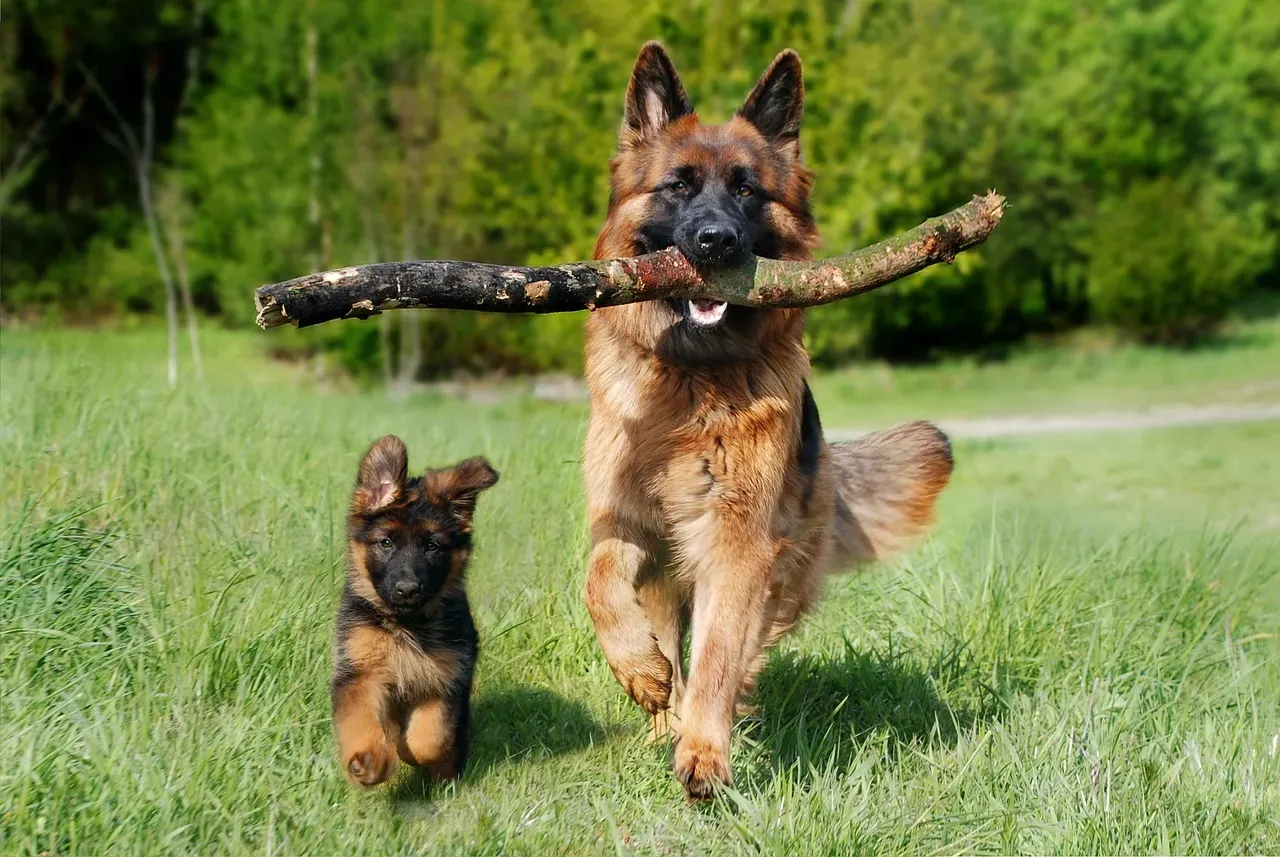
They might look tough, and yes, they excel in police and military work. Yet German Shepherds also have a tender side that’s easy to miss if you’re just looking at their strength. Those who are willing to put in the work will find a loyal furry companion that will motivate them to get outside and be active, while providing unconditional emotional support.
German Shepherds are a highly trainable breed originally bred in Germany as working dogs, and they’re widely used by law enforcement and the military because of their intelligence, strength, and agility. As a naturally protective canine, German Shepherds are excellent guard dogs. That protective instinct extends to emotional safety. When you’re anxious or overwhelmed, a German Shepherd often steps into the role of quiet guardian, a steady presence that makes you feel safer.
Beagles: Cheerful Souls That Lift Your Mood

While the Beagle has hunting dog roots, this pup has a happy-go-lucky personality that instantly soothes the people around it, and their curious, cheerful nature and big brown eyes make them natural mood-lifters. There’s something about a Beagle’s enthusiasm that’s contagious. They approach life with the kind of joy that makes your problems feel smaller.
Beagles thrive on routine and social interaction, forming strong emotional connections with their pet parents. They’re not as demanding as some high-energy breeds, yet they offer plenty of companionship. Although Beagles have plenty of energy, staying active helps them remain relaxed, and regular walks and scent games help manage their energy, giving both the dog and owner a chance to bond, making them ideal for families, singles, or anyone seeking a dog that lifts your mood and melts stress away.
Havanese: Adaptable Companions With Big Hearts
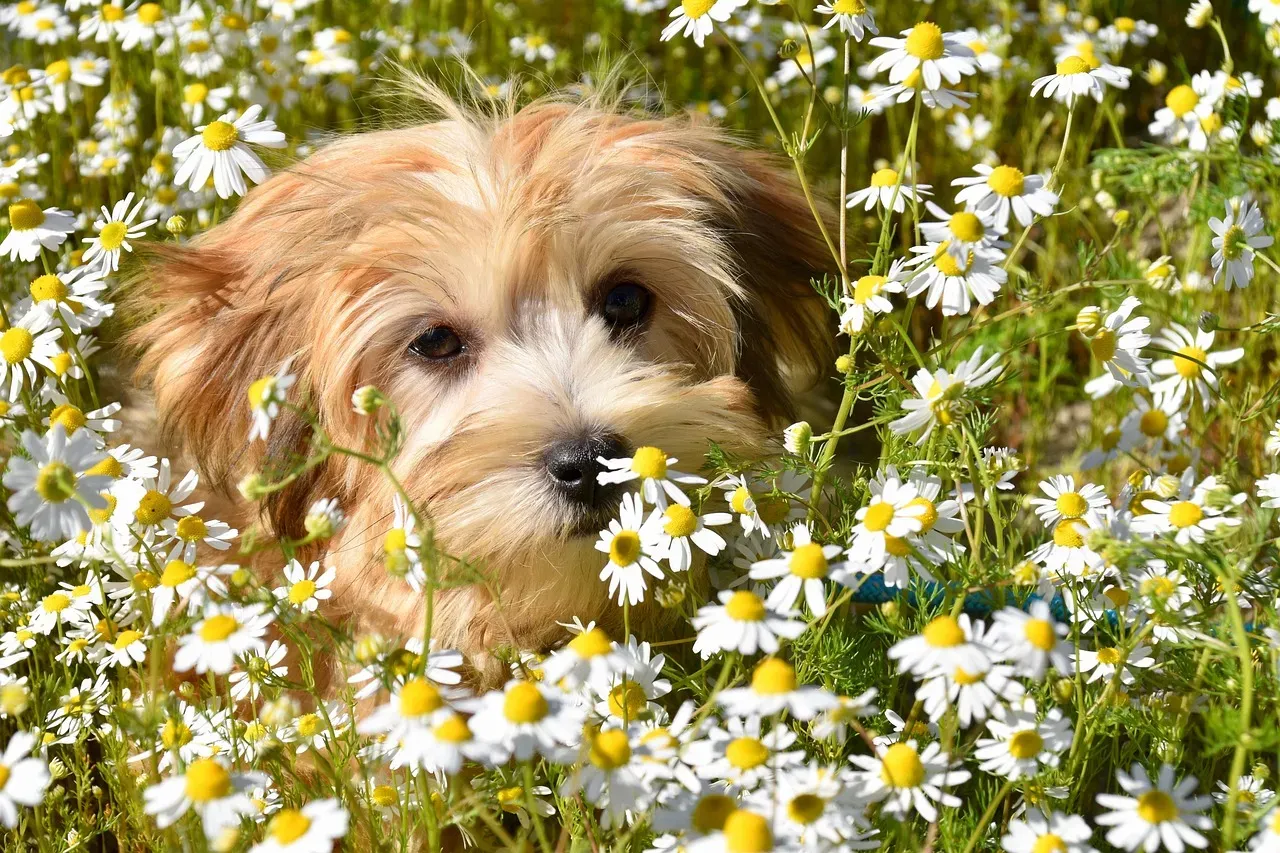
The Havanese is cheerful, sociable, and adaptable, providing comforting companionship in compact, urban environments. These little dogs might not be as well-known as some others, yet they pack a lot of love into a small frame. They’re perfect for people living in apartments or smaller spaces who still crave that deep emotional connection.
Havanese dogs are easygoing without being lazy. They adapt to your energy level, whether you need a playful distraction or a quiet cuddle buddy. Their cheerful disposition helps lighten the emotional load, and they seem genuinely happy just being near you. For first-time dog owners or those seeking lower-maintenance emotional support, the Havanese hits the sweet spot.
Great Danes: Gentle Giants With Grounding Energy
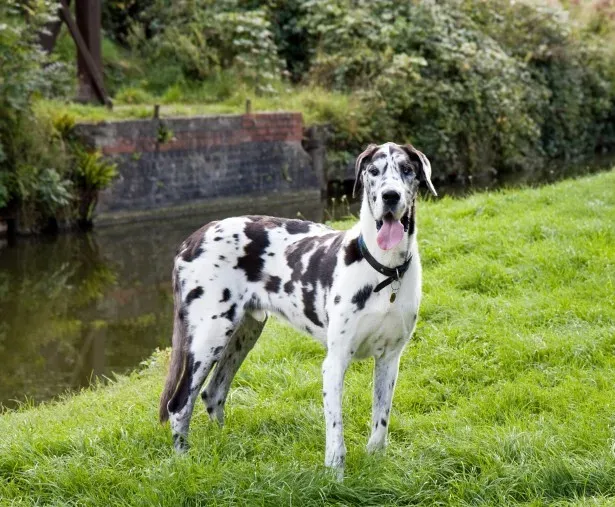
Despite their size, Great Danes are gentle, affectionate, and calm, offering a reassuring presence for those needing quiet, grounded support. There’s something profoundly comforting about a dog that stands as tall as you do yet moves with such grace and gentleness. Great Danes don’t demand attention. They simply offer it, in the form of their calm, solid presence.
Their size might seem intimidating at first, yet their temperament is anything but. Their slow, steady energy can be incredibly grounding for anxious people, and they do best in relaxed homes where they can stretch out and enjoy companionship without chaos, with their natural, easy-going temperament making them a great match for people looking for a dog that can help reduce stress and provide emotional comfort without being overly demanding. If you’ve got the space, a Great Dane might just become your most calming companion.
Border Collies: Brilliant Minds That Need Your Reassurance
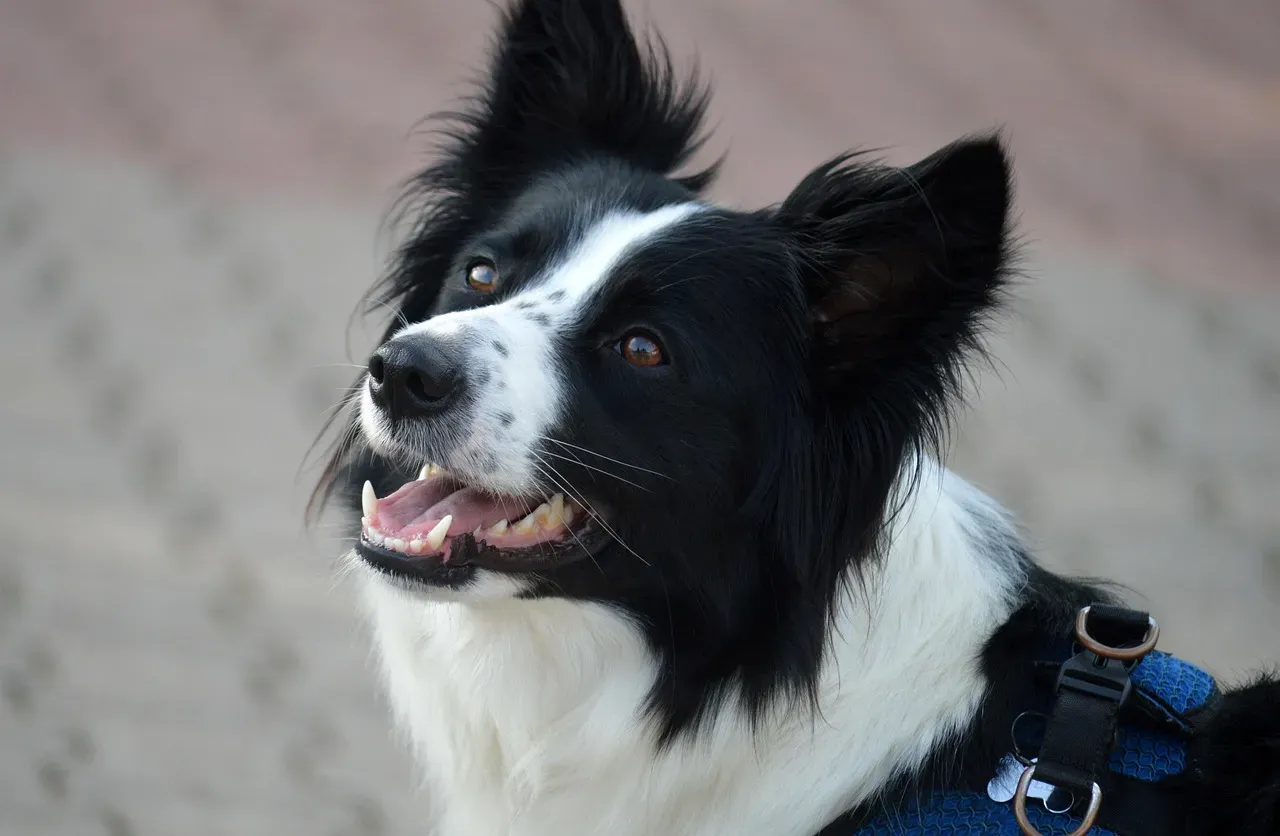
Here’s where the story shifts. While any breed of dog can experience anxiety, border collies are especially prone to feeling anxious. The Border Collie’s true genius is in their ability to read body language expertly, and this breed is hyper-aware of its environment and reacts to human emotions with fitting behaviors, with their intelligence ensuring they are always one step ahead of your emotional needs.
Yet, that same sensitivity becomes a burden when they’re understimulated. They are a notoriously active, energetic breed that need to stay busy during the day, and exercise and mental stimulation are critical for these hyperactive dogs, as they can get bored easily from understimulation, which can trigger anxiety. This breed’s high energy levels, sensitivity, herding instincts, and intelligence all contribute to their susceptibility to anxiety in various situations, and without sufficient physical and mental stimulation, these dogs can get anxious or restless and exhibit destructive behaviors. Border Collies don’t just want work. They need it.
Australian Shepherds: High-Strung Herders With Sensitive Hearts
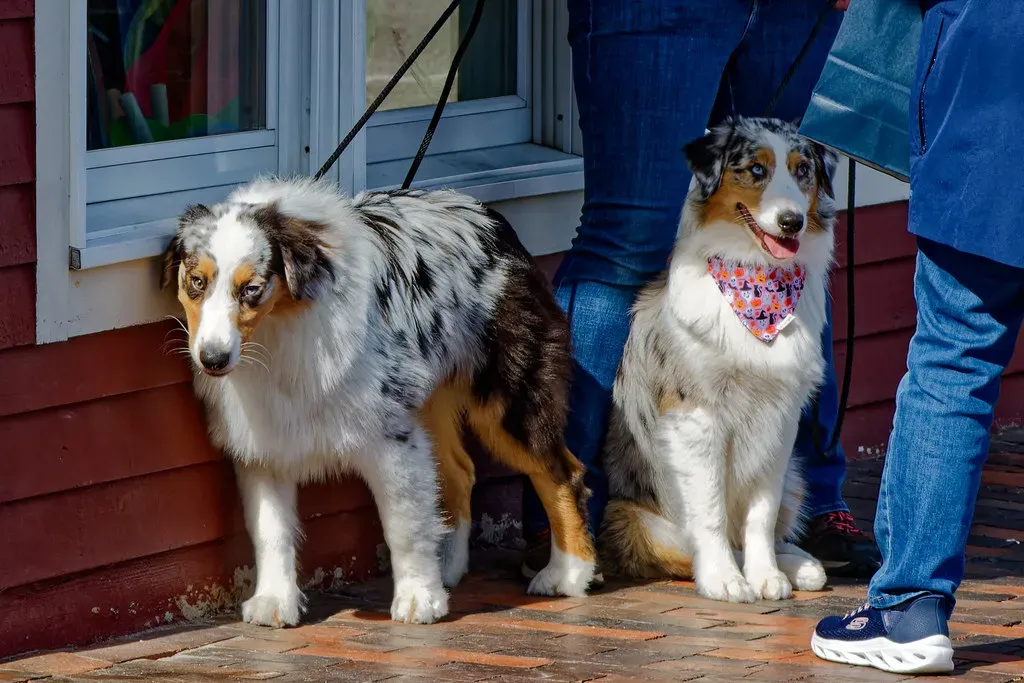
Bred to be highly alert and responsive, Australian Shepherds are naturally sensitive to their environment, and while this trait is advantageous on a farm where they need to be aware of livestock and potential dangers, it can lead to anxiety in overstimulating environments, as noisy or crowded spaces can overwhelm them, causing them to become anxious and stressed, with their acute senses making them more reactive to loud noises, sudden movements, and chaotic situations.
Like Border Collies, Aussies were bred for intense work. They require structured mental and physical stimulation to stay emotionally stable, and if under-stimulated, they may exhibit behaviors such as barking, circling, or anxious pacing, and these active dogs also require a stable environment and frequent human interaction to curb signs of distress. They’re not suited for sedentary lifestyles or homes where they’re left alone for long hours. Without the right outlet, their natural sensitivity turns into overwhelming anxiety.
Chihuahuas: Tiny Bodies With Enormous Emotional Needs

Chihuahuas are small in size but big on love and loyalty, and they’re a great lap and daily traveling dog, and you never really have to be alone with them nearby. Yet, their fierce attachment can become a problem. Chihuahuas are notorious for developing separation anxiety because they bond so intensely with their humans.
These little dogs can be surprisingly high-strung. They’re sensitive to changes in routine, loud noises, and unfamiliar people. Without proper socialization and a calm environment, Chihuahuas can become anxious, reactive, and even aggressive out of fear. They need owners who understand that beneath that bold exterior is a dog who feels everything very deeply.
Cocker Spaniels: Gentle Hearts That Need Gentle Handling

Cocker Spaniels are sensitive companion dogs known for forming strong emotional attachments. They’re sweet, loving, and eager to please. Yet, often considered one of the most emotionally delicate breeds, Cocker Spaniels may develop separation anxiety early in life, and without enough physical and mental stimulation, they may engage in anxious behaviors like whining or paw licking, and calm environments and close companionship are key for these social dogs.
Cocker Spaniels don’t handle stress well. They need stability, consistency, and plenty of affection. Changes in household dynamics, loud environments, or long periods alone can trigger anxiety that manifests in destructive behaviors or excessive vocalization. They’re happiest when they feel secure and deeply connected to their family.
Conclusion: Recognizing the Givers and the Receivers
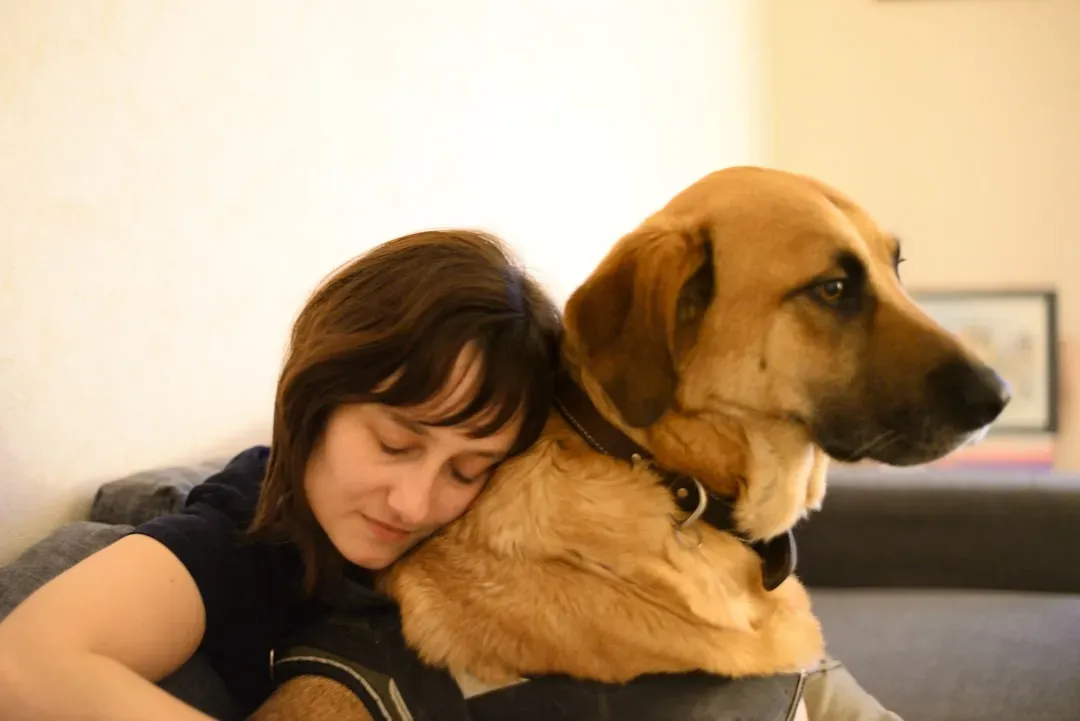
Some dogs step naturally into the role of therapist, offering comfort without ever being asked. Others carry their own emotional weight and need you to be their safe place. Neither is better or worse. Both deserve our understanding and care.
If you’re seeking a dog to soothe your anxious mind, breeds like Golden Retrievers, Labradors, and Cavalier King Charles Spaniels might be your perfect match. Yet, if you’re ready to support a sensitive soul who needs you just as much as you need them, breeds like Border Collies, Australian Shepherds, or Cocker Spaniels can teach you about patience, empathy, and the quiet strength of being there for someone who feels deeply.
What kind of companion speaks to your heart? Share your thoughts in the comments.


