

You know that feeling when you catch your dog waddling toward the food bowl for the third time in an hour, giving you those eyes that could melt steel? Yeah, we’ve all been there. It’s one of the hardest things about loving a dog – their happiness seems so tied to food, and saying no feels almost cruel. But here’s what many dog owners don’t fully realize: obesity in dogs is more than just a cosmetic issue; it can lead to serious health problems and shorten your dog’s lifespan.
The good news? You’re already doing the most important thing, and that’s paying attention. Some breeds are simply wired to pack on the pounds faster than others, whether it’s genetics, slow metabolism, or that irresistible begging face. Let’s dive into exactly which eight breeds need your extra watchful eye, and what you can realistically do to keep them healthy and thriving.
1. Labrador Retriever: The Bottomless Pit With a Heart of Gold

Let’s be real – if there is one breed that will eat until the bowl is empty and then look at you like they haven’t eaten in days, it’s the Labrador. Studies from the University of Cambridge have shown that many Labradors carry a gene mutation in the POMC gene that affects appetite regulation, meaning they feel hungrier than other breeds and are more likely to overeat. It’s not just greed. It’s literally in their DNA.
If you own a Labrador, you know they rarely refuse food. Their natural food-driven personality makes them excellent for training, but it also means they’re at higher risk of overeating if portions aren’t controlled. The fix? Measure every meal precisely, invest in a slow-feeder bowl, and avoid calorie-dense treats – choose healthy alternatives like carrots or green beans instead. Aim for at least one hour of exercise daily through walks, swimming, or fetch.
2. Beagle: The Scent Hound Who Sniffs Out Every Snack
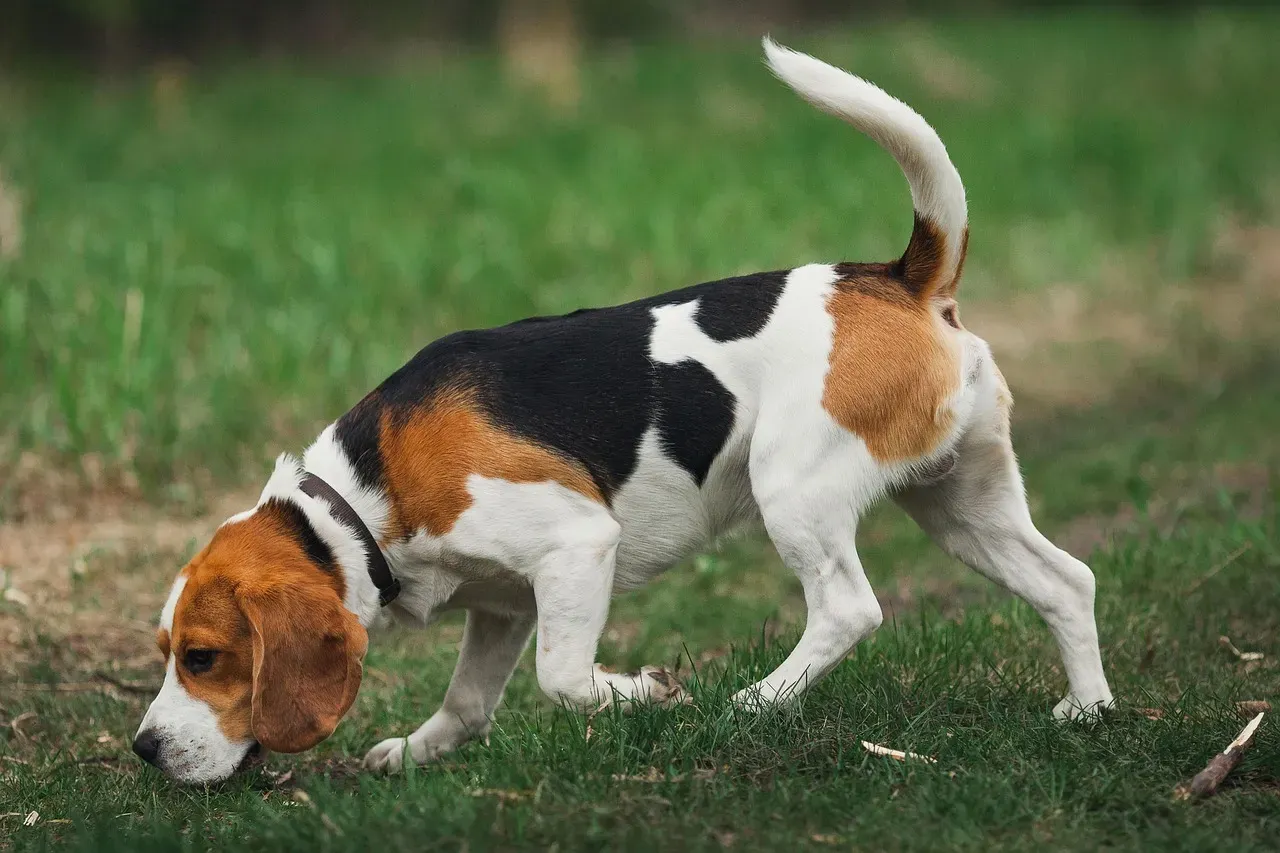
Beagles were built to hunt, nose to the ground, following scent trails for hours. Beagles, like most other dogs, will eat whatever food is available to them and won’t stop until it’s gone. They are very commonly overfed and under-exercised. The result is a little dog that looks deceptively cute but is quietly heading toward a serious weight problem.
Here’s a clever trick that works beautifully with this breed. Take Beagles on long walks or play to their tracking instincts and hide snacks for them to sniff out and find rather than feeding it to them right away. It keeps them mentally stimulated and physically active. Also, it’s important to limit how many treats they are given during training and throughout the day.
3. Dachshund: When Extra Weight Becomes a Back Emergency

Here’s the thing with Dachshunds – extra weight on their tiny frame isn’t just a health concern, it’s practically an emergency waiting to happen. Because of their short legs and long backs, obesity can be a very serious problem for Dachshunds. Not only are they genetically prone to obesity, they are also prone to intervertebral disc disease. IVDD is only worsened by obesity and can lead to paralysis.
So many sausage dogs are overweight that people may start to think that’s just how they’re meant to look and not recognise when a dog is bigger than it should be. Don’t fall into that trap. Even though your dachshund’s soulful eyes may make you want to lavish them with snacks, this dog breed is prone to obesity and needs a regulated diet. Rewarding your fur baby with snacks makes them happy, but too much can cause obesity-related illnesses such as diabetes. You may want to consider healthier alternatives to some of the commercial dog snacks with empty calories.
4. Basset Hound: The World-Class Lounger With a Big Appetite
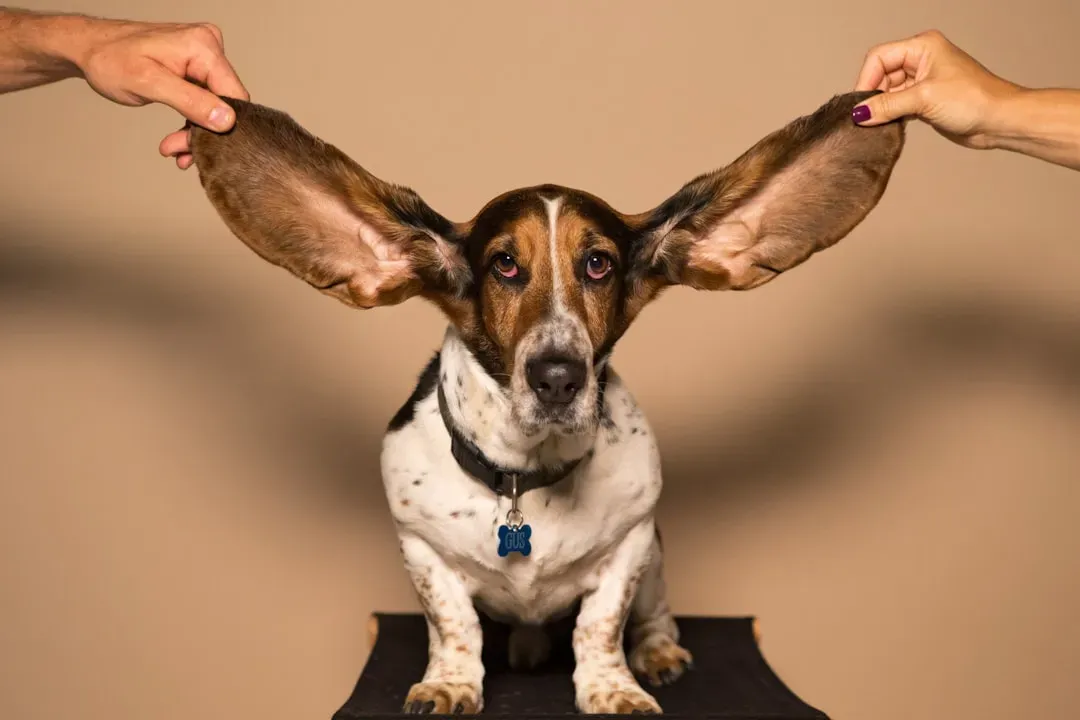
Despite their lazy personalities and short stature, Basset Hounds were bred for endurance. They’re hunting dogs that need sufficient daily exercise. Bassets also need a strict diet, as they can easily become overweight, which can lead to paralysis. Most owners see a dog that seems perfectly content doing absolutely nothing on the couch, and assume that’s fine. It isn’t.
Another reason Basset Hounds might be prone to obesity is because of their shape. Just like Dachshunds, Bassets are prone to IVDD. This can cause pain and make them reluctant to exercise. So if your Basset has gone off walkies, it’s a good idea to get them checked out by a vet. Short, consistent daily walks, a measured diet, and a vet-monitored weight plan are your best tools with this breed.
5. English Bulldog: Built Stocky, Needs More Help Than You Think

I honestly think Bulldogs are one of the most misunderstood breeds when it comes to weight. Many people actually think English Bulldogs are supposed to be fat, but they’re not. Most people have probably never even seen an English Bulldog that’s a healthy weight before. That normalized chubbiness is a real problem.
Bulldogs are a brachycephalic breed, meaning they have a short snout, which can make breathing difficult, especially if they are overweight. They are also prone to joint issues, so keeping them at a healthy weight is essential for their overall health. Heart, lung, and joint problems arise when English Bulldogs are kept overweight, and despite their lazy temperaments, they need daily exercise and a strict diet. Short walks in cool weather, portion-controlled meals, and regular vet weigh-ins are the three pillars of Bulldog weight management.
6. Golden Retriever: America’s Favorite Dog With a Famous Sweet Tooth

Golden Retrievers are known for their love of food and can quickly become overweight if they are not given proper portion control and exercise. They are also prone to hip dysplasia, so keeping them at a healthy weight is essential for their joint health. Think of their hips like a suspension system on a car – the heavier the load, the faster it wears out.
Golden Retrievers will eat anything and everything, so it’s important to keep them on strict diets and provide daily exercise to keep them at a healthy weight. Feed them a high-quality, balanced diet and avoid giving them table scraps or human food. Measure out their food and stick to a feeding schedule. Give them plenty of exercise, such as walks, runs, or playing fetch. Golden Retrievers genuinely love being active, so lean into that energy rather than letting it fade.
7. Cocker Spaniel: Soft Eyes, Slow Metabolism, Big Risks

Cocker Spaniels have a slower metabolism than some other breeds, which means they are prone to weight gain. They also have a tendency to develop ear infections, which can be exacerbated by excess weight. Honestly, the ear infection link surprises most owners – but when a dog is carrying extra fat, inflammation throughout the body is more common, and those floppy ears pay the price.
Cocker Spaniels require high-quality foods and can be prone to some food sensitivities, so the breed’s diet is consequently crucial for their well-being. They are also prone to obesity, which is another reason to be mindful of how much they are eating regularly. This sporting breed does well with moderate exercise and enjoys any form of activity that includes bonding with their owners. A daily walk or a backyard play session works wonders – they genuinely enjoy being close to their people.
8. Pug: Small Dog, Big Weight Problem, Serious Breathing Stakes

Pugs are the little clowns of the canine world. They have a penchant for being silly and lovable, as well as for begging for food. It’s impossible not to give in sometimes. They’re just so charming about it. However, the consequences of overfeeding a Pug are genuinely scary.
Because Pugs are brachycephalic – meaning their flat faces already restrict airflow – excess weight makes every breath harder. This is especially a concern for smaller dogs and breeds which are more obesity-prone, such as Pugs. For small dogs like these, a single sausage can take up almost half of their daily recommended calorie intake. Keep human food entirely off the menu for Pugs, stick to measured kibble twice a day, and choose gentle, low-impact exercises like short walks in cooler parts of the day. It’s never too late for owners to consult with their dogs’ vets and change their pug’s exercise and nutritional habits so their dogs can live out their 13 to 15 years in happiness and good health.
The Bigger Picture: What Every Owner Needs to Remember

Here’s something that ties all of these breeds together. Obesity has also been shown to contribute to an overall shorter lifespan for dogs when compared to the lifespan of healthy-weight dogs. That’s not scare-mongering – that’s a wake-up call worth taking seriously.
You should be able to easily feel your dog’s rib bones, spine, and pelvic bones, but they should not be visible or protruding. There should be a visible tuck at their waist. Use that quick check regularly at home. Managing obesity involves a combination of dietary changes, increased physical activity, and regular veterinary monitoring to ensure weight loss is done safely.
The love you feel for your dog is real, and it shows in every walk you take together, every measured meal, and every vet visit you don’t skip. Keeping your dog trim isn’t about being strict or withholding joy. It’s about giving them more years, more energy, and a better quality of life. What’s the most surprising thing you learned about your dog’s breed today? Let us know in the comments – your experience might just help another dog owner do right by their pup.


