
Picture this: it’s a blistering summer afternoon, and while you’re hiding under the AC, your dog is outside, tail wagging, totally unbothered. Or maybe it’s the middle of winter, snow piling up past the porch steps, and your dog looks at you like, “Are we going out or what?” Some dogs really do have this kind of weather resilience built into their bones, and honestly, it’s one of the most fascinating things about them.
The truth is, not every dog breed was built equally when it comes to handling temperature swings. Centuries of evolution, careful breeding, and geographic origin have blessed certain breeds with coats, metabolisms, and even paw structures that let them laugh in the face of a snowstorm or a heatwave. Some of these adaptations are downright extraordinary, and once you know about them, you’ll see your dog in a completely new light.
Whether you already share your home with one of these resilient breeds or you’re thinking about bringing one into your life, knowing how they handle the elements makes you a better, more confident dog parent. So let’s dive into eight remarkable breeds that are built for whatever the weather decides to throw at them.
1. Siberian Husky: The Arctic Survivor Who Never Gave Up on Snow
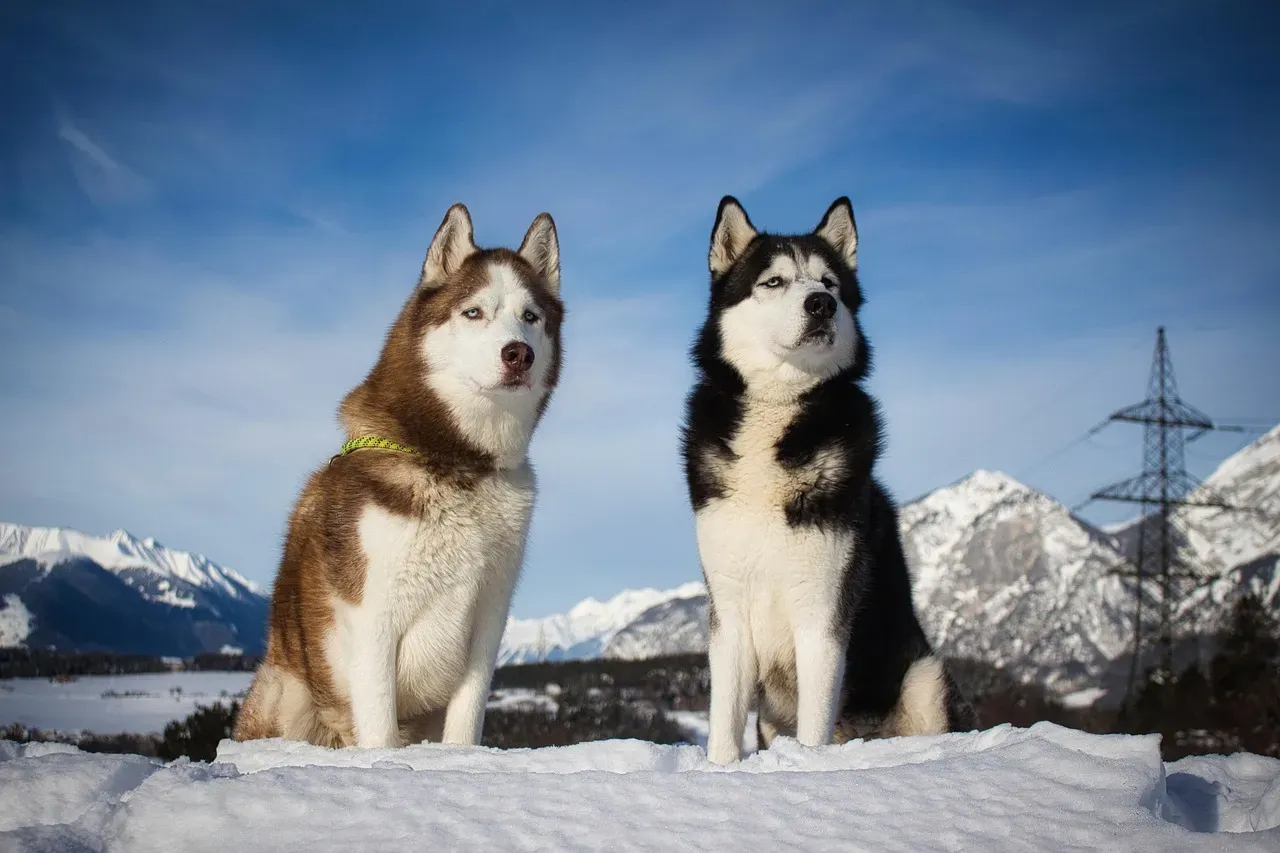
If there’s a dog that was practically born wearing a winter coat, it’s the Siberian Husky. Siberian Huskies are renowned for their remarkable ability to thrive in cold weather conditions, having been originally bred by the Chukchi people of northeastern Asia and evolving over thousands of years to genuinely enjoy frigid temperatures. That’s not just good marketing. That’s thousands of years of natural engineering.
Their double coat consists of a dense undercoat that traps warm air near the skin and a water-resistant outer coat that protects against snow and wind, forming a natural layering system that provides excellent insulation and temperature regulation. Think of it like a built-in sleeping bag that adjusts itself seasonally. In the U.S., Siberian Huskies typically undergo heavy shedding twice annually to swap between their winter and summer coats, a cycle that evolved to help them adapt to the varying seasons.
Perhaps most fascinating is their specialized paw circulation system. Huskies possess a countercurrent heat exchange system in their paws that helps maintain their core body temperature even when standing on ice or snow for extended periods. Wild, right? As for warm climates, despite being bred for freezing temperatures, Huskies are remarkably adaptable and can live in warmer climates as long as their owners take the necessary precautions. Early morning walks and plenty of shade are non-negotiables for Husky owners in warm regions.
2. Alaskan Malamute: The Powerhouse That Laughs at Blizzards
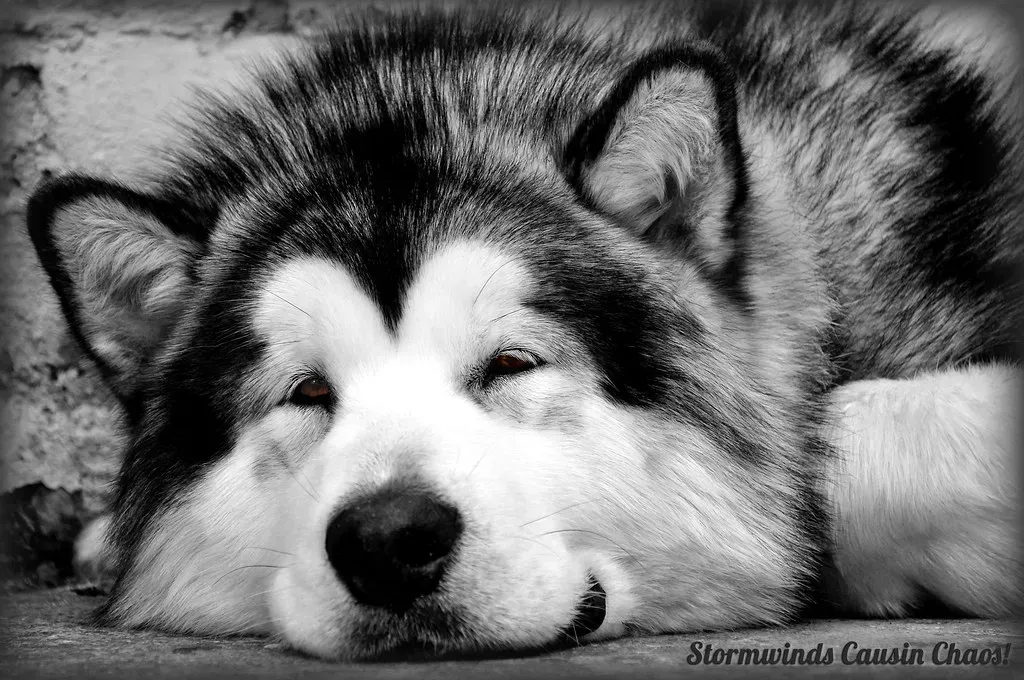
Don’t confuse the Malamute with the Husky. They may look like cousins at a family reunion, but the Malamute is its own beast entirely. The Alaskan Malamute is the oldest and largest of the Arctic sled dogs, having been used for freighting in the Arctic. This is a dog that was born to work in the most punishing cold on earth, and it shows in every part of its body.
A descendant of Arctic wolves, the Alaskan Malamute can tolerate temperatures as low as -20 degrees Fahrenheit, with their thick and waterproof double coat making them suitable for the frozen Arctic where they were part of expeditions to help settlers carry heavy freight sleds. Their paws are just as remarkable. The Alaskan Malamute has broad, bear-like paws that can grip ice, distribute the dog’s weight across a greater surface area, and keep the dog’s feet from sinking into the snow.
That said, be real with yourself about warm weather. Bred for cold climates, Malamutes can overheat, so you have to avoid walking them when it’s too hot and make sure they have somewhere cool to escape the sun. Watch for heavy, labored panting, reluctance to move, and bright red gums as signs of heat stress. Prevention here is simply good scheduling: walk your Malamute before the sun is high and keep midday outdoor time minimal in summer.
3. Bernese Mountain Dog: The Swiss Alps’ Gentle Giant
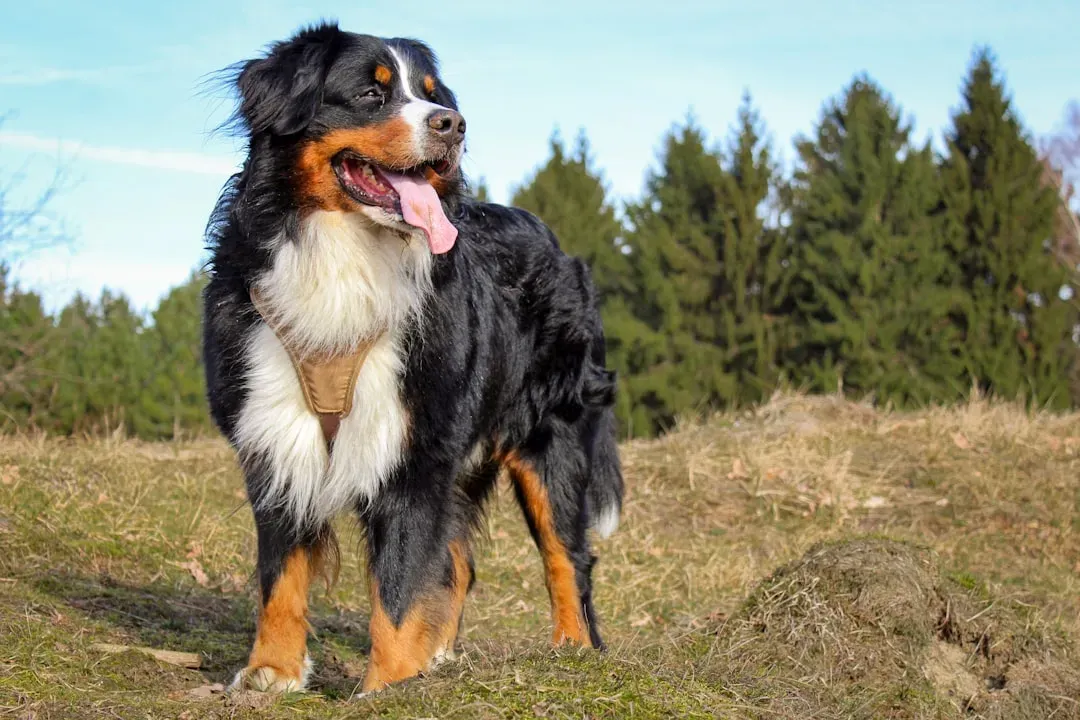
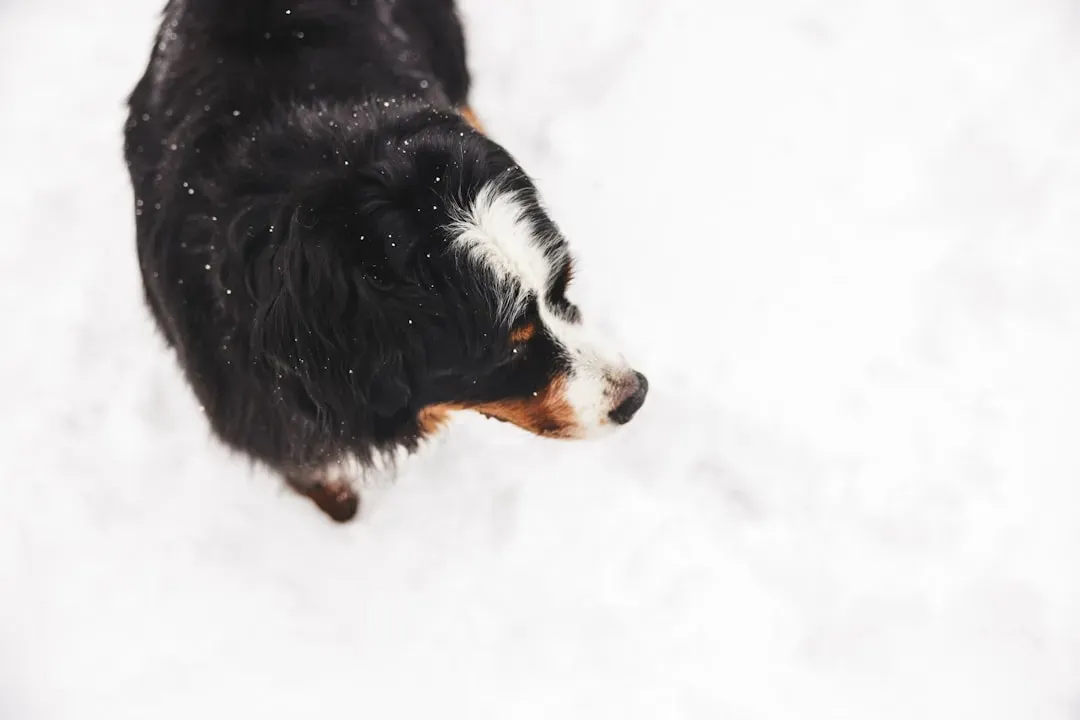
There’s something almost poetic about a dog that looks like it was painted by a Swiss landscape artist. The Bernese Mountain Dog is a large tricolor working breed from the canton of Bern in the Swiss Alps. For context, the Swiss Alps are not gentle rolling hills. This breed has been shaped by dramatic, unpredictable mountain weather for a very long time.
It’s likely that Bernese Mountain Dogs have been working on Swiss farms for more than 2,000 years, where they pulled carts, accompanied livestock, stood watch, and provided owners with loyal companionship. Their coat is their superpower. When it comes to weather adaptability, the breed’s thick coat makes them well-suited for cooler climates, and they generally enjoy spending time outdoors in cold weather, often finding snow particularly invigorating.
However, summer requires some thought. Due to their heavy coat, they can be prone to overheating in hot weather, so it’s important to provide them with a cool, shaded place to rest during hot days and to limit their exercise to cooler periods, such as early morning or evening. Keep your water bowl topped up, watch for that slow, dragging walk that signals they’ve had enough heat, and your Berner will thrive beautifully across seasons.
4. Labrador Retriever: The Adaptable All-Rounder Who Never Complains
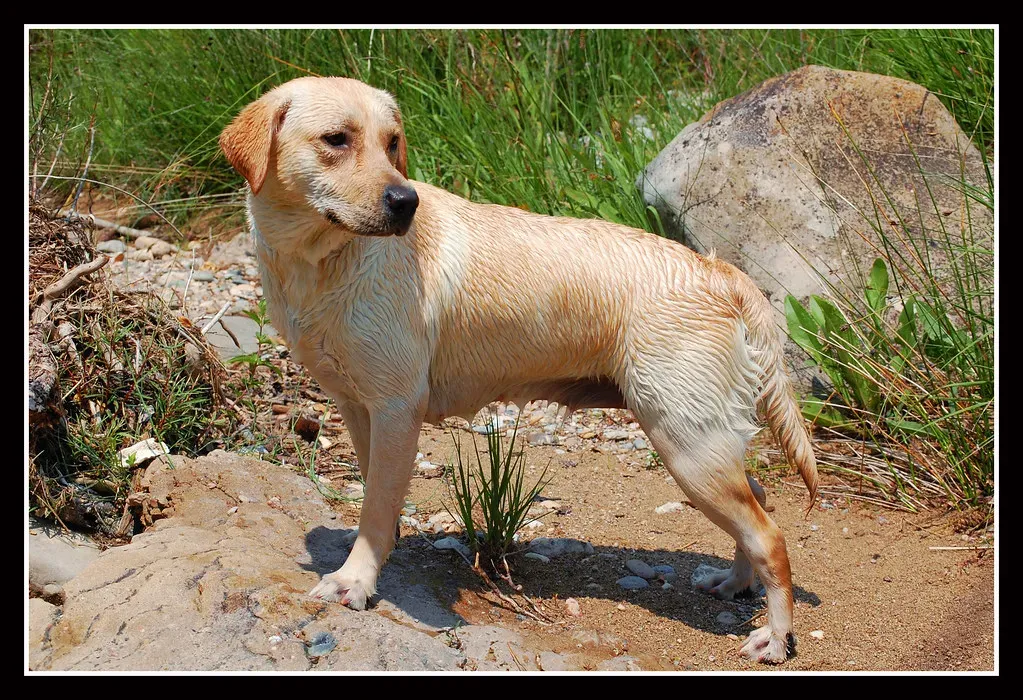
Here’s the thing about Labs: they’re not just the world’s most beloved family dog. They’re genuinely one of the most weather-adaptable dogs on the planet, and most people have no idea. Some breeds have coats and body types that allow them to adapt well to a range of temperatures, making them suitable for climates with varying seasons. These breeds typically have a double coat that provides insulation in winter while shedding out to keep them cooler in the summer. Labs are a textbook example of this.
Labs have a dense, water-resistant double coat that helps insulate them in colder weather while shedding enough in the warmer months to keep them comfortable. Originally bred in the cold, wet conditions of Newfoundland, Canada, they were designed to retrieve game from icy waters without flinching. That water-resistant coat is practically waterproof, which is why Labs will launch themselves into a frozen pond and emerge looking absolutely thrilled.
In hot weather, Labs do need help managing their enthusiasm. Double-coated breeds can still overheat in extreme heat, so keep exercise sessions short and monitor for signs of heat exhaustion. Watch for excessive panting, drooling on a scale that looks like a garden hose, or uncharacteristic lethargy. A Lab that suddenly doesn’t want to play fetch is a Lab that needs to cool down, fast.
5. Tibetan Mastiff: The Himalayan Guardian Built for Altitude and Ice
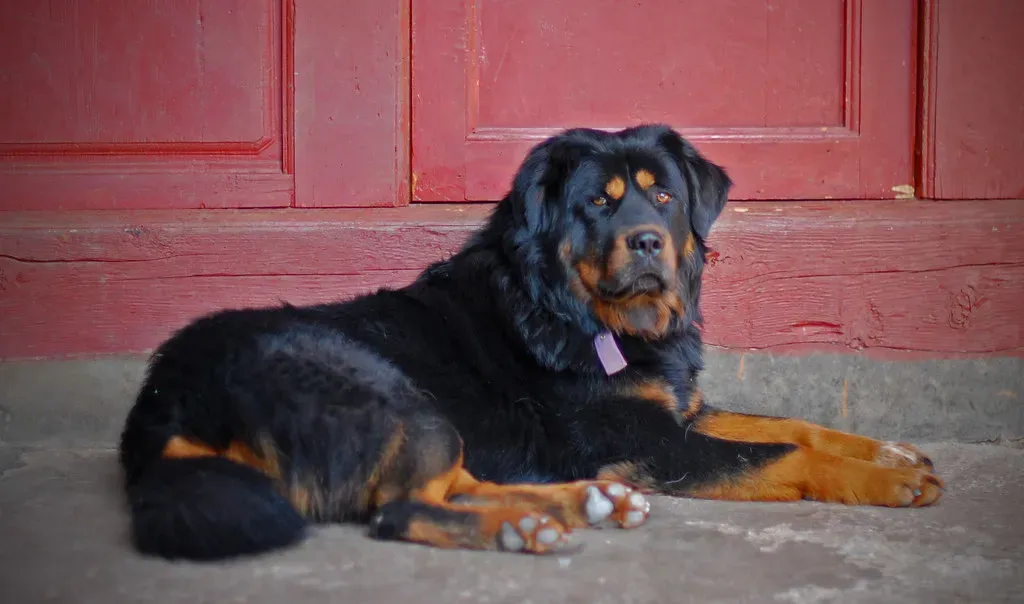
If you want to talk about extreme weather survival, you have to talk about the Tibetan Mastiff. This is a dog that evolved in one of the most hostile environments on earth. Centuries ago, Tibetan Mastiffs originated in Tibet as a primitive breed, primarily used for guarding in the tough Himalayan terrain, and today, these majestic dogs continue to fulfill their ancestral duties as guardians while also adapting to life as cherished family companions.
The Tibetan Mastiff was able to adapt to the extreme highland conditions of the Tibetan Plateau very quickly compared with other mammals such as the yak, Tibetan antelope, snow leopard, and the wild boar. That’s an astonishing fact. Tibetan Mastiffs developed in the cold of the Himalayan Mountains and have an immense double coat that keeps them insulated. Their coat is so thick and heavy that it almost looks like a lion’s mane, and it functions just like one too, keeping the wind out completely.
Hot weather requires vigilance with this breed. Their heavy coat, while magnificent, does not disappear in summer. Weather can influence a dog’s temperament, so observing its behavior in unusual conditions can help you provide better care and appropriate outlets for energy to maintain their health and mood. If your Tibetan Mastiff becomes lethargic, refuses food, or seeks cold tile floors obsessively in summer, those are signals to act. Access to cool, shaded spaces and limited midday activity are key care steps year-round.
6. Norwegian Elkhound: Scandinavia’s Fearless All-Season Hunter
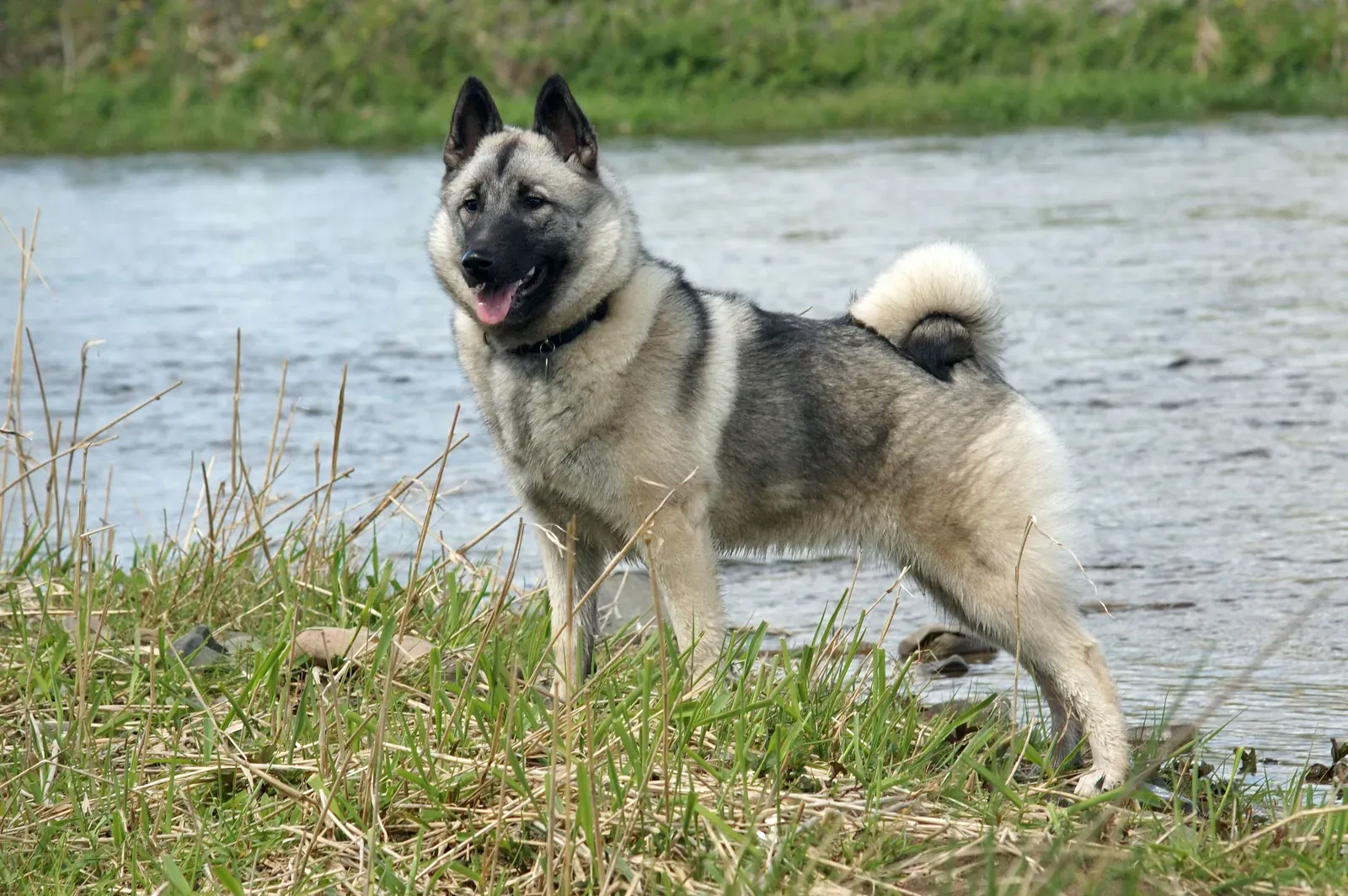
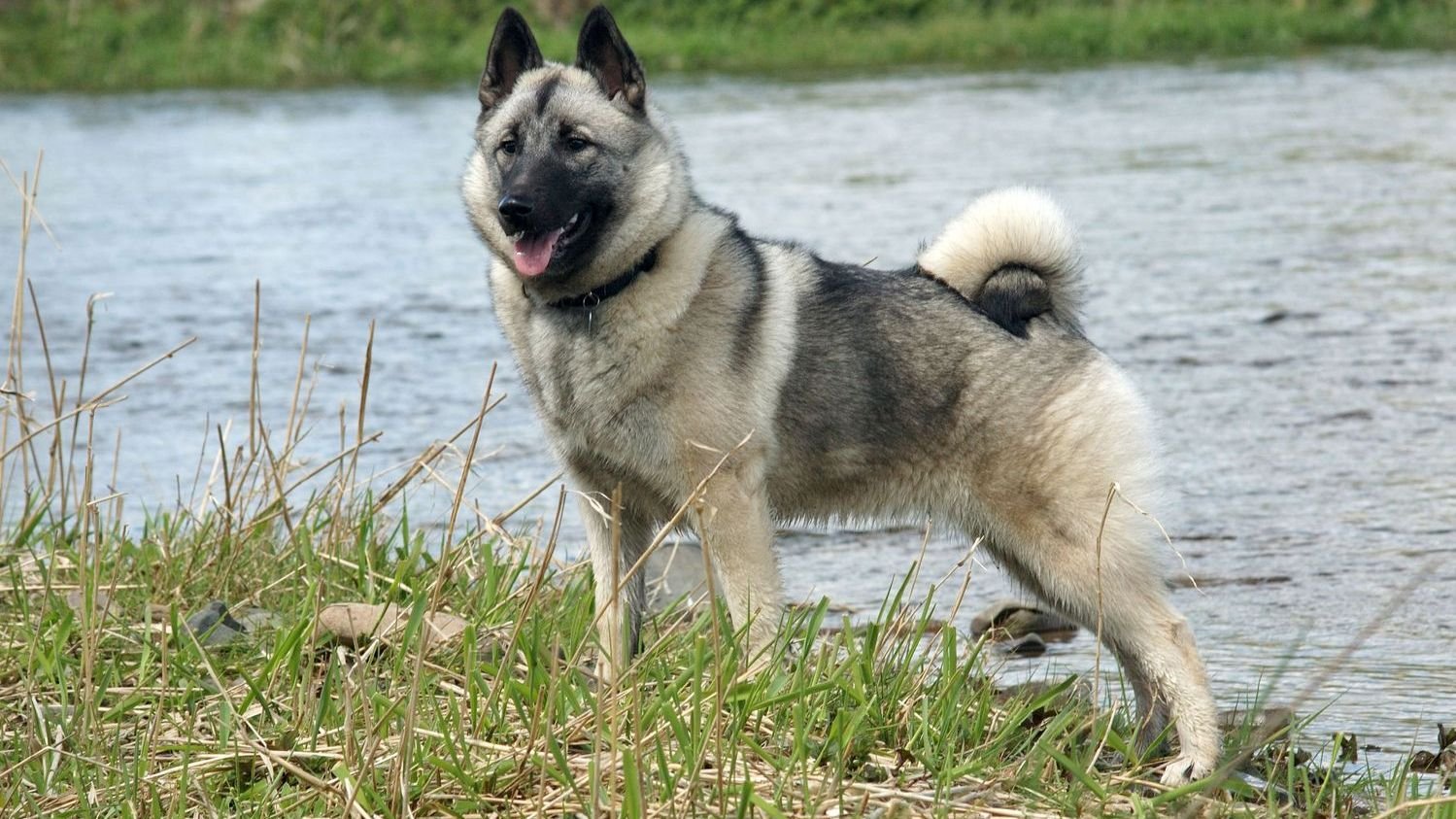
Honestly, the Norwegian Elkhound doesn’t get nearly enough credit. This is a dog that has been hunting in the mountains of Scandinavia for thousands of years, through whipping winds, deep snow, and frozen ground. With a striking wolf-like appearance, the Norwegian Elkhound is a medium to large-sized dog breed known for their bold spirit and courage, and they were originally bred for hunting, tracking, and herding as multipurpose dogs and an asset to the people of Scandinavia for hundreds of years.
The Norwegian Elkhound is a sturdy, medium-sized dog breed with a history of hunting in cold, mountainous regions. They have a dense, protective coat that shields them from harsh weather, and are known for their courage, endurance, and versatility, making them well-suited for living and working in high-altitude areas. Their paws are another clever adaptation. Some breeds, like the Norwegian Elkhound and Chow Chow, evolved with extra fat on the pads of their feet, and since fat doesn’t freeze as quickly as other living tissue, combined with the tough skin covering their toe pads, this fat prevents freezing.
Athletic and intelligent, Elkhounds would independently track prey and hold it at bay while signaling to hunters with their piercing barks and howls, a job that required incredible stamina and endurance. In summer heat, keep their exertion short and their water bowl overflowing. Their dense coat means summer grooming sessions are not optional; they’re essential for keeping air circulating through that thick double layer.
7. German Shepherd: The Intelligent Chameleon of Dog Breeds
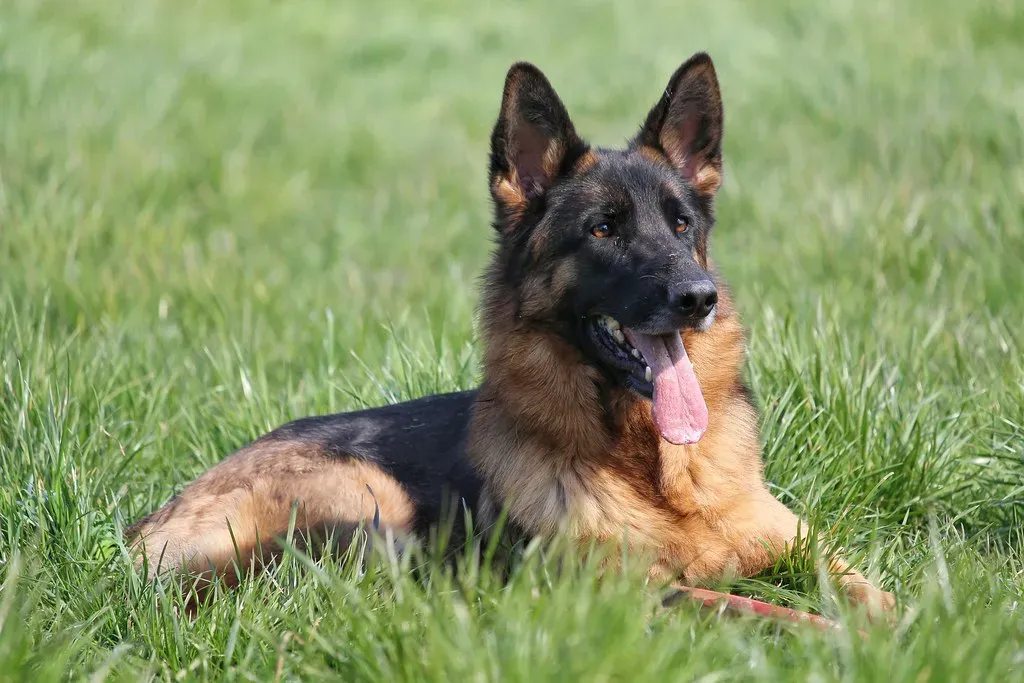
I think the German Shepherd is the most underappreciated weather survivor on this list, and I say that with full conviction. While everyone focuses on their intelligence and trainability, their physical adaptability to extreme temperatures is truly something special. Originally from Germany, the German Shepherd is one of the most popular dog breeds in America, and they are an adaptable breed who can tolerate both hot and cold climates and are well known for their work with the police and military all over the world.
Known as a highly intelligent watchdog, the German Shepherd, with its double coat, is one of the best dog breeds for cold weather. That double coat does significant work in both directions. It insulates in winter and, when properly maintained without unnecessary shaving, helps regulate body temperature in summer too. While this dog breed can resist low temperatures, German Shepherds are also calm and very intelligent, which is why they can also adapt to living indoors.
A working German Shepherd stationed in the Middle East or a patrol dog in Alaska handles those climates through gradual acclimatization alongside proper handler care. Even if your dog’s breed is one initially developed to work in cold temperatures, your dog’s individual experience will also influence their ability to tolerate cold temperatures. If your dog isn’t used to being outside in cold weather, cold weather exposure should be limited, supervised, and introduced gradually. That gradual introduction rule applies just as much to heat for any double-coated breed.
8. Australian Shepherd: The Herding Dog With a Coat That Changes With the Calendar
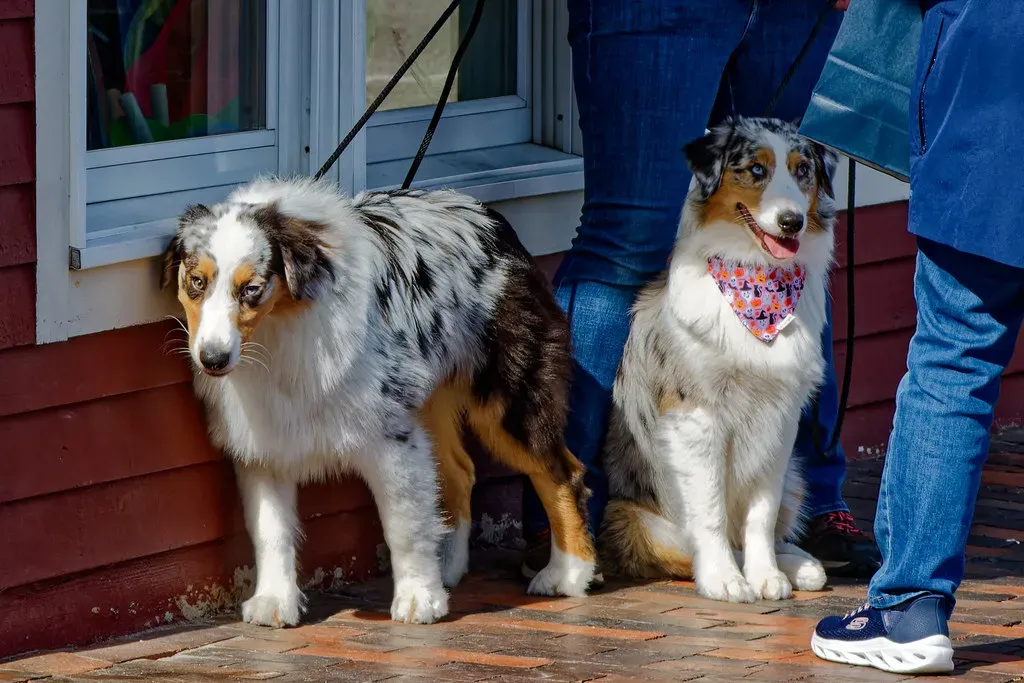
Here’s one that surprises a lot of people. Despite the name suggesting sunny, warm pastures Down Under, the Australian Shepherd is actually a remarkably weather-resilient breed. Australian Shepherds are highly versatile and adaptable dogs, originally bred for herding livestock, and they are agile and intelligent, with a moderate coat that provides protection against varied weather conditions. That moderate coat is the magic ingredient.
Australian Shepherds shed seasonally, allowing them to adapt to both hot and cold climates. In winter, that medium-length double coat thickens up and keeps them working comfortably in cold, wet fields. Come summer, they blow that undercoat out (and yes, your vacuum cleaner will notice) to stay cooler. Australian Shepherds are known for their high energy levels and eagerness to work, which makes them well-suited for active lifestyles in high-altitude areas, and they excel in agility and obedience, adapting well to the challenges of mountain living.
The key with Aussies and extreme heat is respecting their work ethic. This is a dog that will literally run itself into heat exhaustion if you let it, because stopping simply isn’t in their vocabulary. Plan walks and outdoor playtime during early mornings or late evenings to avoid the midday heat, which can quickly cause heat exhaustion. In cold climates, watch for ice accumulation between their paw pads, which can cause real discomfort, and keep a paw balm on hand during snowy months.
Conclusion: Know Your Dog, Respect the Weather
Every breed on this list carries something extraordinary in its biology, a heritage of survival earned across mountain ranges, Arctic tundras, and Himalayan highlands. Dogs’ tolerance to extreme weather conditions depends on physical traits such as coat type, body type, and susceptibility to illnesses. Understanding that is the first step toward being the kind of owner your dog truly deserves.
The most important thing to remember is that even the toughest weather-adapted breeds have limits. These breeds can be loyal, all-weather companions, yet responsible owners must not take their resilience for granted. Canines equally deserve protection and care in harsh weather conditions. Resilience is not invincibility, and nature’s best designs still need your love and attention to perform at their best.
Watch your dog, learn their signals, adjust their routine with the seasons, and remember that their ability to survive extreme weather doesn’t mean they should do it alone. Your partnership is the one thing no coat, paw pad, or metabolism can replace. So which of these incredible breeds shares your home? Drop your thoughts and experiences in the comments below.


