
Picture this: you’re scrolling through adorable pet videos online when you see the perfect image of a dog and cat curled up together. Your heart melts, and you start dreaming about adding a furry friend to your cat-loving household. Yet here’s the thing most people don’t realize until it’s too late – not all dogs are wired to be best friends with our feline companions.
While every dog is an individual with their own personality, some breeds carry genetic blueprints that make cat friendship more challenging than others. These aren’t bad dogs by any stretch of the imagination. They’re simply following instincts that have been carefully cultivated by humans for centuries. Understanding these tendencies can save heartbreak for both you and your pets, and help you make the best choice for your family’s unique situation.
Jack Russell Terriers
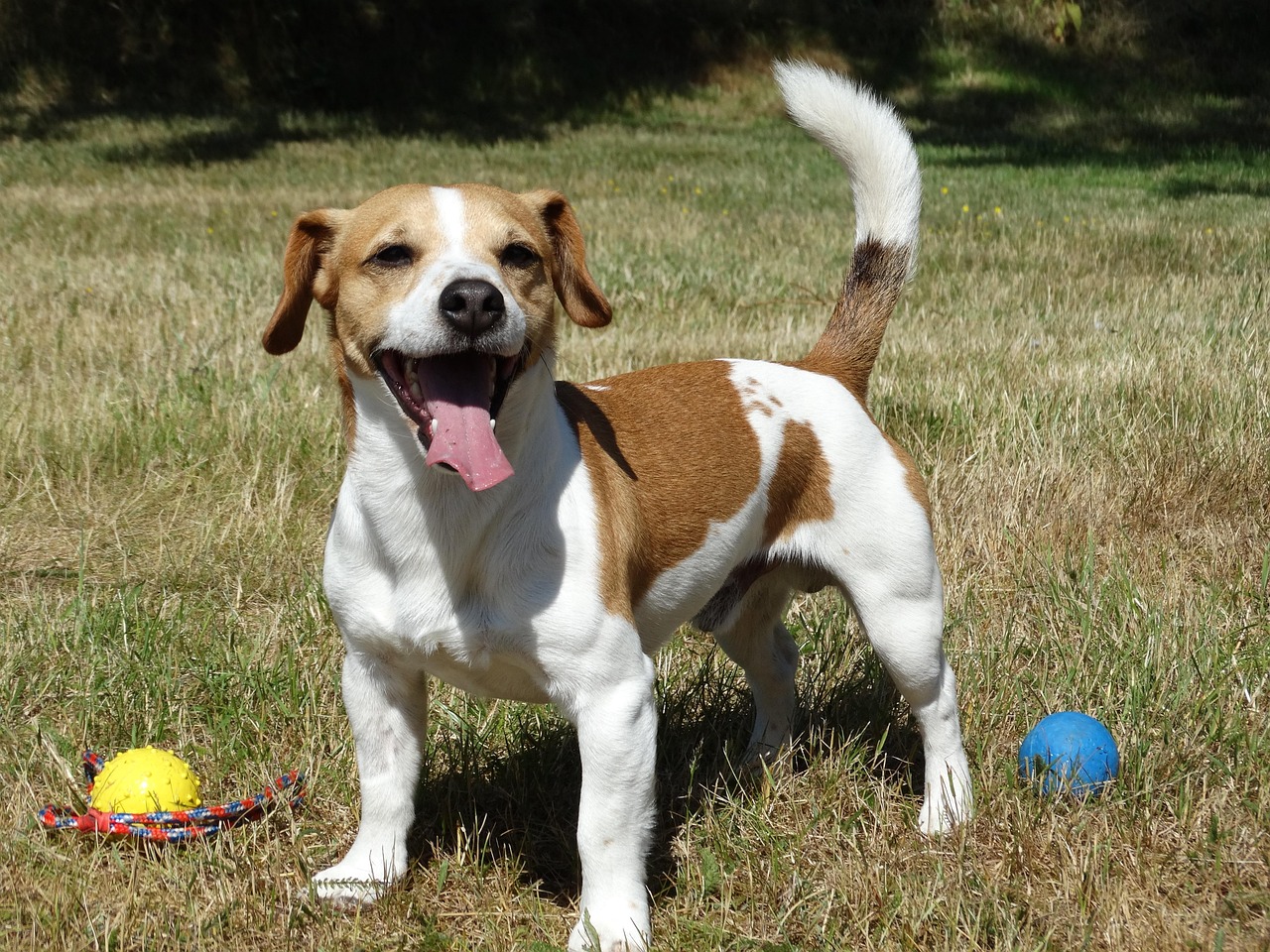
Any type of terrier is typically a poor match for households with cats and the Jack Russell terrier is no exception. These feisty canines were bred to hunt small game and they have a very strong tendency to chase small animals. Bred to hunt small game, these terriers have a relentless prey drive that makes them less than ideal cat roommates. Jack Russells are known for their persistence and determination, which helped them excel in their original role as working dogs.
However, these same traits can lead to the constant pestering of any feline housemates. Jack Russells are always on the move, and their high-energy antics may be too much for a cat to handle, especially when the terrier decides the cat is a target for play or chase. Think of them as the energizer bunny with a single-minded focus – once they spot something moving, they’re off to the races.
Greyhounds
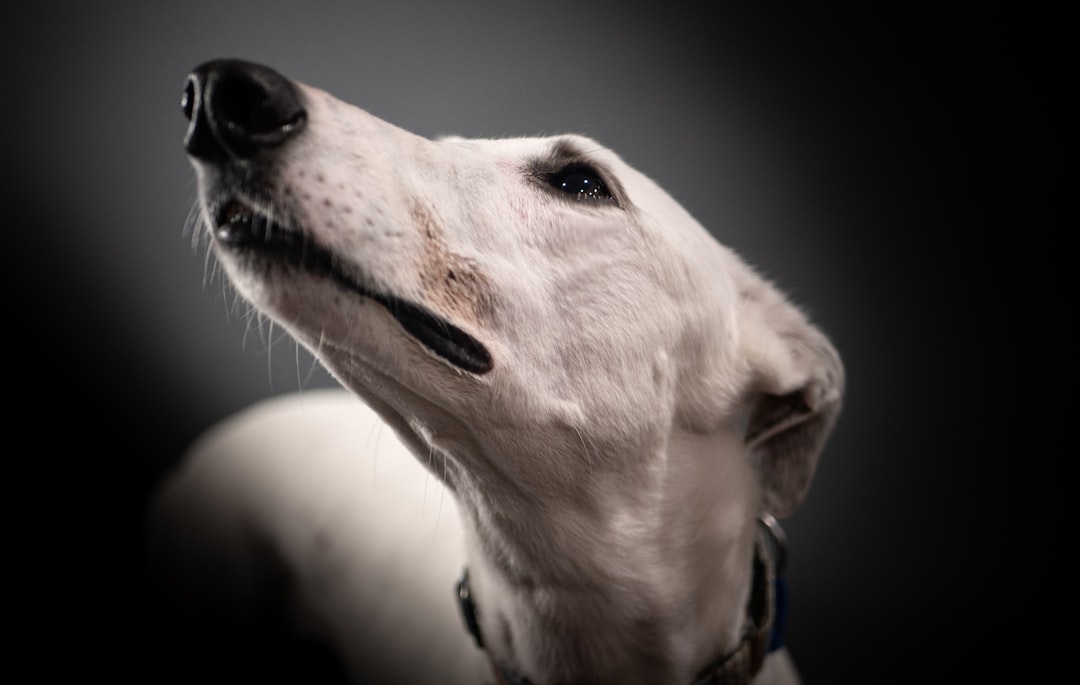
Greyhounds belong to the sighthound group and were historically used to hunt small game, such as rabbits and foxes. A greyhound’s strong prey drive may compel it to chase your cat. Given the fact that greyhounds can sprint up to 45 miles per hour when in pursuit of prey, they aren’t typically a good fit for households with cats.
Yes, it’s very likely that your sighthound will chase your cat. In some cases, they have been known to kill smaller animals, including cats. Proper introductions can reduce the risks of this happening, but due to the instinct to chase fast things on sight, it can be difficult to fully train this behavior out of your sighthound. Despite their gentle nature at home, these “couch potatoes” can transform into lightning-fast hunters in the blink of an eye.
Weimaraners
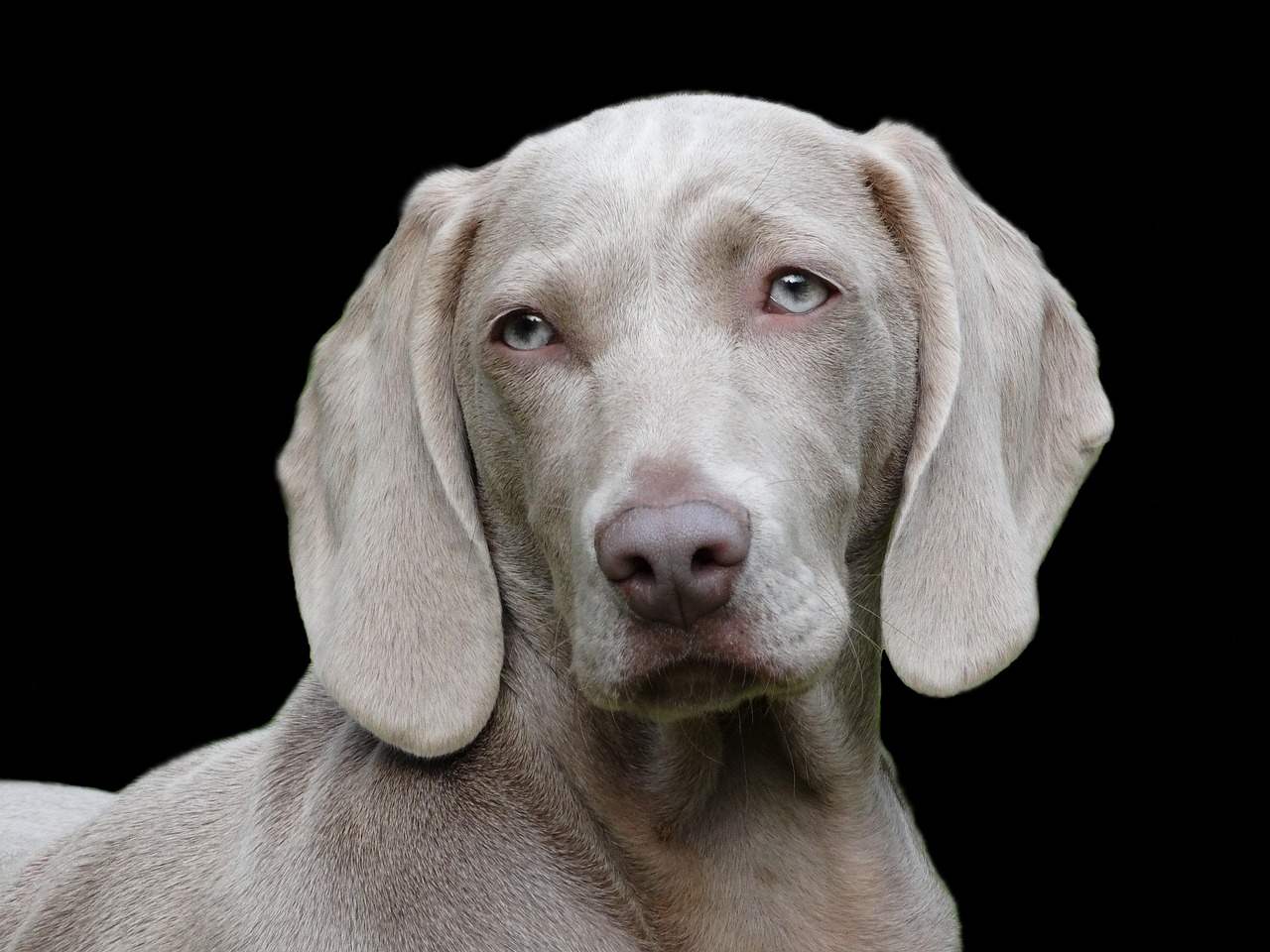
As a general rule, Weimaraners are not good with cats. Weimaraners have a very high prey drive which makes them a danger to cats and other small animals. The inborn hunting instincts in a Weimaraner are strong and it is very difficult to keep cats and Weimaraners together in the same home safely. They are a sporting breed, bred to hunt anything with “fur or feathers” and most have a strong “prey drive”. A very high percentage of Weimaraners will kill cats if given the opportunity.
My weim would kill a squirrel, a bird, a fish, a frog, grubs, pretty much anything she could catch. She never bothered the cat except she’d push the cat out of her way and eat it’s food if we didn’t stop her. These “gray ghosts” were originally developed to hunt large game like bears and deer, so their prey drive runs exceptionally deep.
Siberian Huskies
The Siberian Husky is another cold-weather dog with a strong prey drive, likely due to its need to find food in the snow-covered wild. These dogs tend to chase any yard animals, but you can train them to get along with other pets by socializing them early. Siberian Huskies, with their striking blue eyes and thick coats, are known for their high energy and strong prey drive. These dogs were originally bred for pulling sleds in harsh climates, leading them to be highly independent and strong-willed. Their natural instinct is to chase, making them less compatible with cats.
These beautiful Arctic athletes have survival instincts that kick in when they see small, quick-moving creatures. Their independent nature also means they might not always listen when you tell them to stop chasing your cat across the living room.
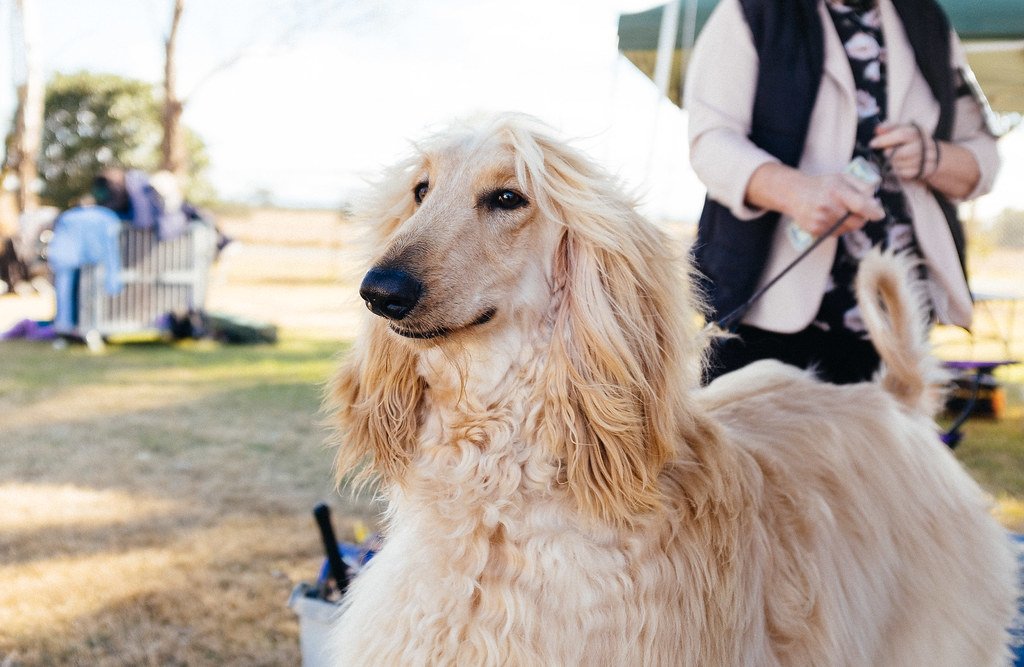
Afghan Hounds
Afghan Hounds, being sighthounds, have a strong prey drive. This means they might be inclined to chase smaller animals, including cats. Afghans range from playful to indifferent when it comes to other pets. They’re likely to chase cats, rodents, rabbits, and other small animals due to their high prey drive. They may be able to live with a dog-experienced cat indoors, but may see outdoor cats as prey.
They’ve always had a strong instinct to chase, so interactions with cats and small animals like guinea pigs or hamsters would likely not end well. Their hunting instincts from thousands of years ago can indeed still override their ability to coexist peacefully with smaller animals. These elegant, flowing-coated beauties might look like they belong in a palace, yet they’re athletes at heart with ancient hunting instincts intact.
Staffordshire Bull Terriers
The Staffordshire Bull Terrier is a medium-sized muscular dog similar to a Pit Bull. It’s friendly and protective of its owners, but it has a strong prey drive that will have it chasing after small animals. Early socialization can help your pets cohabitate, but the dog is still likely to chase the cat on occasion.
The Staffordshire bull terrier is a medium-sized muscular dog that is affectionate, bold, and intelligent. Staffordshire bull terriers have very strong prey drives and will chase after small animals such as cats. With socialization, you can keep a cat with the Staffordshire bull terrier, but don’t be surprised if your dog chases your cat every once in a while. These stocky, powerful dogs pack a lot of determination into their compact frames.
Beagles
The beagle is a hound breed that was bred for hunting hares. Although this breed is amiable, cats may look like prey to these dogs. On top of that, their high energy means they will tire out the cats they live with – not an ideal environment for cats. Those soulful eyes and floppy ears might fool you into thinking beagles are gentle couch companions, yet they’re actually tireless hunters with noses that can track scents for miles.
Their friendly, social nature means they might view chasing the cat as a fun game rather than serious hunting, yet the stress on your feline friend remains the same. These pack hunters also have incredible persistence – once they’ve decided something is interesting, they rarely give up the chase.
Scottish Deerhounds
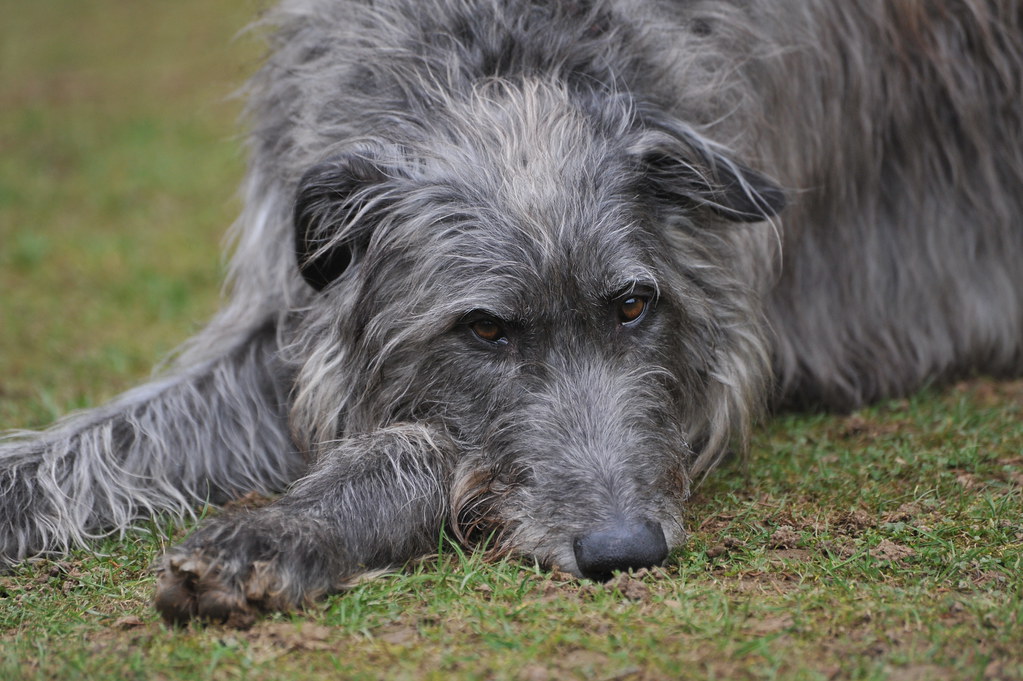
The Scottish Deerhound is a hunting dog that owners often use to hunt deer. Unsurprisingly, these dogs have strong gaming instincts and will likely chase after cats and other small animals even if they don’t intend to hurt them. Early socialization can help reduce the risk of injury, but your cat is unlikely to enjoy being chased. They’re powerful hunters with a high prey drive, which could end up posing a grave threat to your family cat. They require an experienced owner with a firm hand, much like other large breeds. You must control them and keep them from exhibiting bad behavior, like killing cats for example.
These gentle giants might seem calm and noble, yet they were literally bred to chase down deer across Scottish highlands. Their size alone makes any chase scenario potentially dangerous for cats, even if the dog means no harm.
Why Understanding Prey Drive Matters
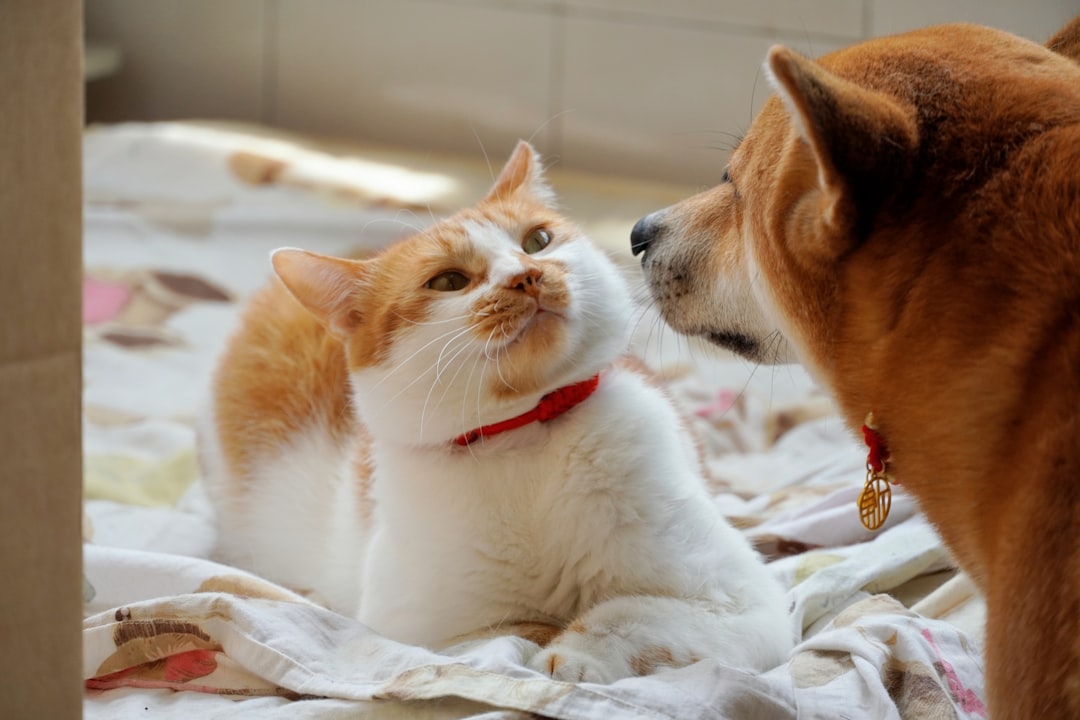
Indeed, there are dog breeds that have an inherited impulse to chase and injure, and sadly, many dogs kill cats and other small animals regardless of the training methods involved. This is called “prey drive,” and many times it is genetically instilled deep into the dog’s genetic core, leaving a small place for changes. The critical socialization period for puppies is 3 weeks to 14 weeks – for breeds with high prey drive (terriers, pitbulls, huskies, etc) unless they have had super saturation of careful socialization very early on, they will very likely never be trustworthy with cats or small animals.
Understanding prey drive isn’t about judging these breeds as “bad” dogs. These instincts were carefully developed by humans for specific purposes – hunting, herding, or protecting livestock. Today’s family dogs still carry these ancient programs in their DNA. Recognizing this helps us make better choices for multi-pet households and sets both our dogs and cats up for success rather than stress.
What do you think about choosing dog breeds based on their compatibility with cats? Share your experiences with us in the comments below.


