
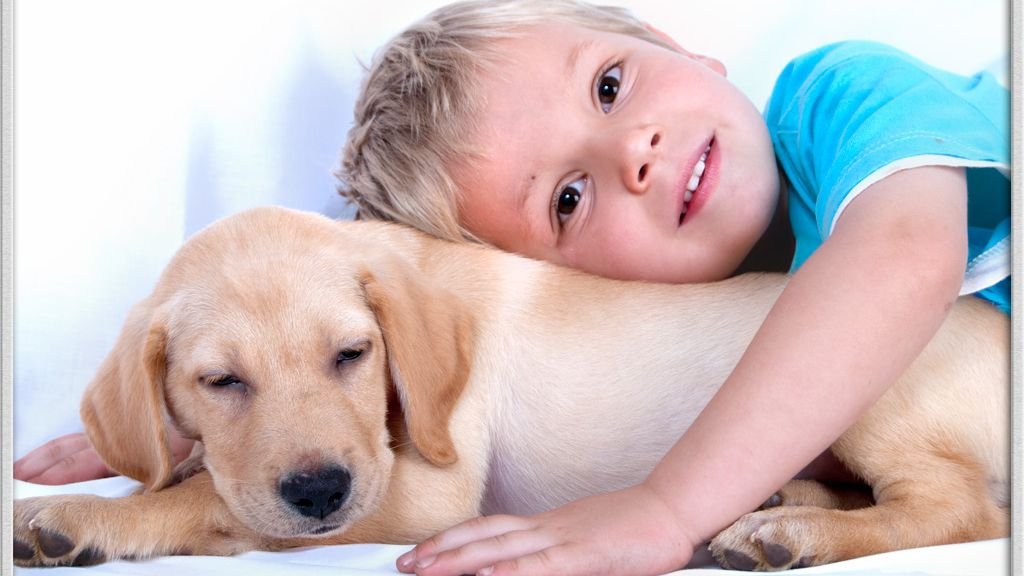
Choosing the right dog for your family is one of those decisions that seems simple until you’re actually faced with it. You walk into the shelter or visit a breeder, see those puppy eyes, and your heart starts making decisions your brain might regret later. Here’s the thing, though: not every breed is built for the beautiful chaos that kids bring.
Some dogs simply don’t have the patience for sticky fingers, high-pitched squealing, or the relentless energy of young children. Others? They’re practically nannies in fur coats. Let’s talk honestly about which breeds might struggle with your little ones and which will become their lifelong best friends.
Chihuahuas: Small Size, Big Attitude
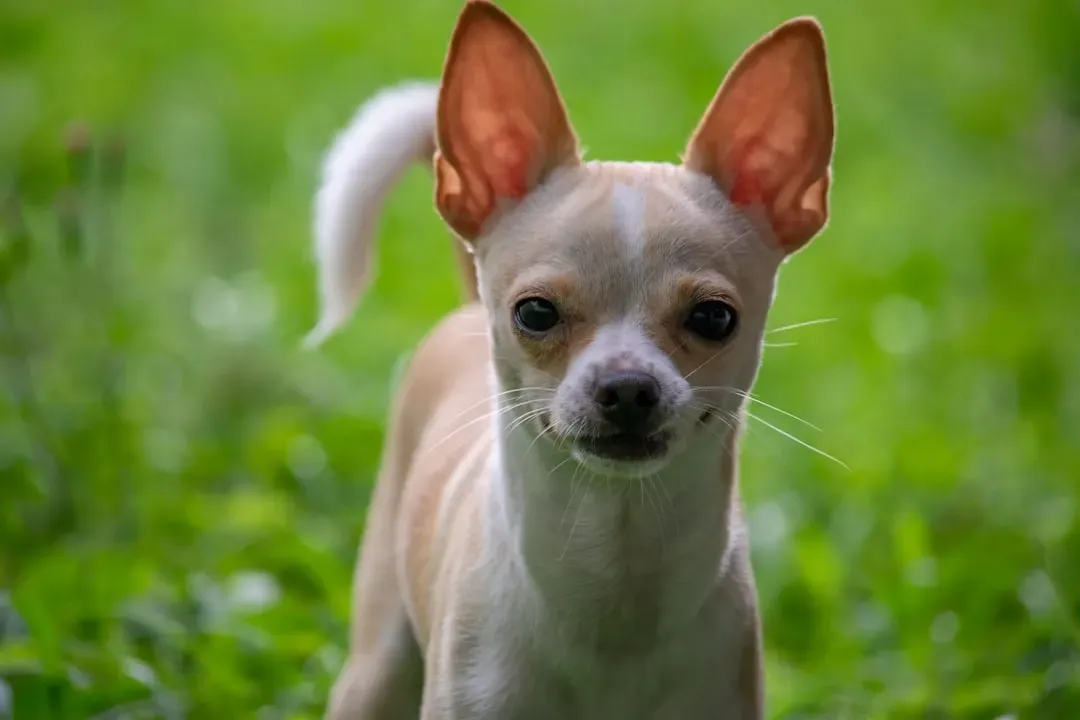
Chihuahuas can be affectionate with their owners, but they generally don’t do well with young children. Their tiny stature makes them vulnerable to accidental injuries during rough play. Picture a toddler who hasn’t quite learned about gentle hands yet, and you can see why this pairing often goes south.
These nervous animals are easily provoked and may feel threatened around the sudden movements and loud noises associated with kids. When a Chihuahua feels cornered or scared, their instinct is to snap. They’re also possessive of your time and attention, potentially becoming jealous of small kids.
It’s not that Chihuahuas are mean-spirited. They’re just wired differently, bred to be companion animals for adults who can respect their boundaries. Think of them as that friend who loves you dearly but needs their personal space.
Akitas: Loyal Protectors With a Catch
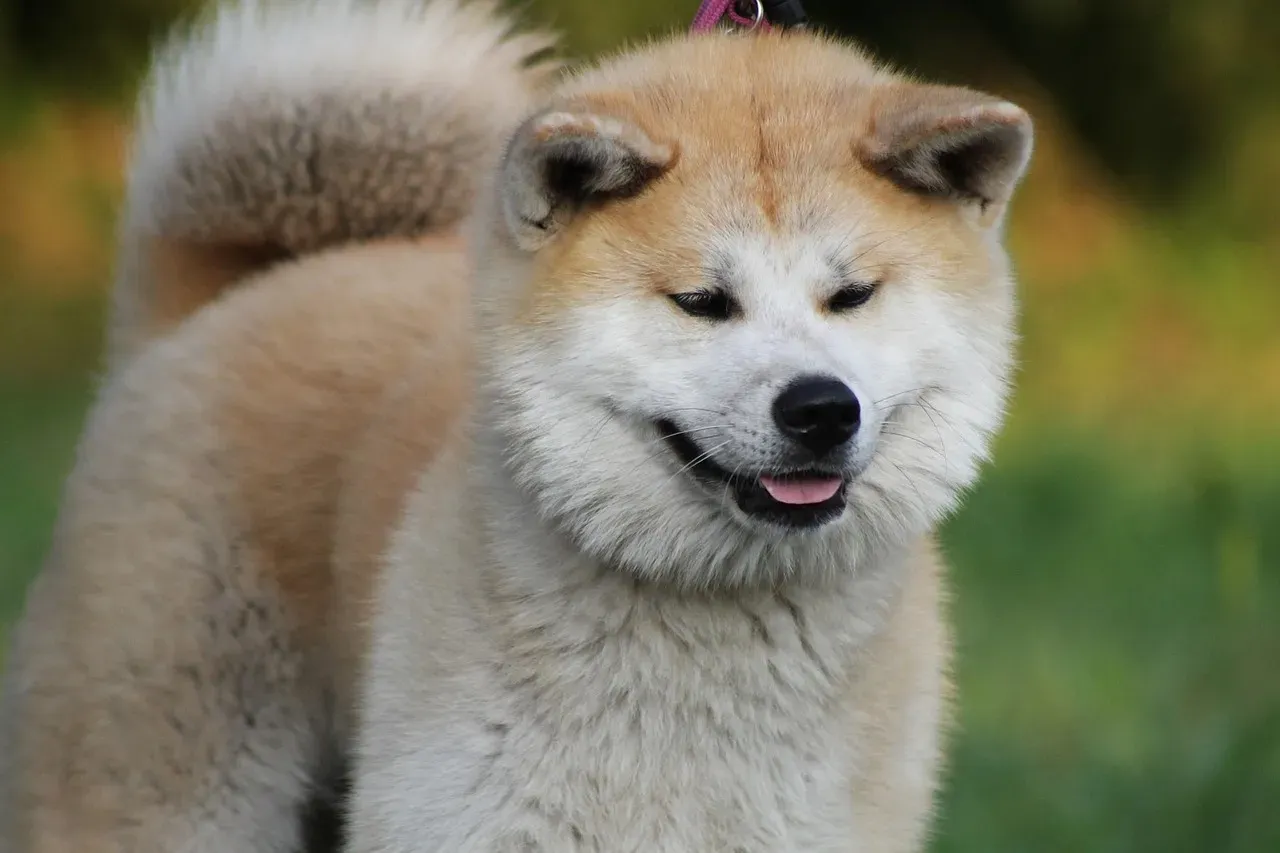
Akitas are natural-born guard dogs with intense devotion to their families, making them wonderful protectors for household members, but the problem arises when kids have friends over and start roughhousing. Your Akita may take roughhousing as a sign that their family is in danger, and they can respond viciously.
These dignified dogs from northern Japan form incredibly strong bonds with their people. They do not get along well with other dogs and due to their protective nature, Akitas are not friendly around strangers. The issue isn’t necessarily with your own children, it’s with playdates and birthday parties.
These dogs are best in households with one or two adults and maybe older children. If you have teenagers who understand boundaries and can read canine body language, an Akita might work. Toddlers and preschoolers? That’s asking for trouble you don’t need.
Alaskan Malamutes: Too Much Power for Little Ones
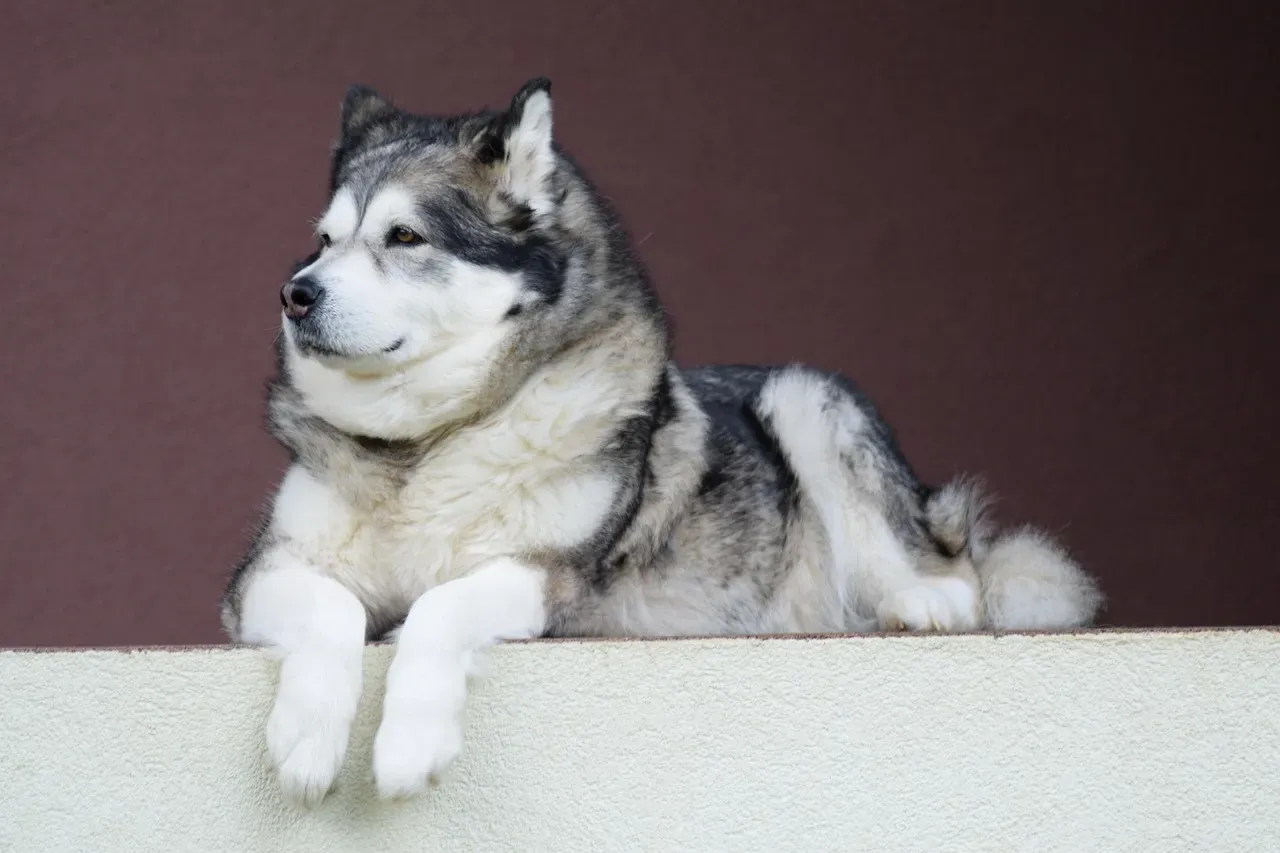
Alaskan Malamutes are still a bit wolf-like and possess an exceptional prey instinct, potentially playing too rough with small children. These stunning dogs were bred for the harsh Alaskan wilderness, pulling heavy sleds across frozen terrain. That kind of strength doesn’t just disappear when they’re playing in your living room.
It is not recommended to leave them unattended around small children. Even with the best intentions, a Malamute’s size and energy can overwhelm a child. They don’t mean to knock your five-year-old into the coffee table, but it happens.
This is a breed for an experienced dog handler and owner as they can be difficult to train. If you’re already juggling the chaos of young kids, adding a stubborn, powerful dog into the mix might be more than your household can handle right now.
Dachshunds: Surprising Aggression in a Long Package

Dachshunds can be quite aggressive at times, much more than other breeds like Rottweilers and Pit Bulls. I know, that wiener dog shape doesn’t exactly scream “danger,” but these little hunters pack attitude.
These dogs were originally bred to chase badgers out of their holes, requiring a mean streak for that kind of work. That tenacity and fearlessness that made them excellent hunters translates poorly to family life with unpredictable children.
Small dogs often develop what’s called “small dog syndrome” when they’re not properly trained. They compensate for their size with aggression. With kids who might accidentally step on them or corner them, that aggressive response can lead to bites that, while not devastating, certainly aren’t pleasant.
Chow Chows: Fluffy but Not Cuddly
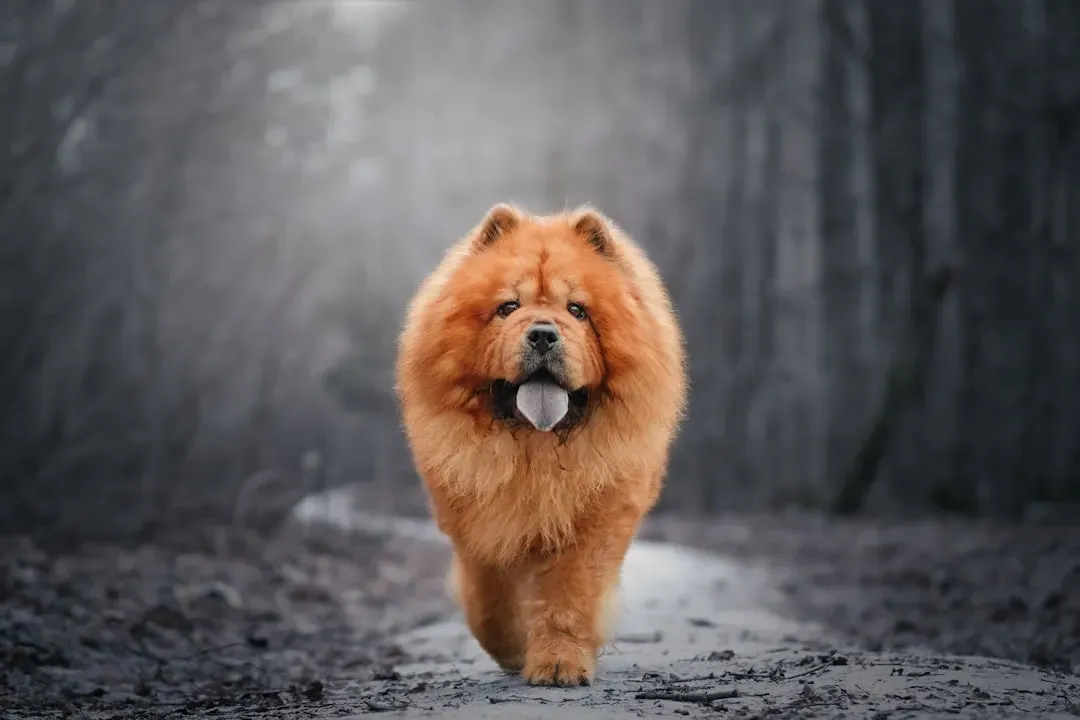
Chow Chows are aloof, serious, and intelligent dogs with ties to ancient China, affectionate with their humans but not getting along well with other pets or young children, and may react badly to children yelling, being rough, and running around. They look like teddy bears but have the personality of a grumpy librarian.
These dogs are also not very playful and have little patience, though some Chow Chows bond strongly with children they grow up with. The keyword there is “some.” It’s a gamble, and with your child’s safety on the line, gambling doesn’t feel responsible.
Chows take their loyalty to another level and don’t like being messed with if they aren’t in the mood – if they are lying down napping and a hyper child is bugging them, they may react unfavorably. Honestly, can you blame them? Still, kids don’t always read the room well.
Weimaraners: High-Strung Hunting Machines
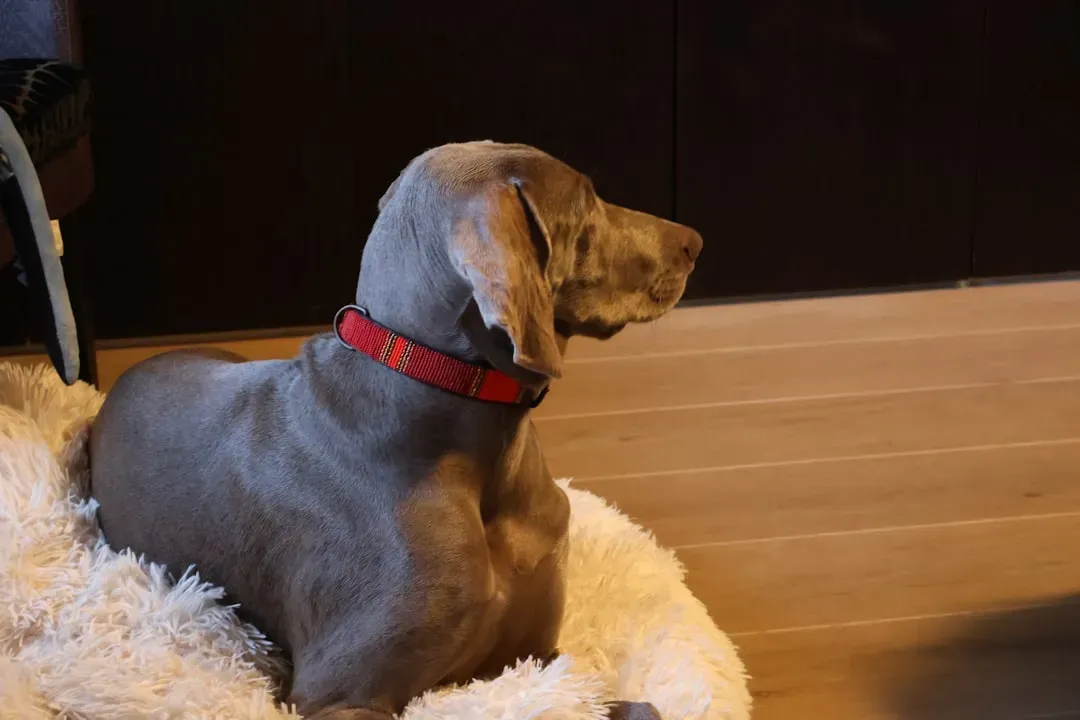
Weimaraners were bred to hunt large game like deer and bear, making their rough housing potentially overwhelming for children, even larger ones. These sleek, silver-coated dogs are absolutely gorgeous, but beauty doesn’t equal kid-friendly.
These dogs require lots of attention and a set routine with lots of exercise and play or they can become nervous and excitable, making them potentially unsuitable for families with hectic, ever-changing schedules. And let’s be real, what family with young children has a calm, predictable routine?
Without proper outlets for their energy, Weimaraners can become destructive and anxious. An anxious dog around unpredictable children is a recipe for someone getting hurt. They’re fantastic dogs for the right owner, just maybe not for households in the thick of the toddler years.
Pekinese: Imperial Dogs With No Patience
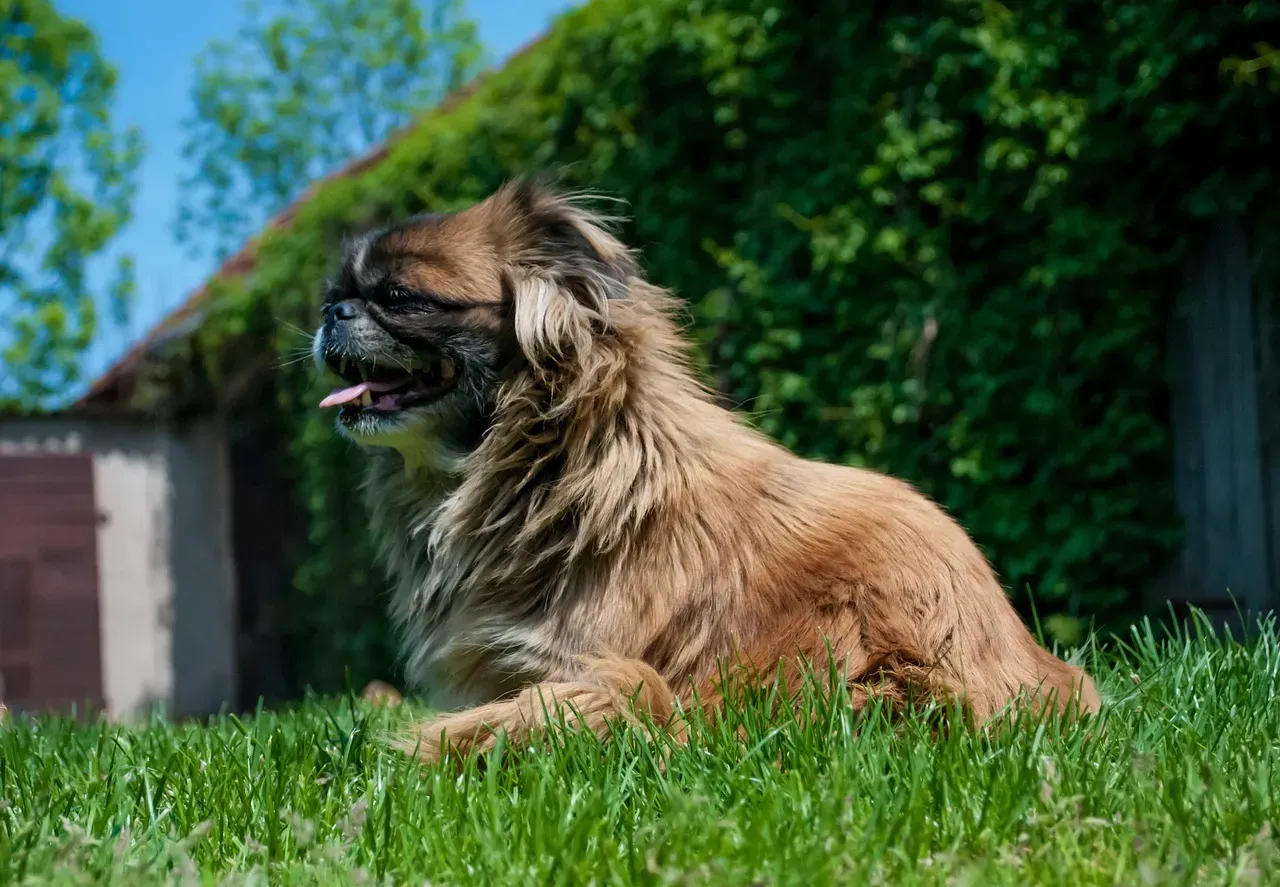
Pekinese bite and yip when they feel threatened, often demonstrating possessive behavior over food and toys due to their small size, and they don’t appreciate poking, prodding or tail pulling at all. These dogs were bred for Chinese royalty, and they haven’t forgotten their imperial roots.
Kids, especially young ones, don’t naturally understand the concept of “leave the dog alone when they’re eating.” They see a fluffy little dog and want to pet it, hug it, maybe dress it up. A Pekinese will tolerate approximately none of that nonsense.
Their faces might look adorable, but their temperament is best suited for adults who can provide a calm, predictable environment. If your household sounds like a playground at recess, a Pekinese will not be happy.
Greyhounds: Gentle But Easily Startled
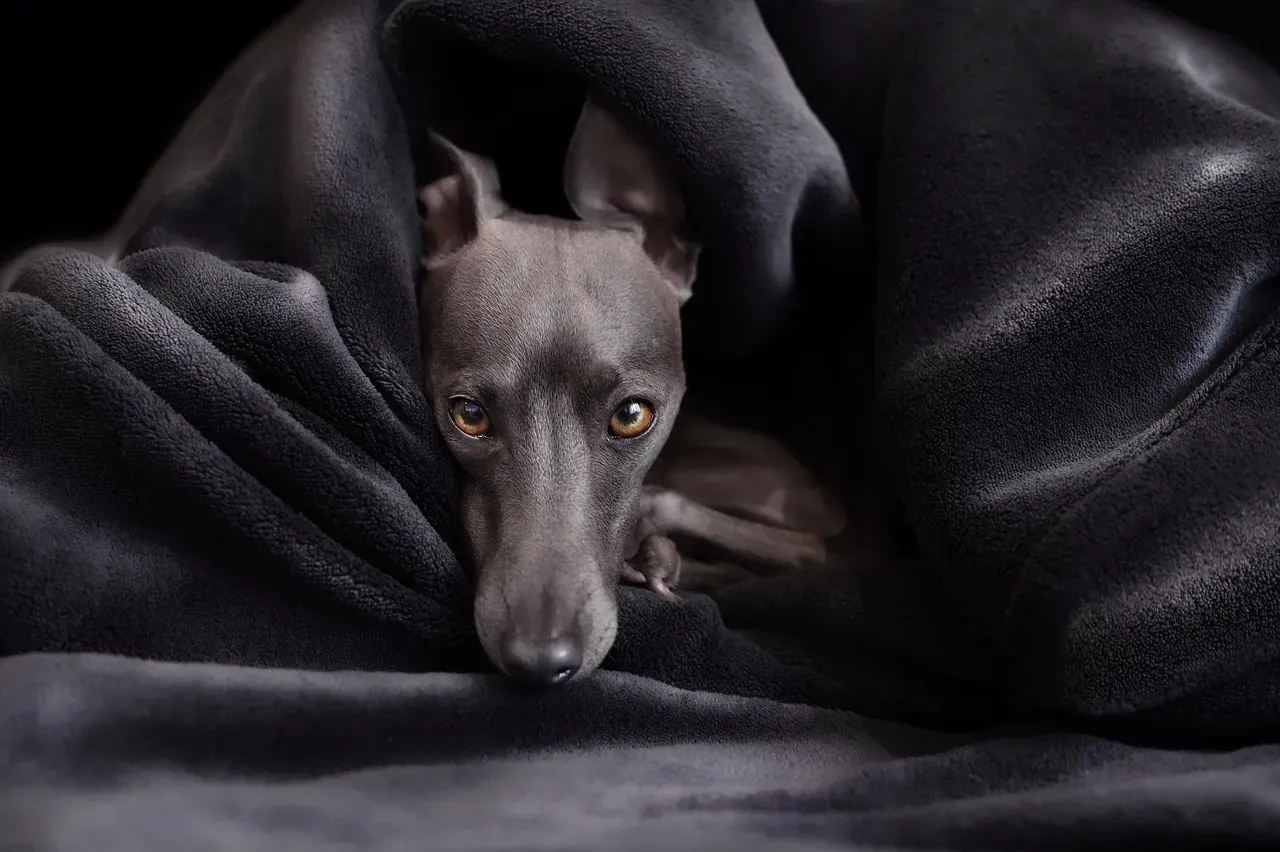
Greyhounds are very pleasant, composed dogs with reserved personalities, but they don’t enjoy chaos or erratic behavior – a small child might startle a Greyhound often, which can lead to nervous tendencies and potential biting, though they aren’t aggressive dogs but do spook easily.
These retired racing dogs often make wonderful pets for the right household. They’re surprisingly low-energy once they’re off the track, happy to lounge on your couch for hours. The problem is their sensitive nature.
While they are good with other dogs and can be sweet with children, greyhounds are not suitable for households with small rambunctious kids, and Italian greyhounds in particular are very fragile. It’s hard to say for sure, but I think the constant noise and unpredictable movements of young children create an environment where these sensitive souls can’t relax.
Labrador Retrievers: The Gold Standard Family Dog
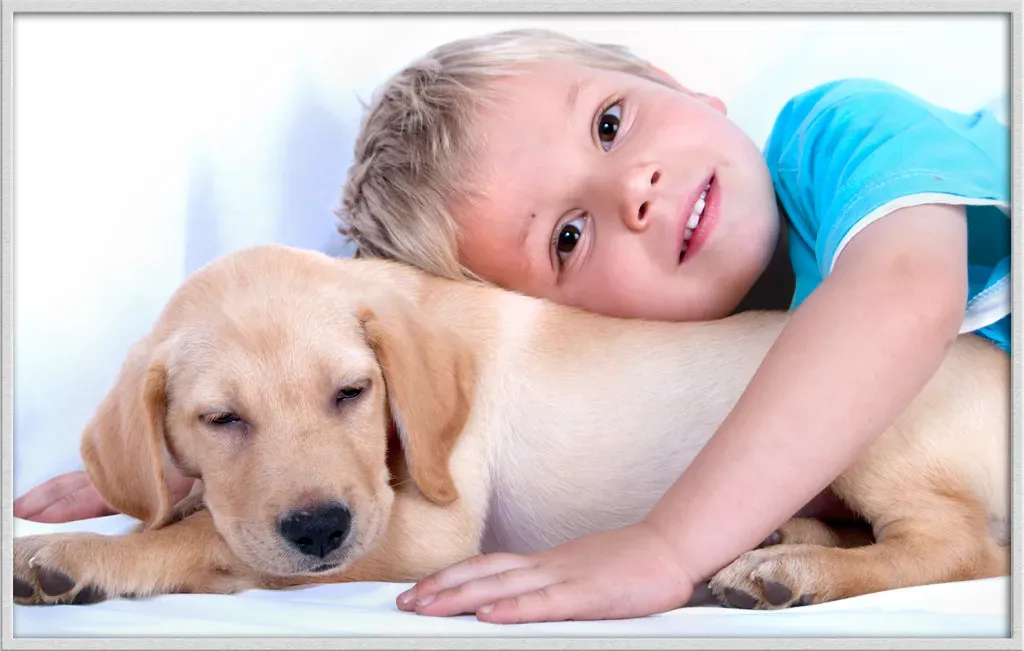
The Labrador ranks number one on the AKC popularity list since 1991 with a high child-tolerance score and the lowest bite risk of any breed over 50 pounds, being playful but patient and forgiving of occasional accidental tail pulls. If there’s one breed that consistently excels with children, it’s the Lab.
These excellent family dogs get along with practically every human and other breed and are great dogs for children of all ages. They’re the golden retriever of… well, retrievers. Their temperament is remarkably stable and forgiving.
Labs want nothing more than to be part of your pack. They’ll fetch balls until your arm falls off, swim with the kids all afternoon, and then curl up for movie night without complaint. They’re patient enough for toddlers learning how to be gentle but energetic enough to keep up with active older kids.
Golden Retrievers: Hearts of Pure Gold

Golden Retrievers are renowned for their friendly and gentle nature, being highly intelligent and getting along well with children and other pets. If Labs are the gold standard, Golden Retrievers are platinum.
The breed is known for its intelligence and loyalty, with the tremendous patience of a Golden Retriever being a major advantage around children. They seem almost impossibly tolerant of the chaos kids create.
I’ve seen Golden Retrievers let toddlers climb on them like jungle gyms without so much as a grumble. They’re eager to please, easy to train, and genuinely seem to adore children. Thanks to their stable temperament, Goldens remain one of the top family choices in 2026.
Beagles: Compact Bundles of Joy

Beagles are cheerful dogs that love to play, with their size, energy, and friendly nature making them wonderful companions for children. These compact hounds pack a lot of personality into a medium-sized frame.
A cute and cuddly Beagle thrives on interaction with family members, with children appreciating their playful side while the calm and loving demeanor makes it a safe choice. They’re sturdy enough that you don’t have to worry about kids accidentally hurting them, but not so large that they’ll knock toddlers over.
Beagles were bred to work in packs, which means they naturally see your family as their pack. They’re food-motivated, making training relatively straightforward, and their friendly disposition extends to pretty much everyone they meet.
Cavalier King Charles Spaniels: Royal Companions
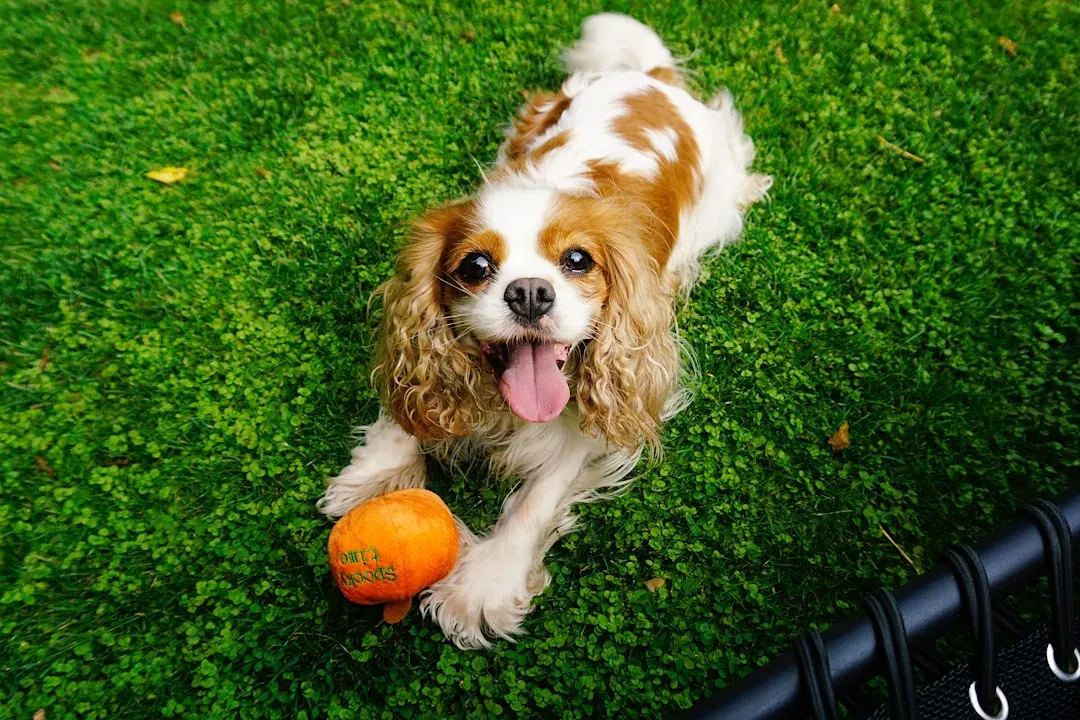
Cavalier King Charles Spaniels are widely regarded as one of the gentlest companion breeds, typically friendly, calm, and rarely showing aggression, being small enough for apartment living but sturdy enough to handle gentle playtime. These dogs hit that sweet spot between small and fragile.
For hundreds of years, these dogs were bred to sit next to kings and queens and just be comforting, and you can still see that in how they attach themselves to their families today, being basically professional cuddlers. If your kids want a dog that will snuggle on the couch during story time, this is your breed.
They’re gentle without being nervous, affectionate without being demanding, and adaptable to various living situations. Whether you have one child or five, a Cavalier will find their place in the family hierarchy and be perfectly content there.
Newfoundlands: Gentle Giants Who Love Kids
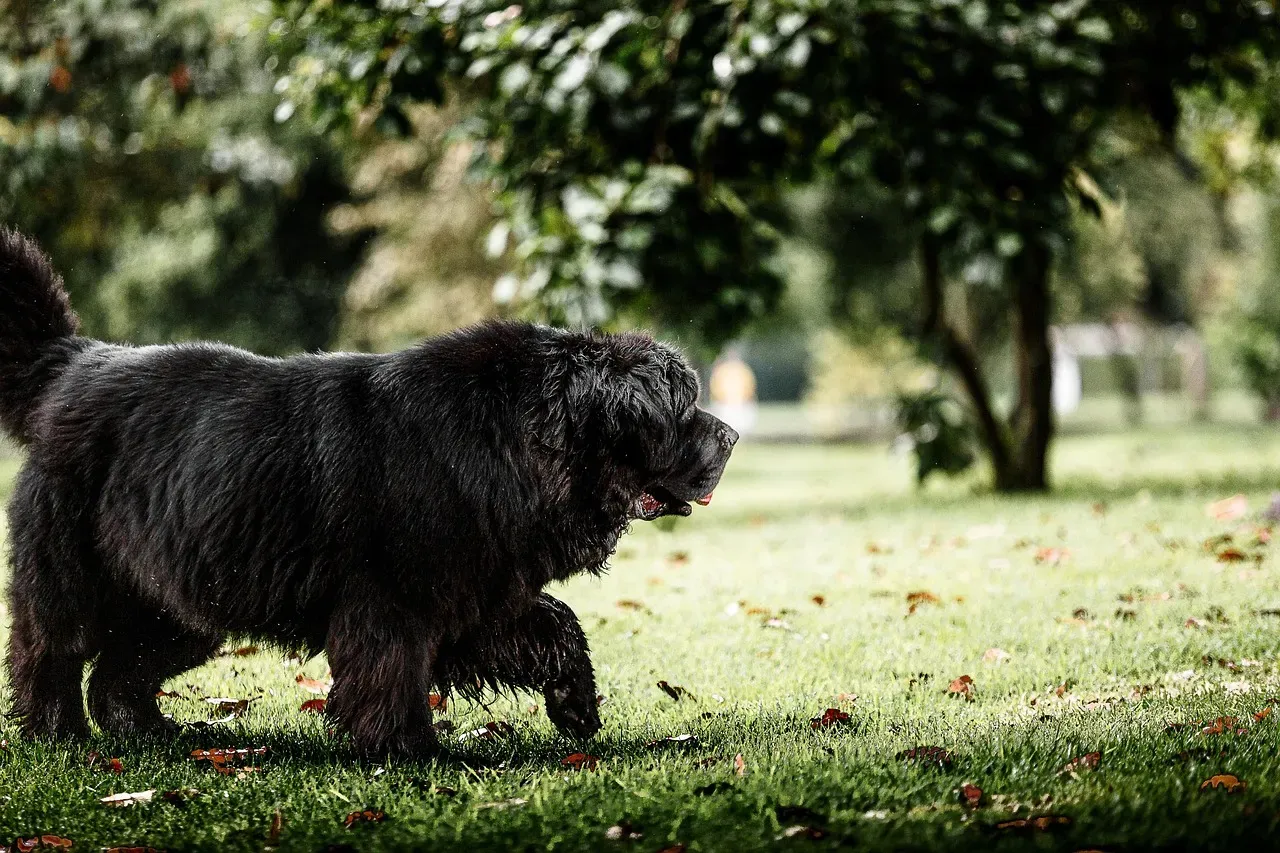
Newfoundlands are large, shaggy companions that are calm, nurturing, and famously good with children, often called nature’s babysitters with a way of standing guard without ever seeming stern. These massive dogs have earned the nickname “nanny dogs” for good reason.
The Newfoundland dog breed is known for being a gentle giant, and when you put their calm demeanor with their highly adaptable nature, Newfoundlands are one of the best dog breeds for families. Yes, they’re enormous – over 100 pounds in most cases – but they’re remarkably careful around small children.
With the right training, these sweet-tempered Newfies make a great family dog and get along well with kids of all ages, even babies and toddlers. They’re protective yet tender, the kind of dog that will let your toddler use them as a pillow while simultaneously keeping watch over the whole household. You do need space for them, though, and be prepared for the drool.
Conclusion: Matching Dogs and Kids Takes Thought
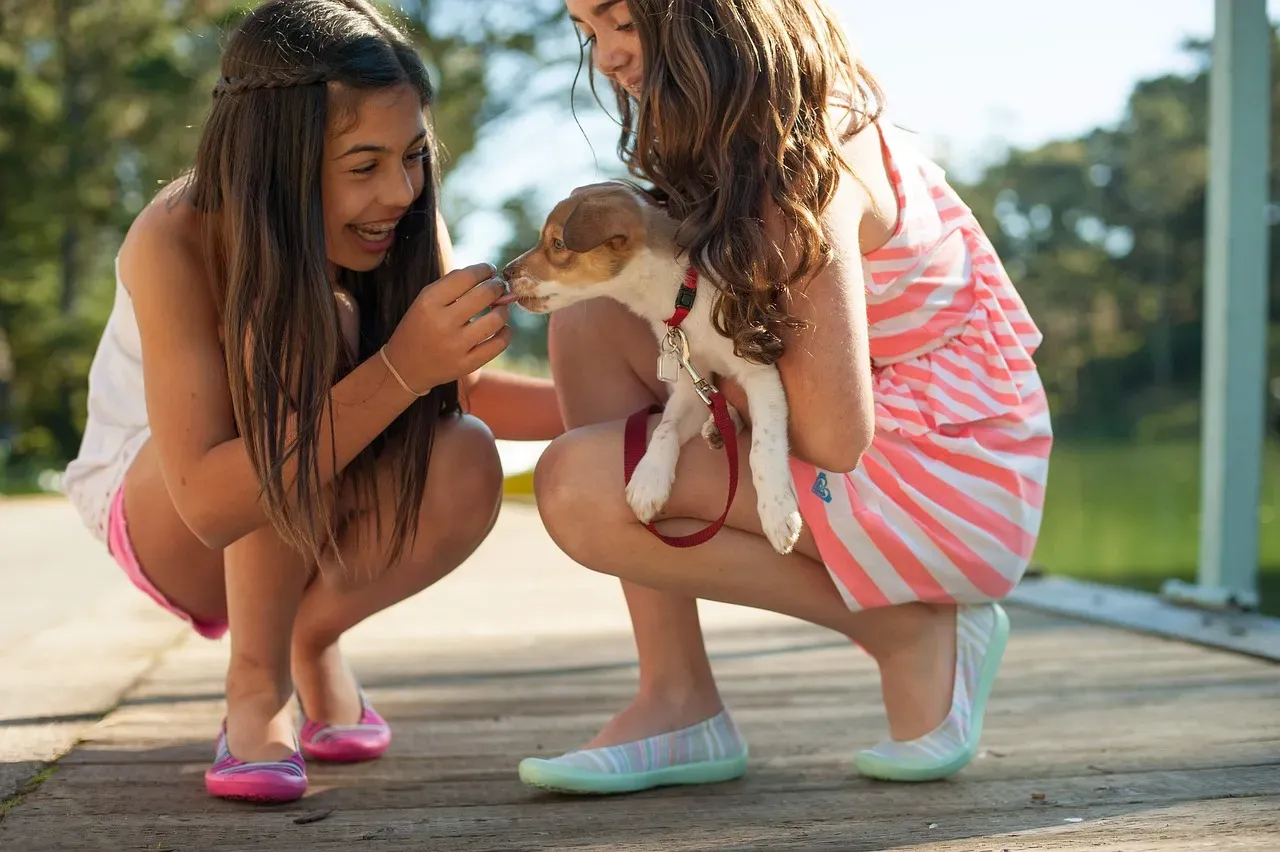
Choosing a dog when you have children isn’t just about finding a cute face at the shelter. It’s about honestly assessing your family’s lifestyle, your children’s ages and temperaments, and which breeds have the natural inclination to thrive in that environment.
Early socialization, positive reinforcement training, individual temperament, and supervision are crucial in ensuring safety for your children. Even the most kid-friendly breed needs proper training and boundaries. Equally important, teaching your children how to interact respectfully with dogs prevents so many problems before they start.
The breeds that struggle with children aren’t bad dogs. They’re just better suited for different households. Meanwhile, those five breeds that adore kids? They’re waiting to become someone’s loyal companion and your child’s partner in adventure.
What’s your experience been with dogs and kids? Have you found a breed that surprised you with how well they fit into family life? Every dog is unique, after all, and sometimes the best matches are the ones we least expect.


