
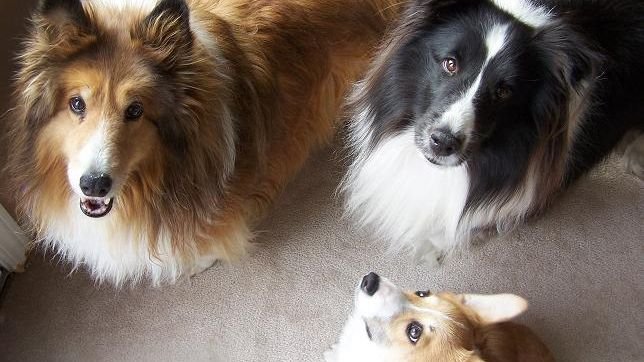
There’s a saying almost everyone has heard at least once: “You can’t teach an old dog new tricks.” Honestly? It’s one of the most misleading things ever said about our canine companions. Dogs, much like people, carry their curiosity and capacity for growth far into their later years. If anything, watching an older dog light up while mastering something new is one of the most heartwarming things a dog owner can experience.
The truth is, some breeds are just wired differently. Their love of learning doesn’t fade with age – it deepens. Whether it’s a nine-year-old Poodle nailing a brand-new command or a senior Border Collie still solving puzzles with the intensity of a puppy, these dogs remind us that mental engagement is ageless. So if you’ve ever wondered which breeds keep that sparkle in their eyes well into their golden years, keep reading. You might just be surprised.
1. Border Collie: The Unstoppable Genius
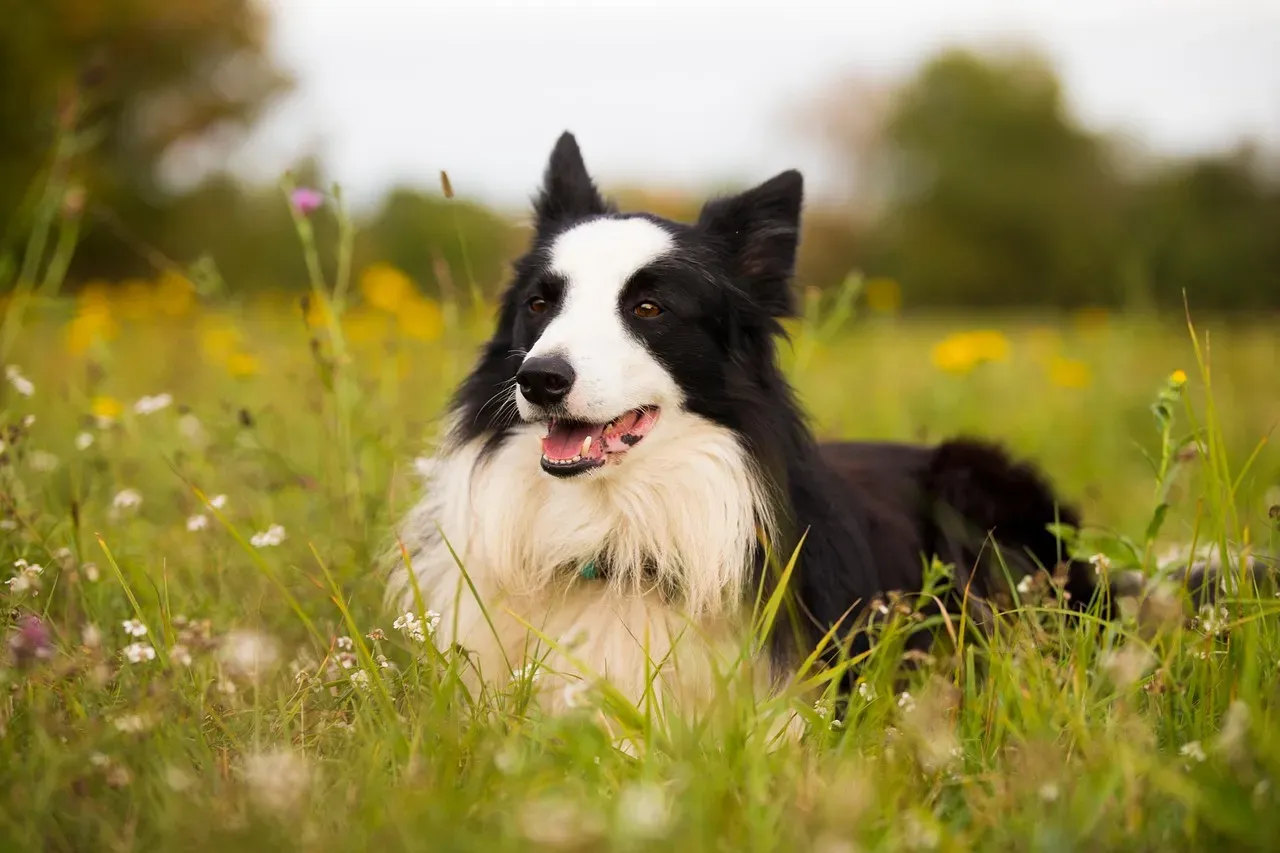
Let’s be real – no list like this could start anywhere else. The Border Collie is widely recognized as the smartest dog breed because of its uncanny ability to learn tasks quickly and perform them exceptionally well. This isn’t just a reputation; it’s backed by decades of documented performance in herding, obedience, and agility trials. What makes them truly special is that their mental drive rarely slows down with age.
Border Collies do not merely learn “tricks” or follow commands; they also have the ability to understand complex tasks and execute those with precision. For older Border Collies, this means you can challenge them with puzzle feeders, scent games, and trick progression rather than physically demanding exercises. Think of it like keeping a chess master engaged – they crave the mental workout more than anything else.
2. Poodle: Brains Wrapped in Beautiful Curls
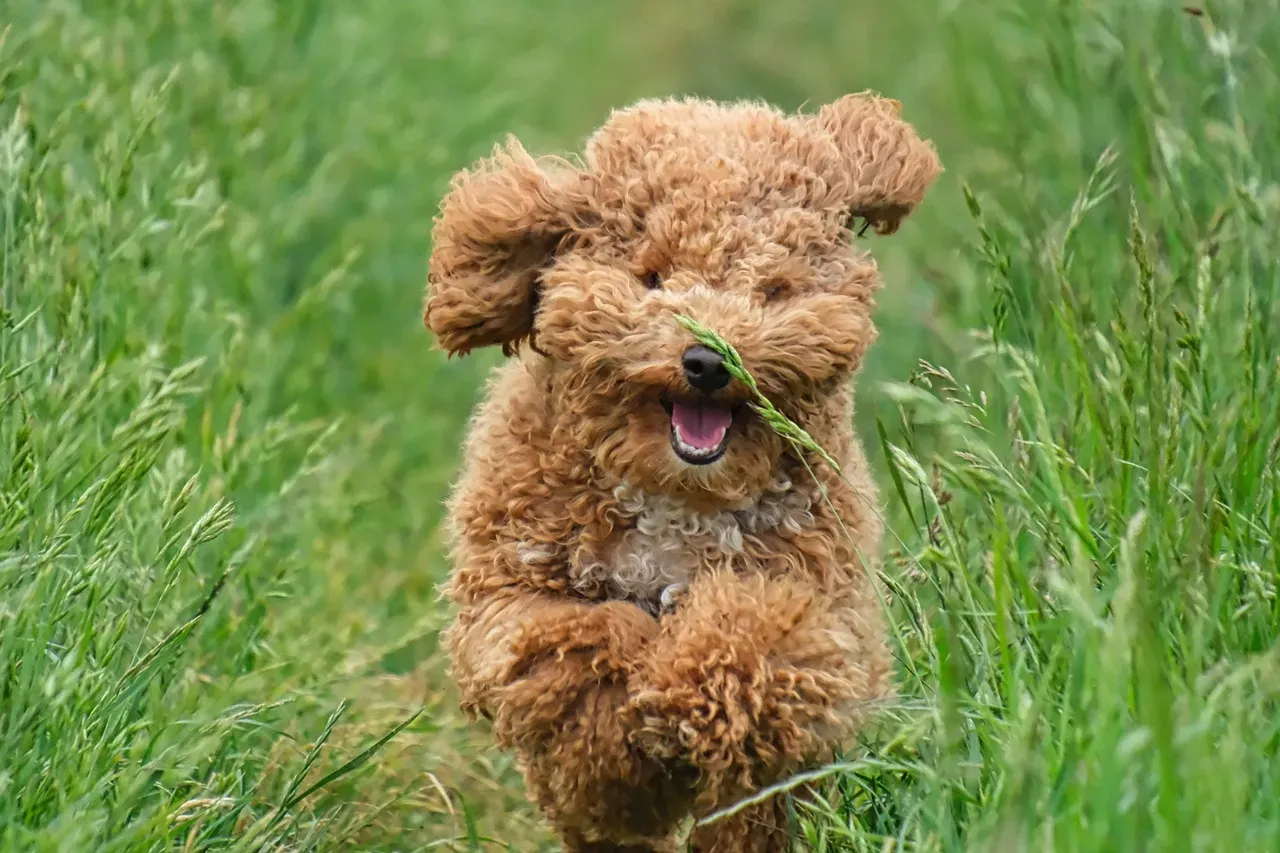
Second only to the Border Collie on Coren’s intelligence chart, the Poodle is widely recognized for its intelligence due to the breed having keen observation skills, strong memory, and an exceptional ability to quickly learn new commands and problems. That combination of memory and focus is exactly why older Poodles keep astonishing their owners. I think this is the breed most people underestimate because of their fancy haircuts.
Poodles are not only elegant but also highly intelligent, excelling in obedience and problem-solving tasks. They come in standard, miniature, and toy sizes, each with the same sharp mind and love for learning. Poodles thrive on mental stimulation and enjoy activities that challenge their intellect, from retrieving games to advanced tricks. For senior Poodle owners, short daily training sessions that mix familiar commands with one or two new ones work beautifully. Keep it fresh, keep it fun.
3. Golden Retriever: The Joyful, Lifelong Learner
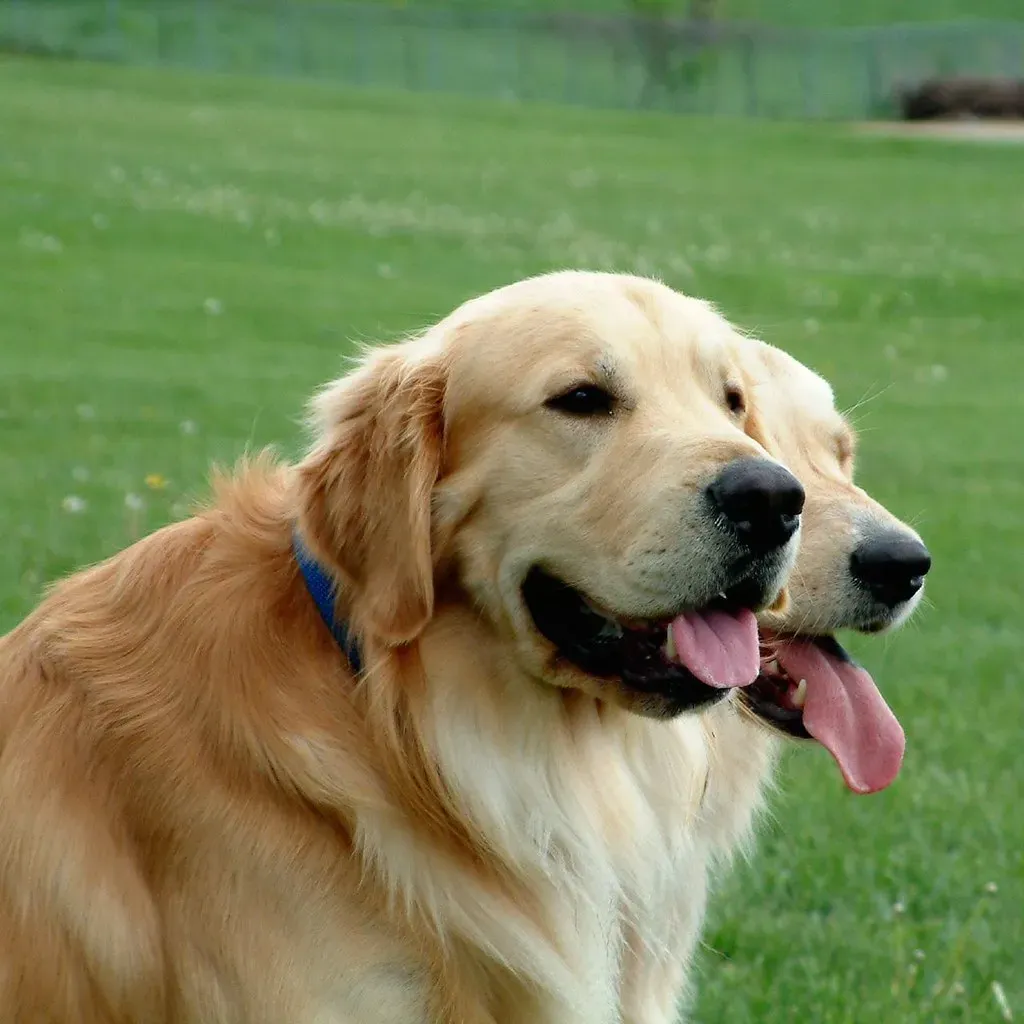
The Golden Retriever’s innate desire to please, paired with its intelligence, means it is happiest when it is doing what makes its owner happy. It is particularly adept at obedience drills. That eagerness to please doesn’t just disappear when a Golden hits seven or eight years old – it often intensifies, because older Goldens are calmer and more focused than their bouncy younger selves.
With training, Golden Retrievers can excel in various tasks such as hunting, retrieving, obedience, and even service and therapy work. These intelligent sporting dogs have a notoriously gentle nature. Their ability to learn quickly and respond well to commands means they’re relatively easy to train with a pocket full of dog treats to reward their food-motivated minds. One practical tip: as a Golden ages, keep an eye out for joint stiffness. Swap high-impact tricks for seated behaviors or nose-work games to keep sessions comfortable.
4. German Shepherd: Focused, Faithful, Forever Sharp
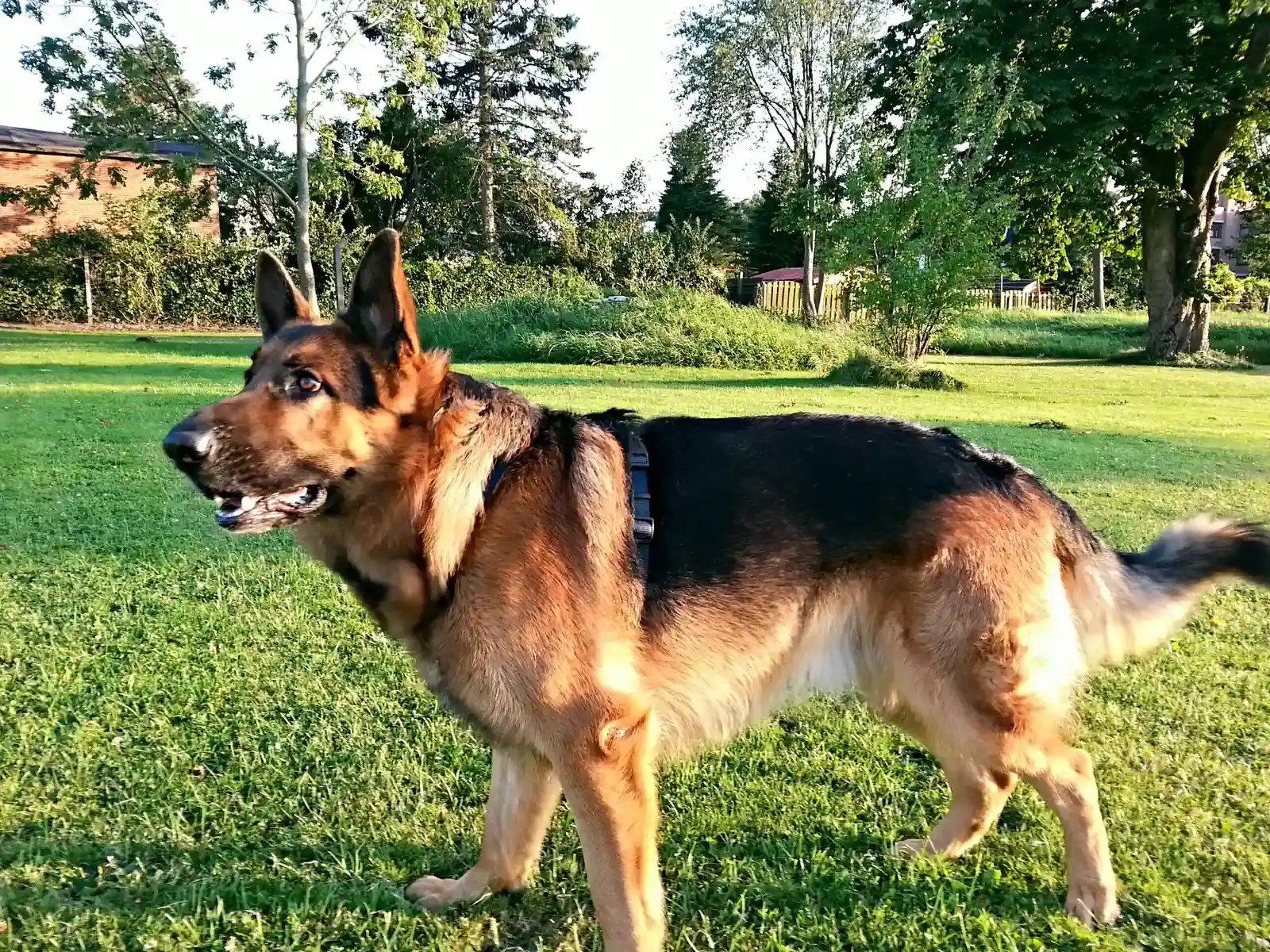
Ranked third in Stanley Coren’s intelligence scale, the German Shepherd is renowned for its combination of brains, brawn, and loyalty. This large, athletic breed is highly trainable and excels in complex tasks, making it a top choice for police, military, and search-and-rescue work. German Shepherds are quick problem-solvers and can be taught advanced skills, from scent detection to protection work, often mastering new commands in just a handful of repetitions.
Here’s the thing about older German Shepherds – they thrive on having a purpose. Without mental engagement, they can become restless or anxious, which can sometimes look like “stubbornness.” It isn’t. It’s boredom. They can learn complex commands, recognize routines, and think independently when needed, with strategic thinking, excellent memory, and loyalty-driven focus. Short but mentally rich sessions of ten to fifteen minutes a day work wonders for senior German Shepherds.
5. Labrador Retriever: America’s Eternally Enthusiastic Student
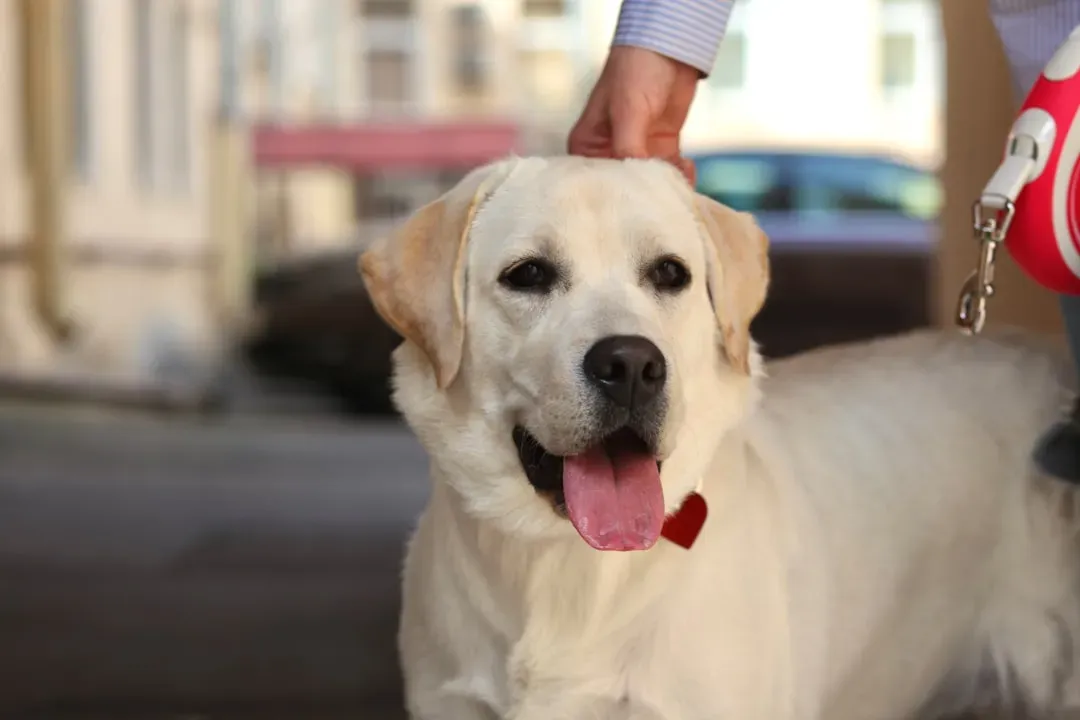
Labrador Retrievers are always among the easiest dogs to train among dog breeds in the world. Labs are willing to satisfy, and they are very food-motivated, which speeds the learning process. That food motivation is honestly a trainer’s best friend, especially as dogs age and other motivators like toy play sometimes fade. A well-timed treat can unlock a remarkable amount of focus in even a ten-year-old Lab.
Labs combine emotional smarts with eagerness to please. They love learning and can be trained for everything from retrieving ducks to detecting medical conditions. They’re also known for understanding their human’s mood better than most people do. For older Labs, be mindful of weight, since the right nutrition and exercise will ensure that weight is not gained, as this can impede performance. Keep treats small and high-value during training sessions.
6. Shetland Sheepdog: Small Dog, Enormous Brain
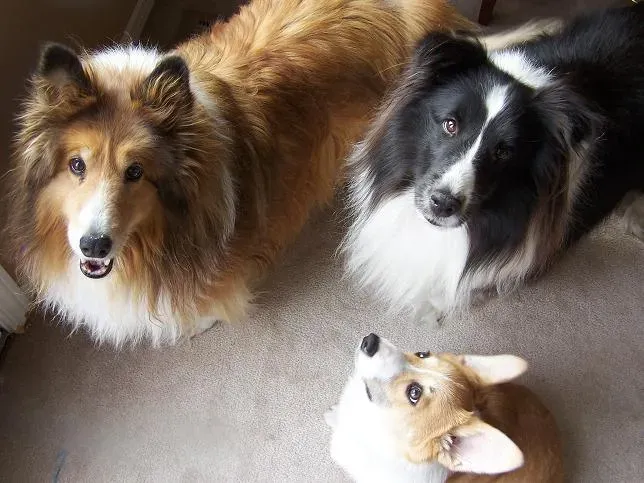
Don’t let the size fool you. Shetland Sheepdogs are excellent herding dogs. They are quick learners and highly perceptive to changes in their surroundings. They have developed these abilities after centuries of herding work. That deep-seated, centuries-old intelligence doesn’t clock out in old age. Shelties often seem to grow even more attentive and in tune with their owners as they mature.
Quick to learn new commands, Shelties excel in obedience training, agility, and herding-based activities. Their sharp awareness and strong problem-solving abilities allow them to pick up cues with minimal repetition. Because Shelties are sensitive by nature, it’s important to keep your training tone warm and encouraging. A sharp word can genuinely deflate them. Positive reinforcement isn’t just recommended here – it’s essential.
7. Papillon: The Tiny Overachiever Nobody Sees Coming
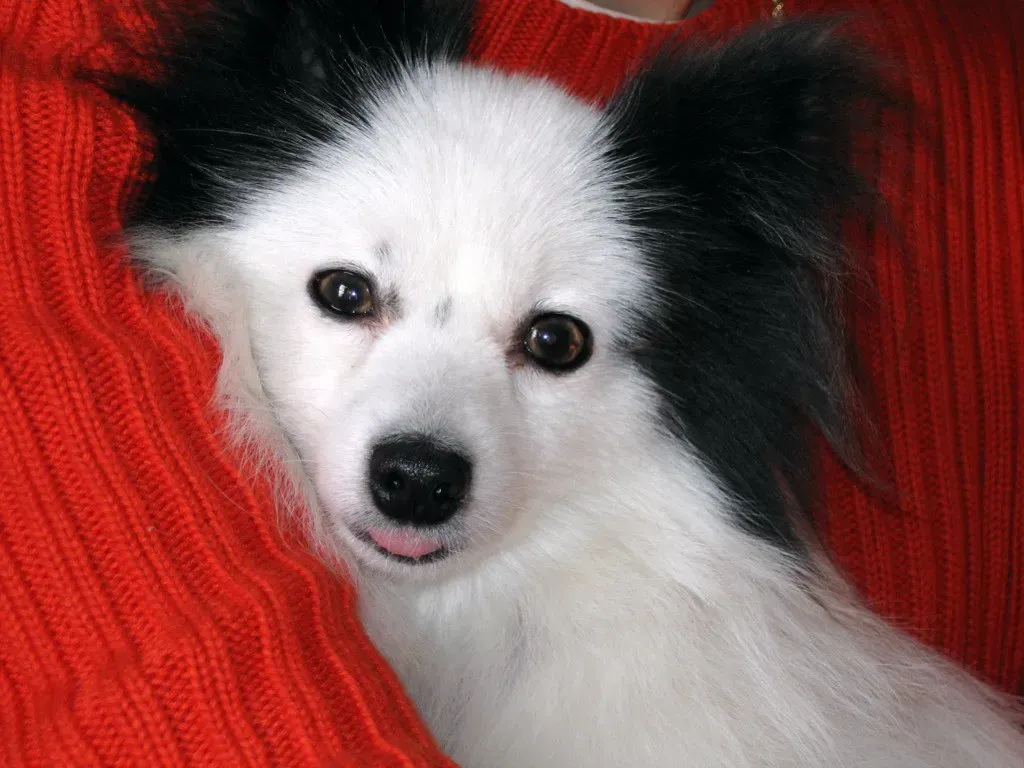
I know it sounds crazy, but this butterfly-eared little dog might just outperform breeds three times its size in a training session. Papillons are defiers of the general notion of the relationship between size and intelligence. They are surprisingly very fast in obedience trials and trick training. They perform much better than some of the most intelligent dog breeds. That’s not an exaggeration – it’s a well-documented reality in competitive dog sports.
Known for their butterfly-like ears and lively nature, Papillons are highly trainable and excel in obedience and agility competitions. They are eager to learn and respond well to positive reinforcement. Older Papillons tend to stay mentally sprightly for a long time. Their size also makes them easy to work with in smaller spaces, which is a real bonus if your senior pup can’t handle long outdoor sessions anymore. Keep training fun and slightly challenging – this breed genuinely loves showing off.
8. Australian Shepherd: Relentlessly Eager, Even with Grey on the Muzzle
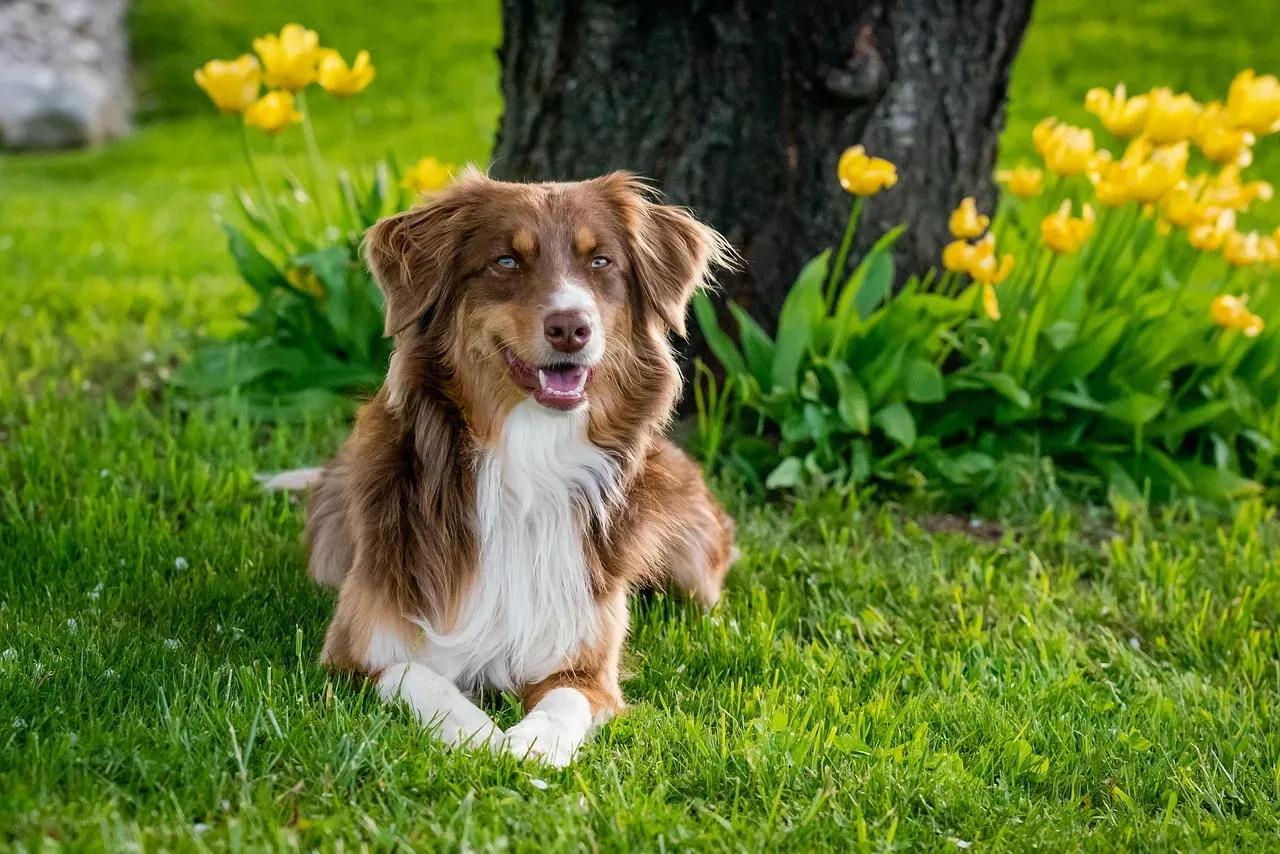
Australian Shepherds are known to be one of the most intelligent dog breeds recognized by the American Kennel Club, and are renowned for their obedience, agility, and excellence in herding and other active sports. What makes them brilliant candidates for lifelong learning is that their loyalty to their person creates an almost unbreakable training bond. They want to be in on everything you’re doing.
Australian Shepherds are known for their boundless energy and strong work ethic. Originally bred as herding dogs, they are intelligent and require both mental and physical stimulation. Their eagerness to learn makes them highly trainable and a favorite in obedience and agility competitions. As your Aussie ages, swap physically demanding drills for scent work, trick training, and indoor puzzle games. Their brain is always ready for the next challenge, even when their joints prefer a gentler pace.
A Few Important Things to Keep in Mind for All Senior Dogs
Before you rush off to start a trick training session with your older pup, there’s one genuinely important thing to consider. As dogs age, they may develop health conditions that limit their learning ability, including joint pain, vision or hearing loss, or a decline in cognitive function. This might mean you should avoid trying to teach your senior dog more vigorous activities or tricks, but the good news is that older dogs can still learn – and enjoy – new things.
While declining health might prevent older dogs from being able to perform certain tasks, they still have the ability to learn new skills, though at a slower rate than puppies and younger dogs. Be patient: older dogs need twice as much time and twice as much exposure than younger dogs to learn a new behavior. Also, always check with your vet before introducing new training demands, especially if your dog has arthritis or any sensory changes.
Even dogs that have lost some mobility relish exercising their brain. You can teach an older dog basic commands. The brain exercise helps keep senior dogs young as long as possible. Think of it as both a gift and a form of love – keeping that mind active is one of the best things you can do for your aging companion.
Conclusion: Old Dog, Brand New Possibilities
Here’s what I truly believe after spending time around dogs of all ages: the ones who keep learning are the ones who keep thriving. Age might slow the body, but in these eight remarkable breeds, it rarely dims the mind. Whether your dog is a seven-year-old Golden Retriever or a ten-year-old Border Collie, the spark of curiosity is still very much alive.
The key is adjusting how you teach, not whether you teach. Shorter sessions, softer commands, better rewards, and a whole lot of patience go a long way. Despite the old adage, teaching an old dog new tricks is possible. Training an older dog simply takes time and repetition along with a whole lot of patience and love.
So the next time someone tells you it’s too late to teach your dog something new, just smile. You know better. And honestly, so does your dog. What new trick are you planning to teach yours first?


