You’ve seen them at dog shows, tails wagging, eyes locked on their handlers like the world has shrunk to just the two of them. Dogs that seem to read their owners’ minds, executing each command with precision and joy. It’s magical to watch, honestly. These are the obedience stars, the breeds that make training look effortless. They’re not just performing tricks. They’re engaged in a dance of trust and intelligence that speaks to something deeper in the canine soul.
Here’s the thing, though: Not every dog is built for the obedience ring. Some breeds have their own agenda, their own rhythm. They’re independent thinkers, bred for centuries to make decisions without human input. Does that make them stubborn? Maybe. Or maybe they’re just confident enough to chart their own course. Let’s explore both sides of this fascinating spectrum and celebrate what makes each breed unique, whether they’re collecting ribbons or simply doing their own thing.
Border Collie: The Overachiever With Eyes That Never Quit
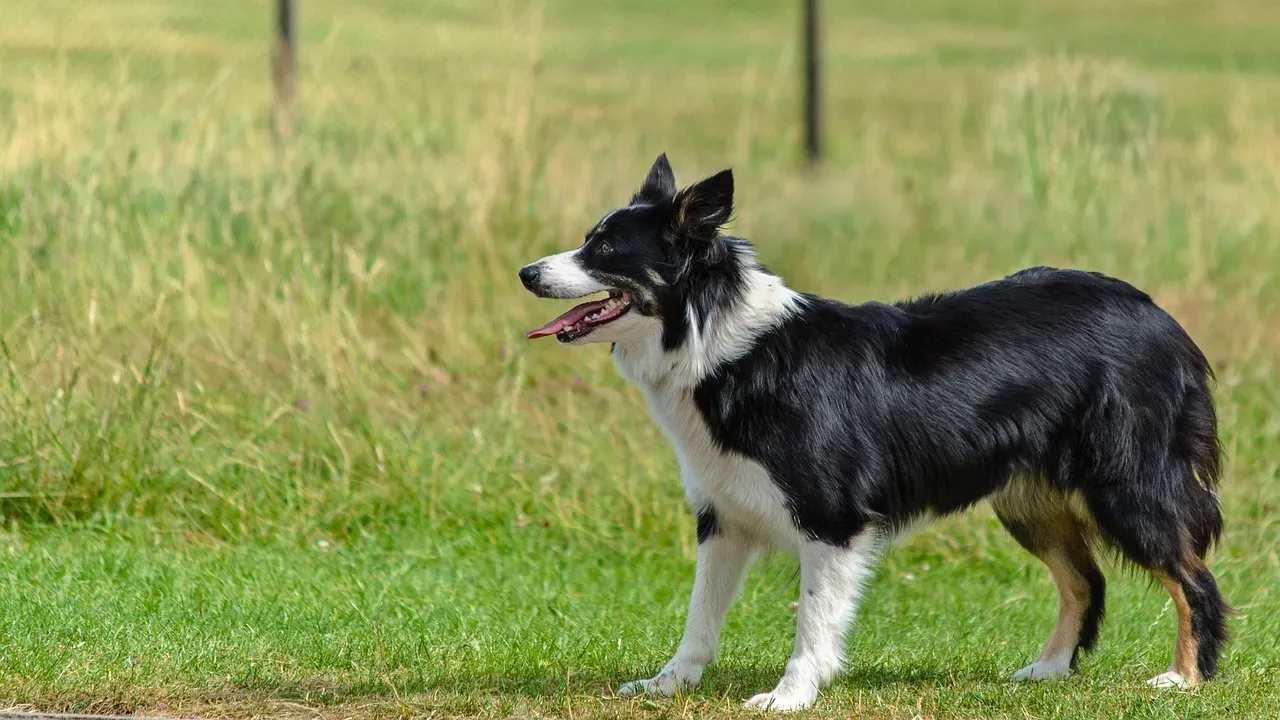
Border Collies are currently among the most popular breeds in obedience competitions, alongside Golden Retrievers, Labrador Retrievers, and German Shepherd Dogs. Walk into any serious obedience trial and you’ll see them everywhere. These dogs are renowned for their sharp minds and quick learning ability, excelling in obedience due to their intense focus and desire to please. Their eyes follow every movement you make, processing information faster than you can think it.
Originating as sheepdogs, their instinct to herd and pay attention to their handler’s commands makes them exceptional in obedience trials, with an ability to understand complex commands and execute them with precision that is unparalleled. These dogs need a job, though. Without proper mental stimulation, that brilliant mind can find creative ways to entertain itself, and trust me, you won’t always appreciate their creativity. Their success in obedience competitions can also be attributed to their exceptional memory and problem-solving skills, which allow them to navigate complicated routines effortlessly.
Golden Retriever: The Crowd-Pleaser With A Heart of Gold
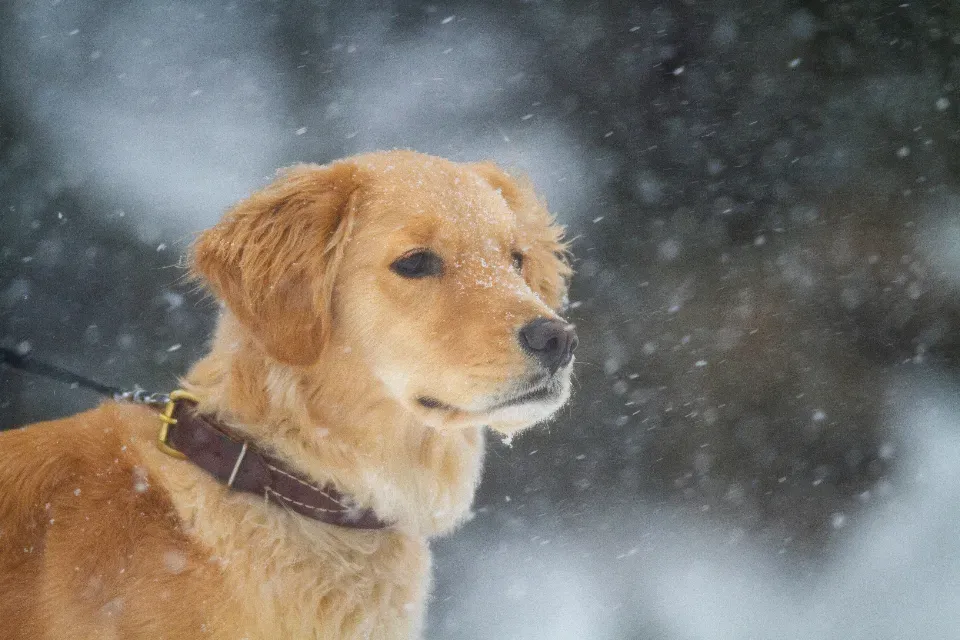
Golden Retrievers are not only popular family pets but also stars in obedience competitions, known for their friendly and tolerant attitude and deep desire to please, making them highly trainable. There’s something incredibly endearing about watching a Golden in the ring. They genuinely seem to enjoy every moment.
They respond well to positive reinforcement and are known for their gentle disposition, which aids in a harmonious training process, and in competitions Golden Retrievers often excel due to their consistent performance and ability to adapt to different commands and environments. Their patience is legendary. While a Border Collie might anticipate your next command, a Golden waits with calm confidence, ready for whatever you ask. Their patience and focus are key to their success in obedience trials. Let’s be real, their happy, wagging presence makes them a joy to train, which probably contributes to their success as much as their intelligence does.
Labrador Retriever: The Enthusiastic Worker Who Loves A Challenge
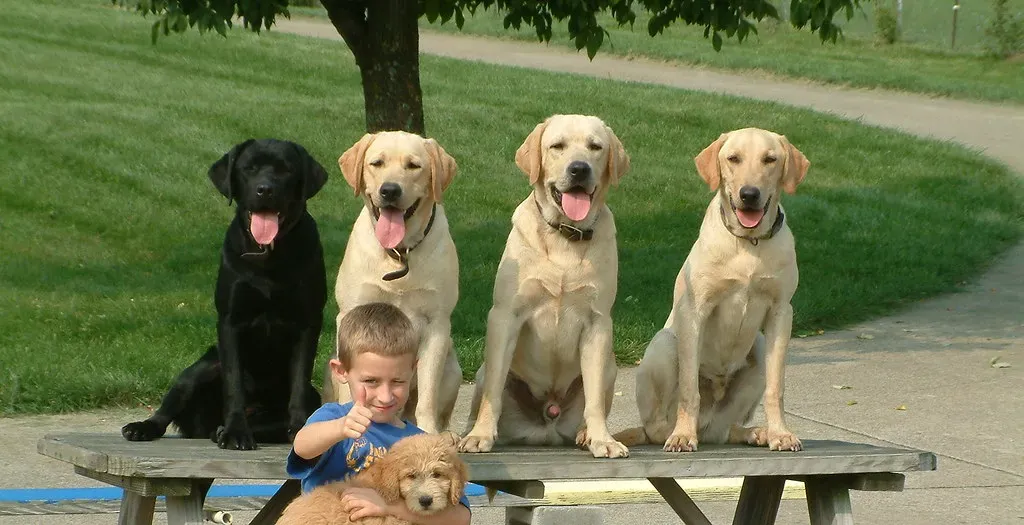
Labs are everywhere, and for good reason. Labrador Retrievers are among the most popular breeds currently competing in obedience competitions. They bring an infectious enthusiasm to everything they do, including obedience work. These dogs were bred to work alongside hunters, which means they’re hardwired to cooperate with humans.
Their trainability stems from generations of selective breeding for biddability and work ethic. Labs love to learn, and they love to please even more. Food motivation doesn’t hurt either – most Labs will work tirelessly for a tasty treat. They’re athletic enough to handle the physical demands of advanced obedience exercises while maintaining that cheerful, can-do attitude that makes training sessions genuinely fun. Some can be a bit exuberant, especially when young, but that energy channels beautifully into structured training.
German Shepherd: The Focused Professional With A Work Ethic
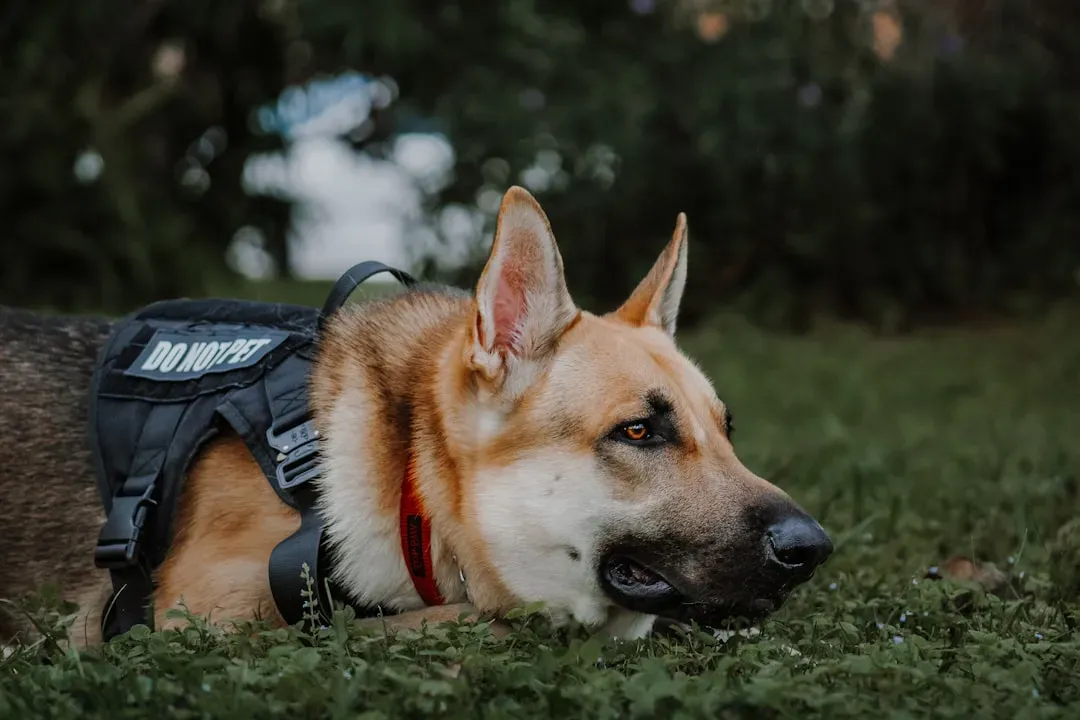
German Shepherds are breeds that do particularly well in obedience competitions as they’re naturally intelligent and easy to train. There’s an intensity to a German Shepherd that’s unmistakable. These dogs approach obedience work with a seriousness that’s almost professional. Originally bred for herding and later for police and military work, they have an innate understanding of structure and discipline.
German Shepherds bond deeply with their handlers, creating a partnership built on mutual respect and trust. They thrive on clear communication and consistent expectations. Their intelligence is matched by their athleticism, allowing them to execute complex exercises with power and precision. What sets them apart is their ability to maintain focus even in distracting environments – a crucial skill in competitive obedience. They’re not for everyone, though. This breed needs confident leadership and plenty of mental stimulation to stay happy and balanced.
Poodle (Standard): The Elegant Einstein With Surprising Athleticism
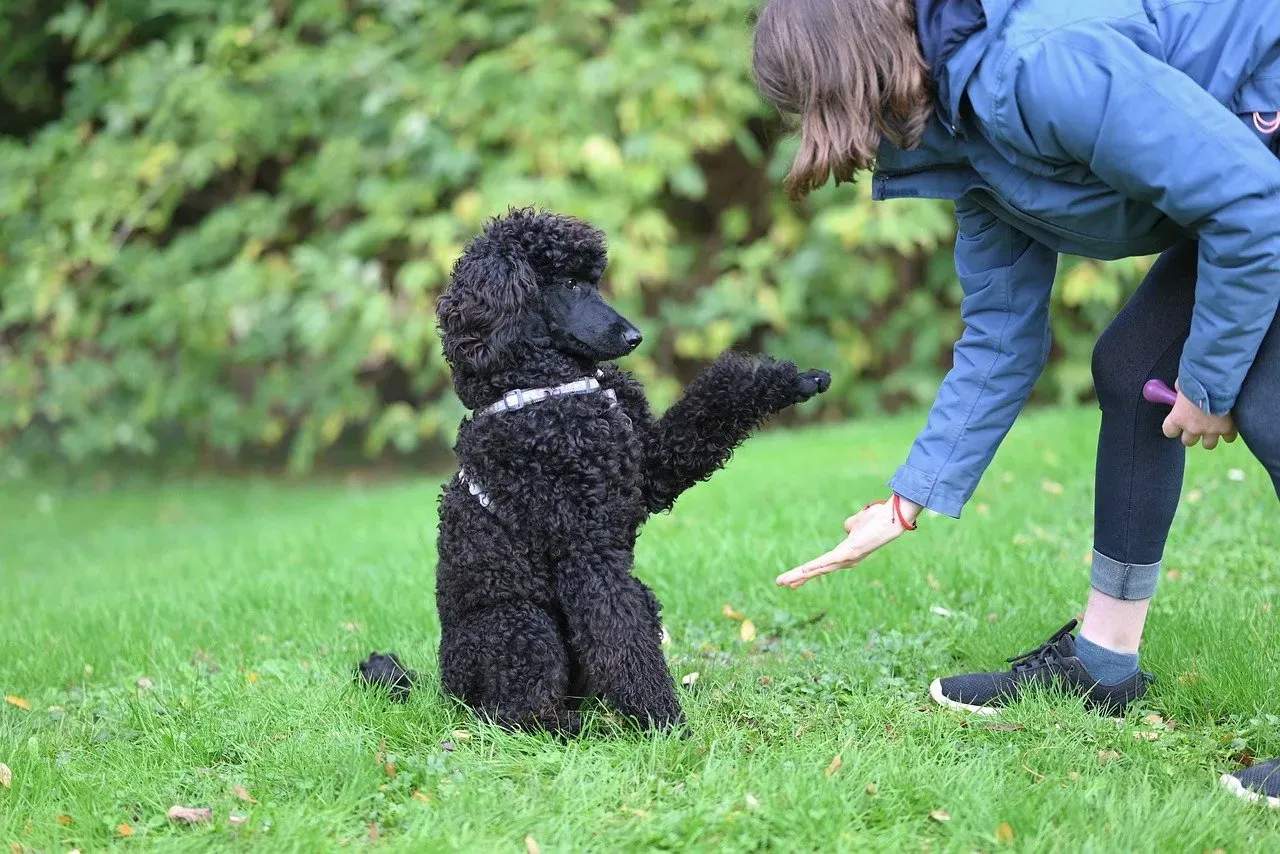
Don’t let the fancy haircuts fool you. Standard Poodles are serious athletes with brains to match. Originally bred as water retrievers, they combine intelligence, trainability, and physical prowess in one elegant package. These dogs learn new exercises quickly and seem to genuinely enjoy the mental challenge of obedience work.
Poodles are incredibly versatile. They excel in multiple dog sports, not just obedience. Their keen intelligence means they can sometimes outsmart their handlers, anticipating commands or finding creative solutions to training challenges. They’re sensitive dogs who respond best to positive, upbeat training methods. Harsh corrections can shut them down quickly. With the right approach, though, a Poodle becomes an enthusiastic partner who’s always ready to learn something new.
Shetland Sheepdog: The Little Dog With Big Ambition
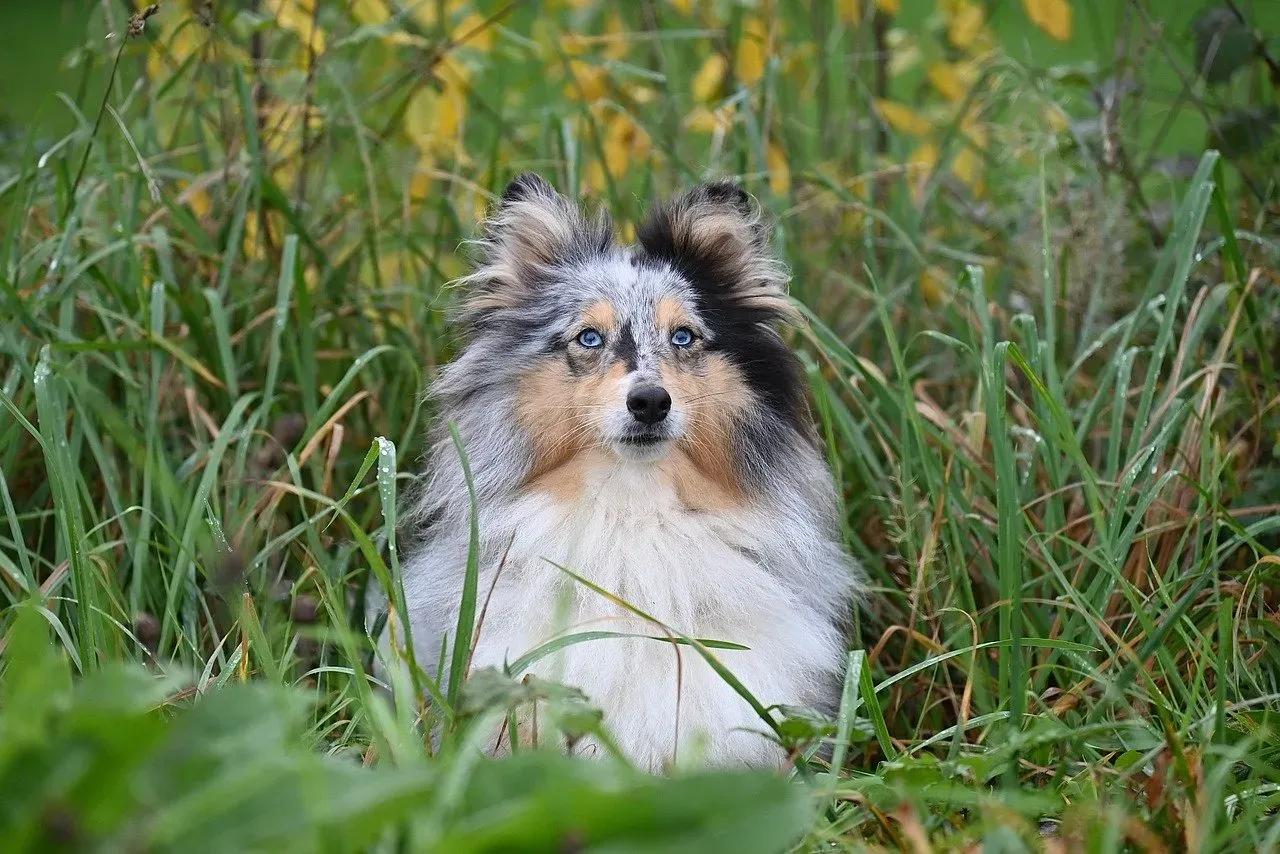
Shelties are like Border Collies in a smaller, fluffier package. These herding dogs are whip-smart and incredibly responsive to training. They move with agility and grace, making the obedience ring look like their natural habitat. What’s remarkable about Shelties is how much drive they pack into their compact bodies.
They’re sensitive souls who tune into their handlers with remarkable precision. A Sheltie can read subtle body language and vocal cues that other dogs might miss entirely. This sensitivity is a double-edged sword – they need confident, positive training that builds their confidence rather than intimidating them. When properly trained and socialized, Shelties shine in competitive obedience, often placing well against larger breeds. Their loyalty and eagerness to please make them wonderful partners for handlers willing to invest the time.
Belgian Malinois: The Intense Athlete Who Lives To Work
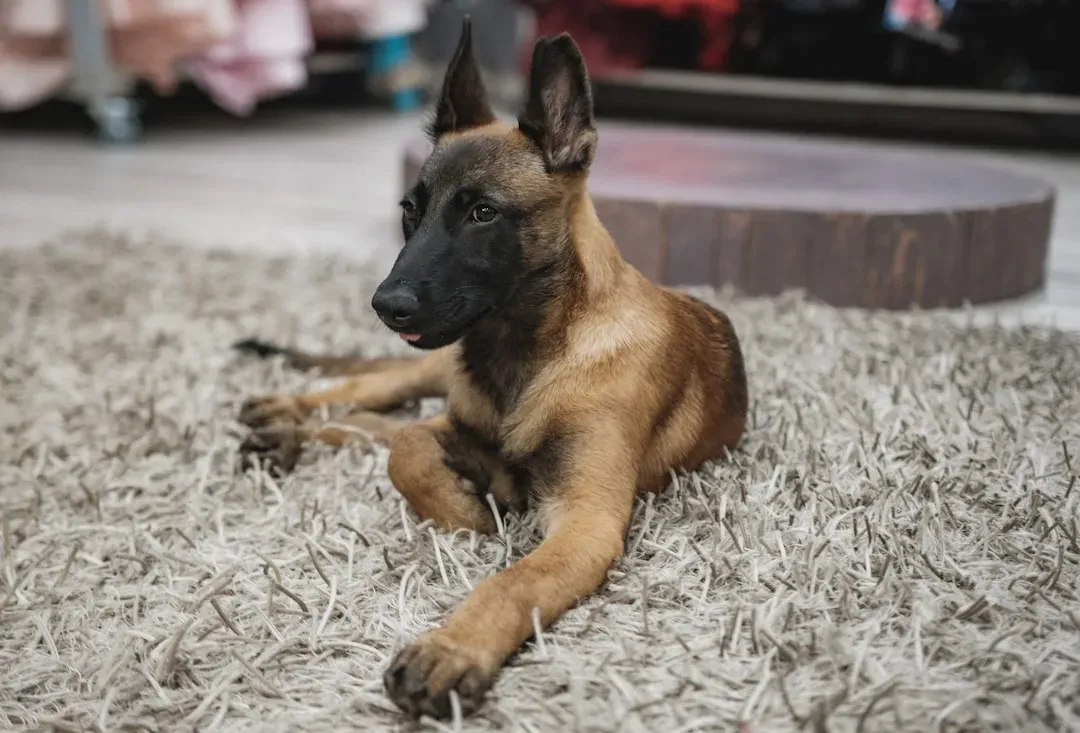
If you want intensity, look no further than the Belgian Malinois. These dogs are like coiled springs, ready to launch into action at any moment. Originally bred for herding, they’ve found their calling in police work, military operations, and competitive dog sports. Their drive is legendary – sometimes almost overwhelming.
Malinois aren’t for novice handlers. They need experienced trainers who can channel that incredible energy and intelligence into productive work. In the right hands, though, they’re obedience superstars. They learn at lightning speed and can perform complex exercises with precision and power. The challenge with Malinois is providing enough mental and physical stimulation to keep them satisfied. A bored Malinois is a destructive Malinois. But for handlers who can meet their needs, these dogs offer partnership and performance at the highest level.
Papillon: The Tiny Dynamo With Napoleon Complex
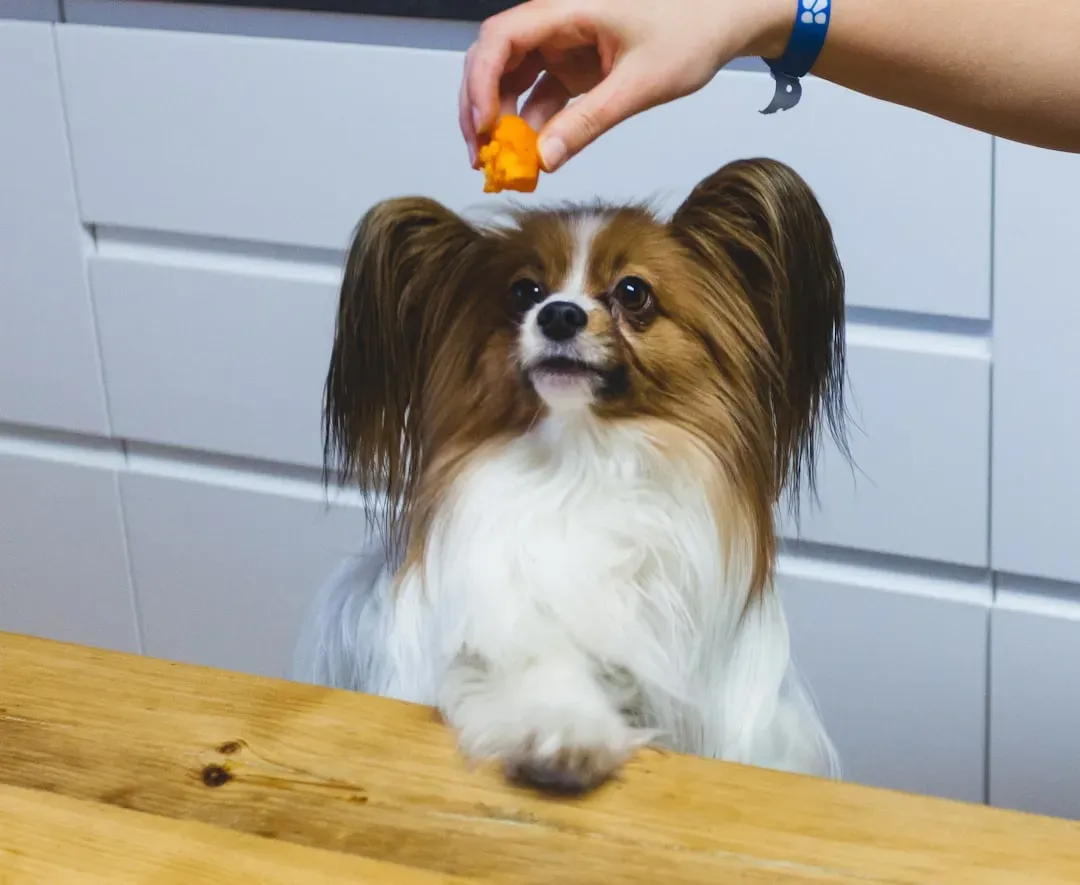
Here’s a surprise – one of the smallest breeds in the dog world is also one of the smartest. Papillons may weigh less than ten pounds, but they compete and win against dogs many times their size. Their butterfly ears aren’t just adorable; they seem to help them catch every word you say.
These little dogs are surprisingly athletic and love the challenge of obedience work. They’re quick learners who thrive on attention and mental stimulation. Training a Papillon is like teaching a tiny, enthusiastic genius. They pick up new behaviors rapidly and seem to take pride in showing off their skills. Don’t underestimate them because of their size – in the obedience ring, Papillons prove that heart and brains matter more than physical stature. Their success demonstrates that obedience excellence isn’t limited to larger working breeds.
Afghan Hound: The Supermodel Who Answers To No One
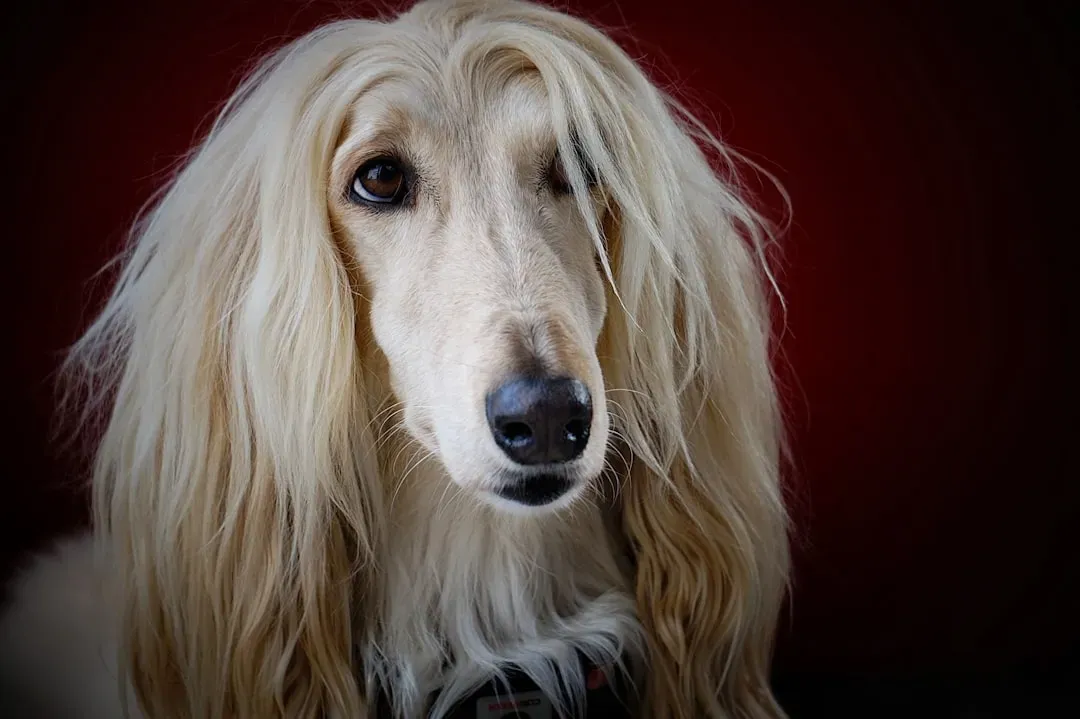
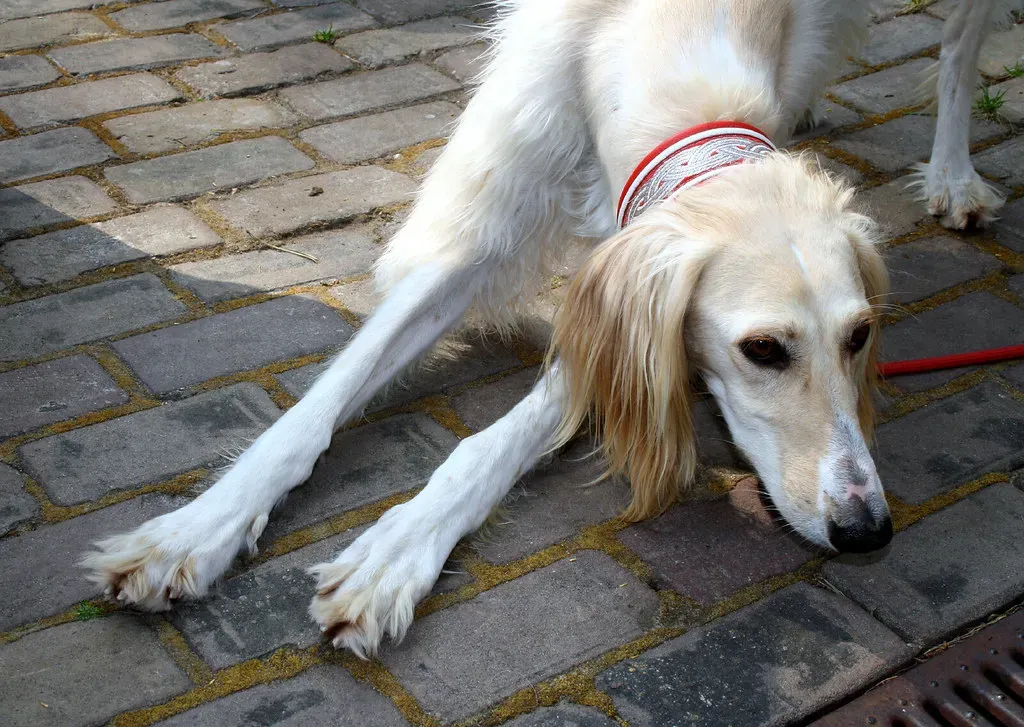
Now we venture into territory where independence reigns supreme. The Afghan Hound, with its elegant appearance and aloof demeanor, is a classic stubborn breed, originally bred for hunting with a strong independent streak and can be aloof during training sessions. These dogs are breathtakingly beautiful, and they seem to know it.
Afghan Hounds can be aloof and distant, independent and stubborn, traits that make them hard to train, but that does not necessarily mean they are not smart – they simply prefer to think for themselves and do things on their own terms. Training an Afghan requires patience, creativity, and a good sense of humor. They’ll learn commands, sure, but whether they’ll actually obey in any given moment is another question entirely. Training them may require creativity, but their elegance, regal appearance and devotion to humans make them special companions. These are sighthounds bred to chase prey across harsh terrain, making split-second decisions without human guidance. That independence doesn’t disappear just because you want them to sit-stay.
Siberian Husky: The Free Spirit Who’d Rather Be Running
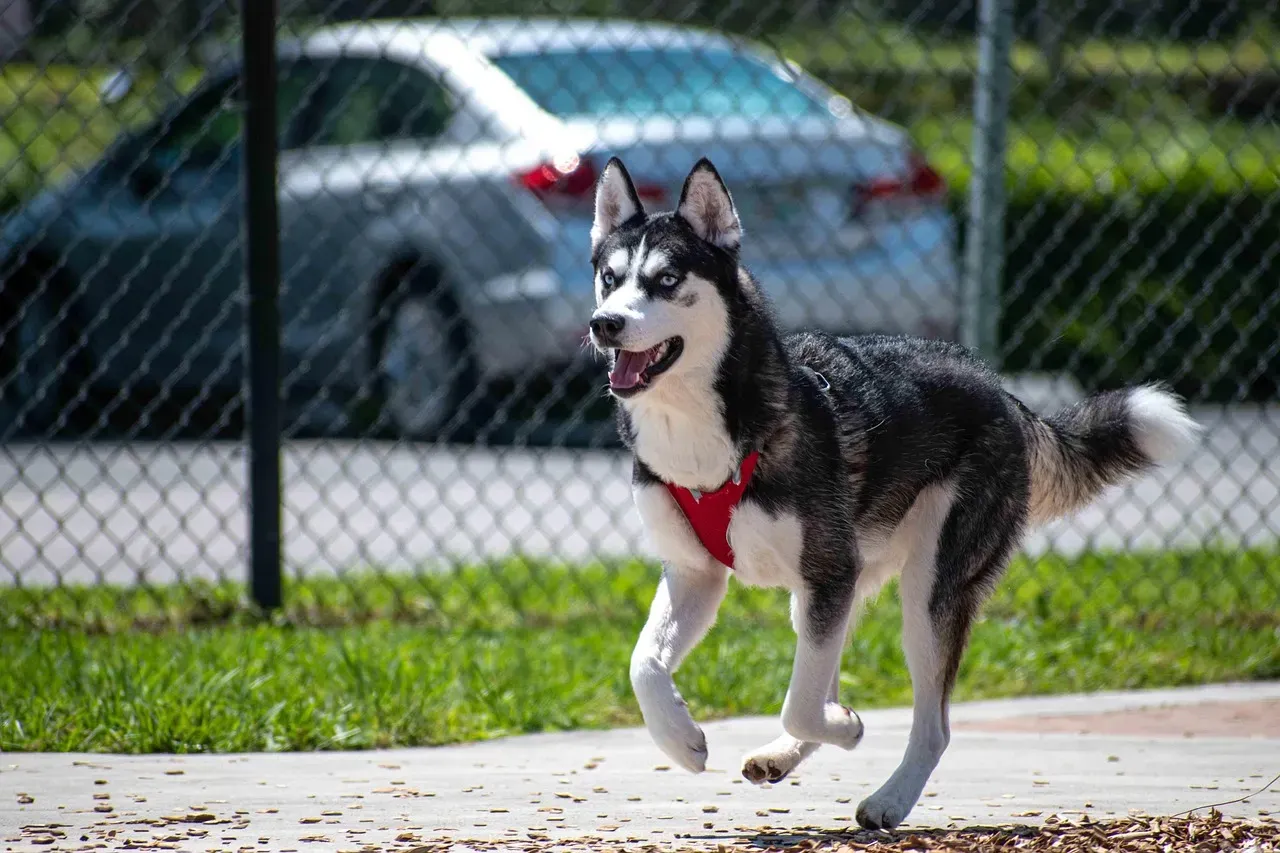
Huskies are famous for their stubborn behavior, bred to pull sleds in harsh climates as independent thinkers who love to run and explore, and they often ignore commands, especially if off-leash. These gorgeous dogs with striking blue eyes and wolf-like appearance capture hearts everywhere, but training them for obedience? That’s a whole different challenge.
They were bred to be independent, as this ensured a mushing group of huskies would ignore commands if the terrain was deemed unsafe, but all these years later, that independence means they have a stubborn streak when it comes to listening to commands. A Husky will learn what you’re teaching – they’re actually quite intelligent. They just don’t see the point in following commands when there’s a squirrel to chase or a fence to scale. Their priorities lie elsewhere. A tired Husky is a well-behaved one. Exercise is key, but even a tired Husky maintains that independent streak that makes obedience work feel like negotiation rather than cooperation.
Shiba Inu: The Cat-Like Canine With Selective Hearing
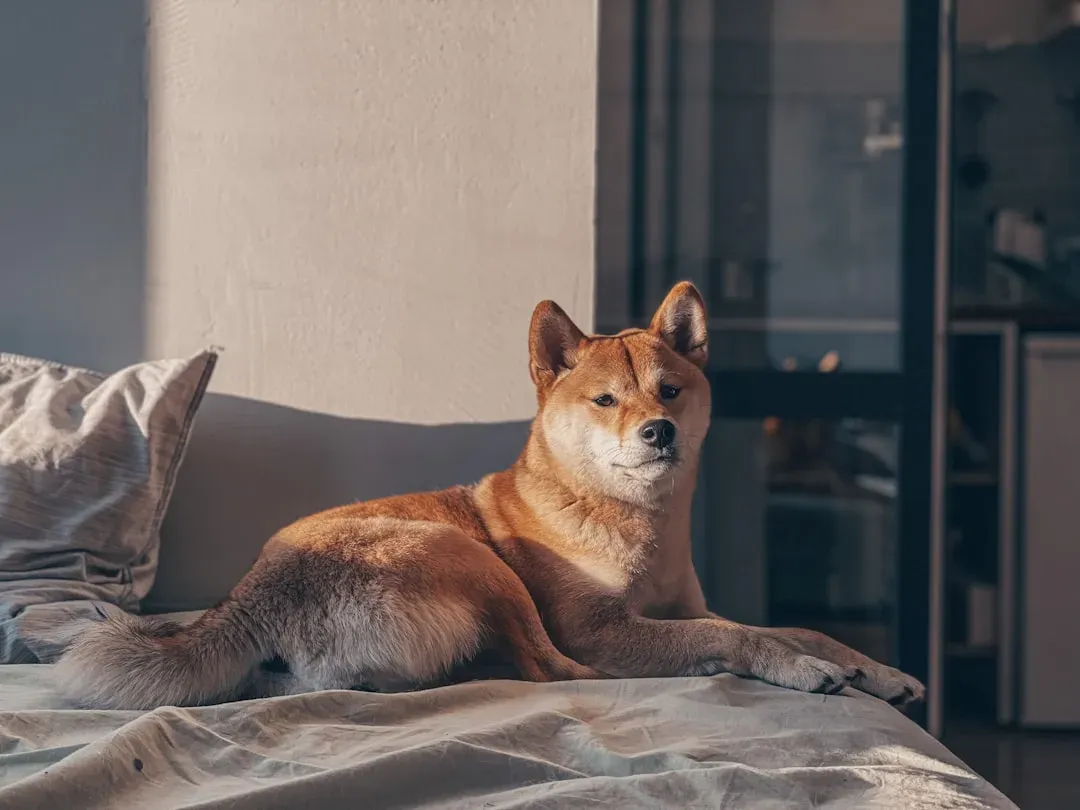
The Shiba Inu, a small breed originally from Japan, should be on the list of the most stubborn dog breeds because of its bold and independent personality, and accompanied by a stubborn characteristic, this breed is highly disobedient and needs consistent and assertive training techniques, considered the most stubborn dog breed. They’re compact, gorgeous, and utterly convinced of their own superiority.
Many people believe that Shiba Inus are very feline-like, a perception built around three of their strongest characteristics – independence, aloofness and determination. Training a Shiba Inu tests your patience and your creativity. They know what you want. They understand perfectly well. They just need a compelling reason to care, and sometimes even treats aren’t enough motivation. They are very intelligent, highly alert and attuned to their environs, and they are quick to form perceptions about the world which can be difficult to change. Early socialization and consistent training help, but you’re never going to have the automatic compliance you’d get from a Golden Retriever.
Beagle: The Nose With Legs Who Follows Scent, Not Commands
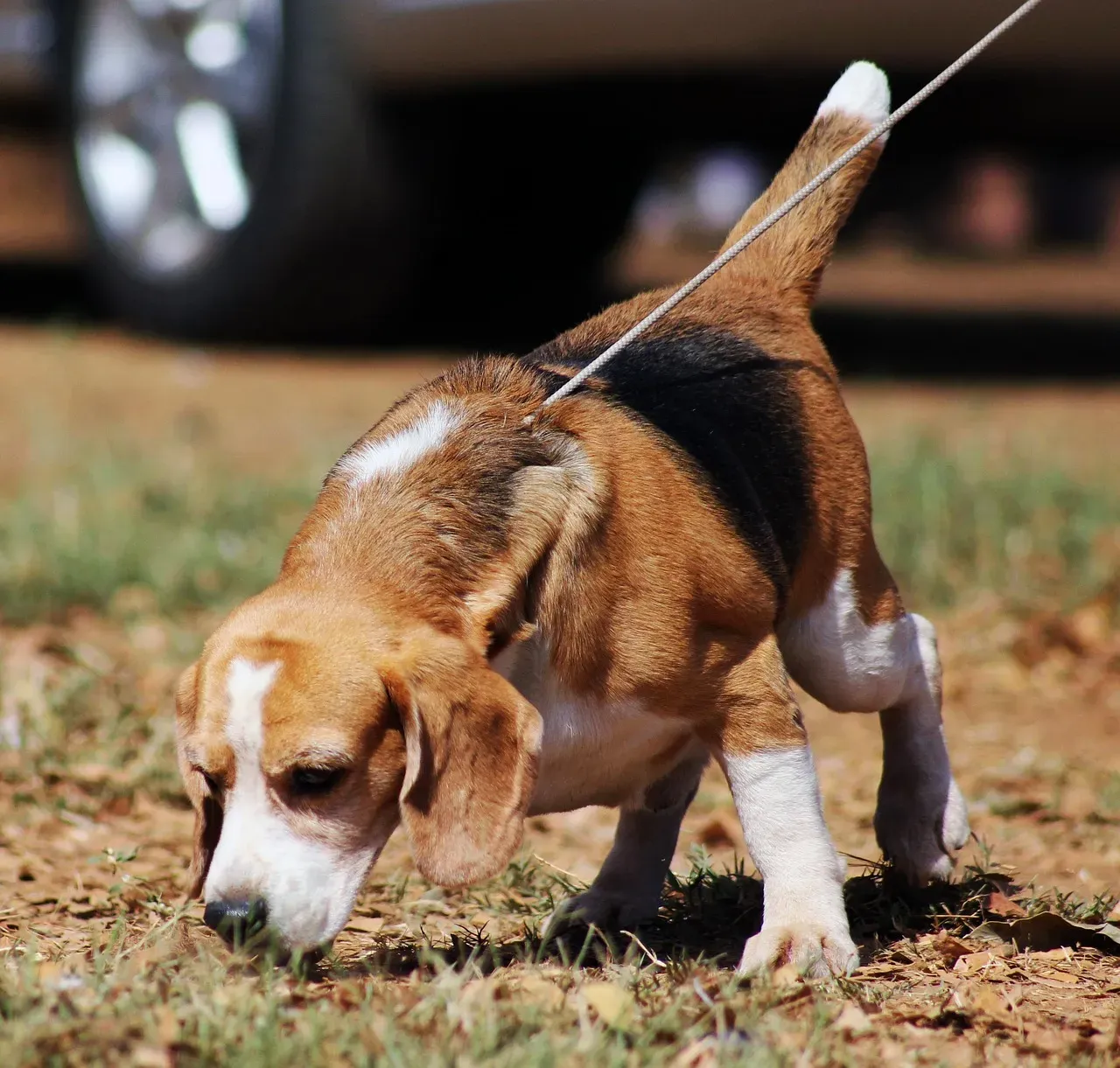
Beagles are adorable, friendly, and absolutely ruled by their noses. Scenthounds have a sense of smell that is light years beyond human comprehension, so they’re gonna make their own decisions and get distracted by their noses sometimes. When a Beagle catches an interesting scent, everything else – including your commands – simply ceases to exist.
These dogs were bred to follow scent trails independently, baying to alert hunters to their location. That independent working style doesn’t translate well to the obedience ring. A Beagle can learn commands just fine. Getting them to actually respond when there’s something interesting to sniff? That’s the challenge. They’re food motivated, which helps, but even treats sometimes lose to a particularly fascinating smell. Training a Beagle requires patience, a secure fence, and acceptance that you’ll never have the immediate response you might get from other breeds. Their cheerful, loving personalities make up for their selective listening, though.
Conclusion: Celebrating Every Dog’s Unique Gifts
The sport of obedience, developed in the 1930s, is all about fostering dogs that are well-behaved at home, in public, and in the presence of other dogs, with trials demonstrating abilities like walking politely, staying, retrieving, and jumping, all while showing they enjoy working with their handler. Whether your dog is collecting obedience titles or charting their own course through life, what matters most is the bond you share.
The breeds that excel in obedience competitions offer something special – that incredible partnership where communication flows effortlessly between dog and handler. The independent thinkers offer something else equally valuable: personality, spirit, and the daily reminder that not everyone has to follow the same path. Both teach us different lessons about patience, understanding, and meeting our dogs where they are rather than where we wish they’d be.
What matters most isn’t ribbons or titles, but finding the right match for your lifestyle and training philosophy. Every dog deserves an owner who appreciates their unique qualities. So whether you dream of obedience championships or you’re content with a dog who mostly comes when called, there’s a perfect breed out there waiting for you. What kind of partnership are you looking for?