
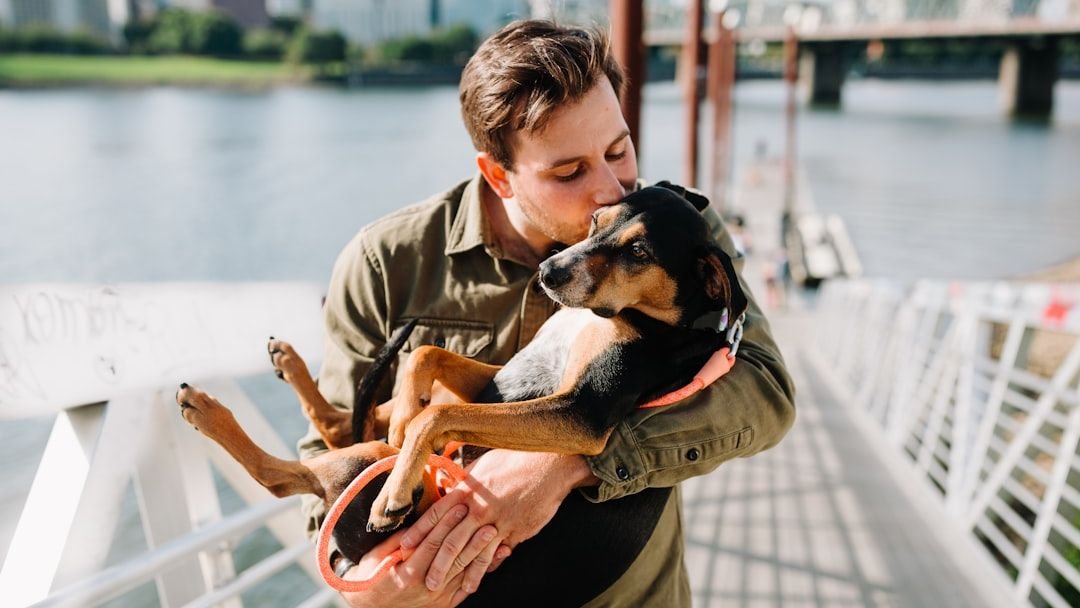
Picture this. You come home after a tough day, and all you want to do is wrap your arms around your furry friend for some comfort. You go in for that big, warm hug, but instead of melting into your embrace, your dog stiffens up, looks away, or worse, lets out a stressed yawn. Wait, what just happened?
Here’s the thing. Not all dogs experience hugs the way we do. While we see a hug as the ultimate gesture of love and affection, some dogs interpret it completely differently. It’s like speaking two different languages. You’re saying “I love you,” but they might be hearing “I’m trapping you.” That doesn’t mean they don’t love you back. They just show it in other ways.
Let’s dive into the fascinating world of canine body language and explore which breeds would rather skip the squeeze and which ones live for those snuggle sessions. What you discover might surprise you.
Shiba Inu
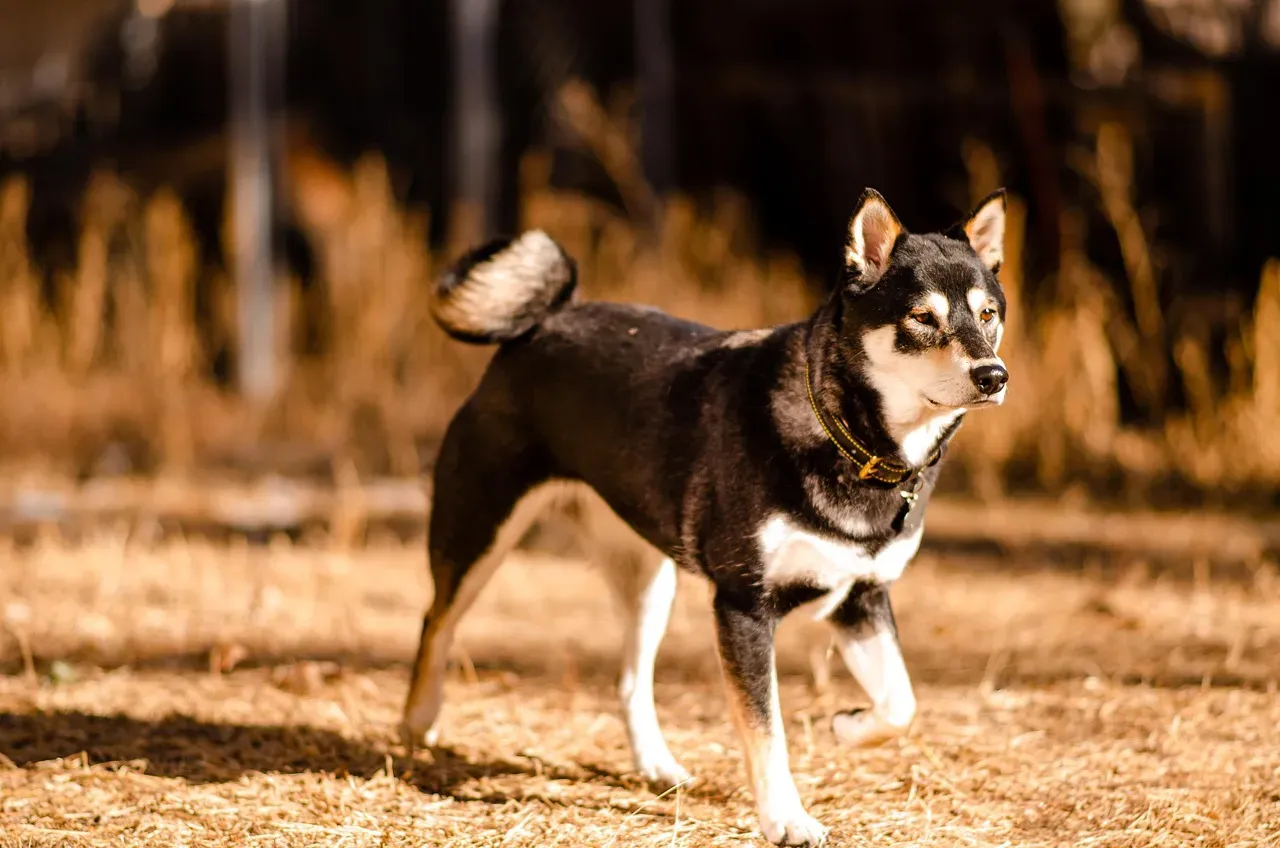
The Shiba Inu has been compared to a cat more times than you can count, and honestly, it’s spot on. These compact Japanese dogs are deeply loyal companions, but they’re aloof with strangers and prefer to approach people on their own terms. Many refer to the Shiba Inu as a “cat-like” dog.
They’re charming and aloof, and very aware of their personal space, so don’t expect tail-wagging enthusiasm for every stranger. Originally bred in Japan for hunting small game, Shibas are alert, confident, and notoriously stubborn. They’re clean, fastidious, and independent, which makes them lovable but not necessarily cuddly. If you want a dog that sticks like Velcro, look elsewhere. The Shiba will tolerate your affection when it suits them, not when you decide it’s hug time.
They form strong bonds with their humans, but are not overly affectionate or clingy. Their independent streak makes training Shiba Inus a bit difficult and makes them well-suited for patient and understanding pet parents.
Basenji
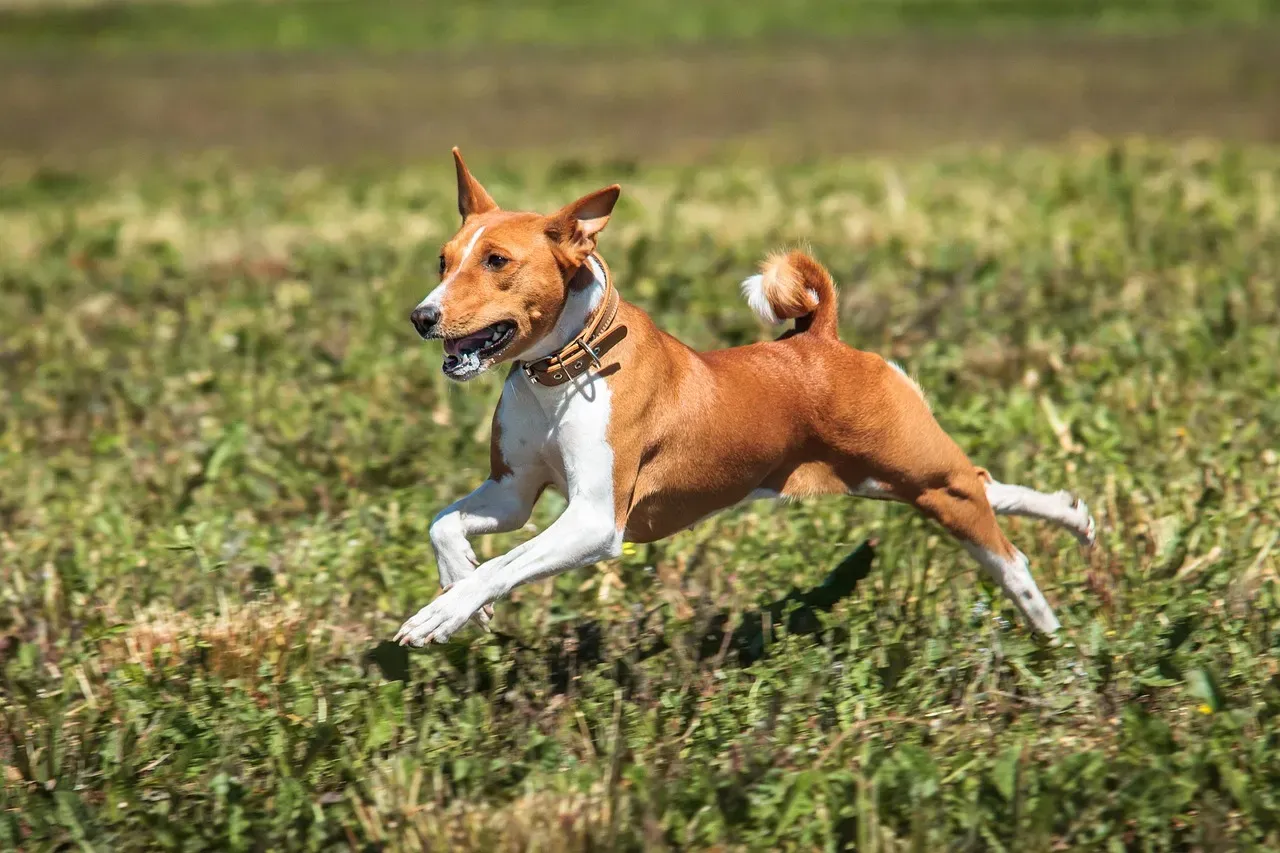
The independent Basenji is notorious for being quiet, often referred to as “the barkless dog,” and these medium-sized pups are frequently described as having a catlike personality because of their aloof temperament, reserved nature, and tendency to groom themselves. They were bred for hunting at great distances in Africa, which means they learned to work without constant human direction.
As a result, they have learned to be independent and don’t expect a lot of affection. These elegant, compact dogs of African heritage were bred for hunting at great distances from their owners. Basenjis might give you affection on occasion, but it’s entirely on their schedule. Trying to force a hug on a Basenji is like trying to hug a very dignified, very unimpressed house cat.
They’re smart, curious, and love to explore. What they don’t love is feeling trapped or restrained, which is exactly what a hug feels like to them.
Chow Chow
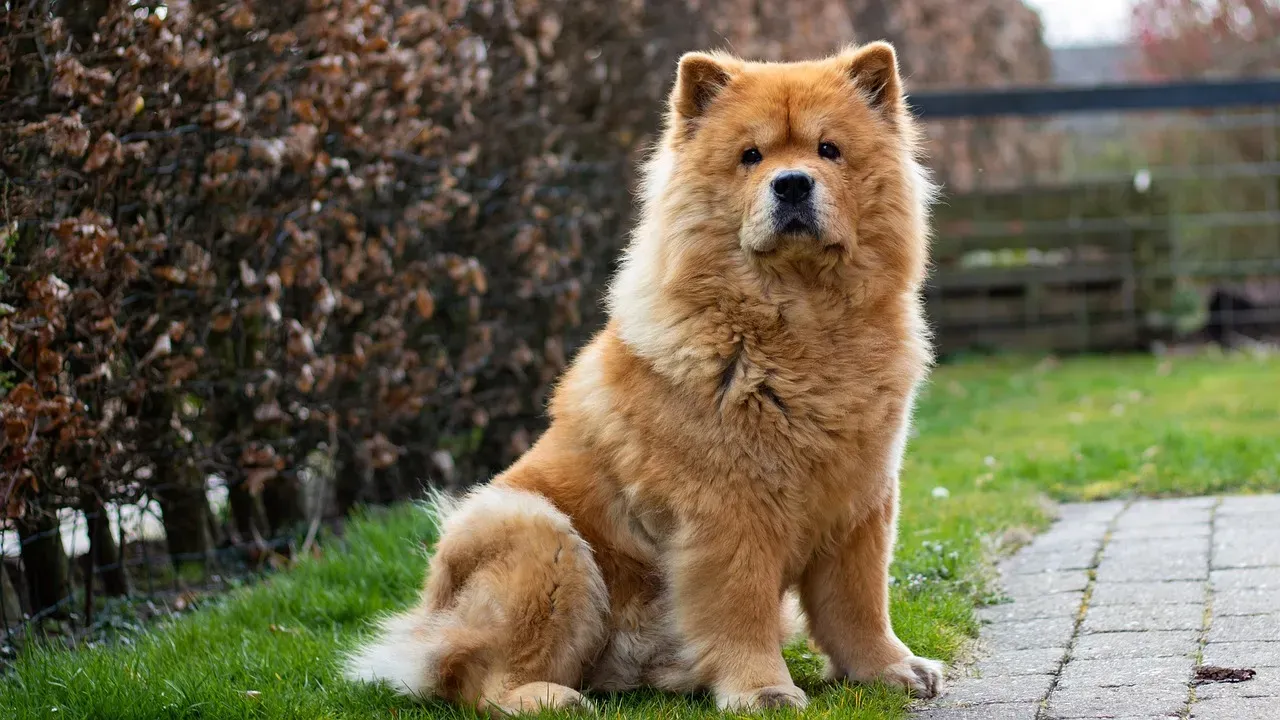
Chow Chows are working dogs from China, and are known for their distinctive blue-black tongues and thick fur. They’re popular companions and actually quite devoted to their owners, but they’re also stubborn and reserved around strangers, and can be aggressive without proper socialization and training.
These smallish, unique-looking pups are descended from Chinese working dogs with a no-nonsense attitude. Though they look like teddy bears, hugging and squeezing is just not their thing, and they will probably resist until they feel totally comfortable. Because of their cool, sometimes unapproachable demeanor, Chow Chows have sometimes been compared to that other aloof pet: the cat.
They’ll show love by being watchful and loyal, but don’t mistake that fluffy exterior for an invitation to smother them with cuddles. They have boundaries, and they expect you to respect them.
Afghan Hound
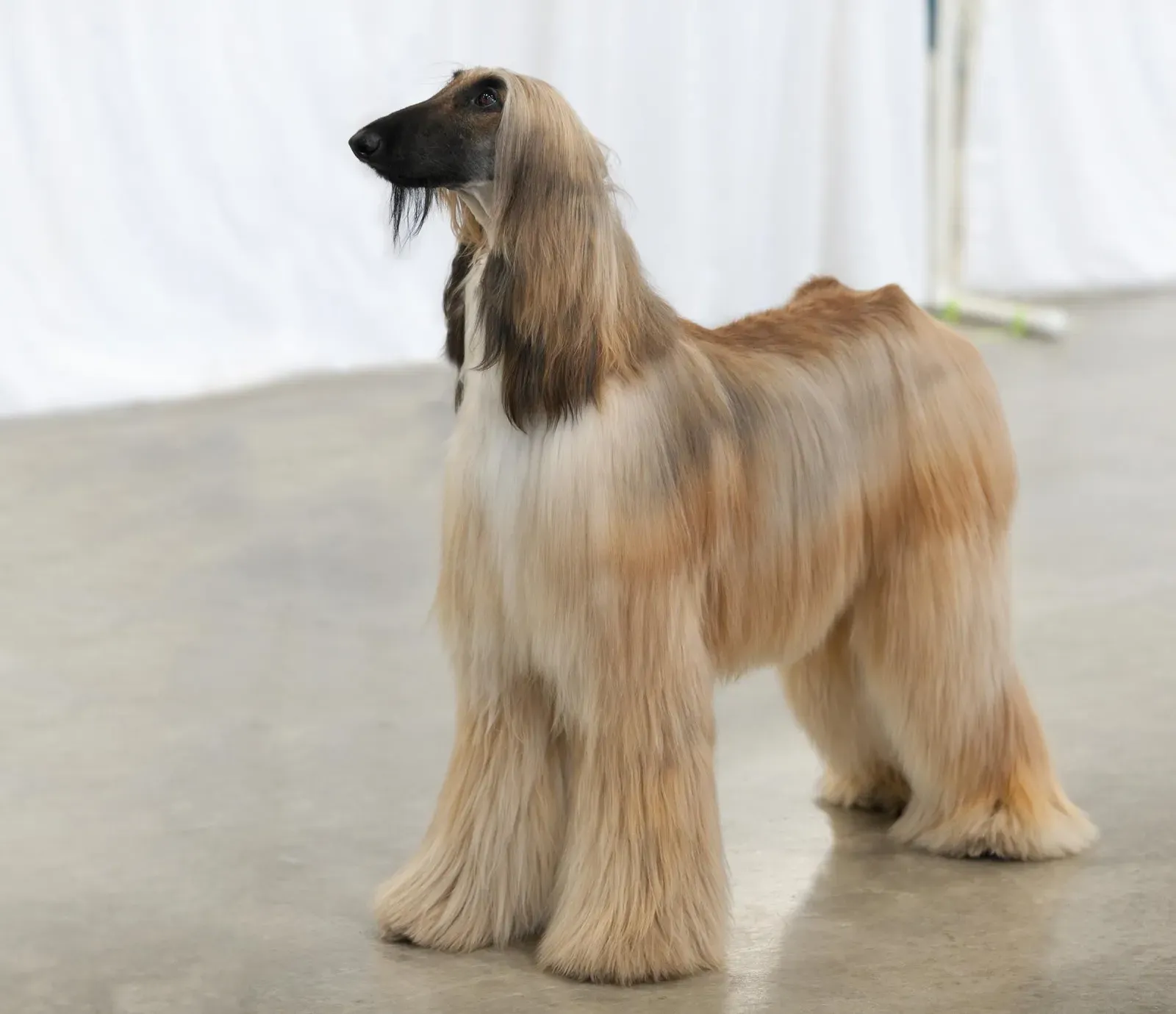
Afghan Hounds are generally independent dogs that have a reserved personality. With their family members, an Afghan Hound shows affection, but toward strangers, the breed can be rather aloof. Their striking beauty and flowing coat make them look like they just walked off a runway, and honestly, their temperament matches.
The Afghan Hound is glamorous, silky, and about as emotionally available as a fashion model on a runway. Their aloofness isn’t personal, it’s just how they’re wired. They’re friendly in the same way a celebrity might wave at you from a limo.
Afghan Hounds had to rely on their own judgment, which contributes to their independent mindset. These dogs are often described as aloof and selective in their affections. While they can be affectionate with family, they don’t cling or seek constant praise. Their thick coat requires regular grooming, but their temperament is low-maintenance. When they do offer a quiet nuzzle, it feels rare and special.
Alaskan Malamute
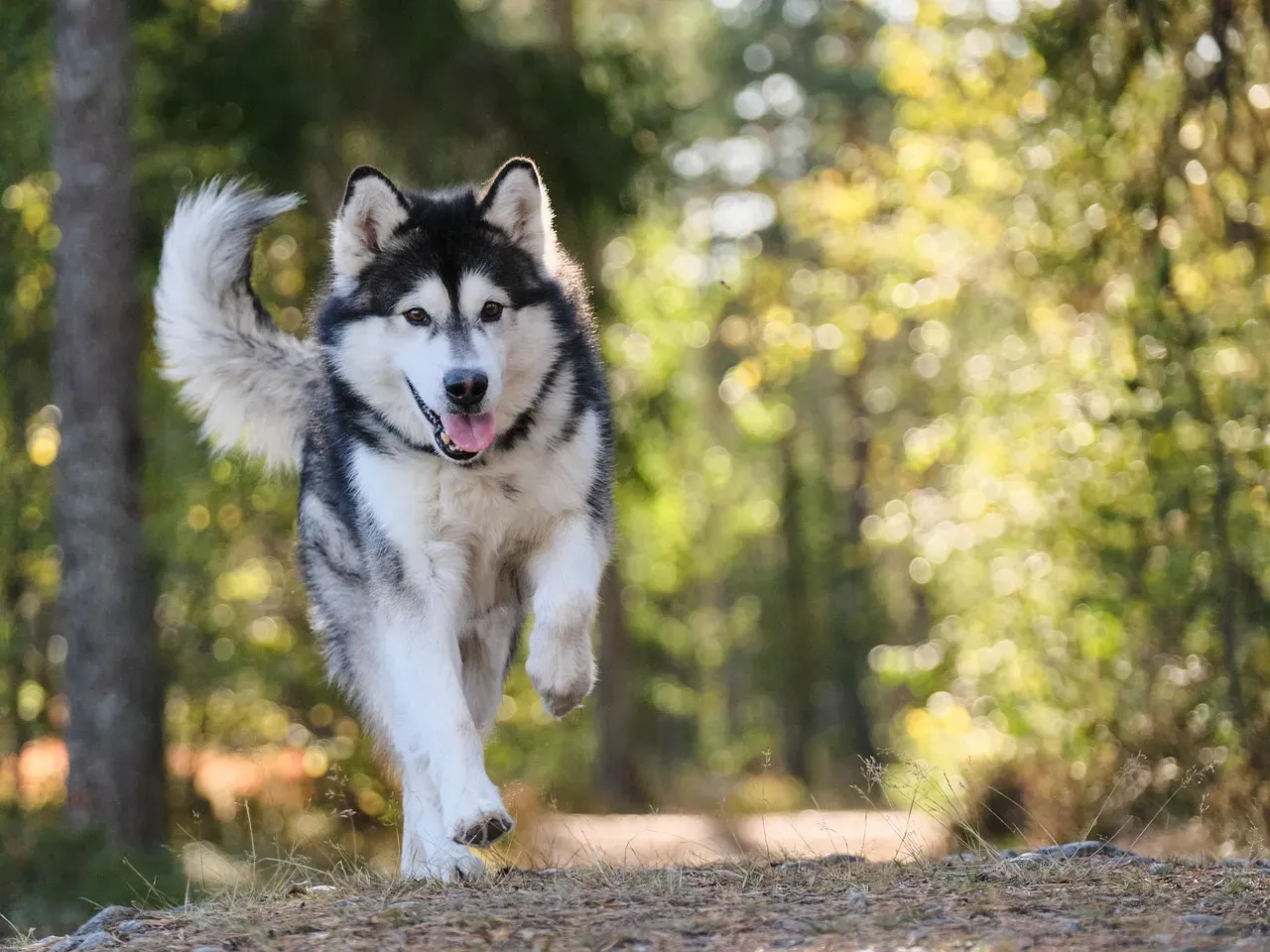
Malamutes are intelligent, independent, and bred for endurance work, not for constant human companionship. These dogs were bred to pull sleds for miles, and their working background makes them extremely able, self-reliant dogs, and this can sometimes be mistaken for unfriendliness. These dogs often display affection on their own terms and may prefer interaction through shared activity, like running or hiking.
They’re affectionate with family but have strong pack instincts that sometimes clash with household rules. Malamutes are huge, fluffy, and powerful, but that doesn’t mean they want to be squeezed. They’d much rather go on an adventure with you than sit still for a prolonged embrace.
Without proper exercise and mental stimulation, you’re dealing with a hundred-pound independent thinker who knows exactly what they want. Spoiler alert: it’s probably not a hug.
Shar Pei
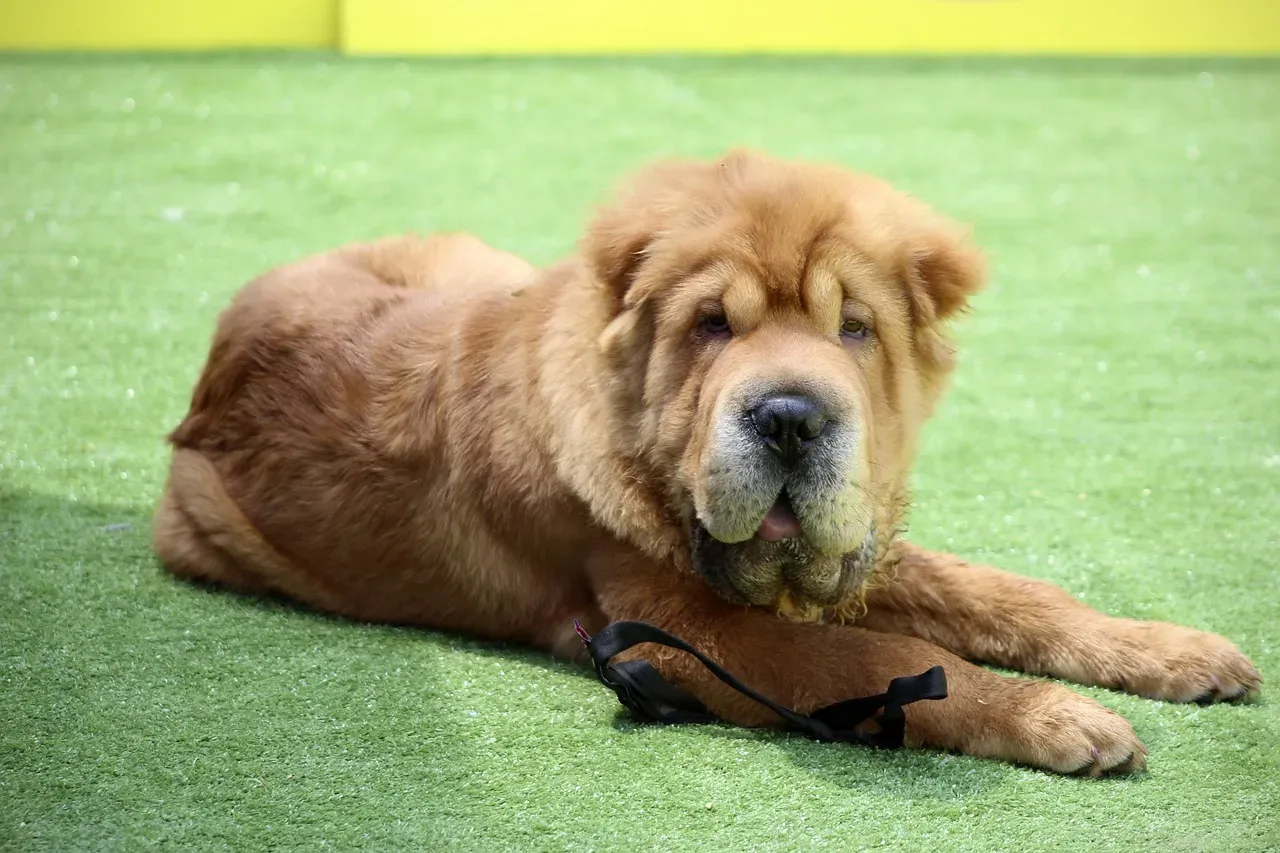
Beloved for its wrinkled features, the Shar-Pei was bred as a guard dog in China, and as a result, this breed is generally more aloof with people and wary of strangers. The Shar-Pei’s adorably wrinkled face and coat makes it look like a natural love, but this not lovey-dovey breed is happy to just go about its business. Shar-Peis are loyal, calm, and somewhat standoffish.
Instead of sitting in your lap, a Shar-Pei will follow you around the house to protect you. They show their love by being watchful and loyal, instead of being overly cuddly. That wrinkly face might look huggable, but trust me, they’re not interested. They’ll guard you fiercely, but hugs? Not so much.
Their protective nature makes them excellent watchdogs, but it also means they prefer maintaining their personal space. Early socialization is key to helping them feel comfortable around new people.
Akita
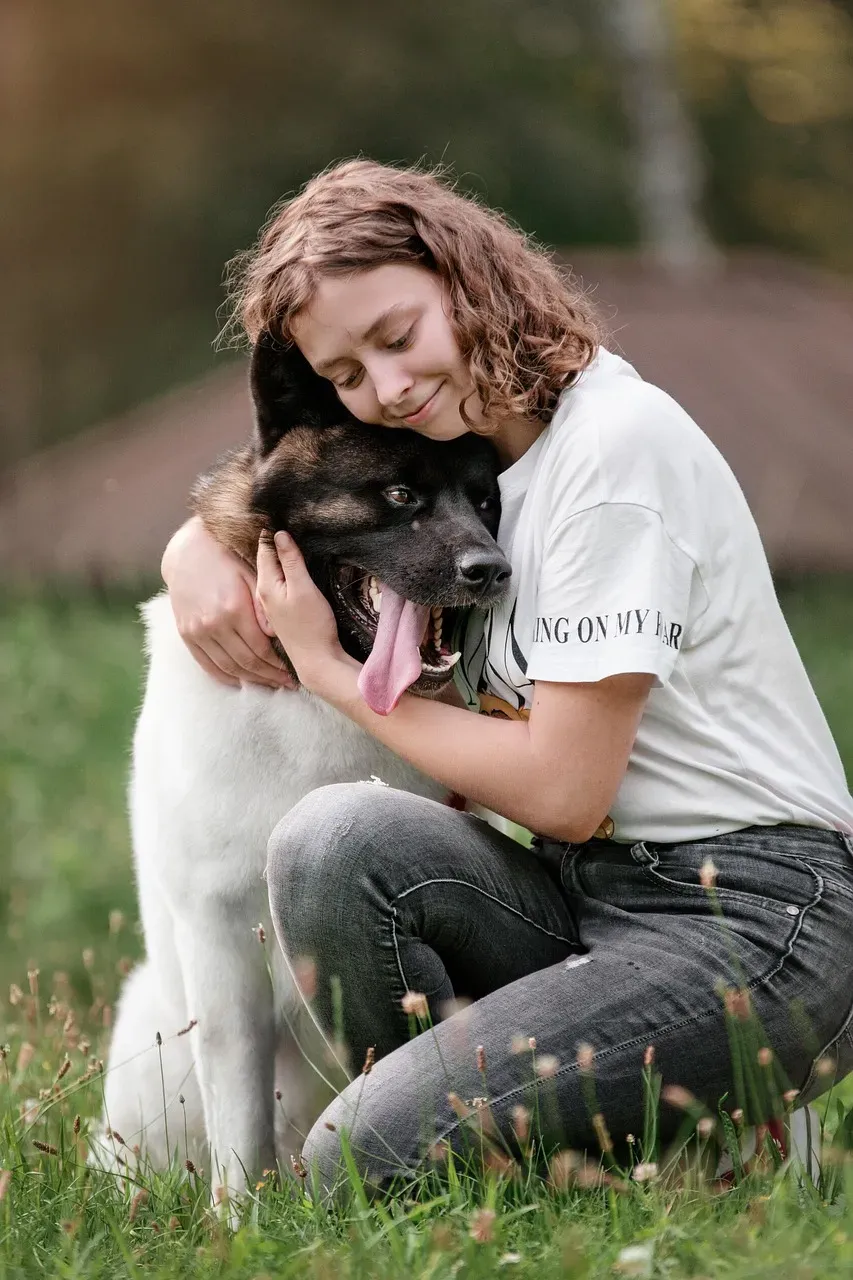
Akitas are known to be fiercely loyal to their families and are often aloof with strangers and can act reserved or distant when meeting new people. This protective nature makes them reliable guardians but not the friendliest companions for guests.
Akitas are not needy dogs, they enjoy affection but don’t constantly seek it. They’re often described as quiet, intuitive, and highly self-sufficient. Think of the legendary Hachikō, the Akita who waited for his owner for nearly a decade. That loyalty is real, but it doesn’t translate into wanting constant physical contact.
They form strong bonds with their families and are deeply protective, but they’re usually aloof with strangers, making them excellent watchdogs. Hugging an Akita feels more like a test of boundaries than a mutual moment of affection.
Greyhound
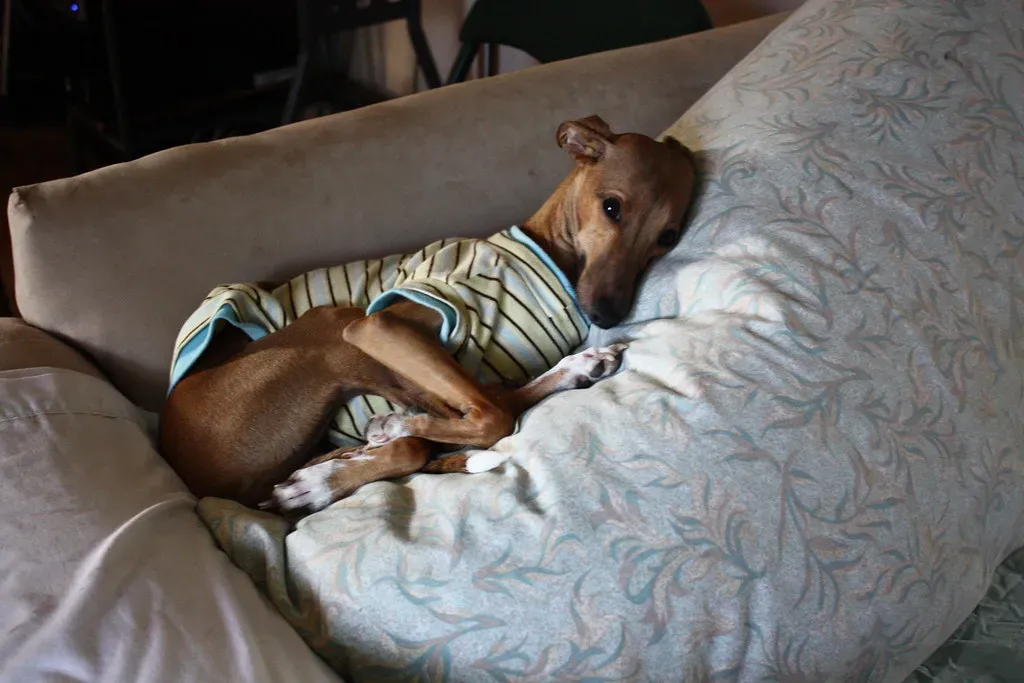
Happiest when strolling by your side, Greyhounds seldom wiggle in needy anticipation. Friendly but aloof, they love being lazy indoors, but you may be frustrated by their lack of interest in your lap. Mellow, laid-back, but sometimes a bit neurotic, they allow petting but don’t ever seem to crave it.
Despite their athletic reputation and incredible speed, Greyhounds are surprisingly low-key when they’re not sprinting. They’re content to lounge around, but don’t expect them to be all over you with affection. They prefer gentle contact and respectful distance over being squeezed and held tightly. These elegant dogs appreciate companionship without the smothering.
Golden Retriever
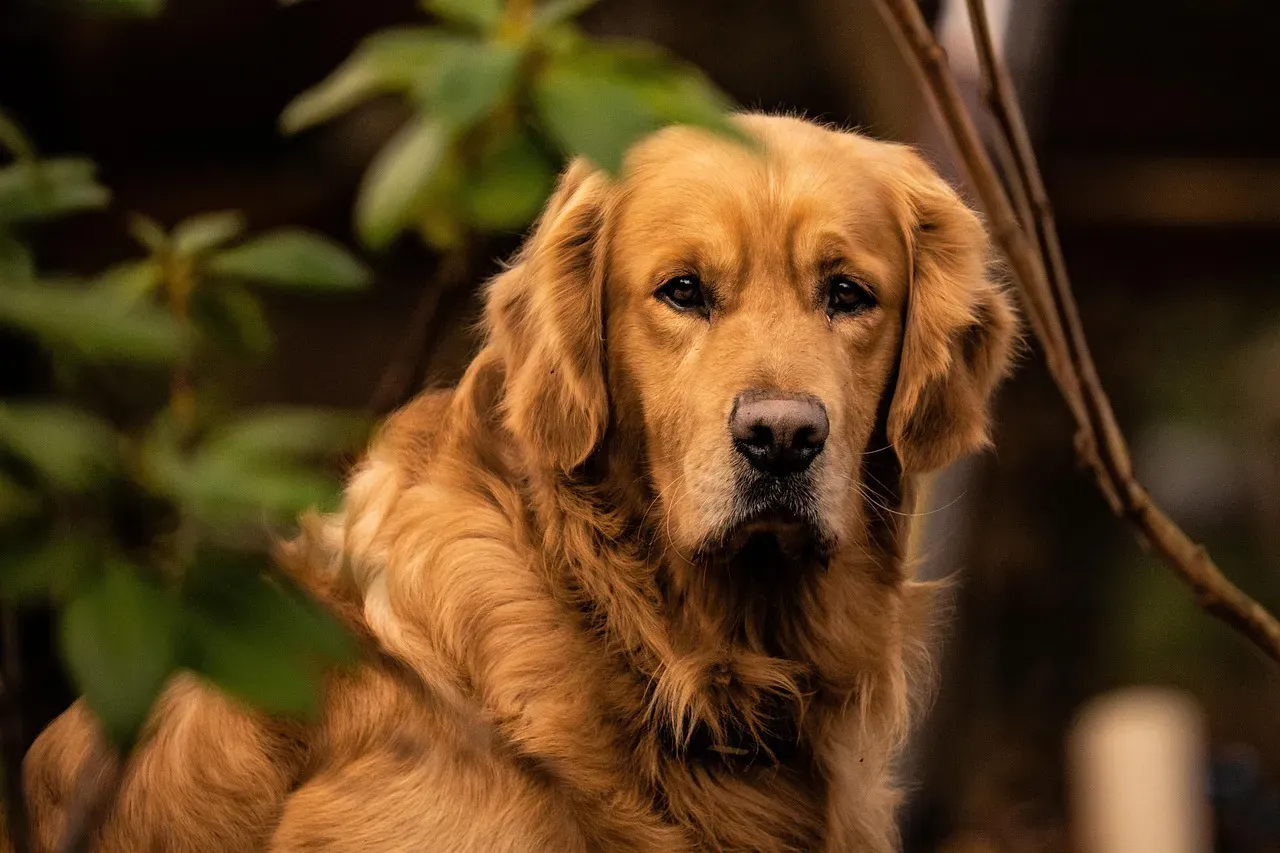
Now let’s flip the script. If there’s a breed that was basically engineered for hugs, it’s the Golden Retriever. Breeds known for their sociability like Golden Retrievers and Labrador Retrievers may be more predisposed to enjoy hugs, though individual differences exist. Each dog is unique, and breeds that are more sociable and people-oriented, like Labrador Retrievers and Golden Retrievers, are more likely to accept hugs as part of their interaction with humans.
Golden Retrievers are one of the best large family dogs and make a beautiful addition to any family, especially those with kids. They are loving, affectionate, versatile, easy-to-train dogs and are also eager to please. Goldens are patient and caring with kids, though on occasion, they tend to get excited and may knock you down. Worry not, they mean no harm, and their action only reflects the overwhelming happiness they feel on being a part of the family.
These soft, fluffy companions live for human interaction. They’ll lean into you, rest their head on your lap, and soak up every ounce of affection you’re willing to give. Honestly, if you’re not hugging a Golden, they might start nudging you until you do.
Labrador Retriever
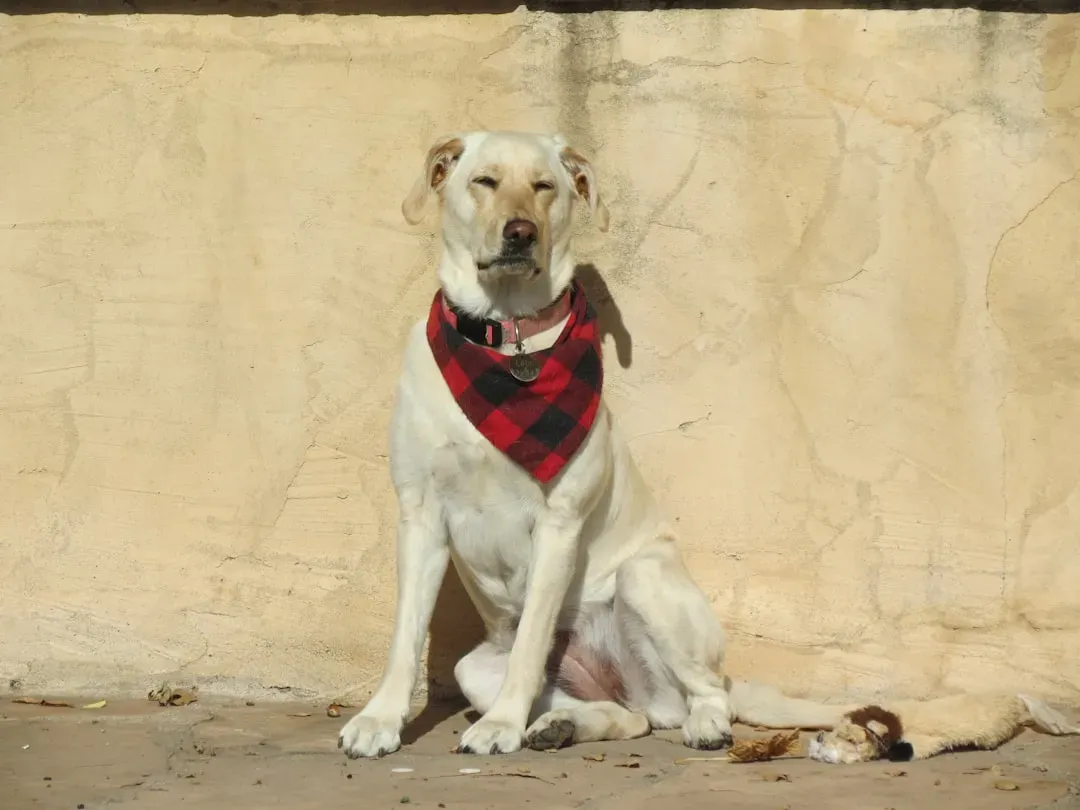
Labradors have gained a reputation as the world’s favorite dogs for a reason: they are one of the most affectionate dog breeds. They are especially suited for families with young kids and even seniors living alone or experiencing loneliness and feelings of isolation. Labradors thrive on human companionship and love nothing more than spending time with their humans. They are also easy to train and intelligent and respond well to positive reinforcement training.
Besides being especially friendly, the charming Labrador retriever was trained to stay by their human side in between retrieving ducks and helping locate waterfowl in the ocean. Labrador retrievers are good with kids and other pets; they are calm and gentle and like to play.
Labs are pure joy wrapped in fur. They greet you with their entire body wagging, not just their tail. Cuddling with a Labrador feels like being enveloped in warmth and unconditional love. They’ll happily climb onto the couch, rest their head on your shoulder, and stay there as long as you let them.
Cavalier King Charles Spaniel
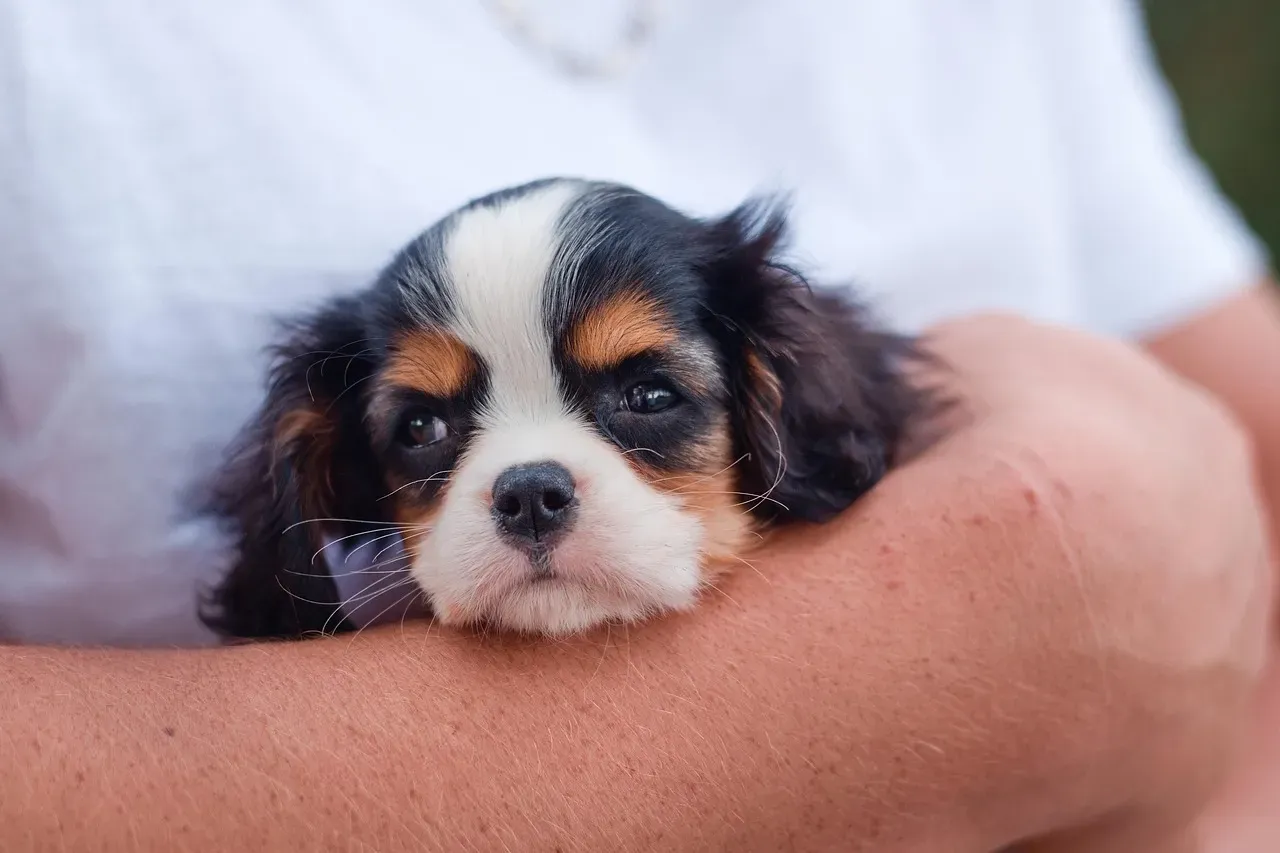
With soulful brown eyes and a warmhearted nature, the Cavalier King Charles spaniel is one of the most affectionate dog breeds and one of the best dog breeds for kids. That’s why both of Frei’s Cavs, Angel and True Dat, have spread so much cheer as therapy dogs.
Cavaliers are among the most cuddly dog breeds, thriving in all types of company. They’re equally content romping around with children or curling up in the lap of a senior. It’s no surprise they’re one of the most beloved toy and small dog breeds. Cavaliers were bred to be house pets for royal kids in Great Britain, and over the years, they have retained traits like sociability, gentleness, affection, and patience.
These dogs were literally bred to sit in laps and provide companionship. If you’re looking for a dog that adores being close to you, the Cavalier is your dream come true. They’ll follow you everywhere and happily snuggle for hours.
Bichon Frise
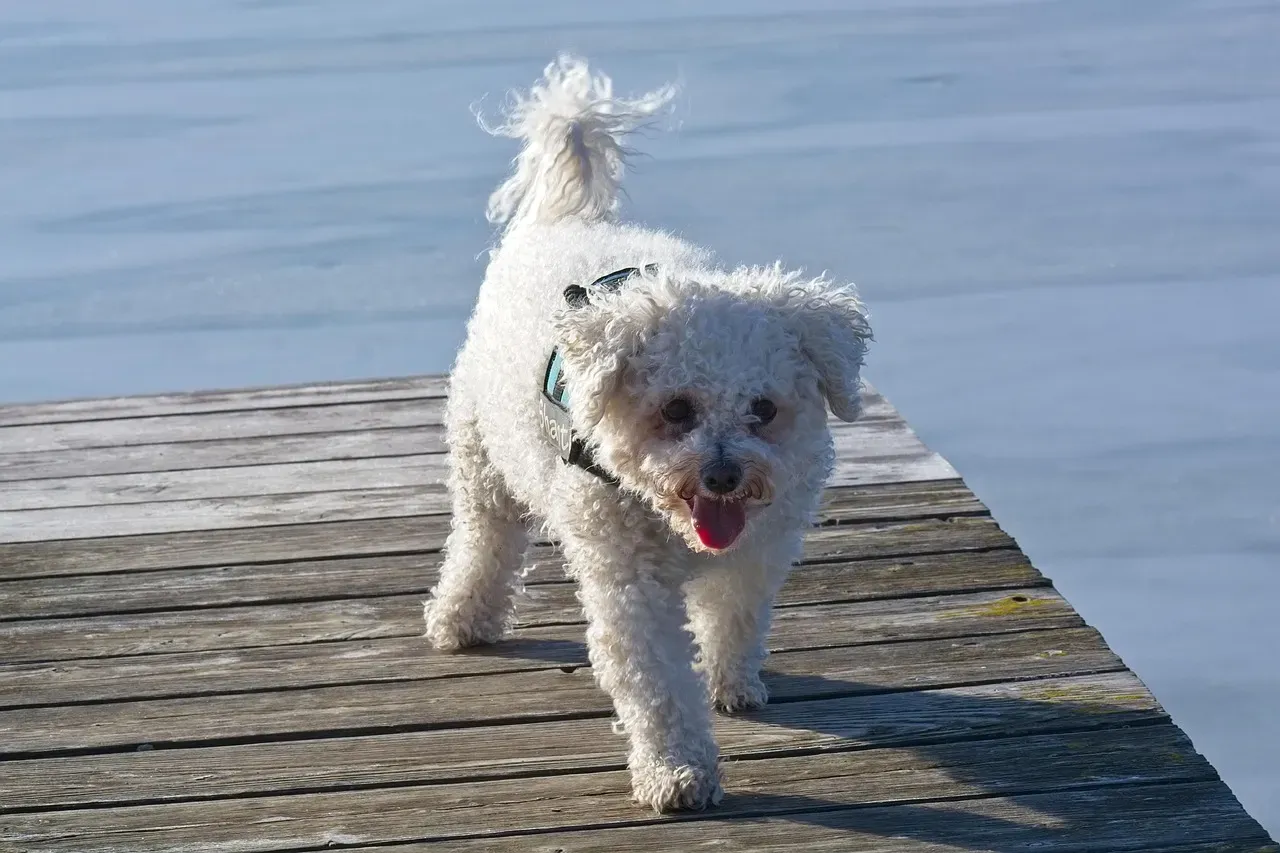
Bichon Frise means “curly lapdog,” and that’s exactly what this cuddly dog breed is. Bichons are known for their peppy personalities, gentle natures, and unbridled affection.
Bichon Frises are very cheerful and high-spirited, and also great cuddlers. At times, though, they can become very needy, which is a testament to their unconditional love and affection.
Their soft, fluffy white coats are perfect for snuggling up to, making them the ideal lap dog. They crave human interaction and thrive on affection. You’ll often find a Bichon curled up right next to you, soaking up all the love they can get.
Pug
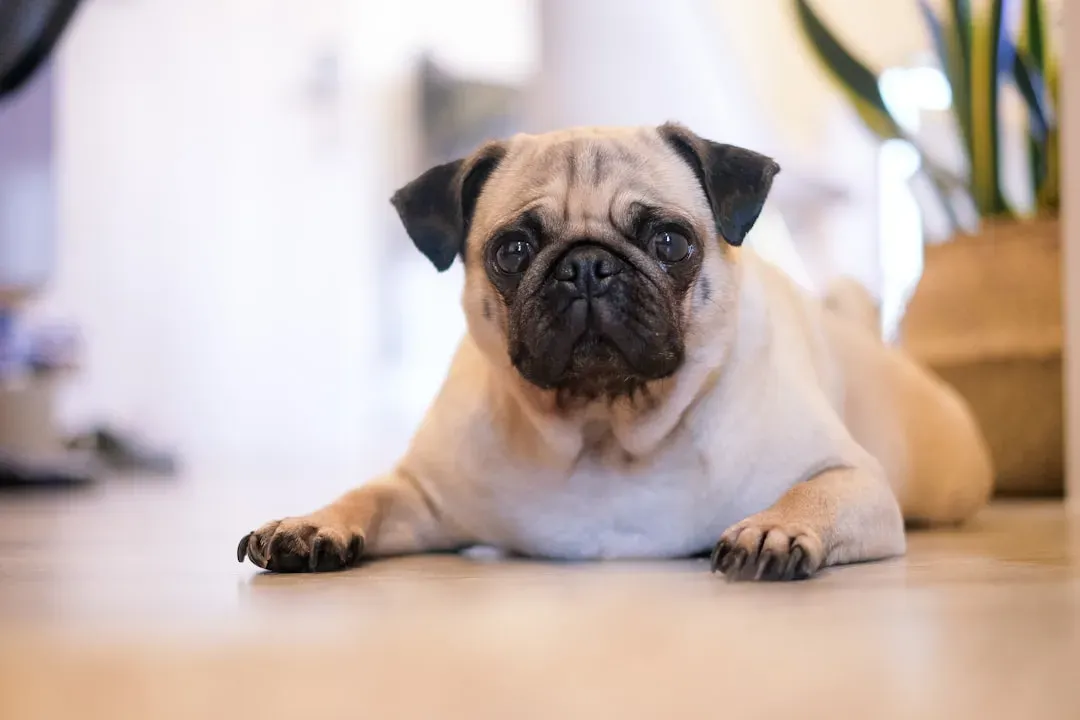
Small but muscular, Pugs pack a lot of personality into their little bodies. They’re the kind of dogs that always want to be part of what their owner is doing. You’ll find that Pugs love to receive affection and dole it out in equal amounts. Pugs are very social animals and thrive on human interaction. They are known for being great companions and often develop strong bonds with their owners. They love to cuddle and snuggle and are often called “lap dogs” because they enjoy being close to their owners.
Pugs have been beloved by royalty for centuries, and they still act like they deserve royal treatment. They’ll happily sit in your lap for hours, follow you from room to room, and give you all the sloppy kisses you can handle. They’re velcro dogs through and through.
Newfoundland
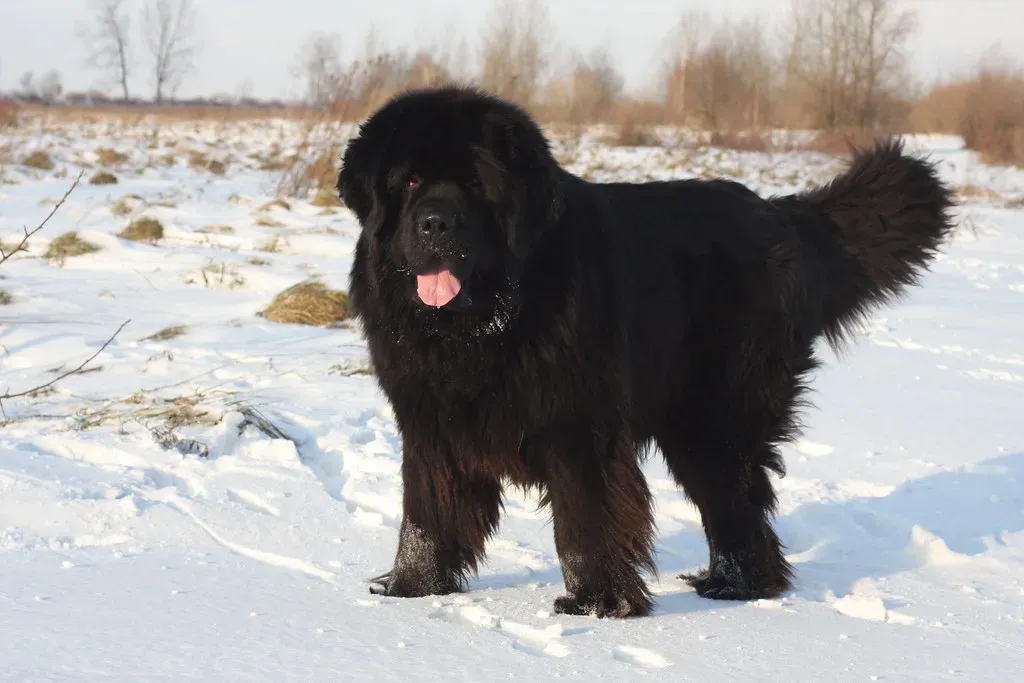
Newfoundlands are one of the world’s largest dog breeds, but don’t be fooled by their big size: they’re total softies. Often referred to as giant teddy bears, this fluffy dog breed is known for having a calm and patient demeanor, with a strong attachment to their humans. Newfoundlands also have moderate energy levels, making them happy to plop down and have a snuggle and get hugs from their owners. They have a steady temperament and are used to being in proximity to their humans. This affectionate breed loves sitting beside their owners and even leaning gently against them.
Between working closely with their owners for their jobs and their love of people, these gentle giants are one of the most affectionate dog breeds and will cuddle with your family. These gorgeous dogs are so friendly that they love strangers. They have webbed feet and are excellent swimmers, but on land, they pull carts, carry things like a horse would, and do whatever their people ask them to. The AKC says that a Newfie called Brumus helped Senator Robert Kennedy and his wife care for their 11 children. When you have almost a dozen kids, you really need a nanny dog!
Greyhound (Yes, Again!)
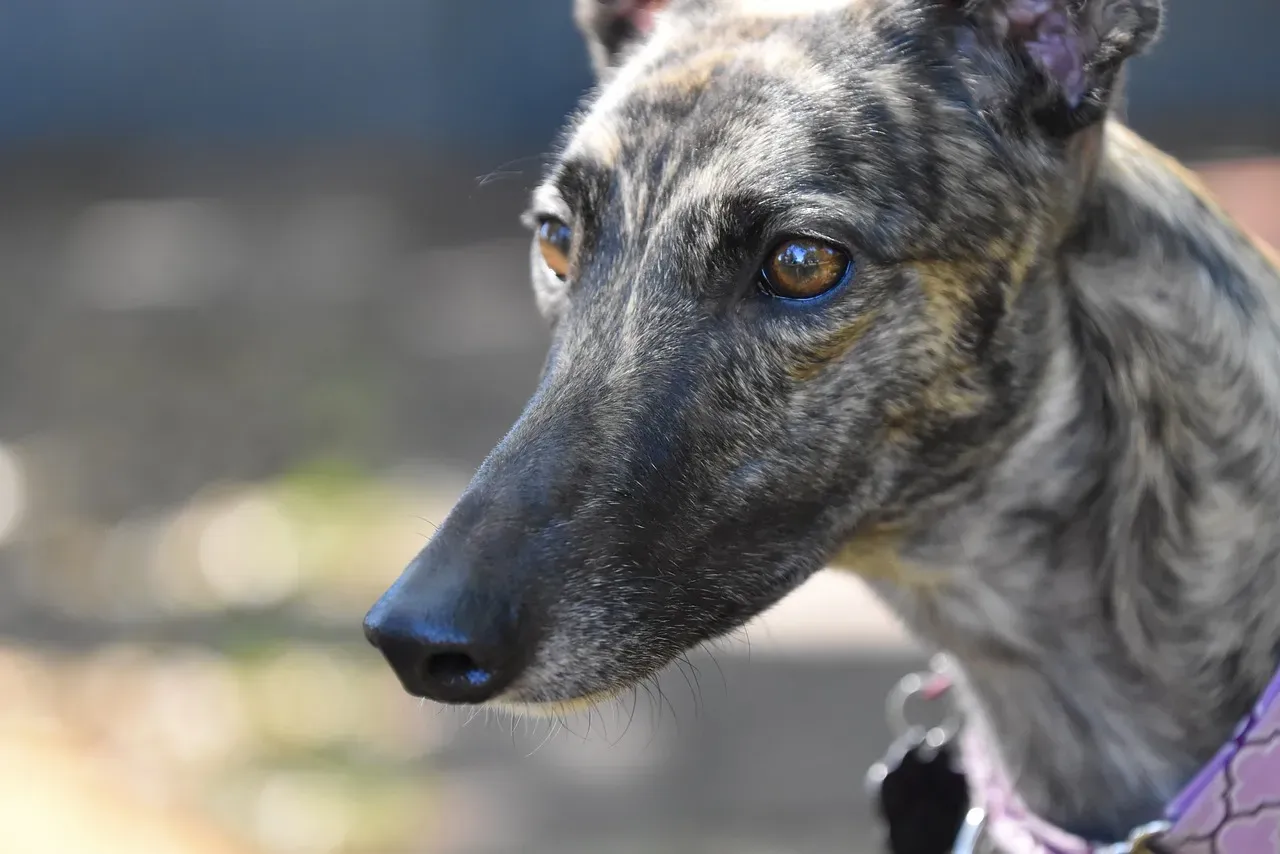
Wait, didn’t we already mention Greyhounds as hug-avoiders? Well, here’s where it gets interesting. Greyhounds are known for their impressive speed, but this affectionate dog breed is also surprisingly low-key when it’s not sprinting around. Despite their athletic reputation, Greyhounds are incredibly gentle, calm and love plenty of cuddle time on the couch, which is why they are known as one of the most huggable dog breeds. Greyhounds love to be near their people and have a characteristic lean, where they initiate contact with someone by propping their body against them. Due to their short haircoat and lean body mass, they also love to spend time under the covers with their people.
Turns out, individual personality matters more than breed generalizations sometimes. Many Greyhounds absolutely adore snuggling once they’re comfortable with you. They’ll lean their entire body weight against you, burrow under blankets, and stick close whenever possible.
Boxer
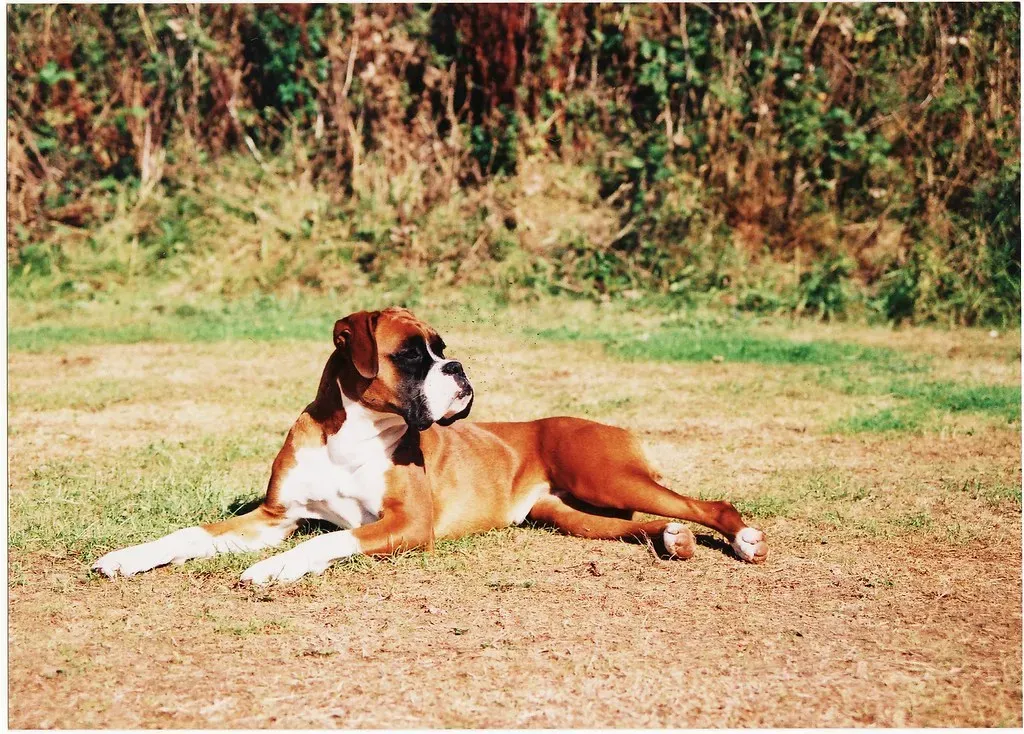
Upbeat and gentle, Boxers make a great addition to families looking for an affectionate and loyal dog. Though they’re a very protective breed, Boxers can be friendly toward strangers.
Sleek and muscular, Boxers are a highly athletic breed that comes as an entire package. They’re known for their incredible loyalty and work ethic, and anyone who’s ever owned a Boxer knows that they’re one of the most loving, affectionate breeds you could ever meet.
Boxers are goofy, energetic, and absolutely devoted to their families. They’ll bounce around with excitement when you come home, and once they calm down, they’re happy to settle in for some quality cuddle time. They’re big dogs with even bigger hearts.
Conclusion
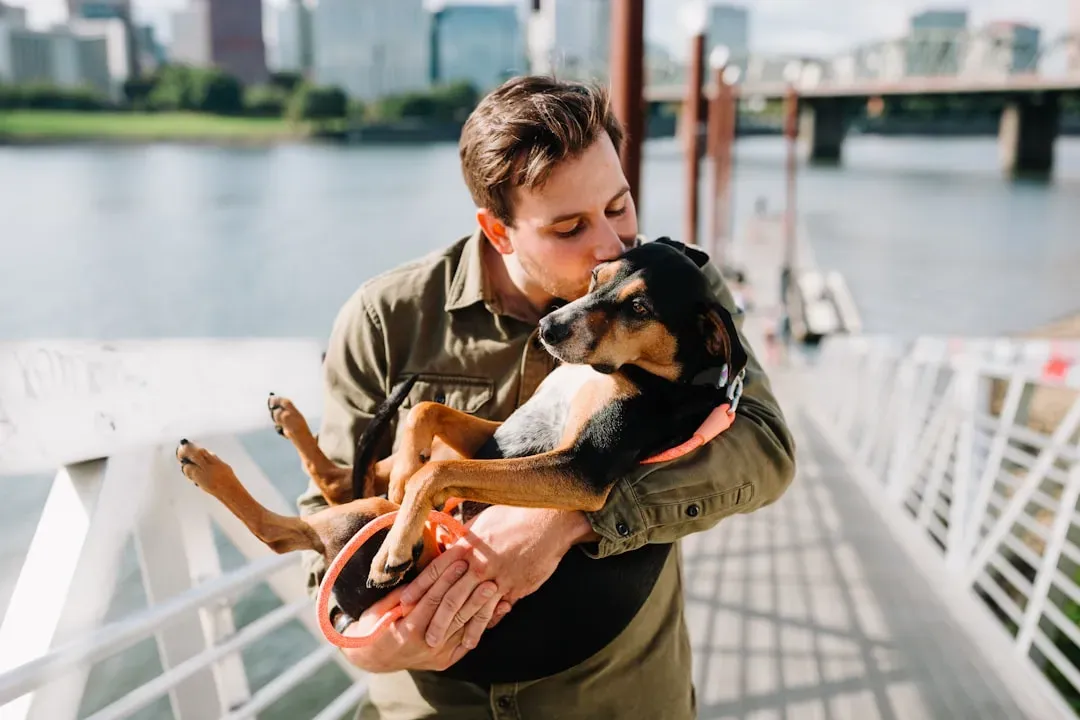
So here we are. Eight breeds that would rather keep their personal space intact, and eight that practically live for your embrace. The truth is, understanding what your dog prefers isn’t about changing them or forcing affection. It’s about respecting their boundaries and learning to speak their language.
Behaviorists believe that depriving a dog of that course of action by immobilizing him with a hug can increase his stress level, and if the dog’s anxiety becomes significantly intense, he may even be driven to bite. Knowing this doesn’t make you love your dog any less. It actually deepens your bond because you’re paying attention to what makes them comfortable.
Whether you have a snuggly Golden Retriever or a dignified Shiba Inu, the key is recognizing how your dog shows love. Some lean in. Some stay close by. Some prefer a good scratch behind the ears over a tight squeeze. They all love you. They just express it differently.
What kind of hugger is your dog? Have you noticed the signs, or are you still trying to figure out their affection language? Share your stories, because honestly, every dog has their own quirks and preferences. That’s what makes them so special.


