

Choosing the right dog for your lifestyle is one of the most important decisions you’ll ever make as a pet parent. It’s easy to fall in love with a fluffy face or soulful eyes, but the truth is, not every breed is built for every environment. Some dogs thrive curled up on your couch, while others need wide open spaces and a job to do.
Understanding where a dog truly belongs isn’t about limiting their potential. It’s about honoring their instincts, their energy, and their deepest needs. Let’s be real, a Border Collie in a studio apartment is like caging a marathon runner in an elevator. Meanwhile, a Cavalier King Charles Spaniel on a working ranch might feel overwhelmed and out of place. So let’s dive in and explore which breeds are happiest indoors and which ones are born to roam the fields.
Cavalier King Charles Spaniel: The Ultimate Lap Companion
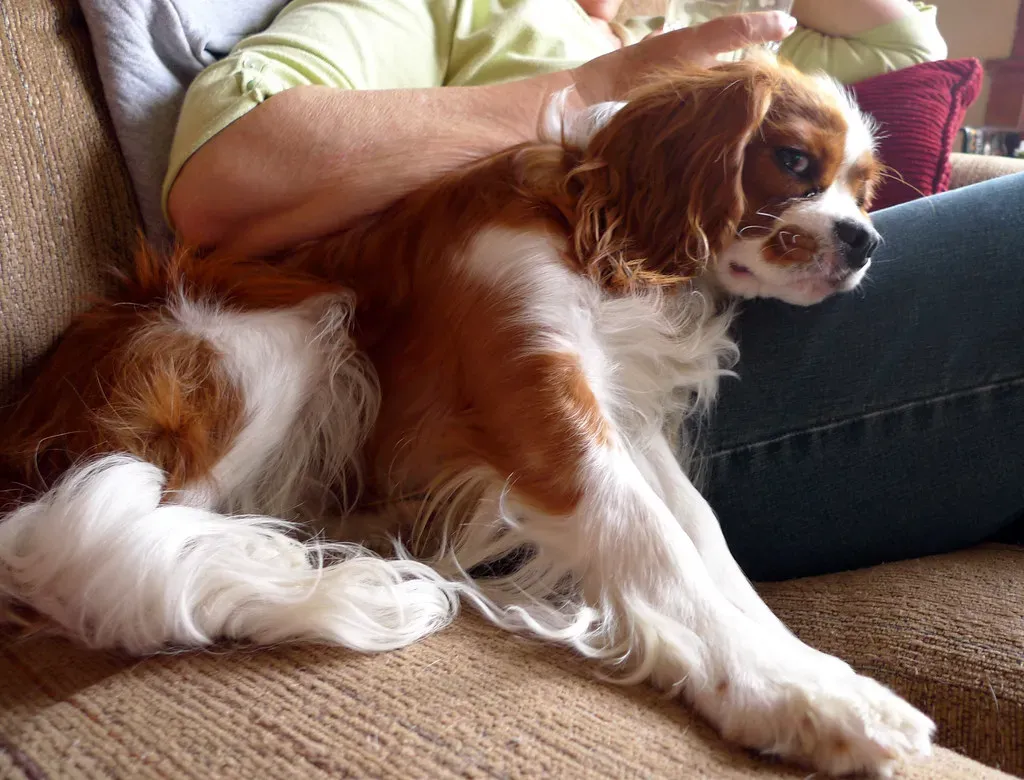
The Cavalier King Charles Spaniel’s temperament is friendly and loyal, making them great family dogs known to be tolerant, patient, and good with other pets and young children. These gentle souls were literally bred to warm laps in drafty castles centuries ago, and honestly, they haven’t forgotten their calling.
Their size and generally quiet nature make Cavalier King Charles Spaniels good candidates for apartment or condo living, as they are moderately active indoors and a small yard is adequate for their exercise needs. They’re perfectly content with daily walks and indoor playtime, making them ideal for urban environments. Cavaliers need human interaction and companionship to thrive and should not be left alone for long periods of time.
French Bulldog: Compact and Content
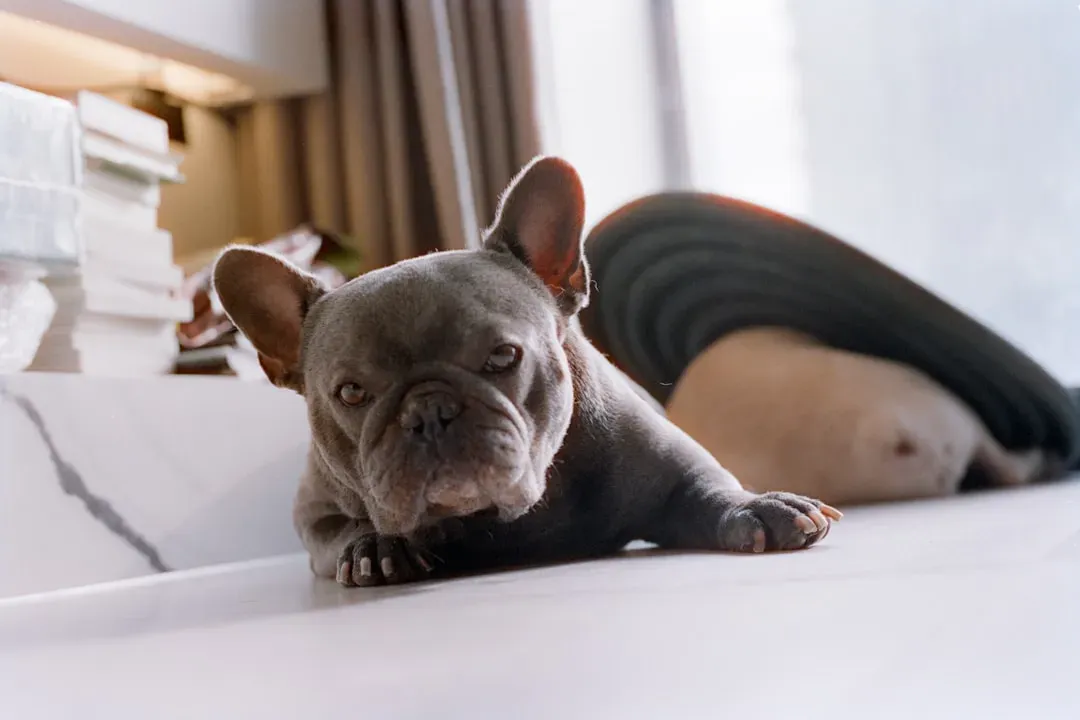
French bulldogs were named top dog for 2022 and in 2023, returning to the head of the pack for 2024, as more people are choosing them for their small size, which makes them suitable for apartment living. These charming little characters have become wildly popular for good reason.
French Bulldogs are a popular medium dog breed known for their charming and adaptable nature, with a sturdy build and a friendly, playful demeanor, and Frenchies are relatively low-energy dogs, making them well-suited for apartment living. They enjoy short play sessions but are equally happy lounging around the house. Their moderate exercise needs mean a couple of brief walks per day will keep them satisfied and healthy.
Bichon Frise: The Cheerful Cloud
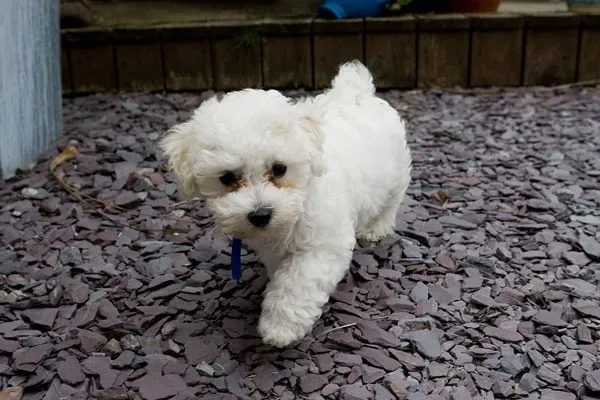
The small size and intelligent nature of the Bichon Frise make this breed one of the best dogs for small apartments, as a daily walk or game of indoor fetch or tug-of-war is typically enough exercise to satisfy this lapdog. These fluffy white bundles of joy are personality powerhouses packed into compact frames.
Their hypoallergenic coats make them excellent choices for people with allergies, though they do require regular grooming to maintain their signature cloud-like appearance. Bichons are social butterflies who adore their families and adapt beautifully to apartment living as long as they receive adequate attention and affection.
Greyhound: The Couch Potato Sprinter
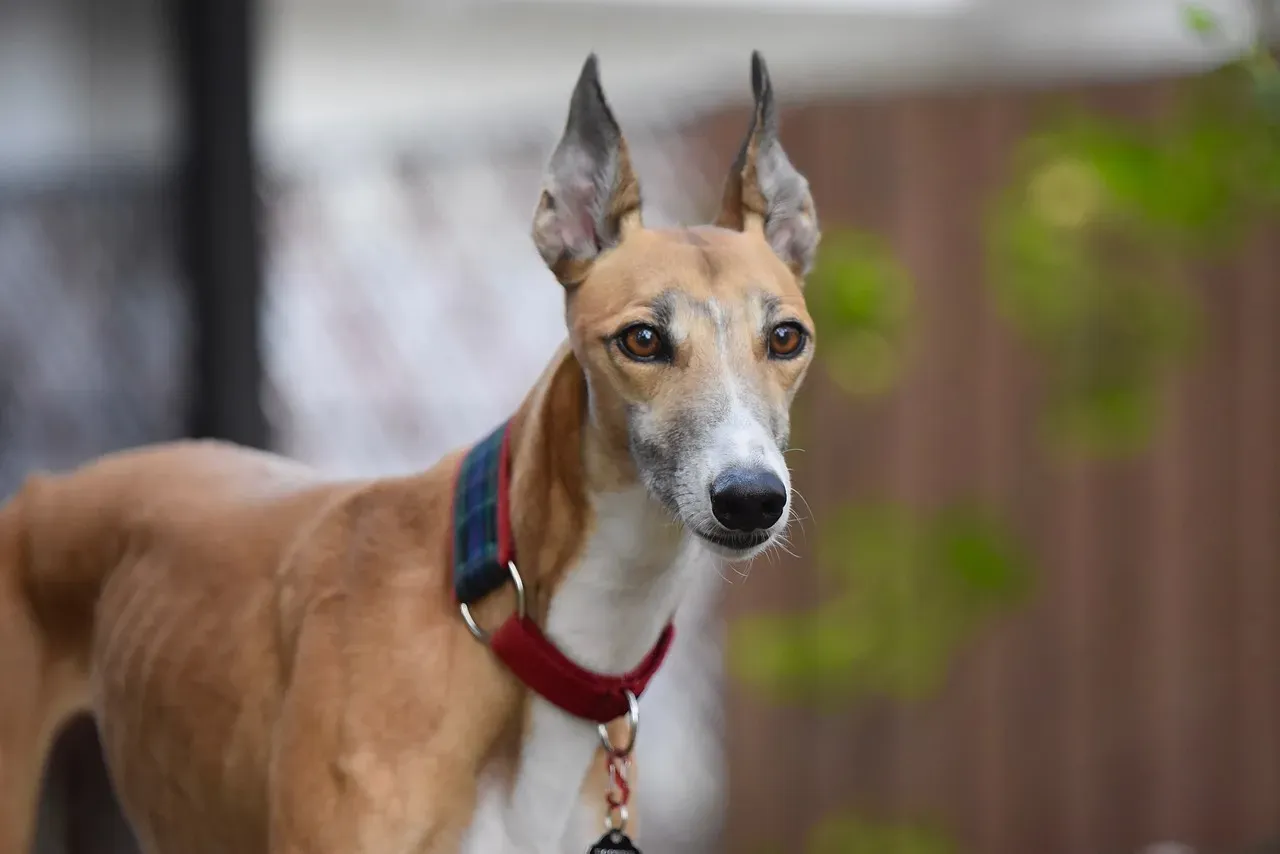
This might surprise you, but Greyhounds are fantastic house dogs. While they do need daily opportunities to fetch tennis balls and run around, they are perfectly happy to spend the day lounging around. Despite their reputation for speed, these gentle giants are actually quite lazy indoors.
These pups aren’t known to bark much, which should make your neighbors happy. Their calm demeanor and minimal grooming needs make them surprisingly low-maintenance companions. Just give them a safe space to sprint occasionally, and they’ll reward you with endless hours of companionship on the sofa.
Basset Hound: The Laid-Back Listener

Basset hounds make some of the best apartment dogs purely thanks to their exercise requirements, as one good walk a day should be plenty to keep your basset hound feeling healthy and happy, and the rest of the time he’ll be perfectly content to nap on a dog bed or engage in some light play on the living room rug.
These droopy-eared darlings are the epitome of relaxed living. Their short legs and easygoing temperament mean they’re not demanding marathon walks or intense play sessions. However, be prepared for their big voices and occasional stubbornness during training.
Shih Tzu: The Palace Pet
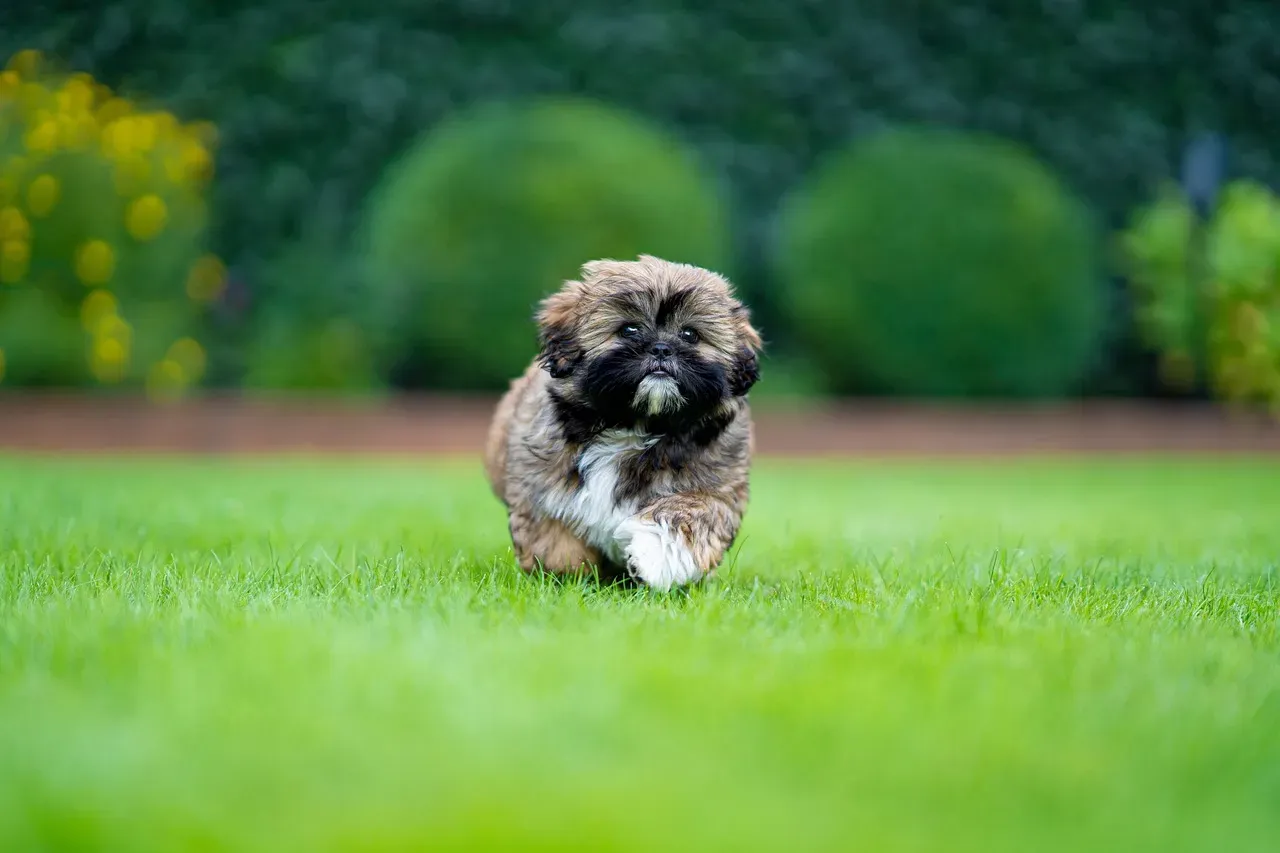
Shih Tzus were bred exclusively as companion animals for Chinese royalty, and they still carry that regal expectation of comfortable indoor living. These affectionate little dogs form incredibly strong bonds with their families and thrive on human companionship.
Their small size and moderate exercise needs make them perfect for apartments or smaller homes. A couple of short walks and some indoor playtime will keep a Shih Tzu happy and healthy. They’re generally friendly with strangers and other pets, making them versatile companions for various living situations.
Boston Terrier: The American Gentleman
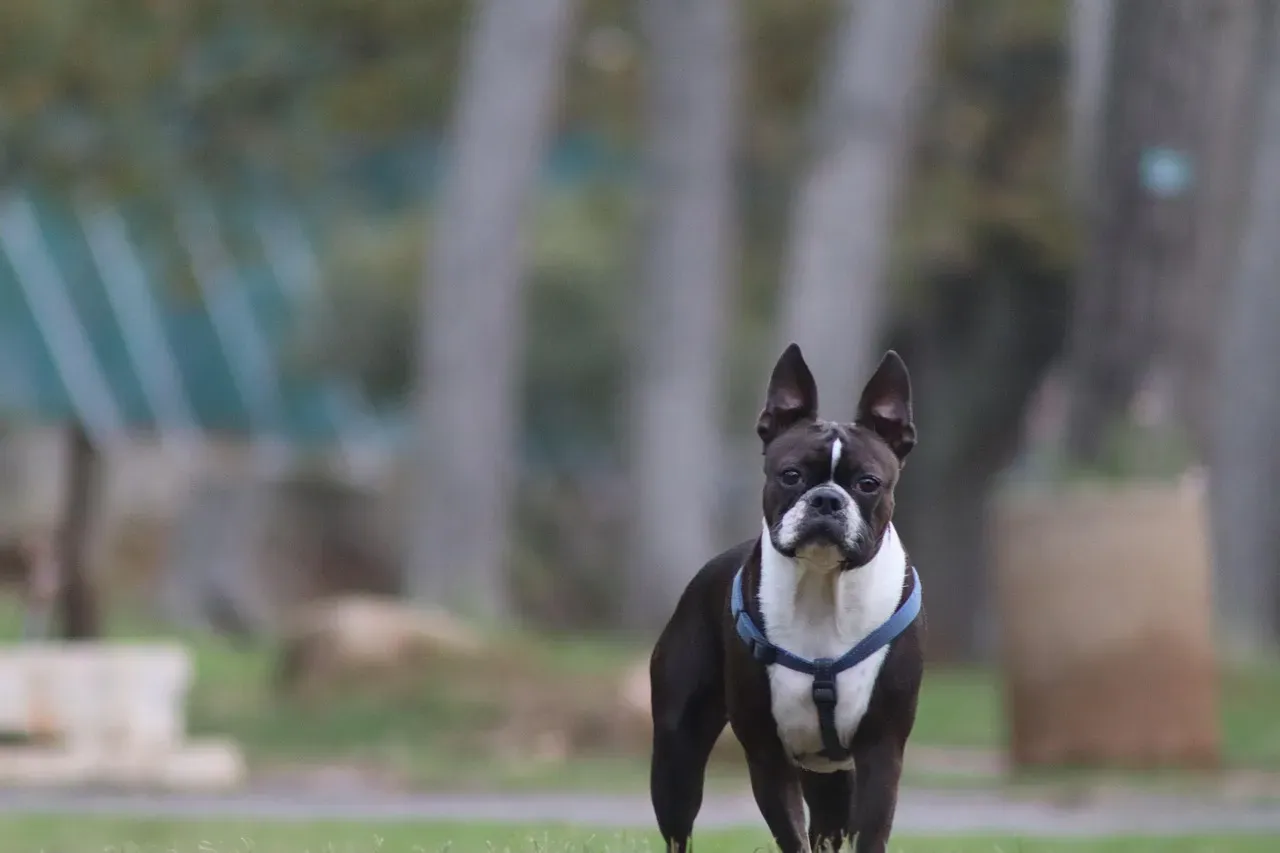
Boston Terriers are another excellent medium-sized breed for apartment life, as they are intelligent, friendly, and relatively low-maintenance, known for their moderate energy levels where they enjoy daily walks and playtime but are also happy to relax at home.
They are also known for being relatively quiet, which is beneficial in an apartment setting. Their tuxedo-like markings give them their nickname, and their charming personalities make them delightful household companions. They’re adaptable, trainable, and genuinely enjoy being part of family activities.
Pug: The Comical Companion
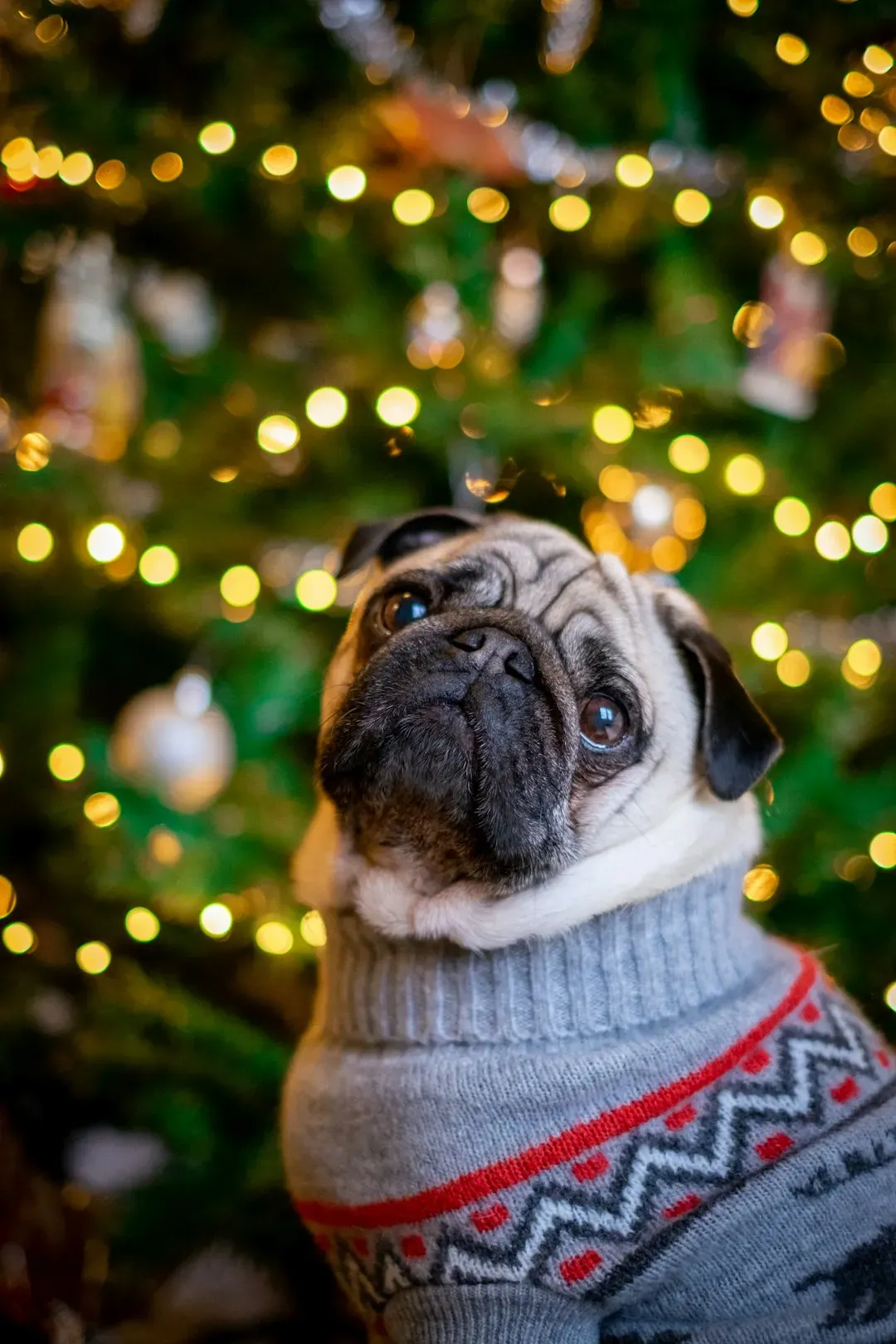
Pugs are classic house dogs with their compact size and charming personalities. These wrinkly-faced comedians are happiest when they’re near their people, making them excellent companions for those who spend considerable time at home.
Their brachycephalic (flat-faced) features mean they don’t tolerate extreme temperatures well and shouldn’t be over-exercised, especially in heat. This naturally makes them indoor dogs who are perfectly content with short walks and plenty of indoor cuddle time. Their playful yet gentle nature makes them wonderful with children and other pets.
Border Collie: The Workaholic Genius
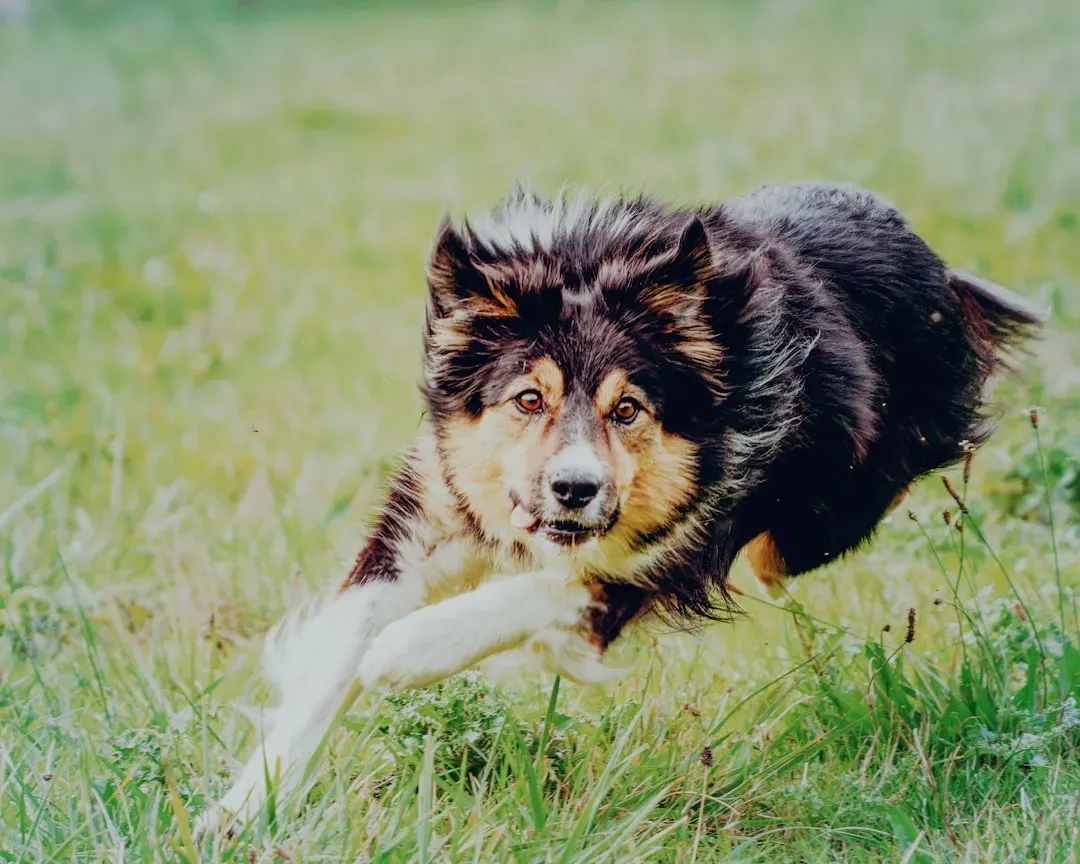
Now we shift gears entirely. Border Collies are a common breed used on many farms and ranches, as the dogs are extremely intelligent with a high energy drive and need to work, and they are gentle family members but quick and witty when moving livestock.
Border Collies are intelligent, obedient, eager to please, and easily trained, with genetic herding abilities, athleticism and tremendous drive. These dogs are not suited for apartment living or sedentary households. Without proper stimulation and work, their brilliant minds can lead to destructive behaviors. On a farm, however, they’re absolute superstars who live for the job of herding livestock.
Great Pyrenees: The Gentle Giant Guardian
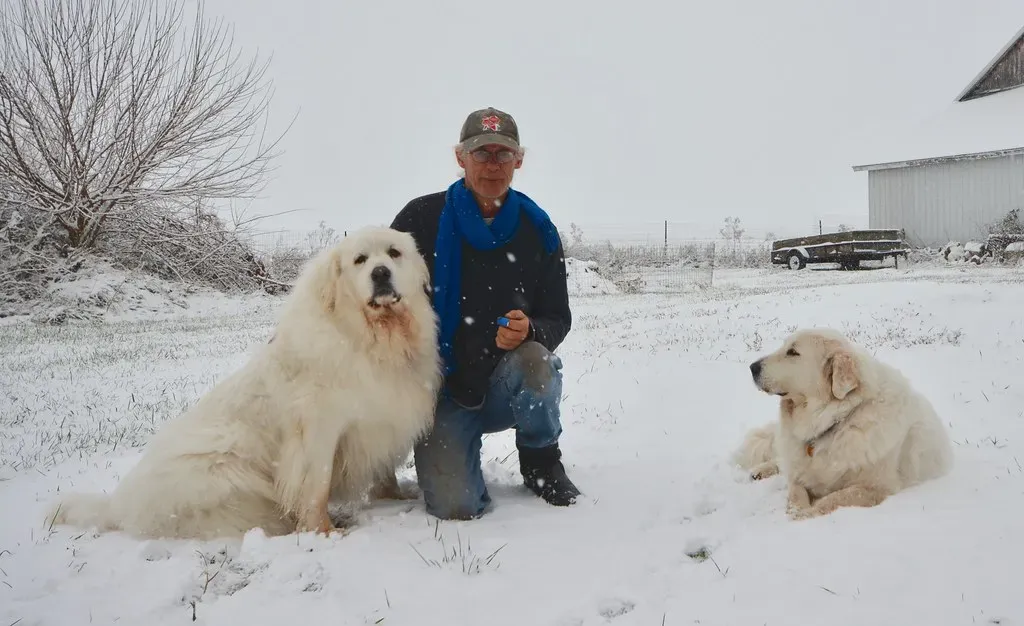
The Great Pyrenees is defined by their “smart, patient, calm” temperament according to the AKC breed standard, and like many livestock guardians, the Great Pyrenees was bred to be an independent thinker, able to guard livestock without human supervision or direction.
Pyrenees are considered to be one of the best livestock guardian breeds available, as they are large and fearless, with their instinct to guard livestock usually kicking into full gear at around 18 months, with most at a much earlier age, especially if they are exposed to livestock as puppies. These magnificent dogs need space to patrol and livestock to protect. The Pyrenees offers a measured response to threats but is known as a barker, especially at night.
Australian Cattle Dog: The Tireless Worker
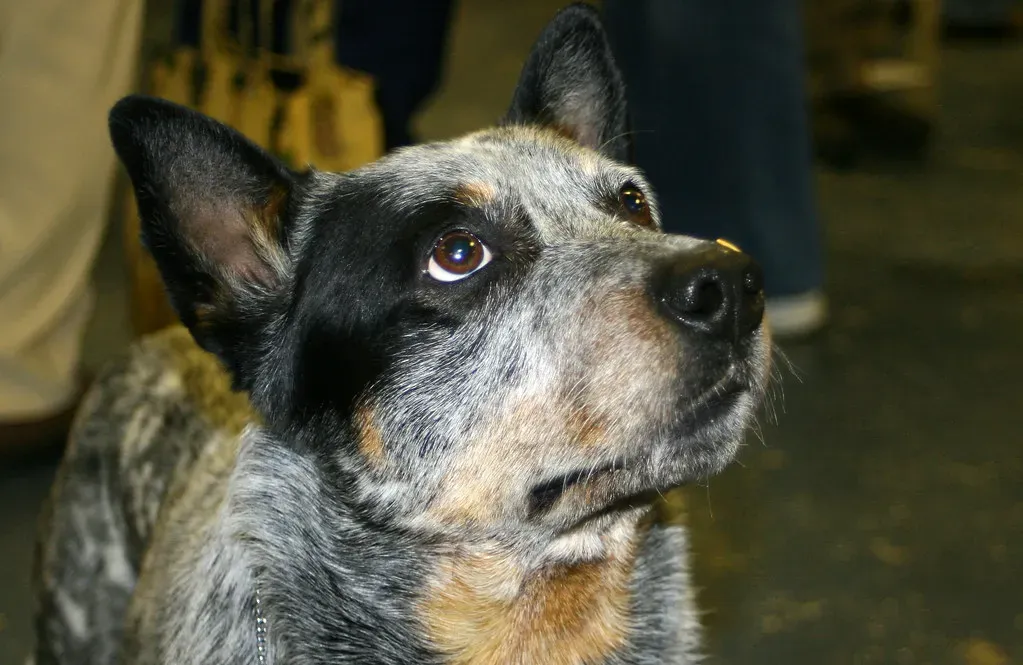
Australian cattle dogs are very high-energy dogs, so they do best with a lot of room to run and with the focus that comes from having a job, and they are intelligent and easy to train, but they can be uneasy or anxious when not doing their job or with their preferred humans.
These compact powerhouses were bred to herd cattle across vast Australian ranches, nipping at heels to keep livestock moving. Their intense work drive and high energy levels make them poorly suited for apartment living. On a farm or ranch, however, they’re invaluable partners who can work tirelessly all day.
Anatolian Shepherd: The Fierce Protector
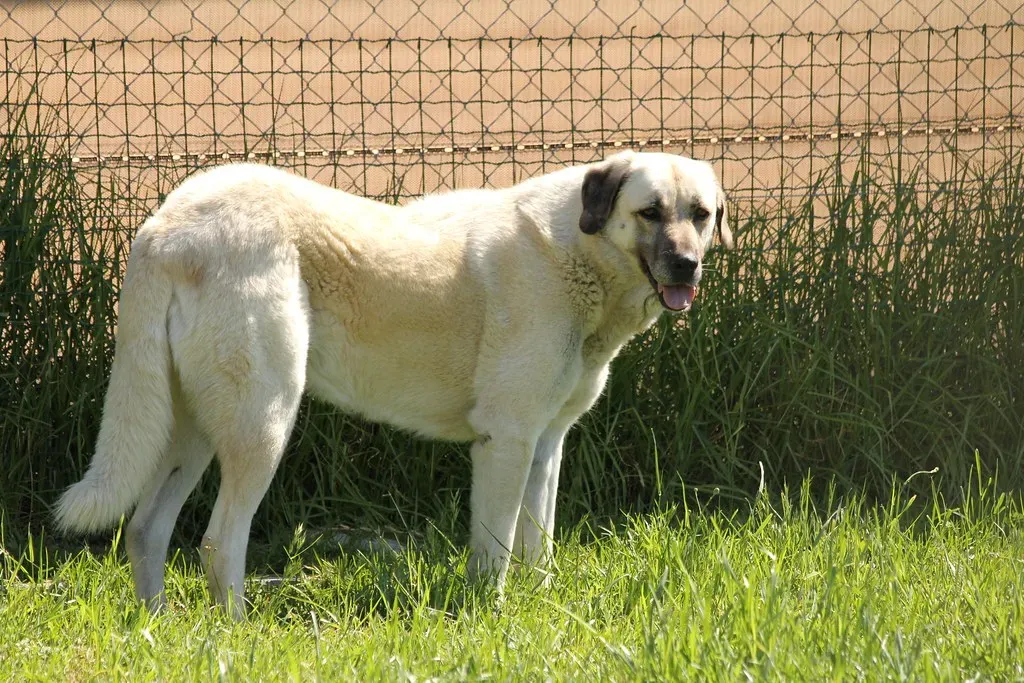
Anatolians are large dogs that are still used today to guard sheep and other livestock, and the breed’s temperament reflects this function, as the AKC breed standard states that an Anatolian Shepherd Dog should be “loyal, independent, and reserved.”
Anatolian shepherds are often used as livestock guardian dogs similar to great Pyrenees, typically deployed in pairs to live in the field with the animals, and they can repel predators such as coyotes from attacking livestock, and unlike some other farm dogs, generally do not herd livestock, which is helpful for a dog who is meant to be guarding them. These powerful dogs need wide open spaces and livestock to protect.
Australian Shepherd: The Energetic All-Rounder
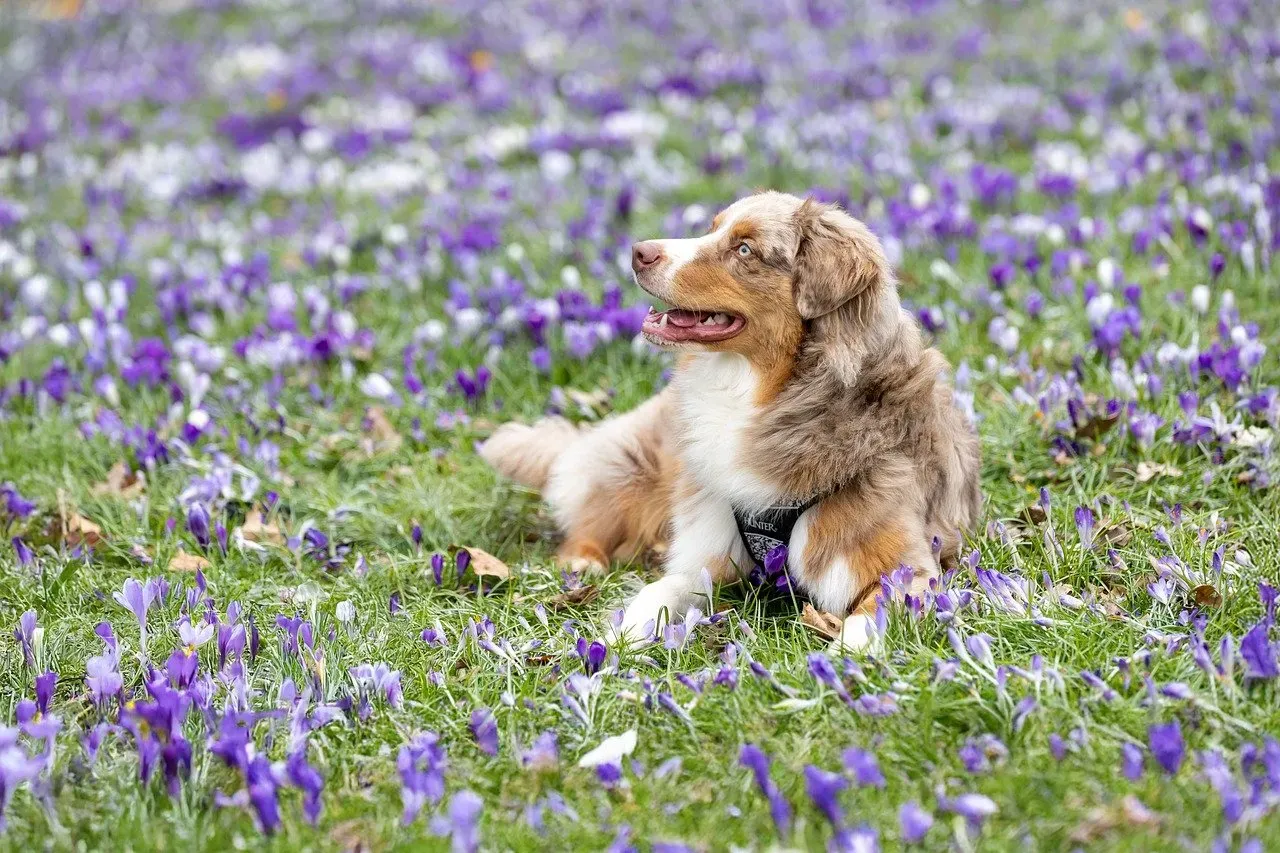
Australian Shepherds or “aussies” are a midsize breed known for their intelligence and herding instincts, as fast learners and always ready to work, these dogs are great for herding sheep, cows or even kids.
Despite their friendly and affectionate nature with families, Australian Shepherds have incredibly high energy levels and need constant mental and physical stimulation. Without a job to do, they can become destructive or develop behavioral issues. On a farm, they excel at herding, protecting, and being all-around working partners.
Maremma Sheepdog: The Italian Guardian
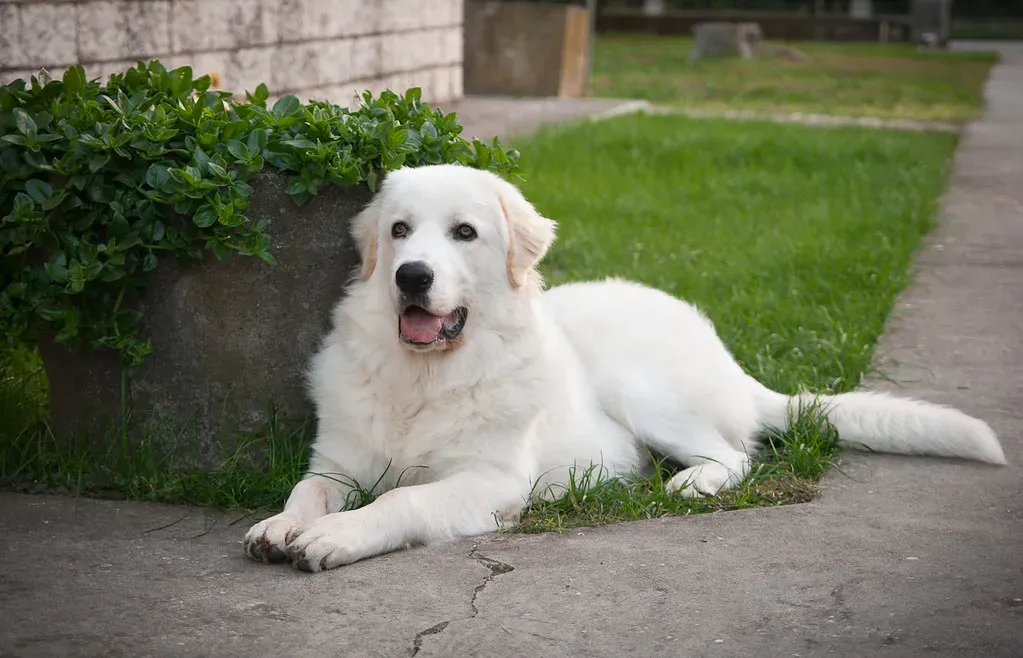
The Maremma Sheepdog is a lesser-known but highly effective livestock guardian breed from Italy. These large, white-coated dogs were specifically developed to protect flocks in mountainous regions and have incredibly strong protective instincts.
Maremmas bond deeply with the animals they protect and take their guarding duties extremely seriously. They’re independent thinkers who work best with minimal human interference, making them ideal for open range situations but completely unsuitable for suburban or urban living.
German Shepherd: The Versatile Farmhand
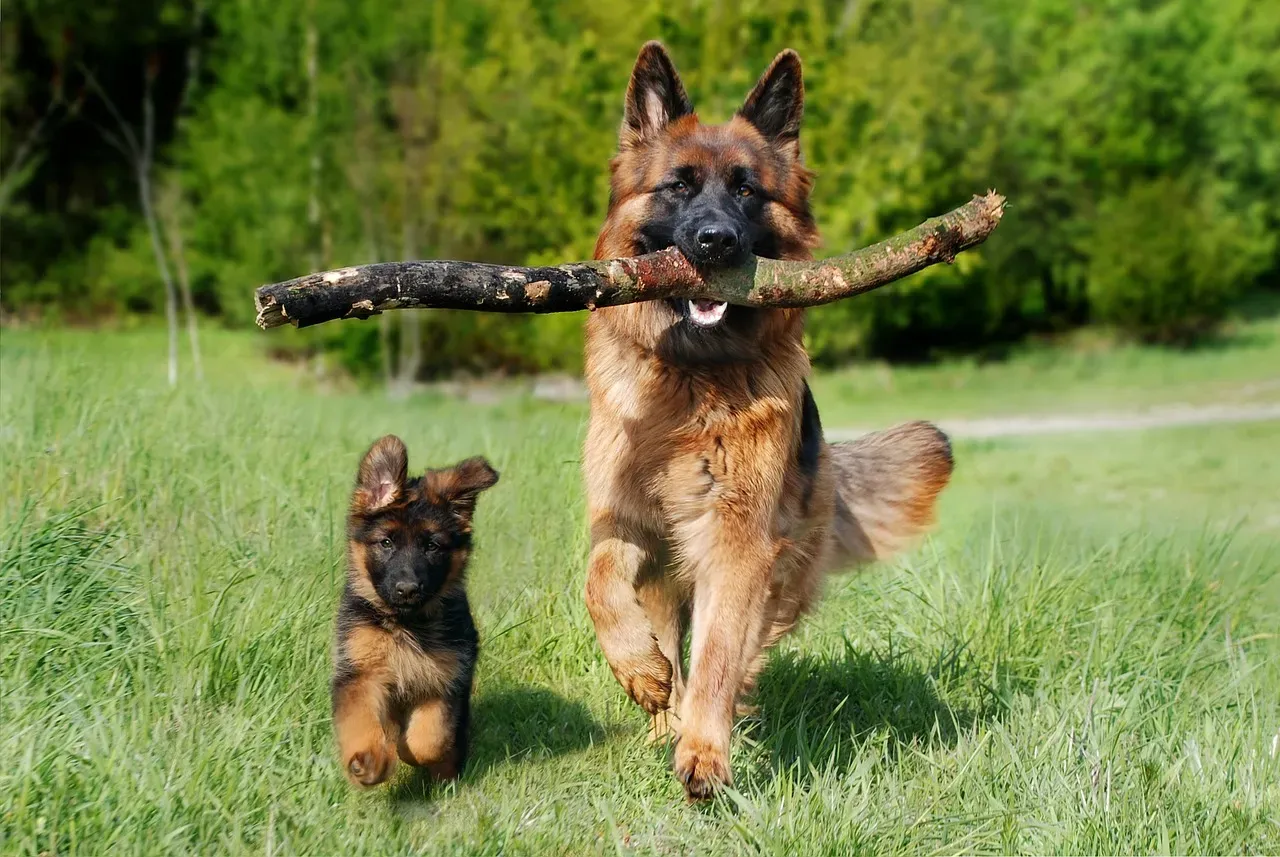
German shepherds are very intelligent and therefore typically easy to train to a job, and they are also very sensitive dogs and can be protective, so their best role on a farm may be protection of property, animals and humans.
While German Shepherds can adapt to various environments, they truly shine on farms where they have space to run and work to do. Their intelligence, trainability, and protective instincts make them exceptional farm dogs who can handle multiple roles from herding to guarding.
Pembroke Welsh Corgi: The Mighty Mini Herder
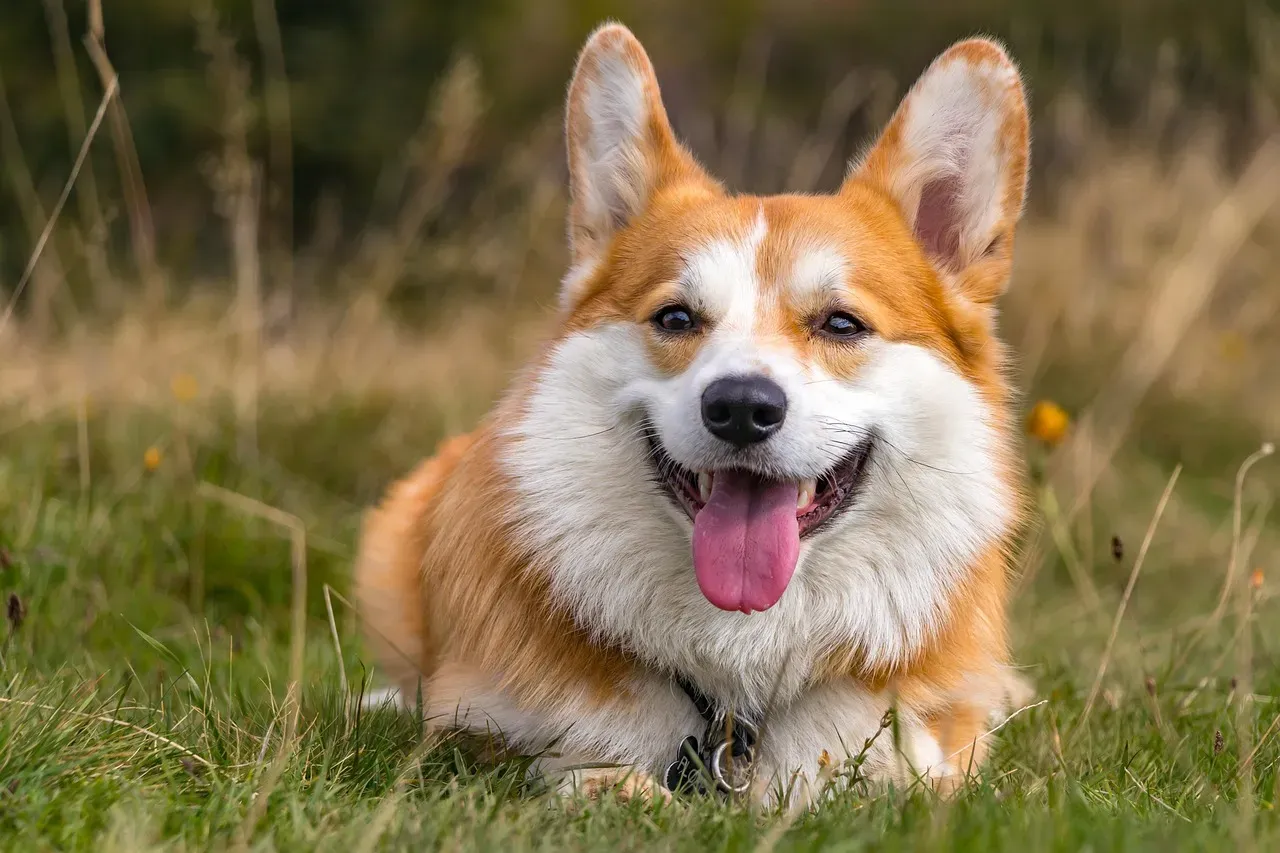
The Pembroke Welsh Corgi might not be the first breed to come to mind when you need a hardy herding dog but these pint-sized canines are bred to work, from cows to sheep, as these dogs are agile and quick despite their compact size.
Don’t let their short legs fool you. Corgis were bred to herd cattle by nipping at their heels while staying low enough to avoid kicks. They need plenty of exercise and mental stimulation, making them better suited for farms or homes with large yards where they can channel their herding instincts appropriately.
Kangal: The Ultimate Livestock Protector
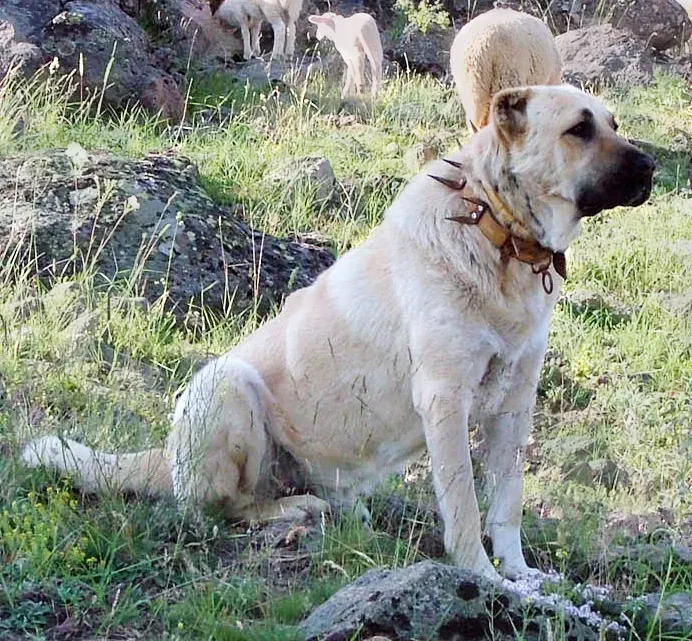
The Kangal Dog is one of the most powerful livestock guardian breeds, boasting incredible strength and speed, and this Turkish breed is known for its unmatched ability to guard livestock, often scaring off wolves with its intimidating presence.
These massive Turkish guardians are serious working dogs bred to protect flocks from apex predators. Their size, strength, and protective instincts make them completely unsuitable for suburban living. On a farm or ranch with livestock to guard, however, they’re unparalleled protectors who take their duties incredibly seriously.
Conclusion
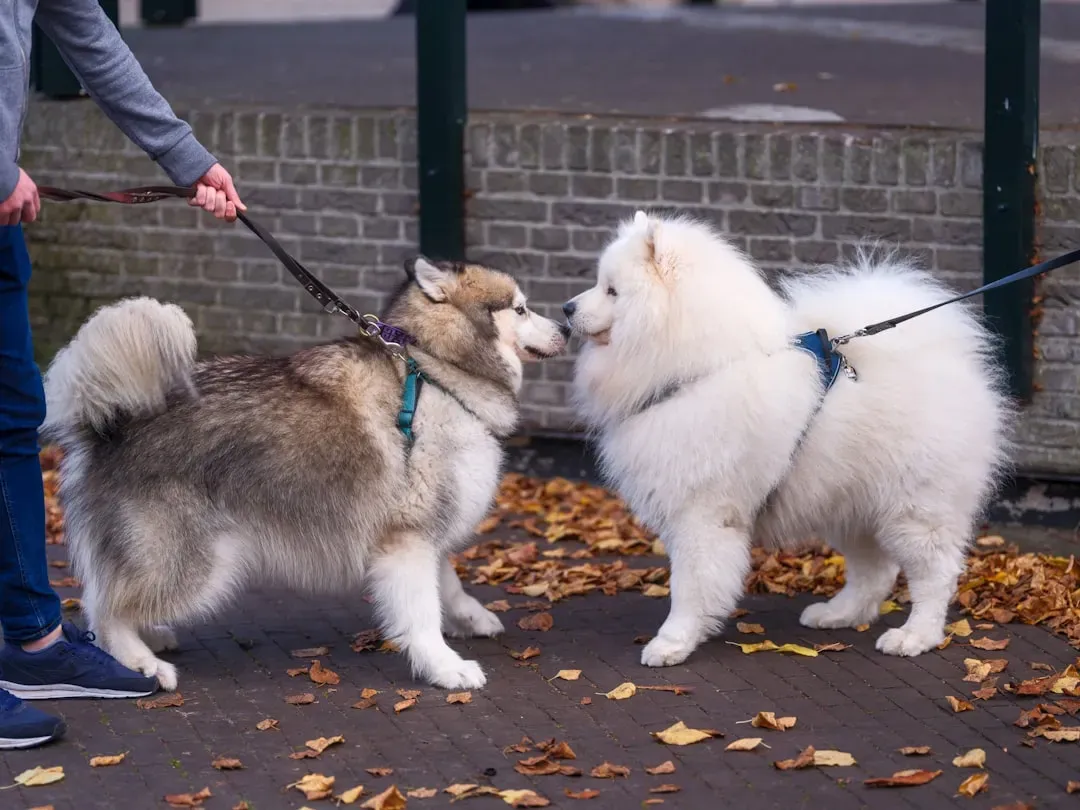
The right dog in the right place makes all the difference. House dogs bring comfort, companionship, and joy to our indoor lives, while farm dogs provide invaluable service, protection, and partnership in agricultural settings. Neither is better than the other – they’re simply built for different purposes.
Before bringing any dog into your life, honestly assess your living situation, activity level, and what you can truly provide. A happy dog is one whose instincts align with their environment. Whether you’re looking for a cuddly couch companion or a hardworking farm partner, choose wisely and commit fully.
What kind of dog fits your lifestyle best? Have you ever had a breed that surprised you with how well they adapted to your home? The journey of finding your perfect canine companion is one of life’s greatest adventures.


