

You love your dog more than anything. The idea of them feeling stressed or overwhelmed in your own home probably makes your stomach drop. Here’s the thing though: some breeds are wired differently. They’re incredibly loving, deeply intuitive, and yes, emotionally fragile in ways that can catch even experienced dog owners off guard.
When your household runs at a high volume, with raised voices, constant activity, unpredictable schedules, or tension hanging in the air, certain dogs don’t just notice. They absorb it. It settles into their bones and shows up as trembling, pacing, hiding, or worse. If you’ve got kids running around, frequent visitors, or just a naturally chaotic routine, understanding which breeds need quieter environments can make all the difference between a happy companion and a deeply anxious one.
Let’s dive into the breeds that need a gentler touch.
Border Collie: The Sensitive Genius Who Overthinks Everything
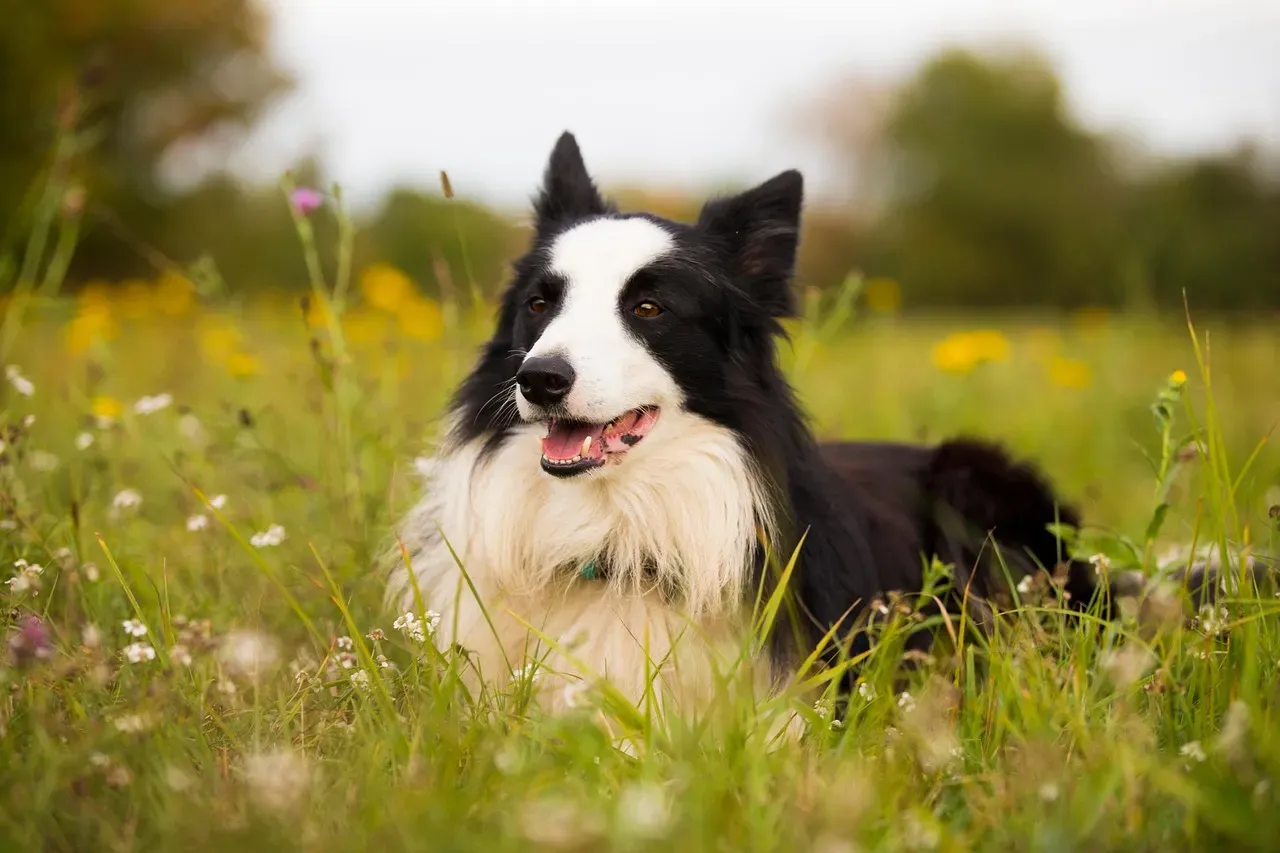
Border Collies are widely regarded as the most intelligent dog breed, but their emotional sensitivity is just as remarkable, often reacting to subtle changes in mood with comforting behaviors. That big brain comes with a cost. These dogs don’t just hear your words; they read your energy, your facial expressions, the shift in your tone when you’re stressed about work.
Border Collies are known for being overly-sensitive dogs that can feel anxious or apprehensive when they’re in new places, around unfamiliar people or with strange dogs. Picture this: your teenager slams a door after an argument, the TV blares in the background, and you’re on the phone raising your voice about a billing error. Their keen awareness of their environment can lead to stress when they’re in unfamiliar or chaotic situations, because loud noises or sudden changes can feel overwhelming. Now imagine a Border Collie trying to process all of that at once, feeling like they need to fix it, herd it, or control it somehow.
Loud sounds like thunder, vacuum cleaners, fireworks or even loud arguments can be frightening. When things feel out of control, this breed often needs to feel in control of their surroundings, and when things feel like they’re out of order, it can be a cause of anxiety. You’ll see signs like constant pacing, refusal to settle down, obsessive staring, or even nipping at people’s heels as they try to restore order. Some breeds that are quite sensitive and highly strung, like the Border Collie, can be seen to suffer more acutely.
Cavalier King Charles Spaniel: The Velvet Shadow That Can’t Be Alone

Cavaliers are particularly sensitive to their environment and can become anxious if there is tension or stress in the home, making them perfect barometers for emotional harmony in their surroundings. Honestly, these little souls were bred to be lap warmers for royalty. They want nothing more than to be pressed against you, feeling your heartbeat, sharing your space.
Leave them alone for long periods, and that sweetness can turn to stress, as separation anxiety is a common issue. In a busy household where people are constantly coming and going, emotions run high, and schedules are all over the place, noisy households and homes where they are left alone by themselves for long hours can make them emotionally distressed. They might refuse to eat, hide under furniture, or whimper quietly in distress.
Their heightened alertness and sensitivity can make Cavaliers more susceptible to stress and nervousness, as loud noises, sudden movements, new environments, or changes in routine can all be significant stressors. When there’s yelling or tension between family members, your Cavalier feels it in their core. If the household lacks structure or affection, they may refuse to eat, hide, or whimper quietly.
Greyhound: The Quiet Racer With a Fragile Heart

Most people don’t expect a muscular racing dog to be emotionally delicate, but Greyhounds are surprisingly gentle souls. By their very nature, greyhounds are a sensitive group of dogs, often referred to as “aloof,” though what they really mean is anxiety with a freeze response. They come from structured kennel environments where routines were predictable and life was calm.
Problems can arise when the dog retires and suddenly loses the predictable environment offered by a kennel, as they are abruptly thrust into a world full of sights, sounds and smells that are previously foreign to them. The noise of a busy household, unpredictable schedules, kids shouting, doors banging? All of it can send them into shutdown mode. You might find them frozen in place, tail tucked tight, eyes wide.
A significant number are fearful and many have anxiety. There’s nothing more heart breaking than watching a Greyhound huddled in fear and shaking uncontrollably at loud noises such as fireworks and thunder. They need quiet routines, gentle voices, and a household where chaos doesn’t rule the day.
Toy Poodle: Tiny Dog, Enormous Feelings

Don’t let the fluffy haircut fool you. Toy Poodles are renowned for their high intelligence and acute awareness of their environment, but this sensitivity is a double-edged sword: it allows them to learn quickly, but it also means they are more likely to become stressed in unfamiliar or chaotic situations. These little dogs are emotional sponges.
Loud noises, sudden movements, and new environments can all be significant stressors for Toy Poodles, and their ability to pick up on subtle changes makes them more prone to anxiety when these changes occur unexpectedly or too frequently. They watch your every move, read your stress levels, and when your household is in constant flux, they fall apart. You’ll see them trembling during arguments, hiding when visitors arrive, or refusing to leave your side.
Poodles are extremely responsive to the emotional climate of their home and can become quite sensitive to stress and conflict, often using their intelligence to engage in behaviors that reduce stress and bring joy to their families. In a calm, structured home, they thrive. In emotional chaos, they crumble.
Shih Tzu: The Little Emperor Who Needs Peace

The Shih Tzu may be small, but its emotions are anything but, known for its playful nature and gentle disposition, bonding deeply with its human family as their sensitive nature makes them crave attention and love every moment of the day. These dogs were companion animals for Chinese royalty, and they still expect to be treated like little emperors.
This breed prefers peace and quiet over chaos, as loud noises or harsh treatment can easily upset them. When your home is filled with raised voices, slamming doors, or constant commotion, Shih Tzus can develop destructive behaviors or mild separation anxiety. They’ll chew things they shouldn’t, pace nervously, or become clingy to the point of obsession.
When left alone too long, they can develop destructive behaviors or even mild separation anxiety. They need gentle handling, soft tones, and an environment where they feel like the treasured companion they were bred to be. Harsh corrections or chaotic energy will break their spirit faster than you’d think.
Cocker Spaniel: The Sensitive Soul Behind Those Soulful Eyes

Behind those soulful eyes is a dog that feels everything, and even a stern tone can make them sulk. Cocker Spaniels bond tightly with their owners, but that deep connection comes with emotional vulnerability. They’re sweet, eager to please, and desperate for your approval.
Push them too hard or ignore them, and they may become anxious or withdrawn. In a household where there’s tension, yelling, or inconsistent routines, Cocker Spaniels can be prone to anxiety, especially if not socialized properly or if they experience changes in their environment. You might notice them becoming clingy, exhibiting nervous behaviors, or hiding when the emotional temperature rises.
Watch out for signs of separation anxiety, as they’re prone to it. They need regular mental stimulation, consistent affection, and a calm environment where they can feel secure. Chaos makes them crumble.
Bichon Frise: The Fluffy Ball of Nervous Energy
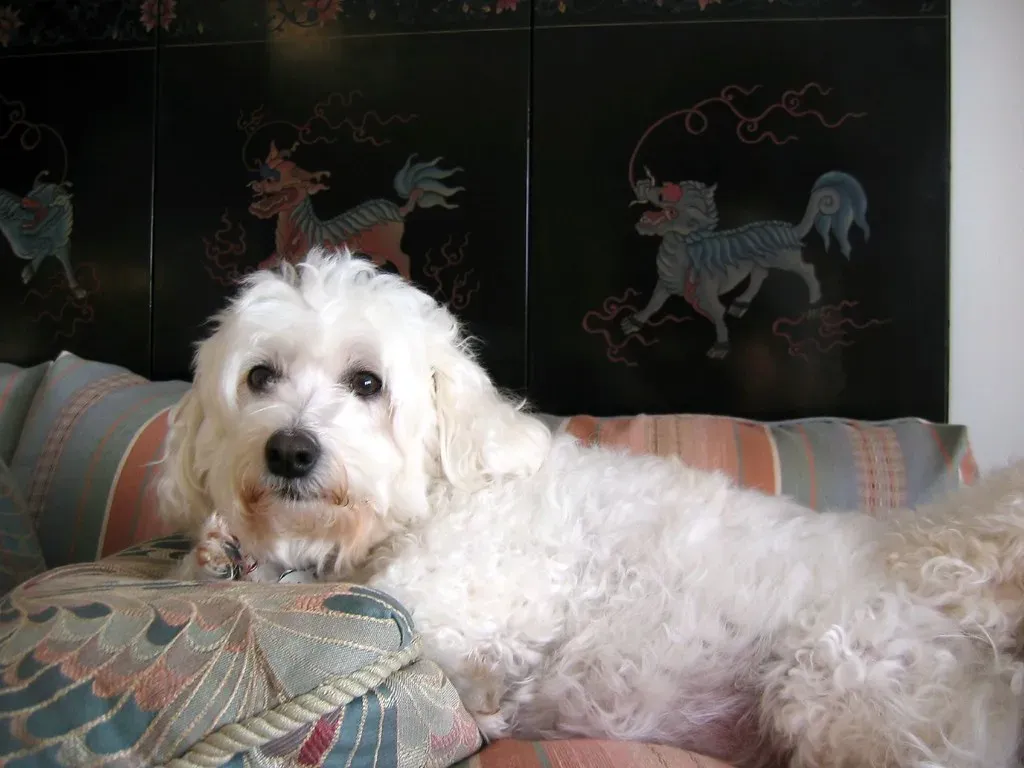
The Bichon Frise is a bright, affectionate companion dog known for its emotional sensitivity and tendency to develop separation anxiety, forming tight bonds with their human family that make alone time a real challenge, and may also become overly excitable and prone to excessive barking when anxious. These little white puffballs seem cheerful and carefree, but underneath that fluffy exterior is a dog that absorbs every ounce of emotional energy in the room.
Bichons are among the most anxious dogs when routines shift or mental stimulation is lacking, as their clingy nature, combined with noise sensitivity and high reactivity, means they may exhibit behaviors like barking or pacing during stressful moments. In a household with unpredictable schedules, frequent arguments, or constant visitors, Bichons can spiral into anxiety-driven behaviors. They’ll bark incessantly, pace back and forth, or refuse to settle.
They need structure, gentle handling, and calm surroundings. When life gets messy and loud, they simply can’t cope.
Whippet: The Quiet Worrier Who Just Wants Calm

Whippets are calm and sensitive dogs that form strong emotional bonds with their owners, known for their quiet and gentle demeanor, and are highly responsive to their human’s emotions, often staying close when they sense sadness or stress, thriving in peaceful environments. These elegant, gentle creatures are built for speed but wired for sensitivity.
Whippets can be prone to anxiety, especially in response to separation or loud noises, forming strong bonds with their families and preferring a peaceful environment, with routines that include regular exercise and companionship helping to manage their anxiety. In emotionally chaotic homes, they’ll withdraw. You might find them curled up in a corner, avoiding eye contact, or trembling when voices are raised.
They’re not built for drama. They need predictable routines, quiet spaces, and owners who understand that their sensitivity isn’t weakness, it’s just who they are. Chaos makes them anxious, and anxiety makes them miserable.
Conclusion: Choosing Calm for Your Sensitive Companion

Here’s the truth: these dogs aren’t defective. They’re not broken or bad. They’re just wired to feel more deeply, notice more acutely, and struggle in environments that other dogs might tolerate. If your household is emotionally intense, unpredictable, or just plain loud, bringing one of these breeds home might not be fair to them or to you.
It doesn’t mean you can’t have a dog. It means you need to choose one that matches your lifestyle or commit to creating a calmer environment for your sensitive companion. These dogs give so much love, but they need you to give them peace in return. So what do you think? Could you adjust your household energy for one of these gentle souls, or would a more resilient breed be a better fit?


