

Choosing the right dog for your living situation can feel overwhelming, right? I’ve watched countless friends in the city struggle with anxious pups who need more room to roam, while others discover unexpected joy with breeds that love cozy apartment life. The truth is, finding that perfect match isn’t always about size. Some tiny terriers have boundless energy that’ll drive you both crazy in a small space, while certain gentle giants are surprisingly content lounging on your sofa all day.
Let’s be real here. Your living space matters enormously to your dog’s happiness and your sanity. Whether you’re nestled in a high rise downtown or blessed with acreage in the countryside, understanding which breeds naturally adapt to your environment will save you heartache down the road. This isn’t just about what’s cute or trendy. It’s about setting both of you up for years of contentment together.
French Bulldogs: Compact Charmers Born For City Life
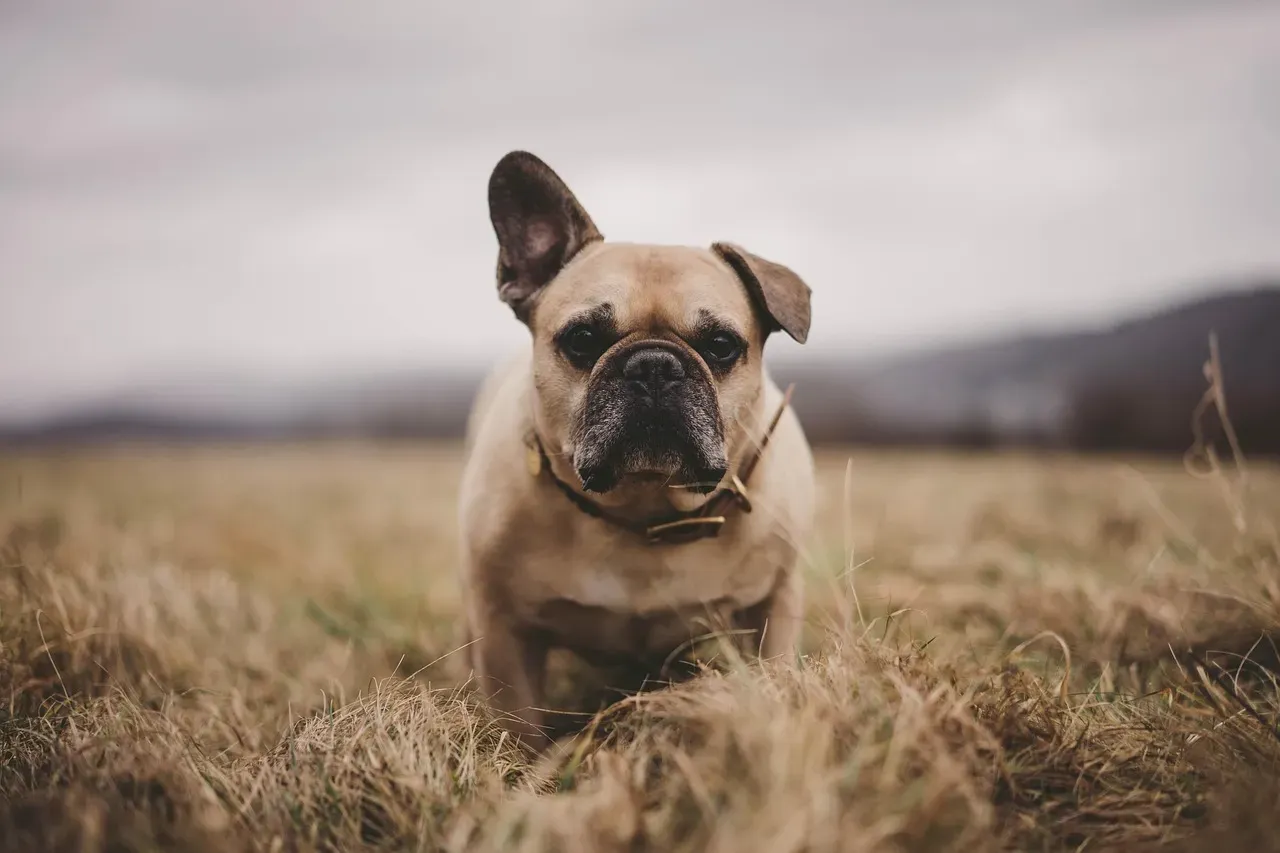
French Bulldogs are a top choice for apartment dwellers, with their compact size and relaxed demeanor making them ideal companions for indoor living. These little clowns with bat ears and wrinkled faces barely need much exercise beyond short walks. Frenchies require little exercise but enjoy short walks, which makes them perfect for busy urbanites who work long hours.
Here’s the thing about Frenchies that surprises people. They’re surprisingly quiet compared to many small breeds. Your neighbors probably won’t even know you have a dog, which is golden when you’re sharing walls with strangers. Their calm demeanor and minimal exercise needs make them a favorite among urban dwellers.
Watch for overheating though. Bulldogs are susceptible to overheating because of their short snout, so keep your apartment cool and avoid midday summer walks. Their adorable smushed faces come with breathing challenges that need your attention.
Cavalier King Charles Spaniels: Velcro Dogs Who Love Small Spaces

Their small size, adaptability, and gentle nature make them an excellent choice for families with children or older adults, and they love cuddling and adjust well to apartment settings. Honestly, these dogs were practically bred for lap sitting. They want nothing more than to be wherever you are, making them naturally suited to close quarters.
The Cavalier’s easygoing temperament is legendary among dog lovers. Cavaliers love being close to their owners, so the smaller the space, the better, as far as they’re concerned. Just picture coming home after a stressful day to those soulful eyes and wagging tail in your cozy apartment.
But here’s what you need to know upfront. Cavaliers are prone to separation anxiety, and leaving them alone for long hours can lead to barking or destructive behavior. If your job keeps you away from home constantly, this might not be your ideal match. They also need regular grooming and monitoring for heart issues, so budget accordingly.
Greyhounds: Surprising Couch Potatoes In Sleek Packages
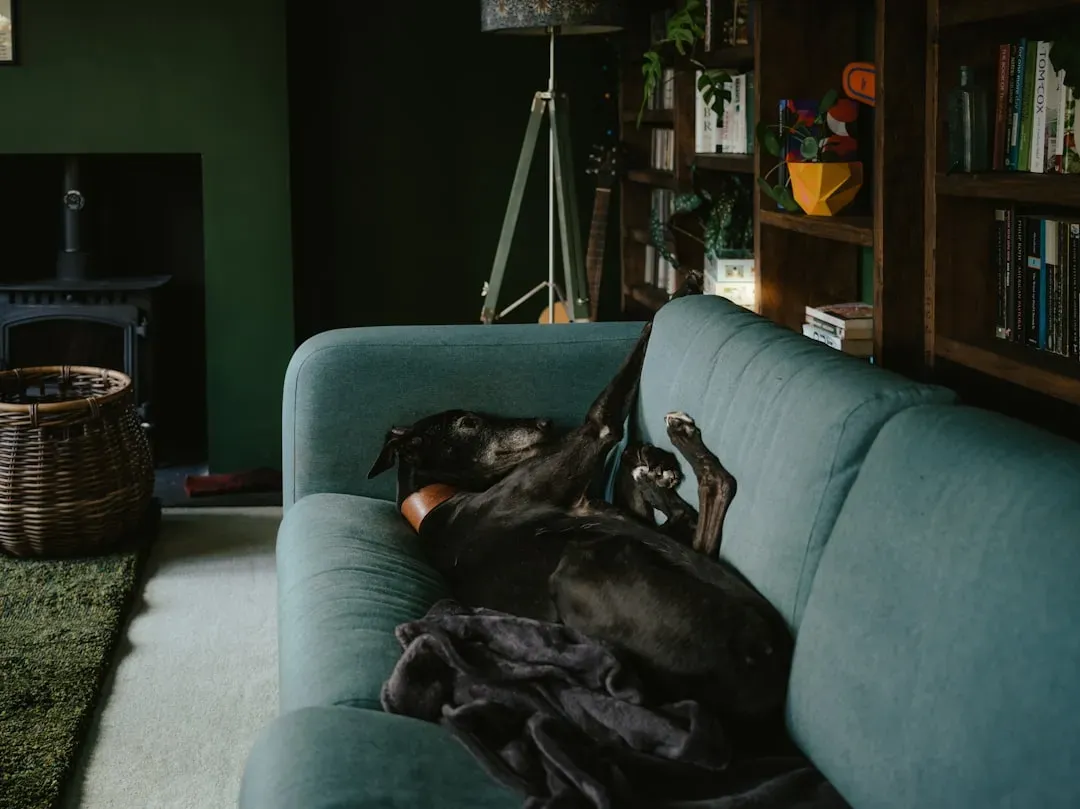
Wait, a racing dog for an apartment? I know it sounds crazy, but hear me out. Greyhounds have two speeds, sprinting and napping, and they spend most of their time in nap mode. They are laid back and love lounging, making them fit for small spaces.
These elegant hounds are shockingly low maintenance despite their athletic build. Although Greyhounds are among the fastest animals in the world, they are somewhat low-energy dogs and will be satisfied with a simple daily walk. They’d appreciate an occasional sprint in a safely enclosed area, but otherwise they’re perfectly content being your couch buddy.
These pups aren’t known to bark much, which should make your neighbors happy. Their quiet nature and gentle temperament make them surprisingly ideal urban companions. Just remember they’re sensitive souls who respond best to gentle training approaches.
Boston Terriers: The Tuxedoed Gentlemen Of Apartment Living

Boston terriers have an ideal combination of size and temperament and low-maintenance needs, and are also small enough to be able to get almost all of their exercise needs indoors. These dapper little dogs in their natural tuxedo markings truly live up to their nickname as American gentlemen.
Their playful yet manageable energy makes them wonderfully adaptable. The Boston Terrier is an energetic and playful dog breed, they shed very minimally and adapt to living in an apartment quickly, making them an ideal choice for urban dwellers looking for an active breed. They’ll happily play fetch down your hallway or engage in indoor games when weather keeps you inside.
One practical advantage? Boston Terriers have low shedding and barking levels but come with high energy levels, and they tend to get overheated outside if the climate is hot or humid, making them great for indoors where the air can be conditioned. Your vacuum cleaner will thank you, and so will your air conditioning bill.
Shih Tzus: Palace Dogs Content In Your Studio
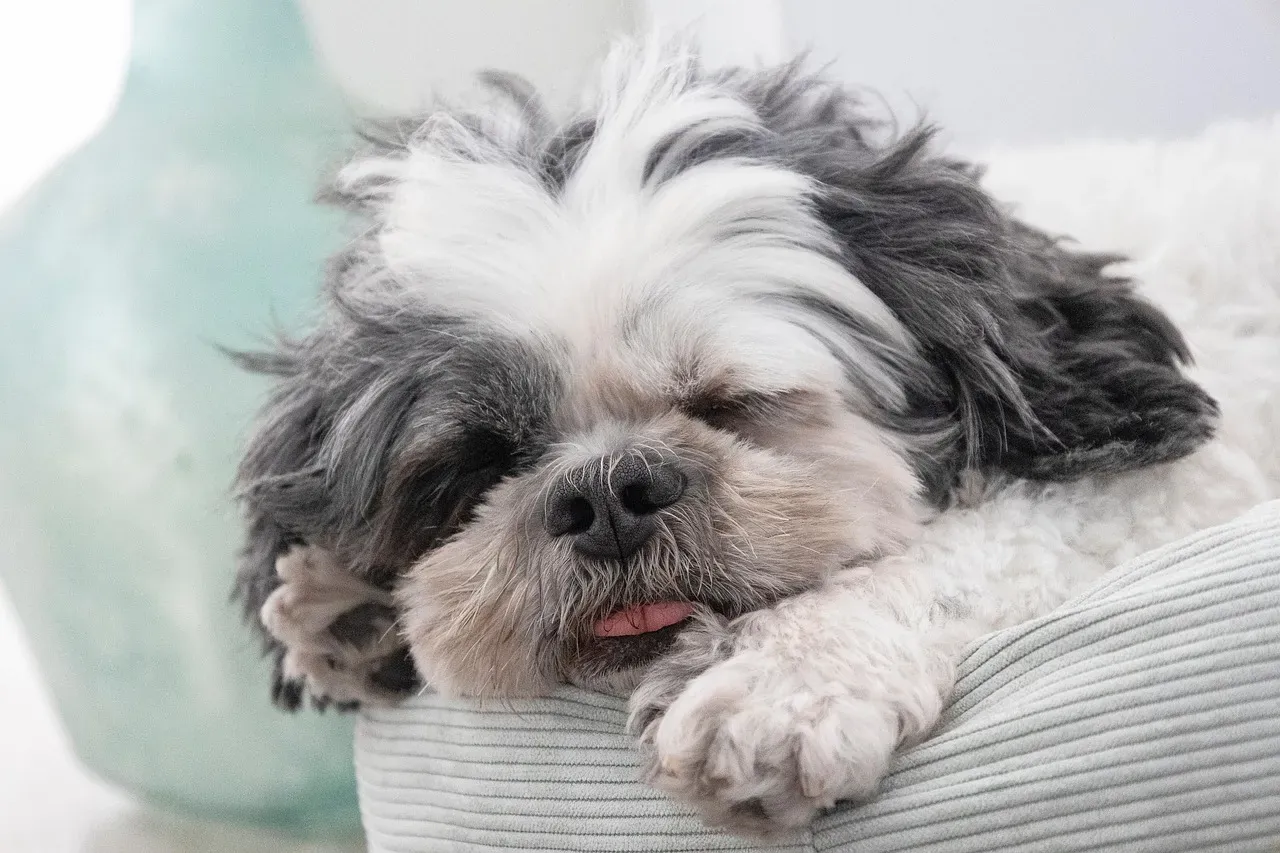
Originally bred to live inside Chinese palaces, Shih Tzus will settle for your more modest digs quite happily, and these affectionate little guys are especially great with kids and other dogs. If royalty thought these dogs were perfect for indoor palace life, your apartment should suit them just fine.
Shih Tzus are true homebodies, originally bred to live in palaces, and these dogs are happiest indoors, curled up on a cozy blanket or napping near their humans, making them easygoing and sociable. They’re not demanding when it comes to exercise, though they do enjoy leisurely strolls.
The grooming commitment is real though. That luxurious coat requires regular grooming, so factor in professional grooming costs or time spent brushing. Early training helps prevent excessive barking, which can sometimes be an issue with small companion breeds.
Havanese: Velcro Pups Who Won’t Disturb The Peace
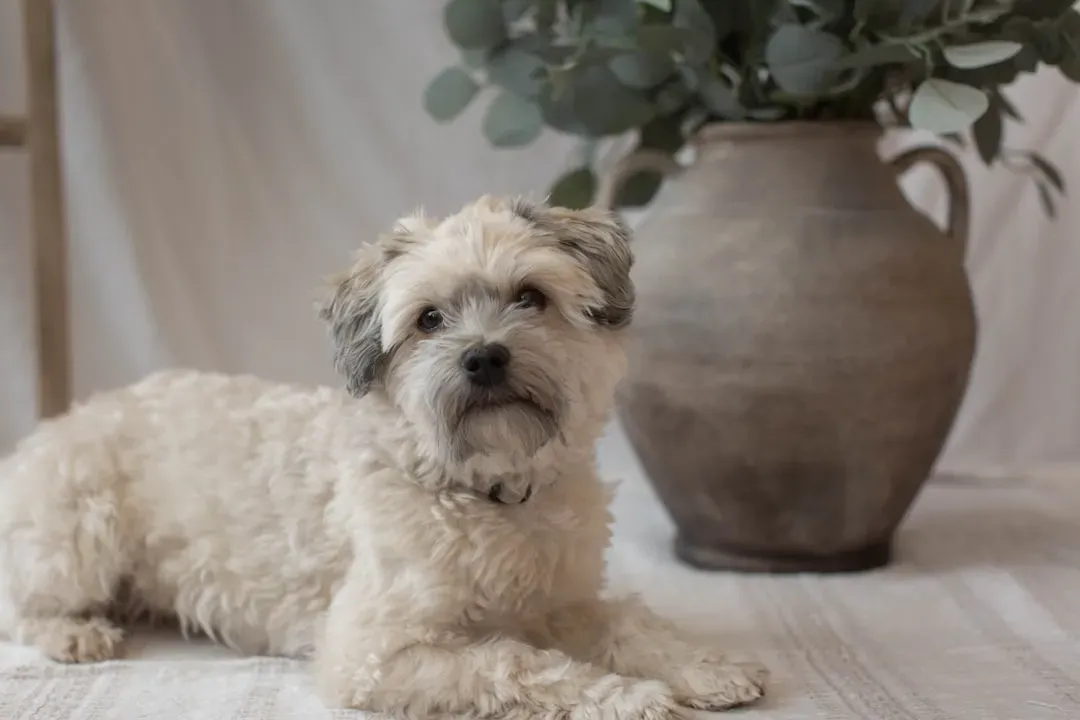
The Havanese is a moderately active small dog breed, these playful and affectionate dogs are quick to learn new things, and they adapt to living in confined areas quickly, loving to cuddle up with their owners in small spaces. If you work from home or have family around most of the day, Havanese make absolutely delightful companions.
Here’s what makes them apartment gold. This breed isn’t yappy – something your neighbors will appreciate. Unlike many small breeds that bark at every sound, Havanese tend to be remarkably quiet. Havanese are energetic yet don’t need hours of exercise, and a daily walk should do the trick.
That said, they’re not ideal for people who are constantly on the go. If you’re always on the go, this might not be the breed for you, as these dogs do best with lots of two-legged or four-legged company. Separation anxiety can develop if they’re left alone too frequently.
Bichon Frise: Cheerful Cotton Balls Of Joy
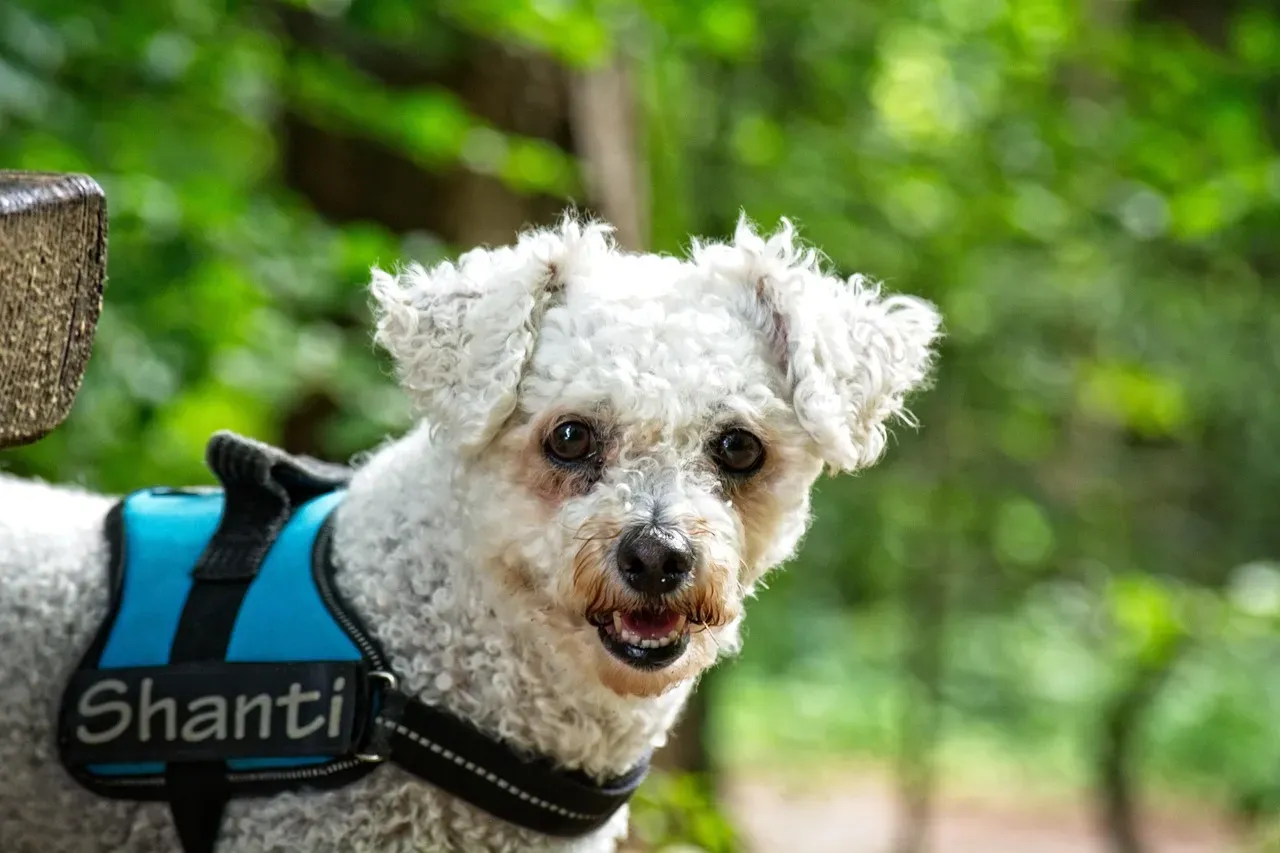
Bichon Frisés are among the best dogs for apartments due to their size, low shedding, and positive disposition, and they get along with other pets, kids, and roommates. These fluffy white clouds of happiness seem perpetually cheerful, bringing sunshine into even the smallest spaces.
Their adaptability is remarkable. The bichon frise is a happy-go-lucky people-pleaser who is easily one of the best apartment dogs, and while they can make excellent agility competition dogs, they’re also more than happy to spend long stretches quietly on the couch. They’re genuinely versatile little companions who match your energy level.
The hypoallergenic coat is a major bonus for allergy sufferers. Just remember that low-shedding doesn’t mean low maintenance. These pups require attention and don’t take kindly to being left alone for too long, so they need owners who can provide regular companionship.
Pugs: Snuggly Comedians With Minimal Space Needs
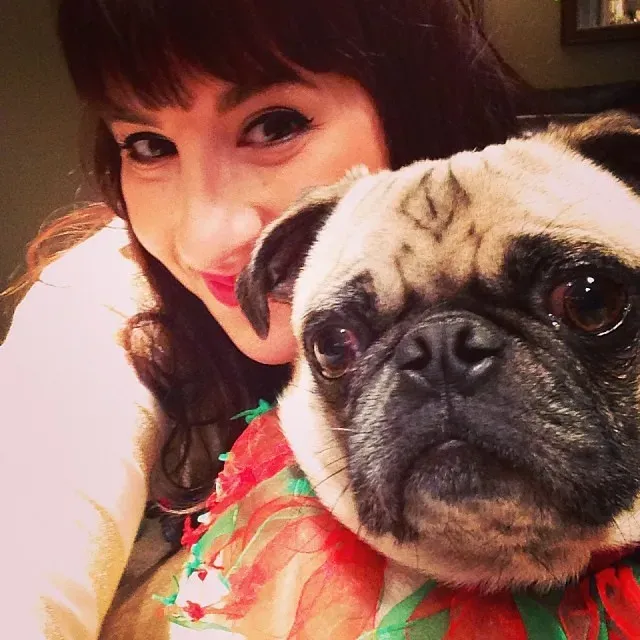
Pugs are true companion dogs who enjoy snuggling up on the couch, perhaps the only thing they love more is food, and they’re low-maintenance dogs who thrive in smaller spaces due to their minimal exercise needs. These wrinkly faced clowns are walking entertainment systems wrapped in compact packages.
Their laid-back nature makes apartment life a breeze. Pugs can be good candidates for apartment living – as long as their owners are around to give them the affection they need. They won’t demand marathon exercise sessions or endless activity. A leisurely walk and some playtime usually satisfies them completely.
Be prepared for some quirky sounds though. While the breed is unlikely to become a problem-barker, you will need to get used to the snorting and snoring sounds caused by their short airways. Also watch their weight carefully since they love food and need portion control to stay healthy.
Labrador Retrievers: Energetic Athletes Needing Room To Run
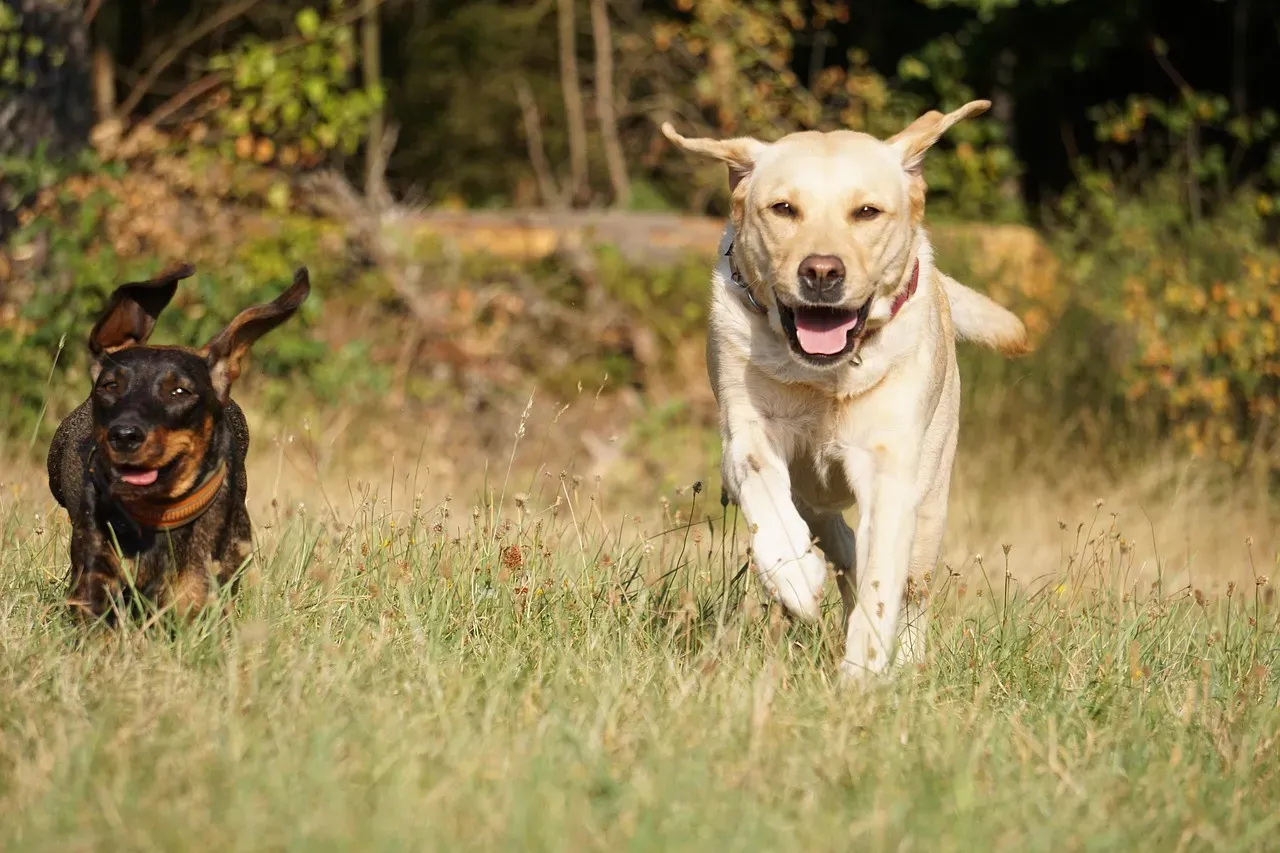
Now let’s shift gears to dogs who genuinely need expansive outdoor space. Labrador Retrievers are one of the most popular dog breeds in the U.S. and are known for their friendly and energetic temperament, with Labs being medium-to-large sporting dogs, weighing between 55 and 80 pounds. These beloved family dogs are bundles of enthusiasm who need outlets for all that energy.
Labradors are an excellent choice for large yards due to their high energy levels and love for outdoor activities, as they enjoy running, fetching, and swimming, making them perfect for active owners with ample space. Picture them bounding across fields, plunging into ponds, retrieving balls endlessly. That’s where Labs truly shine.
The beloved Golden Retriever and Labrador Retriever breeds are two more rural, country-loving breeds, at their happiest exploring the countryside with their person, playing retrieve games, and if you’ve got a medium to large-sized garden, they’ll be even happier. Without adequate space and exercise, their pent-up energy can turn into destructive behavior inside your home.
Border Collies: Brilliant Workaholics Who Need Jobs And Space
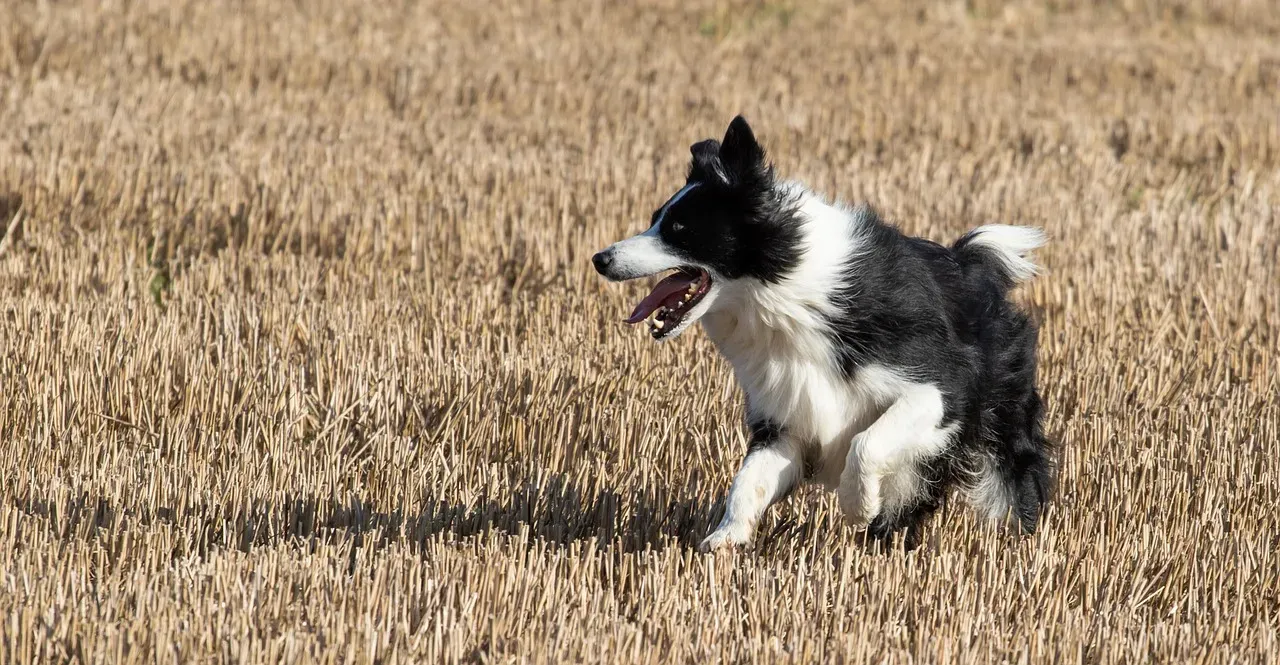
The Border Collie is an alert and agile breed known for its remarkable speed and intelligence, and originally bred as a herding dog, it thrives on mental challenges and physical activity. These dogs are essentially furry Einstein athletes who need constant stimulation.
Here’s the reality with Border Collies. Border Collies, Australian Shepherds, and Belgian Malinois can work in cities but require owners who can provide 2+ hours of focused exercise and mental stimulation daily, and without adequate stimulation, they often develop destructive behaviors. We’re talking serious commitment here, not just a casual walk around the block.
They absolutely flourish in rural environments with acreage where they can run, herd, and work. If you’re considering a Border Collie without significant outdoor space and time for intense activities like agility training or herding work, please reconsider. These brilliant dogs deserve environments where their incredible abilities can shine.
German Shepherds: Majestic Guardians Needing Space And Purpose
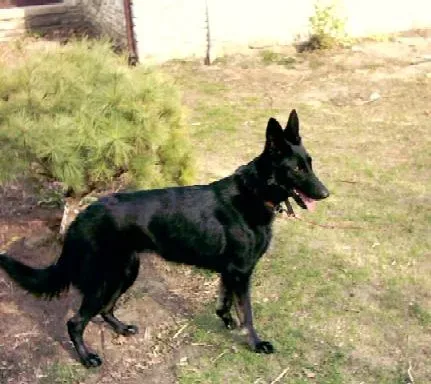
Large breeds like German Shepherds, Golden Retrievers, and Labrador Retrievers typically need more space due to their size and high energy levels, and these dogs benefit from a spacious yard where they can run freely and play fetch or other active games. German Shepherds in particular combine size, intelligence, and working drive in ways that demand substantial space.
A home with a secure, medium to large-sized garden is the ideal setup for a German Shepherd, and country life is a much better fit than urban chaos for this smart, large dog breed who can often get overstimulated, reactive and stressed with the constant bombardment of stimuli from city life. These magnificent dogs were bred for demanding work, and they need outlets for both their physical stamina and mental sharpness.
Without proper space and stimulation, German Shepherds can develop anxiety and behavioral issues. They thrive when they have territory to patrol, family to protect, and plenty of room for training exercises. Cramped apartment living rarely brings out the best in these noble dogs.
Siberian Huskies: Arctic Runners Built For Endless Expanses
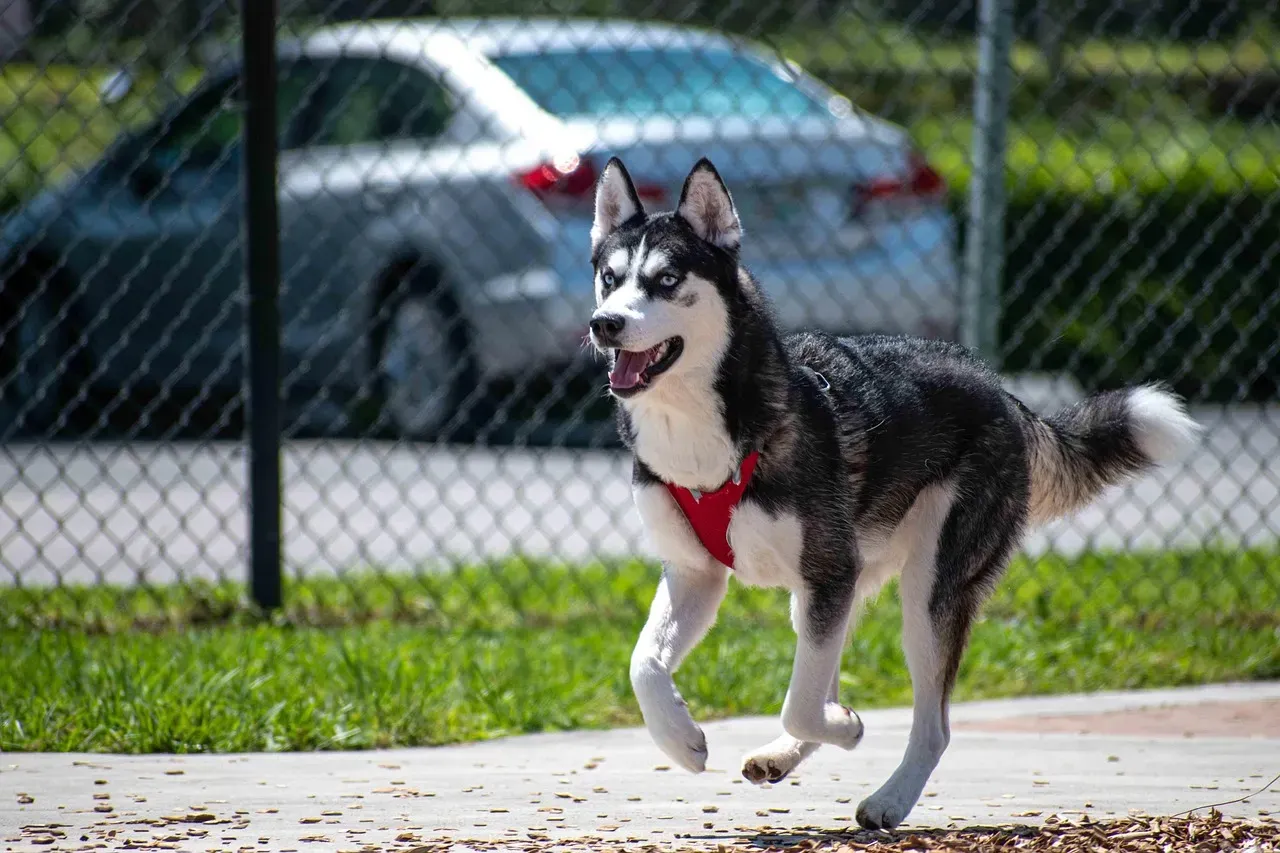
Medium-sized dogs like Australian Shepherds, large dogs such as Siberian Huskies, and even giant dogs require space to stay active and engage in various outdoor activities. Huskies were literally bred to pull sleds across frozen tundra for miles. That heritage doesn’t just disappear because they’re living in modern times.
These stunning dogs have energy reserves that seem bottomless. They need extensive daily exercise in large outdoor spaces where they can really stretch their legs and run. A small backyard simply won’t cut it for a Husky’s exercise requirements.
The Siberian Husky as an example might not be a giant but is an expert escapologist! They need sturdy, high fencing and vigilant owners. Without adequate space and proper outlets for their energy, Huskies become destructive, vocal, and genuinely unhappy. If you’re considering a Husky, you better have acreage and an active lifestyle to match their needs.
Conclusion: Matching Your Space To Your Dog’s Soul
Finding the right breed for your living situation isn’t about compromising. It’s about honoring what your future companion truly needs to thrive. Those eight apartment-friendly breeds we explored aren’t just tolerating small spaces, they’re genuinely content in them. Meanwhile, those four space-hungry breeds aren’t being difficult, they’re simply being true to their nature.
I think the most loving thing you can do is honest assessment. Look at your actual living space, your genuine activity level, and your real available time. Then choose a breed whose natural temperament aligns with what you can authentically provide. When that match clicks into place, magic happens. Your dog will be genuinely happy, not just surviving, and that contentment radiates through your entire relationship.
What matters most to you when choosing a dog for your space? Share your thoughts in the comments below.


