
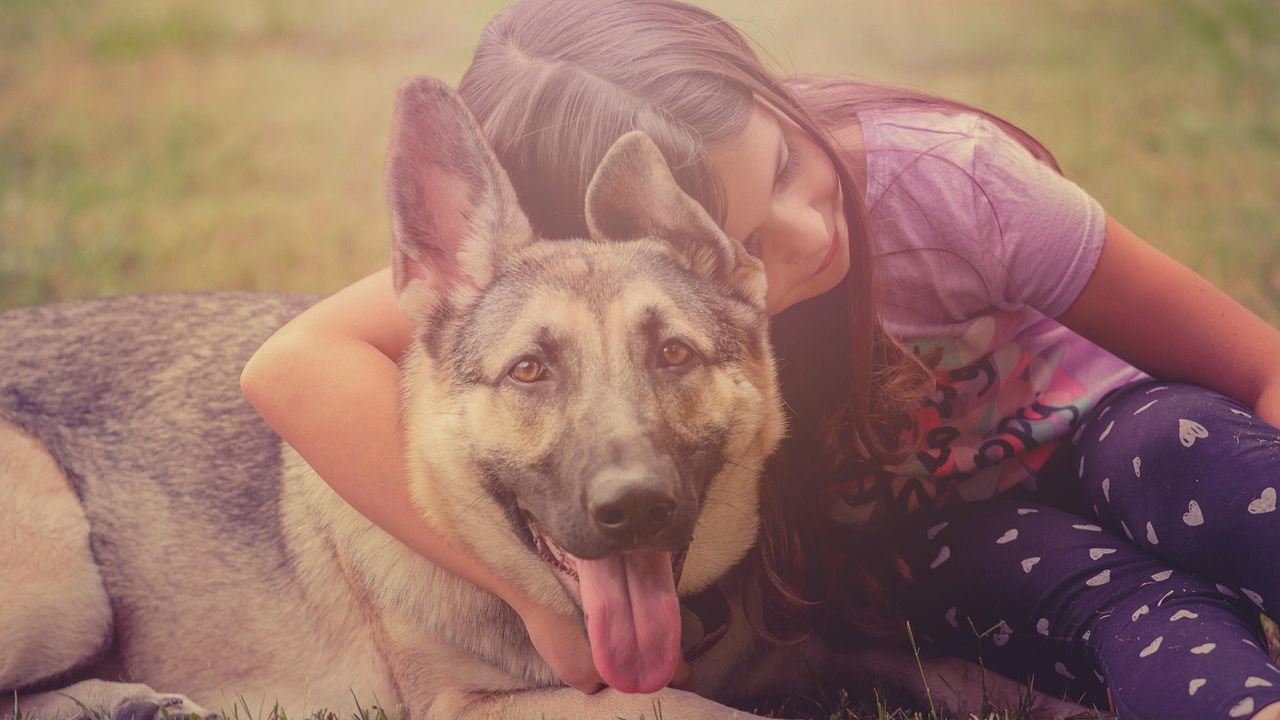
Ever notice how some people cross the street when they see certain dogs coming? Their knuckles turn white as they clutch their child’s hand a little tighter, all because of what the dog looks like rather than how it actually behaves. Honestly, it breaks my heart every time.
These dogs don’t deserve the reputation they’ve been saddled with. The truth is, the dogs people fear most are often the ones who’d lick your face off before they’d ever think about hurting you. Let’s set the record straight about these misunderstood breeds.
Pit Bulls: The Nanny Dog That Got a Bad Rap
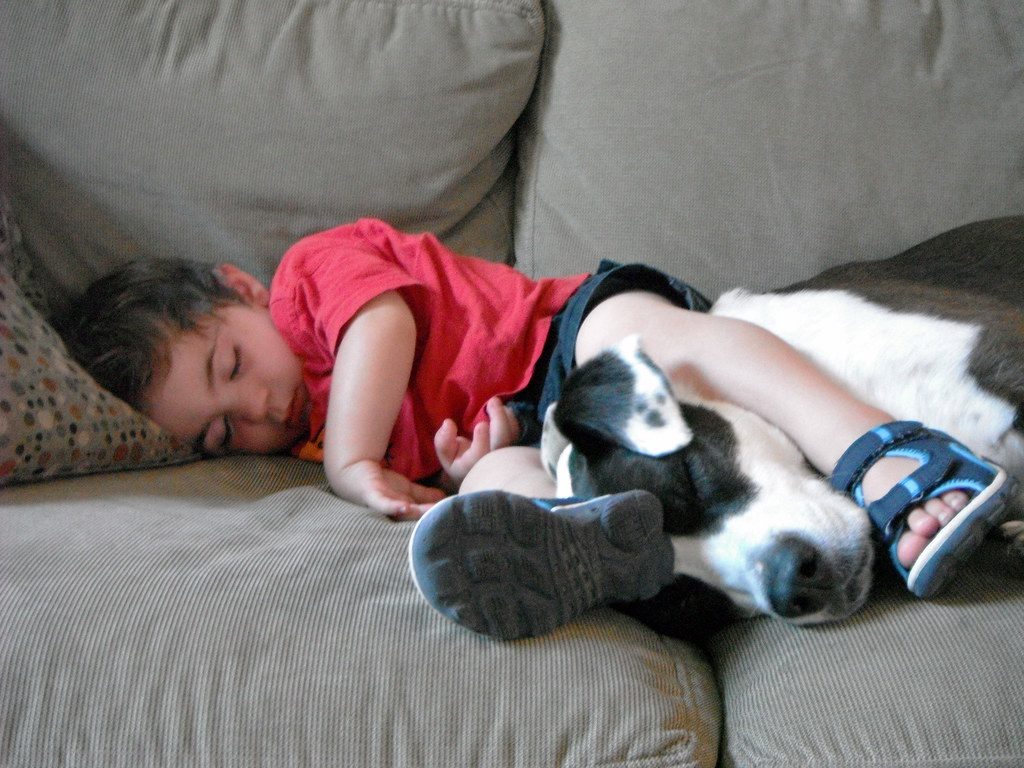
Pit Bulls have passed temperament tests with flying colors, scoring over 86 percent and ranking in the top 20 percent of all breeds evaluated. That’s better than many breeds people consider harmless family pets. Back in the early 1900s, Pit Bulls were actually known as “Nanny Dogs” because they were trusted to keep children safe.
Despite being one of the most maligned breeds, the majority of Pit Bulls love people and are highly intelligent and eager to please, making wonderful family dogs thanks to their gentle, loving, and loyal nature. The problem isn’t the dog. It’s that their fierce loyalty and strength made them targets for people with bad intentions. Their behavior toward strangers depends on their individual temperament, socialization, and training, and with proper socialization they can be friendly and well-behaved.
Rottweilers: Gentle Giants Behind the Muscles
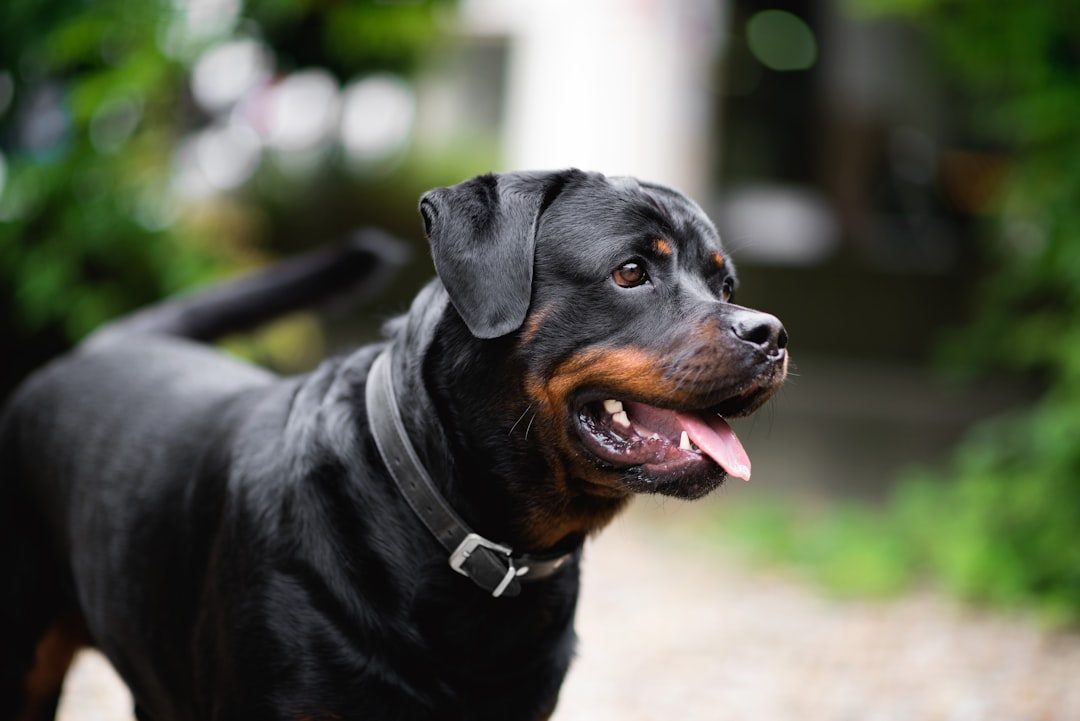
Rottweilers are known as descendants of Roman drover dogs that helped herd cattle, and they scored 84.1 percent on their temperament test. These massive dogs have hearts to match their size. Sure, they look intimidating at first glance.
Rottweilers are truly gentle giants who are calm, courageous, confident, and loyal, and when well-raised and properly socialized, they make excellent family friends and protectors. Rottweilers are calm and composed until their lives or those of their family members are threatened, and in addition to being guard dogs, they are affectionate and devoted companions. They need consistent training and socialization, but when given proper guidance, they’re reliable companions who just want belly rubs and quality time with their people.
German Shepherds: Misunderstood Protectors
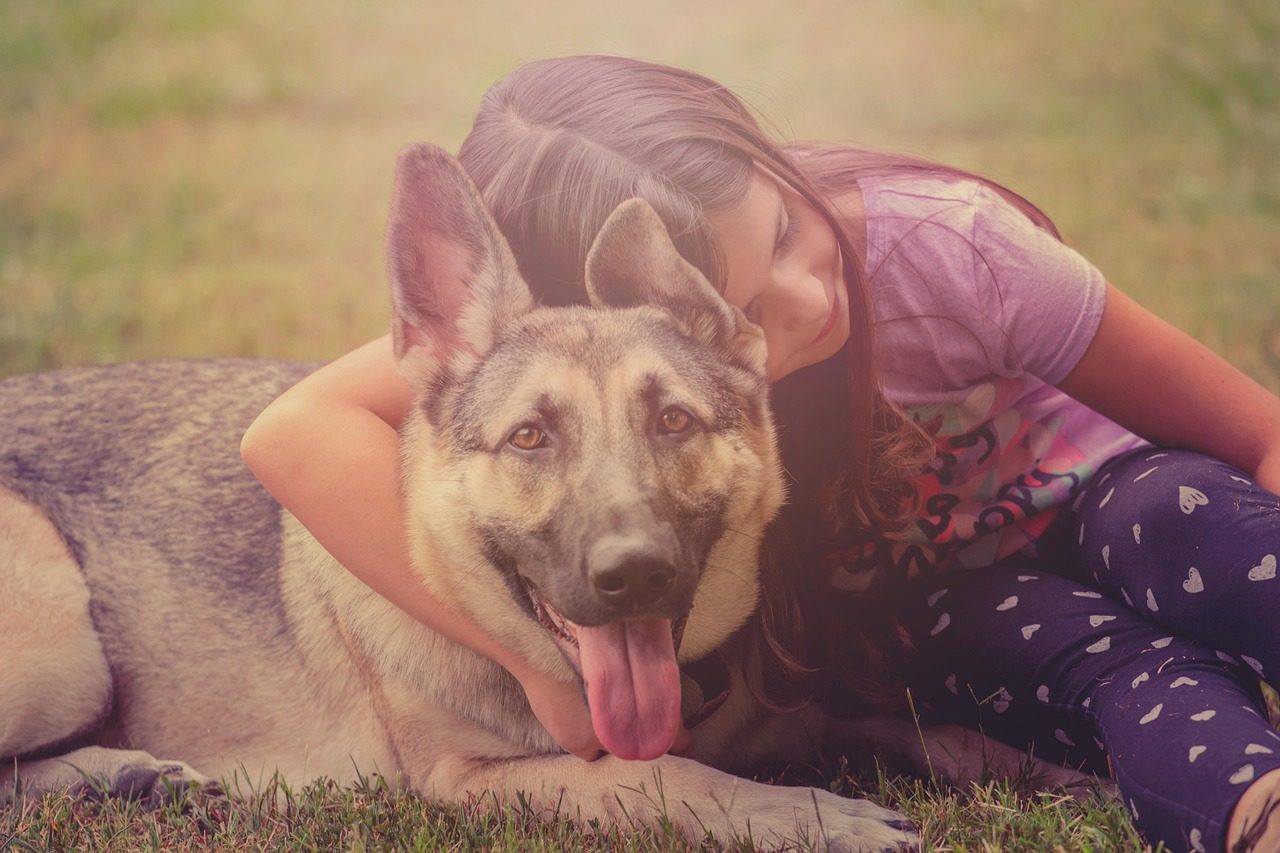
Let’s be real about German Shepherds. Their use in police and military work has given some people the wrong idea about their temperament. According to the American Kennel Society, German Shepherds are loyal, smart and a true dog lover’s dog, and they earned 84.4 percent on the temperament test.
Behind that threatening exterior is a dog who was bred to protect livestock, and with the right upbringing, German Shepherds are loyal, brave, and extremely faithful companions. German Shepherds are strong, alert, courageous, loyal, obedient, intelligent and loving, and though they can be aloof with strangers, once they bond with you, you’ll have a life-long friend. They thrive on having a job to do, which makes them fantastic working dogs but also wonderful family members.
Doberman Pinschers: Loyal Lap Dogs in Disguise
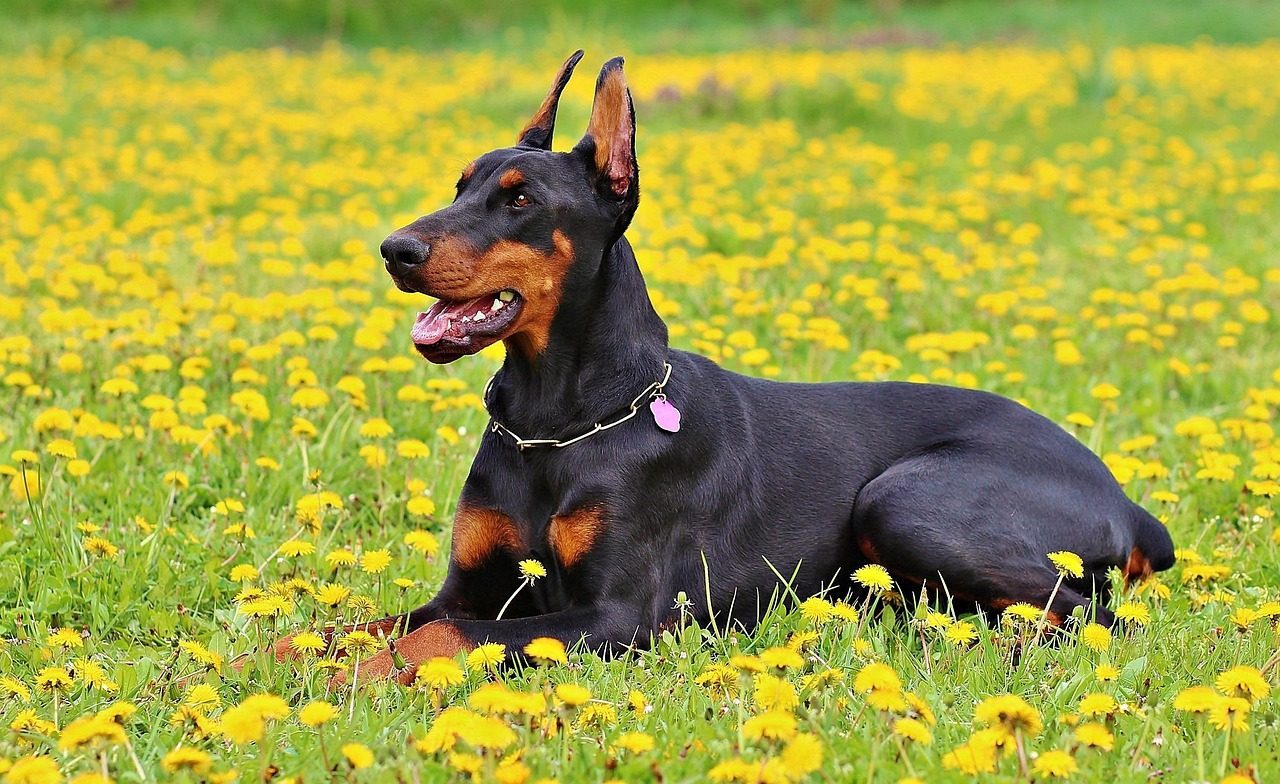
Dobermans want to please their owners and are known to be the most loyal and obedient of all breeds, and with the right owner, a Doberman is basically a giant lap dog. People see them and think attack dog, but that couldn’t be further from reality. Doberman Pinschers are loyal, loving, sensitive and fearless, and while each Doberman’s personality can vary, all Dobermans are loyal companions and true friends to their people.
Their fearlessness and loyalty makes them excellent guard dogs, but this does not make them attack dogs, as Dobermans tend to protect their family by keeping the trespasser at bay until backup arrives, not by attacking them. They’re smart, trainable, and honestly just big softies who want to cuddle on the couch with you. The whole aggressive persona? That’s all Hollywood nonsense.
Chow Chows: Reserved but Not Aggressive
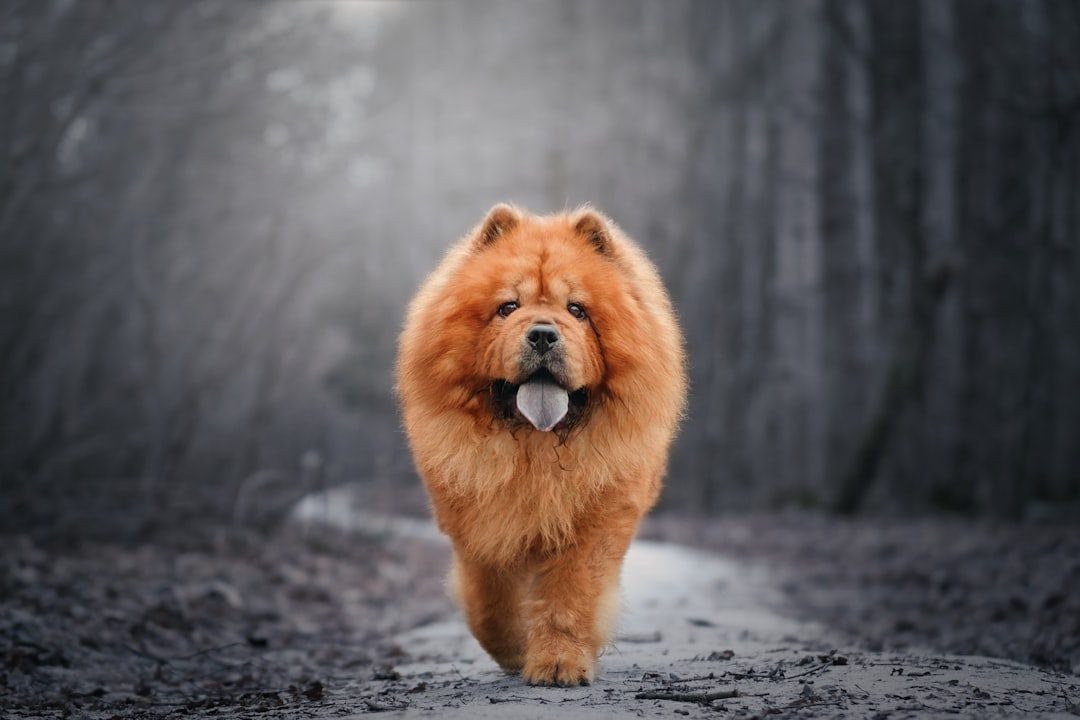
Chow Chows often confuse people with their fluffy coat and lion-like appearance, standing 17 to 20 inches tall and weighing 45 to 70 pounds, and unlike energetic breeds, Chows are dignified and prefer calm environments. Their aloof nature gets mistaken for aggression all the time. Their loyal temperament makes them deeply attached to their owners, but they tend to be reserved with strangers, and unfortunately, their aloof nature has given them a bad reputation as aggressive dogs.
Here’s the thing about Chows. They’re not unfriendly, they’re just selective. Proper socialization is key to raising a well-mannered Chow. Think of them like that friend who takes a while to warm up to new people but is fiercely devoted once you’re in their inner circle. With the right owner who respects their independent nature and provides early socialization, they’re wonderfully calm companions.
Akitas: Independent Thinkers, Not Troublemakers
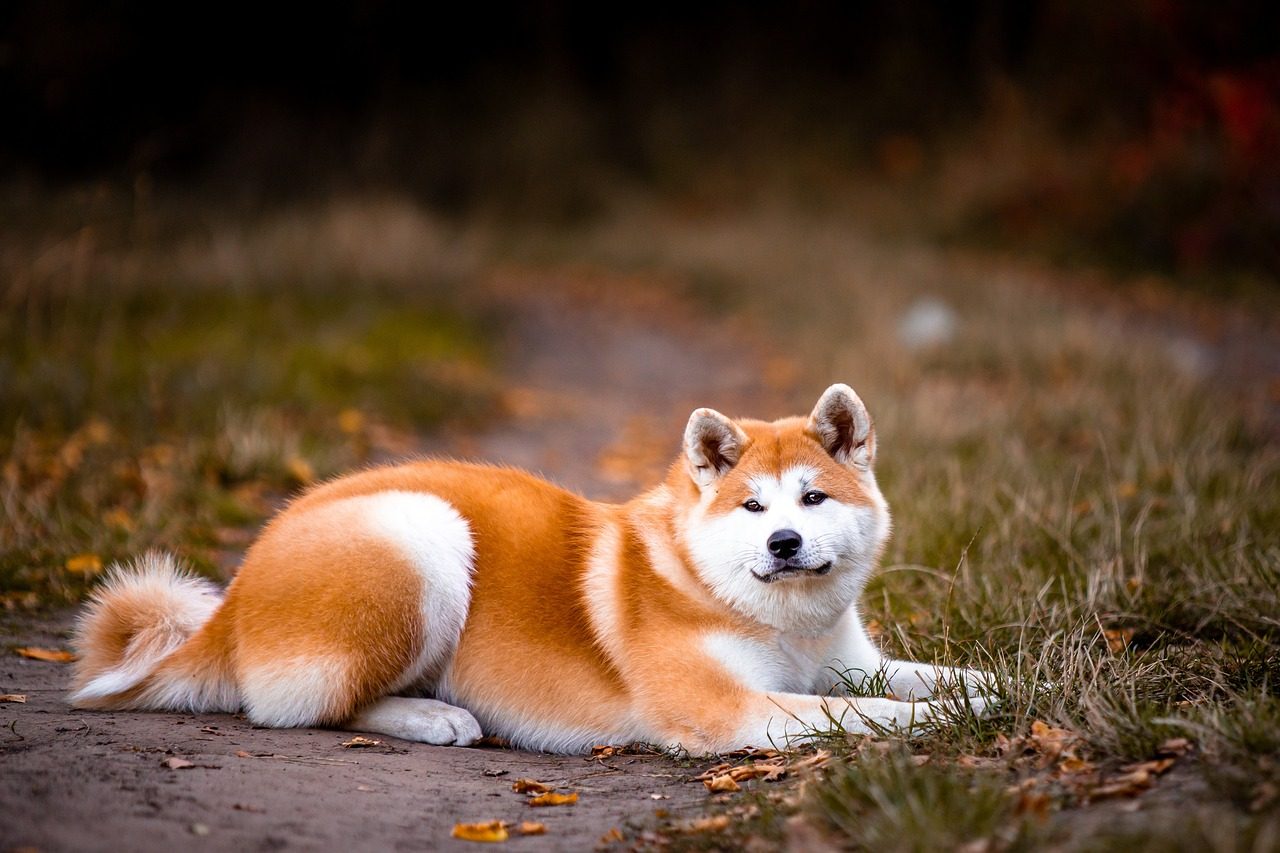
Akitas are naturally stubborn and need someone to train them confidently, and even though they don’t do well with other dogs since they’re possessive with food and don’t take a staring contest lightly, they passed the temperament test with 76.5 percent. The Akita is a powerful, dominant, and loyal breed, commonly aloof with strangers, but affectionate and deeply loyal to its family.
Akitas are mouthy in a good way, as this is how they tell their owners when they are ready for a walk or want you to see something. They’re independent and thoughtful, which some people mistake for aggression. I think what really throws people off is their serious demeanor and large size. When properly trained and socialized from puppyhood, they form deep bonds with their families and can be gentle, devoted companions.
Alaskan Malamutes: Friendly Giants with Boundless Energy
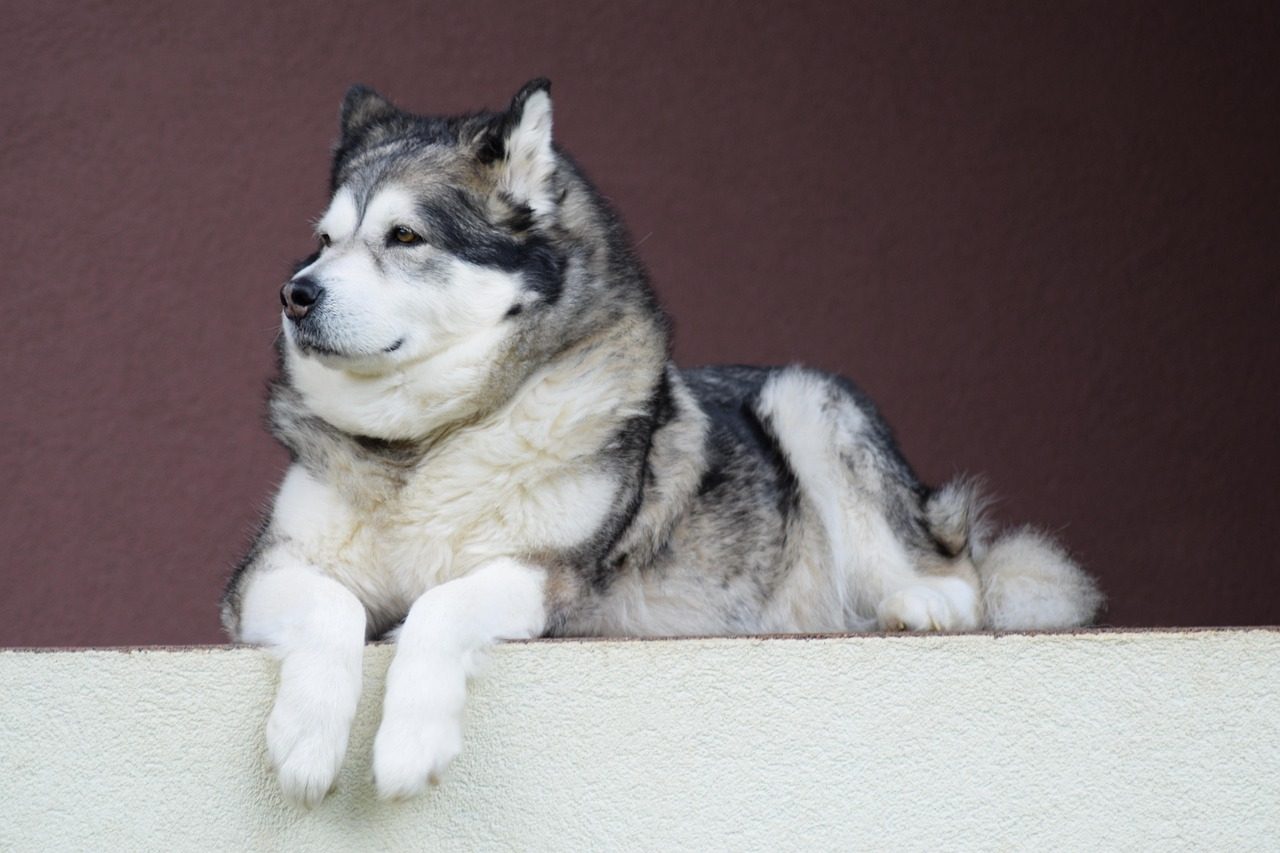
These guys might look like guard dogs, but they’re more likely to aid an intruder than scare one off. Seriously, Malamutes are about as threatening as a teddy bear with the energy of a toddler on sugar. When they get bored, Malamutes are known for chewing through drywall and digging holes in your yard, but they’re not naturally destructive, they’re just bored.
The stereotype that they’re wolf-like and aggressive couldn’t be more wrong. These dogs were bred to work alongside humans in harsh Arctic conditions, which required cooperation and friendliness. Invest in a Kong full of peanut butter and make sure they get plenty of outdoor exercise to prevent boredom. They need lots of mental and physical stimulation, but when their needs are met, they’re goofy, affectionate family members who’ll shower you with love.
Boxers: Playful Clowns with Protective Instincts
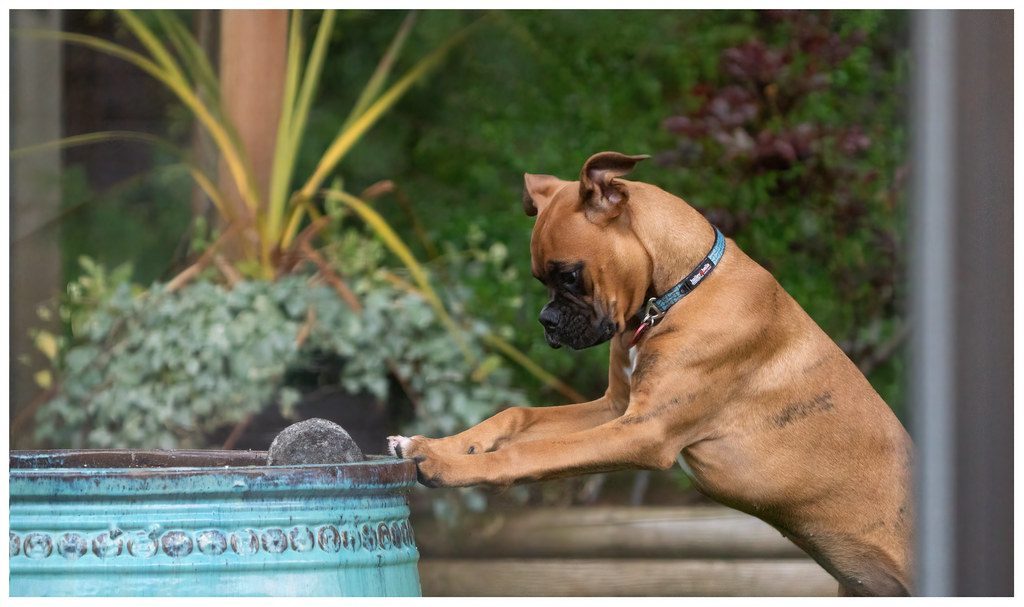
Boxers are among the most misunderstood breeds because of their strong build and active nature, but in truth, boxers are devoted, funny, and great with families. People see their muscular frame and assume the worst. It’s hard to say for sure, but I think the cropped ears some owners choose don’t help their image either.
The reality? Boxers are basically comedians in dog form. They’re playful, energetic, and have a reputation for being fantastic with children. Their enthusiasm and strong build mean they need training to manage their energy, but that’s not aggression, that’s just exuberance. When properly exercised and trained, Boxers are loyal, loving companions who’ll keep you laughing with their goofy antics and expressive faces.
Conclusion: Looking Beyond the Stereotype
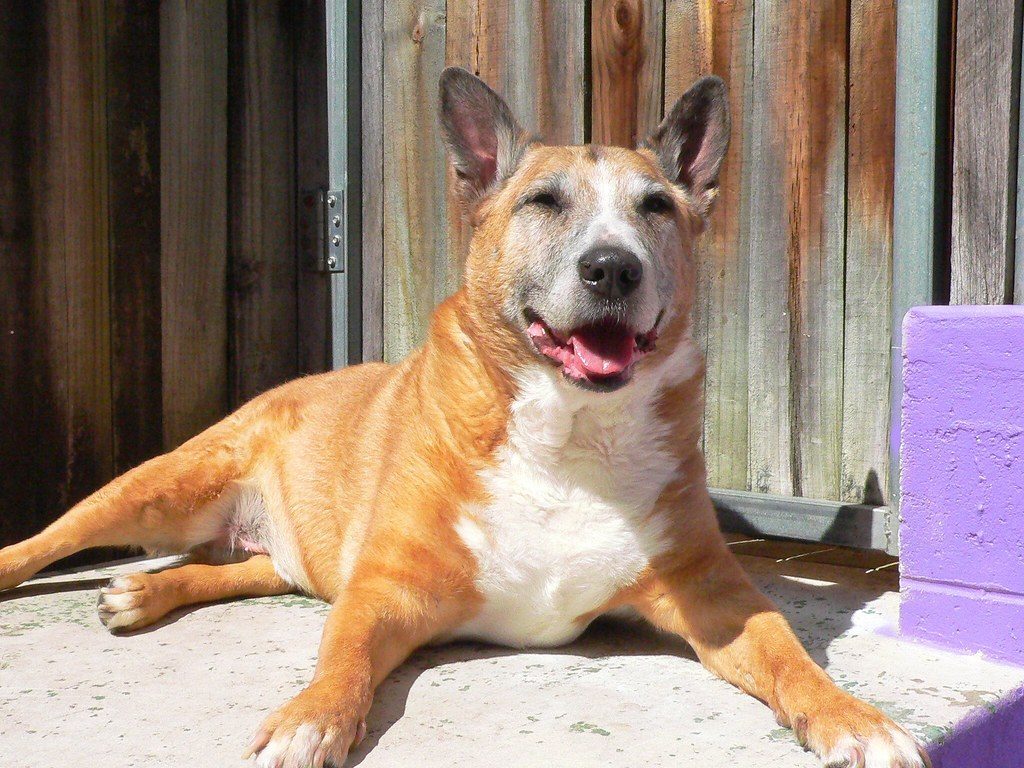
Most breeds are not born dangerous or aggressive, but generalizations people make about breeds, or the media’s choice to focus on attacks by these breeds, unfortunately hurt dogs and could cost them their lives. The dogs on this list have suffered from unfair reputations built on fear, misunderstanding, and sometimes deliberate misuse by irresponsible owners.
Breed alone explains merely nine percent of canine behavior. Training, socialization, and the environment a dog grows up in matter far more than breed ever could. These so-called dangerous breeds are often the most loyal, loving, and devoted companions you could ask for. They deserve a chance to show their true nature rather than being judged by outdated stereotypes. What’s your experience with these misunderstood breeds? Have you been surprised by how gentle they can be?


