
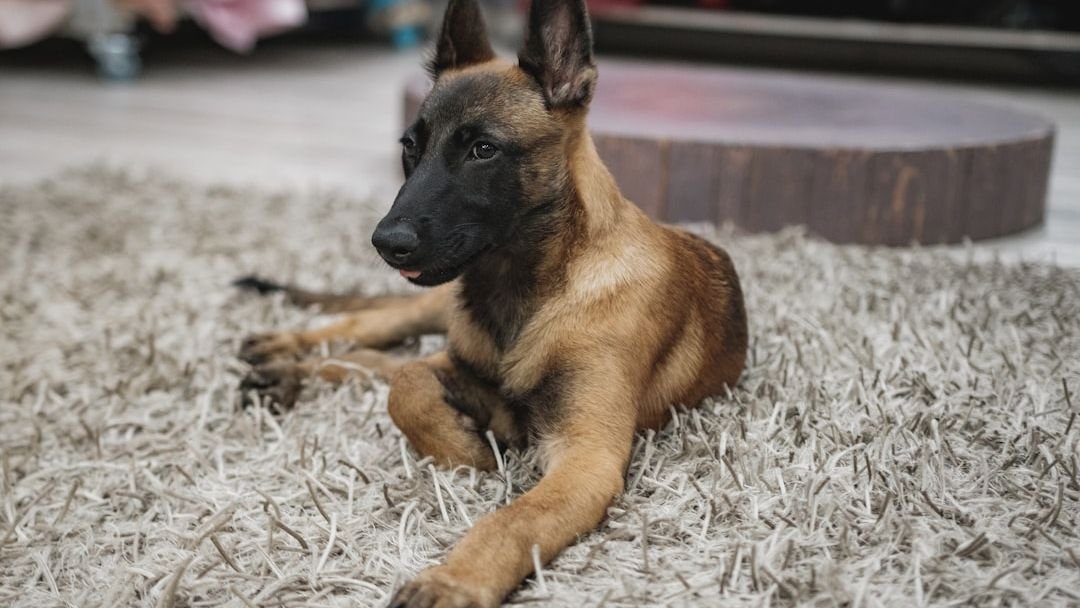
There’s something magical about that moment when a dog finally lowers its guard and lets you in. Not every pup rushes toward you with wagging enthusiasm like a long-lost friend. Some take their time, watching and waiting, assessing whether you’re worthy of their trust. It’s not about being unfriendly. It’s about self-preservation, independence, or simply temperament.
If you’ve ever met a dog who seems to keep you at arm’s length, you know how rewarding it can be when that barrier finally crumbles. These reserved souls have stories written in their eyes, and patience is the only language they truly understand. On the flip side, some breeds practically throw themselves at your feet the second you say hello, believing every stranger is a friend in disguise. Let’s explore the dogs who take their sweet time warming up, and those who can’t help but love you instantly.
Shiba Inu: The Independent Interviewer
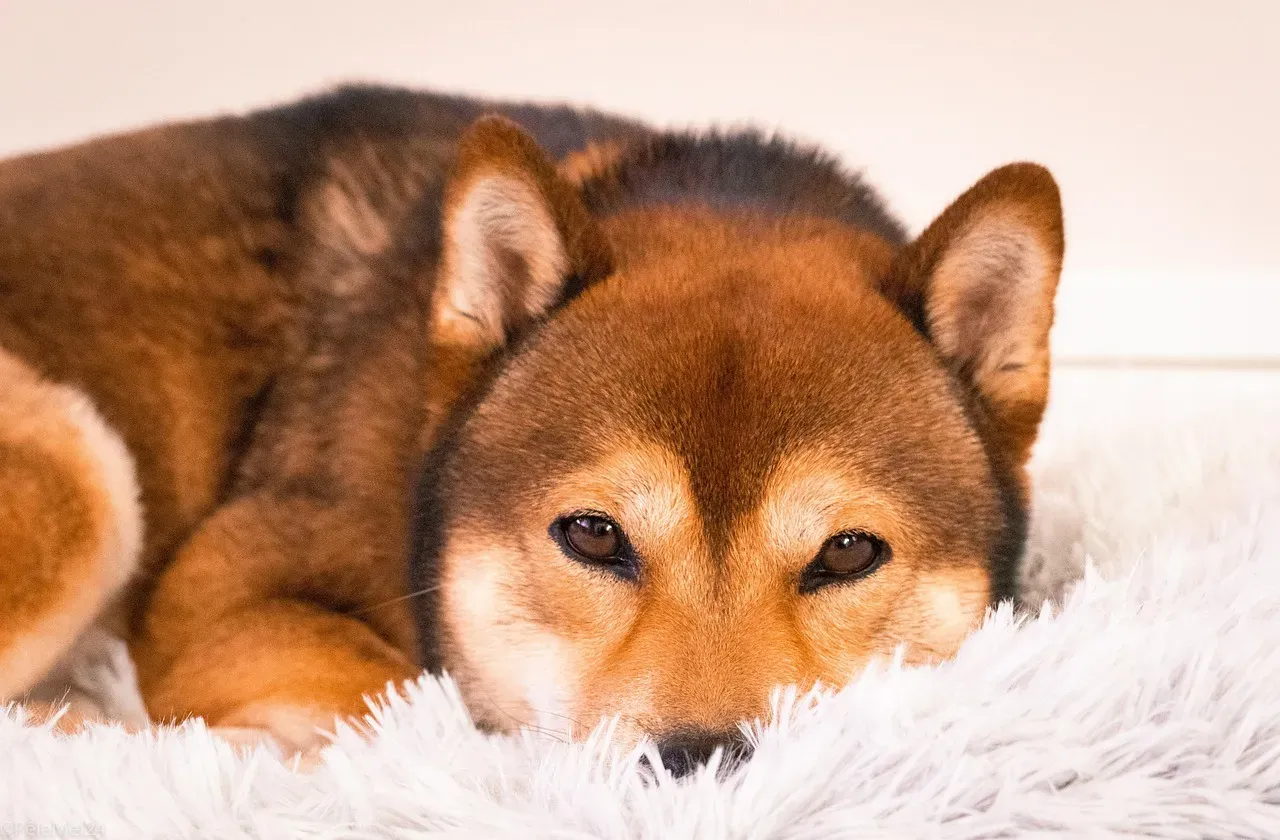
Shiba Inus are cautious by default, not aggressive, and tend to assess rather than engage, like they’re silently interviewing newcomers before accepting their presence. This Japanese breed has a cat-like quality that can surprise first-time owners. They’re not cold, just choosy.
Shibas are not aggressive, but they value respect and space, and when given room to build trust, their gentleness shines through. Rushing them backfires. They need to feel in control of the pace, especially around energetic children or overly enthusiastic strangers. Training isn’t about bending their will but about earning mutual respect through consistency and calm communication.
Akita: The Silent Guardian
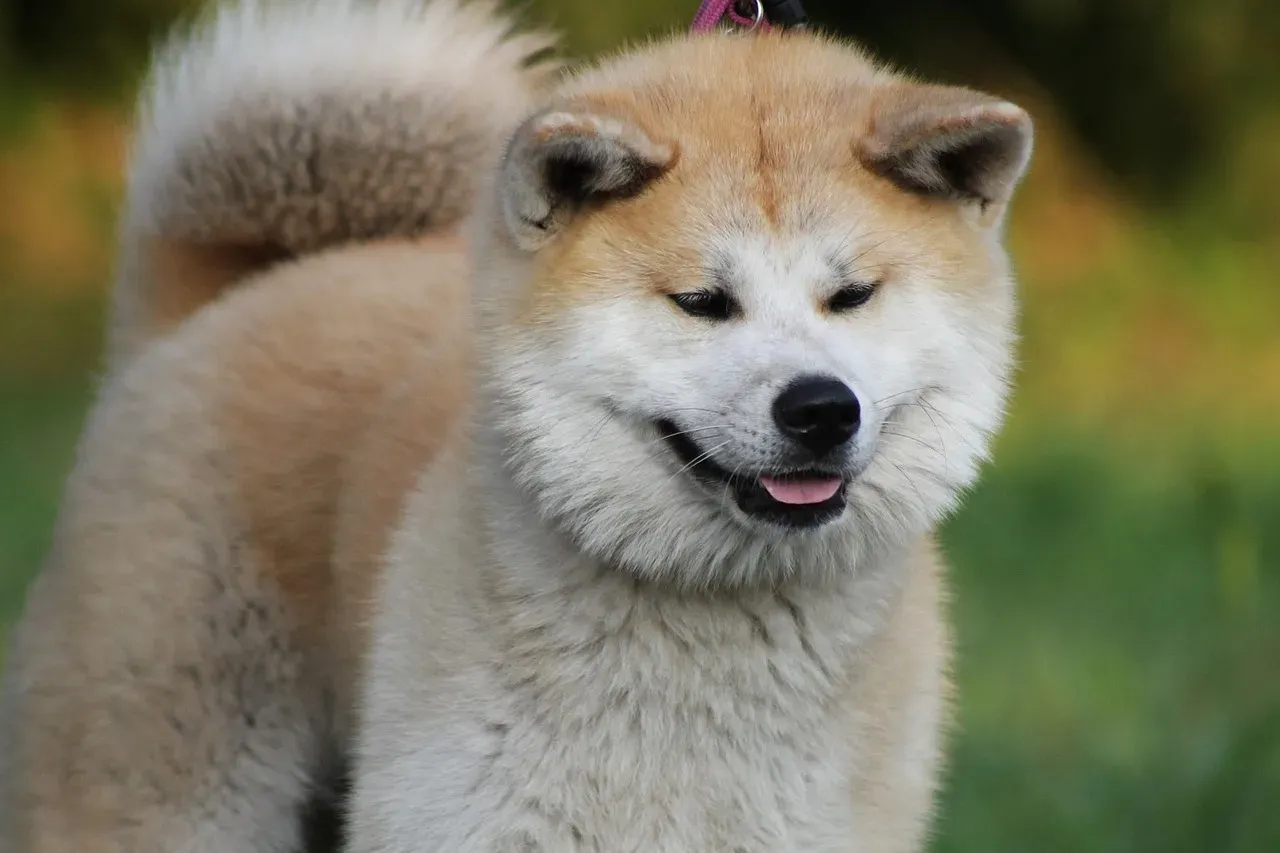
Akitas don’t really like making new friends, but they are extremely loyal once they have bonded with their owners. This breed was developed in Japan for hunting and protection, and their wariness around strangers isn’t a flaw. It’s hardwired instinct.
Akitas are naturally protective and independent, and they tend to monitor social situations instead of leaping in, making initial introductions tense. With gentle, consistent social exposure in calm settings, they begin to trust new people and dogs. Honestly, their eventual affection feels like a privilege. They’re not interested in shallow connections, only meaningful ones.
Chow Chow: The Stoic Soul
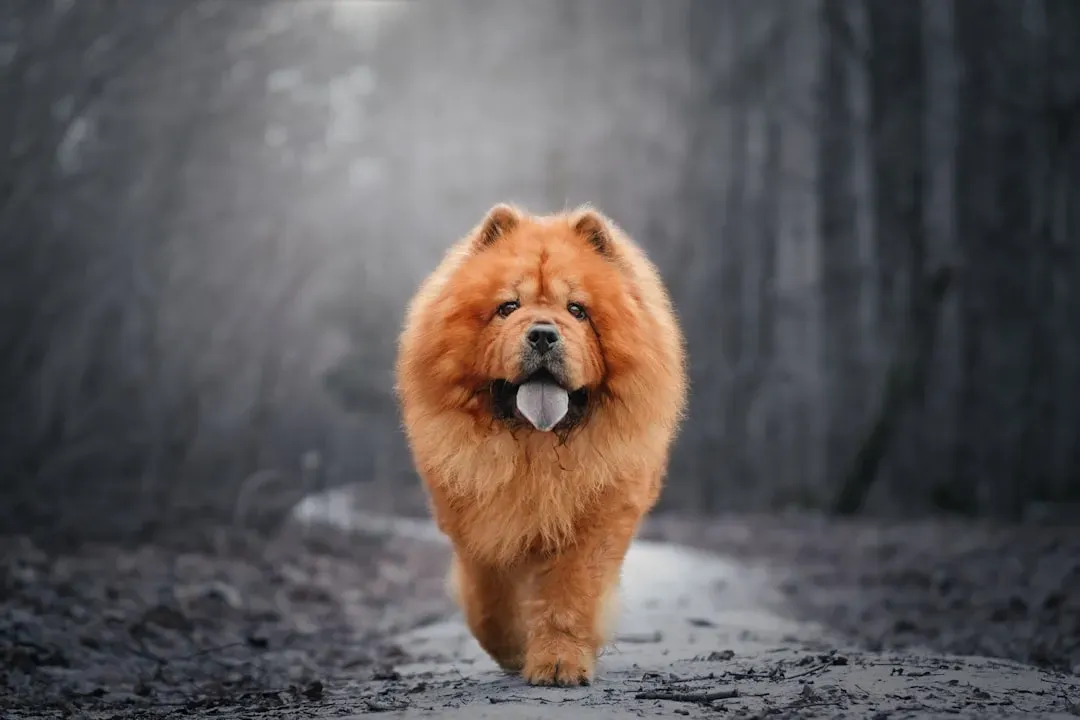
Chow Chows are highly independent and not naturally affectionate, and unlike friendly breeds that thrive on constant human interaction, they tend to keep to themselves. Their lion-like mane and serious expression only add to their aloof reputation. They’re dignified, and they know it.
With family, they can be loyal and devoted, but strangers are often met with suspicion, and this protective instinct makes them good watchdogs but also less than welcoming to guests. Early socialization is critical to prevent overly reserved or aggressive behavior. Training requires consistency and respect because they dislike being forced into tasks. They’re thinkers, not followers.
Great Pyrenees: The Gentle Giant Who Watches
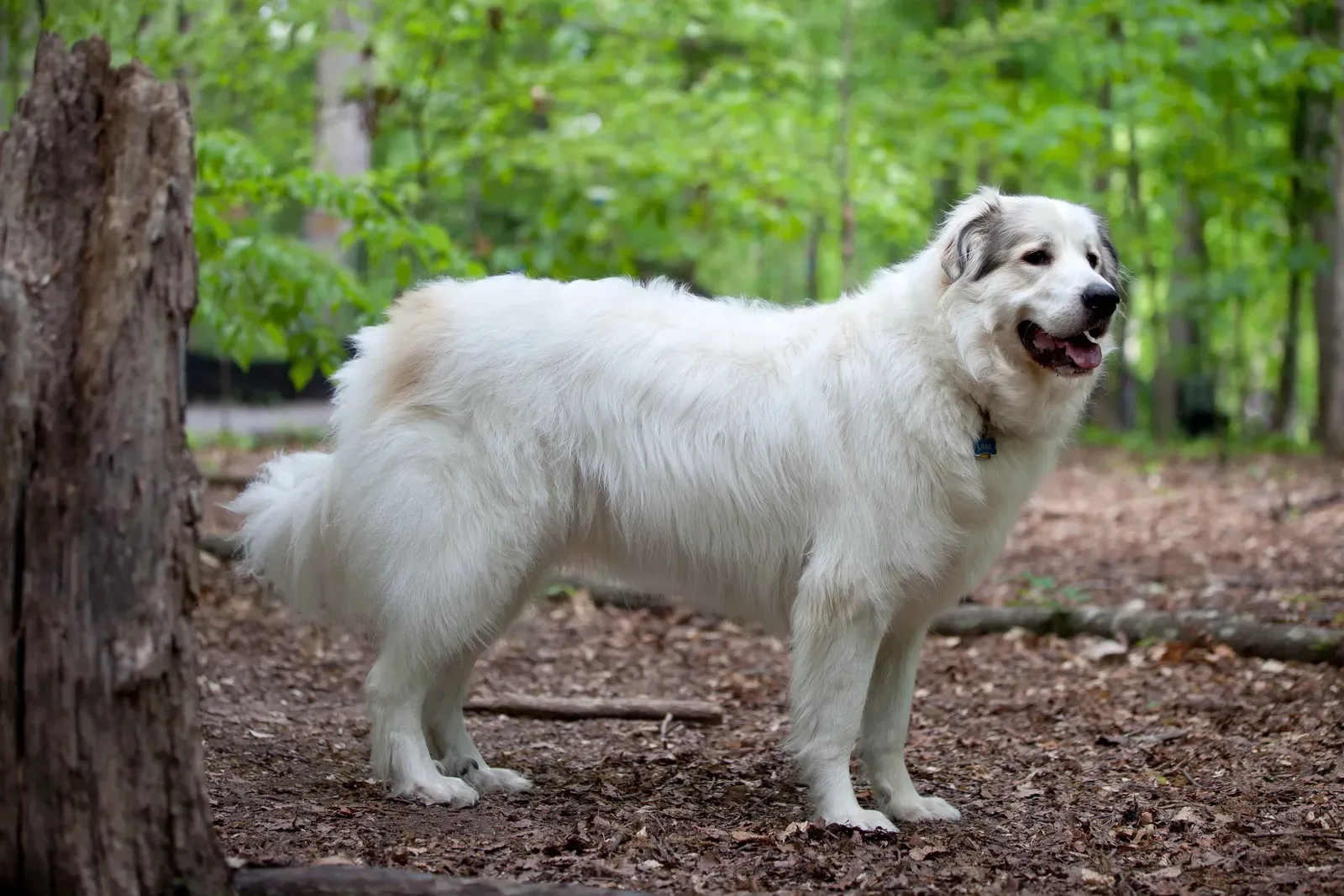
Though they are cautious, Great Pyrenees are also friendly and will gradually warm up to new people, and while they may not be the most outgoing, they are definitely not standoffish once trust is established. Originally bred to guard livestock, they take their job seriously, even if that job is just keeping an eye on your household.
These massive dogs need large, secure spaces where they can roam and patrol. They’re not aggressive, just watchful. Give them time to assess a situation and they’ll eventually relax. Their calm demeanor hides a sharp mind that’s always calculating who belongs and who doesn’t. It’s not personal, it’s protective.
Belgian Malinois: The Tactical Thinker
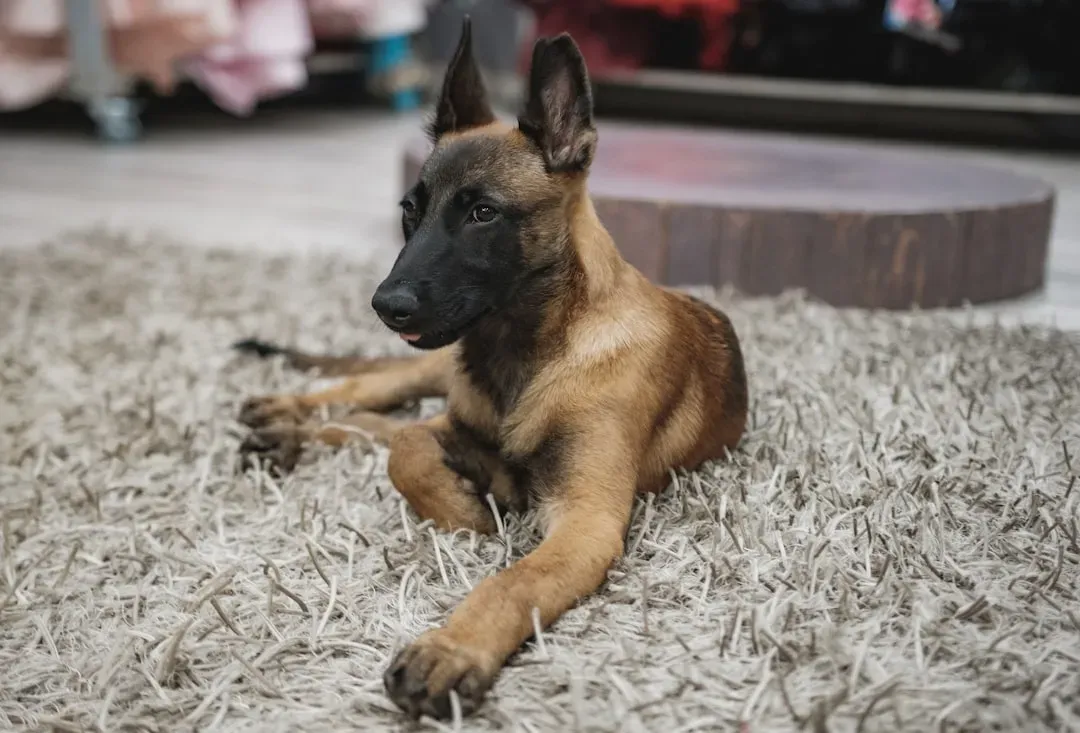
The Belgian Malinois is an all-around working dog breed, and they are naturally alert, often suspicious of strangers, which is an excellent guard dog quality. These dogs are often found in police work, military roles, and search-and-rescue teams because of their intelligence and intense focus.
They’re not for casual owners. They are only recommended for highly active individuals, as just a walk around the park is not for this powerful dog, and they can be great hiking and running companions and thrive well as long as they are physically and mentally stimulated on a daily basis. Without structure and consistent training, their caution around strangers can turn into reactivity. Their high prey drive also means they may not be ideal for homes with small pets or young children.
Alaskan Malamute: The Reserved Worker
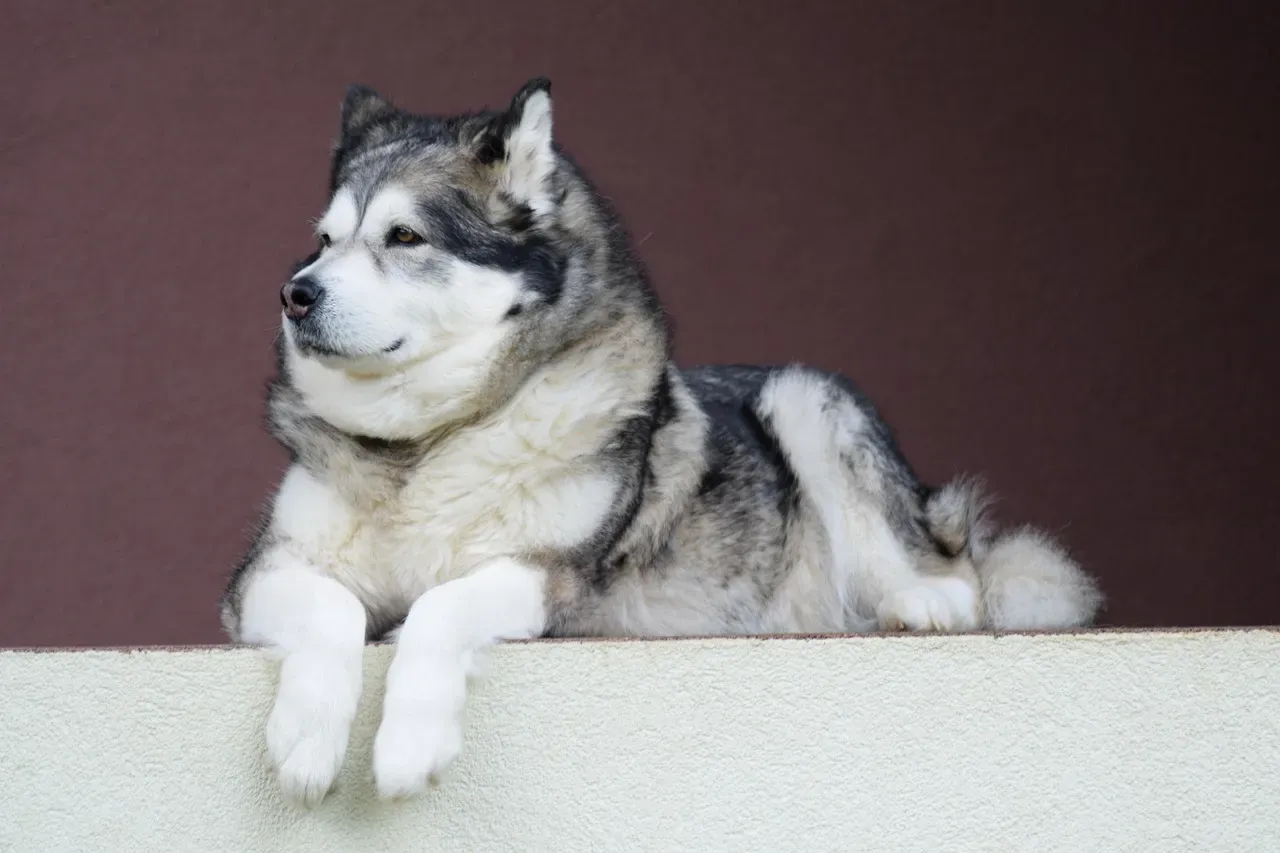
Originally bred as sled dogs, Alaskan Malamutes are all about work, and they have a naturally cautious nature and don’t appreciate affectionate gestures from unfamiliar people. Think of them as introverts who prefer their inner circle. They’re friendly with family but take a measured approach to outsiders.
They have a strong pack mentality and thrive in homes with clear structure and set rules. Without that framework, they might promote themselves to the CEO of the household, which isn’t ideal. They’re not guard dogs in the traditional sense, as they rarely bark or warn of suspicious activity. But their imposing presence and reserved demeanor can be intimidating enough.
Basenji: The Quiet Observer
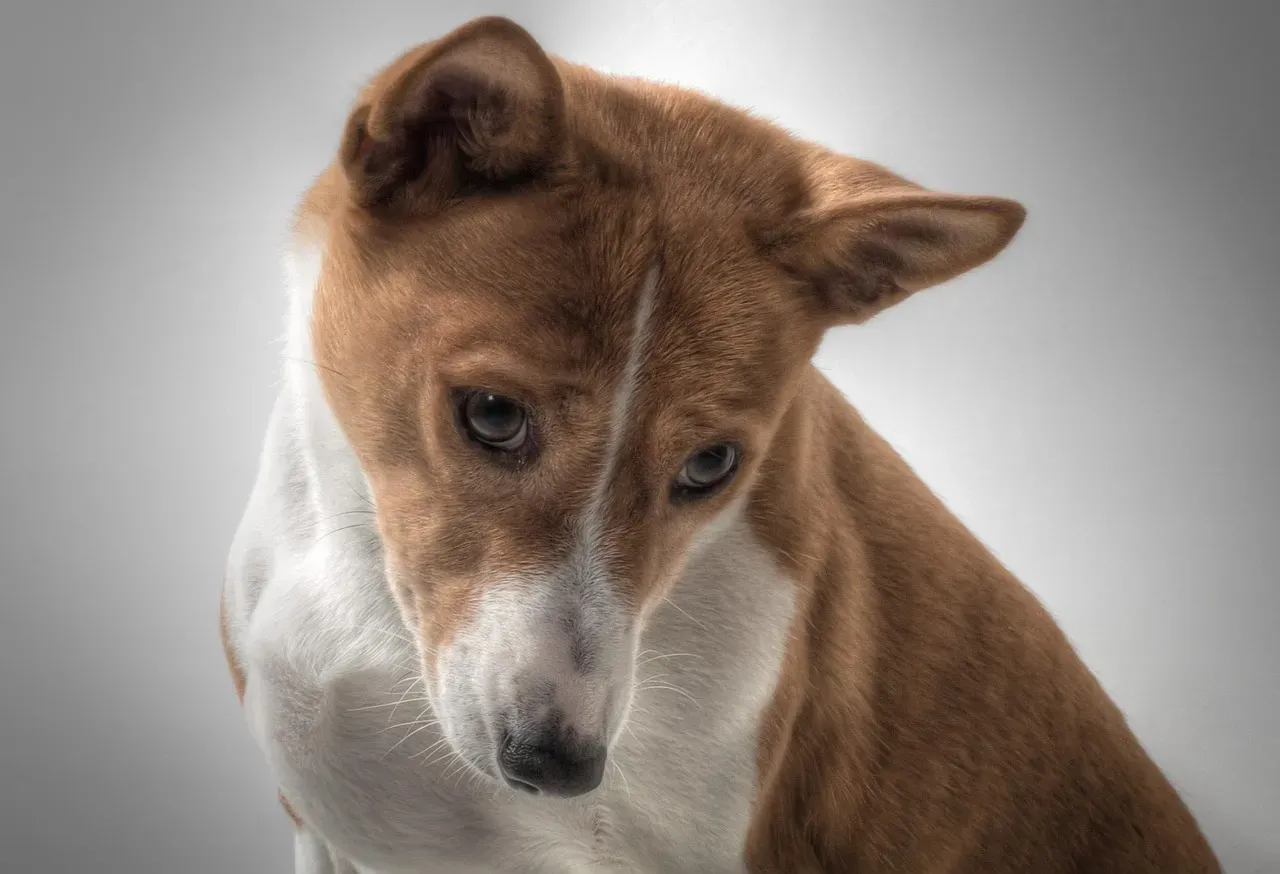
The Basenji is an ancient dog breed known for its independence and reserved nature, and they are cautious around strangers and may take time to warm up to new people and situations. Known as the “barkless dog,” they have a unique yodel-like sound but rarely use their voice to communicate.
Basenjis are curious yet cautious, always observing before engaging, and their quiet nature means interactions may be brief unless the dog decides you’re trustworthy. Socializing often involves patience, praise, and carefully timed play. Once a Basenji opens up, they show playful loyalty, but they respond best when allowed to set the pace in social situations.
Tibetan Mastiff: The Mountain Protector
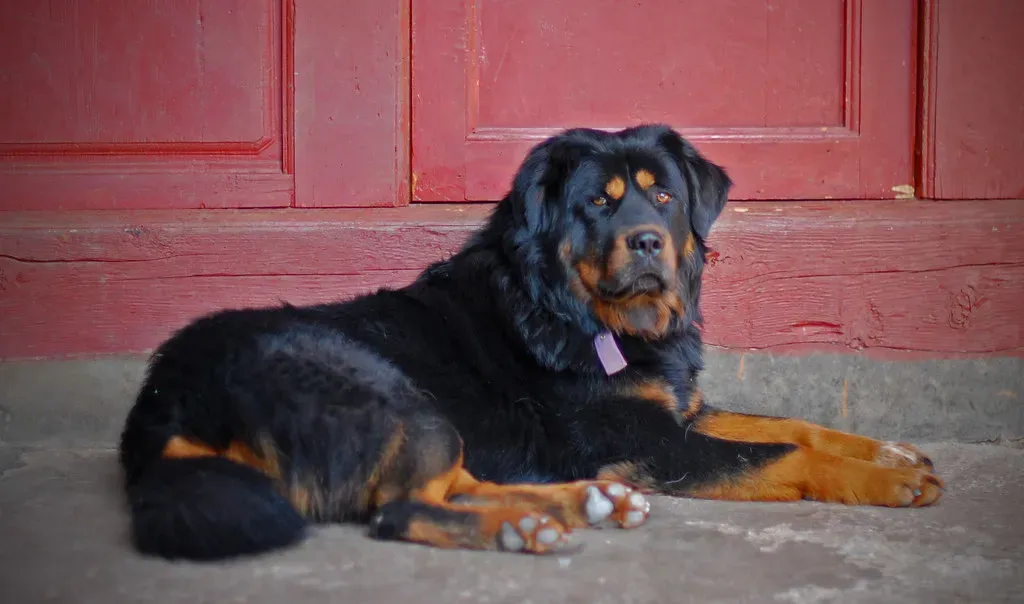
The Tibetan Mastiff is one of the most imposing guardian breeds in the world, bred in the Himalayas to protect livestock from predators, and its lion-like mane and massive frame make it a powerful and commanding presence, and this heritage explains why it is naturally watchful and cautious of strangers.
These dogs are not for first-time owners. They require experienced handlers who understand their protective instincts and independent nature. Without proper socialization, they may become overly suspicious of unfamiliar people. Their size alone demands respect, but their cautious temperament means they need calm, confident leadership and lots of early exposure to different environments and people.
Golden Retriever: Love at First Sniff
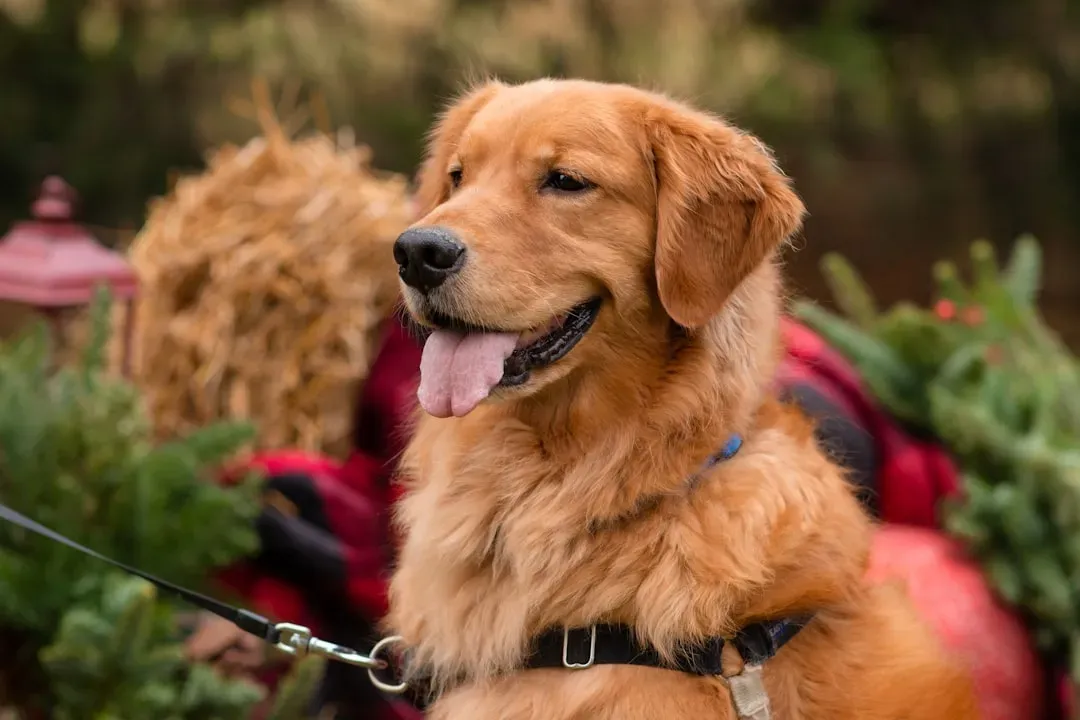
Golden Retrievers are one of the most popular dog breeds in the world, and for good reason, as they are known for their friendly and gentle nature and are incredibly pleasant and enjoy meeting new people. These dogs seem to live by the motto that strangers are just friends they haven’t met yet.
Their patient and tolerant disposition makes them excellent family pets. They get along well with children and other animals without hesitation. Whether it’s greeting guests at the door or making friends at the park, Golden Retrievers radiate warmth and joy. Their easygoing nature and perpetually happy expression make fast friends in any setting.
Labrador Retriever: The People Pleaser
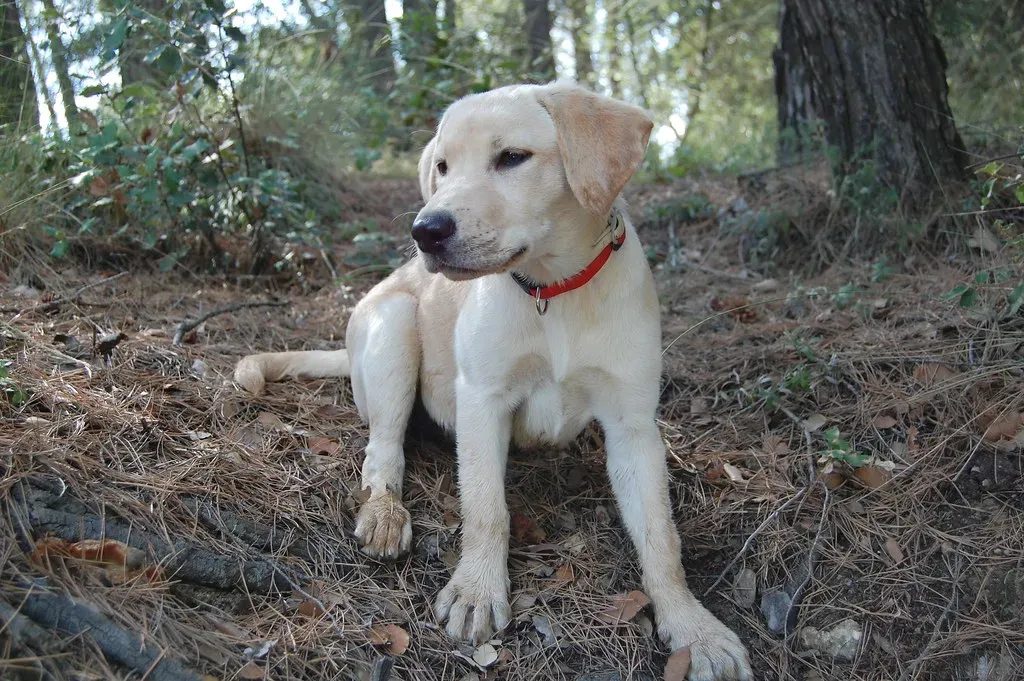
Labrador Retrievers are not just popular, they’re beloved for a reason, as they are friendly, playful, and incredibly loyal, and Labs are natural people-lovers and get along with just about everyone they meet. They’re also smart and easy to train, which makes them ideal for first-time dog owners.
Whether lounging at your feet or joining you on an adventure, Labs bring warmth wherever they go. Their enthusiasm for life is contagious, and their eagerness to please makes them incredibly adaptable. They’re equally comfortable at a crowded dog park or a quiet evening at home. Labs don’t just make introductions easier, they make days brighter.
Cavalier King Charles Spaniel: The Cuddly Companion

Cavalier King Charles Spaniels adore being close to their humans and are known for their gentle demeanor and affectionate nature, and they’re sociable with other animals and people alike, often acting more like a lapdog than a traditional spaniel.
Their soft coats and soulful eyes practically beg for a cuddle from every person in the room. These little companions thrive on affection and are incredibly tuned in to human emotions. They don’t just charm strangers, they captivate them. Cavaliers specialize in melting hearts and winning laps wherever they go.
Beagle: The Wagging Ambassador
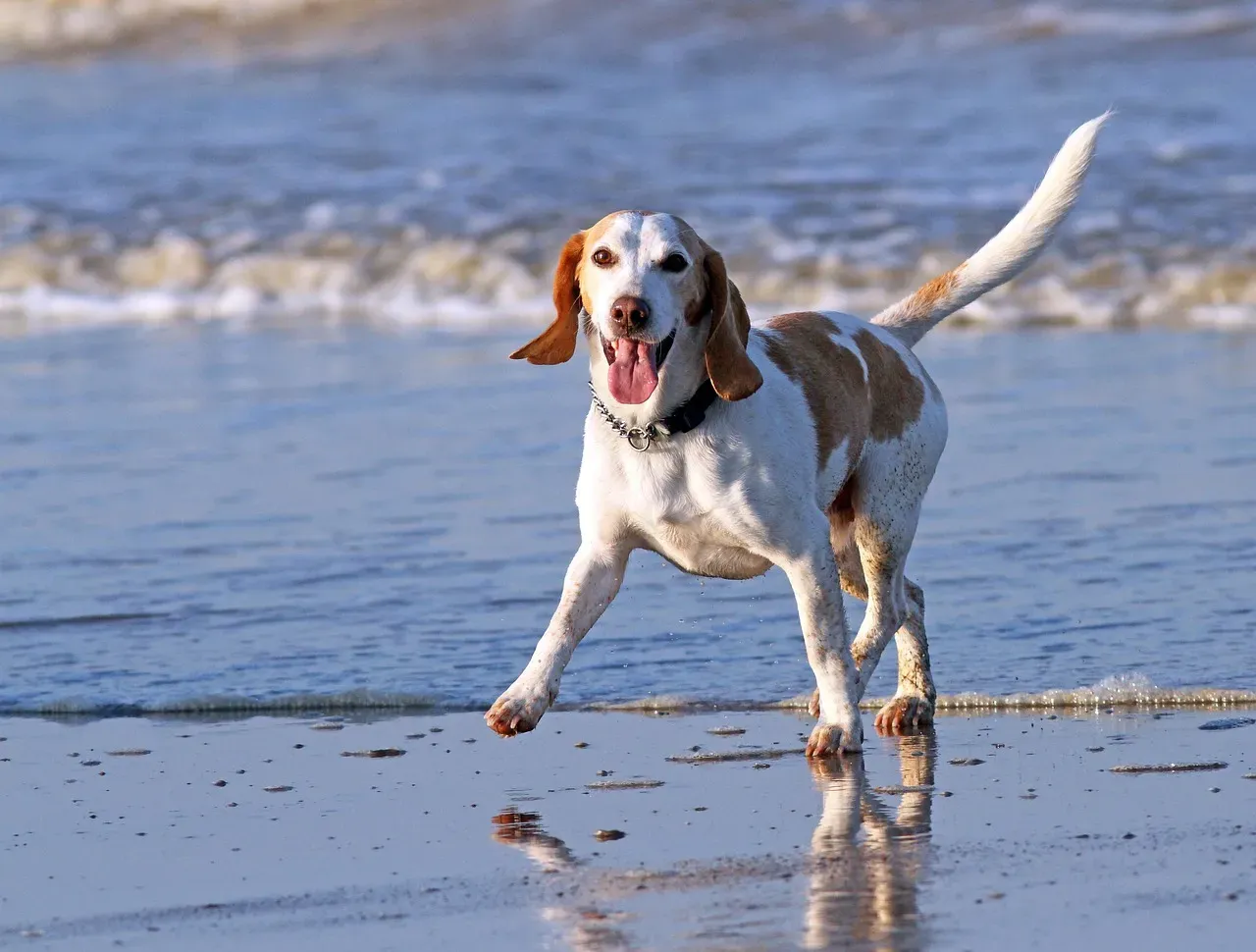
Beagles are small to medium-sized dogs known for their friendly and outgoing nature, and initially bred for hunting, Beagles have a strong pack mentality, which makes them pleasant and eager to interact with people and other animals. Their cheerful disposition and love for human interaction make them great companions for families.
Beagles are curious and adventurous, often approaching strangers with a wagging tail and a friendly demeanor. Their playful and affectionate nature ensures they quickly make new friends wherever they go. They’re also good with children and other pets, making them ideal for households that frequently entertain guests or have lots of social activity.
Conclusion: Trust Is Earned, Love Is Given
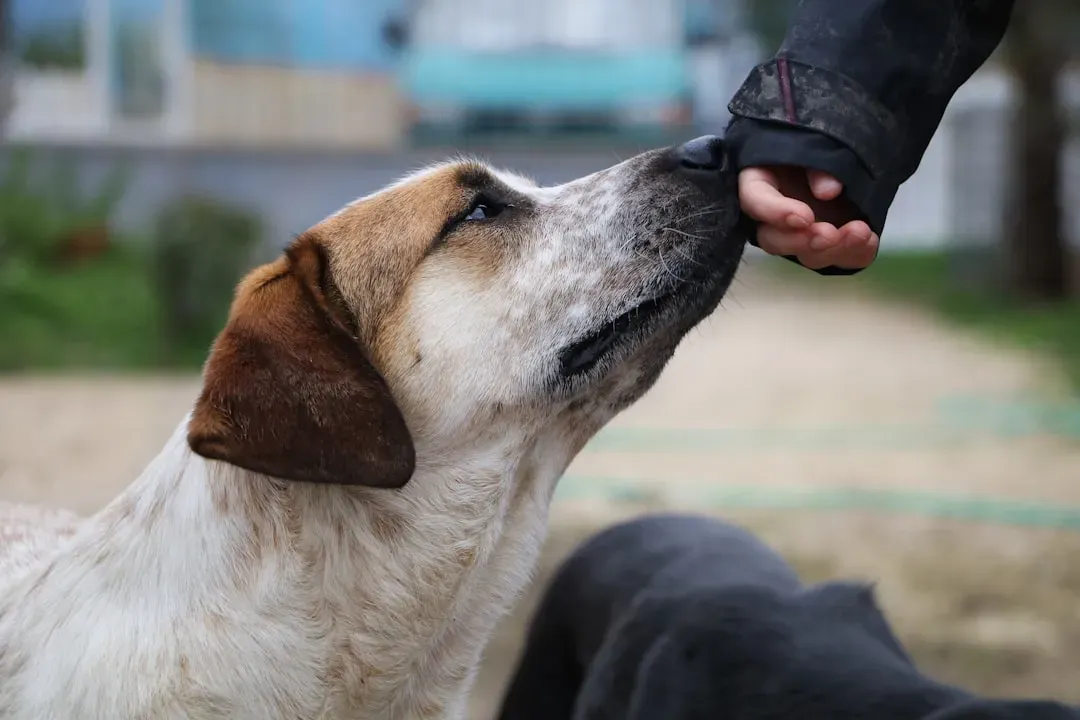
Understanding your dog’s temperament is one of the greatest gifts you can give them. The slow-to-trust breeds aren’t broken or difficult, they simply need time, respect, and patience. Their trust, once earned, is unshakable. Meanwhile, the instant bonders remind us that not every relationship requires a long buildup, some connections just happen.
Whether you’re drawn to the quiet dignity of a Shiba Inu or the boundless enthusiasm of a Labrador, every dog has something unique to offer. What matters most isn’t how fast they warm up to you, but how deeply they connect once they do. Which type of dog speaks to your heart? Think about it.


