
Some dogs greet the world with open paws, ready to befriend anyone who crosses their path. Others? Well, they need a little more convincing. It’s not that they’re being difficult or unfriendly. Think of them as the introverts of the canine world, carefully assessing each new person before deciding whether they’re worthy of trust.
If you’ve ever met a dog who seemed hesitant, reserved, or downright skeptical of you, you probably wondered what was going through their mind. The truth is, some breeds are naturally wired to be cautious. Their history, their breeding purpose, and their temperament all play a role in how quickly they warm up to strangers. Let’s explore which dogs take their time building bonds and which ones are ready to be your best friend before you’ve even said hello.
The Shiba Inu: Independent Spirit
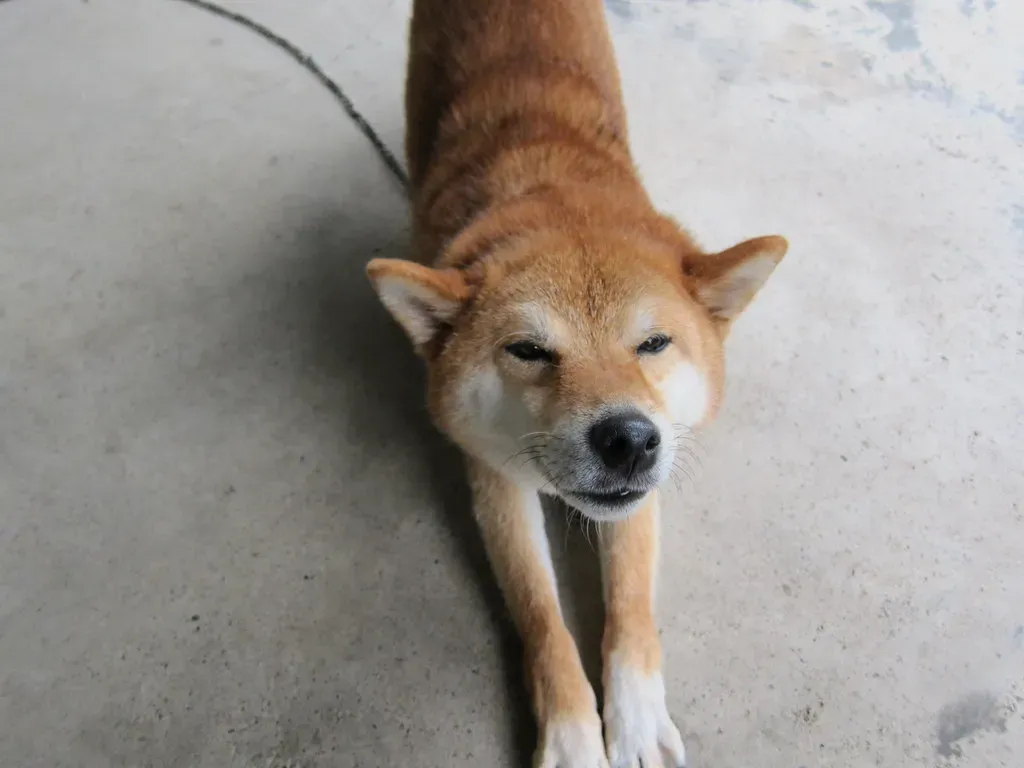
Shiba Inus are known as some of the hardest dogs to train, and apart from having a stubborn streak, they are smart dogs who love to be independent. They’re cautious by default, not aggressive, and tend to assess rather than engage, like they’re silently interviewing newcomers before accepting their presence.
Shibas are not aggressive, but they value respect and space, and when given room to build trust, their gentleness shines through. They will only do things if they want to, understanding things very quickly but whether they want to do what you tell them is where the stubborness comes from. Honestly, training a Shiba is less about dominance and more about earning their respect through patience and consistency.
The Chow Chow: Aloof Guardian
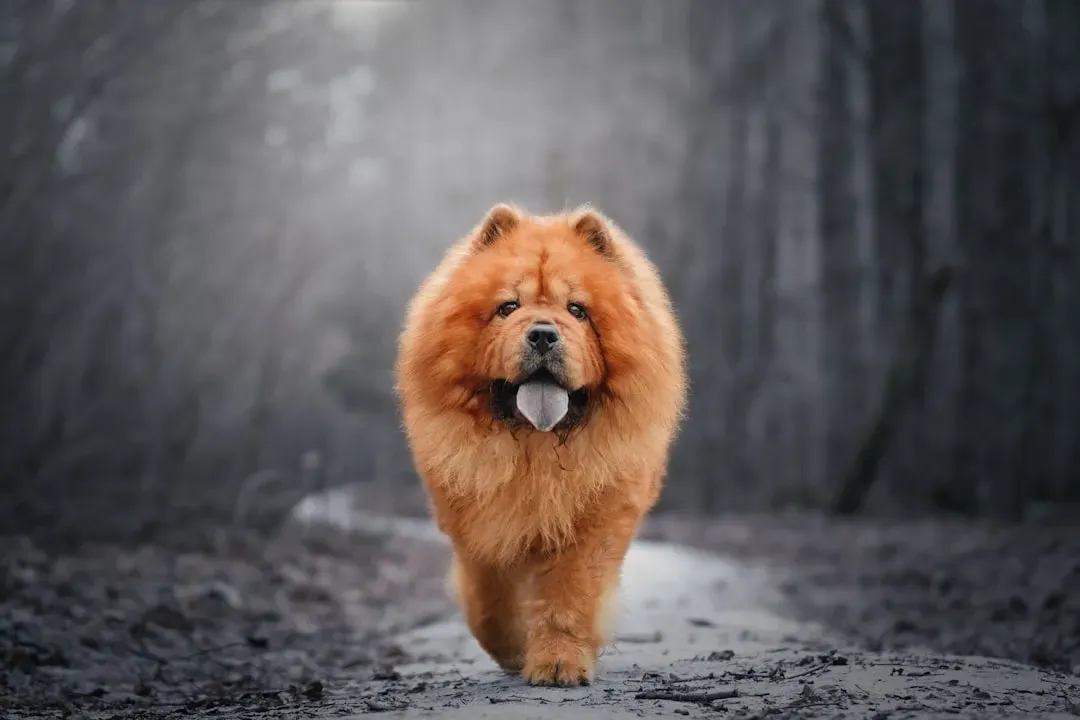
Chow Chows are highly independent and not naturally affectionate, tending to keep to themselves, and their aloof nature makes them less approachable, especially for unfamiliar people. With family, they can be loyal and devoted, but strangers are often met with suspicion, and this protective instinct makes them good watchdogs but also less than welcoming to guests.
They are intelligent but stubborn, and they dislike being forced into tasks. Their fluffy teddy bear appearance can be deceiving. What you’re getting is a dog with the personality of a cat who’s decided you might be tolerable after several months of observation. Early socialization is crucial to reducing the chances of overly reserved or aggressive behavior around children and other animals.
The Tibetan Mastiff: Watchful Protector
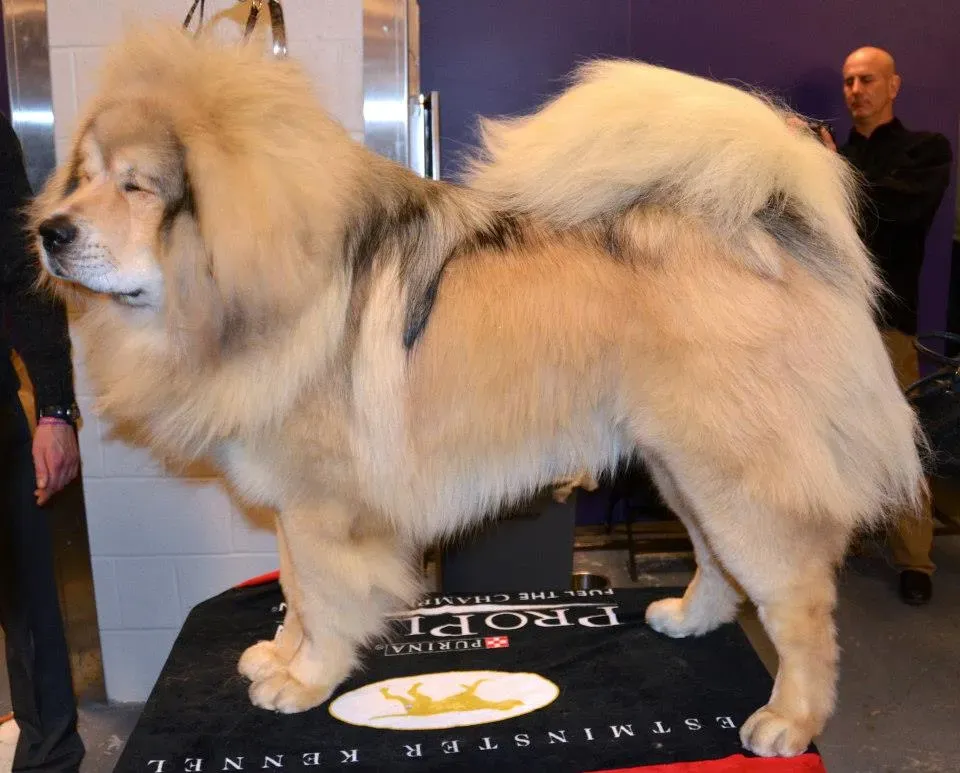
The Tibetan Mastiff is one of the most imposing guardian breeds in the world, bred in the Himalayas to protect livestock from predators, which explains why it is naturally watchful and cautious of strangers. This dog is highly protective and naturally suspicious of strangers.
These massive, lion-like dogs take their job seriously. With family members, they can be affectionate, calm, and surprisingly gentle, and their devotion is deep. Meeting a Tibetan Mastiff requires understanding that they’re not being rude, they’re simply evaluating whether you pose a threat to their family. It’s hard to say for sure, but this breed probably won’t be wagging their tail at the mailman anytime soon.
The Caucasian Shepherd: Slow to Warm
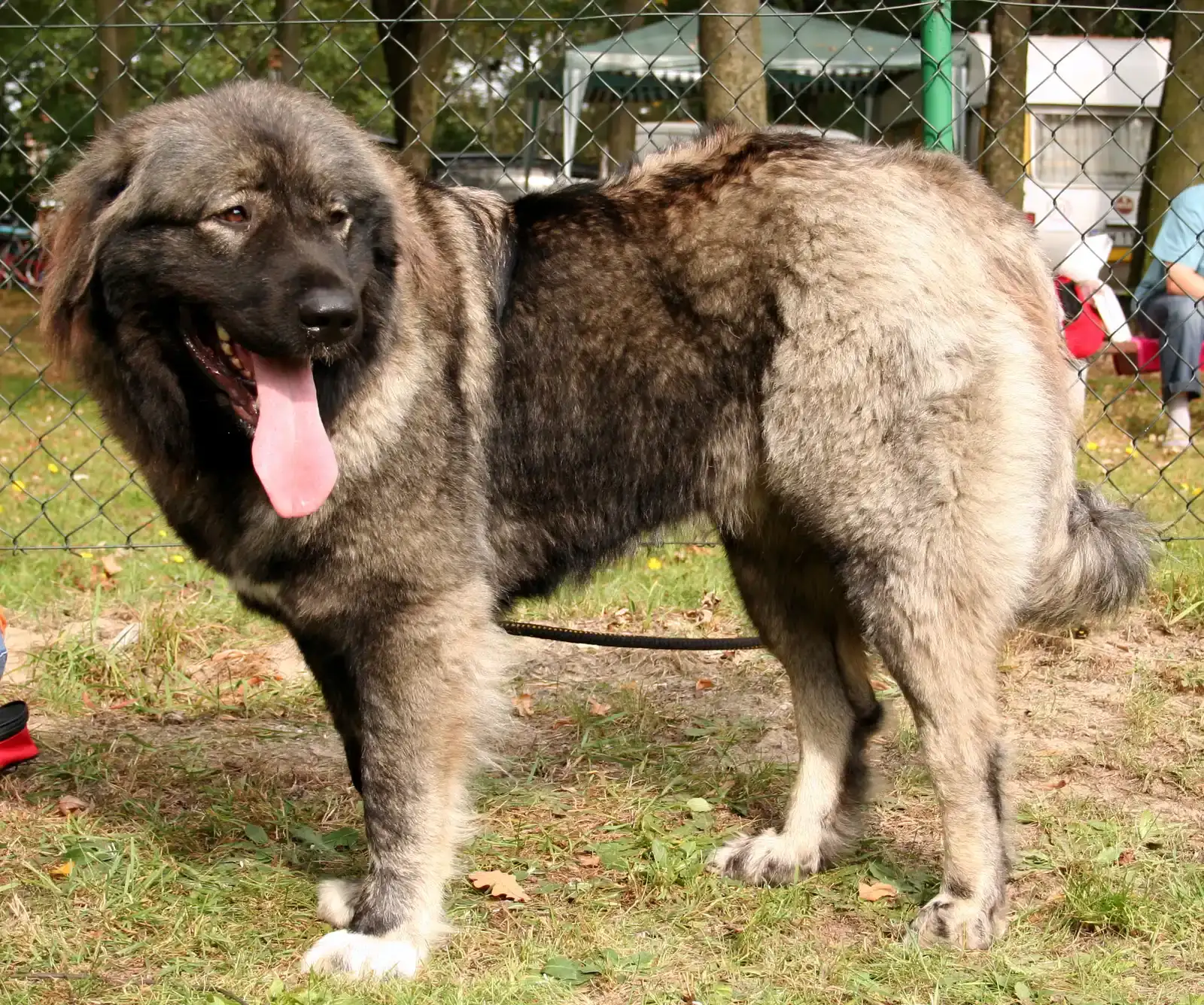
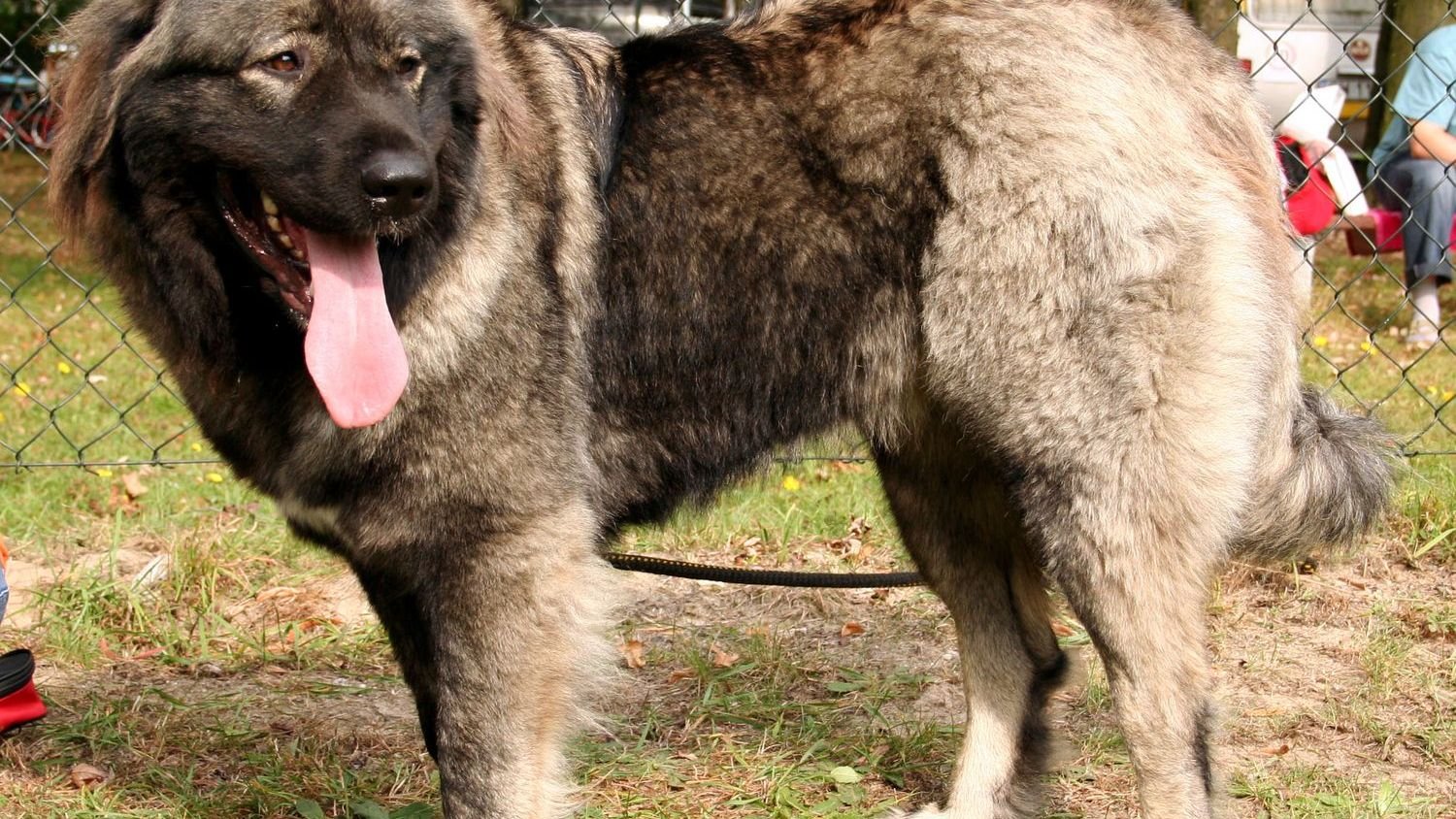
Unlike more welcoming breeds, the Caucasian Shepherd is slow to trust and prefers to keep its distance. It is not the right choice for novice owners due to its size, strength, and strong guarding instincts. These dogs were bred for serious work, protecting flocks from predators in harsh mountain regions.
Meeting a Caucasian Shepherd for the first time can be an intense experience, as their sheer presence, combined with a steady but watchful demeanor, makes them appear intimidating even when relaxed. Proper training and firm boundaries are critical, and without early socialization and clear leadership, the breed’s natural aggression toward unknown humans and animals may become overwhelming, though positive reinforcement paired with confident handling produces the best results.
The Akita: Reserved Dignity
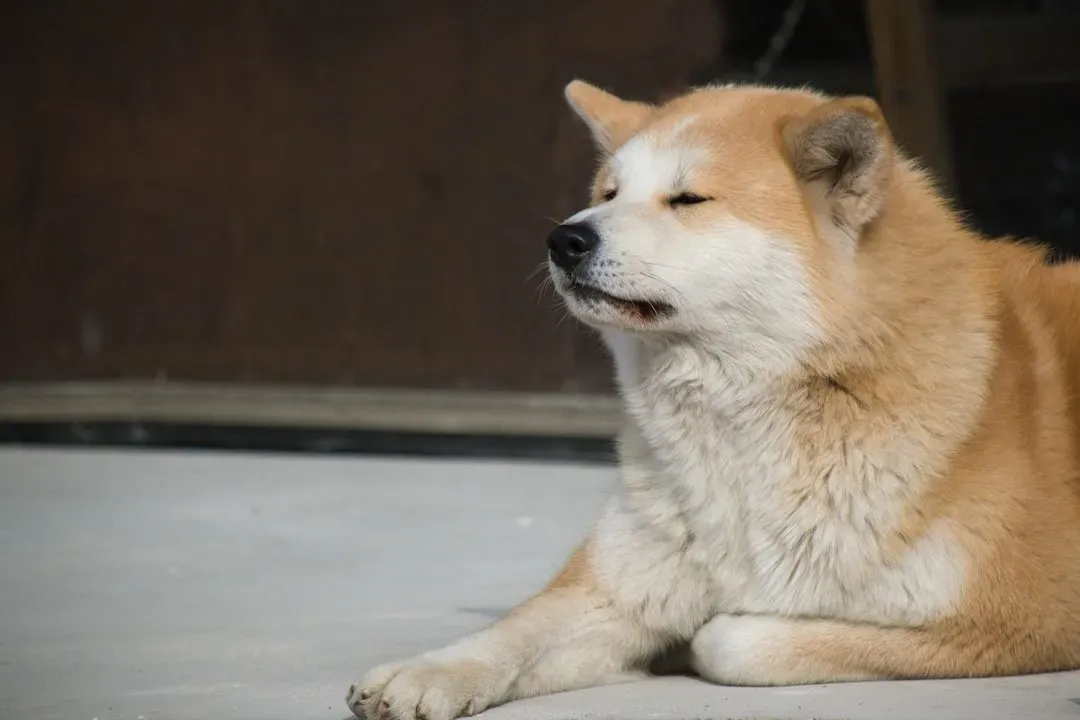
Akitas may struggle with anxiety in certain situations, but they are incredibly rewarding companions once you’ve established trust, with loyalty and affection that are unmatched. This Japanese breed carries itself with a quiet, almost regal dignity that demands respect rather than begging for attention.
Maltese dogs are affectionate and loyal, but they tend to form these deep connections slowly, taking their time to trust new people, and their naturally anxious disposition means they might shy away from loud noises or sudden movements. Akitas don’t throw their trust around carelessly. They observe, they wait, and they decide on their own terms whether you’ve earned their companionship. Rushing this process will only make them retreat further.
The Borzoi: Elegant Distance
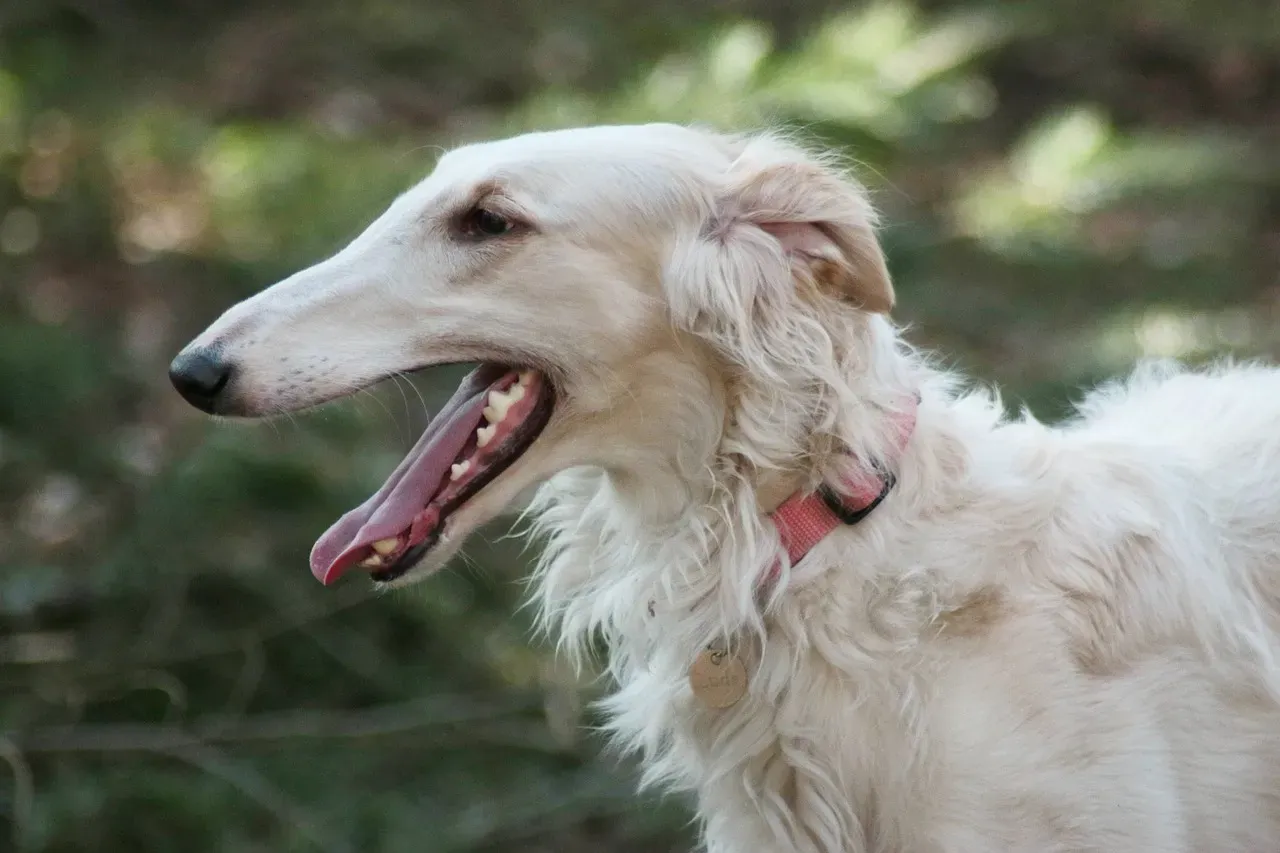
For strangers, meeting a Borzoi can feel underwhelming compared to friendlier breeds, as they are not aggressive, but their reserved personality often makes them seem distant until trust is established. These elegant sighthounds were bred for Russian nobility, and they still carry themselves like aristocrats who aren’t particularly interested in commoners.
Harsh approaches do not work with their sensitive temperament. Use gentle, consistent training techniques suited to their sensitivity. Let’s be real, a Borzoi isn’t going to rush over for belly rubs from someone they just met. They prefer to maintain their graceful composure and observe from a safe distance until they’ve decided you’re worth their time.
The Black Russian Terrier: Suspicious by Nature
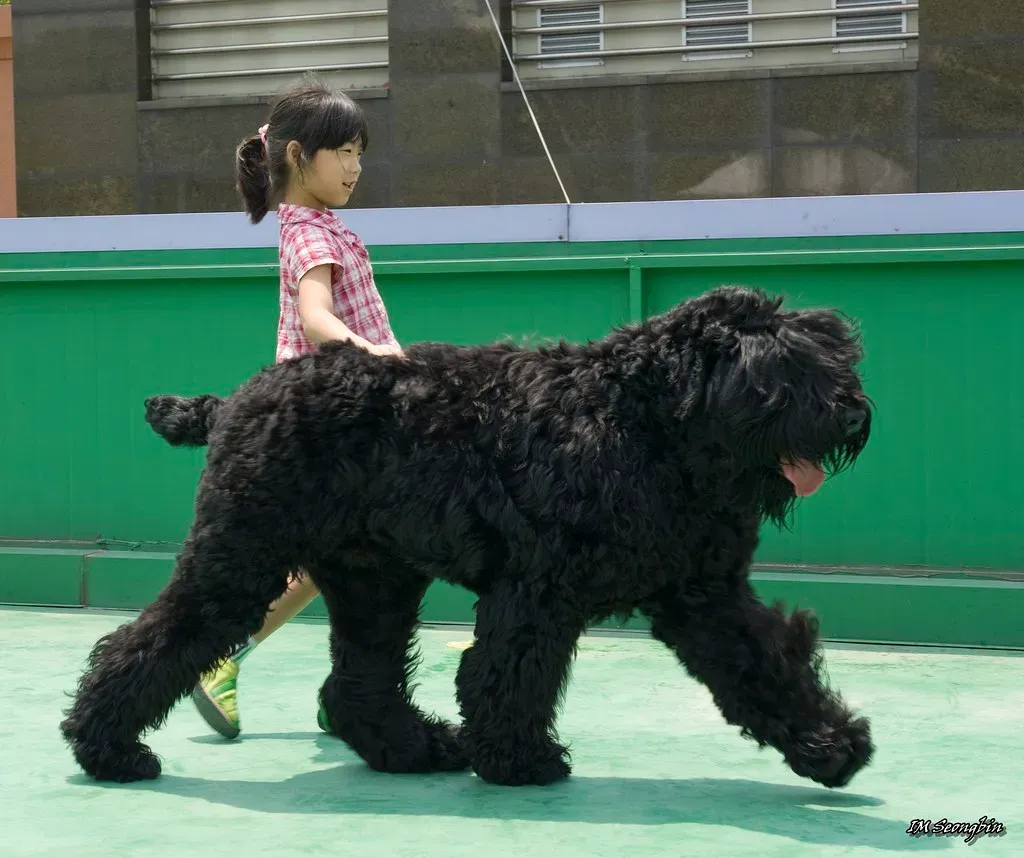
While affectionate with family, this breed can be cautious around strangers, and without proper socialization, the Black Russian Terrier may become overly suspicious of unfamiliar people. Meeting a Black Russian Terrier for the first time may feel intimidating because of its size and serious demeanor, however, with proper training and guidance, it can become a loyal and trustworthy protector of its home.
Training is essential for this breed to thrive, as they’re intelligent and eager to learn, responding well to positive reinforcement and clear direction, but requiring structure and consistency to prevent dominant or stubborn behavior. Early socialization is vital to ensure balanced behavior, and exposure to people, other dogs, and new environments helps channel their natural guarding drive in a healthy way. These powerful dogs need an experienced hand, not a first-time owner hoping for instant cuddles.
The Great Pyrenees: Gentle Giant with Boundaries
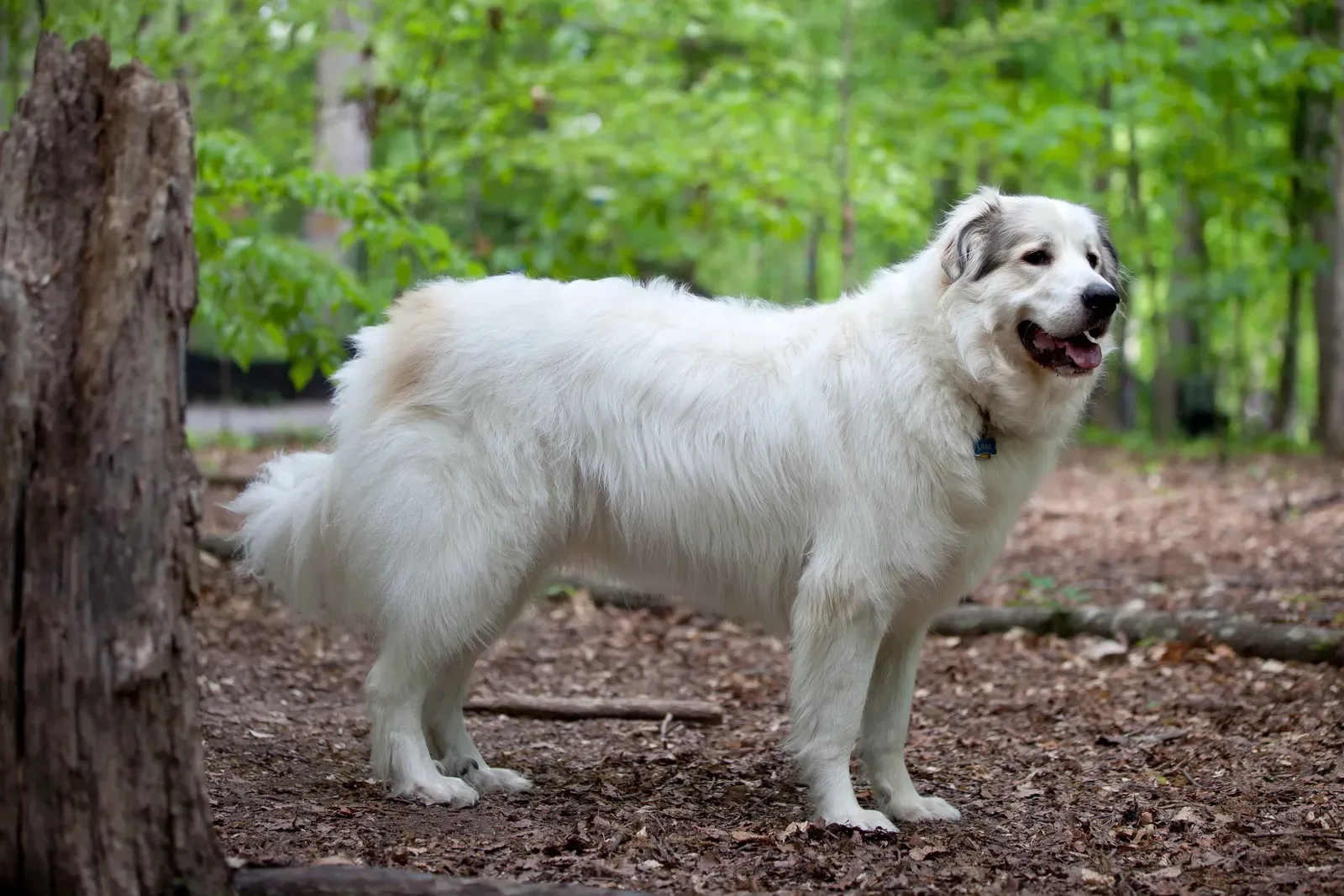
Though they are cautious, Great Pyrenees are also friendly and will gradually warm up to new people, and while they may not be the most outgoing, they are definitely not standoffish once trust is established. These massive white guardians were bred to protect livestock across vast mountain territories, giving them an independent streak and a natural wariness of strangers.
Originally bred to guard livestock over vast areas, they require regular exercise to stay healthy and happy, and a brisk walk or a chance to explore open spaces helps them burn off energy while remaining the alert guard dogs they are at heart. Here’s the thing: they’re not unfriendly, they’re just doing their job. A Great Pyrenees will assess you carefully before deciding you’re safe to be around their family. Patience is the key to winning their affection.
The Golden Retriever: Instant Love
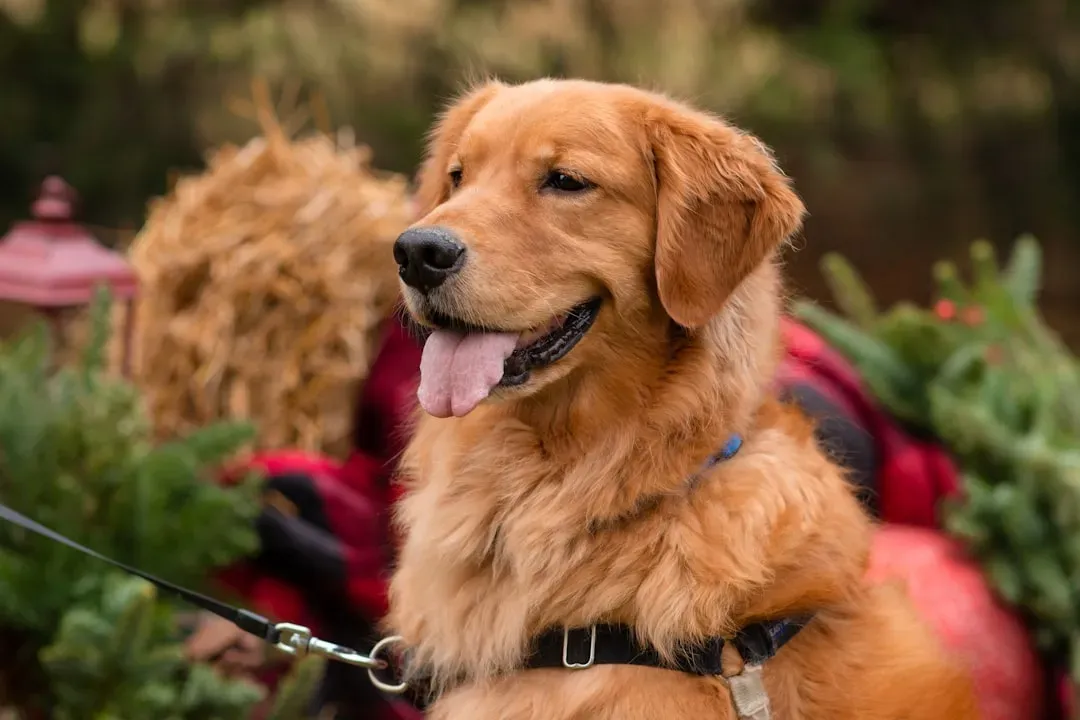
Golden Retrievers are famous for loving everyone – people, dogs, cats, children, strangers, the list goes on, and originally bred as hunting companions, these dogs enjoy people and are eager to please. Known for their friendly and gentle nature, Golden Retrievers are incredibly pleasant and enjoy meeting new people.
Known for their patient and loving temperament, they thrive in family environments and make great companions for children and other pets, and their eagerness to please and affectionate nature mean they rarely meet a stranger they don’t like. If there’s a dog who believes every human is a potential best friend, it’s the Golden Retriever. They approach life with boundless optimism and a wagging tail that could power a small generator.
The Labrador Retriever: Universal Friend
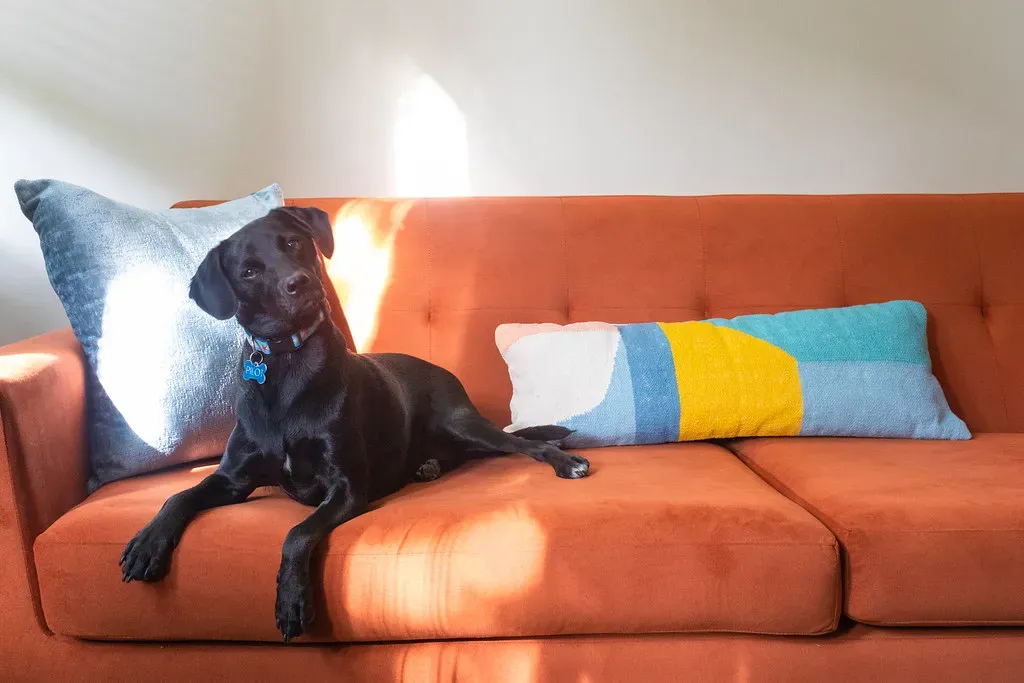
Labrador Retriever, known as The Lab, should probably be at the top of the list of the most friendly dog breeds because they kept the number one dog breed title for the years, and these dogs have been a family favorite for many years. Known for being among the friendliest breeds out there, the Labrador Retriever shines with a playful and affectionate spirit, and these dogs are cheerful, gentle, and openly enjoy meeting new people, offering tail-wagging joy in every encounter.
Labs don’t have a suspicious bone in their entire body. They have lots of energy and love nothing more than running around or taking a splash in the lake or pool, love to be with their family no matter what they’re up to, and are affectionate, loving a good cuddle after a day of running and romping with the kids. Honestly, Labs make terrible guard dogs because they’d probably help a burglar carry out your television if it meant getting some attention.
The Cavalier King Charles Spaniel: Trusting Companion
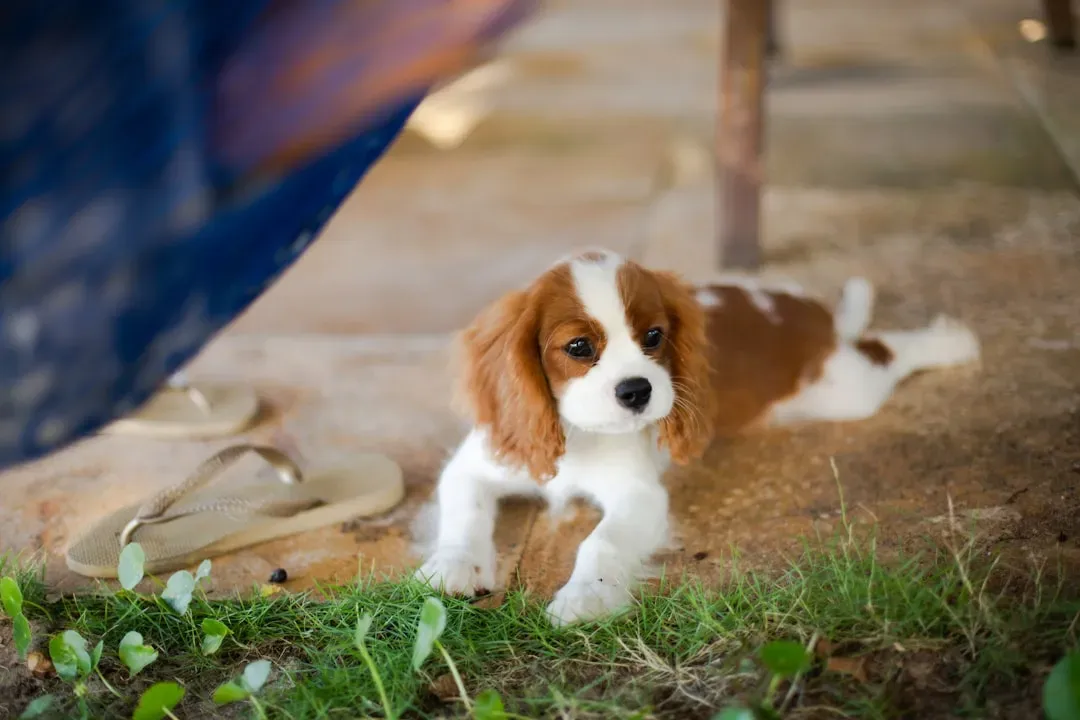
Cavalier King Charles Spaniels ooze a forever-puppy aura, and their big, round eyes peer up with trusting warmth that makes people feel instantly adored. These gentle lap dogs were bred specifically to be companions, and it shows in every fiber of their being. They simply don’t understand the concept of stranger danger.
They lean gently into hands, seeking affection, their silky ears frame faces that radiate calm delight, and walk into a room with one and watch hearts soften as people smile. These sweet souls approach every new person with the assumption that they’re about to make another wonderful friend. Their default setting is trust, which makes them wonderful therapy dogs but less ideal for anyone seeking a protective guardian.
The Beagle: Social Butterfly
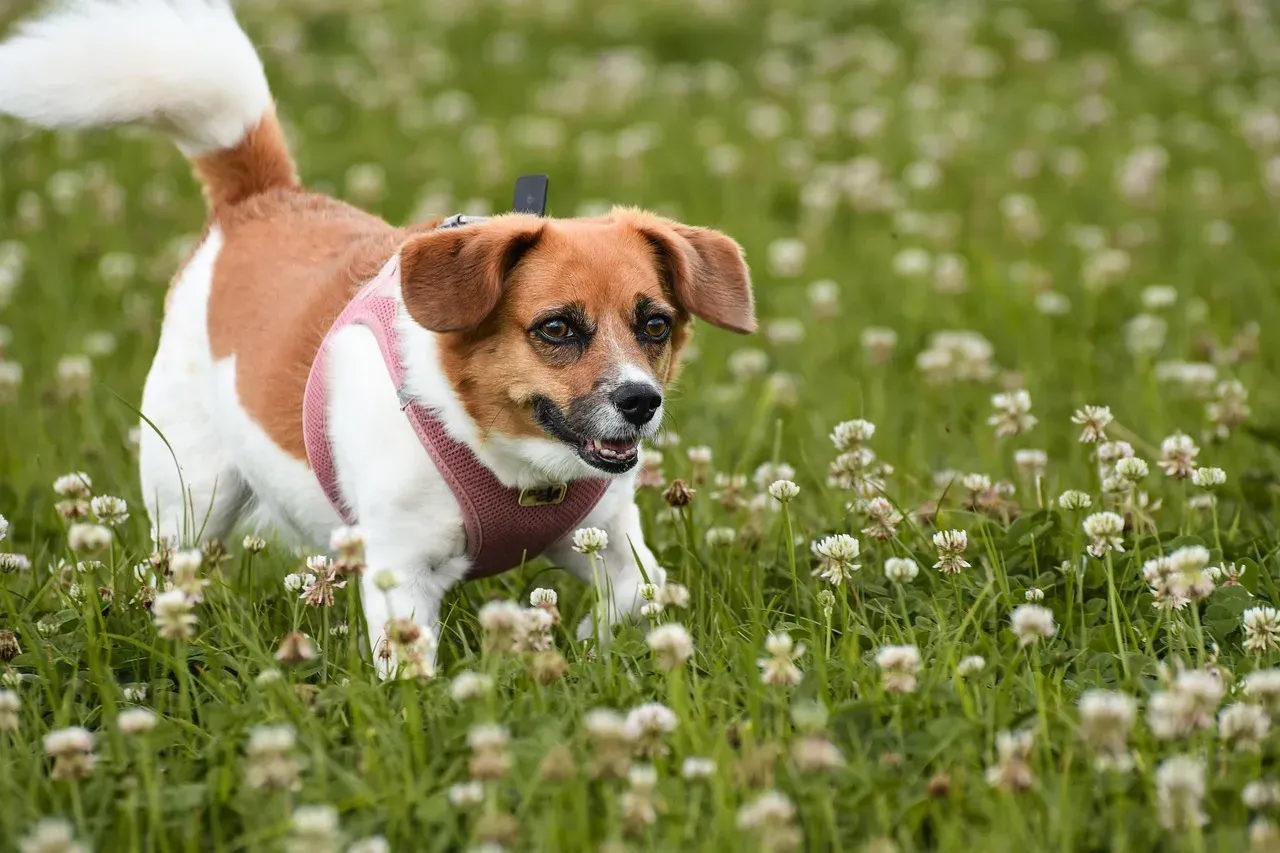
Beagles are small to medium-sized dogs known for their friendly and outgoing nature, and initially bred for hunting, Beagles have a strong pack mentality, which makes them pleasant and eager to interact with people and other animals. Beagles are curious and adventurous, often approaching strangers with a wagging tail and a friendly demeanor, and their playful and affectionate nature ensures they quickly make new friends wherever they go.
With their soulful eyes and curious personalities, Beagles are friendly explorers who love both people and pups, have a playful, loving spirit and enjoy being part of a pack, and their merry temperament makes them great with kids. Beagles enjoy sniffing out new adventures and are always excited by the chance to play or cuddle, and while they can be quite vocal if left alone too long, they remain warmhearted and cheerful around strangers when introduced the right way.
Recognizing Trust in Your Dog
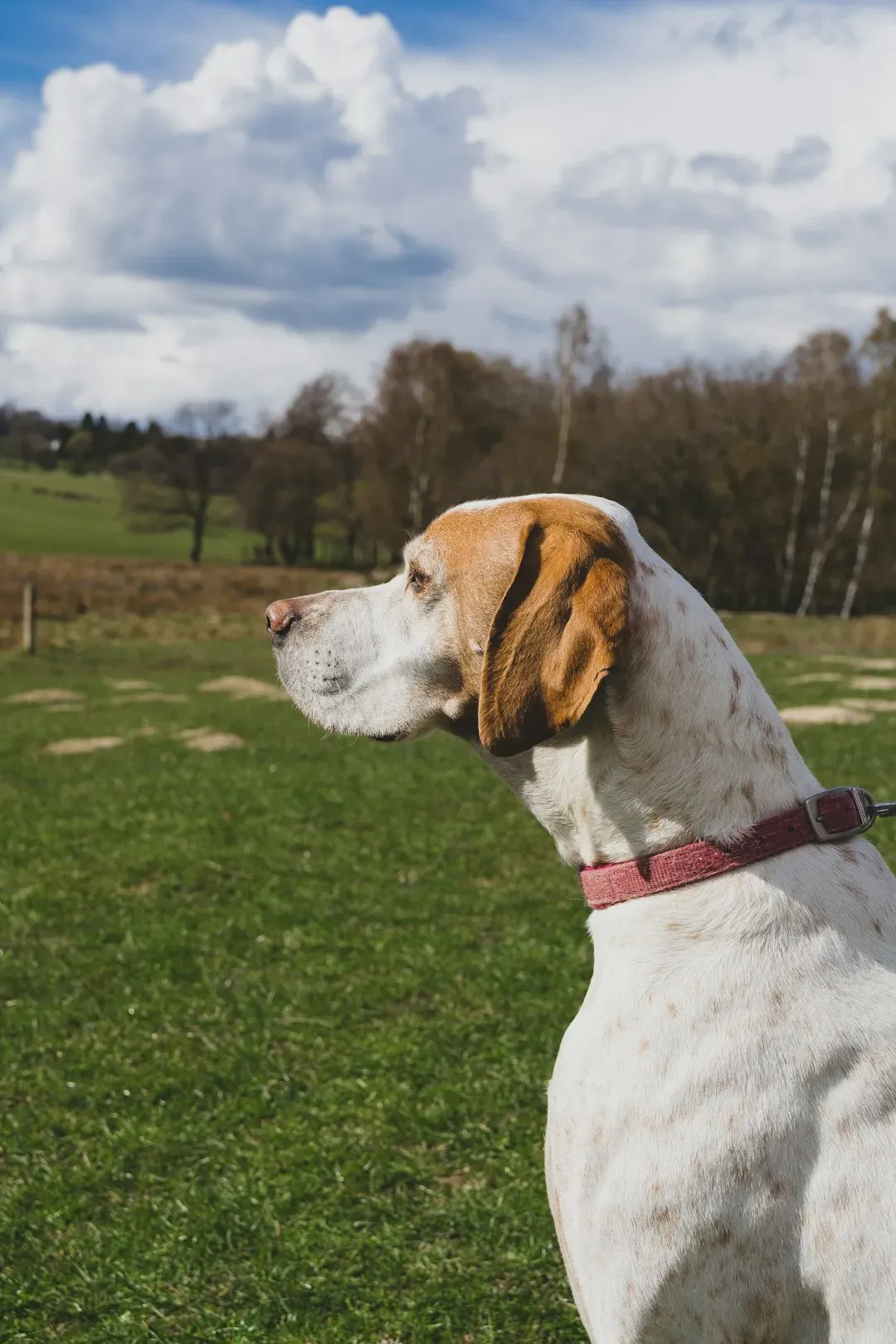
The most common signs include relaxed body language, sleeping in vulnerable positions near you, maintaining eye contact, and seeking your presence during stressful situations. Your trusting dog will present with body language that shows their comfort level with you, and you’ll likely see a relaxed face, soft eyes, and a wag that wiggles the entire hind end.
One of the most significant signs of trust is when your dog willingly shows their belly or sleeps in vulnerable positions near you, demonstrating they feel entirely safe in your presence, as dogs would never expose their vulnerable areas to someone they don’t trust completely. Many scientific studies have found that one way oxytocin is released in dogs is through deep and meaningful eye contact, making eye contact one of the most telling signs your dog trusts you. Building trust takes time, especially with naturally cautious breeds, but the reward is a bond that runs deeper than any quick friendship ever could.
Conclusion: The Beauty of Earned Trust
Building trust takes time and patience, and building a dog’s trust and confidence is really a matter of helping them overcome their anxieties and fears, but the effort is worth it, as gaining your canine friend’s trust means you will have a stronger, deeper, and more meaningful relationship. Whether your dog is naturally cautious or instantly affectionate, what matters most is understanding their unique personality and meeting them where they are.
The dogs who take their time trusting aren’t broken or difficult. They’re simply selective about who gets their loyalty. And when they finally decide you’re worthy? That trust is unshakeable, forged through patience and respect rather than demanded or expected. The instant bonders bring immediate joy and uncomplicated affection, reminding us that sometimes love really can be that simple.
What kind of dog shares your home? Did they trust you immediately, or did you have to earn every ounce of their affection? Tell us in the comments.


