
You walk into your living room, freshly arranged after a weekend of rearranging sofas and swapping out throw pillows, feeling pretty proud of yourself. Then you notice it. Your dog is sitting in the corner, staring at the new setup with the kind of quiet disdain usually reserved for a disappointed parent. Sound familiar? Honestly, if you’ve ever owned one of these particular breeds, you already know that your dog has opinions. Strong ones. About your couch. About your rug. About that new memory foam bed you bought them that they’ve clearly decided is beneath them.
The truth is, some dogs genuinely care about their environment in ways that go far beyond simple creature comfort. They’re picky, particular, and a little bit snobbish about where they rest, sprawl, or perch. Let’s dive into the eight breeds that are secretly judging your interior design decisions every single day.
1. The Shiba Inu: Your Furniture Must Meet Their Standards

The Shiba Inu is a small, spirited breed native to Japan, characterized by a fox-like appearance and deeply confident personality. That confidence, it turns out, extends directly to their napping preferences. If you rearrange the sofa or introduce a new dog bed, expect a very long, very deliberate stare of disapproval before they decide whether your choice is acceptable.
The Shiba Inu approaches the world with a calm dignity that is uniquely their own, and because of that independence, they are not the easiest breed to train. Think of it this way: a Shiba picking a spot on your furniture is not a random act. It’s a decision they’ve carefully evaluated, and once made, it is final. Your job is to accept it and rearrange accordingly.
2. The Basenji: The Minimalist Who Hates Your Clutter

Basenjis are fiercely intelligent and wildly self-assured, and they’re simply not the type to follow commands just because you asked nicely. That self-assured energy bleeds into everything, including their very particular taste in resting spots. A Basenji will walk into a room, survey it like a real estate agent, and leave if it doesn’t meet their standards.
Originally from Central Africa, the Basenji earned its reputation as the “barkless dog” but compensates with remarkable stubbornness. These clever canines approach training sessions as optional suggestions rather than requirements. Cat-like in their independence, Basenjis clean themselves meticulously and observe the world with calculating eyes. If your sofa is too cluttered or your dog bed placed in the “wrong” corner, don’t be surprised when they protest by sleeping on your most expensive chair instead.
3. The Dachshund: A Tiny Dog With Very Big Furniture Opinions
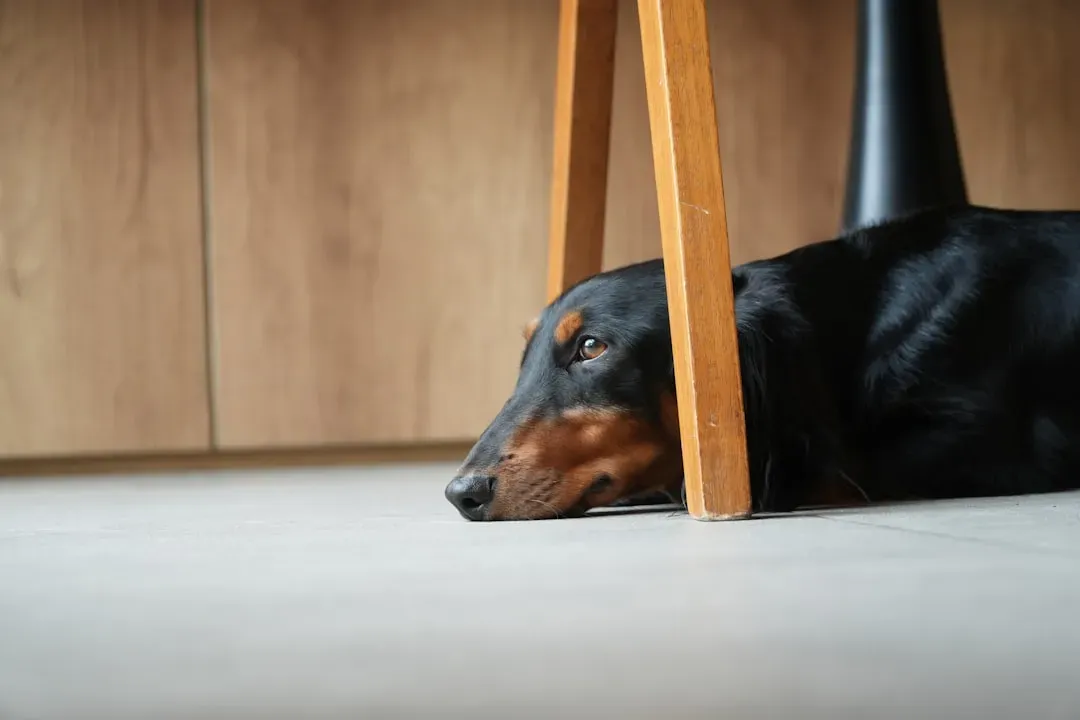
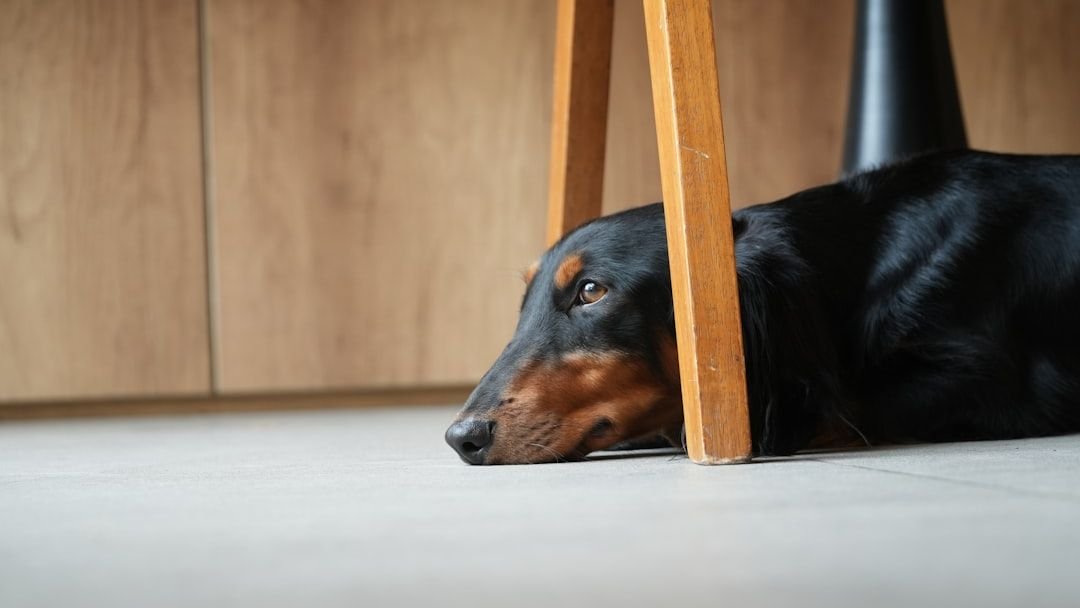
Dachshunds may be short on legs, but they’re big on personality. Originally bred to dive headfirst into hunting badger burrows, these long-bodied little warriors are brave, bold, and not the least bit shy about voicing their opinions. Their hunting past gave them an independent streak a mile wide, and they haven’t looked back since.
Bred to hunt badgers underground without human guidance, Dachshunds maintain their independent thinking in domestic settings. Their long bodies house surprisingly stubborn spirits that evaluate each command for personal benefit before deciding whether to comply. Swap out their beloved armchair cushion and you’ll understand immediately what “stubbornly committed” really means. Prevention tip: if they’ve claimed a spot, make it their designated spot with a washable cover and save yourself the drama.
4. The Chihuahua: Pocket-Sized Critic With Maximum Attitude

Chihuahuas pack the confidence and stubbornness of dogs ten times their size. These pocket-sized companions often develop the conviction that they’re in charge of the household, not the humans who supposedly own them. Let’s be real, the Chihuahua doesn’t just judge your furniture. They judge your entire life. They simply start with the couch.
They’ll cuddle on their terms and won’t settle for less than a cozy spot. Training them calls for consistent boundaries tempered with warmth. Their tiny size means nothing when it comes to a bold personality. If your Chihuahua has decided the left cushion of your sectional is theirs, offering them a dog bed in its place is not a compromise. It’s an insult. Keep a designated warm, snuggly blanket on their preferred spot to redirect without starting a cold war.
5. The Chow Chow: The Ancient Royalty Who Judges Your Taste
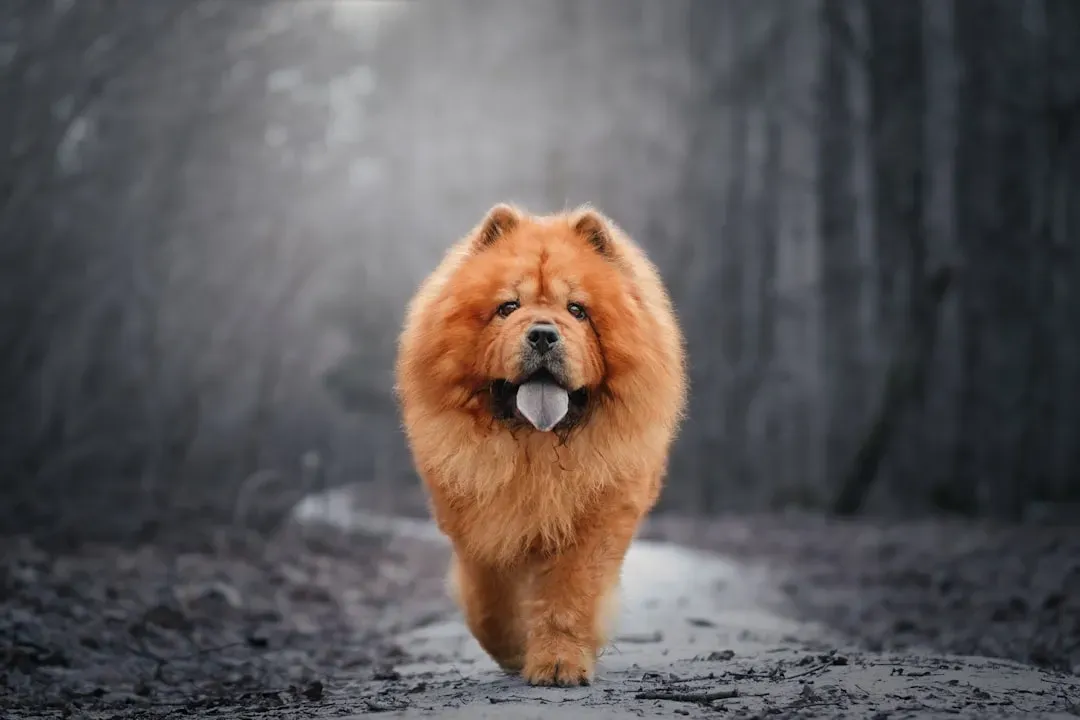
Behind that adorable teddy bear face lies the soul of a dignified monarch. Chow Chows approach life with a serious demeanor, evaluating commands as if they’re reviewing royal decrees, most of which they reject. Their history as palace guards in ancient China explains their reserved, judgmental nature.
Unlike eager-to-please breeds, Chows require owners to earn their respect before cooperation becomes possible. Many Chow owners joke that they don’t own the dog – they merely share living space with a furry, opinionated roommate who occasionally acknowledges their existence. I think that’s the most accurate description of living with a Chow Chow I’ve ever come across. Place their bed in a quiet, elevated, or dignified corner of the home. They will not tolerate being tucked away in a busy hallway like some kind of afterthought.
6. The Afghan Hound: Elegant, Aloof, and Silently Appalled
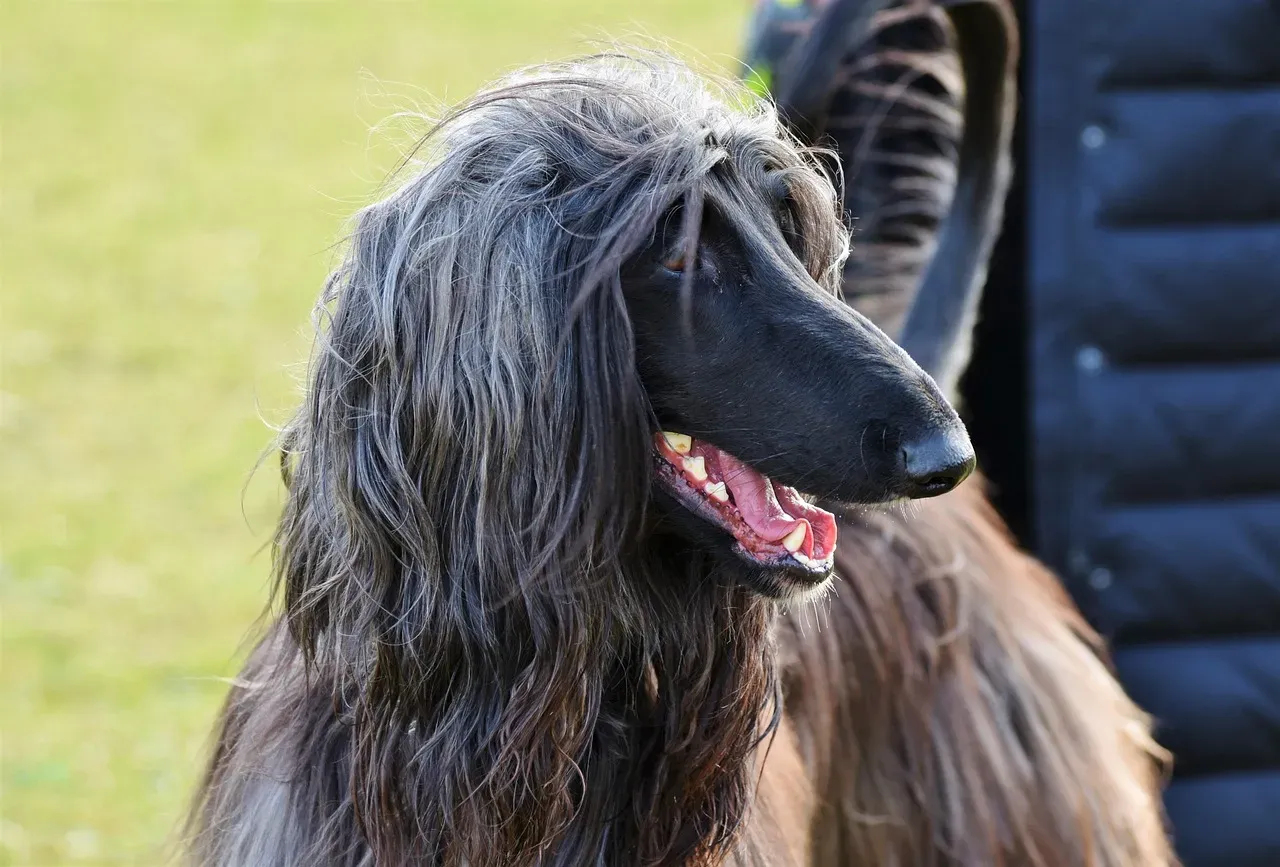
Afghan Hounds are elegant and aloof with a dose of aristocratic stubbornness. They know they’re beautiful and act accordingly, responding to commands like occasional court etiquette. Their independent streak doesn’t diminish their loyalty; it just means training is best handled with respect and patience.
Here’s the thing about Afghan Hounds: they will physically remove themselves from a situation they find undignified. A scratchy dog mat on a cold tile floor? Absolutely not. They’re dignified dogs with opinions, and sometimes they show it by ignoring you. Their affection, when given, is deeply felt. Invest in a genuinely plush, clean, soft dog bed placed somewhere quiet and beautiful. Think of it as interior decorating with your Afghan Hound’s approval in mind. It’s honestly just easier.
7. The Siberian Husky: Dramatic Protester of Uncomfortable Arrangements
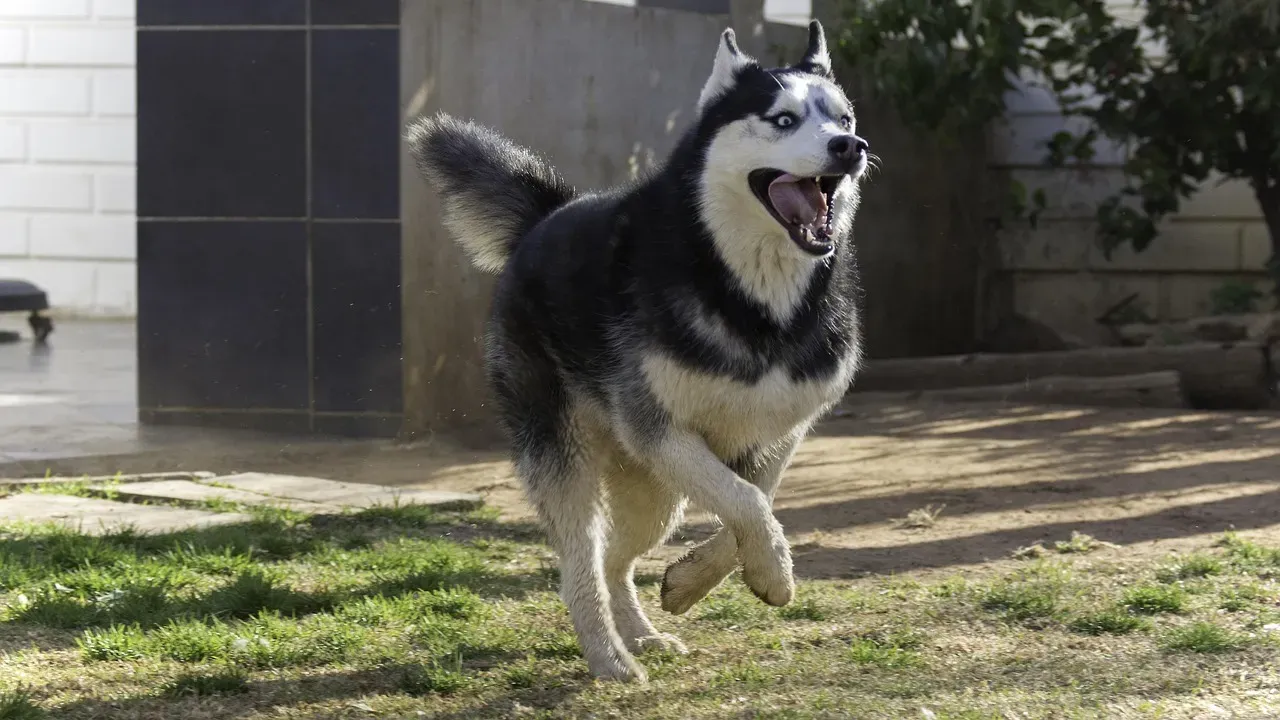
Huskies are effortlessly stubborn and impossible to ignore when they choose to be. What makes Huskies particularly special in the furniture-judgment department is their gift for making their displeasure loudly, vocally, and theatrically known. Researchers have theorized that herding dogs and similarly hyper-attentive breeds are hyper-alert to environmental cues, and this attentiveness can make them more prone to reacting strongly to changes in their surroundings.
Rearrange the living room furniture and a Husky will genuinely howl at you about it. They’re not being dramatic for the sake of it. Well, okay. They are a little bit. Dogs may change their sleeping location due to changes in their environment, such as new furniture or a new family member. With Huskies, that change triggers a full emotional response. Keep their den space consistent, warm, and familiar, and you’ll avoid what Husky owners lovingly call “the monologue.”
8. The Shetland Sheepdog: The Sensitive Soul Who Notices Everything
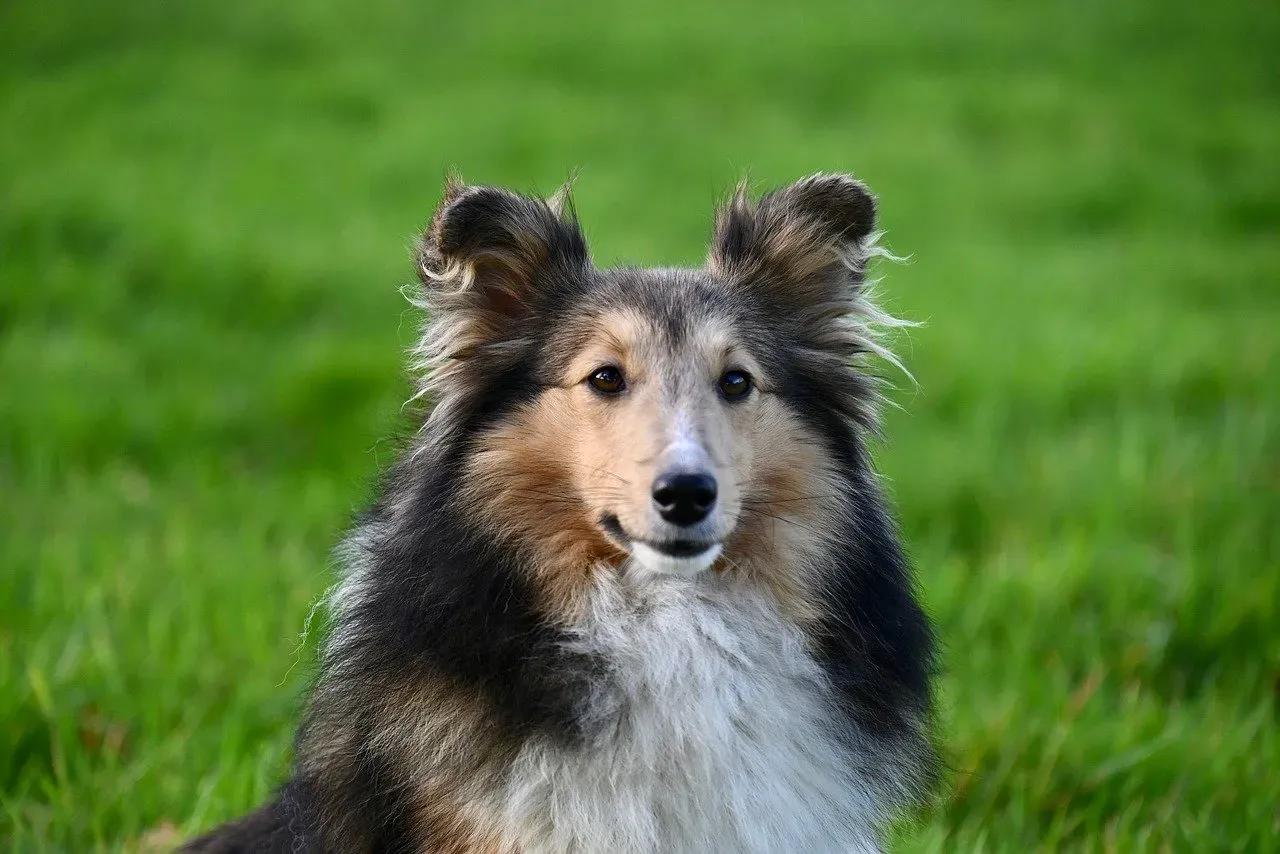
Shetland Sheepdogs are known to get very upset if something in their environment changes. That change can be someone coming into the house or even something as simple as rearranging furniture. That’s not an exaggeration. Shelties notice things. Everything, actually. Move a chair two inches to the left and your Sheltie will stare at it for a suspicious twenty minutes before accepting the change.
Herding dogs are hyper-attentive to environmental cues so that they can herd more effectively. That wiring doesn’t switch off just because there are no sheep involved. It redirects to your living room. The Sheltie’s secret superpower is noticing every single change in their home environment and silently judging whether you’ve made the right call. Prevention tip: introduce new furniture gradually, let your Sheltie sniff and investigate at their own pace, and give them loads of praise for accepting the change calmly.
What Your Dog Is Really Telling You
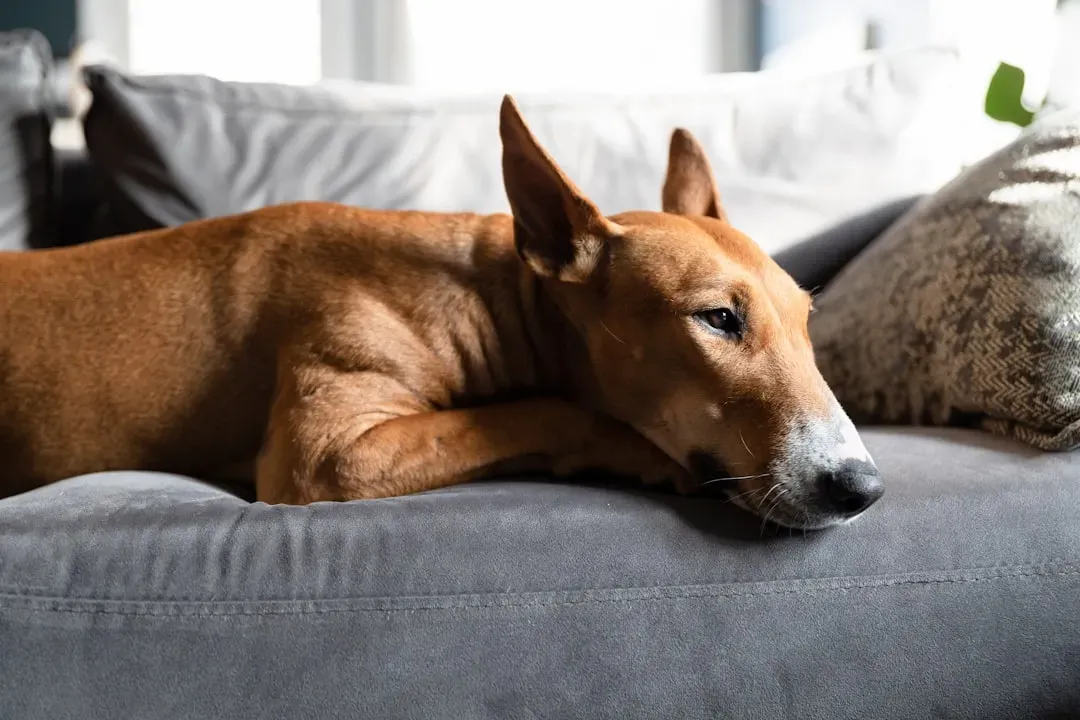
Underneath all the side-eye and sofa-hogging, there’s something genuinely meaningful happening. Couches carry our scent, which can be very comforting to dogs. The familiar smell of their humans can make the couch a preferred sleeping spot over a dog bed that might not retain these comforting scents as well. So that “judgement” your dog is passing on your new throw blanket? It might actually be them saying: this doesn’t smell like home yet.
Dog sleeping positions and behaviors can provide clues about a dog’s emotional state. Dogs sleep best when they have a consistent daily routine and a comfortable sleeping environment. The real takeaway here is a warm one: your dog’s opinionated furniture preferences are, at their core, a deep expression of their need for security, comfort, and closeness to you. They’re not being difficult. They’re being honest.
So next time your dog gives that long, slow, unimpressed look at your new sofa arrangement, maybe take it as the highest compliment. They care about the space they share with you. They care deeply, and with tremendous conviction.
What furniture decision has your dog judged you for most harshly? Tell us in the comments below, because I have a feeling the stories are going to be absolutely priceless.


