
Every dog lover knows that magical moment when their furry friend finally masters a new command or trick. The pure joy in those bright eyes, the eager tail wagging, the sense of accomplishment shared between human and canine. Some dogs practically live for these moments, thriving on the mental challenge and bonding experience that training provides. Others, well, they’ve got different ideas about who should be doing the teaching.
Whether you’re dealing with an eager-to-please Golden Retriever or a strong-willed Husky who thinks your suggestions are merely optional, understanding your dog’s natural tendencies can transform your training journey. Some breeds were literally bred to work alongside humans, making them natural students. Others were developed to think independently, which can create some interesting power dynamics in your household.
The Border Collie: The Straight-A Student
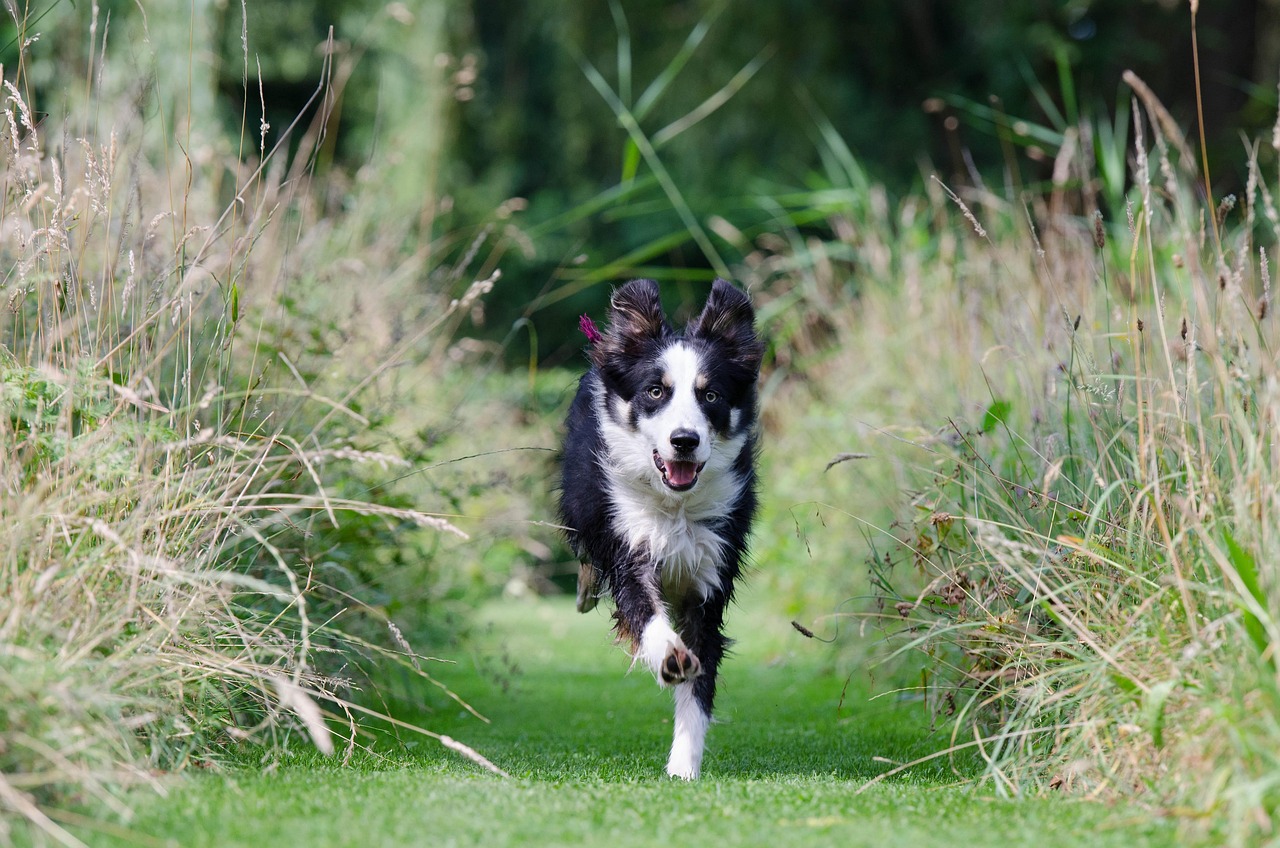
When it comes to trainability, Border Collies are often regarded as the most intelligent dog breed and arguably the valedictorian of the dog world. They learn remarkably fast, and you might find them looking at you as if to say, “Is that all you wanted?” These workaholic dogs don’t just want to learn; they need mental stimulation like we need coffee.
They were originally bred for herding livestock, which required them to make their own decisions while still understanding and executing commands. This unique combination of independence and cooperation makes them exceptional training partners. In addition to basic canine commands, these pups do well with agility training and more advanced obedience skills. If you can keep up with their high energy, this breed is easy to train and eager to learn.
The German Shepherd: The Reliable Honor Roll Student
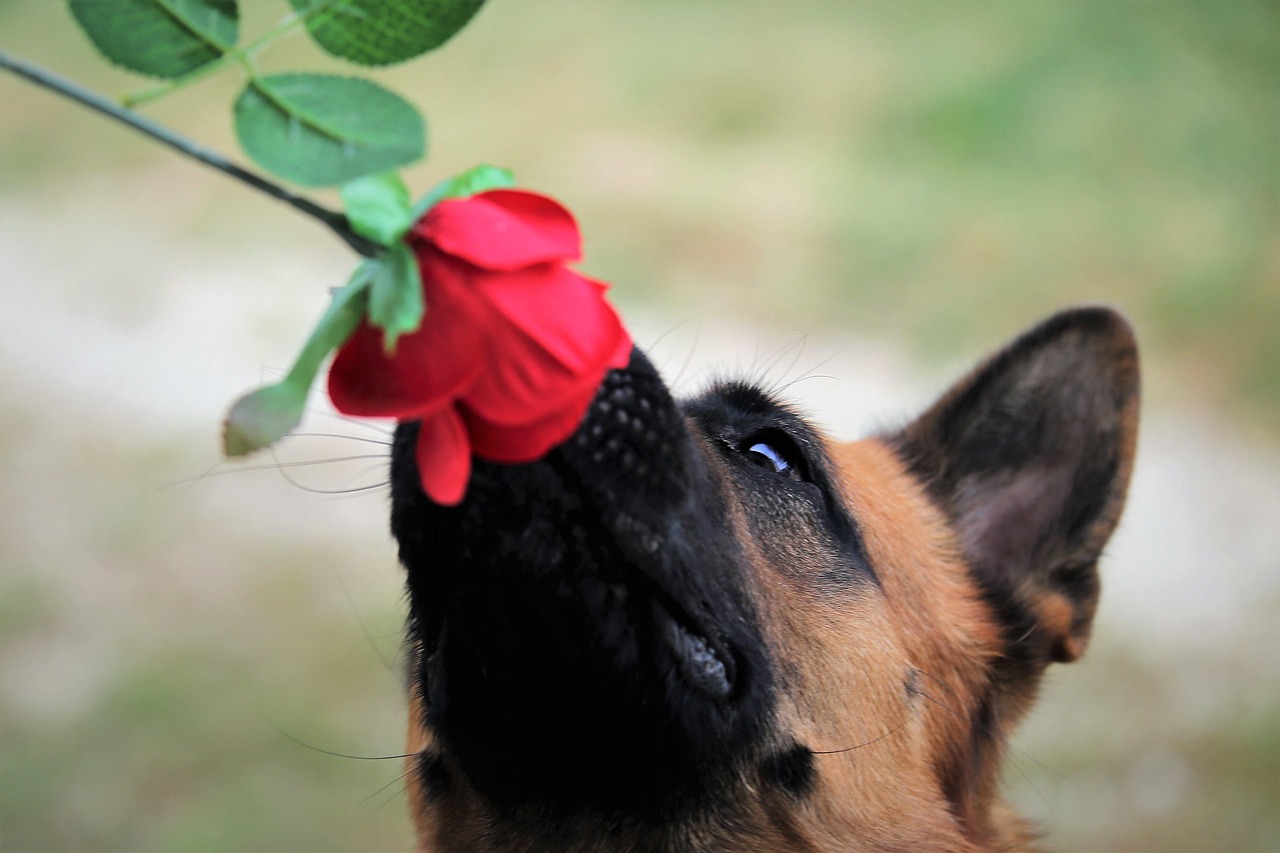
The German Shepherd Dog is a tireless worker and wants nothing more than to please their handlers. These dogs come with an impressive resume, often found working alongside police officers, military personnel, and as service animals. When you think of obedient dog breeds, German shepherds typically come to mind. Known for producing worker dogs, the German shepherd breed is among the easiest dog breeds to train.
What makes German Shepherds particularly wonderful training companions is their combination of intelligence and loyalty. Contrary to popular belief, German shepherds are actually quite affectionate family members, good around other dogs, and high energy. Like border collies, German shepherds require daily mental stimulation and activity, and their “eager to please” personality makes them very easy dogs to train.
The Golden Retriever: The Well-Rounded Favorite
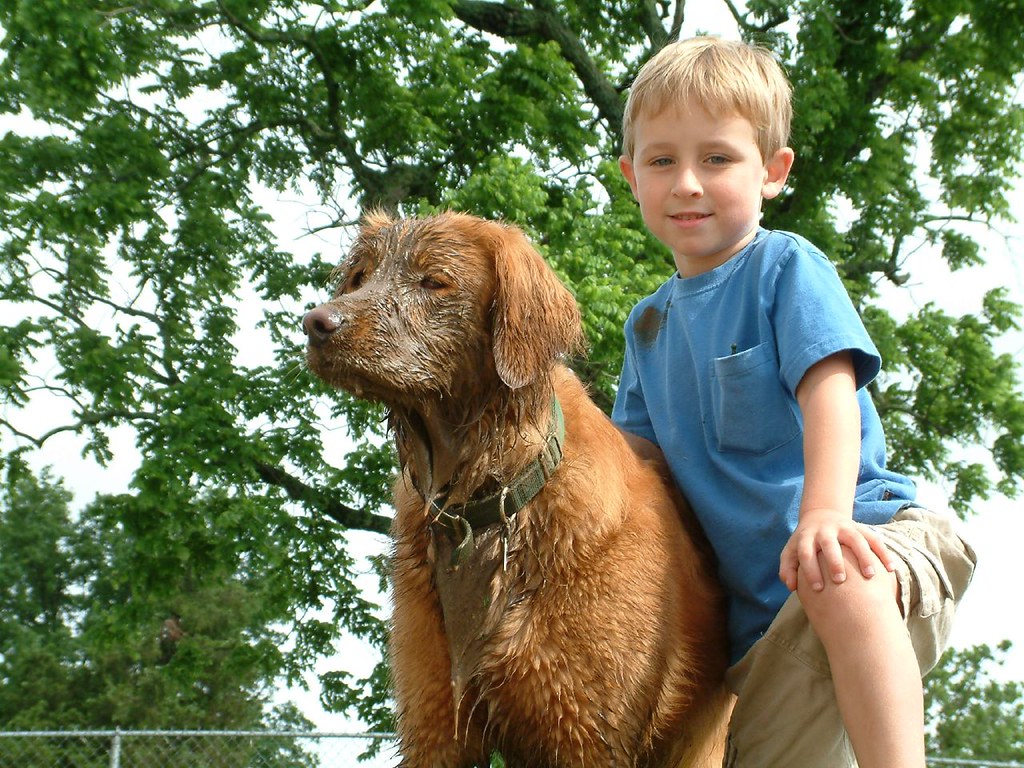
Golden Retrievers are not only one of the most popular family dog breeds, but they’re also highly trainable. They are intelligent, friendly, and eager to please, making them excellent candidates for obedience and retrieval training. These dogs embody the perfect balance of intelligence, patience, and genuine desire to make their humans happy.
Their friendly and patient nature makes them excellent candidates for obedience training and advanced skills, such as search and rescue or therapy work. Golden Retrievers tend to respond well to positive reinforcement methods, including treats, praise, and play. Consistent training is likewise essential to develop the breed’s hallmark well-mannered behavior.
The Labrador Retriever: The Enthusiastic Team Player
It’s no surprise that Labrador Retrievers make the top of the list. Labs are intelligent, energetic, and eager to please. These characteristics make them highly trainable dogs. Think of Labs as the golden retriever’s slightly more energetic cousin who never met a training session they didn’t love.
The Labrador retriever is historically one the most lovable breeds as well as being one of the easiest dog breeds to train. With their outgoing and friendly nature, dogs of this breed make for obedient and beloved family-friendly pets. As labs are extremely trainable dogs, they are often used as service animals, search-and-rescue dogs and more.
The Poodle: The Sophisticated Scholar
The Poodle is intelligent, keen to work, and eager to please. No matter the size, these dogs will happily learn whatever you choose to teach. Don’t let their fancy appearance fool you into thinking they’re all show and no substance. All three types of Poodle – Standard, Miniature, and Toy – tend to do well at training! These intelligent and elegant dogs also come with a high desire to please their humans, allowing them to excel at obedience training and various dog sports.
Poodles are eager to please and are highly athletic. These dogs were historically bred to hunt, which attributes to their eagerness to please their owners. Poodles are very easy to train and are highly obedient despite their high intelligence. Their combination of brains, athleticism, and genuine desire to work with their humans makes them exceptional training partners.
The Shetland Sheepdog: The Devoted Pupil
Shetland sheepdogs are loyal, attentive, and brave. Often described as “shadow dogs”, Shetland sheepdogs form unshakeable bonds with their humans. Combined with their eagerness to please, this loyalty makes them eager to be obedient and easy to train. These smaller cousins of the Collie family pack all the intelligence of their larger relatives into a more compact package.
Shetland Sheepdogs or “Shelties” are highly trainable and intelligent pups, making them of course easy to train. Bred to be herding dogs, they are known for having a strong desire to please their owners and shine when it comes to agility and obedience tasks. Shetland Sheepdogs are widely recognized for their high intelligence and trainability.
The Doberman Pinscher: The Intense Achiever
Doberman Pinschers were first developed as protection for tax collectors, and they retain their protective instincts and intuitive sense about who is a friend and who is not. This is a serious yet sensitive and intelligent dog who wants to please his owner. That makes them very trainable. These dogs approach training with the same intensity they bring to everything else in their lives.
Looking for a dog whose innately alert, intelligent, and obedient? Well, you’re in luck! The Doberman Pinscher exemplifies all three traits, making them a great breed who trains easily and quickly. Their combination of intelligence, loyalty, and desire to work makes them exceptional students when handled with consistency and positive methods.
The Papillon: The Tiny Overachiever

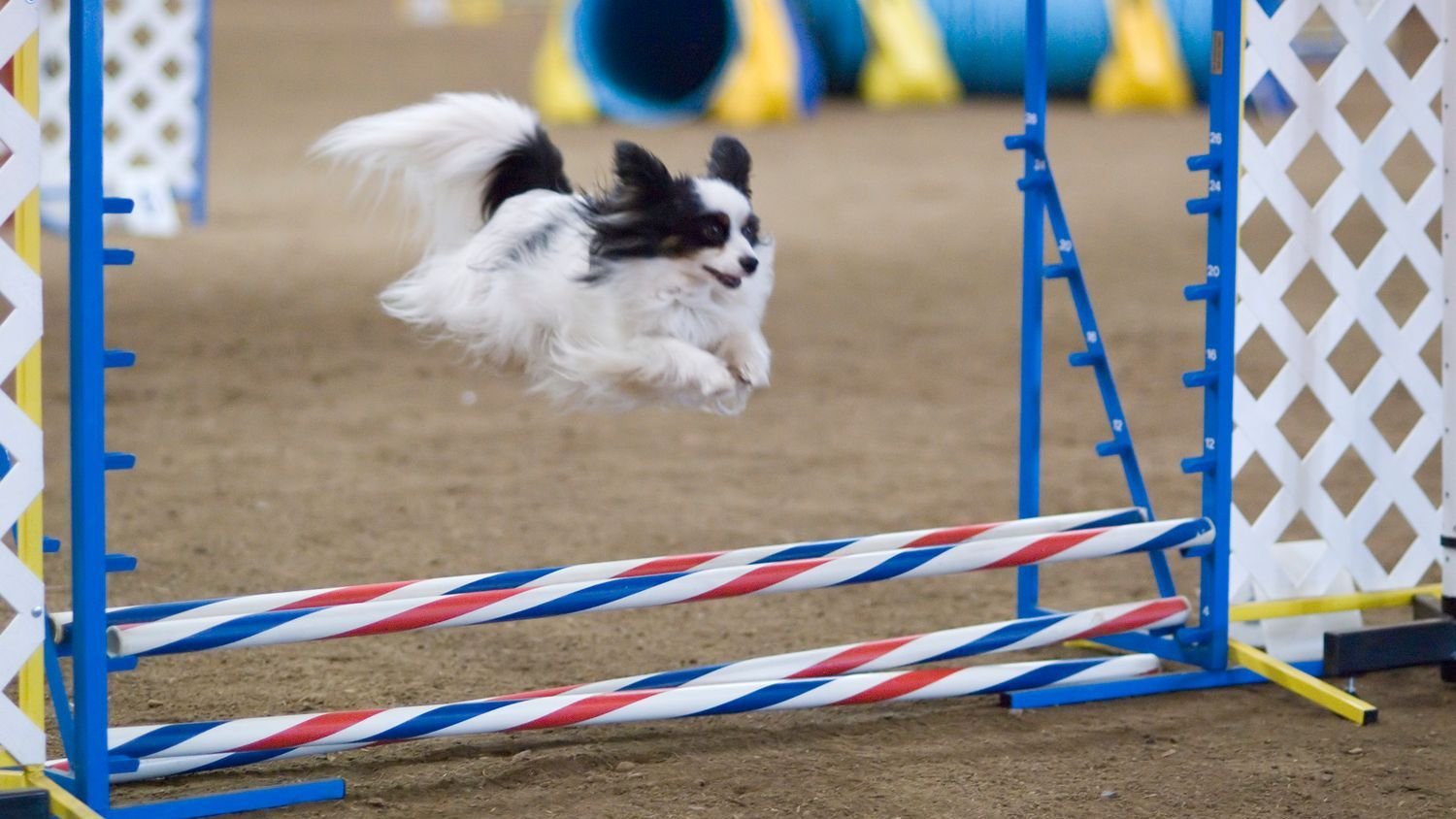
Papillons are great, easy to train, small dogs who are highly intelligent and friendly. They are tenacious and do wonderfully in obedience training. Their eagerness to learn and playful, affectionate nature makes them an excellent choice for first-time pet owners. Don’t let their delicate appearance fool you; these little butterflies are serious about their education.
Papillons are often looked over because of their size, but this doesn’t make them any less intelligent than any other dog on this list. Despite their size, they have medium to high energy and need a lot of exercise and mental stimulation. Papillons are companion dogs and have a tendency to misbehave if left alone for long periods of time.
The Siberian Husky: The Beautiful Rebel
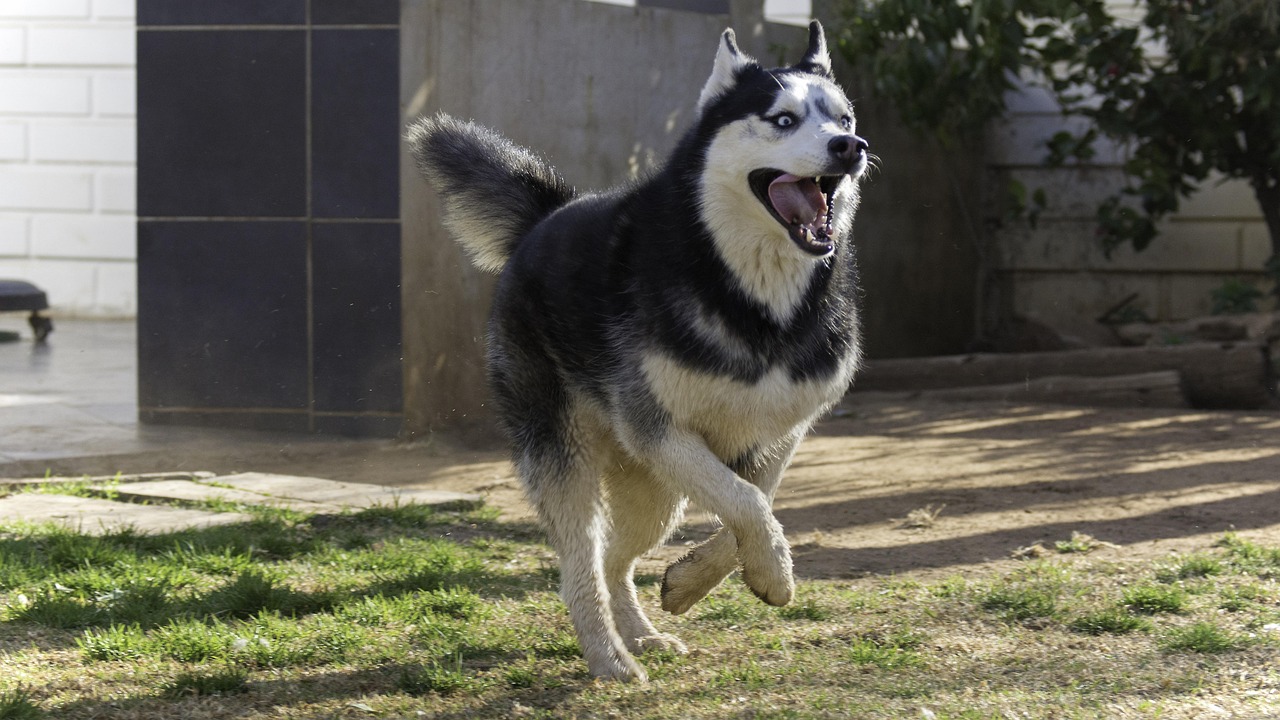
Now we enter the territory of dogs who have their own ideas about training. Huskies are famous for their stubborn behavior. Bred to pull sleds in harsh climates, they’re independent thinkers who love to run and explore. They often ignore commands, especially if off-leash. These gorgeous dogs look at your training sessions as mere suggestions rather than requirements.
They were bred to be independent, as this ensured a mushing group of huskies would ignore commands if the terrain was deemed unsafe. But all these years later, that independence means they have a stubborn streak when it comes to listening to commands. Training a Husky requires patience, creativity, and the ability to make every session more interesting than whatever they’re currently distracted by.
The Afghan Hound: The Elegant Free Spirit
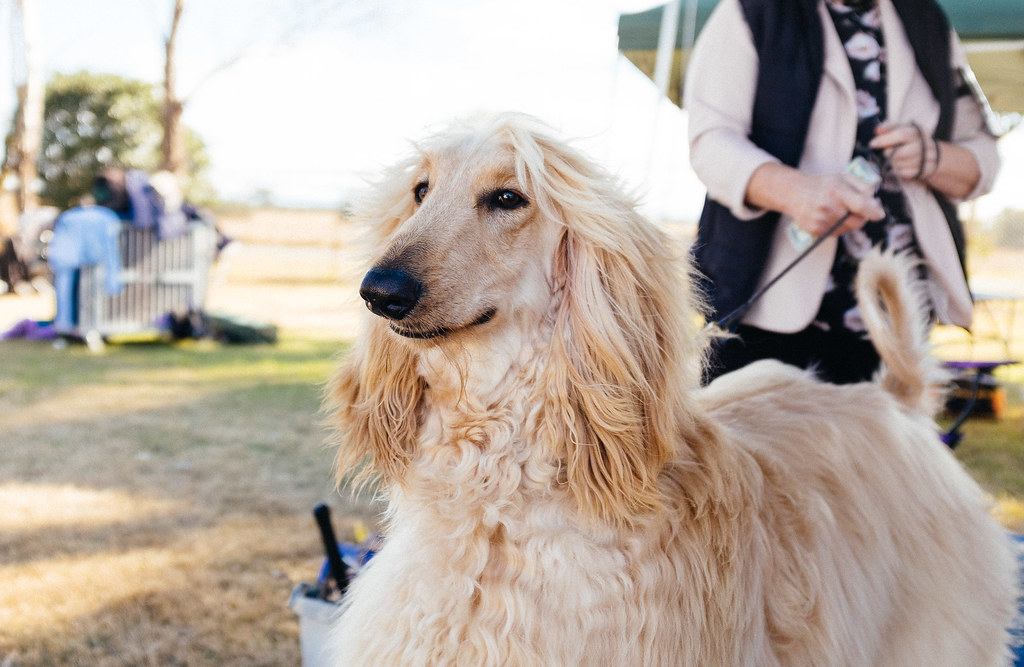
Afghan Hounds are extremely intelligent, but have independent qualities more in line with cats. They prefer to do what they want, when they want, and love pretending you didn’t just call their name. These regal dogs approach training sessions like they’re being asked to attend a meeting they didn’t schedule.
A dignified dog with a true sense of independence – that’s how we would like to describe the Afghan Hound. Also known for their exquisite and imperial look, this particular stubborn breed was originally a hunting breed used in the challenging terrain of the mountains of Afghanistan. They are known for their prudent decision-making and actions in any demanding situation without the commands of humans.
The Beagle: The Charming Distraction Expert
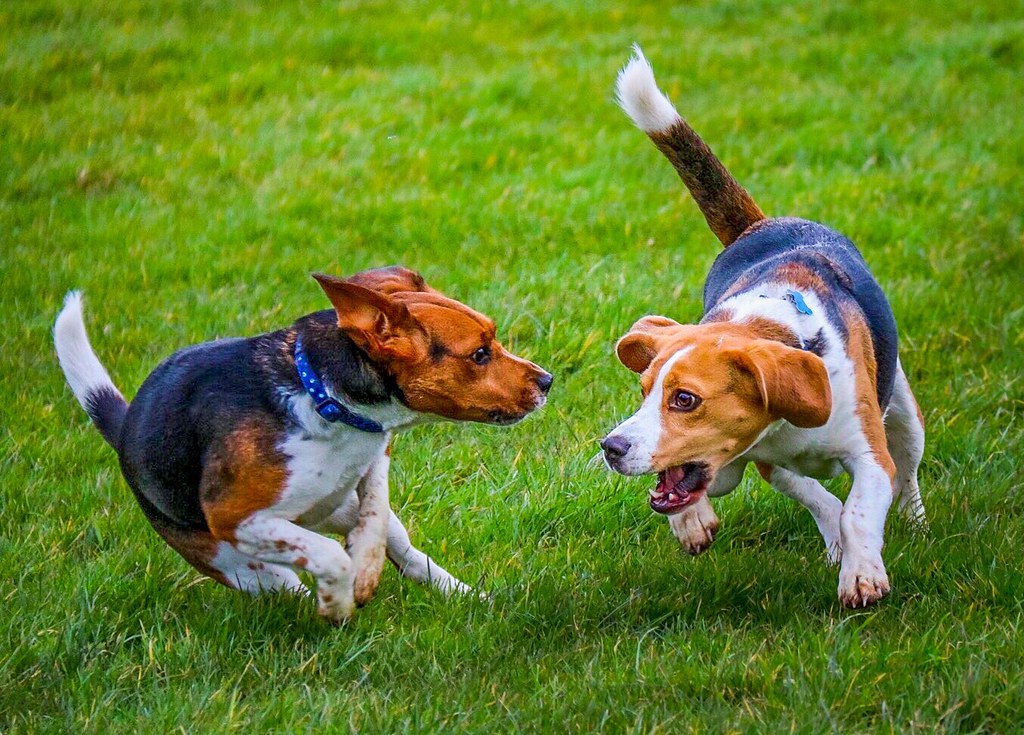
Beagles are known as one of the best hunting dogs and companions in history. However, these dogs are also famous for their independent and tenacious character, making them hard to please. They even tend to howl when they are left alone. These adorable hounds have mastered the art of selective hearing, especially when their noses pick up something more interesting than your commands.
With their strong hunting instincts, some were bred to be hunters, so their high prey drive and scent-tracking instincts deter them from following commands. Training a Beagle means competing with every interesting smell within a five-mile radius. They’re not being defiant; they’re just following their evolutionary programming that says investigating that fascinating scent is far more important than sitting on command.
The Shiba Inu: The Polite but Firm Negotiator
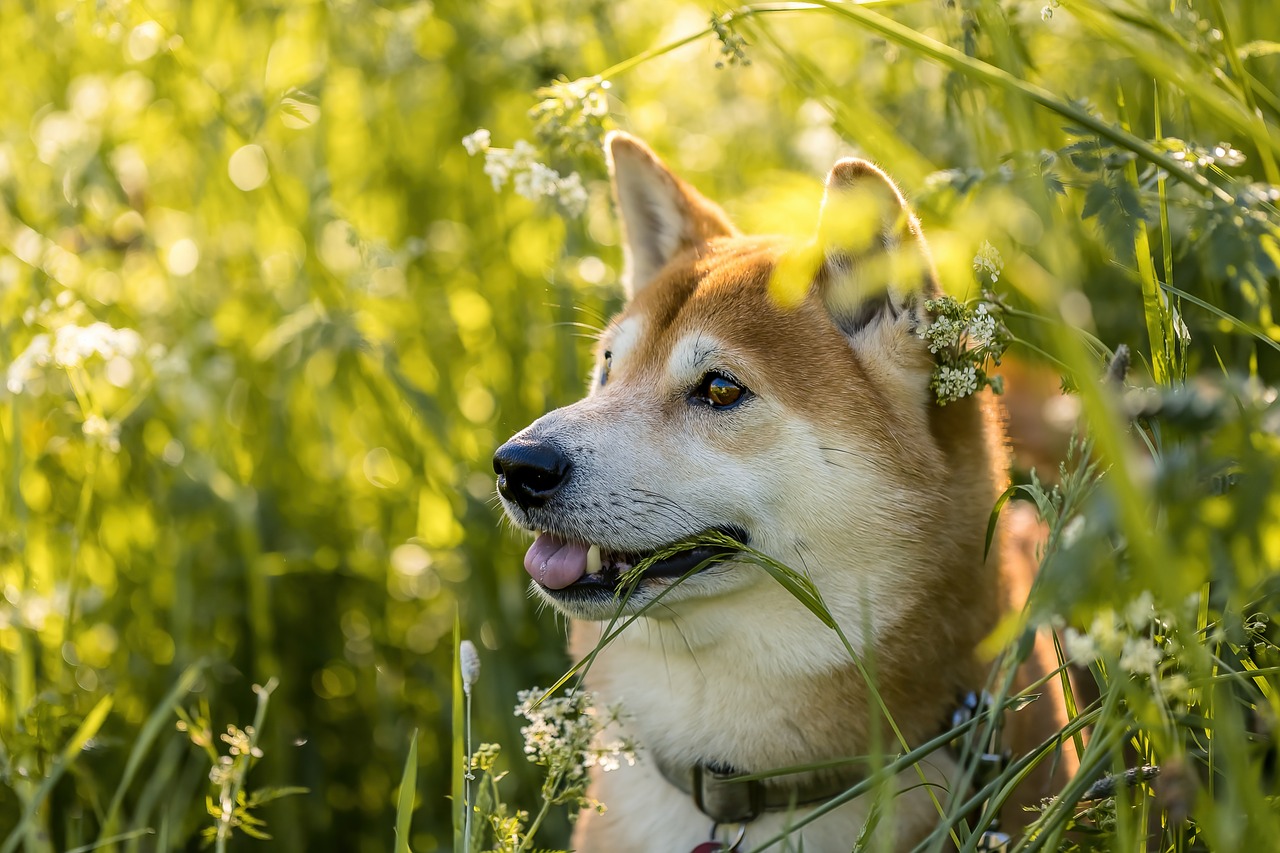
Shiba Inu, a small breed originally from Japan, is known for its bold and independent personality. This breed can be challenging to train due to its stubborn characteristics and typically needs consistent and assertive training techniques.
Many people believe that Shiba Inus are very feline-like. This perception is built around three of their strongest characteristics – independence, aloofness and determination. They’re one of the most ancient dog breeds of the world and their dash of “wilderness” often comes with a hint of unwillingness to be cuddly. Training a Shiba Inu is like negotiating with a polite but firm business partner who always has their own agenda.
Understanding your dog’s natural training tendencies isn’t about giving up on those independent thinkers or taking the easy-to-train breeds for granted. It’s about working with your dog’s personality rather than against it. Your dog can tell when you’re frustrated, and that could potentially distract them from their training or even cause them to get nervous or stressed in response. Training should be fun for both you and your dog. Make sure you are relaxed and enjoying yourself.
Whether your dog is an eager student or a charming rebel, remember that every successful training relationship is built on patience, consistency, and understanding. The breeds that “train their humans” aren’t being difficult; they’re just showing us that sometimes the best relationships involve a little negotiation. What’s your dog teaching you today?


