
![8 Dogs Unsuitable for Retirees [And 4 Senior Friendly Companions]](https://doggodigest.com/wp-content/uploads/2025/12/1766225530155_ge20da4ae2ab33112428370d018dbb64ef6ccdea1fb182cc3701afedc2475cc55fc788.jpeg)
You’ve earned the golden years, friend. Maybe you’re picturing cozy mornings, leisurely walks, and a loyal companion by your side. A dog sounds perfect, right? Here’s the thing though. Not all dogs are cut out for retirement life.
Some breeds are like rocket ships, needing hours of intense activity and constant mental challenges. Others might accidentally knock you over in a moment of enthusiasm. Choosing the wrong match can turn what should be joyful companionship into daily stress and worry. Let’s be real, retirement should be about comfort, not chaos.
But don’t worry. By the end of this guide, you’ll know exactly which breeds to avoid and which sweet souls might be your perfect match. So let’s dive in.
1. Border Collie: The Relentless Workaholic
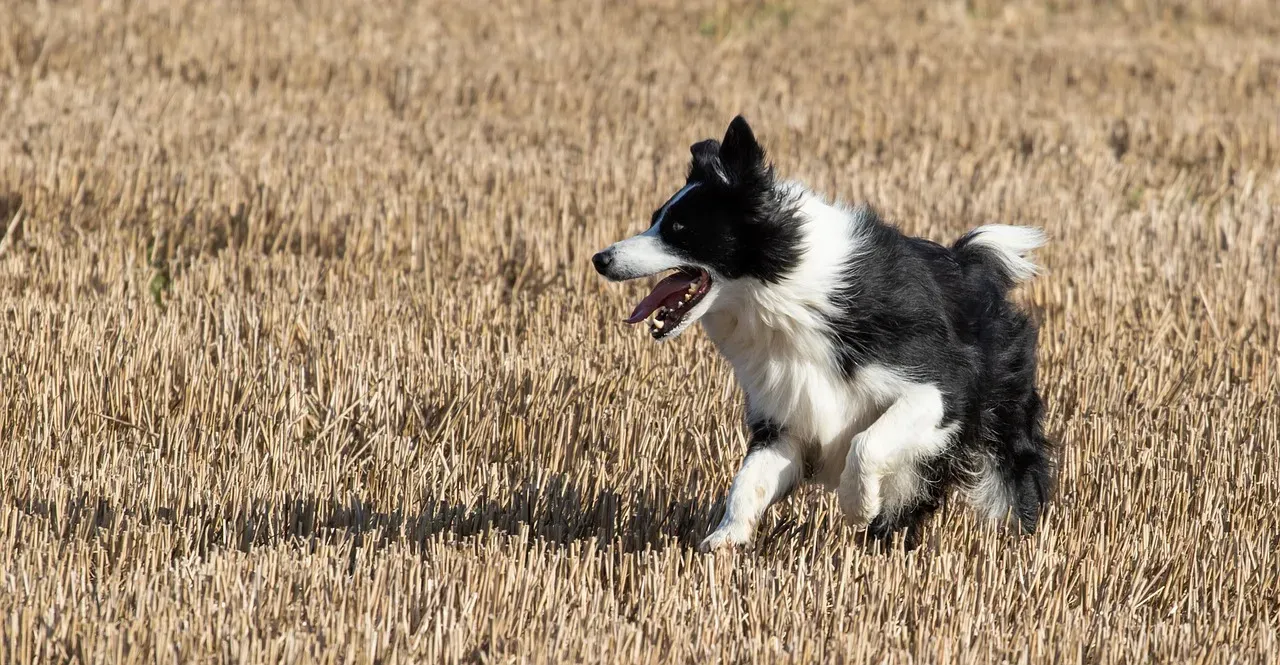
Border Collies are some of the most intelligent and energetic dogs, needing around two hours of exercise daily. I honestly think they’re magnificent animals, but they’re just not built for relaxed living. These medium-sized dogs require a significant amount of physical and mental stimulation to thrive.
If they don’t receive enough exercise and mental enrichment, they can become bored and may exhibit destructive behaviors. Picture chewed furniture, dug-up gardens, and a dog pacing anxiously at your door. Border Collies have a herding instinct, which may lead them to try and herd other animals, which can be challenging to manage.
2. German Shepherd: The High-Energy Guardian
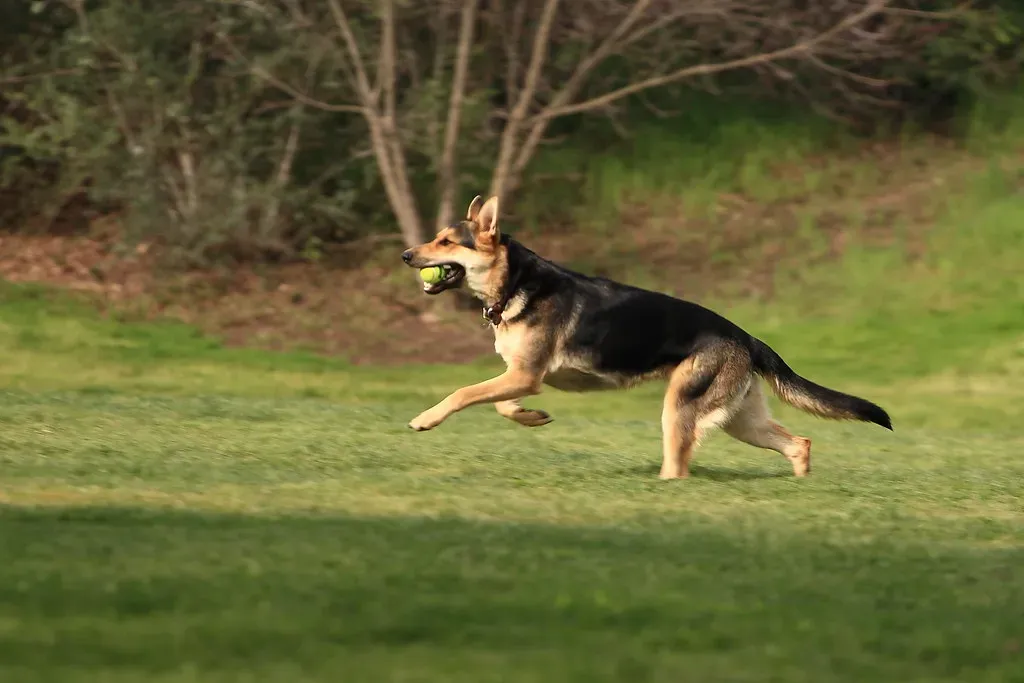
German Shepherds are alert, high-energy, protective dogs that require extensive training and hours of daily exercise, rough play, and mental stimulation, and are extremely strong and known to be reactive when not properly trained. These loyal companions were bred for demanding work.
Healthy adult German Shepherd Dogs require a minimum of one hour of exercise daily, which could be a combination of two brisk walks and a dog sport such as fetch, Frisbee, agility, running, or swimming. Without adequate activity, they can develop behavioral issues. German Shepherds are large and can be intense, requiring a lot of exercise, mental stimulation, and training, with their size and strength making them difficult for some seniors to handle comfortably.
3. Australian Shepherd: The Boundless Herder

Let me tell you about Australian Shepherds. Easily bored with extraordinarily high energy levels, Australian Shepherds need an active lifestyle since they are a herding breed bred for life on a farm, and are sometimes prone to anxiety and quick to take out frustration with redirected aggression.
Australian Shepherds are highly intelligent and need their owner to keep them stimulated and have something to do throughout the day to channel their energy. Without proper training and attention, an Australian Shepherd can become nervous and destructive. That’s a lot of daily responsibility for someone wanting a calmer pace.
4. Siberian Husky: The Escape Artist Marathon Runner
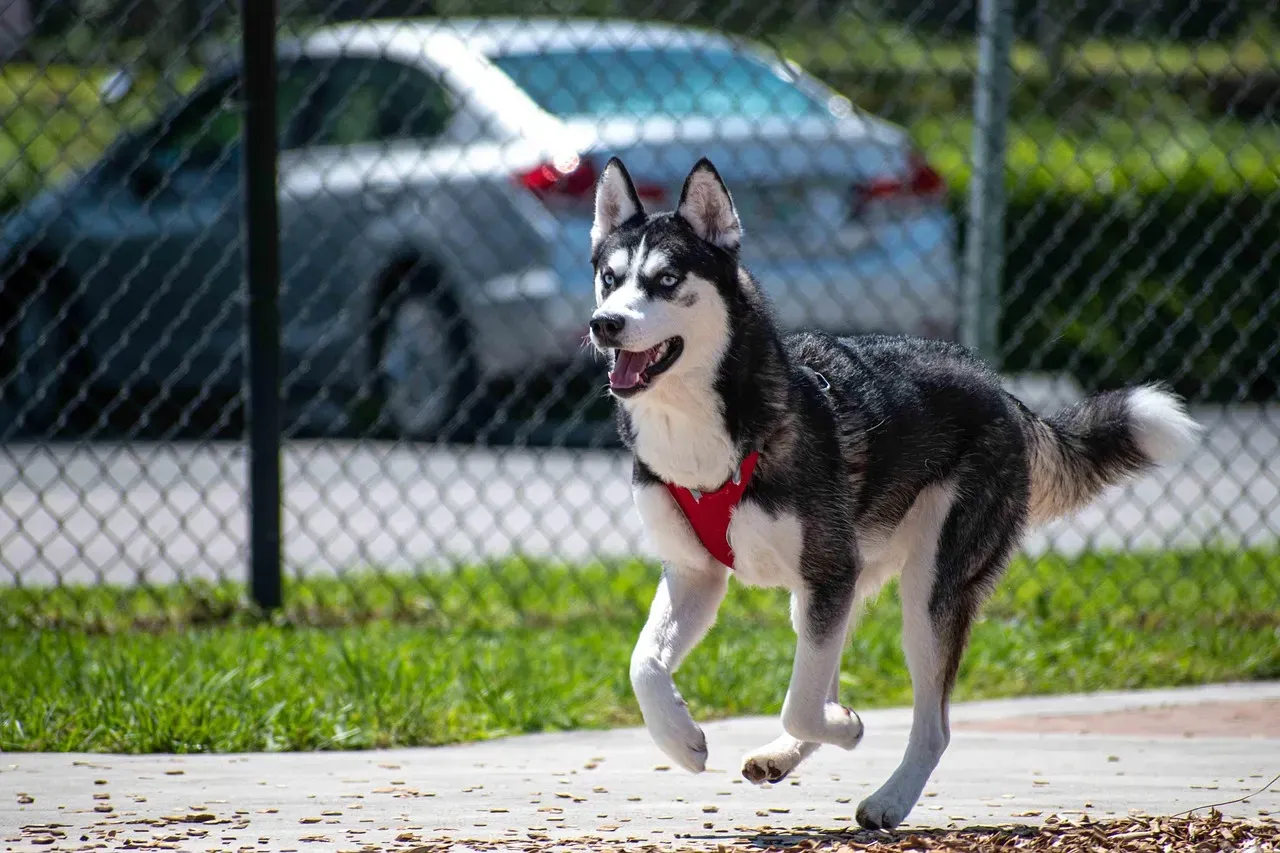
The Siberian Husky is high-maintenance, shedding constantly and needing daily exercise as runners who are also known to be escape artists who will bolt if given the chance. These stunning dogs were literally bred to pull sleds for miles.
Siberian Huskies love running around all day and enjoy being part of a pack, with exercise requirements consisting of almost two hours of robust daily activity. Can you keep up with that? Honestly, most retirees can’t. Large dogs can overrun retirees’ lives, make it dangerous to go for walks, and even knock them over accidentally.
5. Jack Russell Terrier: The Tiny Tornado
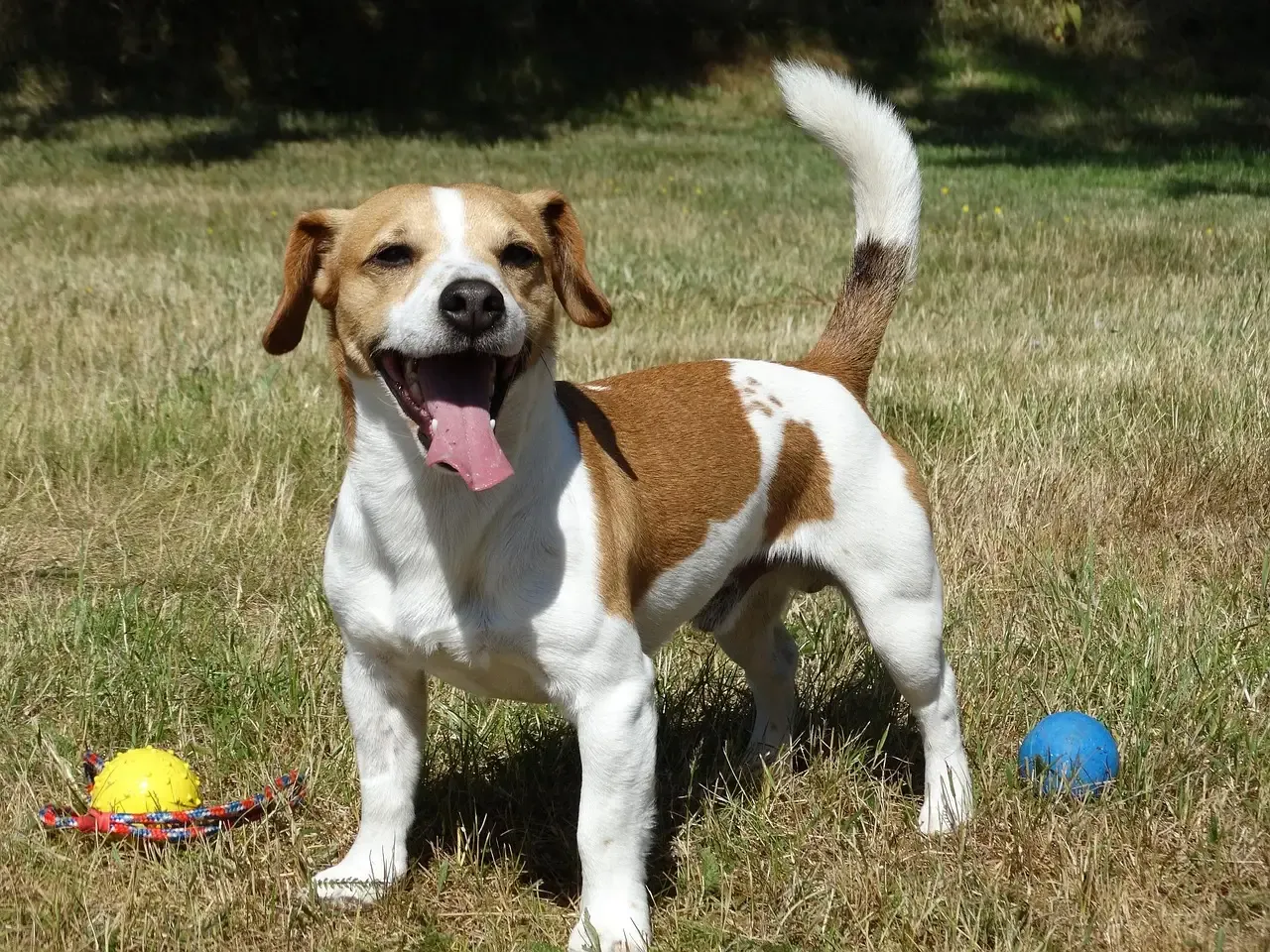
Small breeds like Chihuahuas and Pomeranians can be quite high-energy and demanding, requiring a lot of attention and may not be well-suited for seniors looking for a more relaxed companion. Jack Russells take this to another level. The Jack Russell Terrier is all terrier, meaning they are bundles of boundless energy, and made the list for the 20 most high-maintenance dogs.
Jack Russell Terriers require a substantial amount of physical exercise and mental stimulation, and without proper outlets for their energy can become restless, bored, and may engage in destructive behaviors, making them unsuitable for seniors who may have difficulty meeting their exercise needs. Their stubbornness adds another layer of challenge.
6. Labrador Retriever: The Lovable Bull in a China Shop
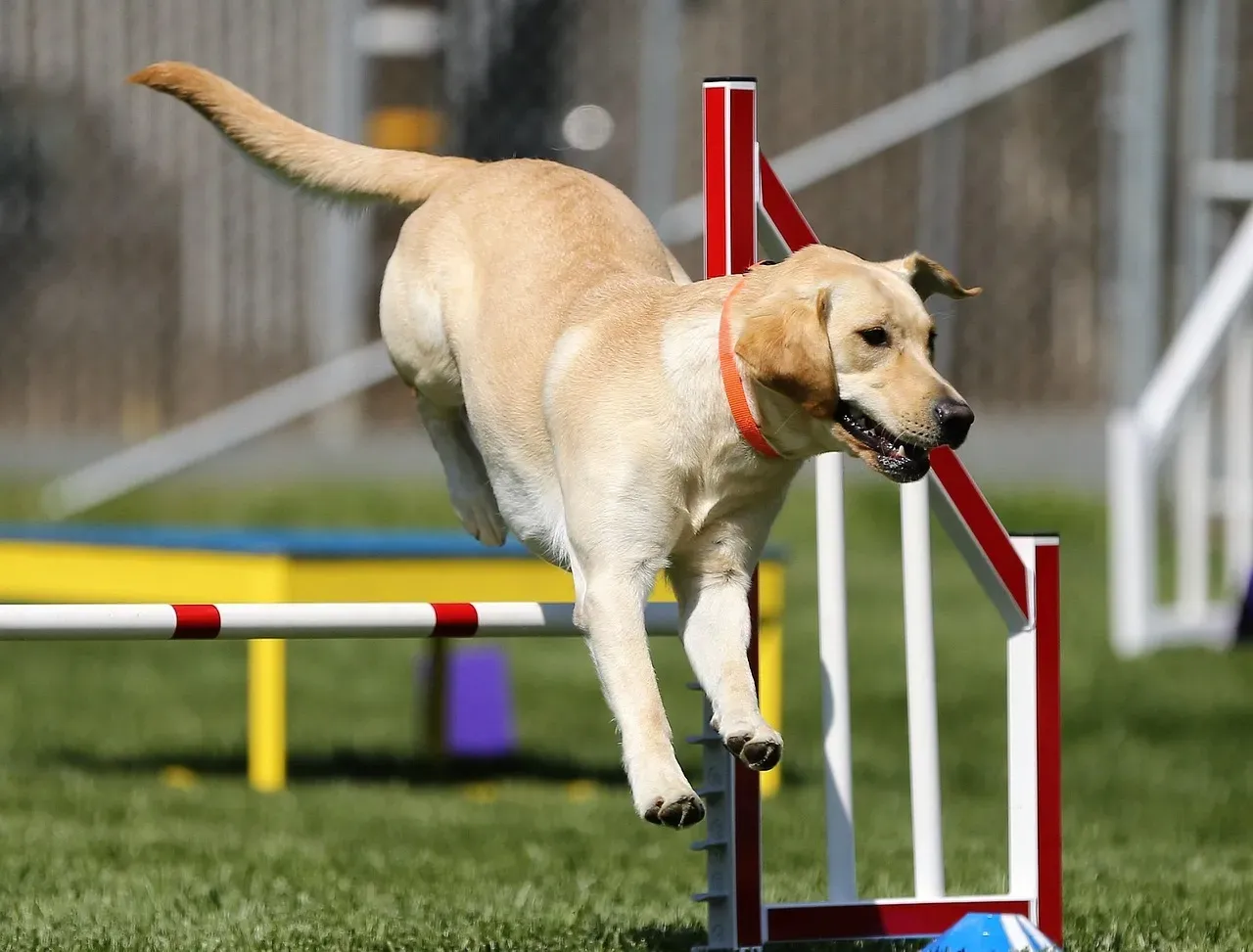
Wait, Labradors? Yes, I know they’re beloved family dogs. Though well-trained Retrievers make amazing companions and service dogs, Labrador Retrievers as pets can be extremely high-energy and may accidentally bowl their senior citizens over while experiencing the zoomies.
Labrador Retrievers require a significant amount of attention, time, and exercise to stay mentally and physically healthy and happy, with their energetic nature being challenging for seniors to keep up with, especially if they have limited mobility or energy levels. Golden Retrievers crave physical activity and need at least two hours of exercise a day. That’s the reality beneath the adorable wagging tail.
7. Dalmatian: The Spotted Powerhouse
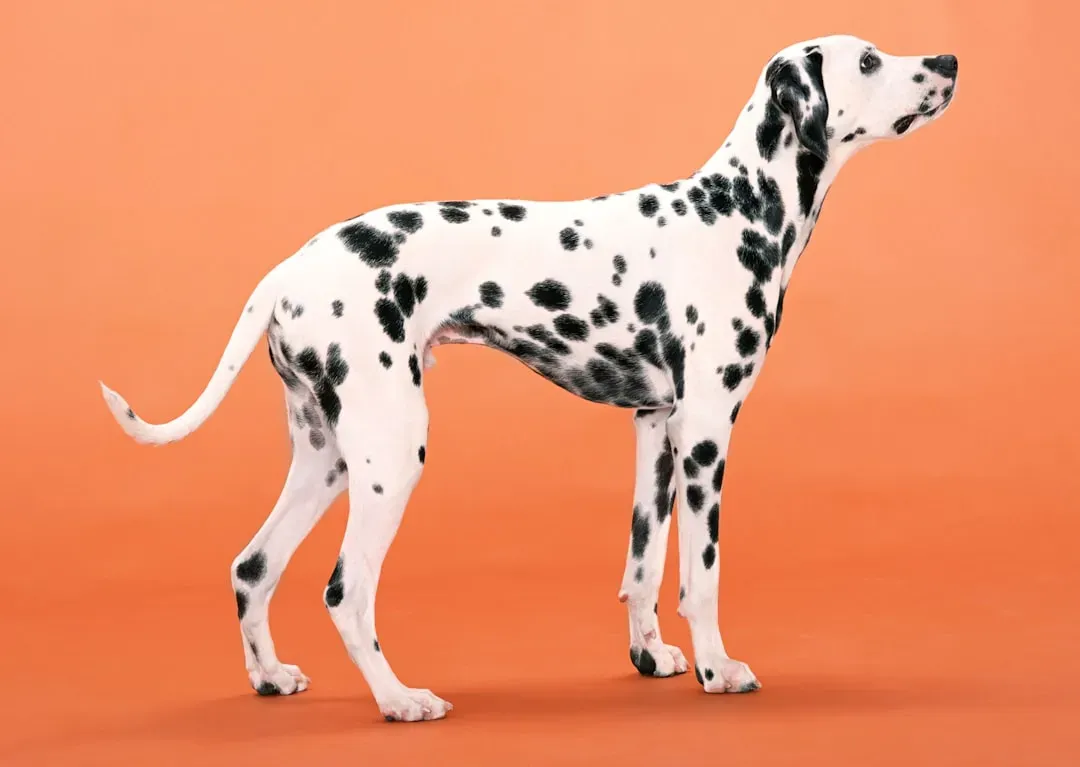
Dalmatians are large, energetic dogs that need plenty of exercise to stay happy and healthy, and can be strong-willed and may require consistent training and socialization, which might be taxing for some seniors. These distinctive spotted dogs were bred to run alongside carriages for miles.
Their stamina is remarkable but overwhelming for a quieter lifestyle. These dogs need structure, firm boundaries, and extensive daily exercise. Without it, they can become anxious or develop unwanted behaviors. The physical demands combined with their size make them a poor choice for most retirees seeking peaceful companionship.
8. German Shorthaired Pointer: The Athletic Overachiever
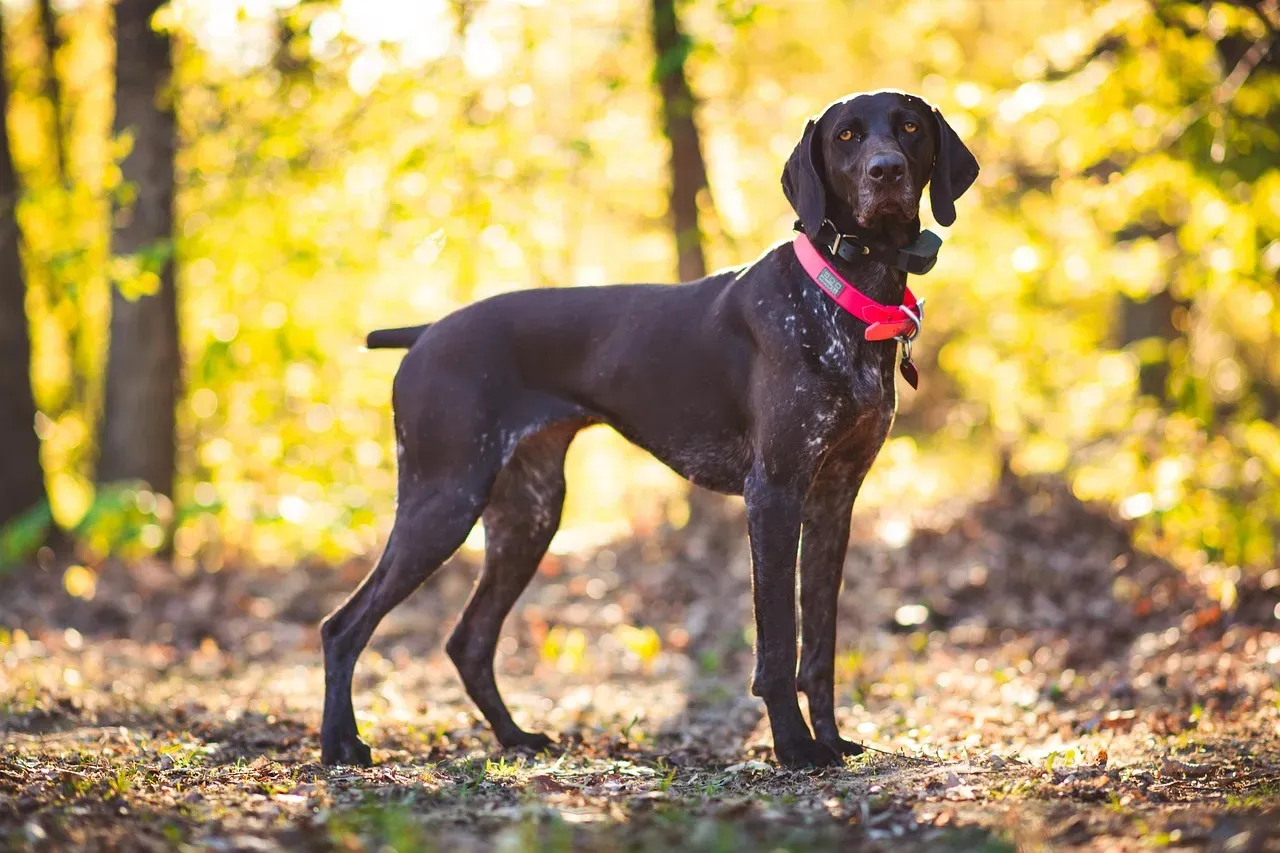
The German Shorthaired Pointer needs a full two hours of varied exercise every day, and though walking should be part of the daily routine, leisurely walks aren’t enough activity for this athletic breed, with good exercise options including brisk walks and hikes, agility classes, flyball, and field training.
Another high-energy breed, the German Shorthaired Pointer wants to run a lot, so if you are not in the habit of taking a daily, say 5-mile run, then this isn’t the breed for you. These pointers are beautiful, but they’re built for extreme activity. Most seniors simply can’t provide what they need to be happy and healthy.
9. Cavalier King Charles Spaniel: The Gentle Cuddle Bug
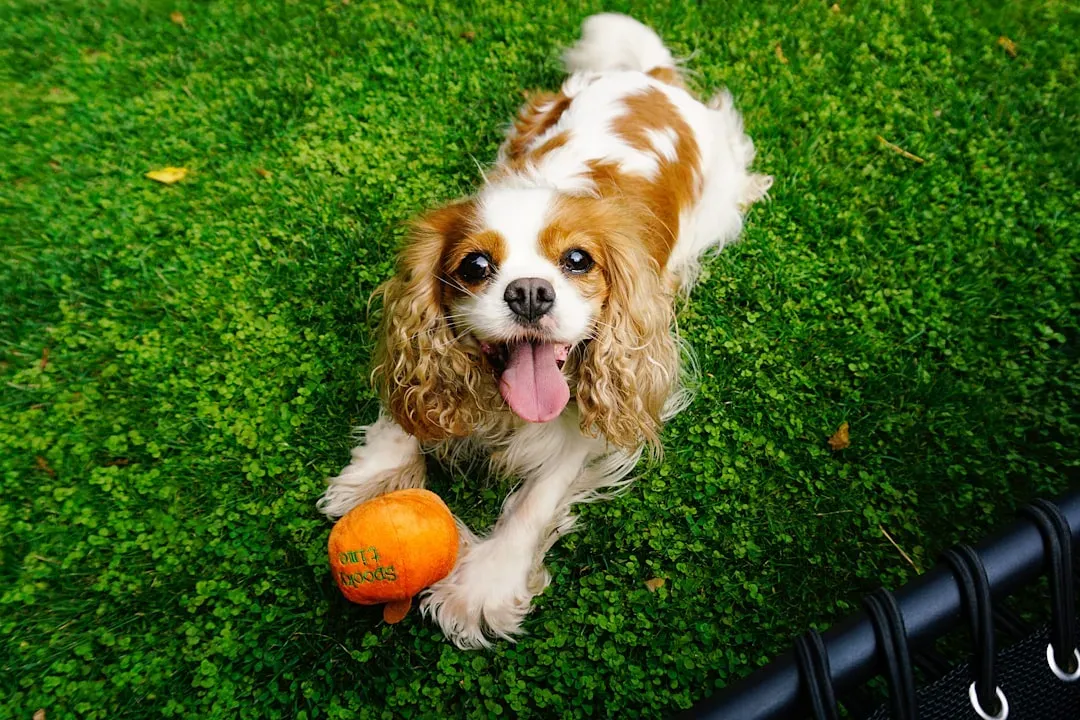
Now we arrive at the good news. The Cavalier King Charles Spaniel is one of the best small dogs for older adults, as these dogs are gentle, affectionate, and love spending time with their owners, and while they enjoy walks and playtime, they do not have high exercise requirements.
This breed is laidback, intelligent, quiet, and highly trainable, with Cavaliers matching their pet parent’s activity level and being content with brisk walks and fun playtime or spending the day on the couch. They’re adaptable, patient, and absolutely devoted. The Cavalier King Charles Spaniel is a calm, affectionate companion that fits beautifully into a quiet lifestyle, known for its soulful eyes and silky coat, thriving on gentle affection and companionship.
10. Shih Tzu: The Loyal Lap Companion
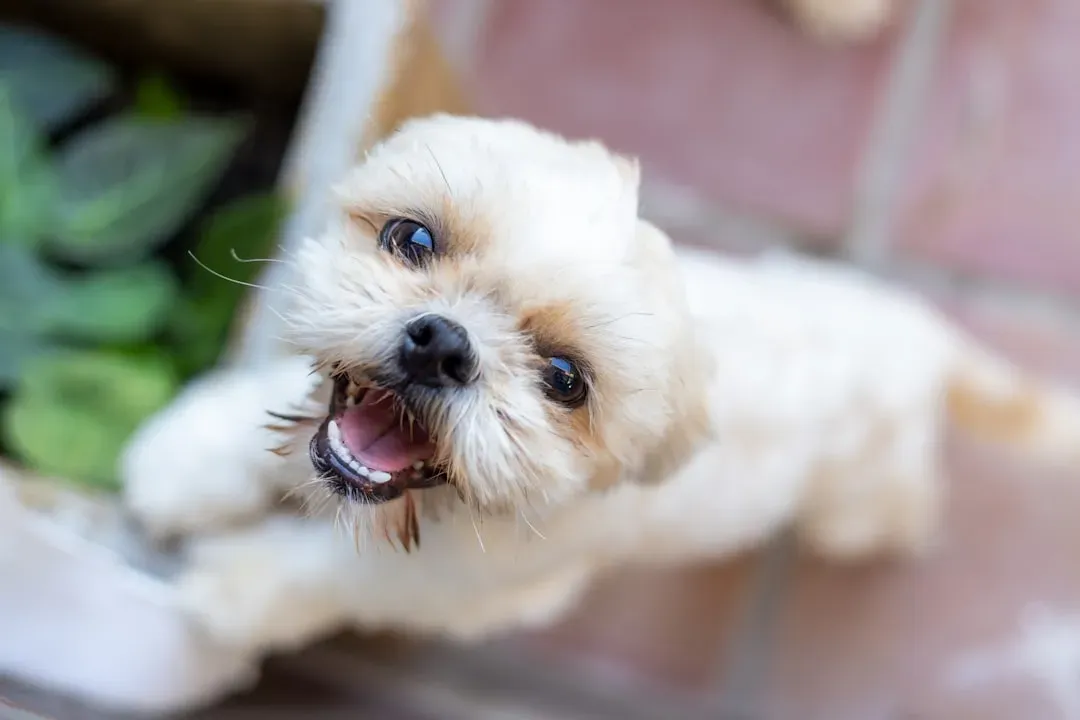
Shih Tzus are renowned for their unwavering devotion and gentle nature, requiring minimal exercise and grooming, making them an excellent choice for seniors seeking a loving companion. Honestly, they’re one of the most popular breeds for retirees for good reason.
A solid little dog weighing up to 16 pounds, the Shih Tzu requires minimal exercise and is content living in apartments so long as you’re there, with owners saying the breed is happy, even-tempered, and eager to please, getting along well with other dogs and children. This small breed enjoys quiet routines and thrives on gentle attention, making Shih Tzus great for retirees who enjoy a peaceful environment and a dog that offers loyal, low-maintenance companionship.
11. French Bulldog: The Easygoing Character
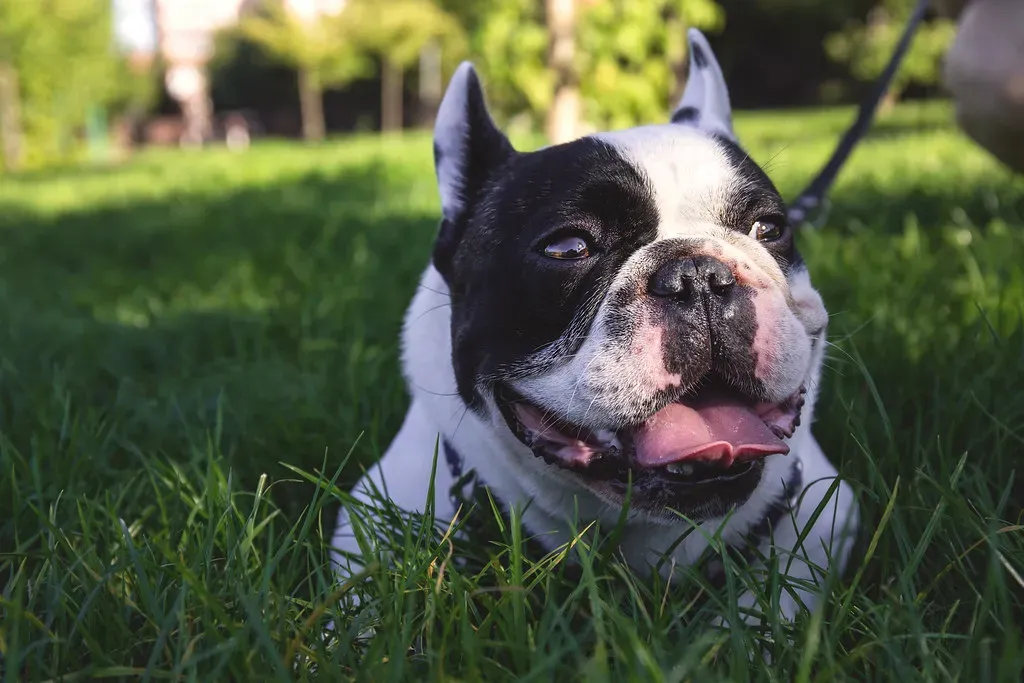
The French Bulldog is a small, sturdy companion known for its easygoing charm and adaptability, with its gentle personality making it one of the most popular breeds for retirees who want affection without high energy demands, enjoying peaceful days filled with rest, short walks, and plenty of quiet companionship.
They are well-suited for smaller living spaces and adapt effortlessly to apartment life, with their low exercise needs and calm temperament meaning they’re content relaxing indoors for most of the day, and their short coat requires minimal grooming. Frenchies have big personalities packed into manageable little bodies. They’re playful when you want them to be but equally happy snoozing beside you.
12. Bichon Frise: The Cheerful Companion
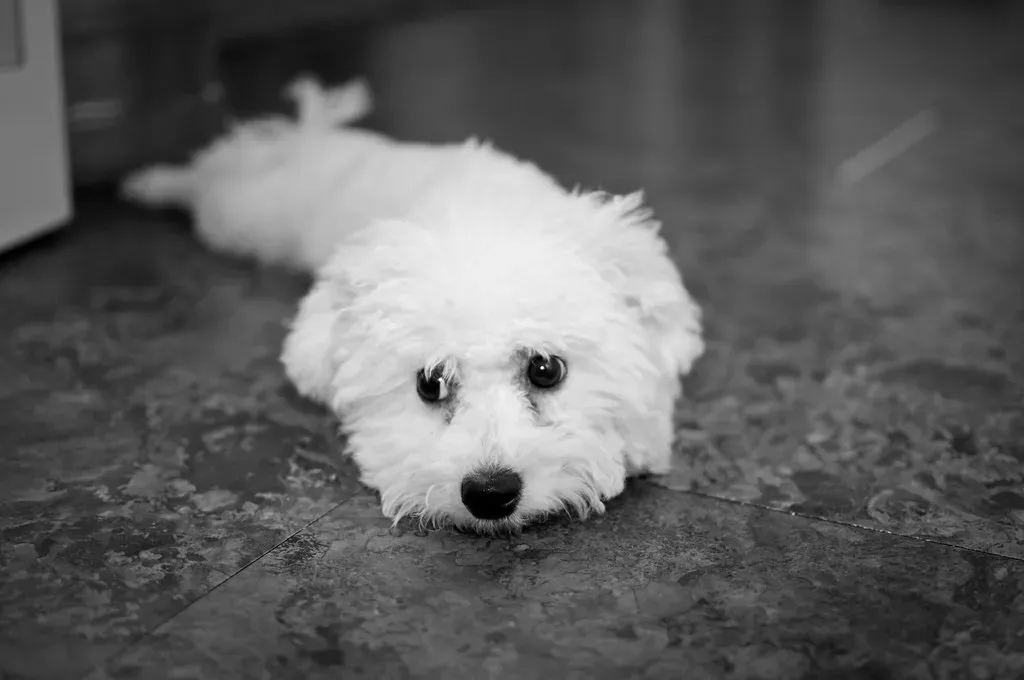
The Bichon Frise is cheerful, adaptable, and hypoallergenic, with their playful demeanor keeping spirits high while their small size makes them easy to manage, thriving on human interaction and quickly becoming part of the family. These fluffy white dogs are remarkably friendly.
Bichon Frises are small and easy to manage, enjoying playtime and light activity while adjusting to the energy level of their owners, and are hypoallergenic, making them an excellent choice for seniors with allergies. Bichon Frises love cuddles and have minimum dog exercise requirements, with twenty to thirty minutes of exercise being enough, spending most of it zooming around in the house, and their almost non-existent exercise needs and small size making them perfect for apartment living.
Conclusion: Finding Your Perfect Match
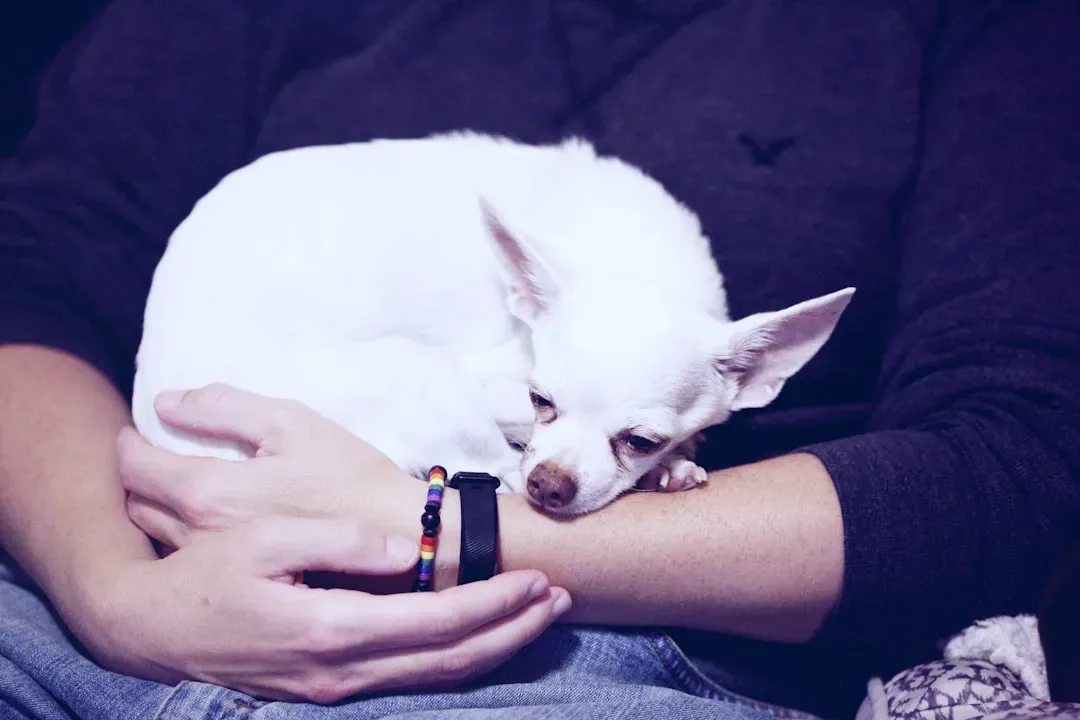
Here’s what really matters. Retirement is your time to enjoy life without unnecessary strain or stress. Choosing a dog that matches your lifestyle isn’t selfish, it’s smart and compassionate for both you and your future companion.
The breeds to avoid need jobs, extensive training, and athletic owners who can keep pace with their boundless energy. The senior-friendly companions we’ve highlighted offer genuine affection, manageable exercise needs, and adaptable temperaments that fit beautifully into a calmer routine. They’ll enrich your days without exhausting them.
When you choose wisely, you gain a loyal friend who brings joy, comfort, and purpose to every single day. Did you imagine the difference it could make? What kind of companion do you think would suit your lifestyle best?


