
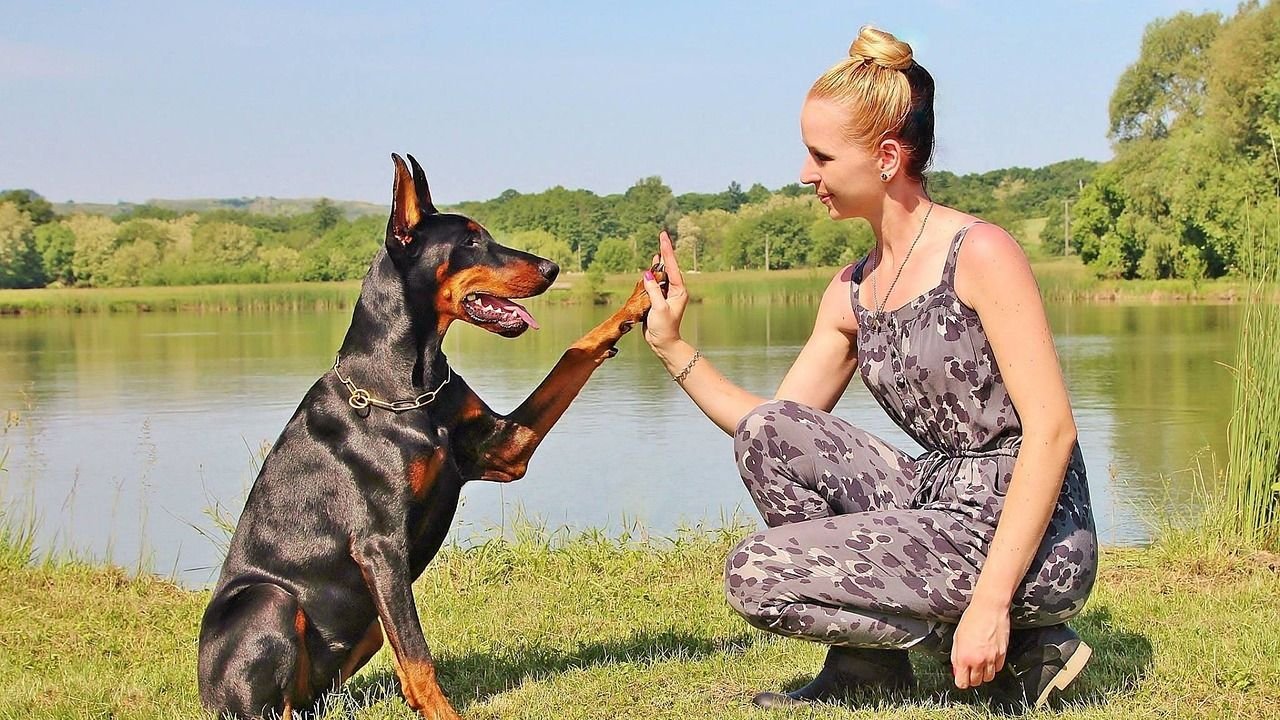
Let’s be honest. You’re finally entering your golden years, and the idea of a furry companion sounds perfect. Maybe you’re picturing lazy afternoons with a gentle pup snuggled at your feet. That’s the dream, right? The reality, though, can be wildly different if you pick the wrong breed. Some dogs, as wonderful as they are, simply don’t match the pace most retirees want to keep. They need hours of intense activity, firm handling, or constant mental challenges that can feel more like a full-time job than companionship.
The key is understanding which breeds might overwhelm you and which ones will actually enhance your retirement. Think about your daily routine, your energy level, and the lifestyle you’ve worked so hard to enjoy. The last thing you want is a dog that needs marathon runs when you’re happy with a gentle stroll. So let’s dive in.
Border Collie: The Relentless Worker
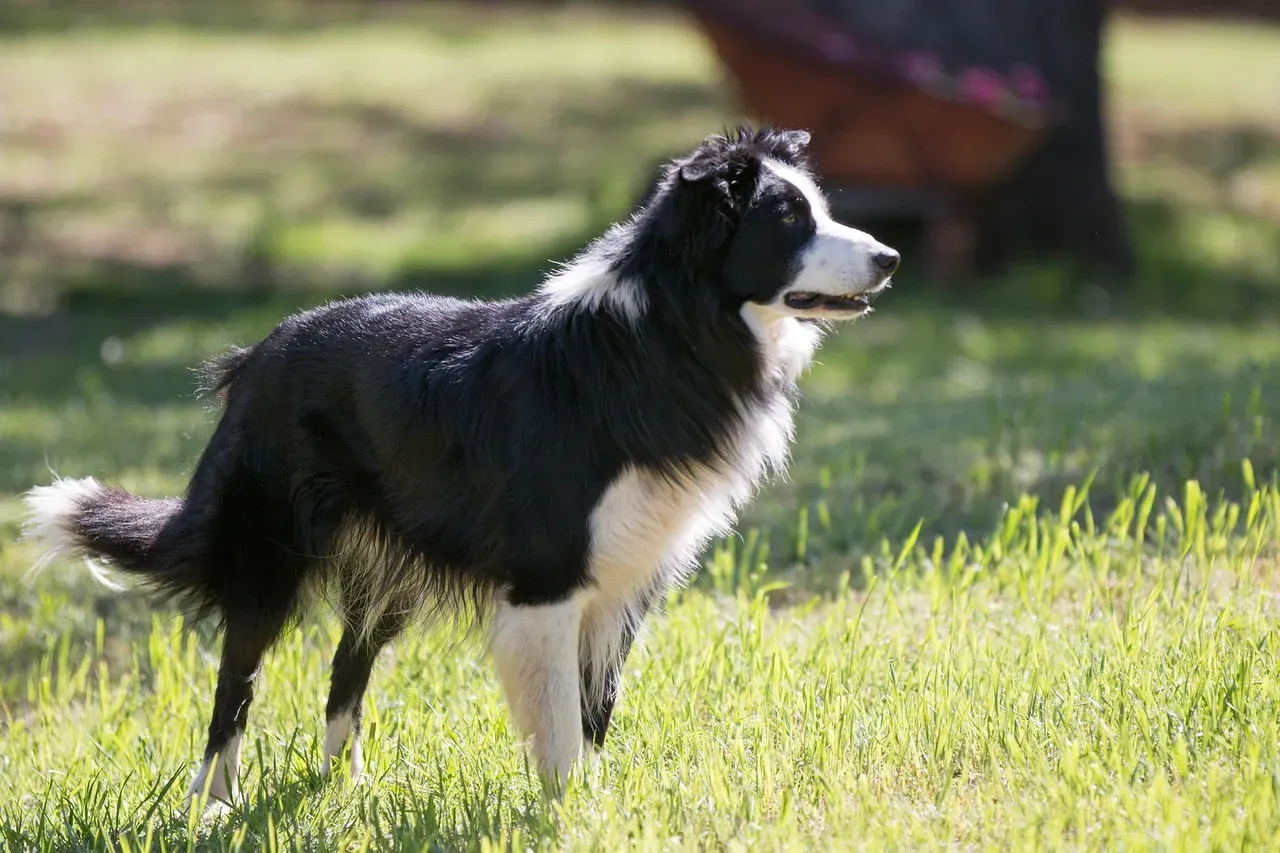
Border Collies are medium-sized dogs known for their intelligence and high energy levels, requiring significant physical and mental stimulation to thrive. Honestly, these dogs are stunning and incredibly smart, ranking among the most intelligent breeds on the planet. They’re bred for herding sheep across vast fields for hours on end.
Most healthy adult Border Collies need at least 90 minutes of exercise per day, though many require closer to two hours. That’s not a leisurely walk around the block. We’re talking vigorous running, agility training, and constant mental challenges. Without enough exercise and mental enrichment, they can become bored and exhibit destructive behaviors, making them unsuitable for seniors with a sedentary lifestyle.
If you’re someone who enjoys quiet mornings with coffee and the newspaper, a Border Collie will be pacing at your feet, desperate for something to do. Their herding instinct can also lead them to try to herd children or other pets, which becomes another challenge to manage.
Australian Shepherd: High Energy Dynamo
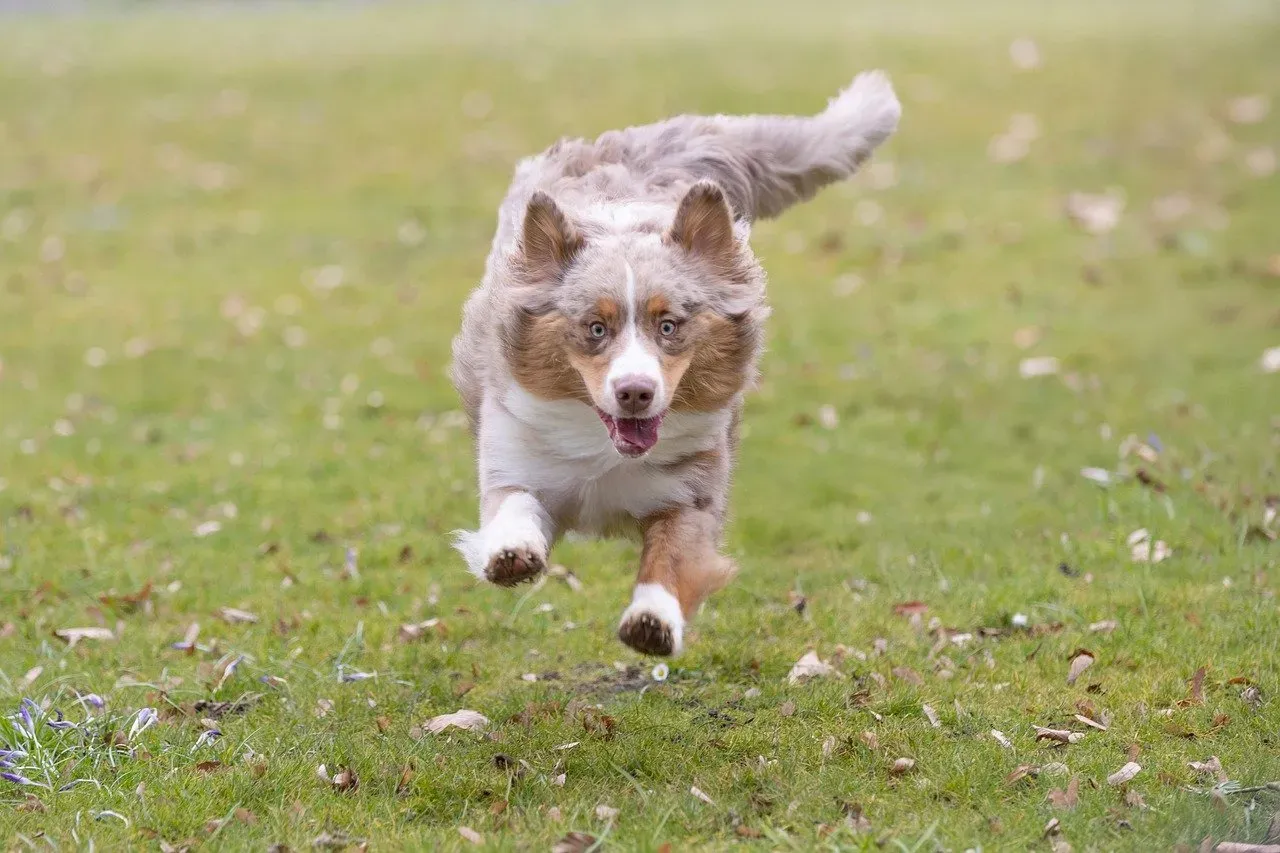
Australian Shepherds are highly intelligent and easy to train, though without proper training and attention, they can become nervous and destructive. These gorgeous dogs were bred to work ranches, which means they have stamina for days and a strong desire to stay busy. Australian Shepherds need at least one to two hours of exercise each day to stay happy and healthy.
Picture this: you’re settling in to watch your favorite evening show, and your Aussie is dropping a ball at your feet for the fiftieth time that day. This breed is full of energy, extremely active, and wants to conquer activities like hiking, biking, or backyard games with their owner. Their loyalty is beautiful, but it comes with the expectation that you’ll match their intensity.
For retirees who prefer predictable, relaxed days, an Australian Shepherd can feel more like caring for a toddler on a sugar rush. They simply won’t settle until they’ve burned through their seemingly endless energy reserves.
Jack Russell Terrier: Small Package, Big Demands
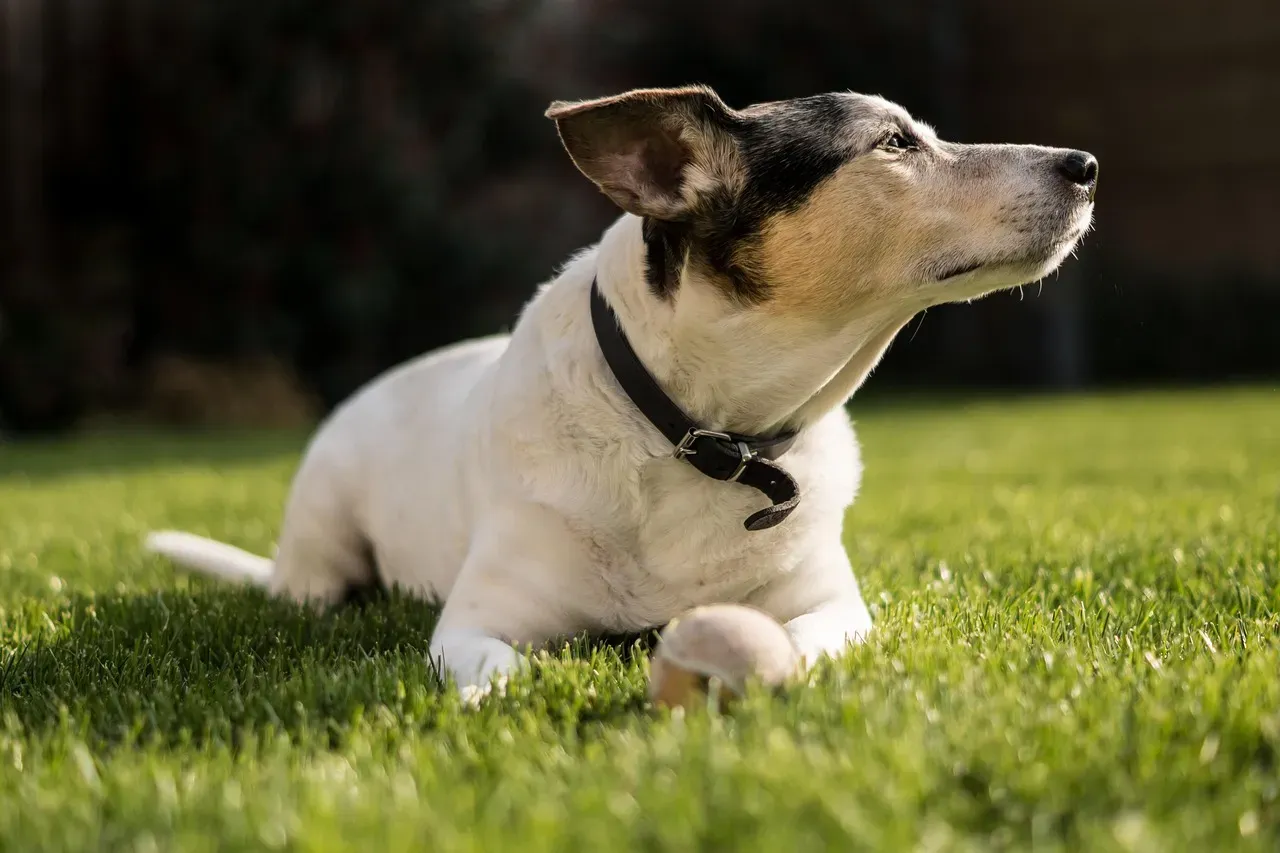
Don’t let their tiny size fool you. Jack Russell Terriers possess the boundless energy and tenacity of a much larger dog, and their high energy and demanding exercise needs can be overwhelming for senior pet owners. These little terriers were bred for fox hunting, which required relentless determination and stamina.
They require substantial physical exercise and mental stimulation, and without proper outlets for their energy, these dogs can become restless, bored, and may engage in destructive behaviors. Think digging up your garden, chewing furniture, or incessant barking. Their stubbornness makes training a challenge, requiring patience and consistency that can be exhausting.
You might think a small dog would be easier to manage, yet Jack Russells defy that logic entirely. They demand just as much attention and activity as dogs twice their size. For seniors seeking peaceful companionship, this breed is likely to create stress rather than relieve it.
German Shepherd: Protective Powerhouse
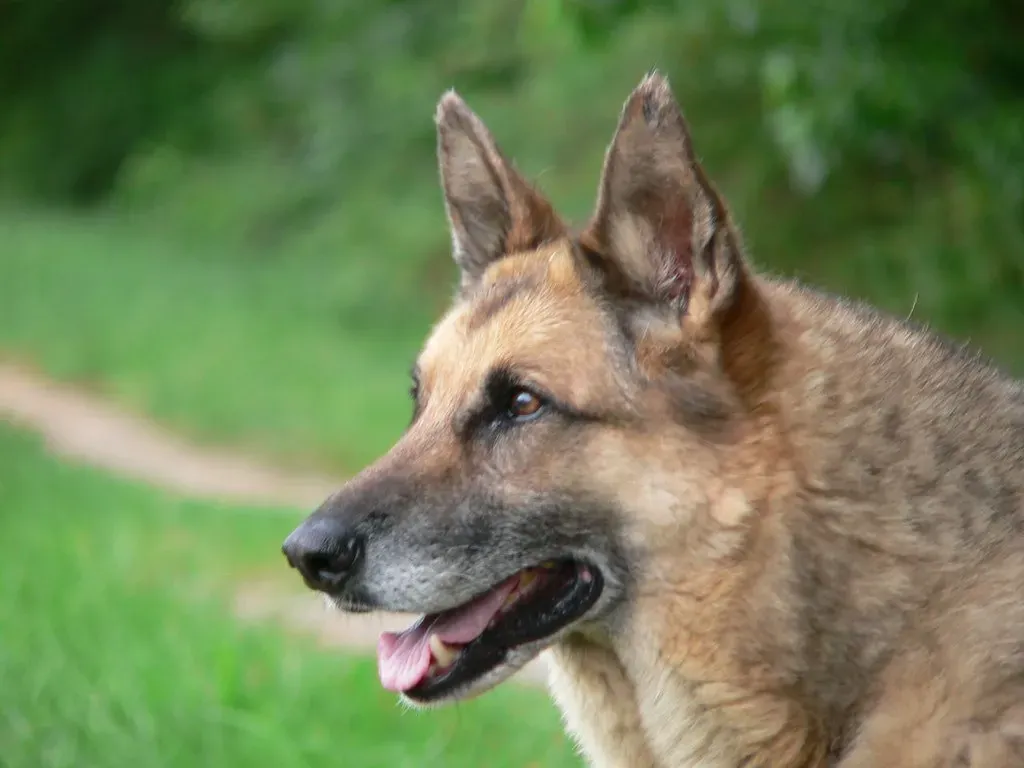
German Shepherds are alert, high-energy, protective dogs that require extensive training and hours of daily exercise, rough play, and mental stimulation. These noble dogs are incredibly loyal and make outstanding working dogs, but their size and strength present real challenges for older adults.
While loyal and protective, German Shepherds are large and can be intense, requiring a lot of exercise, mental stimulation, and training, with their size and strength potentially difficult for some seniors to handle comfortably. Imagine being pulled down the sidewalk by a strong, reactive dog because they spotted a squirrel. It’s not just exhausting; it can be genuinely dangerous.
Their protective instincts also mean they need proper socialization and training from an experienced handler. Without it, they can become overly territorial or anxious. For retirees who want a calm, manageable companion, a German Shepherd is probably going to be too much dog.
Dalmatian: The Energetic Sprinter
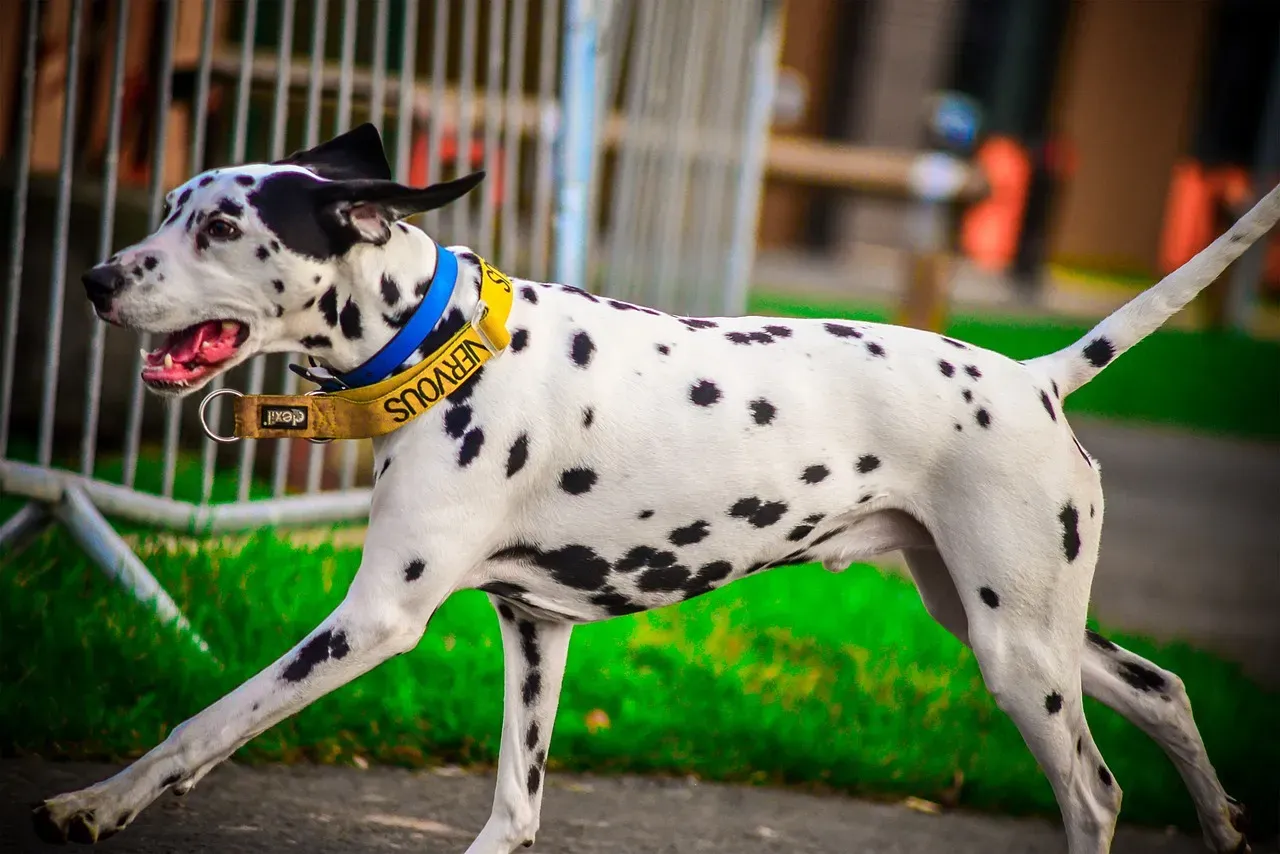
Dalmatians are large, energetic dogs that need plenty of exercise to stay happy and healthy, and they can be strong-willed, requiring consistent training and socialization that might be taxing for some seniors. These iconic spotted dogs are beautiful and charismatic, yet their needs are substantial.
Disney made us fall in love with them, but there’s a reason those movie dogs were always on the move. Dalmatians are high-energy dogs who require a lot of exercise, and if not given enough outdoor time, they can become destructive indoors. They need long walks, runs, and plenty of mental engagement to stay balanced.
Their strong-willed nature means training can become a battle of wits, and their size makes them harder to control on a leash. For seniors hoping for a relaxed companion, a Dalmatian’s relentless energy and need for constant activity can quickly become overwhelming.
Siberian Husky: The Escape Artist
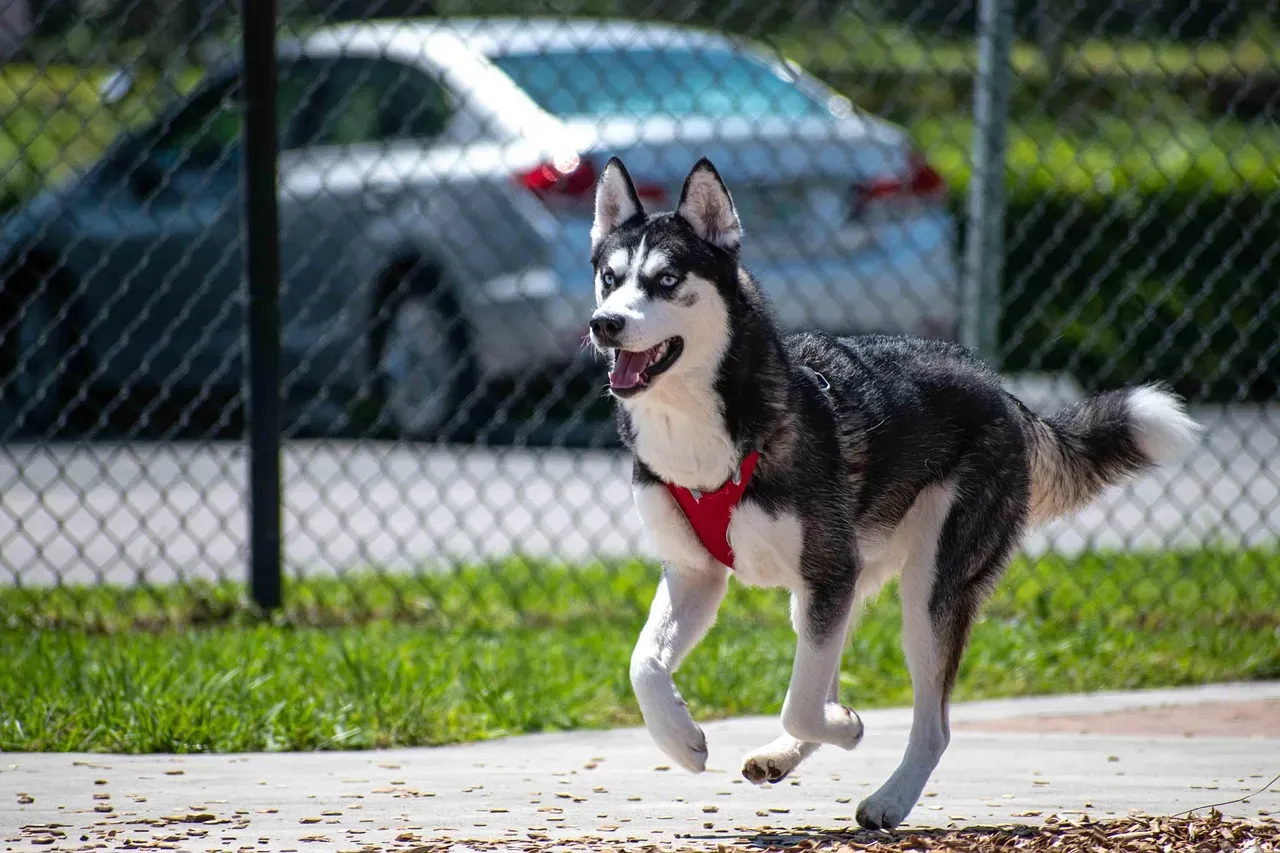
Siberian Huskies are stunning dogs with piercing blue eyes and thick, beautiful coats. They’re also bred to run for miles pulling sleds across frozen tundra. Labrador Retrievers require significant attention, time, and exercise to stay mentally and physically healthy, with their energetic nature potentially challenging for seniors with limited mobility or energy levels. Huskies have similar, if not greater, demands.
These dogs are notorious escape artists with an independent streak that makes training frustrating. They need vigorous daily exercise, and without it, they’ll find ways to entertain themselves, often destructively. Their thick coats also require regular grooming, adding another layer of maintenance.
For retirees who enjoy quiet, predictable routines, a Husky is going to feel like a whirlwind. They’re vocal, energetic, and constantly testing boundaries. Unless you’re planning daily long-distance runs, this breed will likely be too much to handle.
Weimaraner: The Velcro Dog
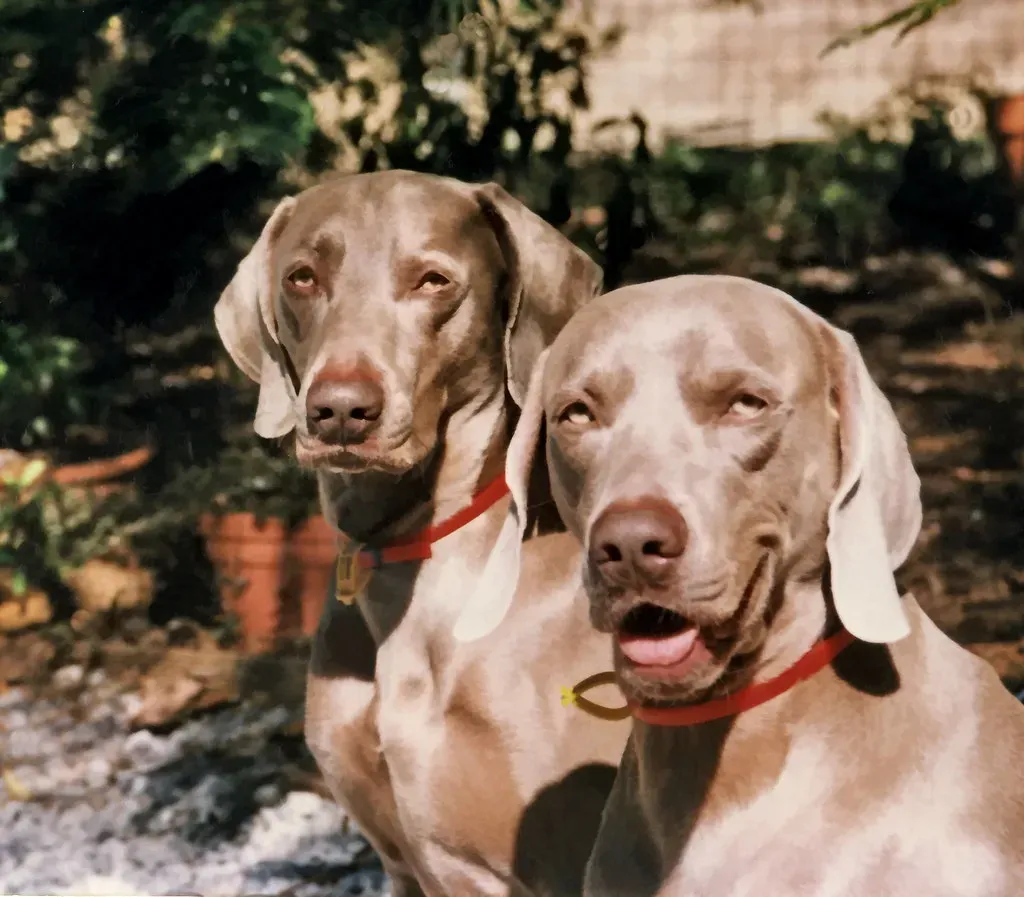
Weimaraners are famously nicknamed Velcro dogs because they crave constant human companionship, and for senior citizens who prefer independence or spend long hours away, this attachment can quickly lead to separation anxiety. These sleek, silver dogs are beautiful and affectionate, yet their neediness can become suffocating.
This high-energy breed demands extensive physical and mental stimulation to stay balanced, and without daily runs, agility challenges, or interactive play, a Weimaraner’s restlessness can turn into frustration or anxiety. They’re not content to lounge around while you read a book. They want your constant attention and involvement.
Their energy levels rival those of Border Collies, and their attachment issues mean they don’t do well being left alone. For seniors who value some independence or quiet time, a Weimaraner’s constant demands can feel exhausting rather than comforting.
Doberman Pinscher: The Intense Guardian
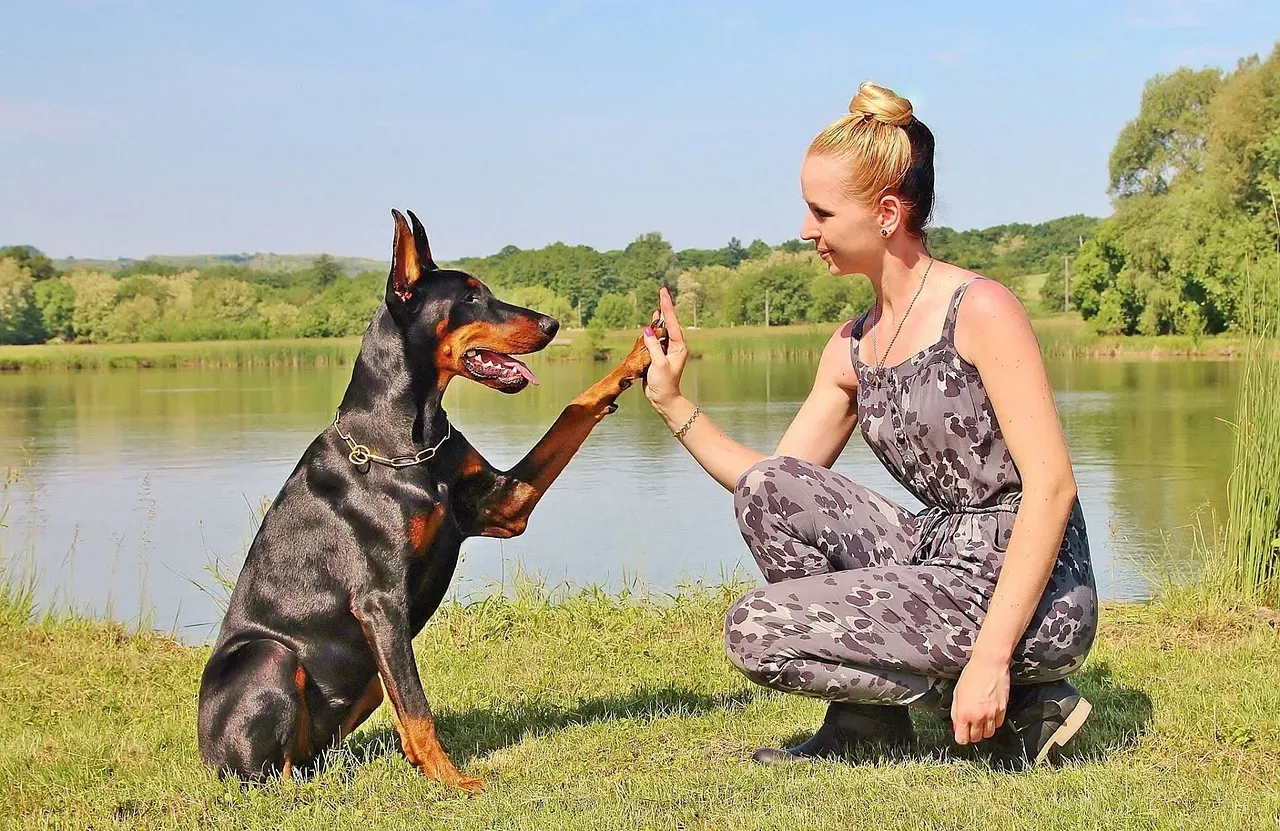
Breeds with more aggressive temperaments, such as Dobermans, are generally not recommended for seniors, as these dogs can be challenging to control and may present safety concerns. Dobermans are loyal, intelligent, and protective, making them excellent guard dogs. However, their intensity and size create significant challenges.
Due to their large size and high energy levels, Dobermans require two hours of daily exercise, needing a rigorous routine to tire them out, demanding that owners be highly active to keep up. Their strength means they can easily overpower someone who isn’t prepared, particularly during walks when they pull or react to stimuli.
Training a Doberman requires firm, consistent leadership, and their protective nature means they need careful socialization. For retirees seeking a gentle, easygoing companion, a Doberman’s intensity and demands are likely to create more stress than joy.
Cavalier King Charles Spaniel: The Gentle Sweetheart
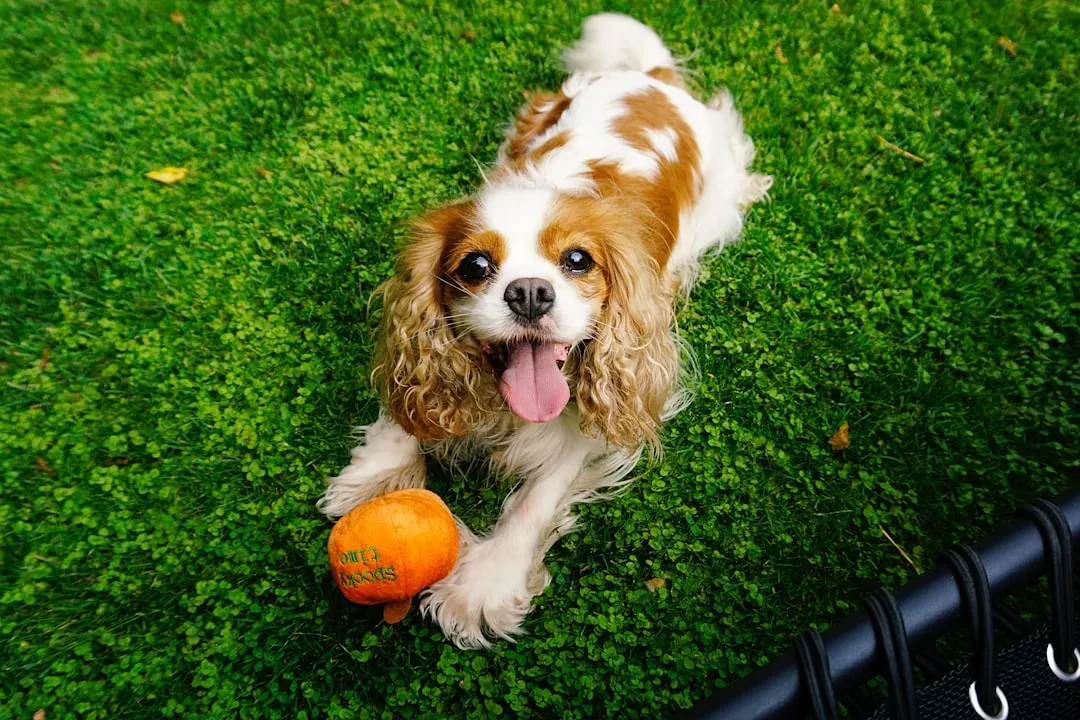
Now, let’s shift gears to breeds that actually enhance retirement. The Cavalier King Charles Spaniel is a breed that exudes calmness and affection, making them perfect for seniors with their gentle nature and low-energy demeanor. These little dogs are absolute darlings, happy to curl up in your lap for hours.
While they enjoy a short walk or a little playtime, they’re just as happy lounging around the house with their owners, and Cavaliers are small, adaptable, and incredibly affectionate, often content to sit in a lap for hours. They’re sensitive to your moods and provide comfort without demanding constant attention or intense exercise.
Their small size makes them easy to manage, and their friendly temperament means they get along well with visitors and other pets. For retirees who want a loving, low-maintenance companion, a Cavalier is an ideal choice that brings warmth without overwhelming demands.
Bichon Frise: The Cheerful Companion
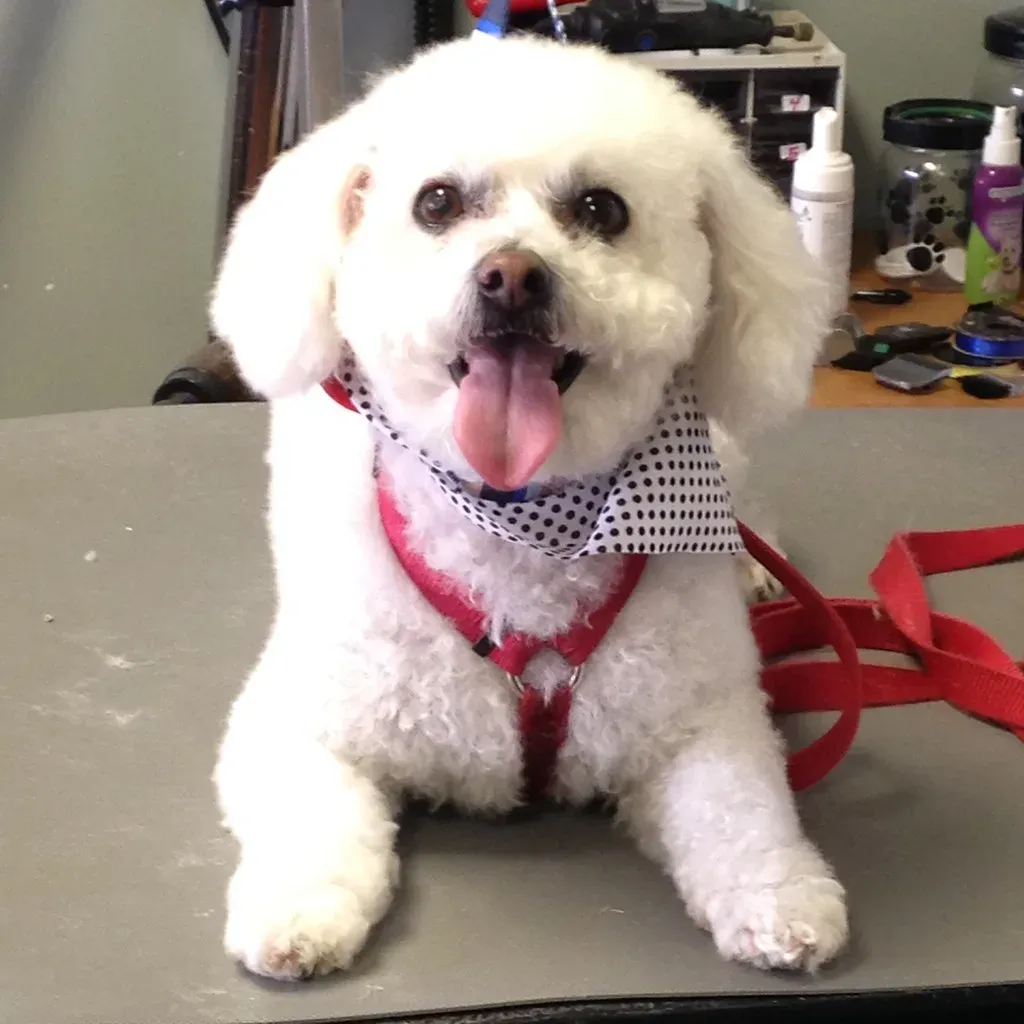
Bichon Frises are known for their affectionate and loving personalities, and they are easy to care for, providing seniors with unconditional love and companionship. These fluffy little dogs look like cotton balls and have personalities to match their adorable appearance. They’re cheerful, adaptable, and genuinely enjoy human company.
The Bichon Frise is cheerful, adaptable, and hypoallergenic, with their playful demeanor keeping spirits high while their small size makes them easy to manage. They require regular grooming, which can actually become a pleasant bonding activity rather than a chore. Their low-shedding coats are also great for seniors with allergies.
Bichons thrive on interaction and quickly become part of the family. They’re not overly demanding with exercise, happy with short daily walks and indoor play. For retirees seeking a happy, low-shedding companion, the Bichon Frise delivers endless charm and love.
Shih Tzu: The Regal Lap Dog
A solid little dog weighing up to 16 pounds, the Shih Tzu requires minimal exercise and is content living in apartments, and the breed is happy, even-tempered, and eager to please, getting along well with other dogs and children. These little royals were bred to be companions to Chinese emperors, and they still carry that regal, loving nature today.
Shih Tzus enjoy gentle walks and indoor play, and they adapt happily to relaxed lifestyles while still offering plenty of warmth and charm. Their fluffy coats can be styled in a puppy cut to make grooming easier, reducing maintenance significantly. They’re highly adaptable and handle changes in routine or environment with ease.
Friendly is truly this dog’s middle name. They’re happy to spend time with you, play with visiting grandchildren, or simply lounge on the couch. For retirees who want a loyal, affectionate companion that doesn’t demand intense activity, a Shih Tzu is a wonderful choice.
Pug: The Lovable Couch Potato
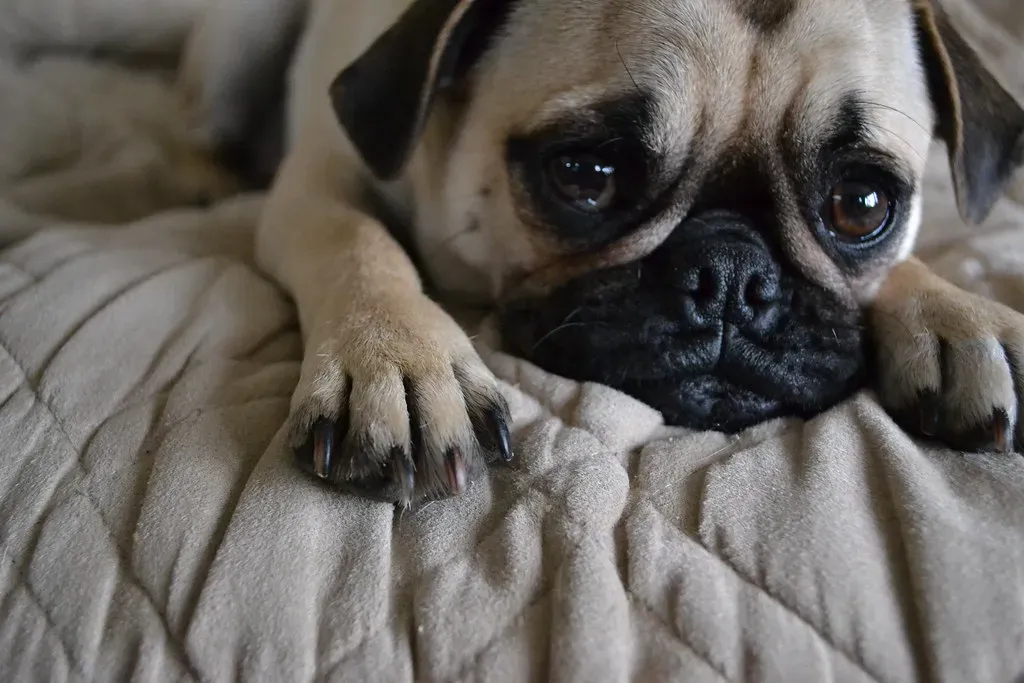
Pugs are the best dogs for seniors who prefer to curl up on the sofa with their beloved furry friend by their side, with most of this breed’s time consisting of lounging and playing indoors. These wrinkly-faced charmers are full of personality and surprisingly low-maintenance when it comes to exercise needs.
Loving and loyal, Pugs are devoted to their pet parents and enjoy taking naps, and although they can occasionally feel jealous or agitated when ignored, they are often easygoing pets eager to please. Their short coats require only occasional brushing, and brief strolls with short play sessions are sufficient to keep them happy.
Pugs have a comical, endearing nature that brings joy without demanding constant attention or vigorous activity. They’re content with a relaxed lifestyle, making them ideal for retirees who want a devoted companion that matches their pace. Just be mindful of their breathing in extreme temperatures due to their flat faces.
Finding the right dog for retirement isn’t about picking the most popular breed or the cutest puppy. It’s about honest reflection on your lifestyle, energy level, and what you truly want from companionship. High-energy breeds like Border Collies, Australian Shepherds, and Jack Russell Terriers are magnificent dogs, yet they thrive with active, experienced handlers who can meet their demanding needs. For most retirees, these breeds create stress rather than joy.
On the other hand, breeds like Cavalier King Charles Spaniels, Bichon Frises, Shih Tzus, and Pugs offer the perfect balance of affection, loyalty, and manageable care. They enhance your days without overwhelming them, providing warmth and companionship that truly enriches retirement. The right match brings comfort, laughter, and unconditional love into your life, making every day a little brighter. What kind of companion are you really looking for? Think about it carefully, and you’ll find the perfect furry friend to share your golden years.


