
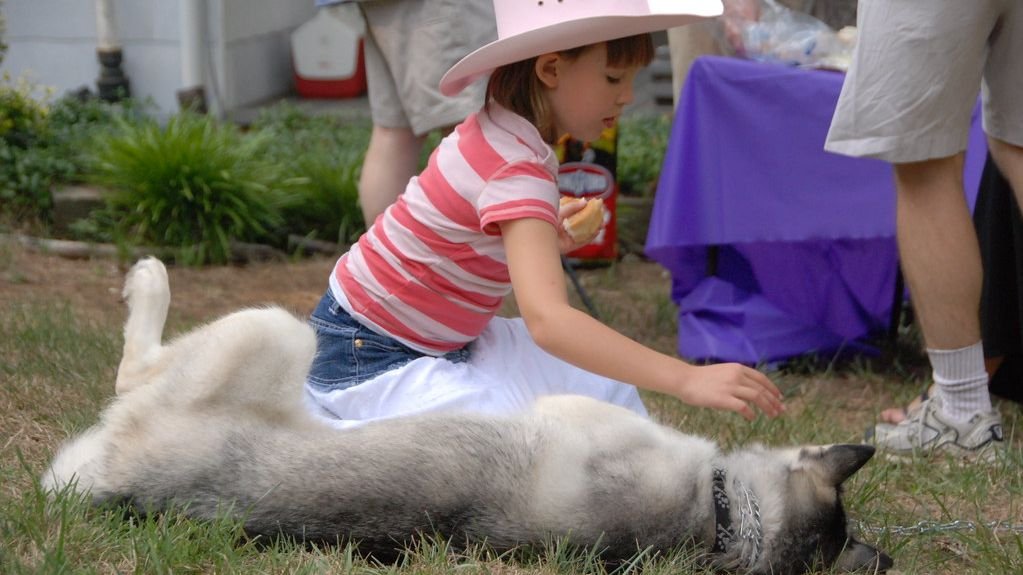
Have you ever watched your dog bolt toward a busy street, your heart in your throat, wishing they’d just stop? Or maybe you’ve felt that pang of embarrassment when your pup jumps on every guest who walks through your door. Here’s the thing: training isn’t about bending your dog to your will or turning them into some robotic creature. It’s about communication, trust, and keeping them safe in a world that can be overwhelming and dangerous for a curious canine. Training makes it easier for you and your dog to understand one another, and when your dog knows what to do, it feels safe.
Teaching your dog essential commands isn’t just good manners. It’s a lifeline. Commands can save their life if they start to run off or get into an unsafe area. Think about it: a simple word could mean the difference between your dog running into traffic or stopping in their tracks. So let’s dive in and explore the eight commands that every dog should master for their safety and your peace of mind.
Sit: The Foundation of Calm Communication
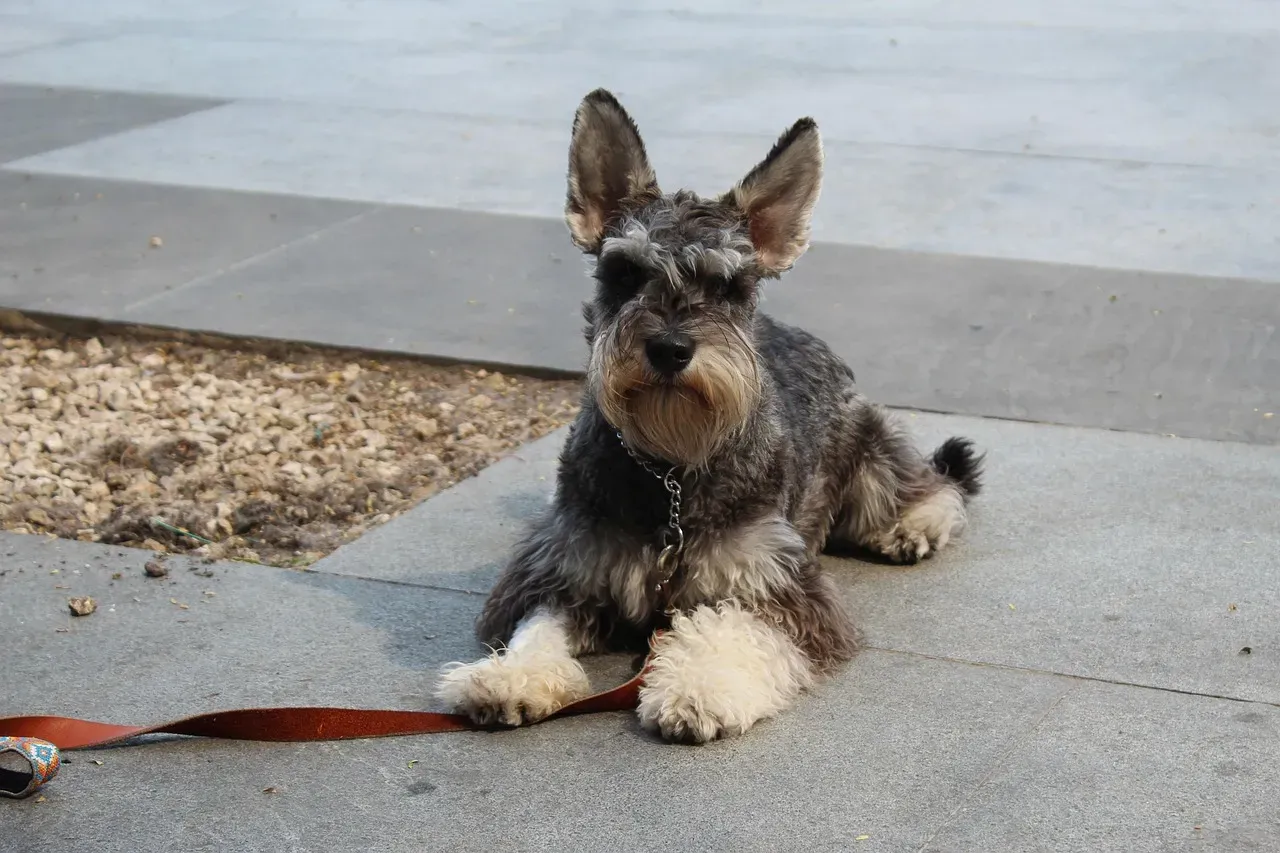
The sit command is often the first command taught and serves as the foundation for many other behaviors. It’s like teaching a child to say please. When your dog sits, they’re showing you they’re ready to listen, ready to calm down, and ready to engage with you on your terms.
Picture this: your dog is bouncing off the walls when visitors arrive, and all you need to do is ask them to sit. Suddenly, the chaos transforms into composure. Sitting is a dog’s way of showing politeness, and when your dog learns the sit command they will know it’s time to calm down and concentrate.
Teaching sit is surprisingly simple. Hold a treat close to your dog’s nose and slowly lift it over their head. As their head follows the treat upward, their bottom naturally touches the ground. Say the word at that exact moment and reward them immediately. Practice this daily in different locations around your home and yard to solidify their understanding.
Stay: Your Dog’s Safety Net
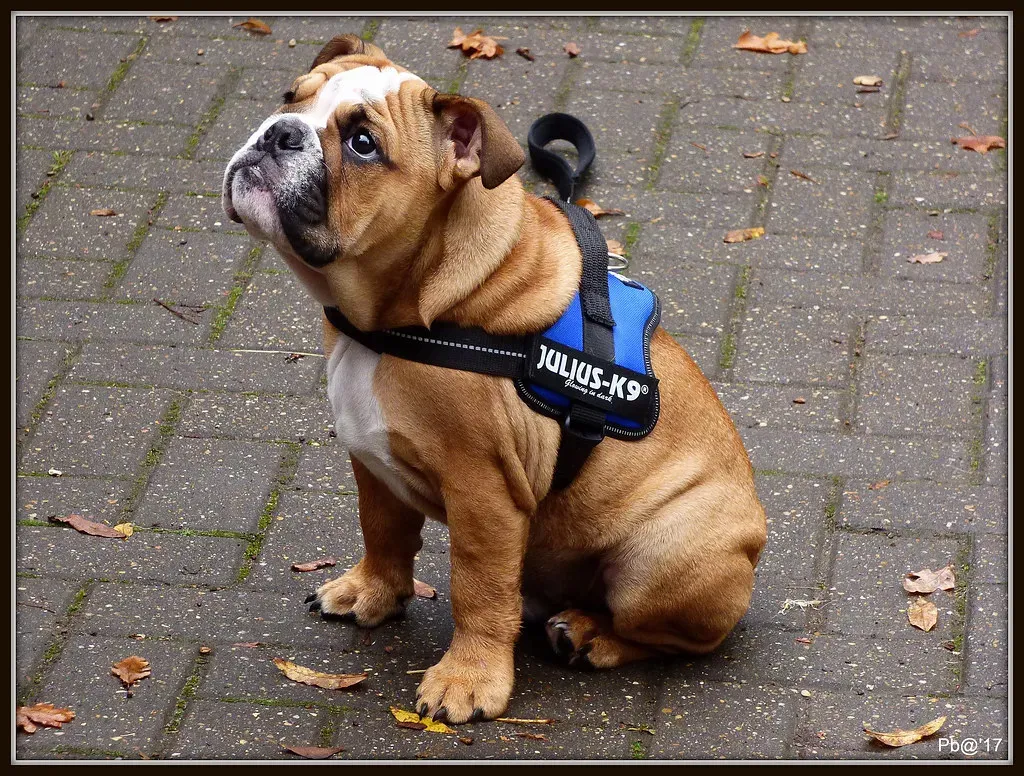
Let’s be real, stay might be one of the most crucial commands you’ll ever teach. Stay is essential for keeping your dog in place when you need them to remain stationary. Think about those moments when you open the front door and there’s a squirrel right there, or when you’re near a busy intersection during a walk.
This command can literally prevent accidents. This command is vital for your dog’s safety and can potentially save their life. I’ve seen too many close calls where a dog darted into danger because they hadn’t mastered this simple instruction.
Start by asking your dog to sit, then hold your hand out in front of them and say the word. Take just one step back initially. If they remain in place, return and reward them generously. Gradually increase the distance and duration, but never push too fast. Patience here pays off in ways you can’t imagine.
Come: The Recall That Could Save Everything
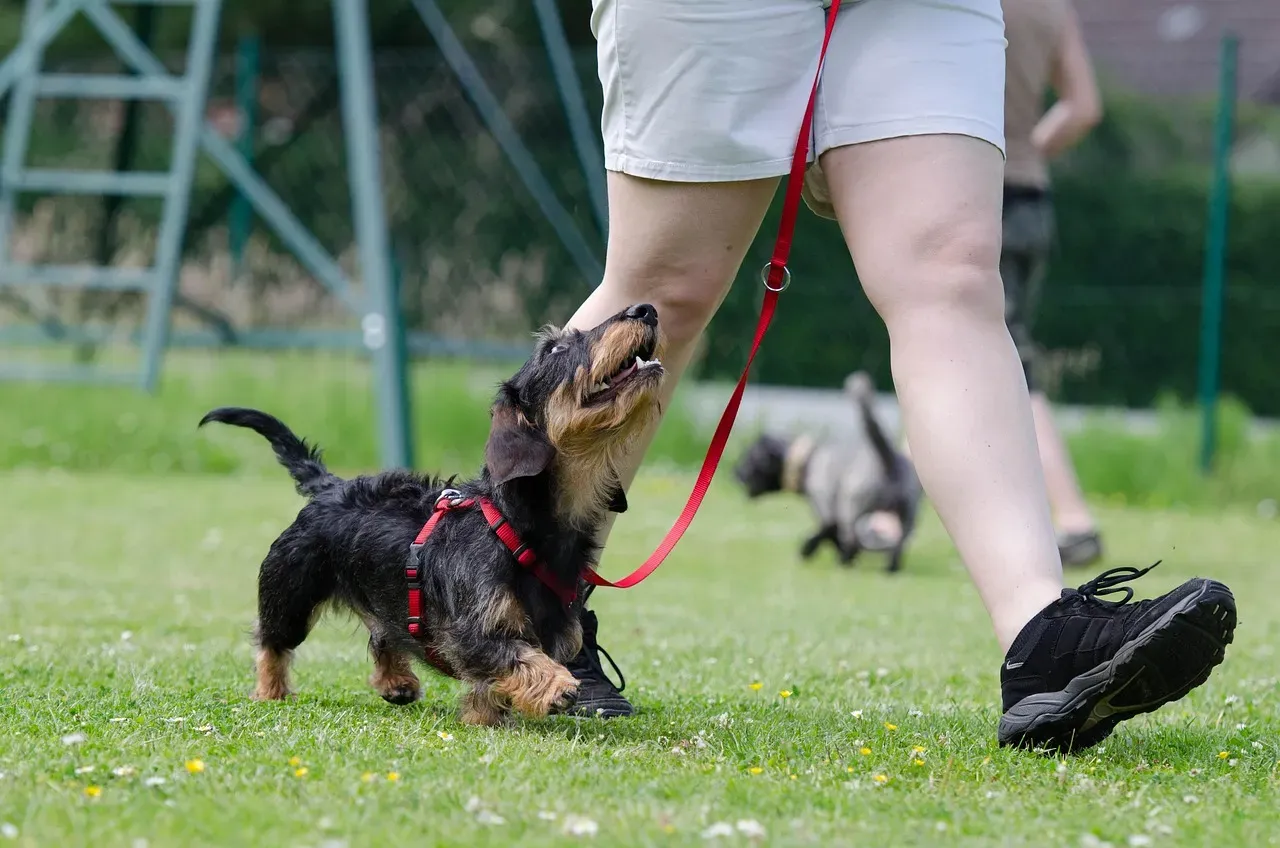
Honestly, if I could only teach one command, it might be this one. Come is one of the most essential commands and can help keep your dog safe in a variety of situations. Whether your dog slips their collar at the park or gets spooked during a thunderstorm, a solid recall brings them back to safety.
Even a well behaved dog could bolt if scared, and a dog that will return to you when called can make the difference in a dangerous situation. Imagine your dog running toward an approaching car and you call their name. They stop, turn, and race back to you instead. That’s the power of a reliable recall.
Training this command requires enthusiasm and high-value rewards. Start in a quiet, distraction-free environment. Put your dog on a long leash, say the command in a friendly, excited tone, and gently guide them toward you if needed. When they arrive, make it the best moment of their day with treats, praise, and affection. Never call your dog to you for something they perceive as negative, like ending playtime or giving them a bath.
Down: Teaching Impulse Control and Relaxation
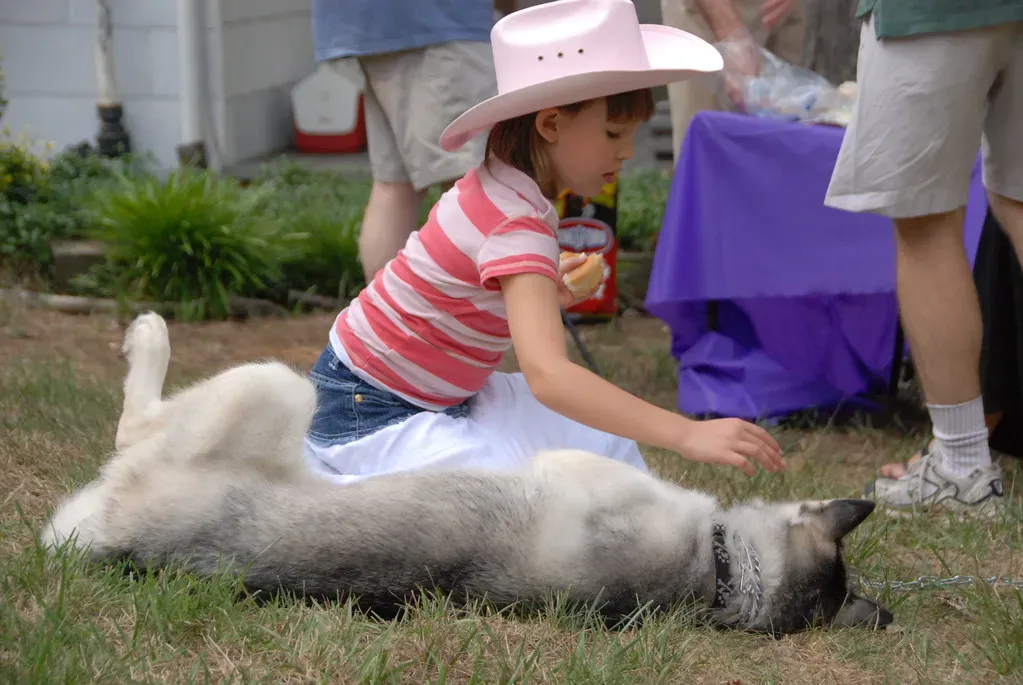
Down is a tricky command to teach, but a great one for your dog to know, not only because it looks cute, but it is important for when your dog gets a little too excited. This position requires your dog to be vulnerable, lying fully on the ground, which is why some dogs resist it initially.
Down teaches impulse control in a way that sit simply can’t. When your dog is lying down, they’re truly settling, not just pausing. This becomes invaluable at the vet’s office, during grooming sessions, or when you need your dog to be calm for extended periods.
From a sitting position, hold a treat at your dog’s nose and slowly move it forward and down toward the floor. As they follow the treat, their body will naturally lower. The moment their belly touches the ground, say the word and reward immediately. Some dogs take longer to master this, so don’t get discouraged if progress feels slow.
Leave It: Protecting Them from Danger

Leave it helps prevent your dog from hurting themselves and your valuables. Dogs are naturally curious, and they explore the world with their mouths. That means they’ll pick up things they shouldn’t: chicken bones on the sidewalk, toxic plants, or even your expensive shoes.
This command creates a boundary between your dog and something tempting but potentially harmful. Basic commands help you better manage your pet in different situations throughout the day, help to keep your dog safe and make it easier for you to control them.
To teach leave it, place a treat in your closed fist and present it to your dog. They’ll likely sniff, lick, and paw at your hand trying to get it. Wait patiently. The moment they back away or stop trying, say the command and reward them with a different treat from your other hand. This teaches them that ignoring one thing gets them something even better.
Heel: Walking Together in Harmony
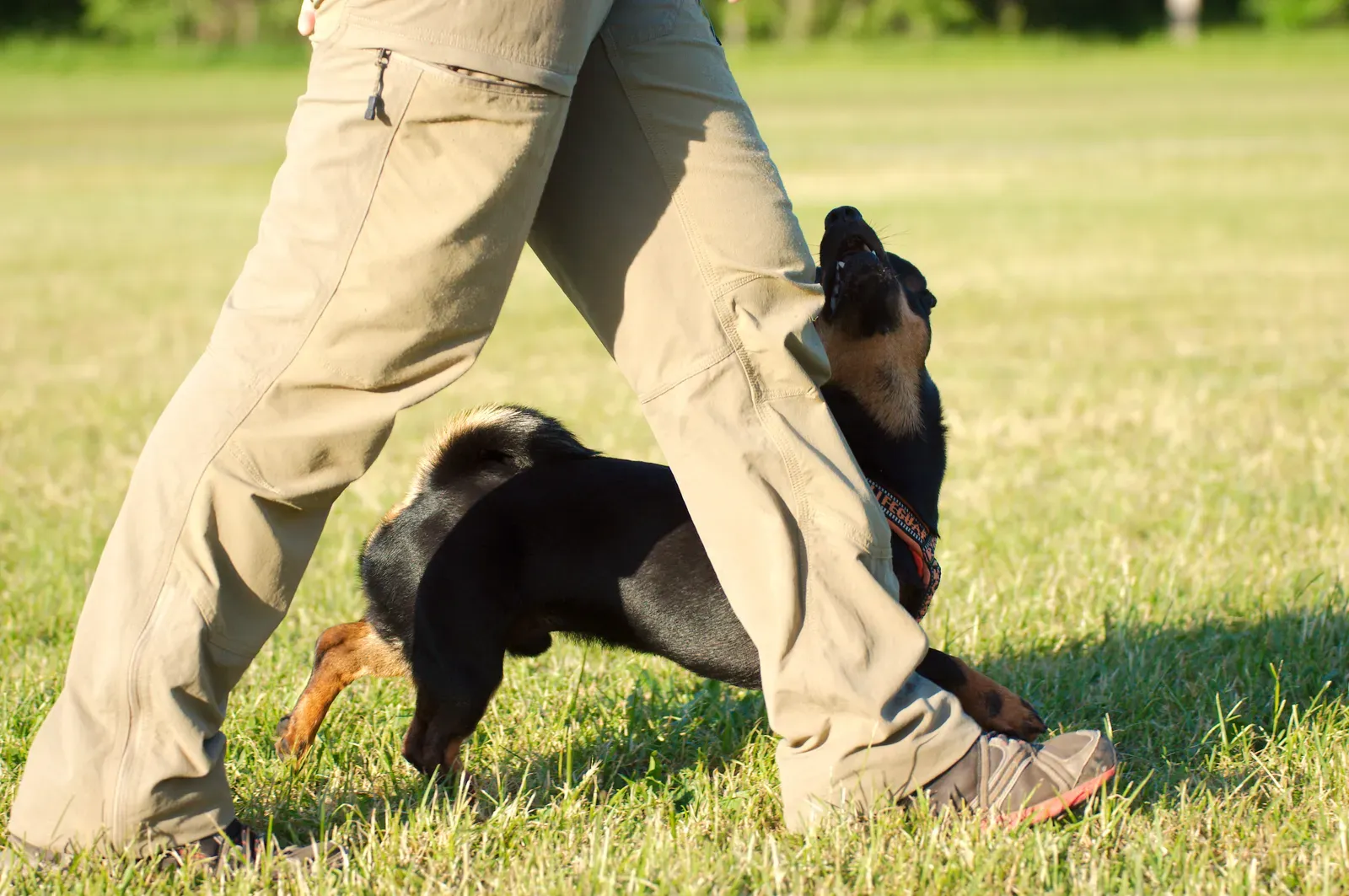
Teaching your dog to heel is essential for walking calmly by your side. Let’s face it: walks should be enjoyable for both of you, not a wrestling match where your dog drags you down the street like a sled dog.
Heel transforms your walks into pleasant, bonded experiences. Your dog learns to pay attention to your pace and direction rather than every distraction along the route. This makes walks safer, especially in crowded areas or near traffic.
Start in a quiet space with minimal distractions. Hold treats at your side and encourage your dog to walk next to you. Use the command and reward them frequently when they maintain the correct position beside you. Short, successful sessions work better than long, frustrating ones. Gradually increase the duration and introduce more distractions as they improve.
Wait: The Pause Button for Patience
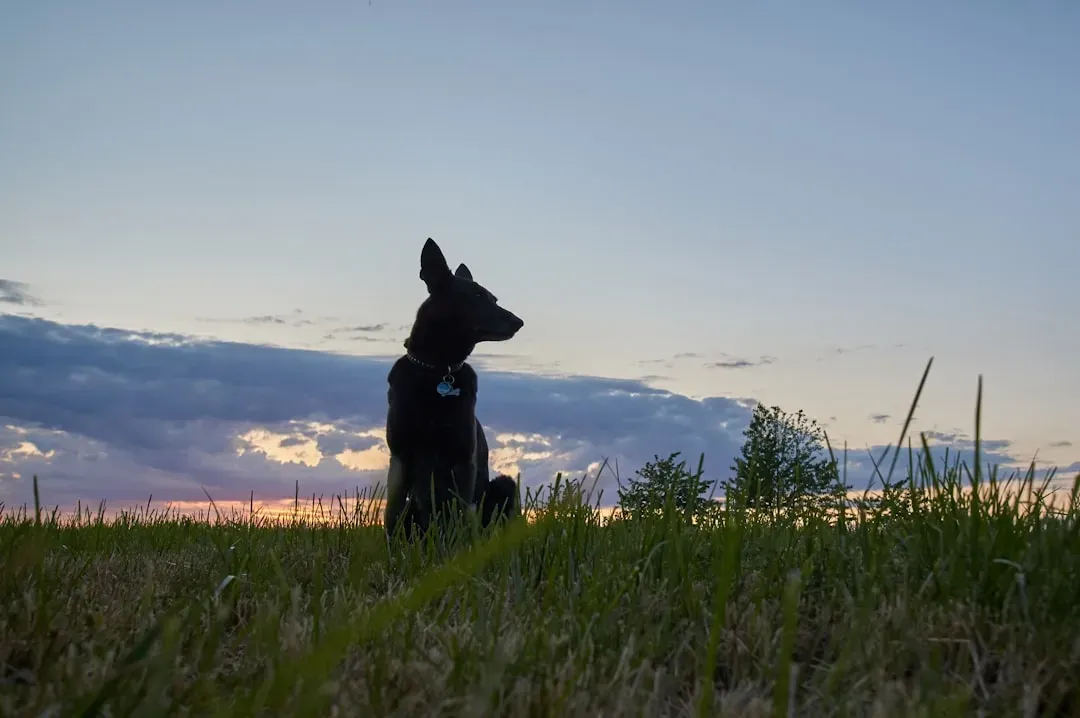
Wait is useful for teaching your dog to pause before proceeding. It differs from stay because it’s temporary. Wait means “hold on a moment” rather than “stay here until I release you.” This distinction matters in daily life.
Use wait at doorways so your dog doesn’t bolt outside, at feeding time so they don’t knock the bowl from your hands, or before getting out of the car. It teaches patience and self-control in everyday situations that can otherwise be chaotic or dangerous.
Ask your dog to sit or lie down, then say the command and take a step back. If they remain in place for just a few seconds, return and reward them. This command doesn’t require the same duration as stay, but it does require consistent practice in real-world scenarios to become truly reliable.
Drop It: Releasing What They Shouldn’t Have
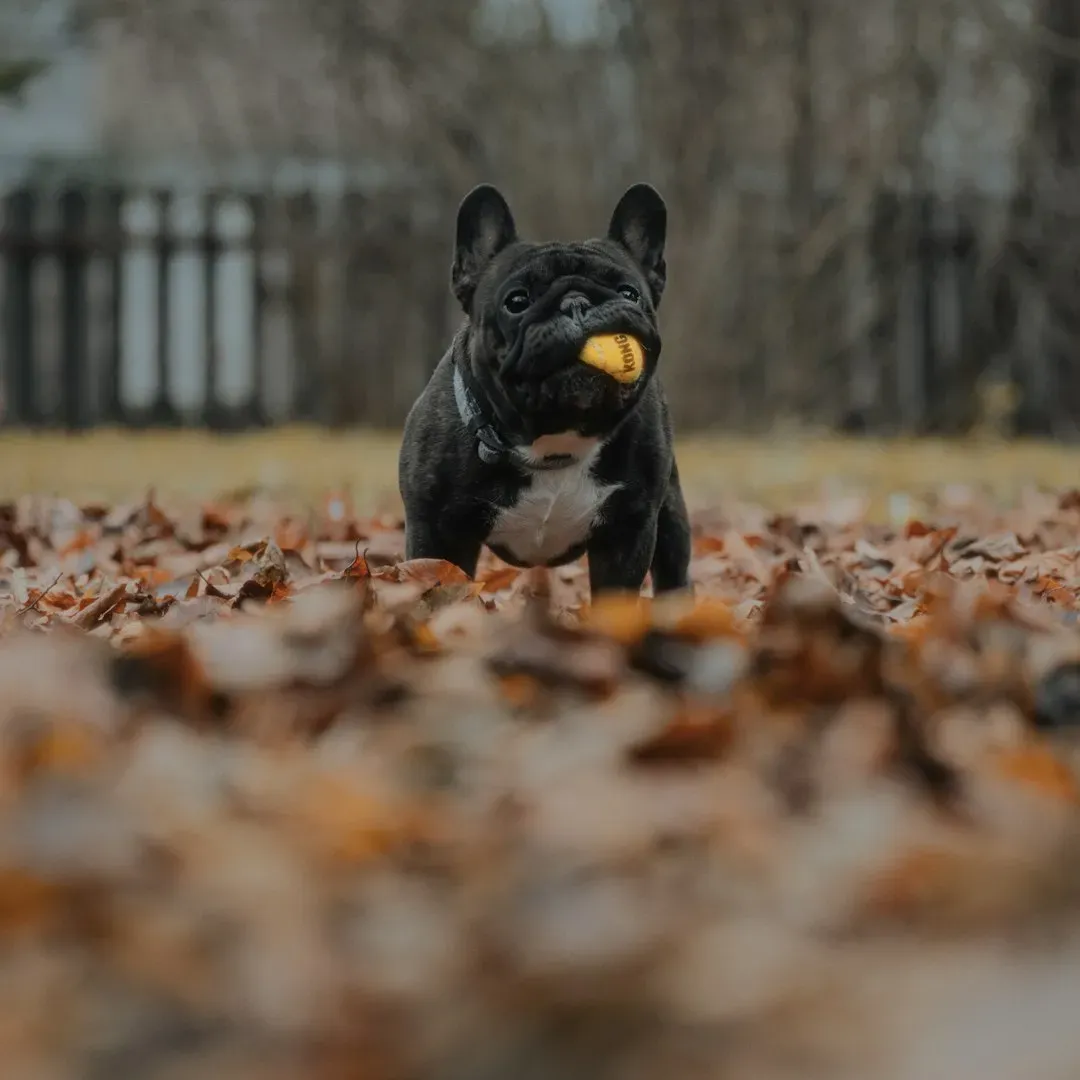
This command is your emergency release button when your dog has something in their mouth that they absolutely shouldn’t. Maybe they’ve grabbed a sock, a remote control, or worse, something toxic they found outside. Drop it gives you a way to safely retrieve items without turning it into a game of chase or wrestling.
The beauty of drop it is that it works on your dog’s natural desire to trade up. Hold a high-value treat near their nose while they have a toy or object in their mouth. Most dogs will release what they’re holding to get the treat. The moment they drop it, say the command, praise enthusiastically, and give them the reward.
Practice this regularly with toys and safe objects so the behavior becomes automatic. Never chase your dog or try to pry objects from their mouth, as this often makes them clamp down harder or run away. Make dropping things rewarding, and they’ll do it willingly every time you ask.
Conclusion: Building a Foundation of Trust and Safety
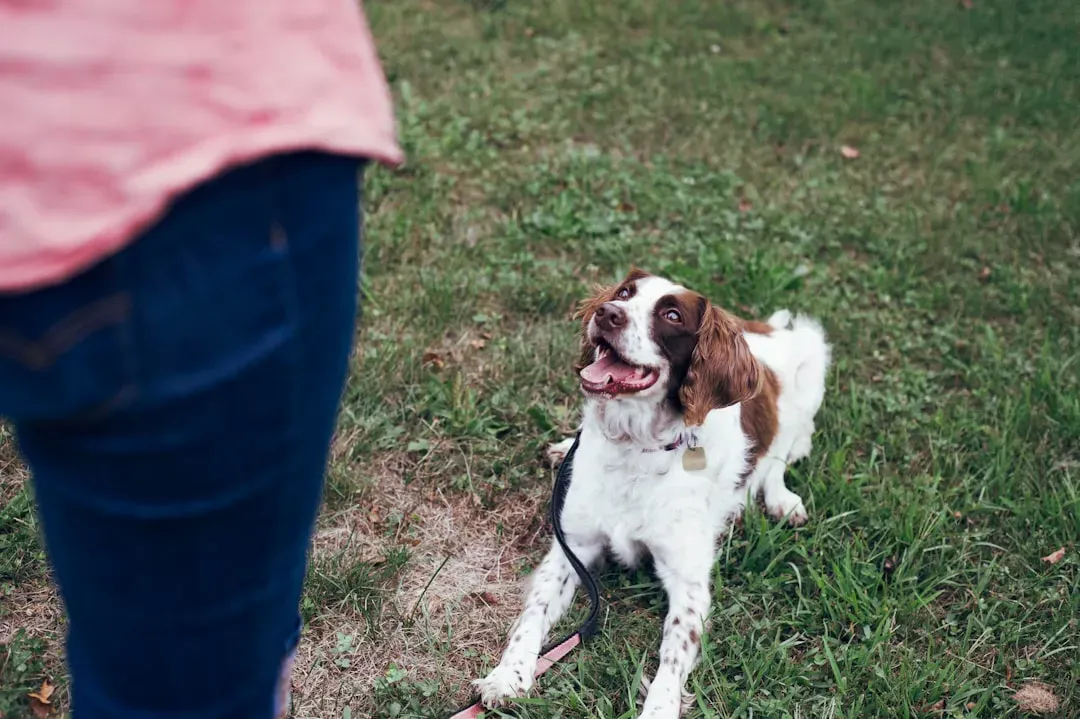
Training helps preventing or managing dog behavioral problems and promotes successful dog-human relationships. These eight commands aren’t about dominance or control. They’re about giving your dog the tools to navigate our human world safely and confidently.
Dogs that had obedience training were more likely to obey commands. The investment you make in training pays dividends for years to come. Your dog becomes more confident, your bond deepens, and you both experience less stress in daily life.
Remember that every dog learns at their own pace. Some will master these commands in days, while others need weeks or even months. Every dog learns at their own pace, some may pick up commands in days while others take weeks, so celebrate small wins and make training fun. The key is consistency, patience, and keeping sessions positive and rewarding.
What’s your biggest training challenge with your dog? Have you tried any of these commands yet, or are you just getting started on your training journey? Share your experiences in the comments below.


