
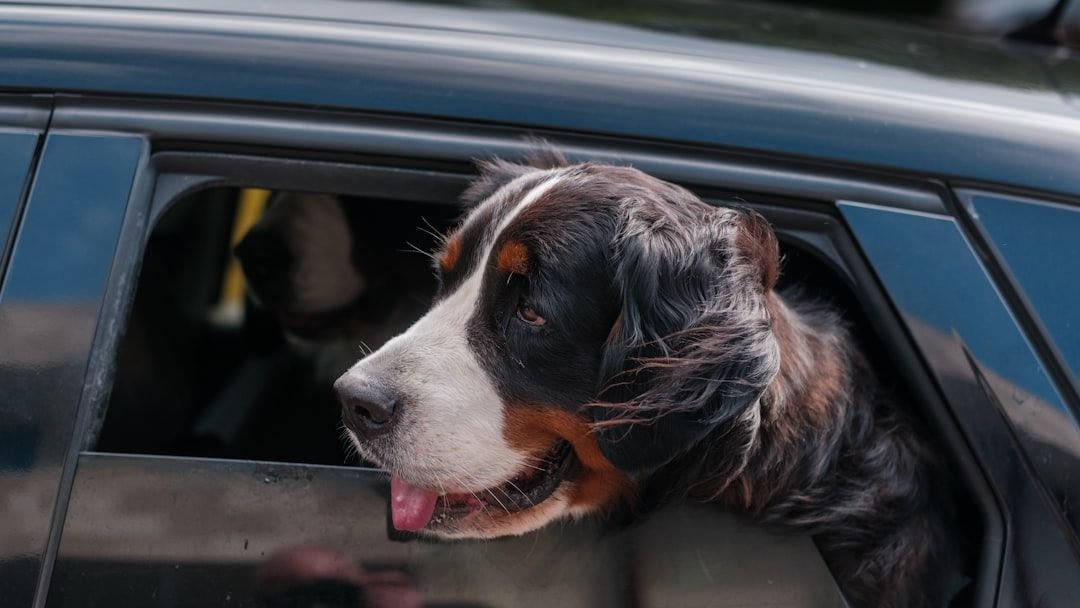
Picture this: your dog is leaning out the window, ears flapping, tail wagging like a little propeller. It looks adorable. It feels harmless. Most of us have been there, phone half-raised to catch the moment. The truth is, that seemingly joyful scene can turn dangerous in a split second, and most dog owners genuinely don’t know how close to the edge they’re riding.
More than 80 percent of drivers admit they recognize the dangers of driving with an unrestrained pet, yet only 16 percent actually use pet restraints. That gap between knowing and doing is where most accidents live. Whether you’re heading to the vet two miles away or planning a cross-country road trip, the eight tips below are designed to help you close that gap, and keep your best friend safe every single time you turn the key.
1. Always Restrain Your Dog – No Exceptions
This is the one rule that everything else builds on. Avoid allowing your dog to roam freely in the car. Loose pets are a distraction to drivers and are at risk of injury in the event of sudden stops or accidents. It’s not just about your dog’s safety either – it’s about yours and every other person on the road.
The physics are staggering. An unrestrained 10-pound dog in a 50-mph crash exerts 500 pounds of force. An 80-pound dog in a 30-mph crash exerts 2,400 pounds of force. That’s not a pet flying around the car – that’s a projectile capable of killing both the dog and the driver.
The safest way for your dog to travel is in a crash-tested harness, seat belt, or travel crate. These products are designed to keep your dog secure and reduce the risk of injury in the event of a sudden stop or collision. When shopping for restraints, look specifically for crash-tested options – not just any harness off the shelf will perform well under real impact conditions.
2. Choose the Right Restraint for Your Dog’s Size and Temperament
Not all safety gear works equally well for every dog. Crates are best suited for dogs weighing 20 pounds or less, while harnesses are typically a better fit for dogs weighing more than 20 pounds. Other factors can influence your decision too – anxious dogs or dogs who easily get motion sick may prefer the added security of a crate, even if they’re bigger.
Dog car seats can be a good option for small breeds or senior dogs who may have trouble settling for long car rides. Car seats can provide a secure and elevated space for your dog, allowing them to see out the window, which can also help dogs who struggle with car sickness. That combination of comfort and security matters more than many people realize.
If you’re using a crate, don’t cut corners on size or quality. Hard-sided carriers with ventilation holes that are secured to the vehicle are the safest option. The crate should be large enough for your pet to stand or sit without touching the top, lie down and turn around. Secure your pet’s crate so it won’t slide or shift in the event of an abrupt stop. Never use a wire or collapsible crate when transporting your pet – they can collapse or break open, causing serious injuries in the event of an accident.
3. Keep Your Dog in the Back Seat, Away from Airbags
It seems like a small detail – front seat versus back seat – but the consequences of getting this wrong are severe. Keeping dogs in the back of the car is the safest place for them. In the front seat, they’re at risk of injury if the airbag were to deploy. Airbags are designed for human safety, and the force and angle at which they deploy can severely injure a dog. In the back seat, there is less risk of airbag-related injuries.
Holding a dog on your lap while driving can interfere with safe driving by blocking the steering wheel or falling onto the floor around the pedals. Holding onto a dog in the front or back seat, rather than using some type of safety restraint, also puts them at risk. A lot of us think a small dog in the lap is harmless – it really isn’t.
The ideal place for your dog in a sedan is in the back seat. For a larger-sized SUV, your dog can stay in the cargo area, though the back seat is still an option. If you absolutely must place your dog in the front seat – say, in a two-seater truck – turn off the passenger airbag to reduce the risk of serious injury.
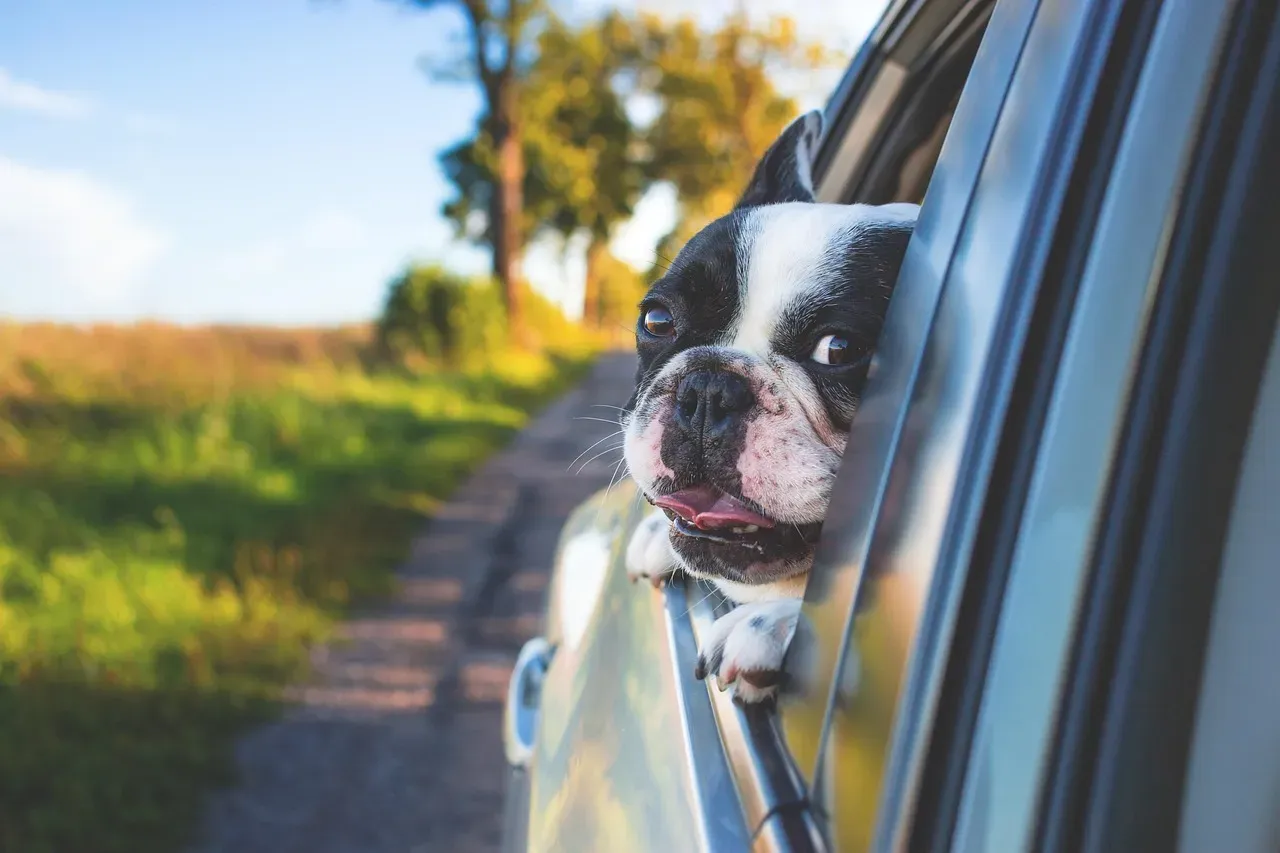
4. Never Let Your Dog Stick Their Head Out the Window
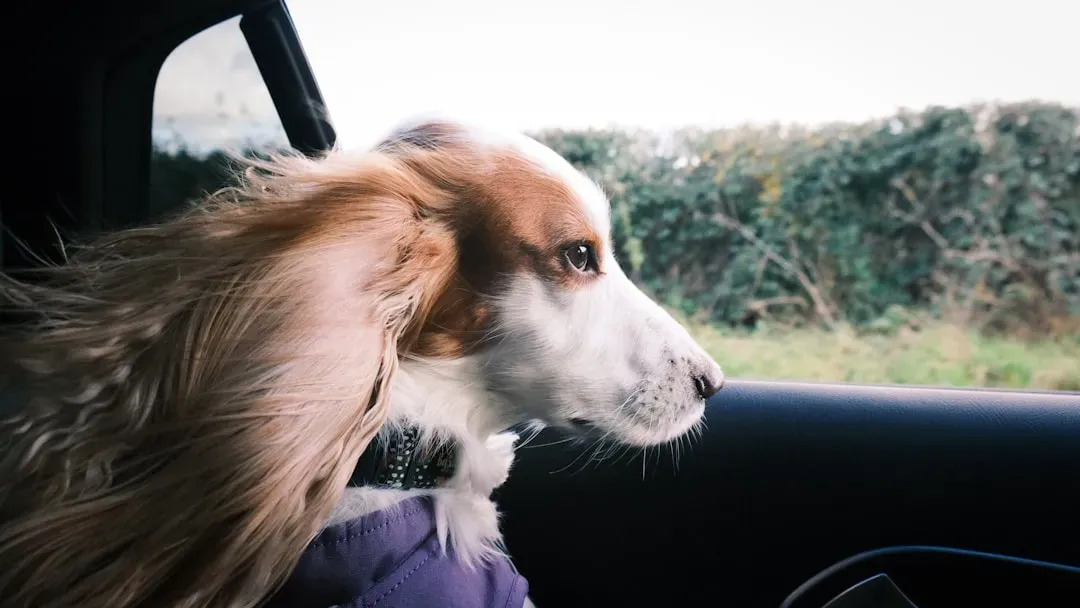
This one always gets pushback, and it’s understandable. That image of a happy dog with ears flying in the wind is practically a cultural icon. Allowing your dog to hang their head out of windows during a ride can be fun for you both. But fun can quickly lead to regret if your dog injures their head from flying debris, is thrown from the window on an abrupt turn or stop, or jumps from the window, risking injury to themselves and anyone who tries to catch them.
There’s also a lesser-known medical risk that most owners haven’t considered. The forces applied to the pinna (ear flaps) can rupture blood vessels, causing a hematoma to form. Hematomas require anesthetic and surgery to repair, which is expensive for you and both stressful and uncomfortable for your dog.
Instead, keep your dog occupied by bringing along a toy, like a puzzle or a lick toy. These toys and games help reduce your dog’s travel anxiety or stress – and keep their head safely inside the car where it belongs.
5. Prepare Your Dog for Car Travel Through Gradual Training
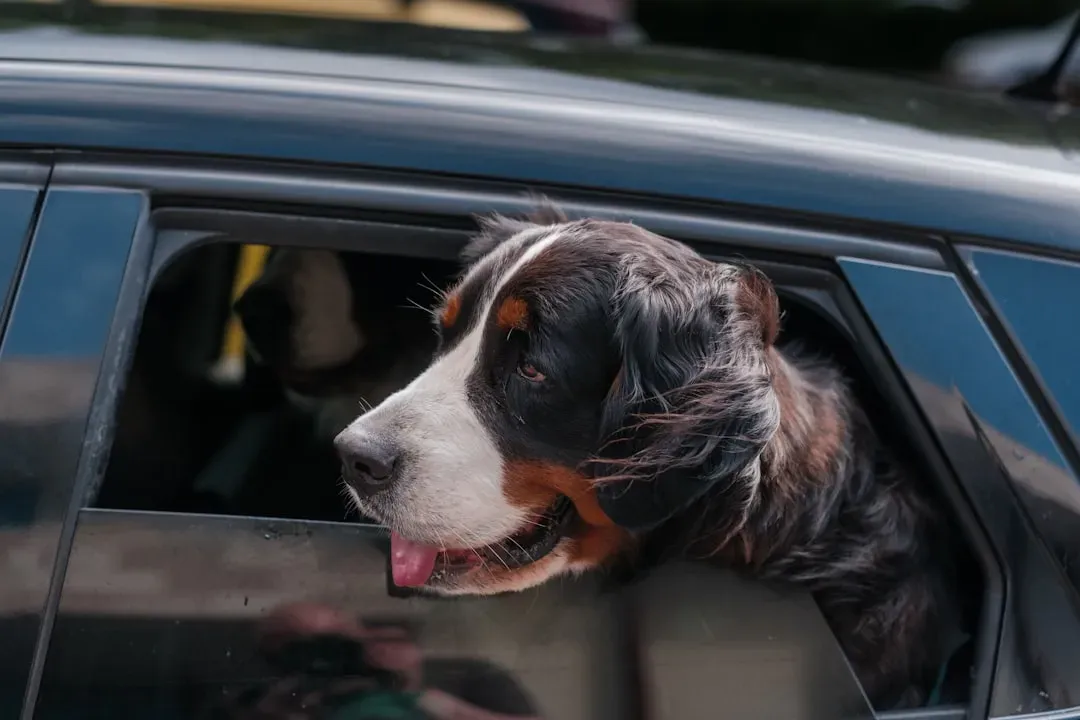
A lot of dogs aren’t born loving the car. Some are anxious, some get nauseous, and some simply have no idea what’s happening. The fix isn’t force – it’s patience and a slow, methodical process. Most pets will experience car travel at some point, making early acclimation essential. While some dogs acclimate to car rides within a week, others may take a few months to become comfortable. The sooner you start practicing, the better.
Start small and gradually work your way up to longer journeys. Start with two minutes of travel, work up to five minutes, and repeat. Pair each short ride with something positive – a treat, calm praise, or a quick trip somewhere your dog enjoys. You’re building an association between the car and good things, and that takes repetition.
Exercising your dog before a car trip is also a good idea. A tired dog is a calmer dog, and a calmer dog makes for a much smoother ride for everyone involved. If anxiety remains persistent despite your best efforts, your vet can discuss calming supplements or behavioral support options.
6. Manage Motion Sickness Before It Becomes a Problem
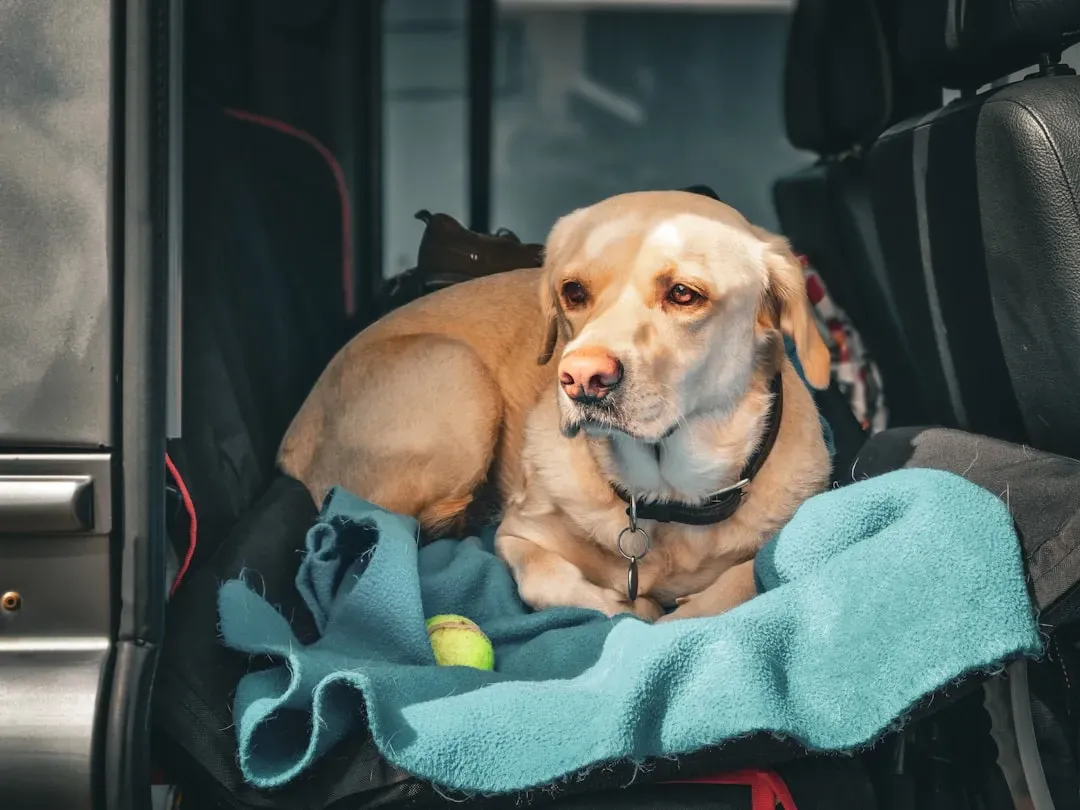
Motion sickness in dogs is more common than most owners expect, and it’s not always obvious right away. Many dogs, especially puppies, will experience nausea or motion sickness when traveling. To help decrease motion sickness, avoid feeding your pet four to six hours before travel to reduce the risk of nausea. If your dog drools or vomits when traveling, talk to your veterinarian about anti-nausea medication to give a few hours before your next trip.
Signs to watch for include excessive drooling, yawning, lip licking, whining, or restlessness – these are early cues that your dog is feeling unsettled before any vomiting begins. Catching the signs early gives you a chance to respond before things escalate. Never give your dog nausea medication intended for humans without veterinary approval. In some cases, if the car sickness is anxiety-related, your veterinarian will prescribe short-acting tranquilizers or supplements.
Dog car seats can provide a secure and elevated space for your dog, allowing them to see out the window, which can also help dogs who struggle with car sickness. Having a visual horizon can ease the disorientation that triggers nausea in some dogs, similar to how humans often feel better looking out a window on a winding road.
7. Plan Regular Breaks and Keep Your Dog Hydrated
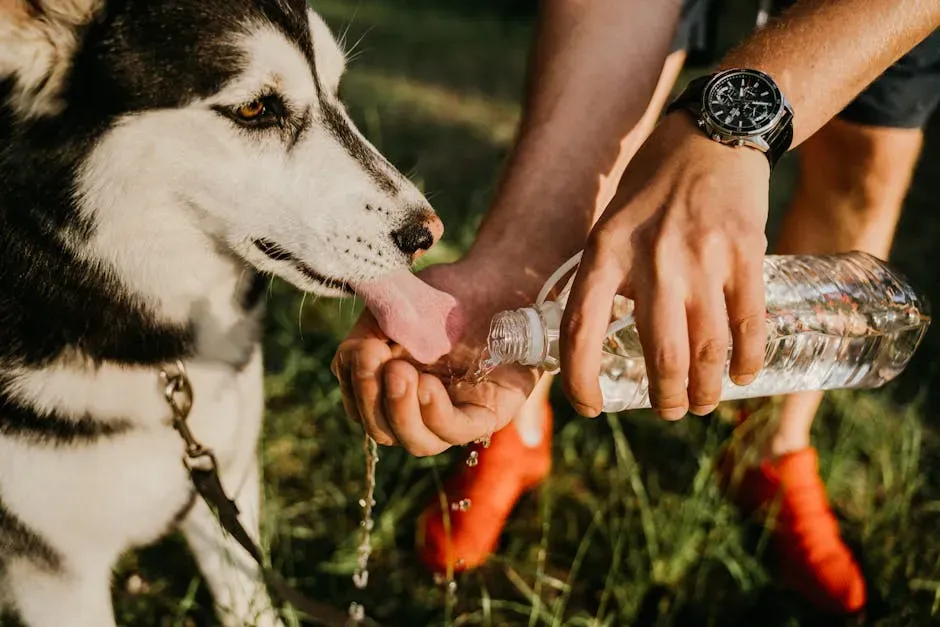
Long drives can be physically and mentally exhausting for dogs. They can’t tell you when they’re uncomfortable, so building in regular stops is on you. Stop every two to three hours for potty breaks, exercise, and water. Ensure your pet is on a leash or harness and walk in a safe area away from traffic. A quick stretch and a chance to sniff around does wonders for a dog’s stress levels.
Bring food, a bowl, leash, waste bags, grooming supplies, medication, a first-aid kit, your veterinarian’s contact information and any travel documents your pet may need. Also pack a favorite toy, towel or bedding to give your pet a sense of familiarity. That familiar scent from home can be genuinely calming for an anxious dog.
Water deserves special mention. If your dog is particular about what water they’ll drink, consider bringing some from home. It’s also good to have water if you get stranded. Hydration is easy to overlook on a busy road trip, but dehydration compounds stress and can worsen motion sickness quickly.
8. Never Leave Your Dog Alone in a Parked Car
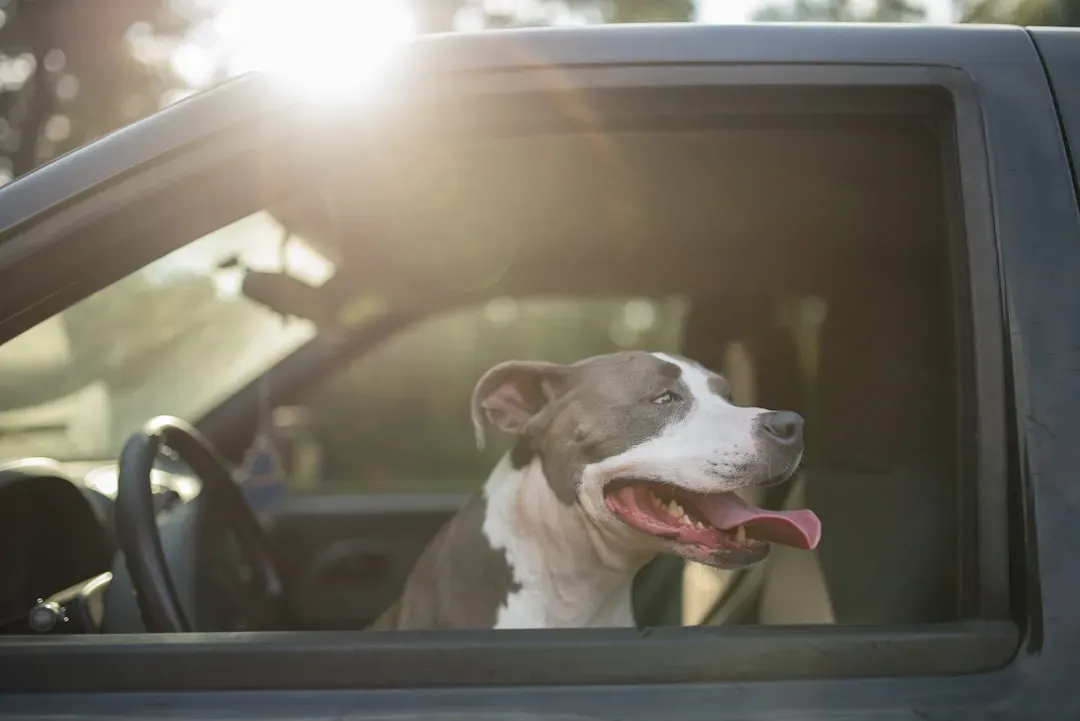
This is non-negotiable, full stop. Temperature fluctuations can make it dangerous to leave your pet unattended in your car. Your vehicle can quickly reach a temperature that puts your pet at risk of serious illness or death – even on a day that doesn’t seem that hot, and even if the car is left in the shade. Cracking the windows makes no difference.
Research on vehicle safety indicates that the temperature inside your vehicle can rise about 20 degrees Fahrenheit in just 10 minutes, and almost 30 degrees in 20 minutes. The longer you wait, the higher the temperature climbs. That’s not a slow creep – that’s a dangerous spike happening while you’re grabbing groceries or waiting in a coffee line.
Dogs with short snouts like Pugs or French Bulldogs will succumb to heat exhaustion even faster than other breeds. Cold weather can create another danger, exposing animals to hypothermia. The risk runs in both directions year-round, which is why the rule has to be absolute: if you’re leaving the car, your dog comes with you.
Final Thoughts: Safe Travels Start With You
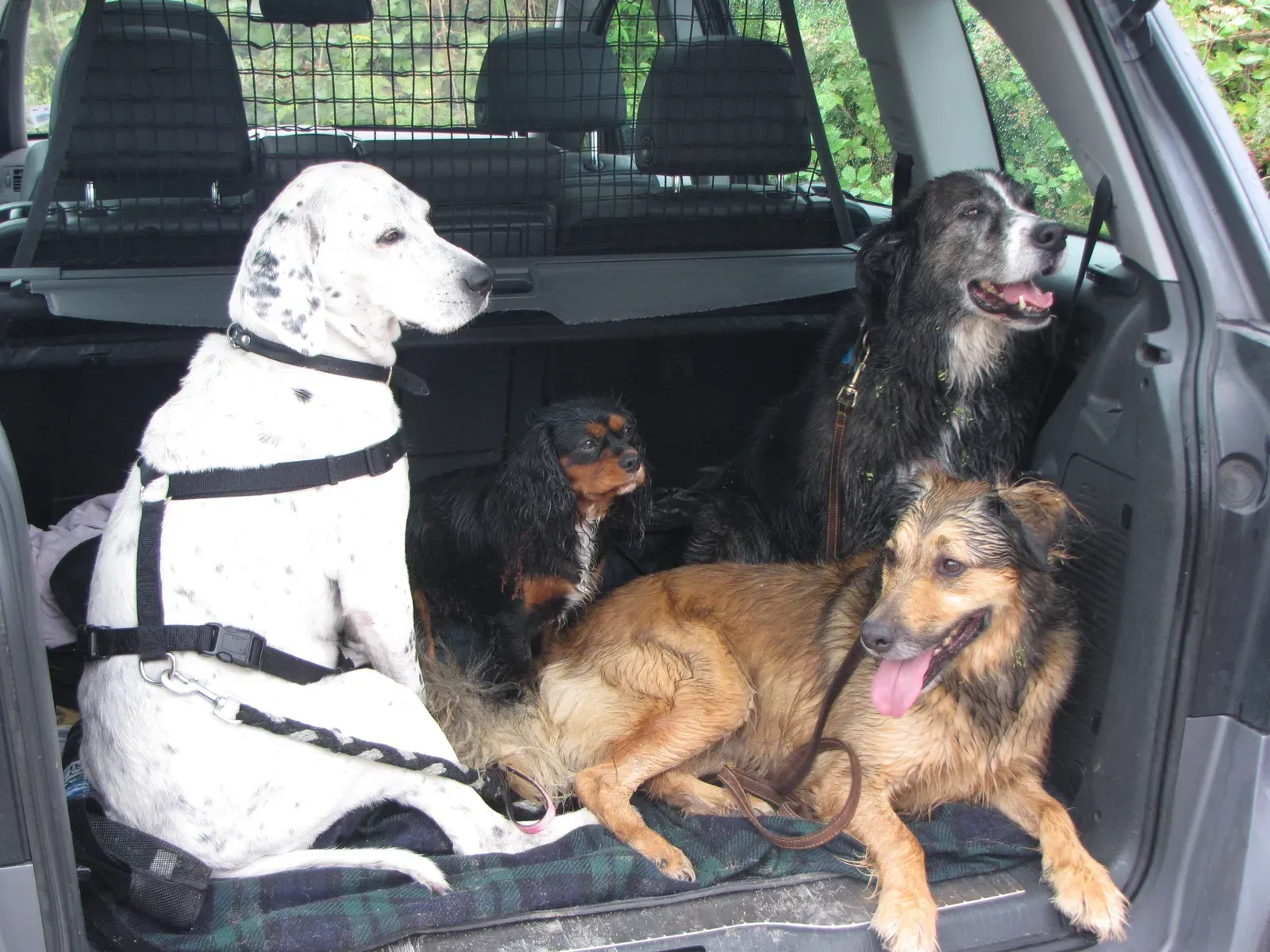
Every road trip, every vet visit, every quick errand – these are all moments where your dog is completely trusting you to make the right call. They don’t know what speed is. They don’t understand what an airbag does. They just know they’re with you, and that’s enough for them.
The good news is that keeping your dog safe in the car isn’t complicated or expensive. It mostly comes down to a few consistent habits: the right restraint, the right seat position, a little training, and the discipline not to leave them behind in a hot car. None of these require perfection, just intention.
Your dog gives you everything they’ve got every single day. A crash-tested harness and a two-hour break schedule is a pretty small price to pay in return.


