

You’ve probably felt it before. That moment when you’re cleaning up shredded cushions or staring at your dog who’s barking at absolutely nothing for the twentieth time today. Maybe you chalked it up to bad behavior or blamed it on their personality, but here’s the thing: your dog might just be desperately bored. Dogs aren’t meant to lounge around all day, even if it sometimes looks like they’re content snoozing in the sunbeam. Their brains crave challenges, puzzles, and new experiences just as much as their bodies need exercise.
In 2025, experts agree that mental stimulation for dogs is just as essential as physical exercise. We’re living in a time when more people are recognizing that a twenty-minute walk around the block simply isn’t enough for most dogs. They need their minds stretched too. So let’s dive into some practical, creative ways to keep that brilliant canine brain of theirs firing on all cylinders.
Rotate Their Toys Like a Pro
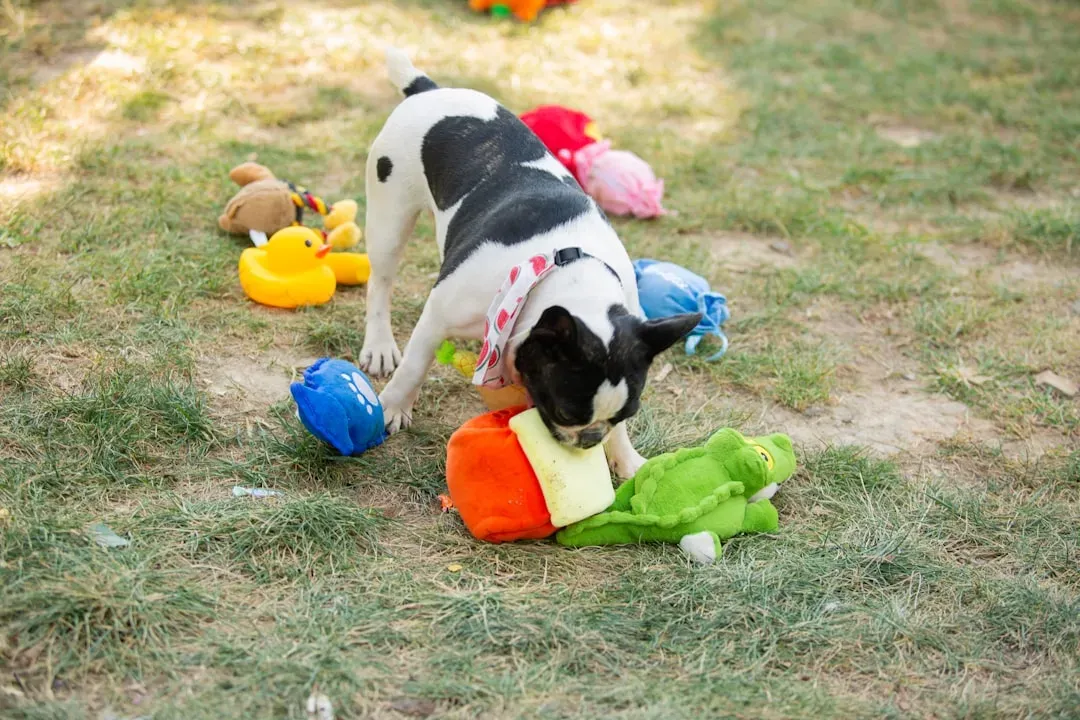
Let’s be real: your dog probably has a mountain of toys scattered across your living room floor. Yet they ignore most of them, right? That’s because novelty wears off fast for dogs. Most dog toys get ignored after 5 minutes because they don’t engage your dog’s natural instincts. Instead of leaving every toy accessible all the time, try dividing them into three or four groups and rotating them weekly.
When you bring out toys your dog hasn’t seen in a week or two, they suddenly become exciting again. It’s like getting a brand new present without spending a dime. This simple hack keeps their interest peaked and prevents that dull, listless expression you sometimes catch when they’re staring at the same old tennis ball for the hundredth day in a row.
I honestly think this is one of the easiest changes you can make with massive returns. You’re basically tricking their brain into thinking they’re getting constant new stimulation, which keeps them mentally engaged and less likely to develop those annoying boredom behaviors we all want to avoid.
Turn Mealtime Into a Scavenger Hunt
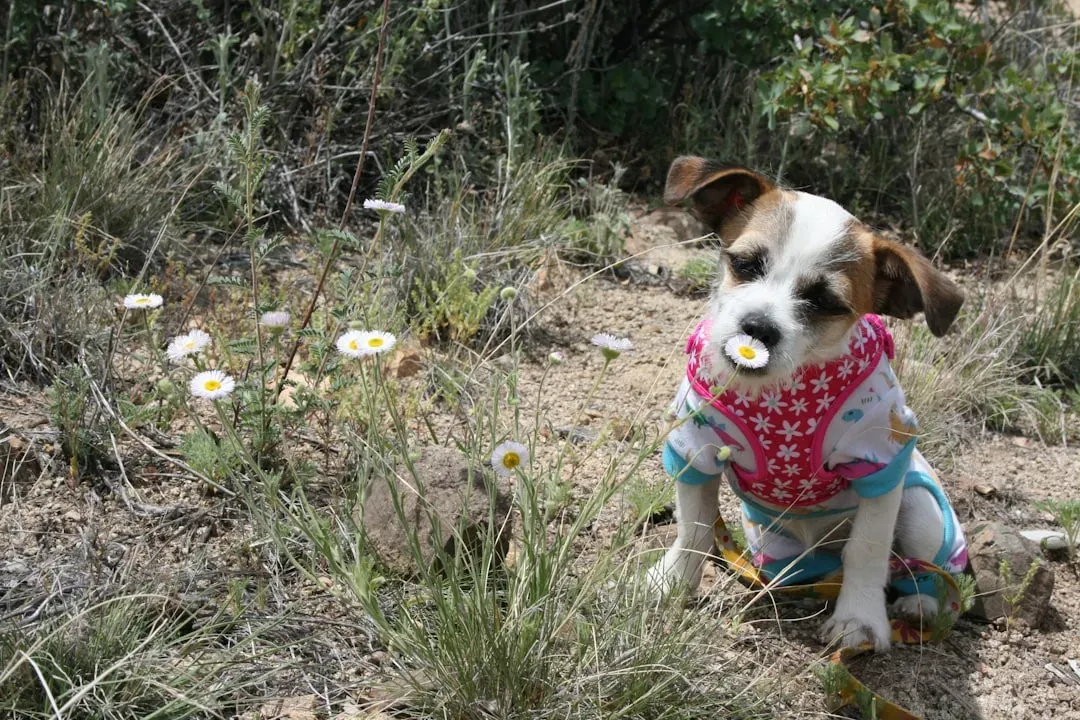
Scatter feeding encourages a dog’s natural foraging instincts by hiding treats or food on the floor around the house or garden. Instead of plopping their kibble in a bowl where they inhale it in thirty seconds flat, scatter it across your backyard or hide small portions around the house. Your dog will spend the next fifteen to twenty minutes using their incredible nose to hunt down every morsel.
This taps into something deeply instinctual. Dogs evolved as scavengers and hunters, so when you make them work for their food, you’re satisfying an ancient drive that modern pet life often ignores. Plus, it naturally slows down fast eaters, which can help prevent bloating and digestive issues.
You can also use puzzle feeders or snuffle mats for the same effect. Snuffle mats encourage dogs to use their natural sniffing instincts to search for hidden treats or kibble, providing mental stimulation and keeping your pup engaged for longer. It transforms a mundane daily routine into an enriching brain game that leaves them satisfied in ways a regular meal never could.
Play the Name Game With Their Toys
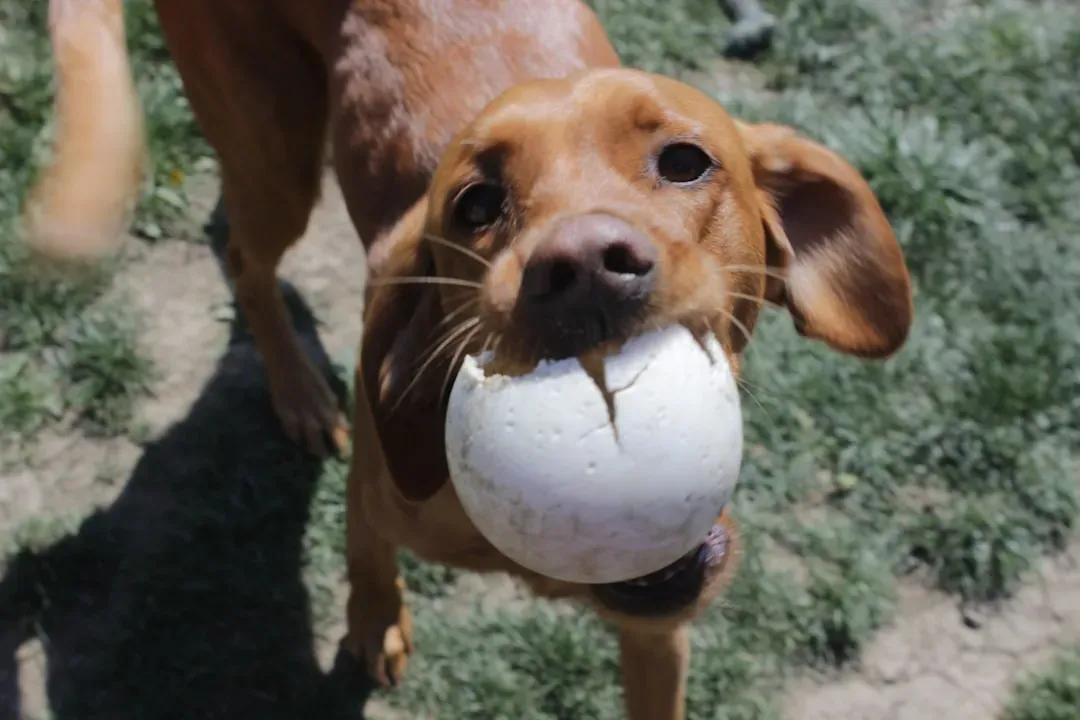
This one takes a bit more patience, but it’s incredibly rewarding once your dog gets the hang of it. Start by choosing one of their favorite toys and consistently calling it by a specific name every time you play with it. Let’s say you pick a squeaky duck and call it “Ducky.” Repeat the name each time you toss it, praise them when they bring Ducky back, and make a big deal about it.
Once they reliably respond to that toy’s name, introduce a second toy with a different name. Keep practicing until your dog can distinguish between the two. The name game is an excellent mental exercise because you can continue advancing the activity and building complexity until your dog can pull a single object from a pile of toys just by knowing the name associated with that item.
It sounds simple, but this game genuinely challenges their cognitive abilities and memory. Some dogs can learn dozens of toy names over time, and watching them confidently select the exact toy you asked for from a messy pile is pretty amazing. It also gives you a fun party trick to show off to skeptical friends.
Set Up a DIY Obstacle Course
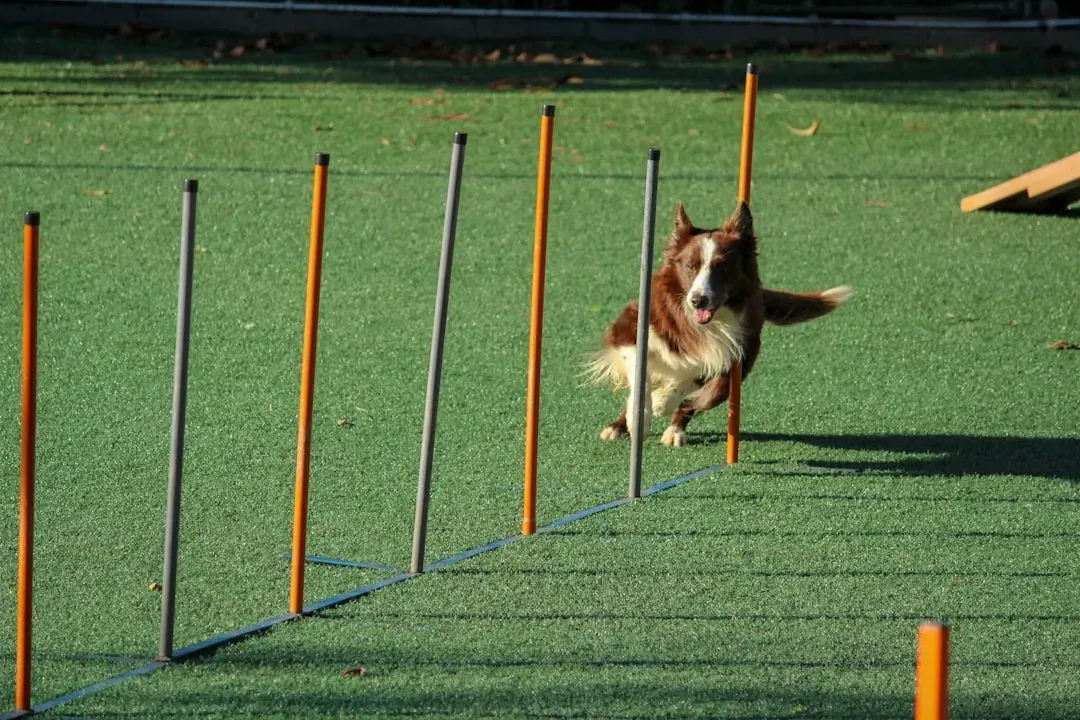
You don’t need to invest in expensive agility equipment to create a stimulating physical and mental challenge for your dog. Look around your house and get creative with what you already have. You can easily make an obstacle course out of common household objects that are safe for dogs, such as setting up dining room chairs for your dog to weave through or using a broom or mop for them to jump over.
Throw some couch cushions on the floor for them to navigate around, create a tunnel using cardboard boxes with the ends cut out, or lay a broom across two sturdy objects for them to carefully step over. Change the layout every few days so they can’t just run through on autopilot.
Obstacle courses help to train the mind while also improving agility and physical fitness. The real magic happens when your dog has to think about how to approach each obstacle rather than just running mindlessly. It builds their confidence, improves their problem-solving skills, and burns energy in ways that regular fetch simply can’t match.
Master the Art of Hide and Seek
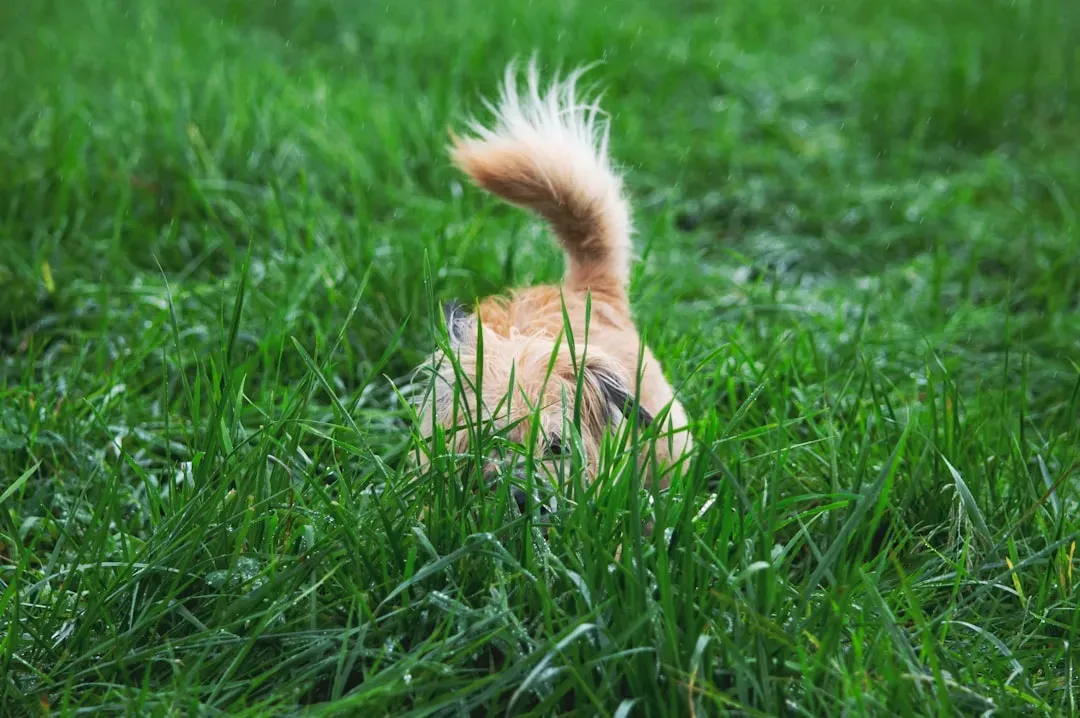
This classic game works brilliantly for dogs because it engages multiple senses and instincts at once. Start simple: have your dog sit and stay in one room while you hide somewhere obvious in another room, then call them to come find you. When they discover your hiding spot, make it a huge celebration with treats, praise, and excitement.
As they get better at the game, choose more challenging hiding spots. Ask your dog to sit and stay while you find the perfect hiding spot, and when you’re ready, ask your dog to come and find you; since dogs’ sense of smell is pretty incredible, it shouldn’t take very long for them to find you. You can also hide treats or their favorite toys instead of yourself.
What makes this game so valuable is the way it combines obedience training, scent work, and problem-solving all in one activity. Your dog learns impulse control while waiting, uses their powerful nose and ears to track you down, and gets rewarded for their effort. It’s honestly one of the most complete mental workouts you can offer in just ten minutes.
Introduce New Tricks Regularly
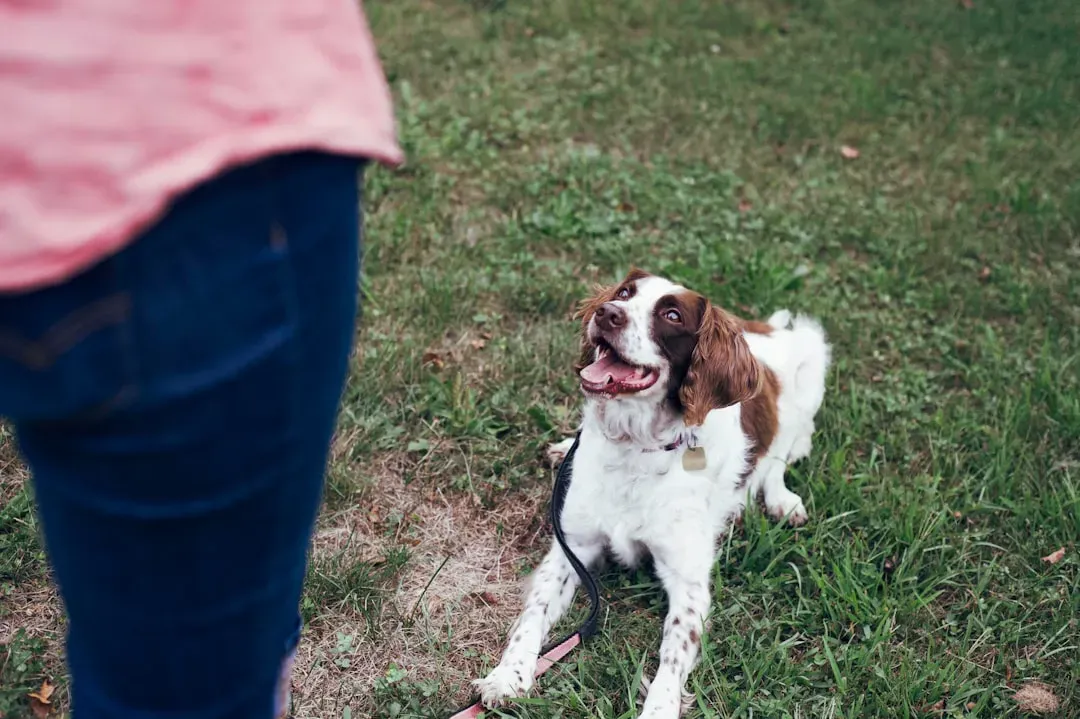
Teaching your dog a new trick requires a lot of concentration on their part, which is why tricks make for a challenging brain workout while also boosting your dog’s confidence and happiness. The beauty of trick training is that you can always find something new to teach, no matter how old or experienced your dog is.
Move beyond the basics like sit and stay. Teach them to close doors, put toys away in a basket, spin in circles, or give you a high five. Each new trick creates fresh neural pathways in their brain and keeps them mentally sharp. Even spending just five to ten minutes a day on training can make a noticeable difference in their behavior and mood.
The key is to keep sessions short, fun, and always end on a positive note. Dogs thrive on variety and challenge, so switching up what you’re working on prevents frustration and keeps them eager to learn more. Plus, the bond you build through positive training is irreplaceable.
Let Them Sniff on Walks
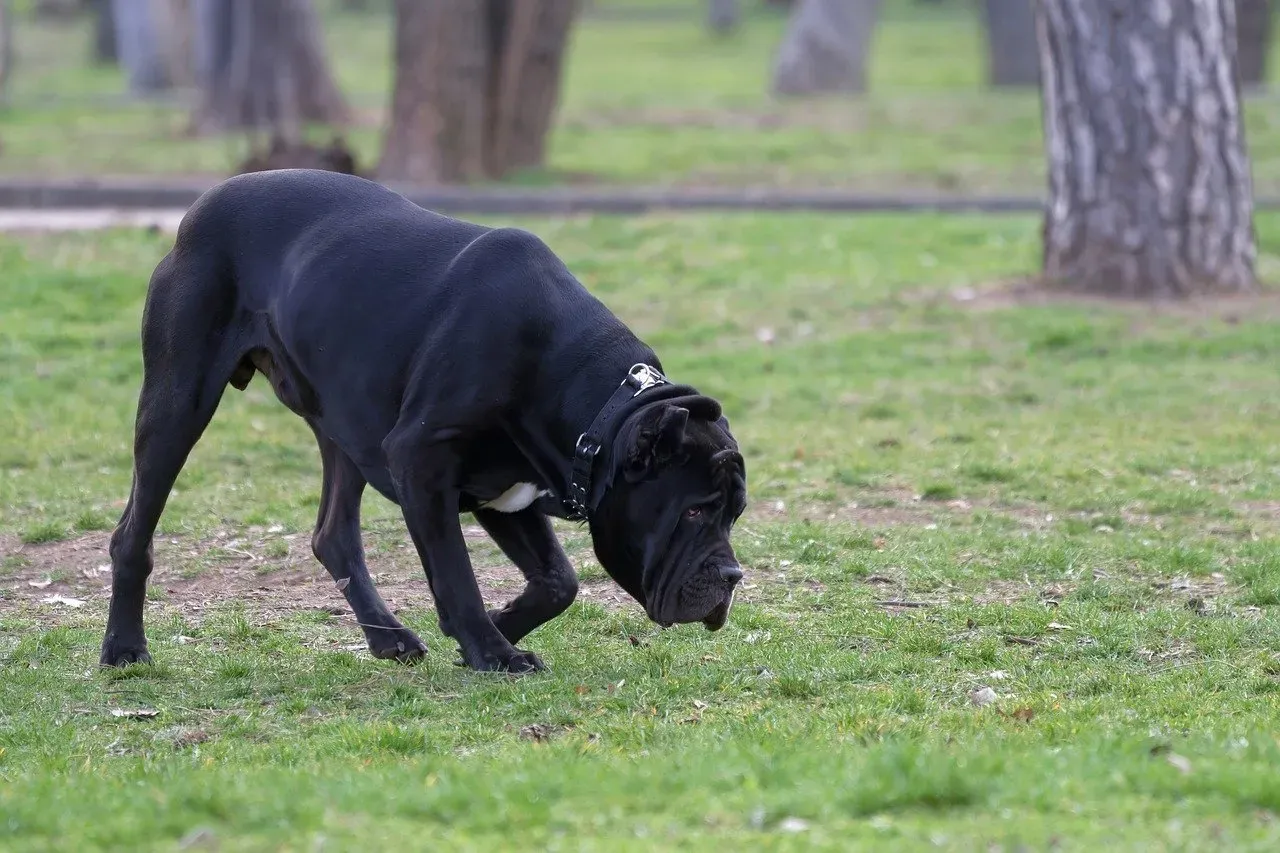
Here’s something many dog owners get wrong: they think a good walk means constant movement from point A to point B. In reality, letting your dog stop and sniff is one of the best things you can do for their mental health. Dogs have 100-300 million odor receptors compared to our 6 million, making scent work their most powerful mental exercise.
When your dog sniffs a lamppost, fire hydrant, or patch of grass, they’re reading an entire novel’s worth of information. They learn who’s been there, when they passed by, their emotional state, and so much more that we’ll never fully understand. Denying them this sensory experience is like asking a human to walk through an art museum blindfolded.
Try incorporating dedicated “sniff walks” into your routine where the primary goal isn’t exercise but exploration. Let your dog lead the way and investigate whatever catches their interest. Just 15-30 minutes of brain work can tire dogs more than a long walk. You might be surprised how mentally exhausted they become after a slower-paced, scent-focused outing.
Use Puzzle Toys Strategically
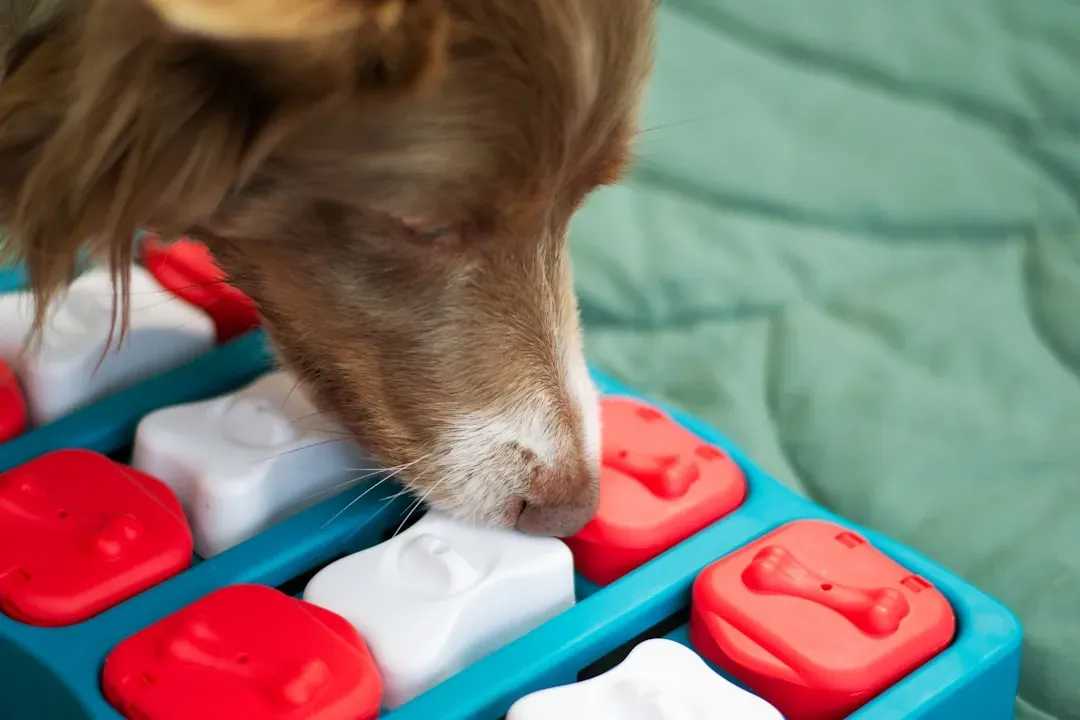
Puzzle toys have exploded in popularity, and for good reason. The puzzle and treat-dispensing design keeps your dog engaged, relieving boredom and anxiety while helping minimize chewing on furniture or shoes. However, not all puzzle toys are created equal, and knowing how to use them makes all the difference.
Start with simpler puzzles and gradually increase the difficulty as your dog masters each level. If you jump straight to advanced puzzles, your dog might become frustrated and give up entirely. The goal is to challenge them just enough that they have to think, but not so much that they feel defeated. Watch for signs of stress like excessive panting or walking away from the puzzle.
Dogs learn at their own pace by sniffing, sliding, lifting, and spinning different components to uncover hidden treats, helping them build confidence, focus, and cognitive skills over time. Rotate different puzzle styles to keep things interesting, and always supervise initially to ensure they’re interacting safely. These toys aren’t meant to be chewed, so intervene if your dog starts treating them like regular chew toys.
Conclusion: Small Changes, Big Impact
Research shows mental stimulation helps keep their brain alert and healthy, especially as dogs age. Mental stimulation is good for senior dogs, as it keeps their minds sharp and helps prevent cognitive decline. The hacks we’ve covered aren’t complicated or expensive, yet they can transform your dog’s quality of life in profound ways.
Think about it this way: a mentally stimulated dog is calmer, happier, and far less likely to develop those destructive behaviors that drive us all crazy. They sleep better, they’re more confident, and your bond grows stronger through all those shared activities and training moments. It’s a win for everyone involved.
So which hack will you try first with your pup? Maybe start small with toy rotation or scatter feeding, and build from there. Your dog’s brilliant mind is waiting to be challenged. What do you think about these ideas? Tell us in the comments which ones worked best for your furry friend!


