

If you’ve ever walked your dog on a biting Chicago morning when the wind off Lake Michigan feels like tiny knives, you know winter here isn’t a joke. Our beloved pups rely on us completely to keep them safe when temperatures plunge and sidewalks turn into ice rinks. Even the fluffiest dog can struggle in this city’s notorious cold snaps.
Chicago winters test both dog and owner alike, with windchills sometimes dropping dangerously low. The good news? Keeping your furry companion cozy and healthy during these harsh months doesn’t require complicated measures. It takes awareness, preparation, and a few smart adjustments to your routine. Let’s explore the most effective strategies that’ll have your pup thriving all season long.
Layer Up with the Right Winter Gear
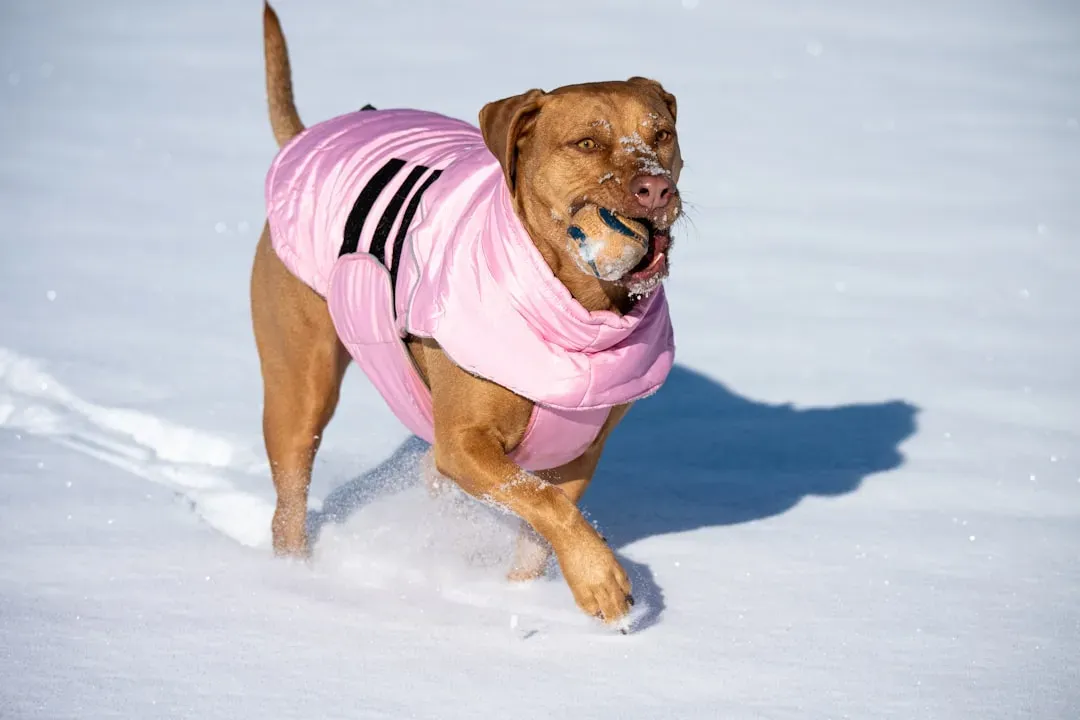
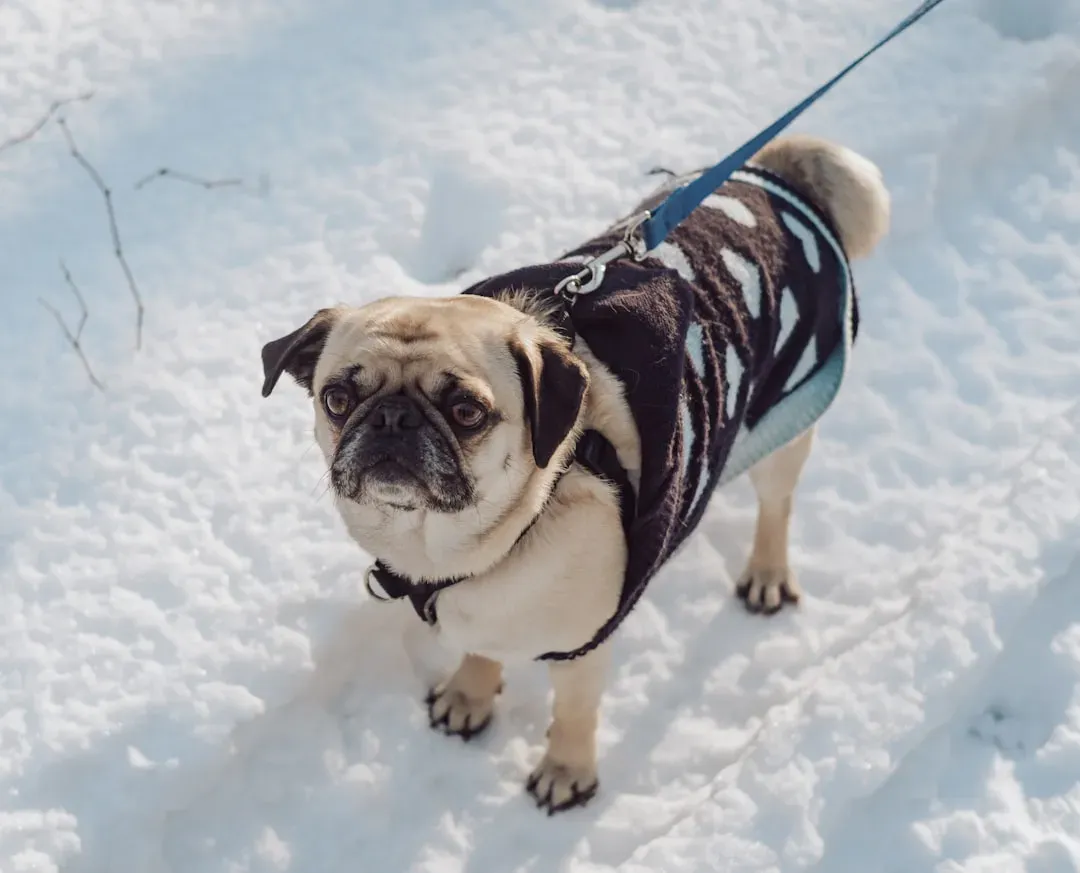
Smaller breeds of dogs often benefit from wearing coats in cold weather because of their small size, these dogs can’t maintain their body heat in cold weather, and going outside in cold temperatures can be uncomfortable, if not dangerous, for smaller dogs. Think of it this way: while a Husky comes factory-equipped with natural insulation, a Chihuahua is basically wearing a t-shirt year-round.
Veterinarians recommend that pet owners purchase jackets or sweaters, especially if your dogs are small or have short hair. When choosing a coat, look for something waterproof and insulated that covers your dog’s chest and belly. Smaller breeds, short-haired breeds, and older dogs often benefit most from added warmth, and you should consider a waterproof and insulated coat for snowy or rainy conditions. The coat should fit snugly without restricting movement.
Here’s the thing: not all dogs take to clothing immediately. If you have a new puppy and know a cold winter is on its way, it is best to start training your dogs to wear clothes early on, but if your dog is older, it may take more time and positive reinforcement. Start indoors, offer treats, and make it a positive experience before heading outside.
Protect Those Precious Paws
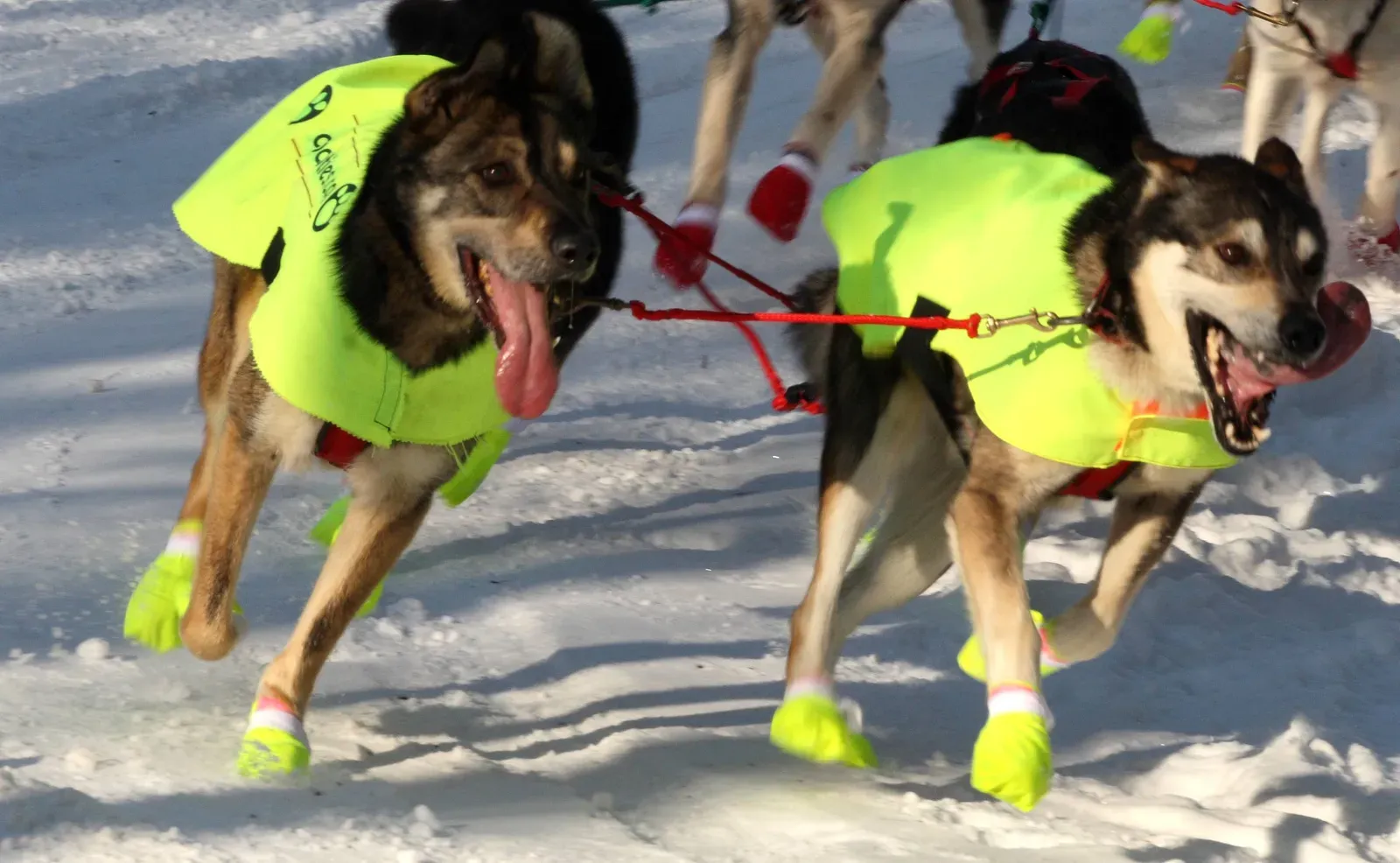
Salt and other chemicals used to melt snow and ice can irritate the pads of your pet’s feet, so wipe their feet with a damp towel before your pet licks them and irritates his or her mouth. Chicago sidewalks are a minefield of harsh de-icing chemicals that can burn delicate paw pads. I’ve seen dogs limping after just a short walk on salted concrete.
Dog booties provide excellent protection, though honestly, getting your pup comfortable wearing them takes patience. Your dog’s paws are particularly vulnerable to frostbite due to direct contact with snow and ice, so consider using dog booties or paw wax, as booties provide a barrier against the cold ground and can also protect against harmful chemicals used to melt ice. Boots are good if you are walking your dog on sidewalks and streets where ice melt has been used, but if you don’t use boots, it’s always wise to wipe your dog’s paws with a damp cloth when they return indoors after being outside to help remove ice and ice melt and reduce the risk of irritation.
If your dog absolutely refuses booties, paw balm is your backup plan. Apply it before walks to create a protective barrier, and always check between the toes for ice buildup when you come back inside.
Master the Art of Strategic Walks
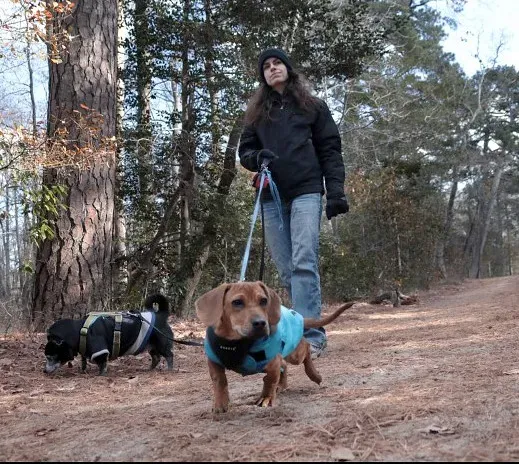
Let’s be real: those polar vortex days require a completely different approach. Limit walks to the warmest part of the day, typically late morning or early afternoon, and keep walks shorter – around 10-15 minutes – and watch for signs of discomfort such as shivering or lifting paws off the ground. When windchills drop below zero, your dog’s bathroom break should be exactly that – quick and efficient.
Small breeds or dogs with short coats can actually feel the cold when temperatures reach around 45 degrees. Pay close attention to your individual dog’s tolerance. Regardless of your dog’s age, breed or size, you’ll want to be especially cautious when temperatures fall below 20 degrees. Watch for behavioral cues like whining, stopping frequently, or lifting paws repeatedly – these are your dog telling you they’re uncomfortable.
Chicago’s urban environment creates wind tunnels between buildings that make the cold even more brutal. Choose routes with some shelter when possible, and always have the option to cut the walk short if conditions worsen.
Create a Cozy Indoor Haven

A comfortable sleeping area is essential to keeping your dog warm, so set up a dedicated space for them to sleep away from drafts, ideally near a heat source but not directly under it, and use soft, insulated bedding, such as a thick dog bed or blanket, to provide warmth. Even inside our homes, drafty spots near doors and windows can get surprisingly cold.
Think about elevation, too. Cold air sinks, so a bed directly on the floor means your dog is sleeping in the coldest zone of the room. Elevated beds or extra blankets underneath can make a real difference. Consider using pet-safe heating pads or blankets in your dog’s bedding area, as these can offer additional warmth and comfort, especially for dogs who are sensitive to the cold or those with arthritis or joint issues.
Dogs thrive in environments that are not too hot or cold, so keep the room temperature consistent, ideally between 68–72°F, to ensure your dog feels at ease. Consistency matters more than you’d think – sudden temperature swings can stress your pup’s system.
Adjust Nutrition and Hydration

Here’s something many dog owners don’t realize: winter burns more calories. Dogs may need extra calories during the winter to help maintain their body heat, especially if they are spending time outdoors. It’s not about overfeeding, but rather recognizing that your dog’s body is working harder to stay warm.
Hydration becomes tricky in winter because dogs might drink less when water is cold. Keep fresh water available at room temperature, and monitor intake. Some dogs appreciate slightly warmed water on particularly cold days. While outdoor pets will require more calories in the winter to generate enough body heat and energy to stay warm, a pet’s body condition must be monitored.
Talk to your vet about whether dietary adjustments make sense for your specific dog. Senior dogs, puppies, and dogs with certain health conditions might need different approaches. The goal is maintaining healthy body weight while providing enough fuel for warmth.
Recognize Warning Signs of Cold Stress
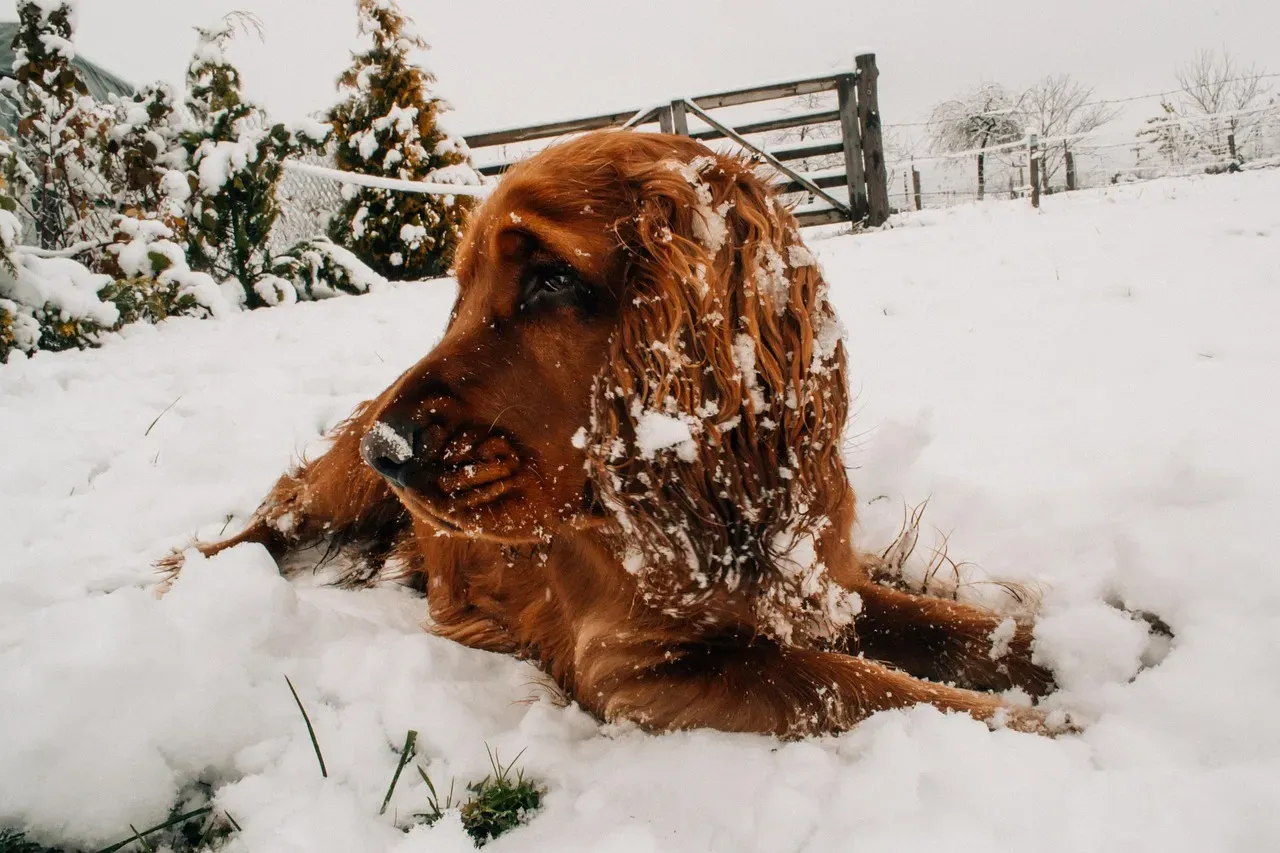
Your pet may have contracted hypothermia if they’re whining, shivering, seem anxious, stop moving, slow down or look for warm places to burrow. These aren’t subtle hints – your dog is in distress and needs immediate warming. Dogs are especially susceptible to frostbite on their ears, tail, and toes.
Frostbite is harder to detect, and may not be recognized until a few days after the damage is done, so if you suspect your pet has frostbite or hypothermia, get to a veterinarian immediately. Frostbitten skin may appear pale, gray, or bluish and feel cold and hard to the touch. As it thaws, the area becomes red, swollen, and painful.
Honestly, prevention beats treatment every time. A good rule to follow is, “If you’re cold, your dog is cold”. This simple guideline keeps most dogs safe. Trust your instincts – if you’re uncomfortable standing outside, your dog probably is too.
Keep Indoor Exercise Engaging

When it’s too brutal outside for proper exercise, your dog still needs physical and mental stimulation. Boredom plus pent-up energy equals trouble. Provide adequate mental and physical stimulation for your pets each day, as this is especially important for dogs on days they can’t go outside, and games of fetch, puzzles, Kong-type toys filled with healthy treats are all engaging activities.
Get creative with indoor activities. Hide-and-seek with treats, teaching new tricks, tug-of-war, or even setting up an obstacle course in your living room can tire out an energetic dog. Many Chicago dog owners forget that mental exercise exhausts dogs almost as effectively as physical activity.
Chicago has several pet-friendly indoor spaces where you can keep your dog active during winter, such as K9U Chicago, which offers indoor play areas, and many Chicago pet stores also host events that allow dogs to socialize indoors. Indoor dog parks and doggy daycare become lifesavers during extended cold snaps.
Prepare for Emergencies and Power Outages

Chicago winter storms sometimes knock out power, and being prepared protects your pup. Give your dog plenty of blankets and layers to curl up in, as dogs will use their own body heat to warm the bedding, keeping the area warmer. Stock extra blankets, battery-powered lights, and emergency supplies specifically for your pet.
Pet owners can take steps to keep their animals warm and safe, including learning about the dangers of extreme temperatures, buying weather-resistant accessories, and stocking up on extra supplies in case of power outages or storms. Keep extra food, bottled water, and any medications your dog needs in an easily accessible emergency kit.
Consider safe heating alternatives if power goes out. Never use human heating pads for dogs – they get too hot and can cause burns. Warming your dog’s bedding in a dryer before use, body heat from cuddling, and creating a small, enclosed sleeping space all help retain warmth without electricity.
Conclusion
Chicago winters demand respect, but they don’t have to be miserable for you or your dog. The strategies we’ve covered – proper gear, paw protection, smart walking schedules, cozy indoor spaces, nutrition awareness, recognizing distress signals, indoor exercise, and emergency preparedness – work together to create a comprehensive cold-weather care plan. Every dog is unique, so pay attention to your individual pup’s needs and adjust accordingly.
Winter can actually be wonderful with your furry companion when you’re properly prepared. Those crisp sunny mornings after a fresh snowfall become magical rather than frightening when you know your dog is protected and comfortable. Your vigilance and care make all the difference between a dog merely surviving winter and one who thrives through it. What’s your biggest challenge keeping your pup warm during Chicago’s coldest months? Share your experiences in the comments below.


