
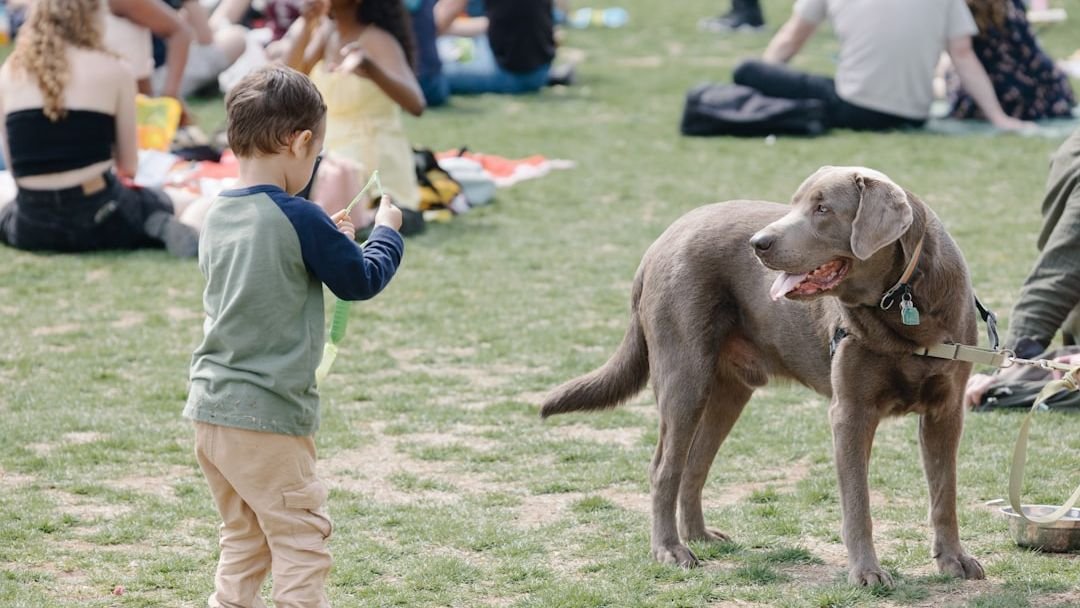
You ever notice how your dog can pick up on the tiniest shift in your mood, almost like they’ve got a sixth sense tuned directly into your heart? Dogs are incredibly perceptive creatures, reading our body language and emotional states with remarkable precision. Yet despite their sensitivity and resilience, the emotional wellbeing of our canine companions remains surprisingly fragile. Think of their mental health like a delicate ecosystem that thrives on consistency, trust, and understanding.
We often focus on the physical aspects of dog care like nutrition, exercise, and veterinary checkups. Those things matter, absolutely. What gets overlooked far too often is the emotional landscape our dogs navigate daily. When owners are emotionally inconsistent, it can disrupt a dog’s sense of security. The habits we barely think about, the patterns we’ve fallen into without realizing, can quietly erode our dog’s confidence and emotional balance. Let’s explore the behaviors that might be undermining your best friend’s mental stability, because awareness is the first step toward creating a healthier, happier life for them.
Inconsistent Daily Routines and Unpredictability
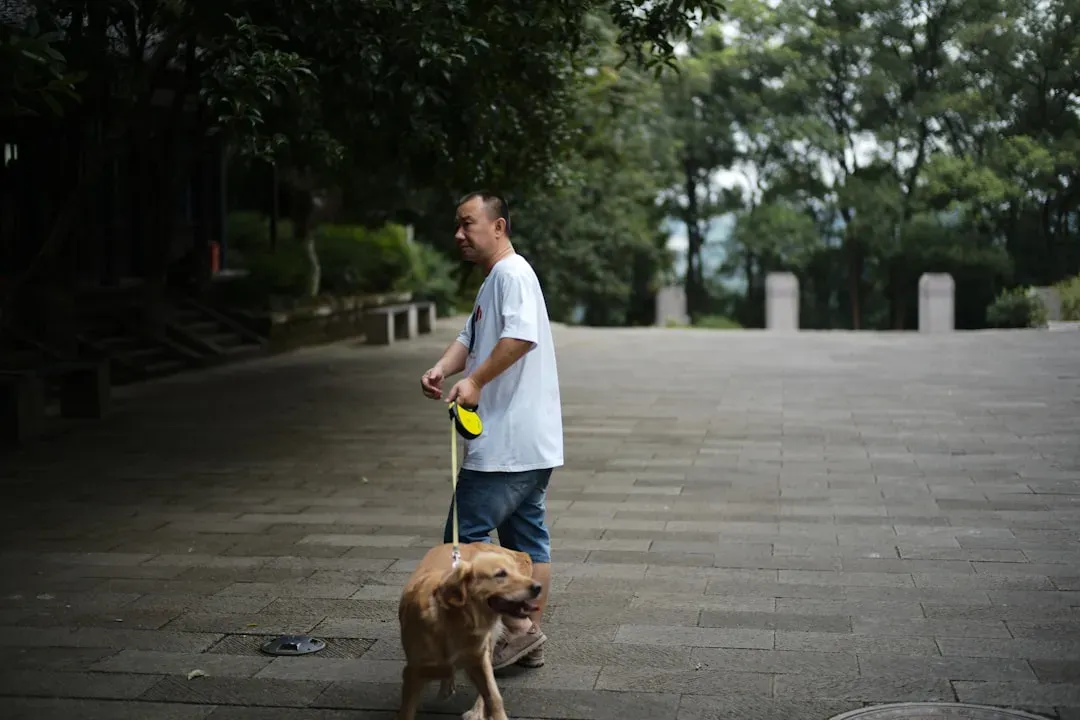
Dogs thrive on predictability. When their world lacks structure, anxiety can creep in like fog through an open door. Imagine waking up every day not knowing when you’ll eat, when you’ll get to go outside, or whether your favorite person will be around. That uncertainty is what dogs experience when we fail to maintain consistent schedules.
Random feeding times, sporadic walks, and erratic bedtimes might seem harmless to us, but they create a breeding ground for stress. Your dog relies on patterns to feel safe. When today looks nothing like yesterday and tomorrow remains a mystery, they can’t settle emotionally.
Creating a predictable rhythm doesn’t mean you need military precision. It means honoring the general flow of your dog’s day. Morning potty breaks around the same time, meals that don’t vary by hours, and a bedtime routine all contribute to emotional stability.
You can change that by adding consistency and predictability to your dog’s life. The calmer and more structured their environment, the more emotionally grounded they become.
Emotional Inconsistency from Family Members
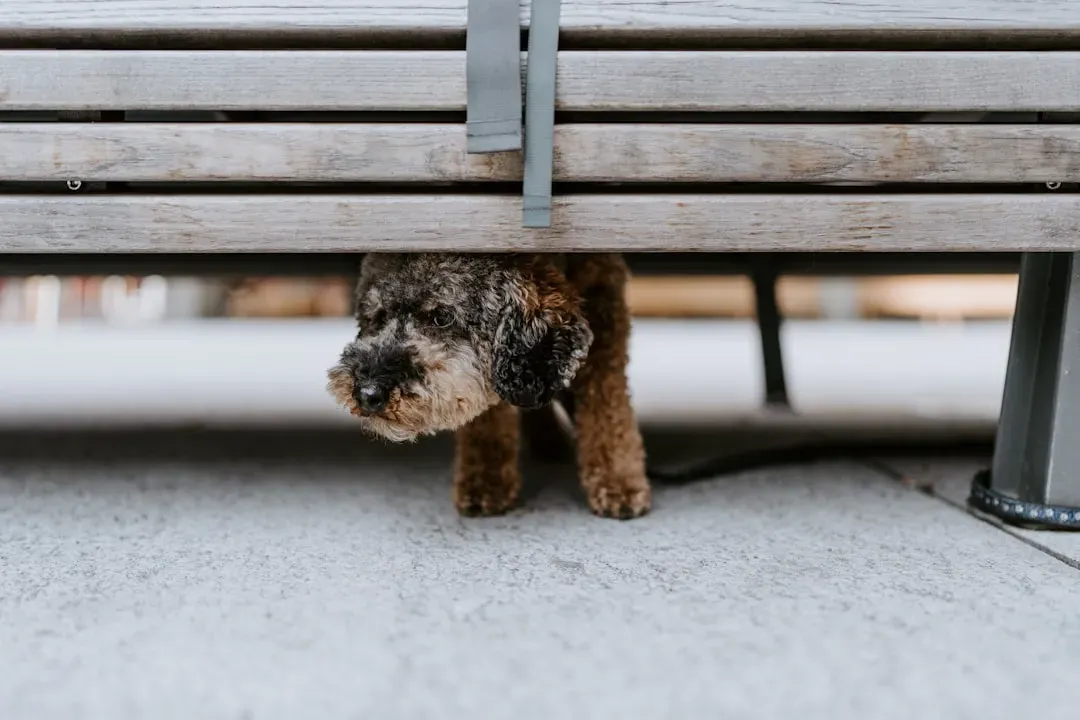
Here’s something that might surprise you. Owners who score low on emotional stability see themselves as ‘anxious, easily upset’ vs. ‘calm, emotionally stable’, so the association with their dogs’ fear/anxiety-related behaviors, such as fear of strangers and separation-related urination, is not unexpected. Dogs mirror what they experience from us, absorbing our tension and uncertainty like emotional sponges.
When you react differently to the same behavior depending on your mood, your dog becomes confused and anxious. One day you laugh when they jump on the couch, the next day you scold them. That inconsistency breeds insecurity because they never know which version of you they’ll encounter. Dogs need clear, stable boundaries delivered with calm consistency.
Dogs are very empathetic animals and can take on our emotions pretty quickly, so you should avoid projecting your own feelings on your pet. Dogs had similar stress levels as their owners. If you’re constantly stressed, snapping unpredictably, or emotionally volatile, your dog feels that turbulence deeply. They may not understand the source, but they absolutely experience the effects.
Insufficient Mental Stimulation and Enrichment
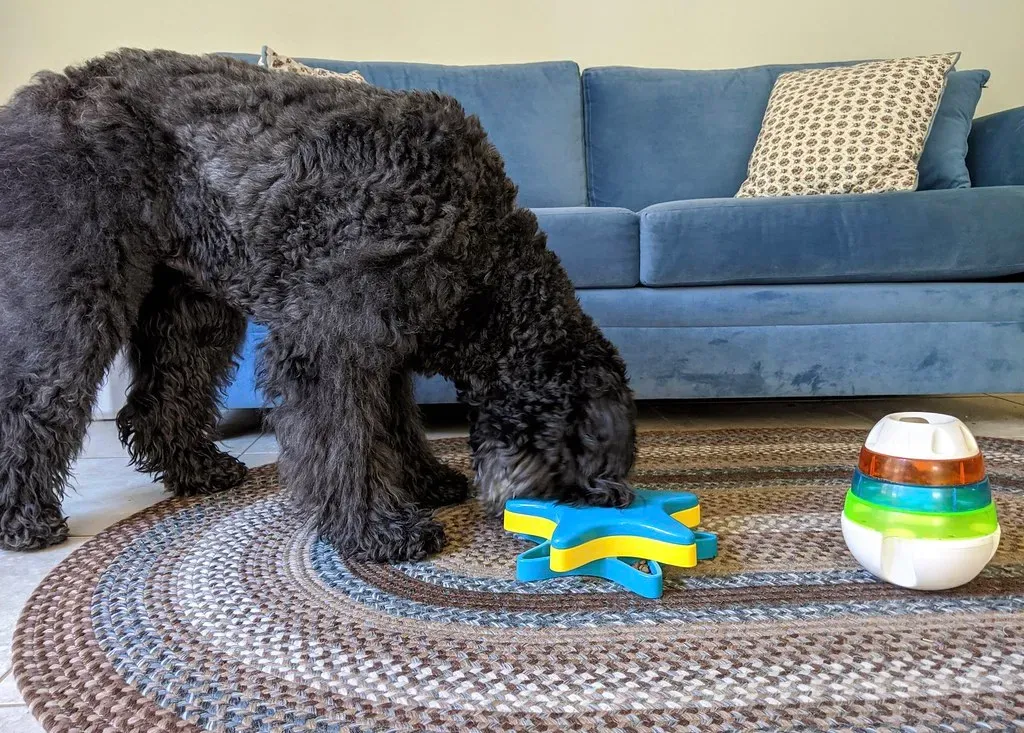
Physical exercise gets all the glory, doesn’t it? We dutifully take our dogs for walks, feeling accomplished when they’ve burned off some energy. What often gets ignored is the mind. The main causes of stress in a dog, Marshall says, are lack of exercise, lack of stimulation and training, as well as no outlet for energy and lack of socialization.
A bored dog is not a happy dog. Their brains need engagement just as much as their bodies need movement. Without puzzles to solve, new scents to explore, or tasks to accomplish, dogs can develop anxious, destructive, or compulsive behaviors as outlets for their unspent mental energy.
Enrichment doesn’t have to be complicated or expensive. Hide treats around the house for them to sniff out. Rotate their toys so everything doesn’t become boring and familiar. Teach them new tricks or commands. Even something as simple as changing up your walking route exposes them to novel stimuli that keeps their mind engaged and healthy.
Lack of Proper Socialization Opportunities
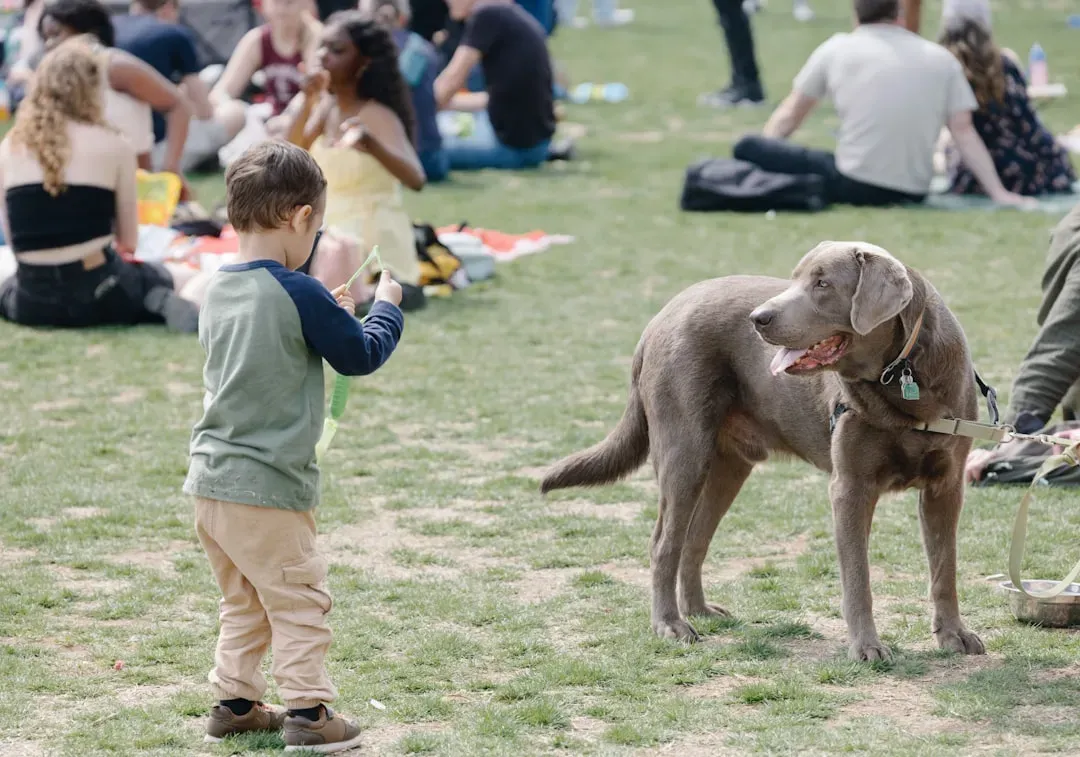
Lack of social interactions, especially during a dog’s primary socialization period ending at roughly 14–16 weeks, can lead to increased anxiety and aggression. That critical window matters enormously, yet the need for social exposure doesn’t vanish once puppyhood ends. Dogs are social creatures by nature, and isolation from appropriate interactions can seriously compromise their emotional wellbeing.
Living in a bubble where your dog only encounters the same few people and never meets other dogs creates fearfulness and reactivity. They become overwhelmed when faced with normal situations because they simply haven’t learned how to cope. That stranger walking toward you on the sidewalk? Terrifying. Another dog at the vet? Panic inducing.
Controlled, positive social experiences build confidence and resilience. Dog parks aren’t for everyone, and that’s okay. But structured playdates with known dogs, walks in populated areas where they can observe the world safely, and gradual exposure to different people all contribute to a more emotionally stable companion. Don’t keep your dog so sheltered that the normal world becomes frightening.
Using Punishment-Based Training Methods
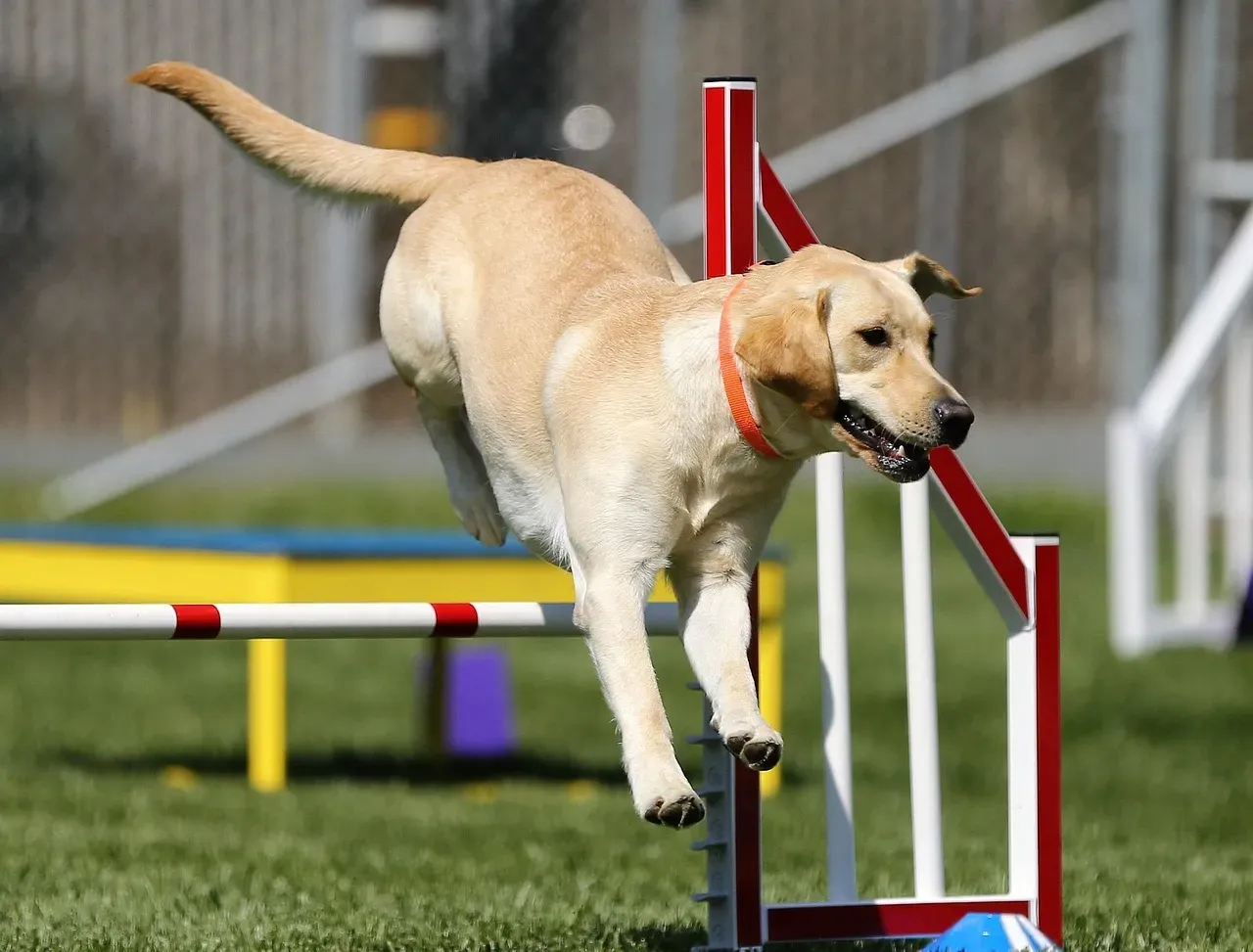
Let’s be real about this one. Multivariate linear and logistic regression analyses identified modest, positive associations between owners’ use of aversive/confrontational training methods and the prevalence/severity of the following dog behavior problems: owner-directed aggression, stranger-directed aggression, separation problems, chasing, persistent barking, and house-soiling. When we use fear, pain, or intimidation to control our dogs, we damage the very foundation of their emotional security.
Prong collars, choke chains, yelling, physical corrections, these methods might suppress a behavior temporarily, but they don’t teach. They terrify. Your dog learns to fear you rather than trust you, and that fear seeps into every aspect of their mental state. They become anxious, hypervigilant, and emotionally fragile.
Positive reinforcement training builds confidence while punishment-based methods erode it. When your dog understands what you want and gets rewarded for doing it, they develop a sense of competence and security. Almost all anxious dogs benefit from positive reinforcement training and increased predictability and consistency in their routine and in interactions. Choose methods that strengthen your bond rather than methods that break their spirit.
Ignoring Signs of Stress and Anxiety
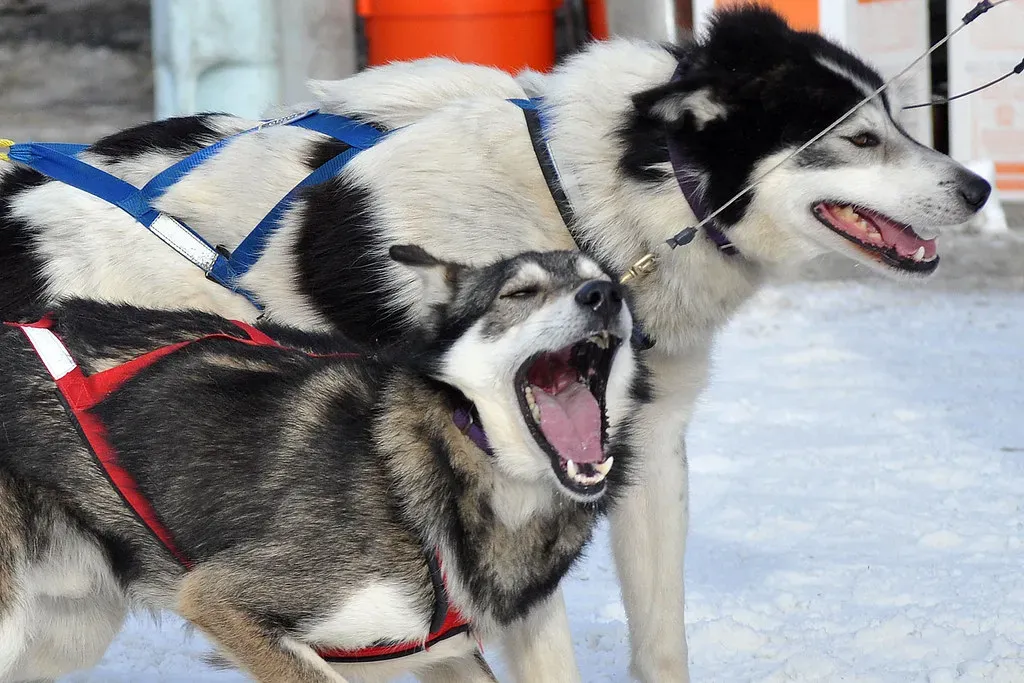
How many times have you seen a dog licking their lips nervously or tucking their tail and thought nothing of it? We’re often oblivious to the subtle ways dogs communicate distress. To differentiate stress signs from normal behavior, you must be familiar with your dog’s regular demeanor and pay attention to the context. That way, you can tell if they are licking their lips because they are anxious or because they want a treat.
When we fail to recognize or respond to stress signals, we essentially tell our dogs that their feelings don’t matter. That invalidation compounds their anxiety. They’re trying to tell us something is wrong, but we’re not listening. Over time, ignored anxiety can escalate into more serious behavioral problems or even physical health issues.
But when a dog takes a long time to recover after a stressful experience or encounter, or when your pup cannot recover at all, this indicates a problem. Pay attention to panting when they haven’t exercised, whale eyes showing excessive white, pinned-back ears, or displacement behaviors like sudden sniffing or yawning in tense situations. Acknowledging and addressing these signs helps your dog feel seen and supported, which is foundational to emotional stability.
Not Providing a Safe Space or Refuge
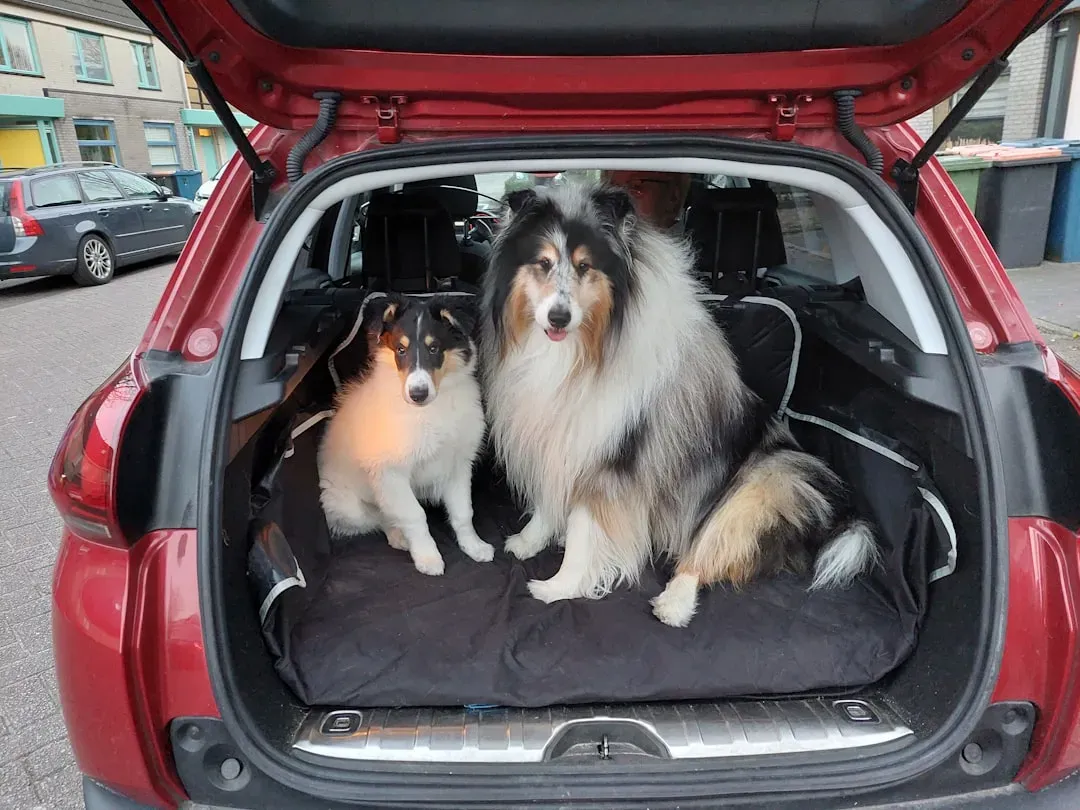
Every living creature needs a sanctuary, a place where they feel completely safe and undisturbed. Dogs are no exception to this fundamental need. When your home lacks a designated safe space for your dog to retreat to, they have nowhere to go when the world feels overwhelming. That constant exposure to stress without respite is emotionally exhausting.
It is also important to provide your dog with a safe place in the home where they can escape stimuli that trigger a stress response. Everybody enjoys a calm place to retreat. This might be a crate they view positively, a quiet corner with their bed, or even a specific room. The key is that this space is respected as theirs, where they won’t be bothered, especially by children or other pets.
Without that refuge, dogs remain in a perpetual state of vigilance, never able to fully relax. They can’t escape loud noises, chaotic household activity, or situations that make them uncomfortable. Creating and protecting that safe space gives them an emotional release valve, a place where they can decompress and regulate their nervous system.
Overprotecting and Preventing Normal Experiences

It seems counterintuitive, doesn’t it? You’d think protecting your dog from everything scary would make them feel safer. Like so-called ‘helicopter parents’, more anxious and neurotic dog owners may be overprotective of their pets, thereby limiting their ability to socialize or familiarize themselves with novel social and nonsocial situations and stimuli. When we constantly shield our dogs from normal life experiences, we inadvertently create fearful, anxious animals who lack resilience.
Carrying your dog everywhere so their paws never touch the ground, avoiding all other dogs because one interaction went poorly, never exposing them to different environments, these behaviors might feel protective but they’re actually crippling. Dogs need gradual, appropriate exposure to the world to build confidence and coping skills.
I define emotional resilience as the ability to stay calm, pro-social, and behaviorally flexible in a variety of circumstances and settings. Dogs who are emotionally resilient seem to go with the flow. Resilience develops through experience, not avoidance. Let your dog have age-appropriate challenges. Let them figure things out sometimes rather than rushing in to solve every problem. That’s how confidence grows.
Conclusion
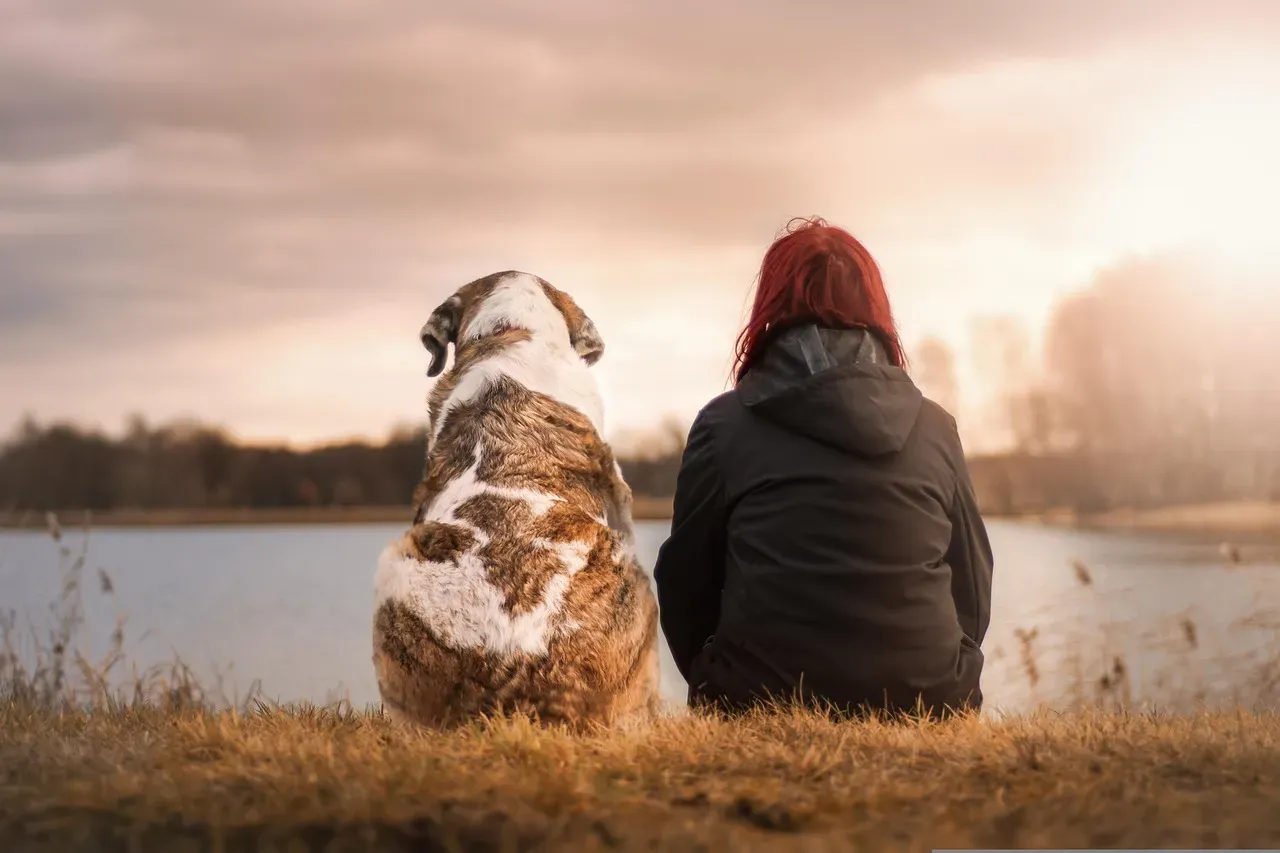
Our dogs give us unconditional love, unwavering loyalty, and a connection that transcends words. They deserve the same thoughtful care for their emotional wellbeing that we provide for their physical health. The habits we’ve explored aren’t usually born from malice or neglect, they’re often just patterns we’ve fallen into without realizing the impact. Recognizing them is powerful because it means we can change.
If left unchecked, it can lead to more severe issues like aggression, destructive behaviors, other behavior problems, and overall physical and emotional health problems. Small adjustments to how we structure our dogs’ days, how we interact with them emotionally, and how we support their need for mental engagement can transform their quality of life. Consistency, positive reinforcement, appropriate socialization, and creating safe spaces aren’t just nice extras. They’re essential ingredients for emotional stability.
What does your dog’s emotional landscape look like? Are there patterns you might need to shift? Your awareness and willingness to adapt could be the difference between a dog who merely survives and one who truly thrives. Have you noticed any of these habits in your own relationship with your pup?


