
Picture yourself wrapped in three blankets, sipping hot chocolate by the fire, and still complaining about the chill in the air. Believe it or not, some horses feel exactly the same way when winter rolls around. While we often think of horses as tough, hardy creatures that can weather any storm, the truth is a bit more nuanced.
Not all horses are built to handle freezing temperatures, and some breeds genuinely struggle when the mercury drops. These equines might look at you shivering in your winter coat and think, “Same, honestly.” Let’s explore the horse breeds that would much rather spend winter somewhere warm, preferably with a heated barn and extra blankets.
1. Arabian Horses
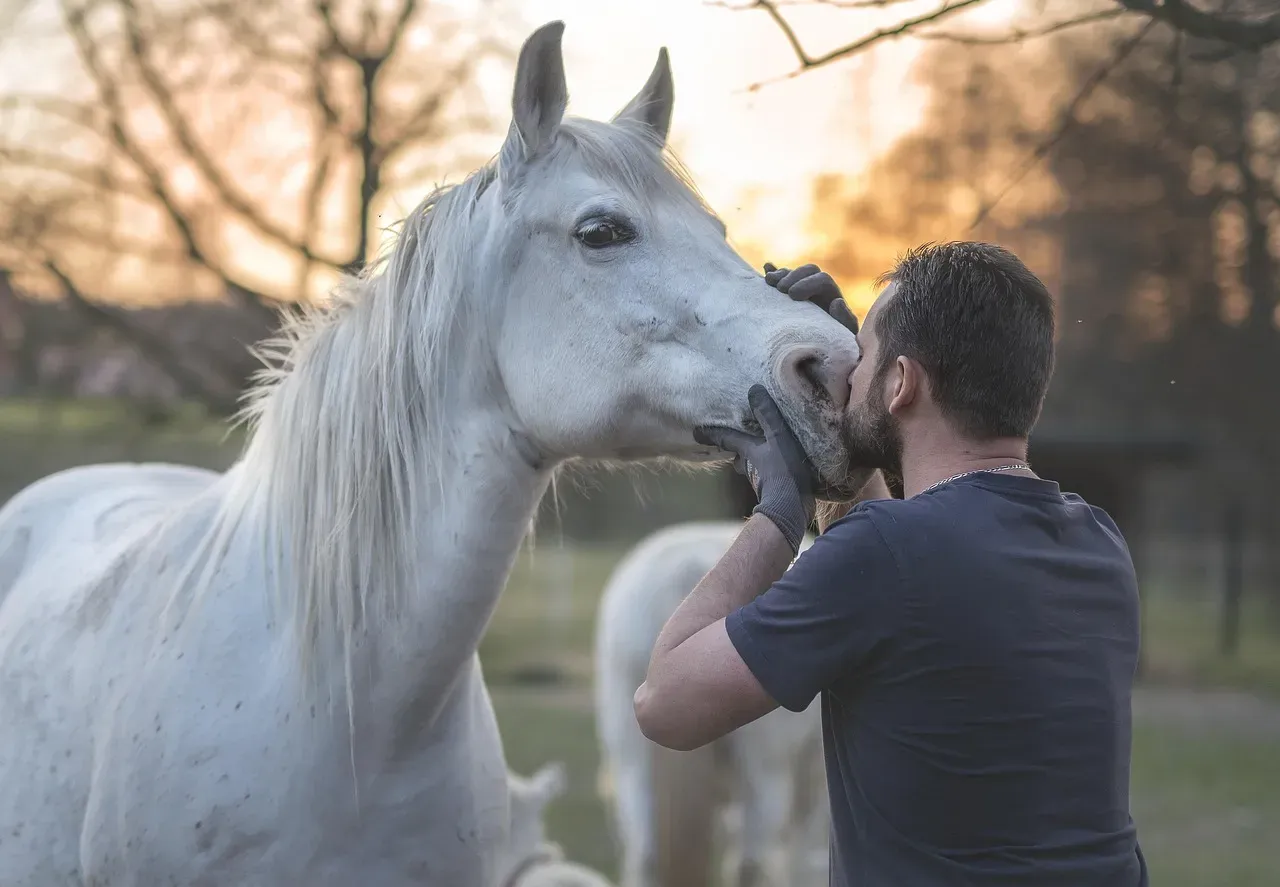
You might find this surprising, given their global popularity, but Arabians were not developed for cold climates. These elegant horses trace their ancestry back to the scorching deserts of the Arabian Peninsula, where survival meant adapting to extreme heat, not bitter cold. Their fine coat and thin skin made perfect sense in their native environment, where staying cool was the priority.
While Arabian horses are native to the desert, they have proven to adapt remarkably well to colder climates when provided proper care, growing a thicker coat to insulate themselves against the cold. Still, many Arabians never quite feel comfortable in freezing weather. Some individuals handle winter better than others, depending on their body condition and coat development.
It’s fascinating how individual Arabian horses vary in their cold tolerance. Their efficient metabolism helps them maintain energy during winter, yet they often need extra attention. Think about it like this: asking an Arabian to love winter is like asking someone from Florida to immediately feel at home during a Minnesota January.
2. Thoroughbreds

A Thoroughbred with thinner skin and less hair is less comfortable in cold weather than breeds like Shetland ponies or Norwegian Fjords. These racing superstars were bred for speed and athleticism, not for surviving blizzards. Their sleek build and fine coat simply don’t provide the insulation needed for harsh winters.
Thoroughbreds tend to grow relatively thin winter coats compared to other breeds. When horses are brought from Texas to Wyoming, their first winter would be traumatic because their bodies weren’t programmed to grow that much hair, leading them to lose weight and get sick, though they can adapt after experiencing a full summer in the new climate. The transition period can be genuinely challenging for these sensitive horses.
Many Thoroughbred owners find themselves reaching for blankets much earlier in the season than owners of hardier breeds. These horses often shiver when other breeds are perfectly content. Their racing heritage focused on performance in temperate climates, leaving cold weather adaptations behind.
3. Akhal-Teke
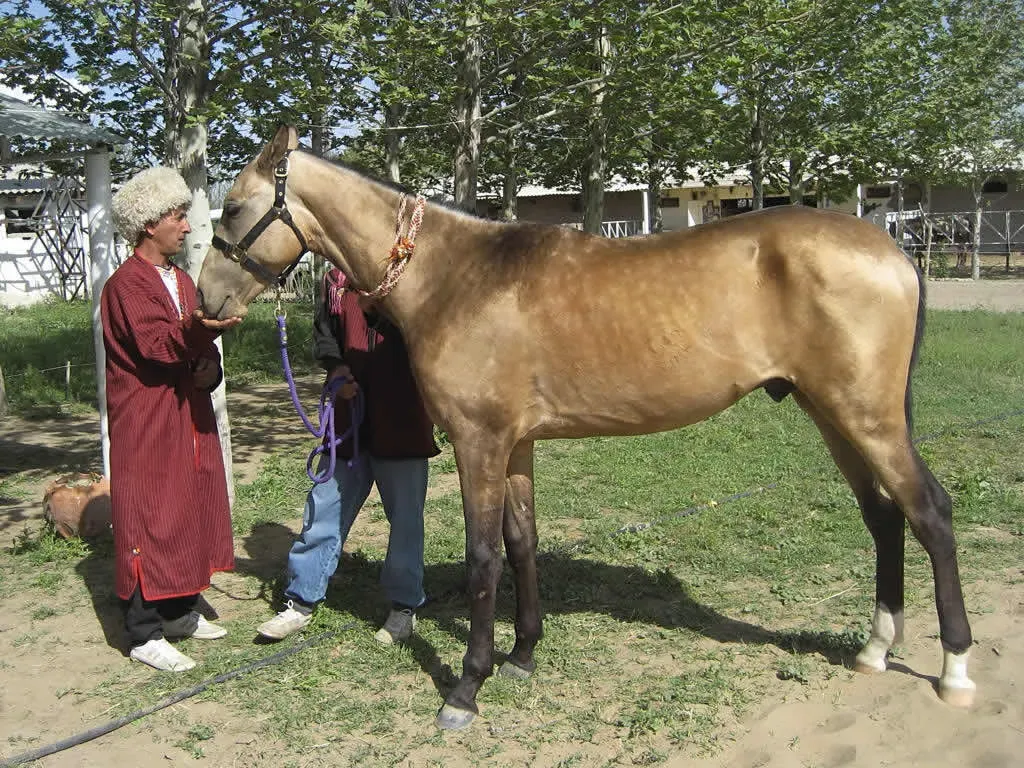
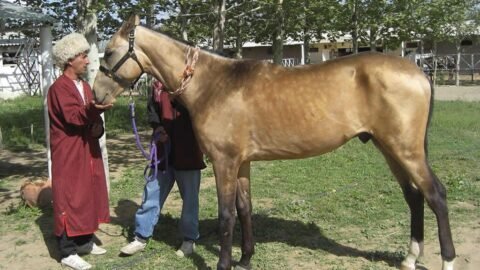
The Akhal-Teke is classified as a hot-blooded breed, a category that includes other refined, spirited horses bred for speed. Originating from Turkmenistan, these stunning metallic-coated horses developed in a desert climate where temperatures soar during the day. Their thin, silky coat serves them beautifully in heat but offers precious little protection when winter arrives.
The breed’s fine bone structure and lean build mean they have less body mass to generate and retain heat. Think of them as the supermodels of the horse world, strikingly beautiful but not exactly dressed for a snowstorm. Their sparse mane and tail also provide minimal protection from wind and precipitation.
Owners of Akhal-Tekes living in cold climates often face a constant battle to keep their horses warm and comfortable. These horses rarely grow thick winter coats naturally, making supplemental warmth through blankets and heated barns almost essential. Their desert heritage runs deep in every fiber of their being.
4. Barb Horses
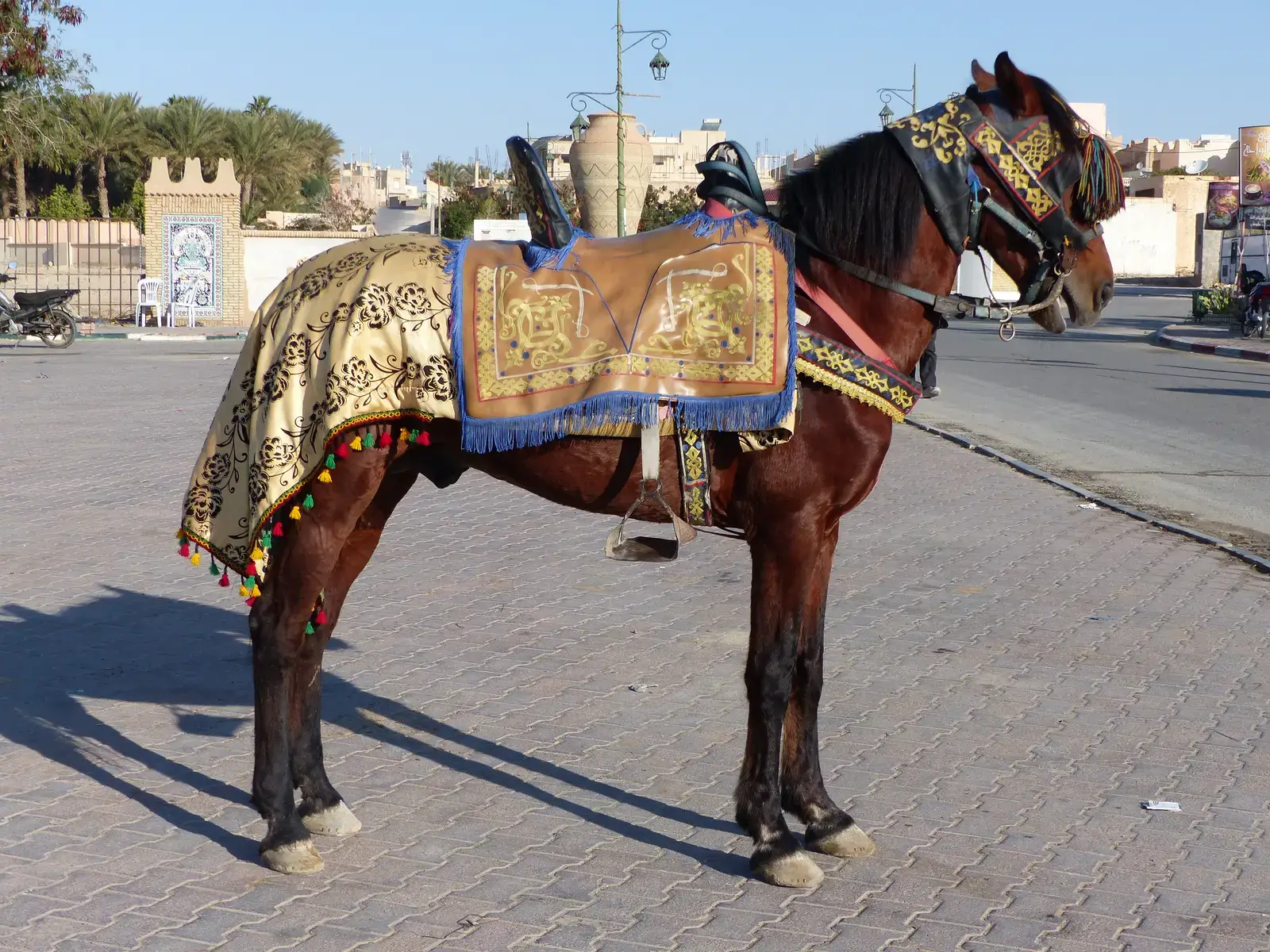
The Barb horse hails from North Africa, specifically the Maghreb region where winters are mild and summers are hot. Like the Akhal-Teke, the Barb is classified as a hot-blooded breed along with Arabians and Thoroughbreds. These horses evolved in coastal and desert regions where snow and ice were virtually unknown.
Their compact, muscular build might suggest some cold hardiness, but their coat tells a different story. Barbs typically develop only a moderate winter coat, far less substantial than what northern breeds produce. The Mediterranean climate shaped every aspect of their physiology, including their limited cold weather adaptations.
When exposed to freezing temperatures, Barbs often appear uncomfortable and may lose condition quickly. Their metabolism, tuned for a warmer climate, struggles to maintain body heat efficiently in subfreezing weather. Many require significant dietary increases and proper shelter to stay healthy through winter.
5. Standardbred
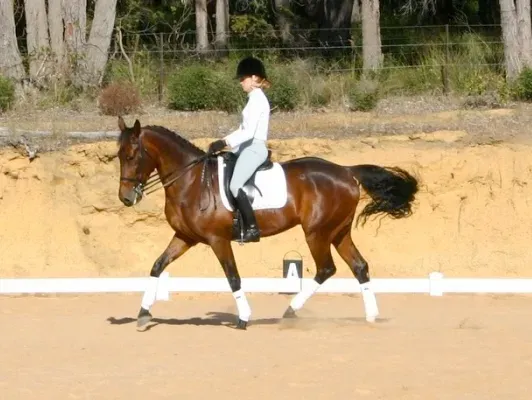
Standardbreds are classified as hot-blooded breeds along with Arabians and Thoroughbreds. Developed primarily for harness racing in North America, these horses share many characteristics with their Thoroughbred ancestors, including a tendency toward thinner coats and less natural insulation. Their athletic build prioritizes speed over warmth.
Standardbred trotters acclimatized to temperatures between 15 and 20 degrees Celsius had a lower critical temperature of 5 degrees Celsius. This means they start experiencing cold stress at temperatures many other breeds find perfectly comfortable. Their racing career often keeps them stabled and blanketed, which can further reduce their natural ability to adapt to cold.
The breed’s fine hair coat and relatively lean body type make them vulnerable to winter weather. Racing and training programs typically keep these horses in controlled environments, so many never develop the robust cold tolerance that outdoor-living horses might achieve over time.
6. Saddlebred
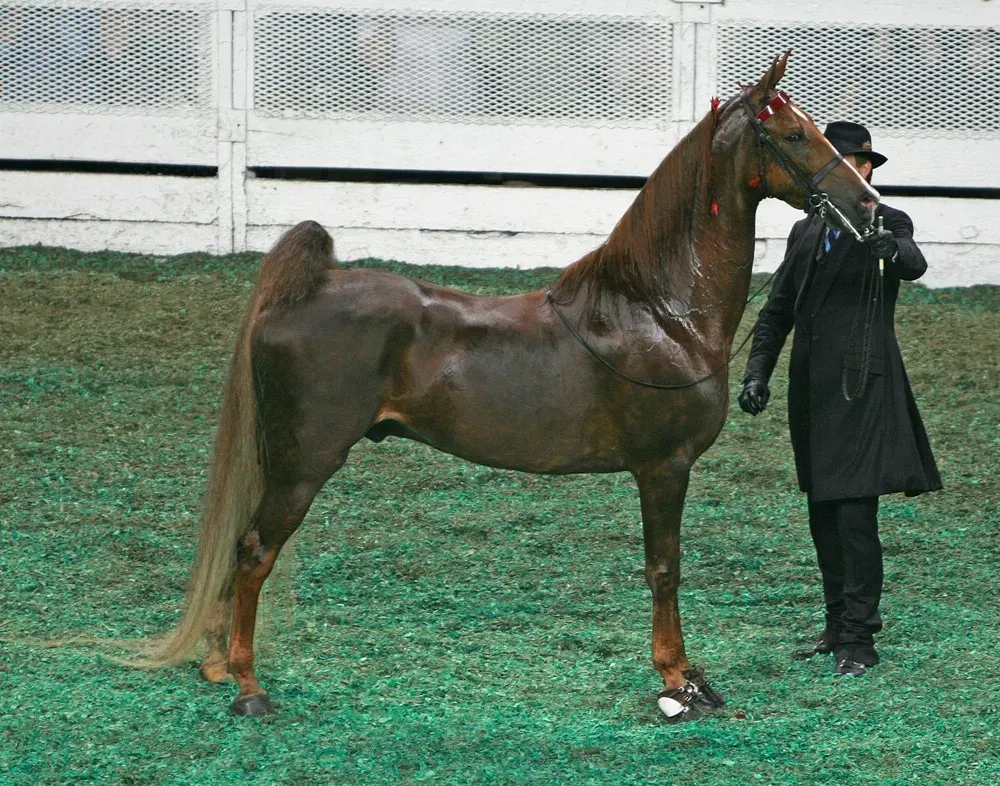
Saddlebreds were not developed for cold climates. These elegant show horses originated in Kentucky, where winters are relatively mild compared to northern states. Bred for their flashy movement and refined appearance, Saddlebreds possess fine bone structure and thin coats that look stunning in the show ring but offer little protection against bitter cold.
The breed’s high tail carriage, while beautiful, actually reduces the natural windbreak that a lower-set tail provides. Their often sparse mane and tail, especially when styled for show, leave them more exposed to the elements. Many Saddlebreds seem genuinely miserable when temperatures plummet.
Owners typically stable these horses during winter months and blanket them carefully. Their sensitive nature means they feel temperature changes acutely. The combination of thin skin, fine coat, and show-oriented breeding has created a horse that much prefers milder weather.
7. Paso Fino
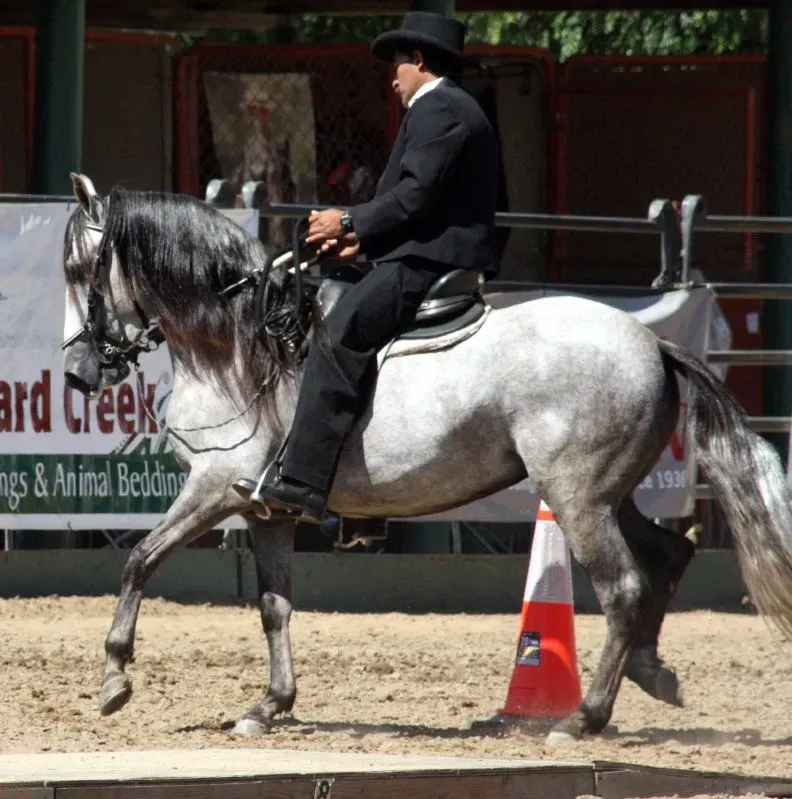
The Paso Fino breed developed in the Caribbean and Latin America, regions known for tropical and subtropical climates. These smooth-gaited horses carry Spanish and North African bloodlines, both from warm-weather origins. Their genetic programming simply doesn’t include serious winter weather preparation.
These horses typically grow minimal winter coats even when kept outdoors in cold climates. Their thin skin and fine hair provide excellent heat dissipation in hot weather but leave them vulnerable to cold. The breed’s compact size might suggest some advantage in retaining body heat, but their tropical heritage overwhelms this potential benefit.
Honestly, asking a Paso Fino to enjoy winter is like expecting a tropical fish to thrive in a frozen pond. Their entire physiology revolves around warm weather performance. Many owners find that even with blankets and shelter, their Paso Finos never truly acclimate to harsh winters.
8. Marwari and Kathiawari
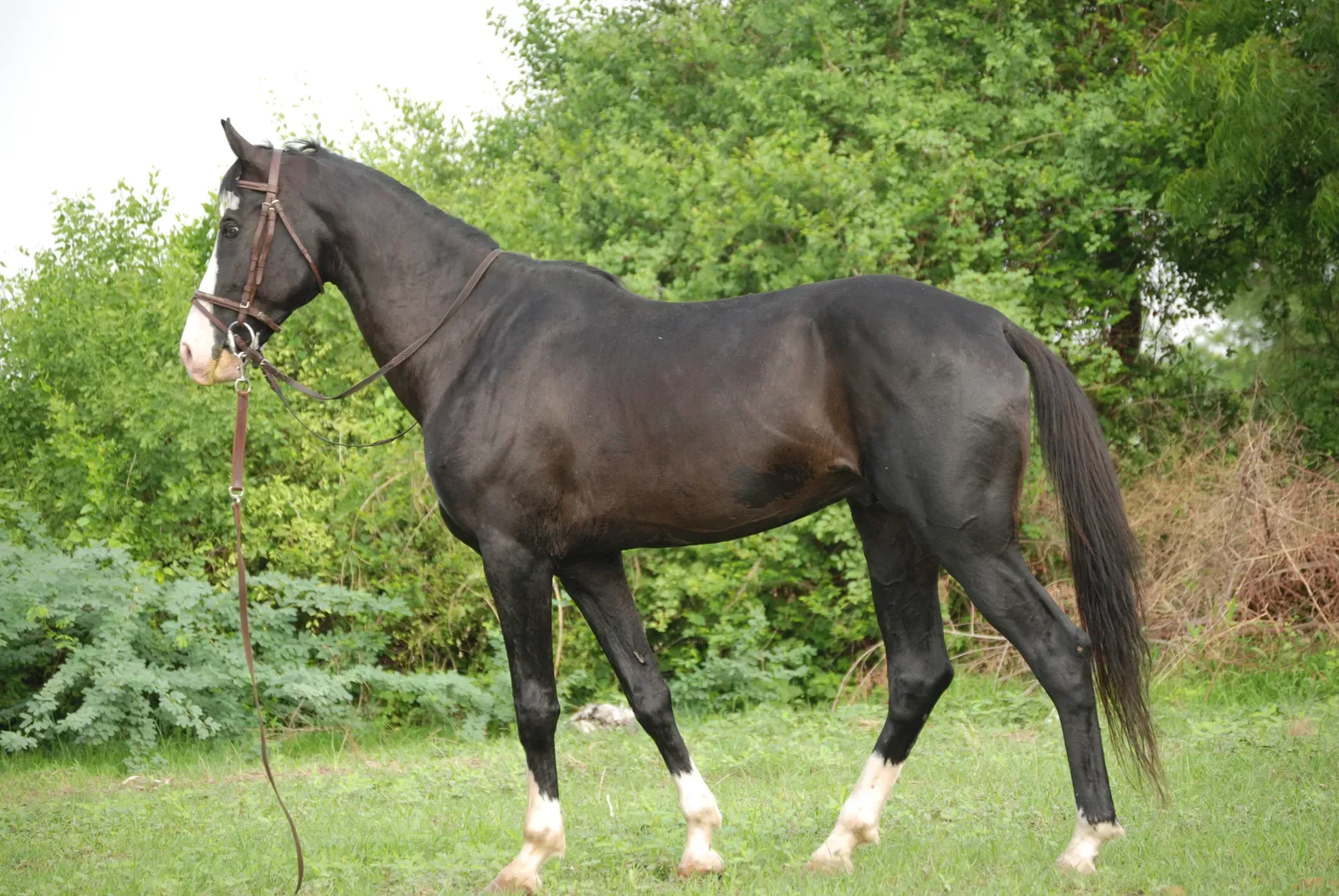
These rare Indian breeds developed in the hot, arid regions of Rajasthan and Gujarat respectively. Both breeds share distinctive inward-curving ear tips and desert adaptations that make them remarkably heat-tolerant. Their sparse coats and efficient cooling systems work brilliantly in temperatures that would overwhelm other horses.
However, these same adaptations become serious disadvantages in cold weather. Neither breed develops substantial winter coats naturally. Their thin skin, while perfect for dissipating heat in the desert, provides virtually no insulation against freezing temperatures. These horses have no genetic memory of snow or ice.
Finding these breeds outside India remains relatively uncommon, partly because they struggle in colder climates. The few that live in northern regions require extensive care including heated barns, multiple blankets, and careful monitoring. Their elegant appearance and unique characteristics make them fascinating, but winter definitely isn’t their season.
Conclusion
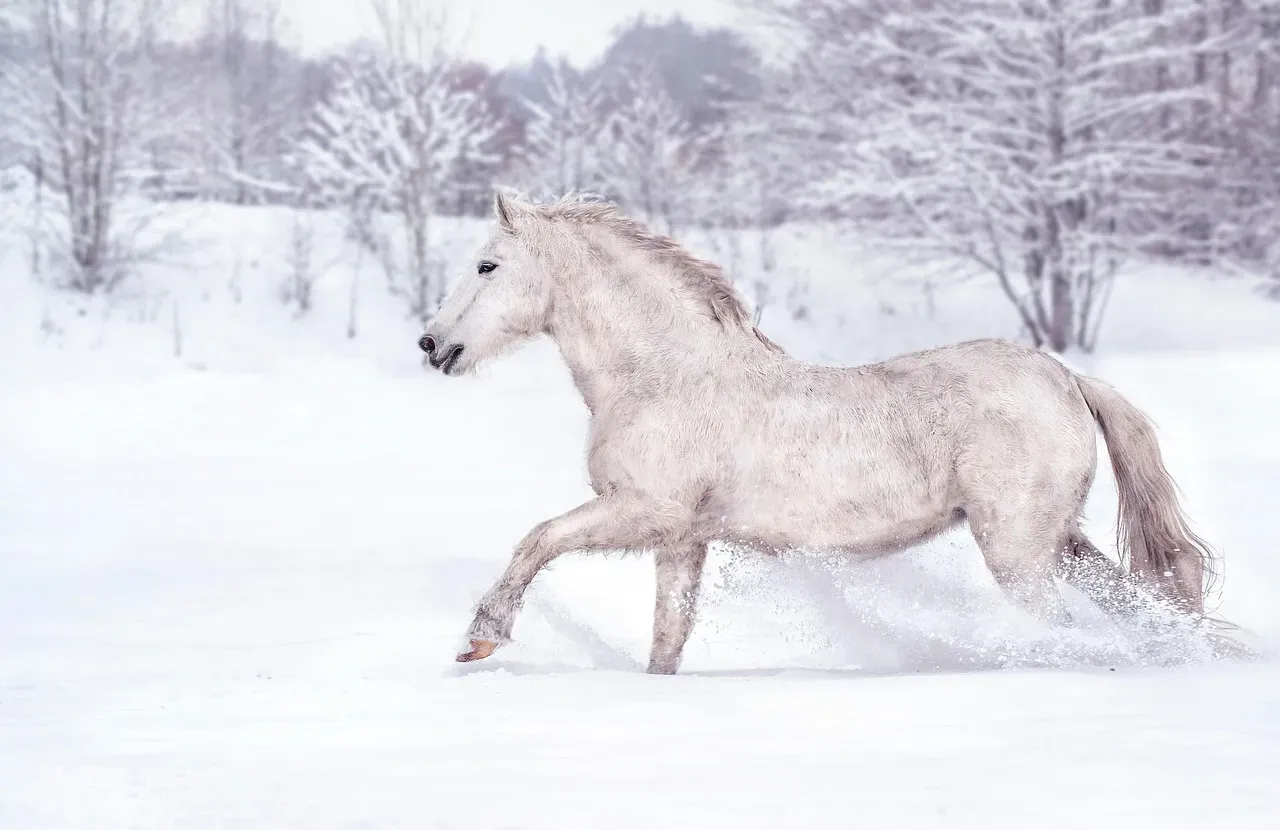
How a horse responds to winter weather may have more to do with his individual makeup than his breed or body type. While breed characteristics provide general guidelines, individual horses vary significantly. Body condition, coat thickness, acclimation, and overall health all play crucial roles in cold weather tolerance.
These eight breeds generally struggle more with winter than their cold-hardy cousins like Icelandic Horses or Norwegian Fjords. Yet with proper care including adequate shelter, nutrition, and blanketing when needed, even heat-loving breeds can survive cold climates. The key is recognizing their limitations and providing appropriate support.
Next time you’re bundled up and complaining about the cold, spare a thought for that blanketed Thoroughbred or shivering Arabian in the barn. They’re probably agreeing with you completely. What surprised you most about these cold-sensitive breeds?


