
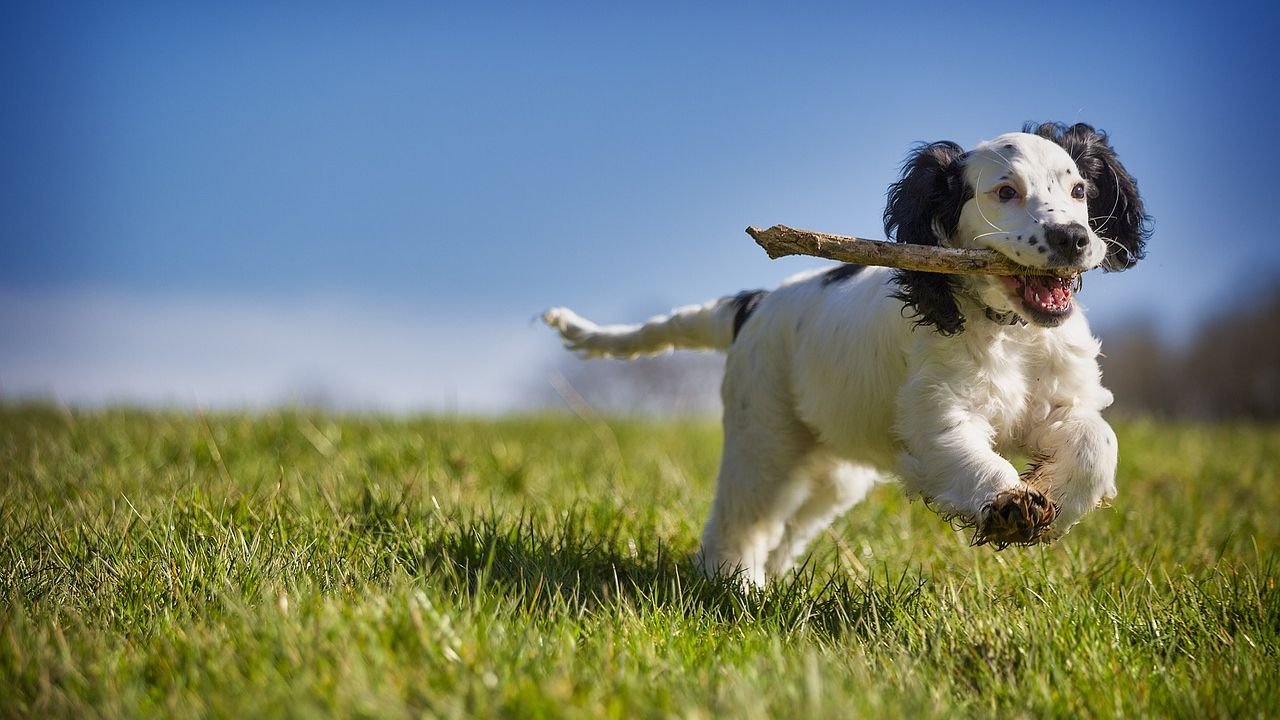
Getting a new puppy is absolutely thrilling. Those tiny paws, that adorable face, the excitement of a brand new companion in your life. But let’s be honest, there’s one part of raising a puppy that nobody loves: housebreaking.
It can feel like an endless cycle of watching your puppy like a hawk, rushing outside, and still somehow finding surprises on your favorite rug. Here’s the thing though. Professional dog trainers have figured out what actually works, and some of these tricks might surprise you. The secret isn’t really about having some magical technique – it’s about understanding how your puppy thinks and creating a system that sets them up for success. So let’s dive into the methods that pros swear by.
Use the Same Spot Every Single Time
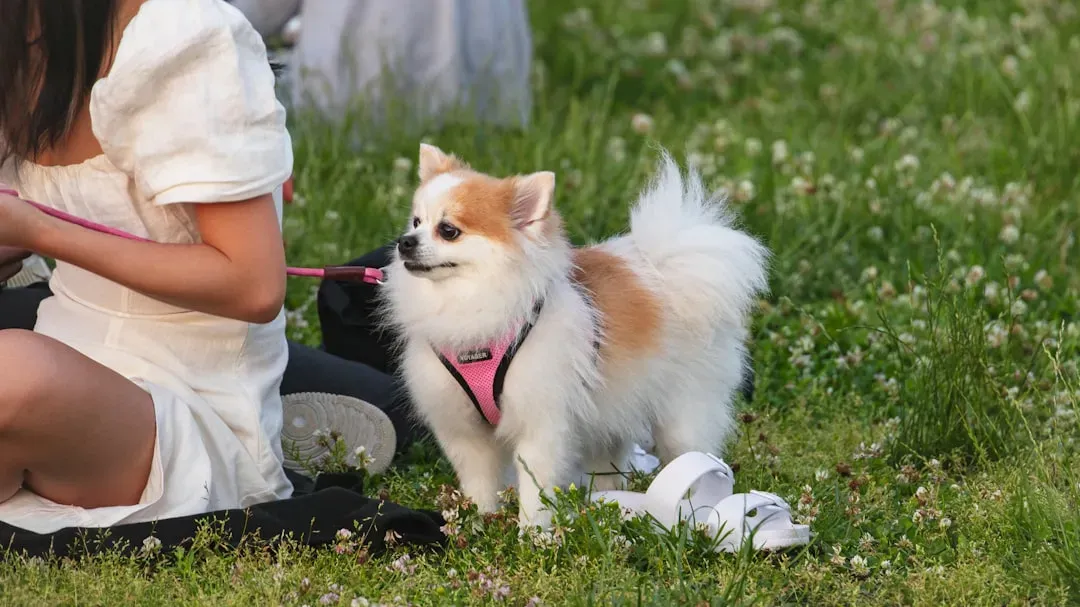
Professionals emphasize taking your dog to the exact same outdoor location for every potty break because the scent from previous visits encourages them to get right to business. Think of it like creating a bathroom sign that only your dog can read.
Find a spot that will become the designated “potty spot,” and stand quietly until your puppy is ready. The consistency matters more than you might expect. Your puppy’s nose is incredibly powerful, and they rely on those familiar scents to understand what’s expected of them in that location.
Master the Art of Immediate Rewards
The reward needs to come within a second or two because dogs learn through immediate feedback. This isn’t about giving your puppy a bone when they wander back inside five minutes later. You need to be right there with them, treat in hand.
Whenever your puppy goes in the right spot, praise them and offer a favorite treat, whether that’s food or play, because positively reinforcing good potty behavior teaches them to use their correct spot. Make it a celebration. I know it sounds silly to get excited about your dog peeing, but trust me, it works. The more enthusiastic you are, the faster they’ll understand.
Create a Predictable Daily Schedule
Keeping a consistent housetraining schedule is critical to success. Puppies thrive on routine, and their little bladders operate on a surprisingly predictable timeline. A great technique is to consider their age in months, since per every month of age, puppies can generally hold it for one hour.
After meals, wait between 5 and 30 minutes to take your puppy outside, with younger puppies needing to go sooner. Trainers also stress taking puppies out first thing in the morning, after naps, after playtime, and before bed. The more consistent you are with timing, the fewer accidents you’ll deal with.
Harness the Power of Crate Training
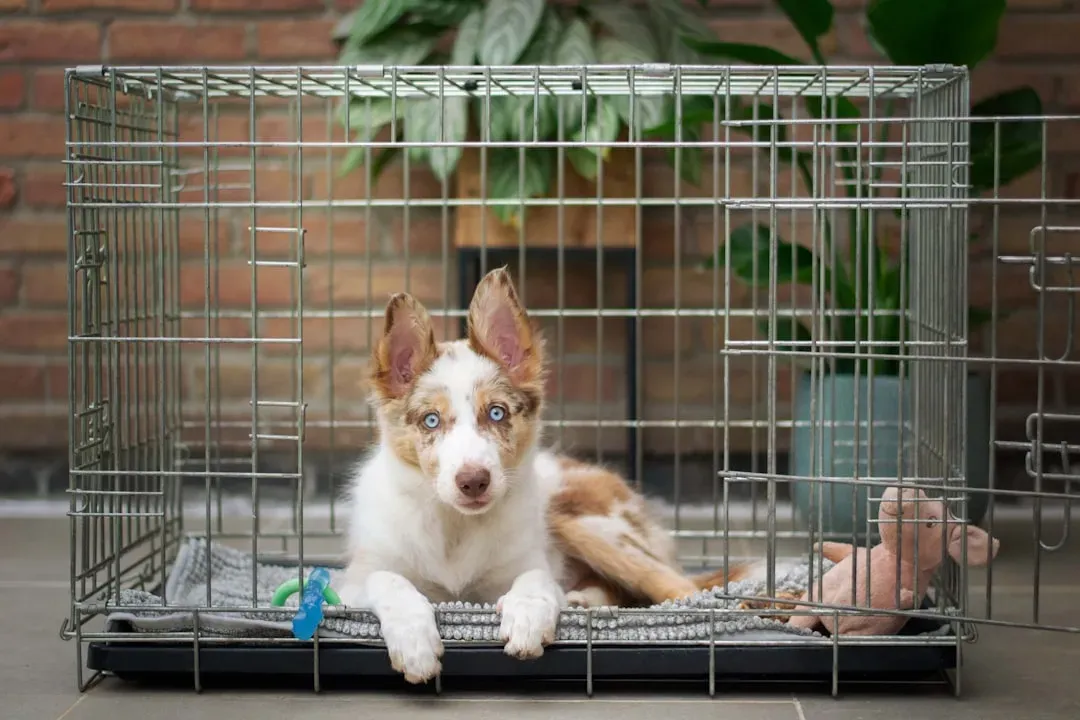
Dogs have a natural instinct to keep their sleeping quarters clean, so offering them a den in the form of a dog crate helps prevent accidents. The key here is getting the size right. When choosing a crate, size is key because one that’s too big allows them to do their business on one side while keeping their sleeping area at the other end, while one that’s too small will be uncomfortable.
Because dogs don’t like to potty where they sleep, a properly sized crate becomes a perfect potty-training tool unless they’ve been crated longer than they can hold it. Not all puppies take to crates immediately, but with patience and positive associations like treats and toys, most dogs come to see their crate as a safe space.
Never Punish Accidents
When accidents happen, it’s important not to punish your puppy because scolding or rubbing their nose in the mess can lead to fear or confusion and may make housetraining take longer. This is one of those old-school methods that trainers absolutely hate because it completely backfires.
Never punish your puppy for accidents because scolding or rubbing their nose in it will only make them fearful and slow progress. Instead, if you catch them in the act, calmly interrupt and immediately take them outside to their designated spot. Clean up thoroughly with an enzymatic cleaner to eliminate odors that might draw them back to the same spot.
Teach a Verbal Cue
Using a voice command or cue creates a clear, consistent signal that helps your puppy understand what you want them to do, and over time they associate the cue with relieving themselves, making potty breaks more efficient. Most trainers use simple phrases like “go potty” or “do your business.”
While they’re relieving themselves, use a specific word or phrase so they learn to associate the command with the action. Eventually, this verbal cue becomes so powerful that you can get your dog to go on command, which is incredibly helpful when you’re traveling or when the weather is terrible and you want them to hurry up.
Supervise Like Your Carpet Depends on It
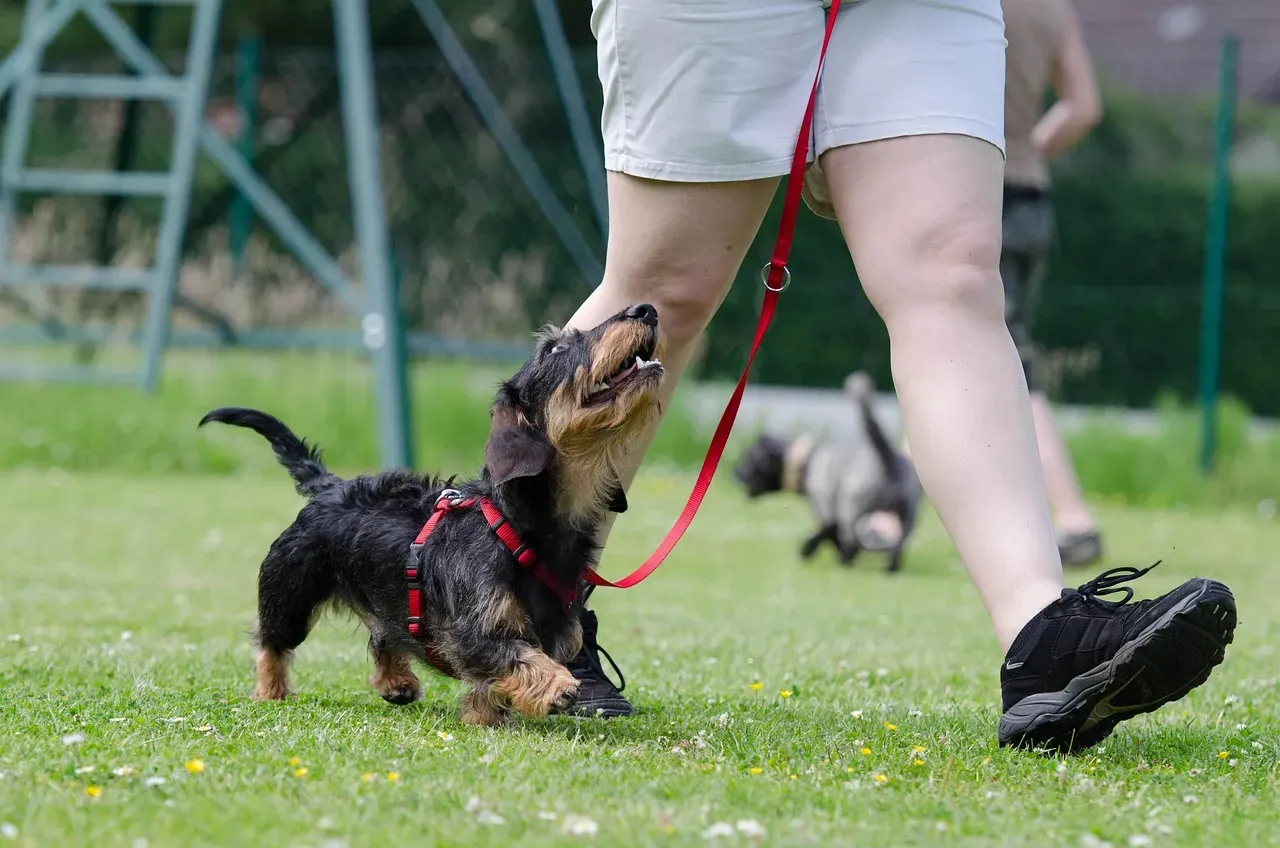
Until your puppy is reliably potty trained, supervise them closely while indoors and tether them to you or a nearby piece of furniture with a leash when not actively playing or training. This might sound extreme, but it’s honestly one of the most effective strategies pros use.
When you can’t watch your puppy, that’s when the crate comes in handy. The point is that your puppy should never have unsupervised access to your home during the training period. It’s about preventing bad habits from forming in the first place rather than trying to fix them later.
Keep a Training Journal
Keep a journal of all accidents, successful pottyings, and times taken out, and you’ll likely start to see patterns in the accidents. This is the kind of advice that sounds tedious but actually makes a huge difference. You might notice your puppy always has accidents right after you sit down for dinner, or exactly thirty minutes after drinking water.
Once you identify these patterns, you can adjust your routine accordingly. Maybe you need to take them out right before you eat, or maybe you need to monitor water intake more carefully in the evening. These little insights can dramatically speed up the training process and reduce frustration for everyone involved.
Conclusion
Housebreaking your puppy doesn’t have to be the nightmare you might have heard about. The process can take between three to five months for some dogs, though all dogs are different in their experience, ages, and temperaments. The professionals make it clear that success comes down to consistency, patience, and understanding how your puppy learns.
These eight tricks aren’t revolutionary on their own, but when you combine them into a cohesive system, they create an environment where your puppy can’t help but succeed. Remember that every accident is just part of the learning process. Stay calm, stick to your routine, and celebrate every single success.
What’s been your biggest challenge with housebreaking? Have any of these tricks made a difference for you?


