
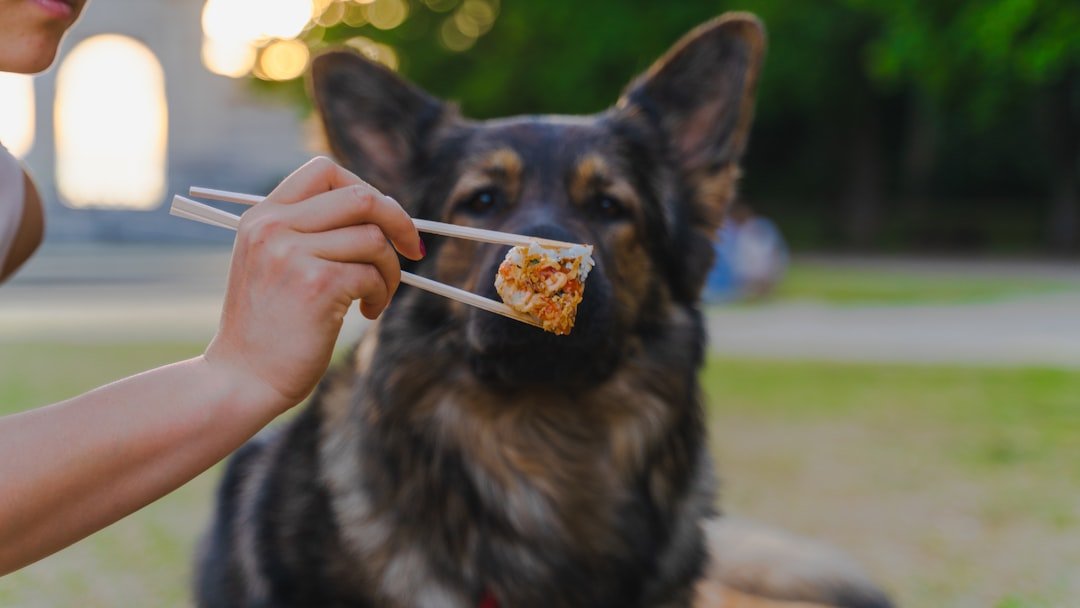
You’ve probably watched your dog do something that made you think “what on earth was that about?” We’ve all been there. Sometimes our furry friends do things that seem completely random, but here’s the thing – they’re actually speaking to us constantly. Every tail wag, every weird habit, and even that annoying midnight pacing tells a story. As someone who’s spent countless hours trying to decode canine mysteries, I can tell you that understanding these behaviors isn’t just fascinating – it’s crucial for your dog’s wellbeing and your sanity.
Sudden Aggression or Resource Guarding
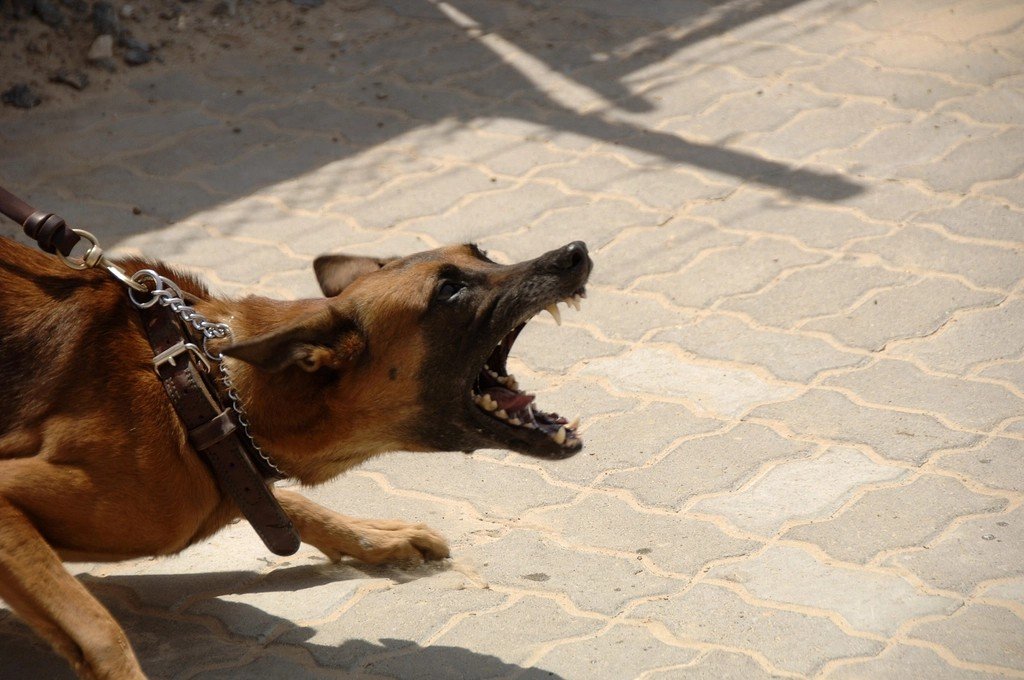
Aggression is the most common and most serious behavior problem in dogs. It’s also the number-one reason why pet parents seek professional help from behaviorists, trainers and veterinarians. What many owners don’t realize is that aggression rarely comes out of nowhere. Your sweet pup might start showing subtle warning signs weeks or months before any serious incident occurs.
Many times, pet parents don’t recognize the warning signs before a bite, so they perceive their dogs as suddenly flying off the handle. It can be just milliseconds between a warning and a bite, but dogs rarely bite without giving some type of warning beforehand. Watch for stiffening when you approach their food bowl, growing protectiveness over toys, or that weird sideways glance when you reach for something they value. These aren’t cute quirks – they’re red flags that need immediate attention.
Excessive Licking or Grooming

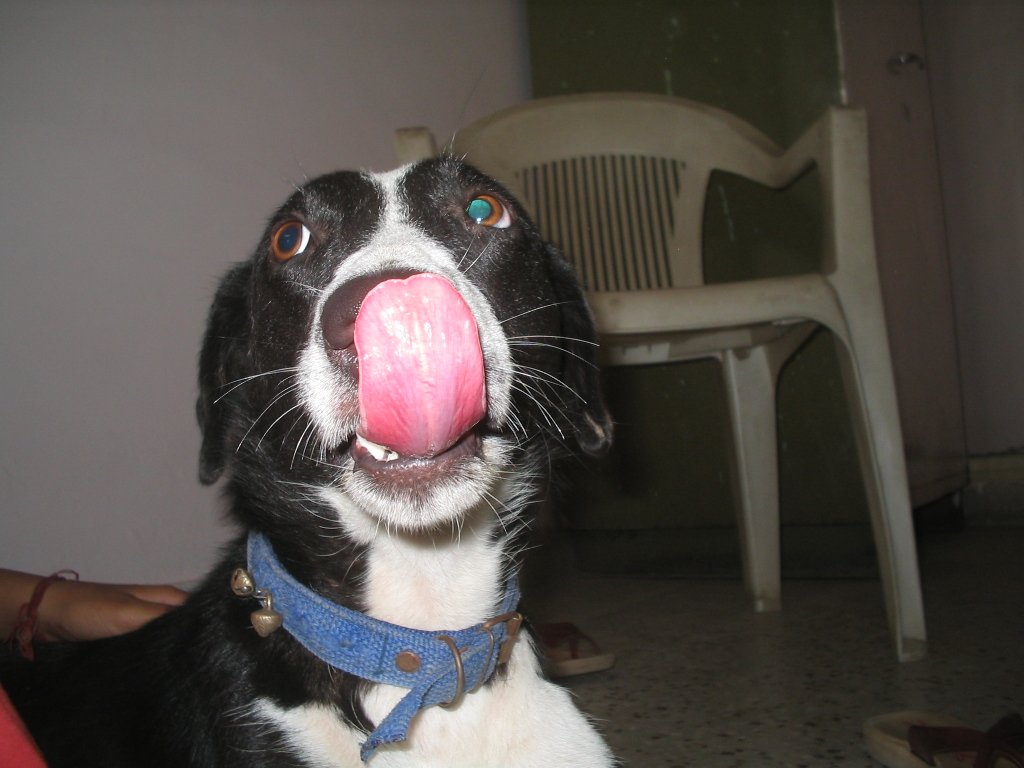
Dogs may lick excessively due to health issues, including allergies, infections, parasites, pain, and nausea. If medical conditions are ruled out, a behavioral issue may be the cause. When your dog licks their paws until they’re raw or won’t stop grooming a particular spot, they’re trying to tell you something important.
Excessive licking, however, occurs when a dog experiences negative effects from constant licking. This may include hair loss or bald patches, red areas on the skin, pimple-like lesions, dandruff, skin or coat discoloration, yellow or green discharge, or even limping. Don’t brush this off as a harmless habit. If the cause isn’t treated, the licking can become a bigger problem. Paw licking can lead to bacterial infections of the paws called pododermatitis. This condition can be painful and lead to infections that can be hard to treat.
Separation Anxiety Behaviors

Whether in a puppy or an adult dog, separation anxiety is when your dog exhibits extreme stress from the time you leave them alone until you return. The symptoms can vary, but they will act as if they are terrified to be in the house on their own. This isn’t your dog being dramatic or seeking revenge for leaving them. It’s genuine panic.
Here are some behaviors your dog may exhibit: Anxious behaviors like pacing, whining, or trembling while you’re gone or as you prepare to leave. Excessive barking or howling. Destructive acts, such as chewing or digging, particularly around doors or windows. Accidents in the house – urinating or defecating. Excessive salivation, drooling, or panting. The destruction usually happens within the first half hour after you leave, and it’s often focused around exit points. Your dog is literally trying to follow you out the door.
Changes in Eating Habits
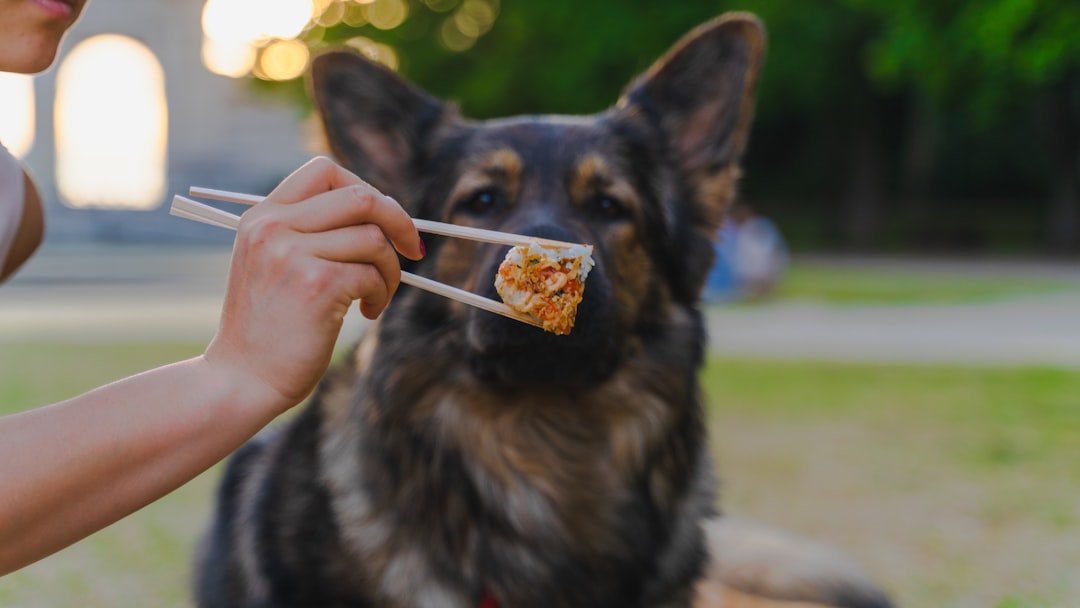
Loss of appetite, diarrhea, or vomiting are obvious concerns. But even mild signs like gas, gurgling stomach sounds, or soft stools may indicate a compromised gut microbiome. Food behavior changes can signal everything from stress to serious illness, and they’re often the first clue that something’s wrong.
Watch for sudden changes in how your dog approaches food. Are they suddenly protective of their bowl when they never were before? Are they eating too fast or refusing to eat altogether? Pet parents often misinterpret this behavior thinking that their pup has a hearty appetite. But this could also be an indication of anxiety or a lingering survival instinct. Sometimes the most concerning changes are the subtle ones that happen gradually over weeks.
Repetitive or Compulsive Behaviors
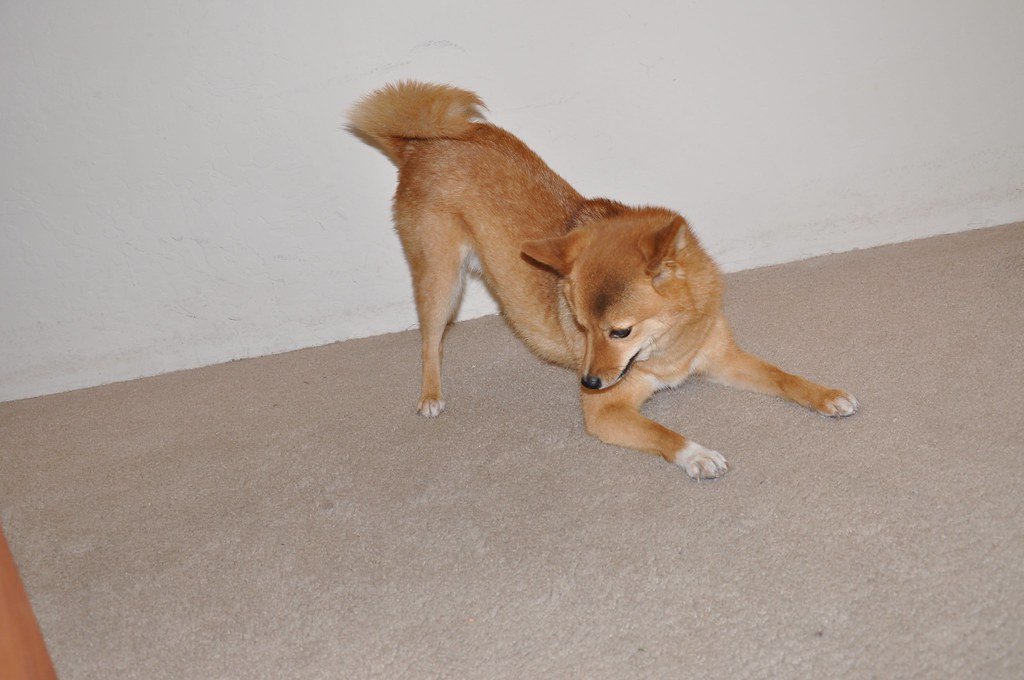
Abnormal repetitive behaviors may actually comprise a number of conditions with different pathogeneses, including compulsive disorders, stereotypies, neurologic disorders, and other forms of behavioral pathology. Therefore, until a diagnosis is made, the term abnormal repetitive behavior may better describe the clinical presentation. When your dog starts chasing their tail obsessively, spinning in circles, or repeatedly licking the same spot on the wall, it’s time to pay attention.
These behaviors often start small and escalate when we ignore them. Examples include signs pertaining to the mouth (eating non-food objects, licking, gulping, and excessive eating), brain (repeated jaw snapping, light chasing), movement (spinning, pouncing), or self-directed injuries (hair plucking, excessive skin licking). The key is catching them early before they become ingrained habits that are much harder to break.
Body Language Warning Signs
Dogs communicate their wants, needs, happiness and fear primarily through body language. Learning to read these signals can prevent problems before they escalate and help you understand what your dog really needs in any given moment.
The subtle warning signs that give notice of an impending bite or attack are: Note the crescent moon shape of the white part of the dog’s eye and the ears pinned back. If these signals don’t work to make an opponent stop and back away, a dog will raise the stakes and display increasingly more aggressive actions. Yawning when they’re not tired, lip licking when there’s no food around, and showing the whites of their eyes are all stress signals that many owners miss completely.
Withdrawal or Social Changes

Behavioral aggression, especially when it emerges suddenly, may stem from pain or discomfort. Dogs in pain often lash out defensively, even with owners they trust. But sometimes the opposite happens – dogs become withdrawn, hide, or avoid interaction altogether.
If your dog is no longer excited about walks, reluctant to climb stairs, or sleeps more than usual, joint discomfort or arthritis may be setting in. Social withdrawal can also indicate depression, anxiety, or underlying health issues. When a normally social dog suddenly prefers to be alone, something has changed in their world. Mild hesitation in approaching unfamiliar environments, noise, people, or objects is appropriate, but profound fear is indicative of a serious problem. A puppy who takes more than 1-2 seconds to recover from mild hesitation, makes repeated escape attempts to remove himself from a situation or interaction, or who refuses delicious food or treats in certain situations is showing signs of fear.
Vocalization Changes

Dogs bark loudly and rapidly to express fear or anxiety, or it is a warning against potential intruders. A short bark means they are friendly and want to play. If they produce a sharp yelp, it’s a signal they are seeking help. Changes in how your dog vocalizes can tell you volumes about their physical and emotional state.
When a usually quiet dog becomes vocal, or a chatty dog goes silent, pay attention. People yawn when they’re tired or bored, but dogs yawn when they’re stressed. According to Turid Rugaas, author of “On Talking Terms With Dogs: Calming Signals,” dogs use yawning to calm themselves in tense situations and to calm others, including their owners. New whining patterns, excessive barking, or unusual howling can indicate pain, anxiety, or medical issues that need addressing.
Conclusion
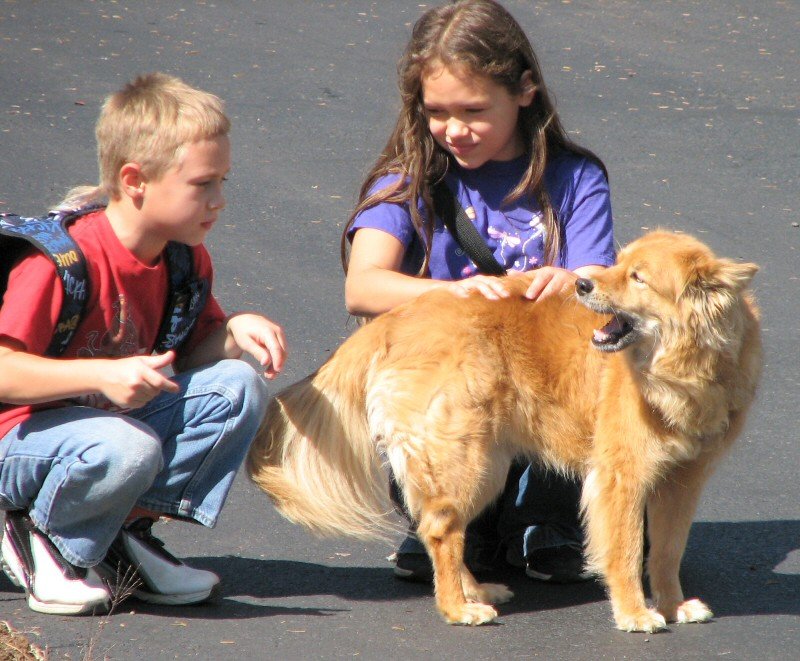
Understanding these eight critical behaviors isn’t about becoming a dog whisperer overnight – it’s about becoming a better guardian for your four-legged family member. Behavior is your dog’s most immediate form of communication. Every strange habit, every subtle change, and every concerning pattern is your dog’s way of telling you something important about their world.
The most important thing to remember is that sudden behavioral changes almost always have a reason. Whether it’s medical, emotional, or environmental, your dog isn’t acting out just to spite you. They’re trying to communicate in the only way they know how. Trust your instincts, document what you observe, and never hesitate to consult with your veterinarian or a certified animal behaviorist when something feels off.
After all, wouldn’t you want someone to notice if you weren’t feeling quite right?


