
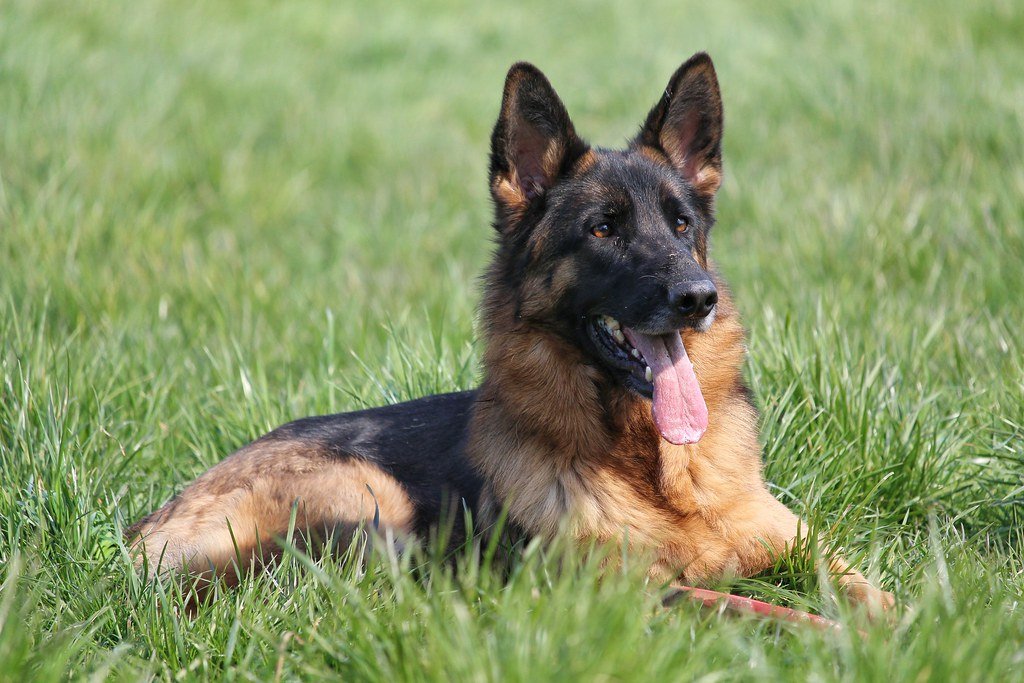
Bringing a German Shepherd into your home isn’t just about welcoming a dog – you’re inviting a brilliant, loyal companion who’ll challenge, reward, and transform your life in ways you never imagined. These magnificent dogs aren’t just pets; they’re partners who demand respect, understanding, and commitment. Behind those intelligent amber eyes lies a complex creature with needs as deep as their devotion is strong.
If you’re considering sharing your life with a German Shepherd, or you’re already lucky enough to call one family, you know these dogs are anything but ordinary. They’re the Swiss Army knife of the canine world – versatile, reliable, and utterly devoted. But with great power comes great responsibility, and owning a German Shepherd means understanding exactly what makes these dogs tick.
They Need More Exercise Than You Think
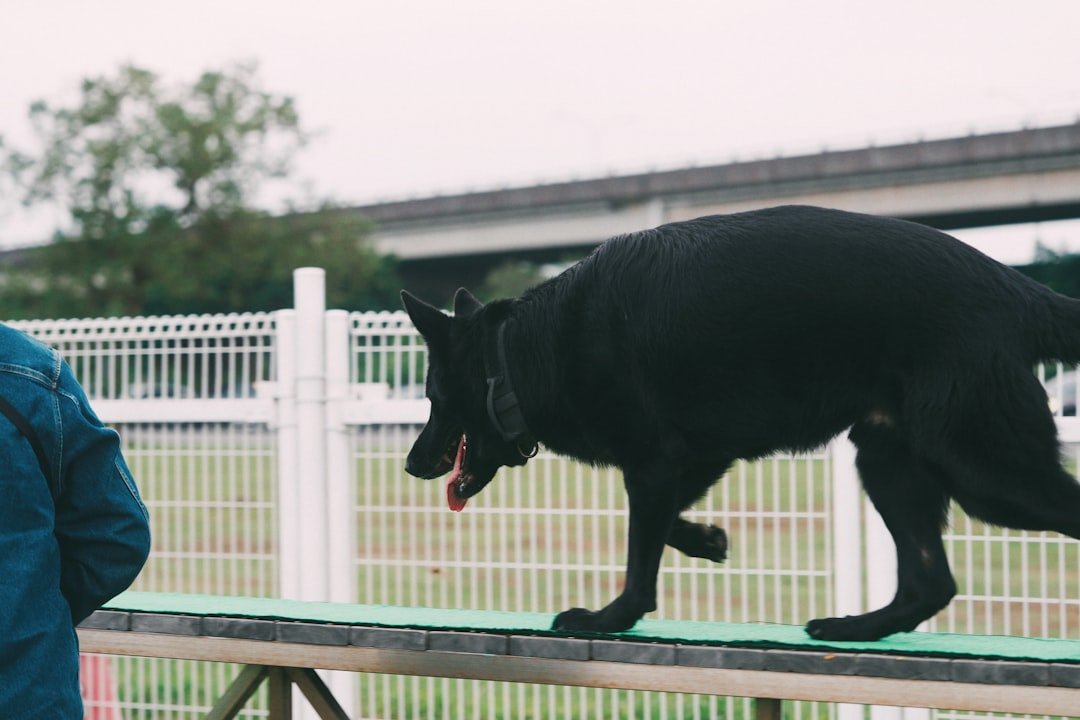
Here’s something that’ll surprise you: German Shepherds are an active and athletic breed that require a lot of exercise (one to two hours every day) for both their physical and mental health. That morning jog around the block? It’s just the warm-up. Think of their energy levels like a high-performance sports car engine – it needs to run, and run hard, to stay healthy.
Without ample exercise and mental stimulation, they will develop unfavorable behaviors due to irritation and pent-up energy. I’ve seen German Shepherds turn into furry tornadoes when they don’t get enough physical activity. Imagine trying to contain a hurricane in your living room – that’s what happens when these working dogs get bored. Aim for 1-2 hours of activity each day. This can include walks, runs, or playtime.
Mental Stimulation Is Just As Crucial As Physical Exercise
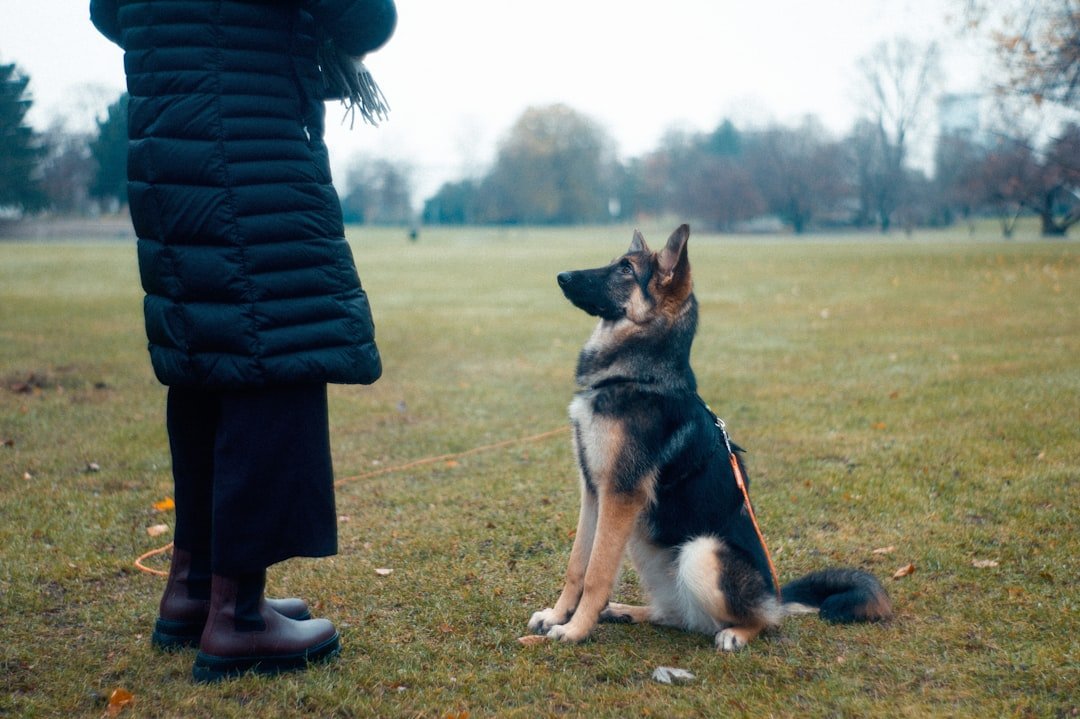
Your German Shepherd’s brain needs exercise too. These dogs were bred to think on their feet, make decisions, and solve problems. Without mental challenges, they’ll create their own entertainment – and trust me, you won’t like their creative solutions.
Think of puzzle toys, training sessions, and interactive games as gym memberships for your dog’s mind. German Shepherds are working dogs, and they need both mental and physical stimulation. Without a clear purpose, they’ll come up with their own – like herding your kids or barking at visitors. Give them a job to do, whether it’s learning new tricks, practicing obedience, or even simple tasks like carrying their own leash.
Proper Nutrition Requires More Thought Than Opening a Bag
German Shepherds need a diet high in protein, with 20-25% being ideal. Look for foods with animal proteins as the main ingredient. Fat should make up 10-15% of their diet, while fiber should be 3-7%. It’s like building a custom nutrition plan for an elite athlete – because essentially, that’s what your German Shepherd is.
An adult German Shepherd usually needs 2-4 cups of dry food per day, split into two meals. Adjust based on your dog’s activity level and weight. But here’s the kicker: Avoid offering your German Shepherd table scraps, as they can cause stomach upset. Human foods also have a much higher fat content than dog food and can cause pancreatitis and obesity. Those puppy dog eyes begging for your dinner? Stay strong – their health depends on it.
Early Socialization Isn’t Optional – It’s Essential
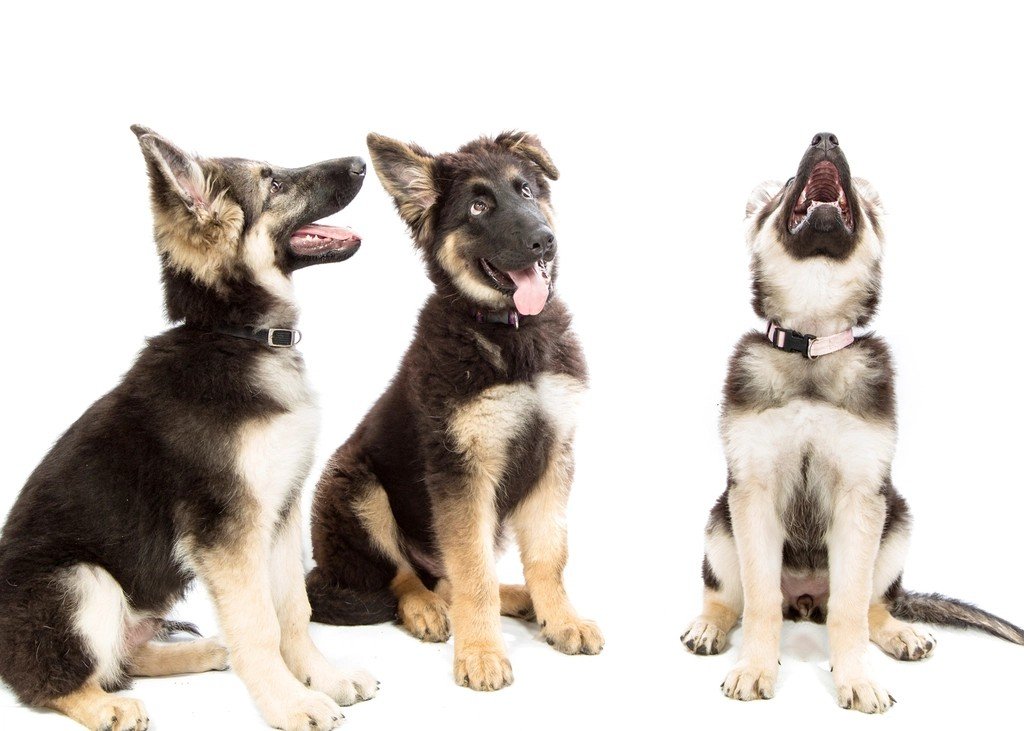
Here’s where things get serious: Puppies of all breeds have a critical socialization window that closes at 12 to 16 weeks of life, and your GSD puppy is no exception. Miss this window, and you might spend years trying to undo behavioral issues that could have been prevented with early exposure.
This is because the first 16 weeks are the critical socialization period of their life, where they are less fearful and more open to new things. If you leave their socialization or training too late, it drastically increases their chances of developing behavioral problems in adulthood. Think of it like learning a language – it’s infinitely easier when you’re young. When it comes to socializing German Shepherds, it is important to start as early as possible.
They’re More Sensitive Than Their Tough Appearance Suggests
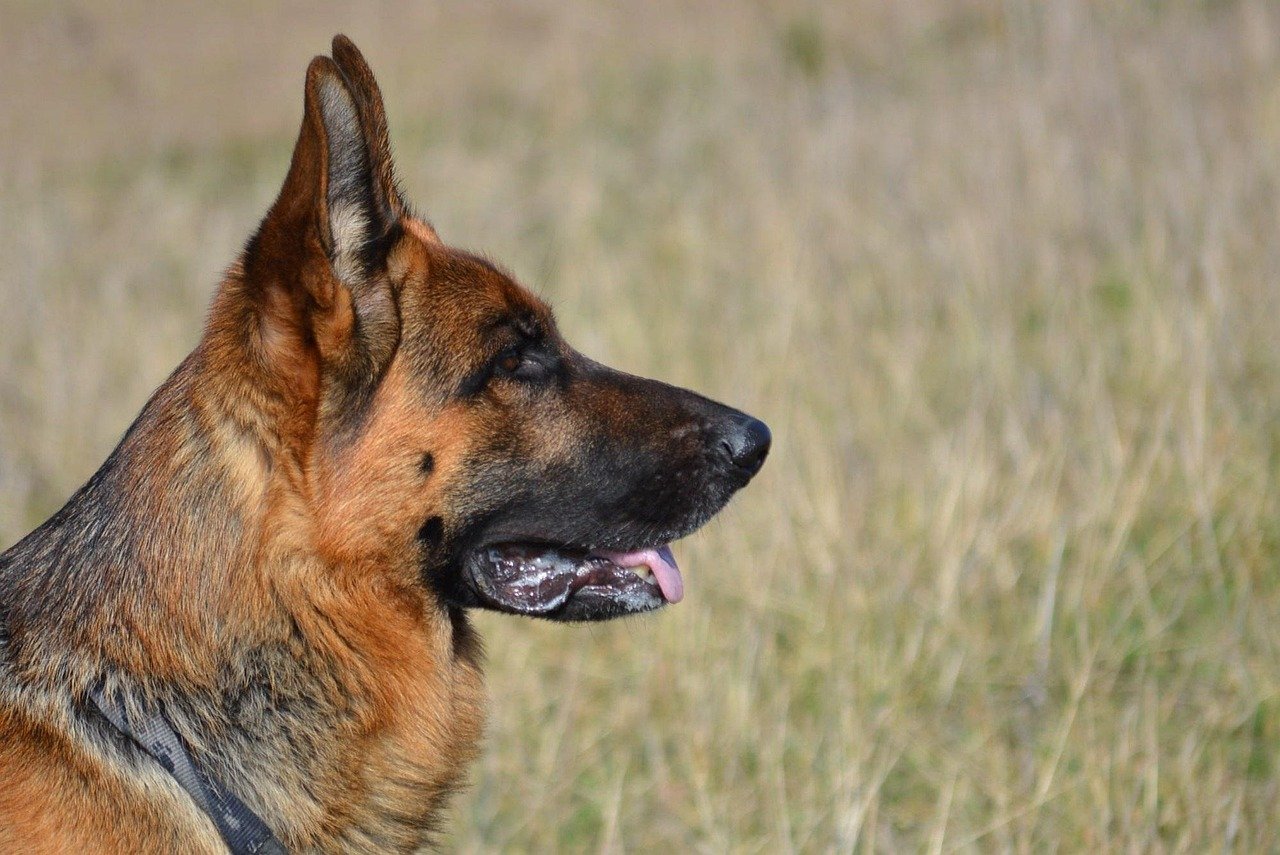
Something that people don’t know, or misunderstand about German Shepherds – is that they’re actually really sensitive. It’s why they don’t always do well in social situations like Dog Parks, and they don’t do well under punishment based training. Behind that confident exterior beats the heart of a deeply feeling companion.
Although they may look tough, they are gentle giants at heart. They are extremely sensitive, and will not respond to any sort of punishment well. This means harsh training methods will backfire spectacularly. Instead, positive reinforcement and patience will unlock their incredible potential for learning and bonding.
Grooming Demands Are Higher Than Most People Expect
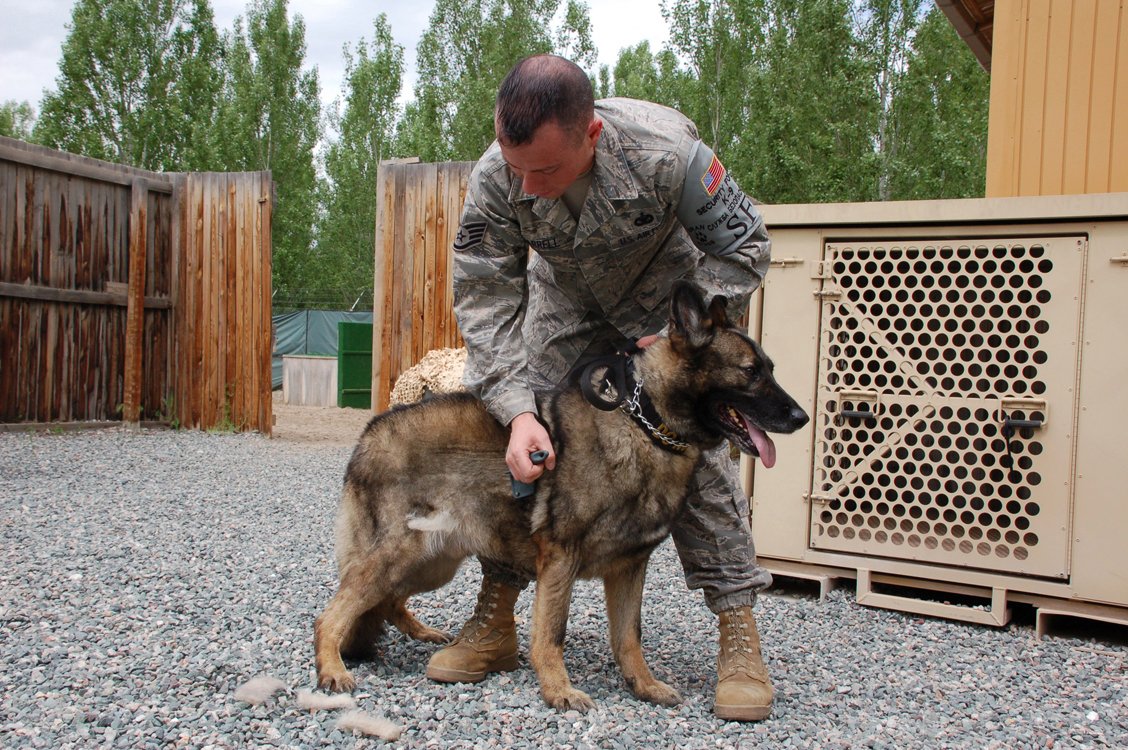
This is a dog breed that sheds a lot and needs lots of at-home grooming. We’re not talking about a quick weekly brush – German Shepherds blow their coats twice a year, and during these periods, you’ll find tumbleweeds of fur rolling through your house like you’re living in the Wild West.
To maintain their coat, German Shepherds should be brushed at least once a week using a slicker brush or undercoat rake. This helps remove loose hair and prevents matting. During shedding seasons, daily brushing may be necessary to keep up with the increased hair loss. Invest in a good vacuum cleaner and lint rollers – lots of lint rollers. German Shepherds only need a bath a few times a year. During their high-shedding periods (in the spring and fall), baths with shampoo made for dogs can help decrease the hair around your home.
Health Issues Can Be Expensive and Heartbreaking
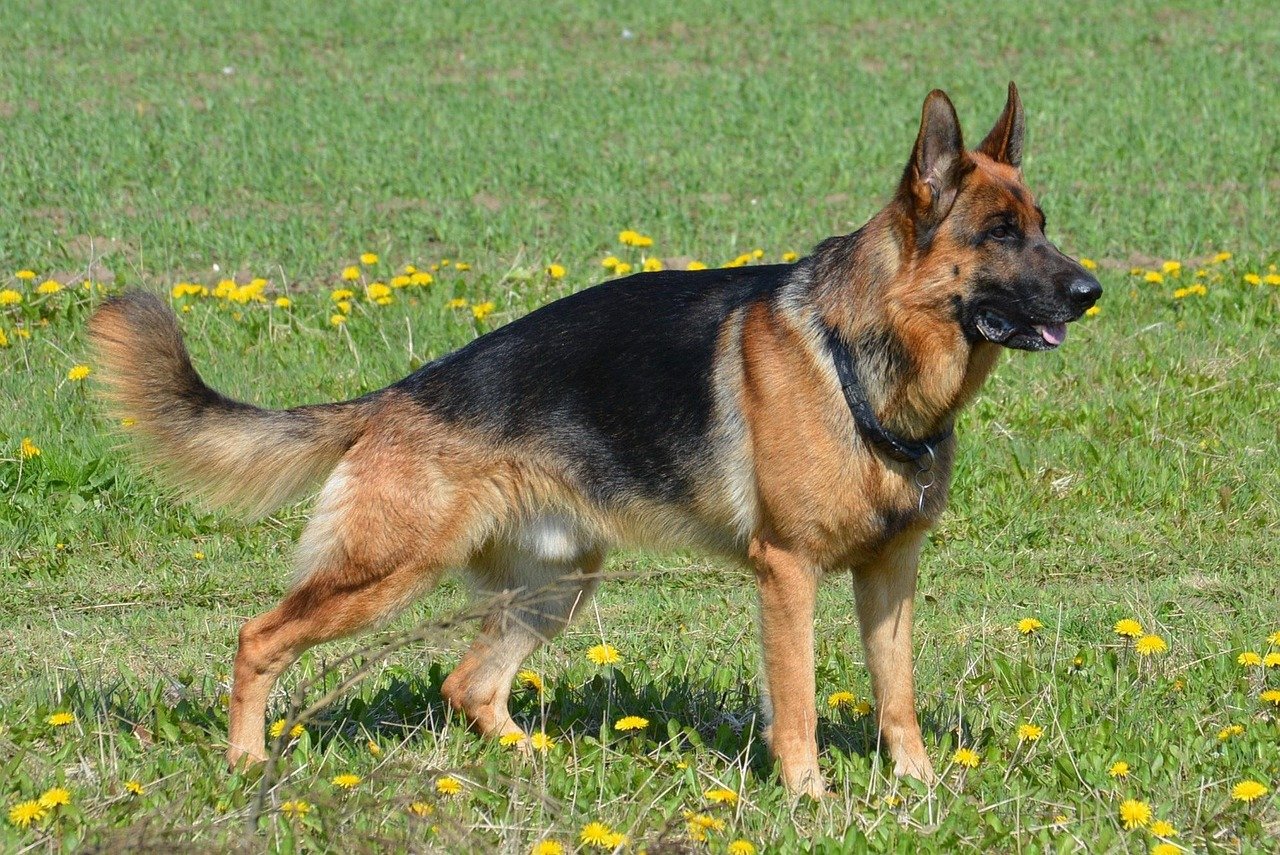
According to the Orthopedic Foundation for Animals, 19.8% of German shepherds suffer from hip dysplasia. That’s nearly one in five dogs facing a condition that can significantly impact their quality of life. But hip dysplasia isn’t the only concern – Gastric dilation-volvulus (GDV), aka “bloat” is a life-threatening condition that affects many large, deep-chested breeds like the German Shepherd. It occurs when the stomach fills with gas and twists on itself, blocking blood flow.
The financial reality is sobering: In many cases, owners will manage hip dysplasia with nothing more than pain medication, but the price can be much higher if surgery is necessary. In fact, surgeries for dysplasia often cost $3,500 or more – and that’s per hip. Regular vet checkups aren’t just recommended – they’re essential for catching these issues early when they’re more manageable.
Training Must Be Consistent and Lifelong
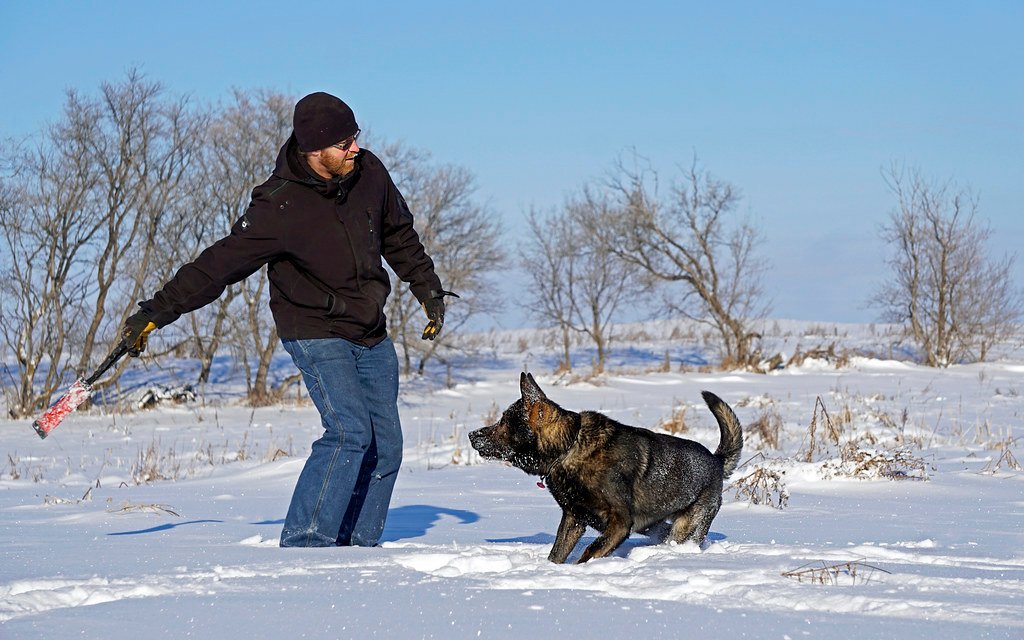
This breed’s high level of intelligence and strong willingness to work mean your GSD must receive consistent and ongoing training from an early age. Training a German Shepherd isn’t like teaching a golden retriever to sit – it’s like mentoring a gifted student who could either become a valedictorian or a master troublemaker.
A bored GSD is a destructive GSD. But here’s the beautiful truth: The beauty of the German Shepherd temperament and drive is how quickly they adapt once they understand what’s expected of them. With the right training, motivation, and household management, your GSD can become a calm, confident, and well-behaved companion. The key is never stopping – training is a lifelong journey, not a destination.
Conclusion

Owning a German Shepherd isn’t for everyone, and that’s perfectly okay. These remarkable dogs demand time, energy, patience, and resources that many people simply can’t provide. But for those who can meet their needs, German Shepherds offer something truly special – a bond so deep and rewarding that it transforms both human and dog in profound ways.
They’re not just pets; they’re partners, protectors, and family members who will challenge you to be better while loving you unconditionally. The investment you make in understanding their needs, from exercise and nutrition to training and healthcare, pays dividends in the form of unwavering loyalty and companionship.
Remember, behind every well-adjusted German Shepherd is an owner who understood that these dogs don’t just want to be part of your life – they want to be your shadow, your adventure buddy, and your most devoted friend. Are you ready for that level of commitment and love?


