
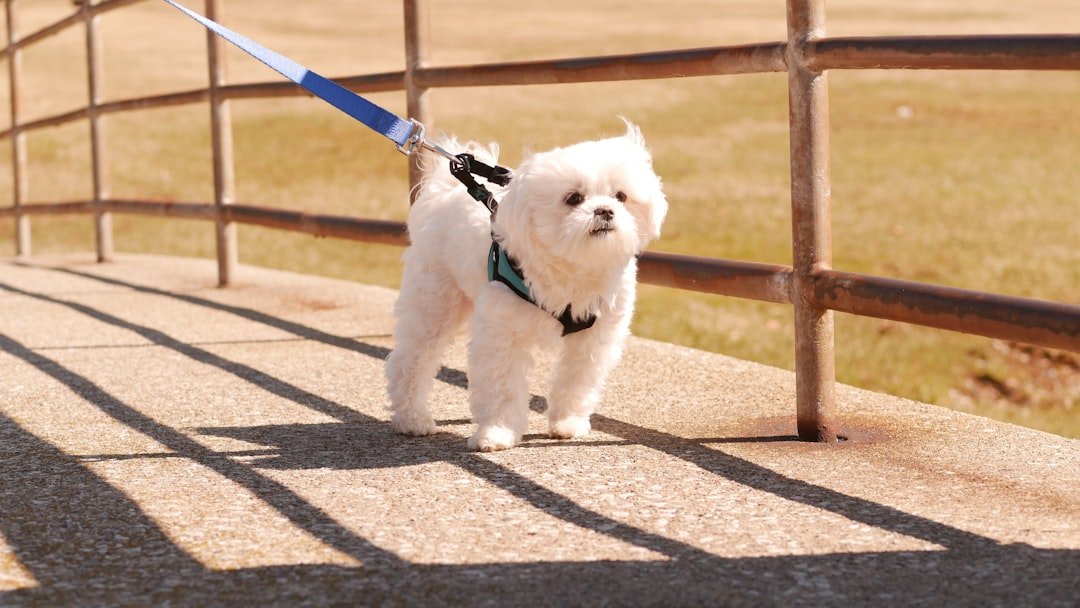
When you bring home that adorable fluffy bundle of joy called a Maltese, you’re not just getting a pet – you’re welcoming a tiny aristocrat into your family. These pint-sized companions have been melting hearts for over 2,000 years, from ancient Roman matrons to modern families. But don’t let their ethereal white coats and sweet expressions fool you – these little dogs come with specific needs that require dedication, understanding, and a whole lot of love.
Your Maltese isn’t just another small dog. They’re a unique breed with particular requirements that differ significantly from larger breeds and even other toy dogs. Think of them as the high-maintenance friend who’s absolutely worth the effort – they’ll reward your care with unwavering loyalty, endless entertainment, and cuddles that could melt the coldest heart. Let’s dive into the eight crucial factors every Maltese owner needs to master.
That Stunning Coat Demands Daily Attention
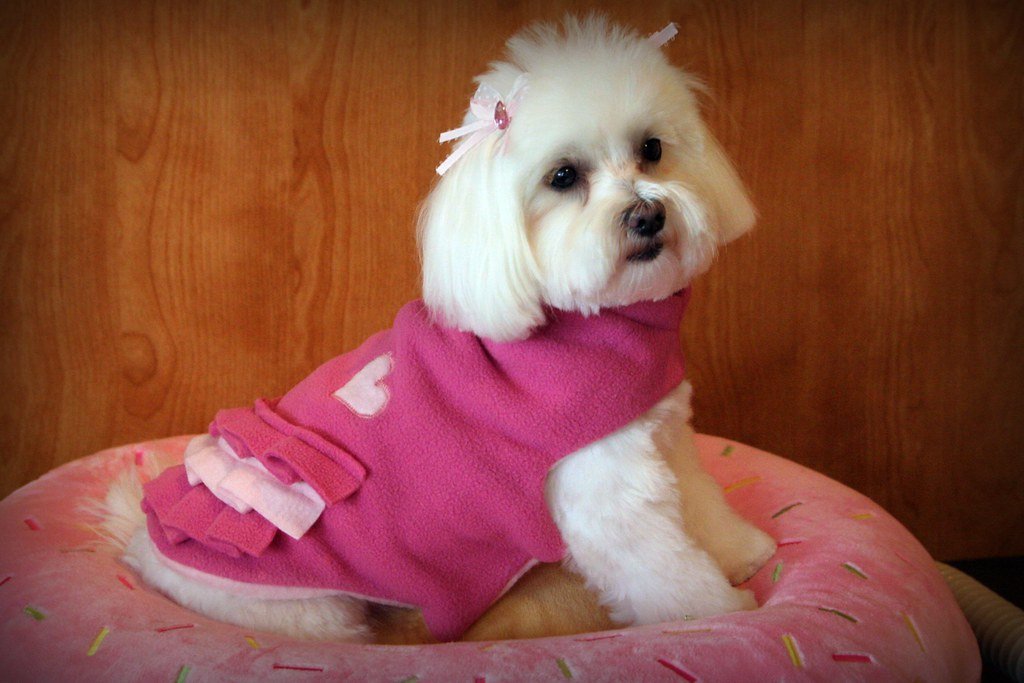
The silky white coat of a Maltese dog is often a major draw for new pet parents, but this breed will do best in a home that’s able to provide daily maintenance of that coat. They need to be brushed every day and have routine baths. Picture this: your Maltese’s coat is like the finest silk fabric – beautiful beyond words, but requiring gentle, consistent care to maintain its glory.
Daily brushing isn’t just a suggestion; it’s absolutely essential. Maltese dogs with longer cut coats should have daily brushing, with a full brush out and routine baths every three weeks. If your Maltese is trimmed shorter, brushing may be reduced to once a week, but it’s still necessary to regularly check the coat for any matting and tangling. Those gorgeous flowing locks can turn into painful mats faster than you’d think, especially behind the ears and under the legs. Matts and tangles may form very quickly if left unattended for just a few days, they will be impossible to eliminate with simple combing or brushing. Removing matts is very painful for the dog, and the torn out hair will hardly grow back.
Tear Stains Are Your Biggest Grooming Challenge
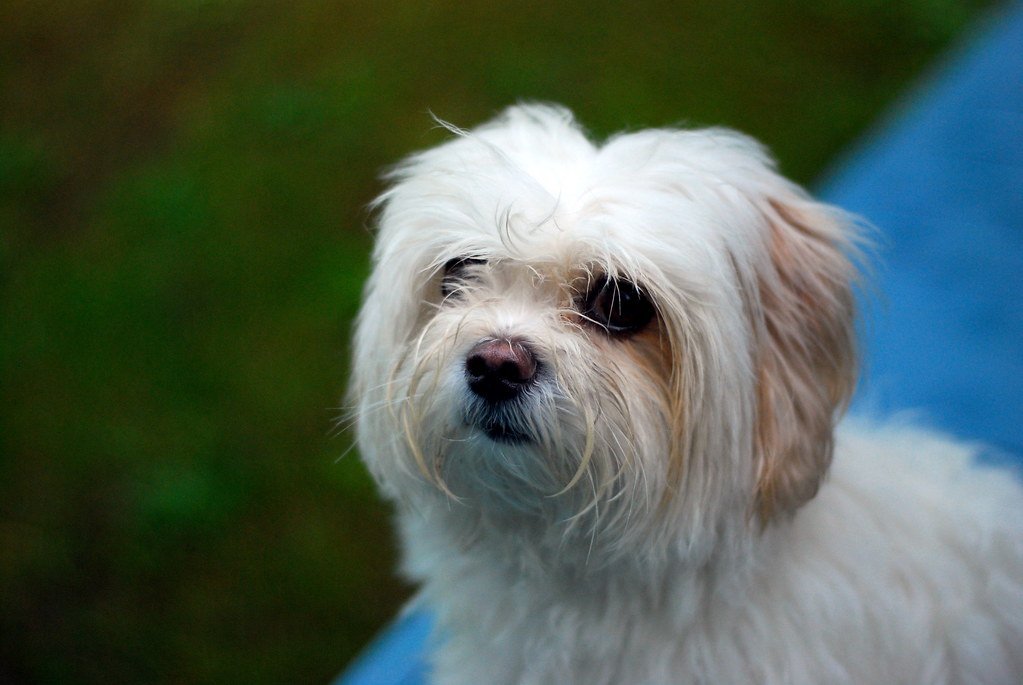
Those beautiful dark eyes can create one of the most frustrating grooming challenges for Maltese owners. While dogs are notorious for developing tear stains, and of all dogs with this problem, the Maltese is often at the top of the list. Those reddish-brown streaks under their eyes aren’t just cosmetic – they can indicate underlying health issues or simply be a result of their facial structure.
Prevention is your best weapon here. Offer only filtered water since metals in tap water can cause tear staining. Wipe your Maltese’s face 2 to 3 times per day, preferably after each meal, with a quality canine wipe. Never use plastic bowls – they can cause contact allergies that worsen staining. Gently clean the eye area daily with a damp cloth or pet-safe wipes. Keep the hair around the eyes trimmed short. Consult your vet if staining is excessive, as it could indicate allergies or health issues. It’s like having a daily skincare routine, but for your dog’s face!
Dental Health Is Critical for These Tiny Mouths
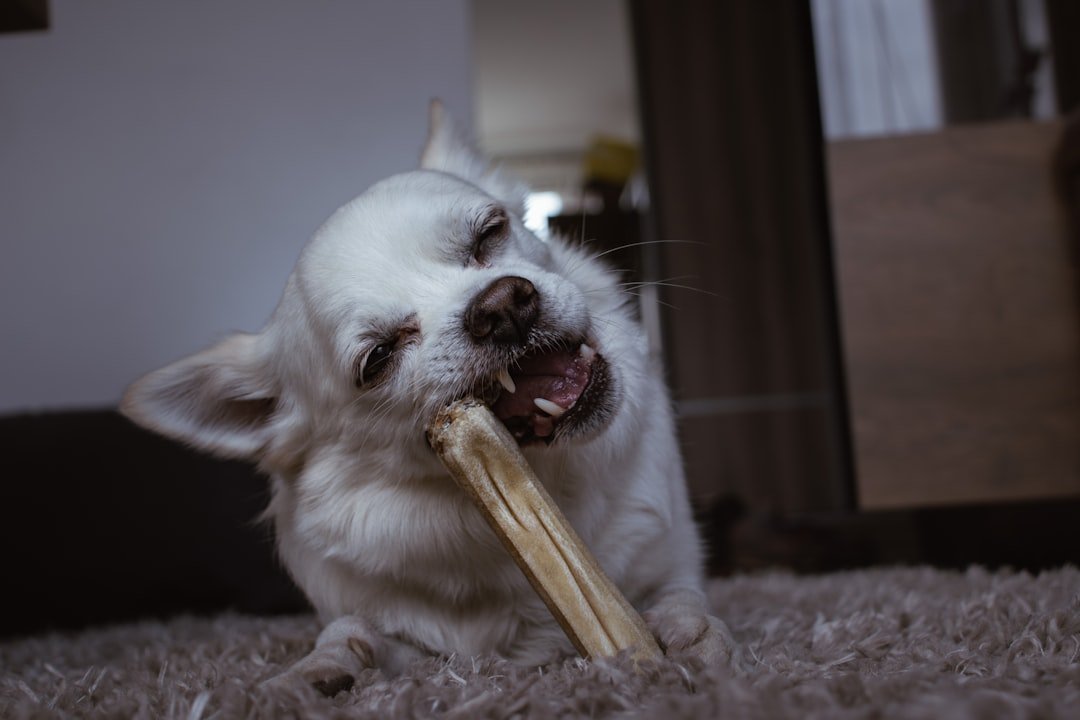
Pet parents need to pay special care to their dog’s mouth because Maltese are prone to dental disease. Brushing their teeth every day using a dog-safe toothpaste and toothbrush is the best way to keep their teeth clean and healthy. It can also help to give your dog dental chews. Think of their tiny mouths as delicate ecosystems that need constant attention – what might be a minor issue in a larger dog can become a serious problem for a Maltese.
Like all other toy breeds, Maltese dogs are at a heightened risk of periodontal disease, or dental disease. This can lead to bad breath, red and inflamed gums, loose teeth, and other symptoms that can be painful for your Maltese. When left untreated, dental disease can even damage a dog’s organs. Some Maltese dogs can even lose their teeth at an early age! Proper dental hygiene is recommended. High-quality dental treats can keep their teeth and gums healthy and even serve as a training reward. However, brushing your dog’s teeth at home and visiting the veterinarian for professional cleaning when they’re old enough is also vital.
Luxating Patella Is the Hidden Health Concern
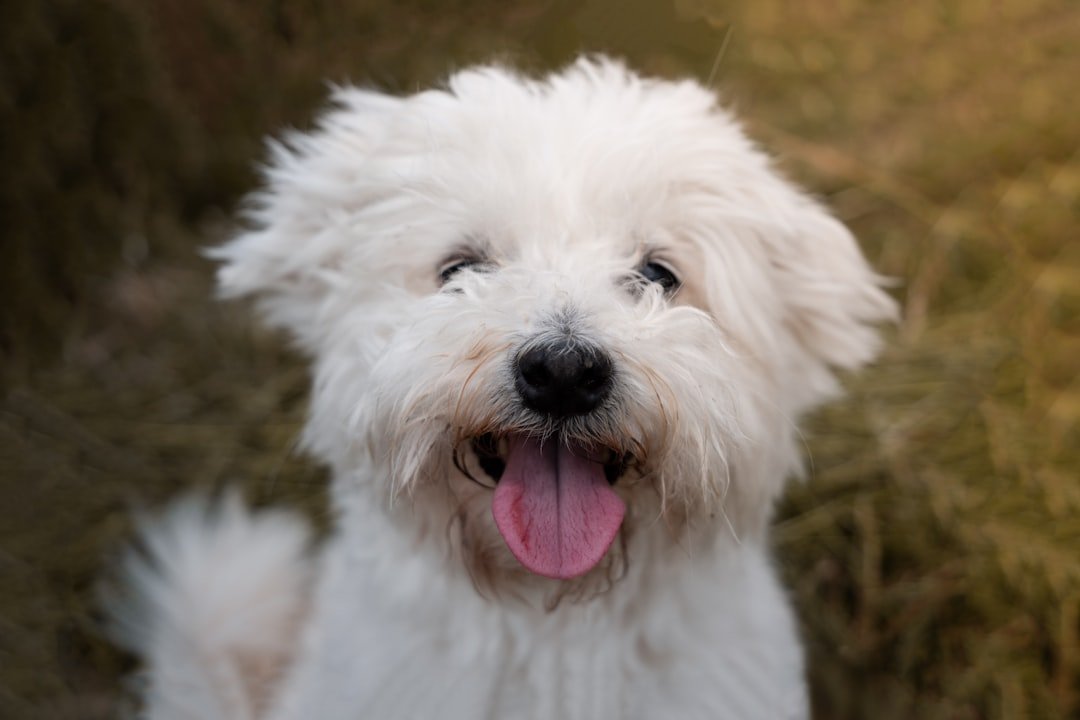
Here’s something many new Maltese owners don’t expect: One of the most common health problems in Maltese and many other toy dogs is luxating patella (LP), a condition where the kneecap literally slips out of the groove, becoming dislocated. Luxating patellas are considered primarily an inherited congenital disorder. Usually within the first year, the patellas will begin slipping out of place. Imagine their tiny kneecaps as delicate puzzle pieces that don’t always stay where they’re supposed to.
The good news? Fortunately, for the vast majority of Maltese with luxating patella(s), they tend to be in the milder category with Grade I or II. A dog with a mild grade of LP usually does not require surgery. Keeping the weight down, avoiding slippery surfaces and preventing the dog from doing a lot of jumping (e.g., on and off the furniture) will all help lower stress on the joint. Watch for signs like sudden limping, hopping on three legs, or that characteristic “skip” in their step. Early detection and weight management can make all the difference in your pup’s quality of life.
Exercise Needs Are Surprisingly Specific
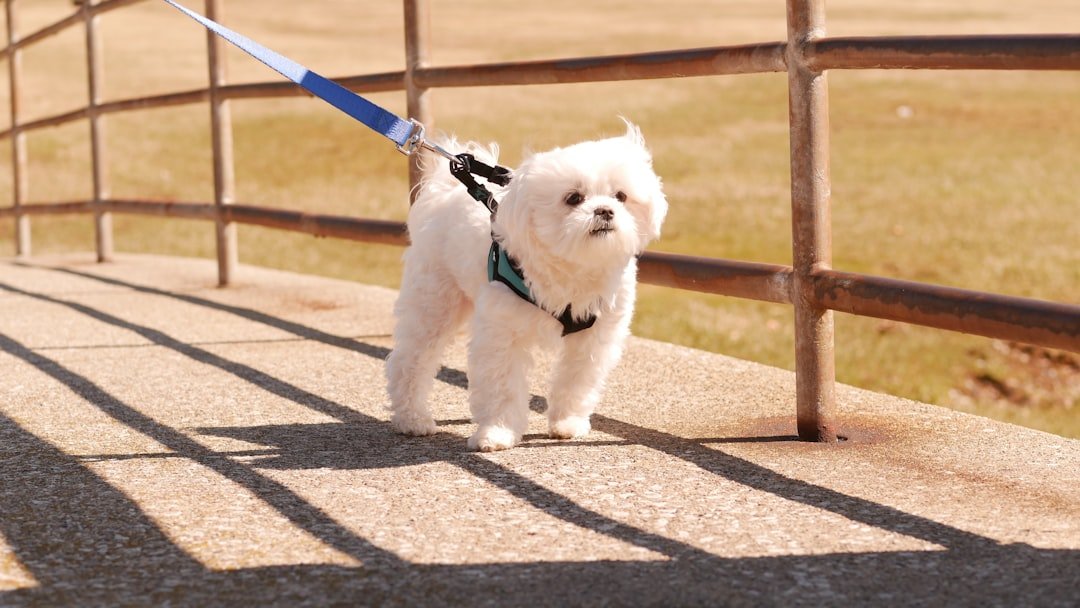
Don’t be fooled by their tiny size – Maltese still need proper exercise, but it’s all about finding the sweet spot. Maltese don’t require much in the way of exercise, with up to half an hour a day usually sufficient. However, they will enjoy playing games in addition to this. Think of them as having the energy of a much larger dog packed into a pocket-sized body.
Maltese don’t require intense exercise. Short walks and indoor play sessions will meet their daily exercise needs. In fact, Henzerling says it’s important to avoid overexerting Maltese due to their delicate patella structures. This breed does best with two walks per day. Generally, a morning walk and an evening walk are best. Duration – The walk should last for a minimum of 20 minutes and up to 30 minutes is fine for most Maltese. Remember, overexercising can actually harm their delicate joints, so moderation is key. Indoor play and mental stimulation often satisfy much of their exercise needs.
Hypoglycemia Is a Real Puppy Emergency
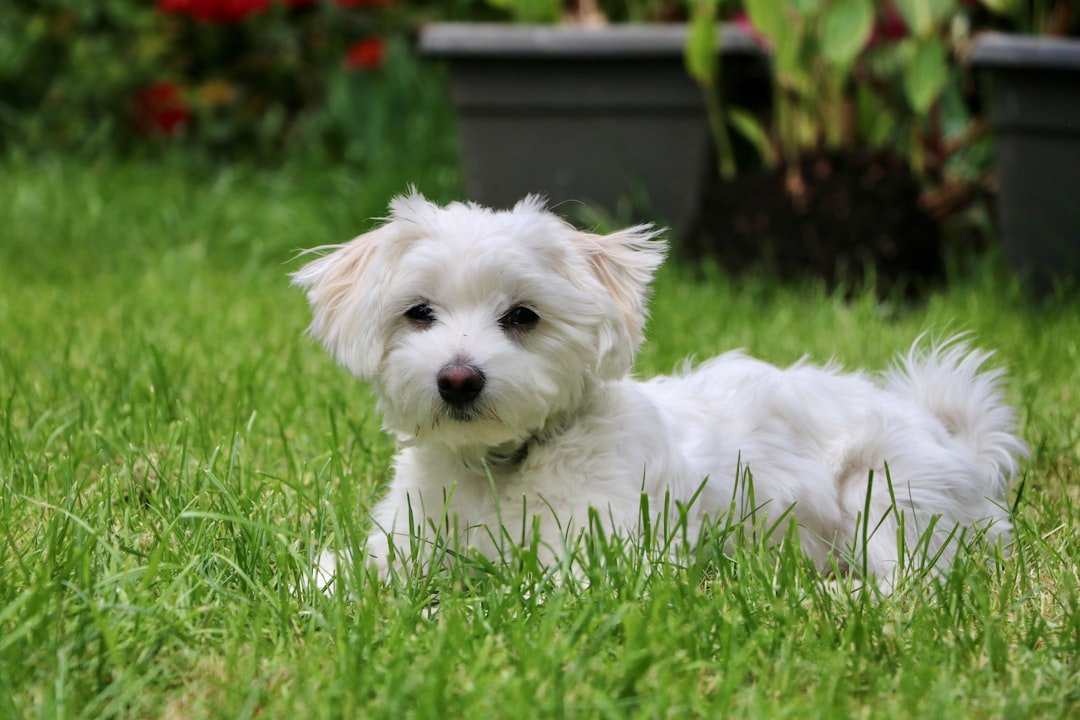
This one can be genuinely scary for new owners. Due to their tiny size, young Maltese puppies can be susceptible to hypoglycemia (low blood sugar) if they don’t eat enough food throughout the day. This can be avoided by feeding your puppy small meals three to four times a day until they are around 4 months old. Picture their tiny bodies as high-performance sports cars that need frequent fuel stops.
Hypoglycemia or low blood sugar is a condition where the blood sugar level (glucose) drops to a dangerously low level in the body. It is a juvenile disorder that can occur in many toy breed puppies, usually from weaning to about 3-4 months of age. Pretty well all puppies with this affliction will outgrow the problem. Hypoglycaemia (low blood sugar), mainly seen in puppies, is when there is a sudden drop in blood glucose levels. This can cause the dog to be lethargic, tremble, appear disorientated, or collapse. It can also cause seizures. These signs are most evident after exercise, shortly after waking up, and usually 2-6 hours after eating. Always have food available and watch for warning signs like weakness or trembling.
Their Size Makes Them Surprisingly Fragile
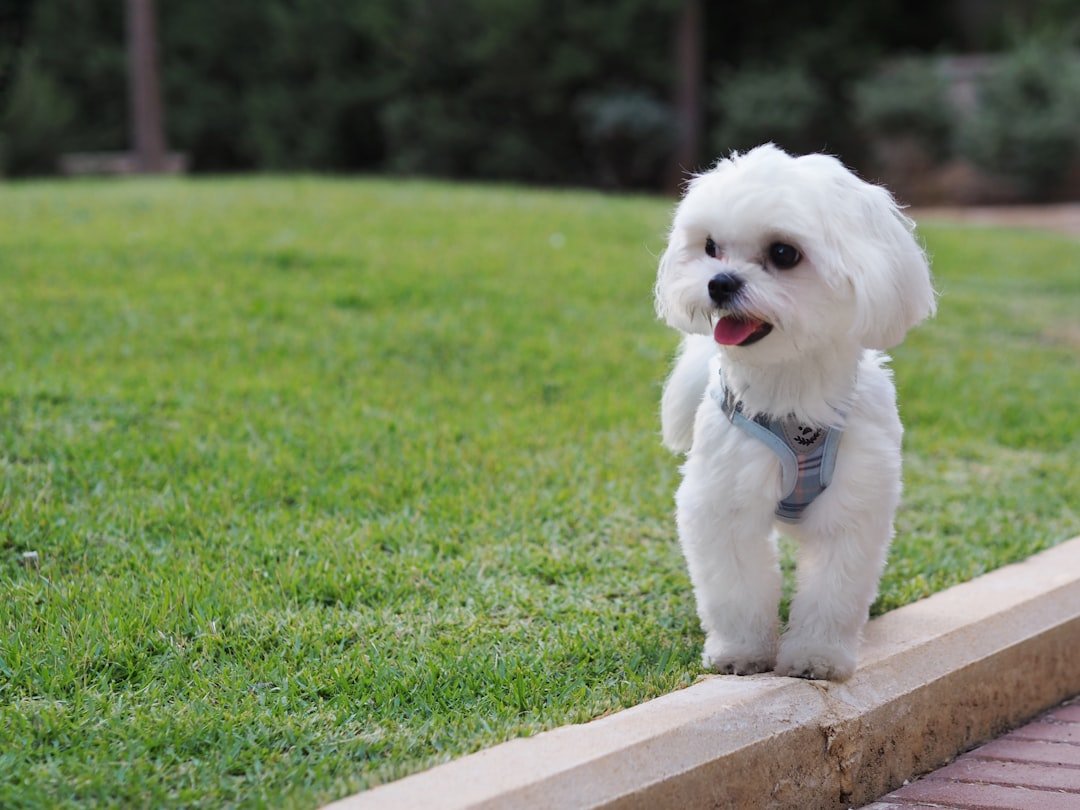
Living with a Maltese means constantly being aware of their vulnerability. Supervise your pet as you would a toddler. Keep doors closed, pick up after yourself, and block off rooms as necessary. This will keep her out of trouble and away from objects she shouldn’t put in her mouth. They’re like having a perpetual toddler who can get into trouble in ways you’d never imagine.
Other dogs, even friendly ones, can accidentally hurt them during play. Children need to be taught how to handle them properly – no picking them up incorrectly, no dropping them, no rough play. Their tiny stature makes the rambunctious nature of young children somewhat intimidating for the Maltese, but they’ll fit right in with families that have older kids. They do well with children who know how to interact properly with small animals, but they may be best suited for a family with older kids who are always gentle. High furniture becomes a hazard when they jump down, and even stepping on them accidentally can cause serious injury.
They’re Social Butterflies Who Need Constant Companionship
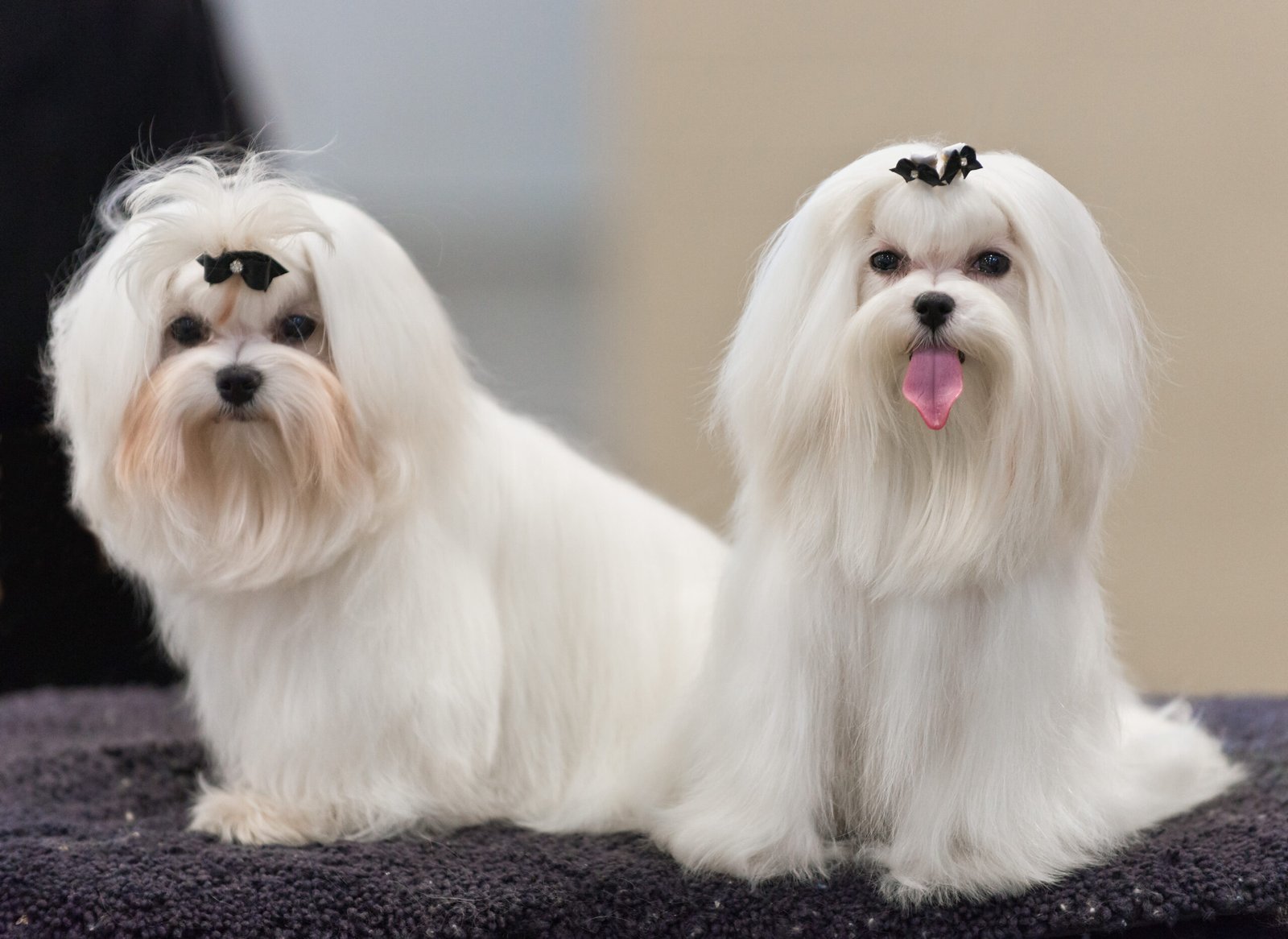
Maltese dogs form close bonds to their family and prefer to always be by your side. This breed can develop separation anxiety when left alone for too long. Think of your Maltese as your shadow – they were literally bred to be companion dogs, and they take that job very seriously. This isn’t just preference; it’s in their DNA.
Maltese dogs can become agitated when left alone for long periods of time. The temperament of a Maltese dog is largely influenced by how they’re raised – so make sure they get the affection they need while knowing you’re in charge. Loyal to the core, they quickly get protective over their owners or whoever they’re pampered by. They thrive on human interaction and can become destructive or develop behavioral issues when left alone too much. A Maltese that’s allowed to grow bored or become lonely may turn to unwanted behaviors such as excessive barking. Maltese are smart dogs that can pick up training cues quickly when positive reinforcement is used. Keep training sessions short and fun, like a game, to keep your dog’s attention.
Conclusion

Keeping a Maltese happy and healthy isn’t just about meeting basic dog needs – it’s about understanding the unique requirements of a breed that’s been perfected as the ultimate companion for over two millennia. From their daily grooming rituals to their specific health vulnerabilities, every aspect of Maltese care requires attention to detail and genuine commitment.
The rewards, however, are immeasurable. When you master these eight important factors, you’re not just caring for a pet – you’re nurturing a relationship with one of the most devoted, charming, and loving companions you could ever ask for. Your Maltese will repay your dedication with a lifetime of unconditional love, endless entertainment, and the kind of bond that makes every moment of extra care absolutely worthwhile.
Remember, behind that angelic face and flowing coat is a dog with the heart of a lion and the soul of a best friend. Isn’t that exactly the kind of love story worth writing?


