
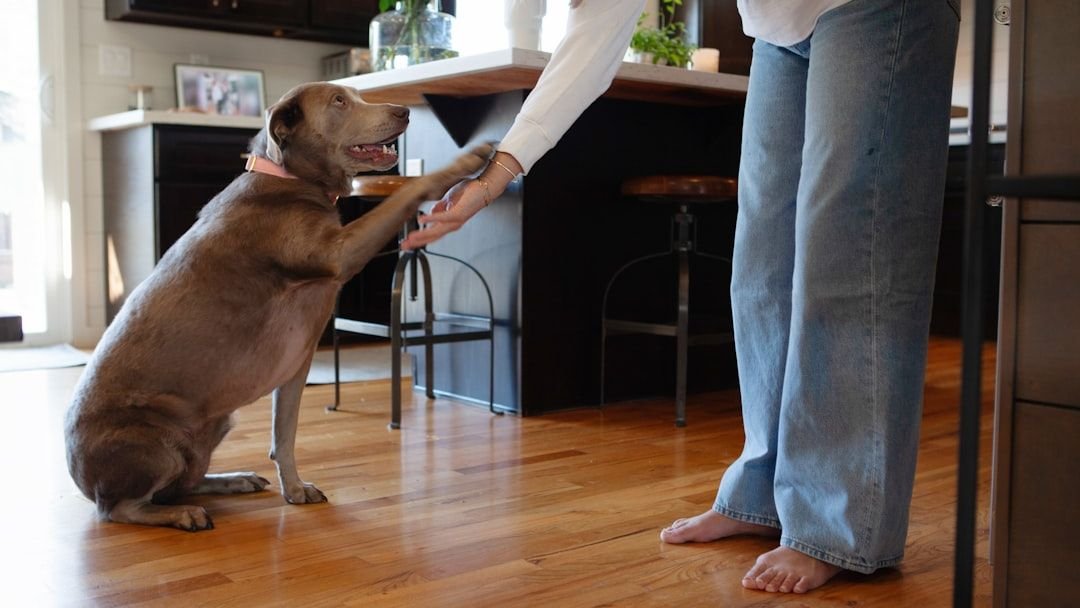
You see it happen all the time at the park, the coffee shop, or even outside your own front door. Someone new approaches your pup, maybe crouching down with an outstretched hand, maybe diving straight in for a head pat. Your dog might seem fine at first, maybe a little wiggly, maybe frozen still. Then things get awkward or escalate quickly.
Here’s the thing: most of us genuinely want our dogs to be social butterflies. We imagine them greeting everyone with that joyful, tail-wagging enthusiasm we see in movies. Yet so often, we make simple missteps during those crucial first meetings that can set our dogs up to feel anxious, defensive, or overwhelmed. These mistakes don’t come from a lack of love. They come from not fully understanding what our dogs are telling us, or from underestimating how truly strange new people can be from a canine perspective.
Think about it this way. Your dog doesn’t speak English, can’t explain their feelings, and relies entirely on you to manage situations that might feel threatening or uncomfortable. When we get introductions wrong, we’re not just risking a single bad interaction. We’re potentially shaping how our dog will respond to strangers for years to come. So let’s dive in and talk about the most common mistakes dog owners make when introducing their furry friends to new people, and more importantly, how to get it right.
Allowing Strangers to Approach Without Permission
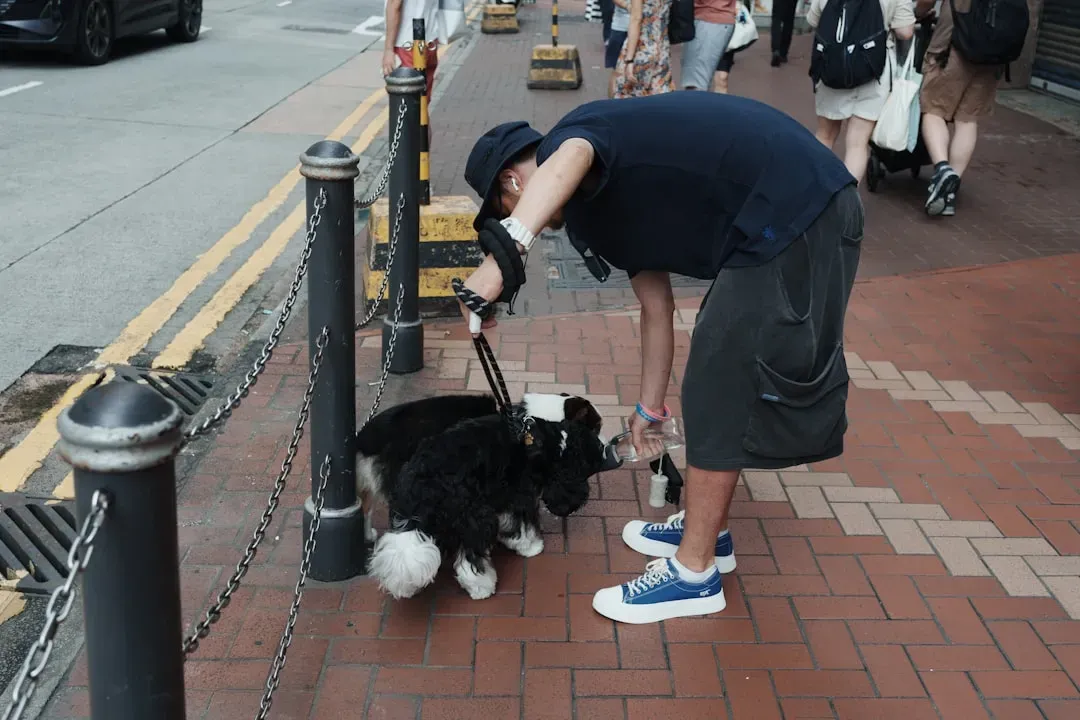
When out with your dog, people will often want to pet and interact with them, and you’ll need to instruct the person to stop, lower their body, and wait for the dog to approach them. Yet one of the biggest mistakes owners make is simply allowing anyone and everyone to walk right up and reach for their dog. It’s hard to say no when someone’s face lights up at the sight of your pup, I know. Society makes us feel rude if we don’t let people greet our dogs.
Still, you are your dog’s only advocate in these moments. Your dog might be more stressed than normal when processing all the new smells and sounds of their unfamiliar surroundings; an approaching stranger may be too much for them and you don’t want them to feel they need to defend themselves. Even the friendliest dog can have an off day, be tired, or simply not in the mood for interaction. Letting strangers approach without first checking in with your dog sends the message that their comfort doesn’t matter.
The fix is simple but requires confidence. Politely intervene before the person reaches your dog. You can say something friendly like, “Thanks for asking! Let me check if she’s up for saying hello today.” Then actually look at your dog’s body language before giving the green light. If your pup looks tense or tries to move away, it’s perfectly fine to say, “Not today, but I appreciate your interest!”
Ignoring Your Dog’s Stress Signals
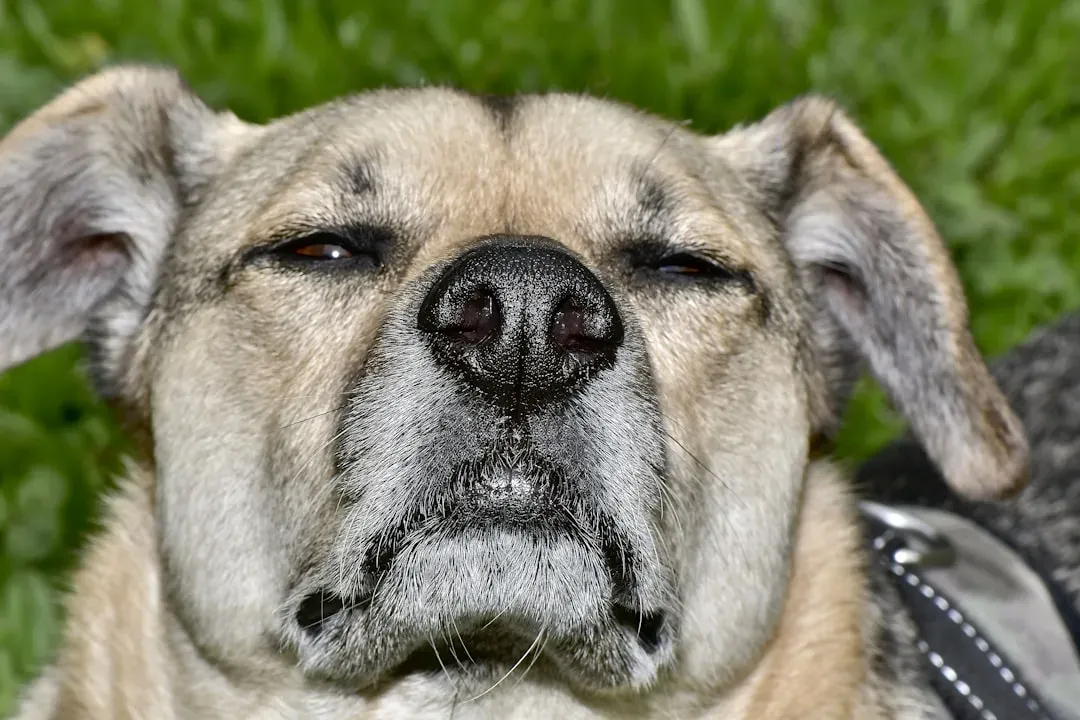
Watch for signs of stress, such as lip-licking, yawning, panting, pinned back ears, dilated pupils, raised hackles, and stiff posture. Dogs are constantly talking to us, not with words, but with their entire bodies. The problem is, we often miss what they’re saying or misinterpret it entirely. A dog who turns their head away isn’t being rude; they’re politely asking for space. A yawn in the middle of a greeting isn’t tiredness; it’s discomfort.
Dogs yawn when they’re stressed, and they’ll also lick their lips when they feel anxious. These subtle signals are your dog’s first line of communication. When we ignore them and push forward with an introduction anyway, we’re teaching our dogs that their voice doesn’t matter. Worse, we’re forcing them into situations where they might feel they have no choice but to escalate to growling or snapping.
Pay close attention during every interaction. Agitated dogs might turn their head or body away from the unfamiliar person. If you see any of these signs, calmly end the interaction. Remove your dog from the situation, give them space, and don’t feel guilty about it. You’re being a responsible owner, not an overprotective one.
Forcing Physical Contact Too Soon

I’ve seen this mistake more times than I can count. The stranger reaches out immediately to pet the dog’s head, sometimes even hovering over them, and the owner just stands there smiling. Leaning over, hugging or crowding can be stressful, and people putting their face close to the dog’s face can cause them anxiety. From a dog’s perspective, this is incredibly rude and potentially threatening.
Wait and let your dog approach the newcomer first, give your dog the choice to interact or not, and let your dog come and sniff the stranger and retreat as he wants. This is absolutely crucial. Your dog needs to feel they have agency in the situation. Sniffing does not mean your dog is giving consent to touch or pet them; wait for body movements from your dog that solicit the stranger’s attention or touch, such as pressing his head or body into the person’s hand or body.
Teach people who want to meet your dog to crouch down sideways, avoid direct eye contact at first, and simply wait. Let your dog come to them. If your pup sniffs and then backs away, that’s a clear “no thank you.” Respect it. Only if your dog leans in, wags loosely, and seems genuinely interested should petting begin, and even then, it should start with the chest or shoulder, never the head.
Skipping Introductions at Home Properly
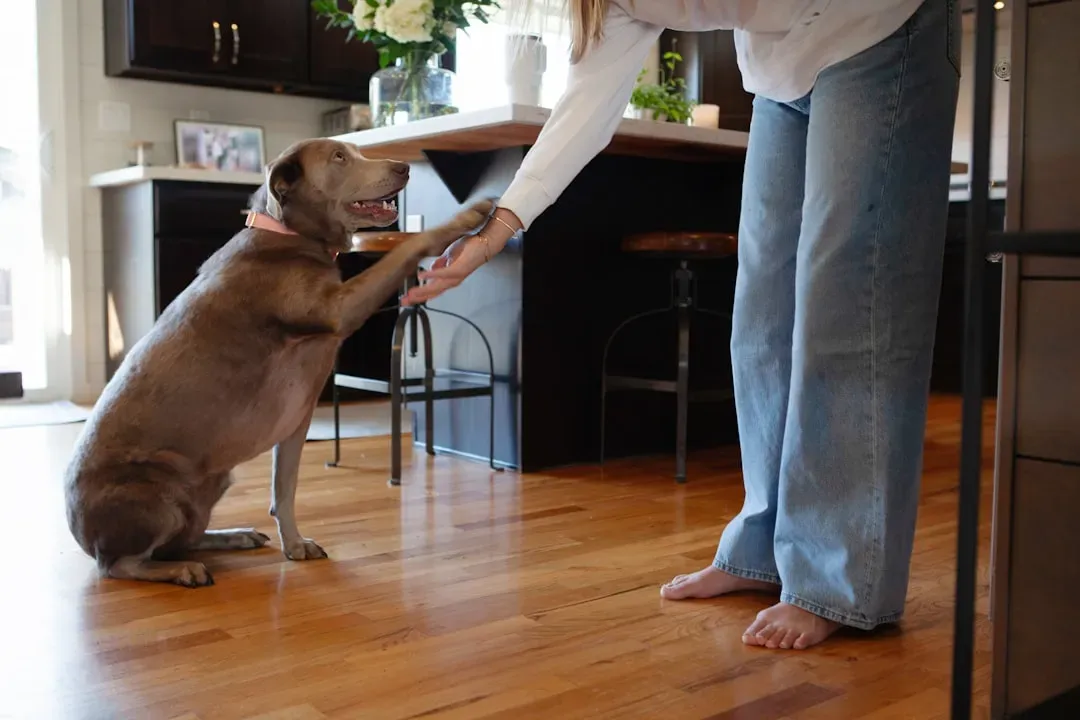
If the meeting will occur at your home, your pup will likely either act protective of you or excitedly greet your guest with a jump and a kiss, but both of these behaviors are normal; in order to properly introduce your dog, they need to be calm, relaxed, and gentle. Home territory changes everything for dogs. This is their safe space, and new people entering can trigger protective instincts or overexcitement.
If you know that somebody is about to come over, put your dog on a leash; once the doorbell rings, your dog will likely bark or try to charge at the door, so correct this behavior in a calm but firm manner and do not walk to the door until they are relaxed. Honestly, this takes practice. The temptation is to just fling open the door and let chaos unfold. Resist it.
Once the stranger is inside, make sure they know to greet you first; after you have greeted your guest, let your dog gently sniff them, which allows them time to grow more comfortable with the unfamiliar situation. This protocol might seem formal, but it works. Your guest ignoring the dog at first actually helps your dog relax. Once your dog is calm and shows interest, then the greeting can happen on the dog’s terms.
Flooding Your Dog with Too Many New People at Once
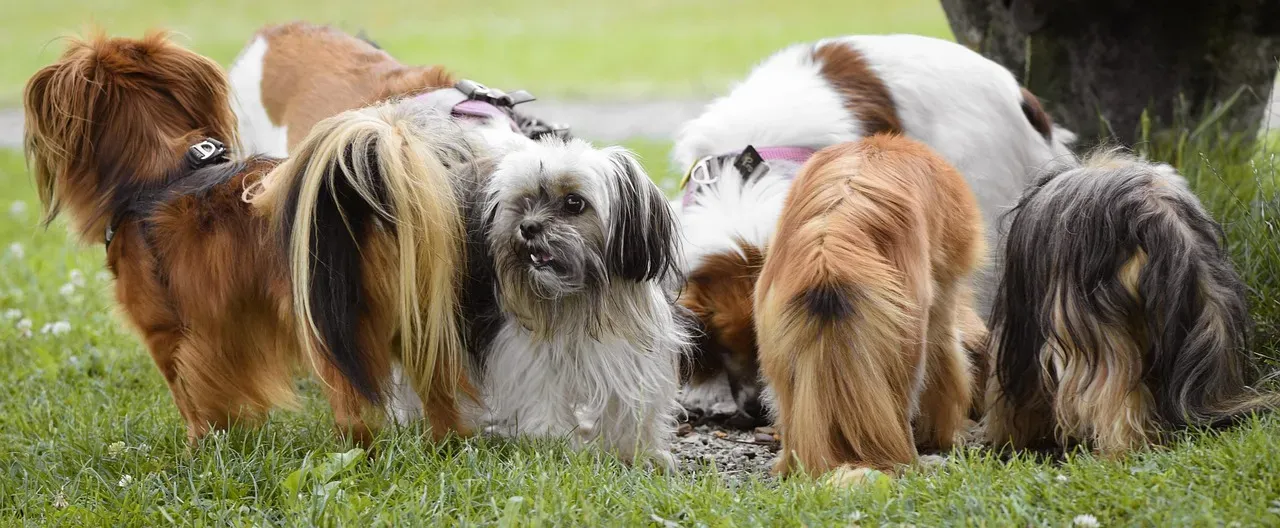
Imagine being dropped into a crowded room full of strangers who all want to touch you and talk to you at once. Overwhelming, right? That’s exactly how many dogs feel when we invite a bunch of new people over and expect them to handle it all at once. When socializing your dog, it is crucial to avoid “flooding” them; overwhelming your dog with lots of something new all at once can create a negative association with that thing or experience, resulting in a lifelong fear.
This mistake happens most often during parties or family gatherings. We assume our dog will just “get used to it” if we throw them into the deep end. Sometimes that works for naturally confident dogs. More often, it creates a dog who hides under the bed whenever company arrives.
The better approach is gradual exposure. The more visitors you introduce your dog to on a one-to-one basis, the better he’ll get at accepting strangers to the house. Start with one calm person at a time. Let your dog build positive associations slowly. Only when your pup is reliably comfortable with individual guests should you consider introducing them to small groups, and always with an escape route available.
Forgetting That Your Energy Affects Your Dog
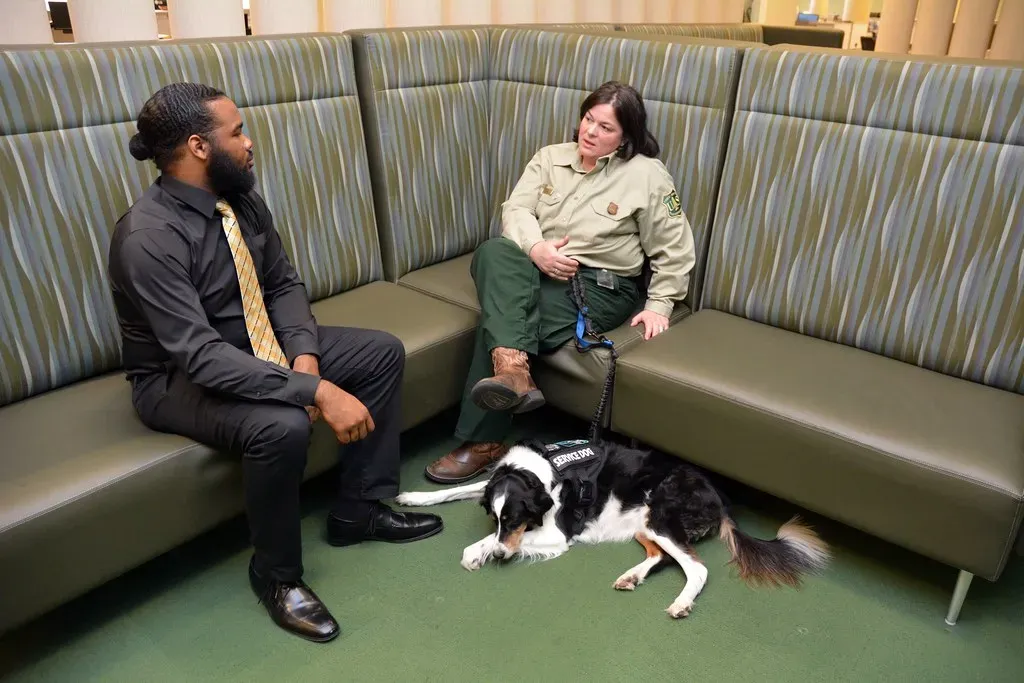
Your dog will read your body language to determine if the stranger is a friend. If you’re tense, anxious, or overly excited during an introduction, your dog picks up on that immediately. Dogs are very good at observing people, particularly their owners, and picking up on the subtle signals we give off; act tense and your dog will feel stressed, act relaxed and your dog will feel calmer, so keep your body language happy and content, and use a cheerful tone of voice.
This was a hard lesson for me personally. I used to get nervous when introducing my anxious rescue to new people, worrying he’d react badly. That worry traveled straight down the leash, and guess what? He’d react badly. It became a self-fulfilling prophecy. Once I learned to stay calm, breathe normally, and act like everything was perfectly fine, his reactions improved dramatically.
Your dog looks to you as their emotional barometer. Try to remain calm because dogs can read our emotions, so if you’re nervous when introducing your puppy to an older dog, for example, your pet will be nervous, too, and may become fearful of other dogs in the future. Practice staying loose, speaking in a normal tone, and projecting confidence even if you don’t quite feel it yet.
Rewarding Fearful or Overexcited Behavior Accidentally
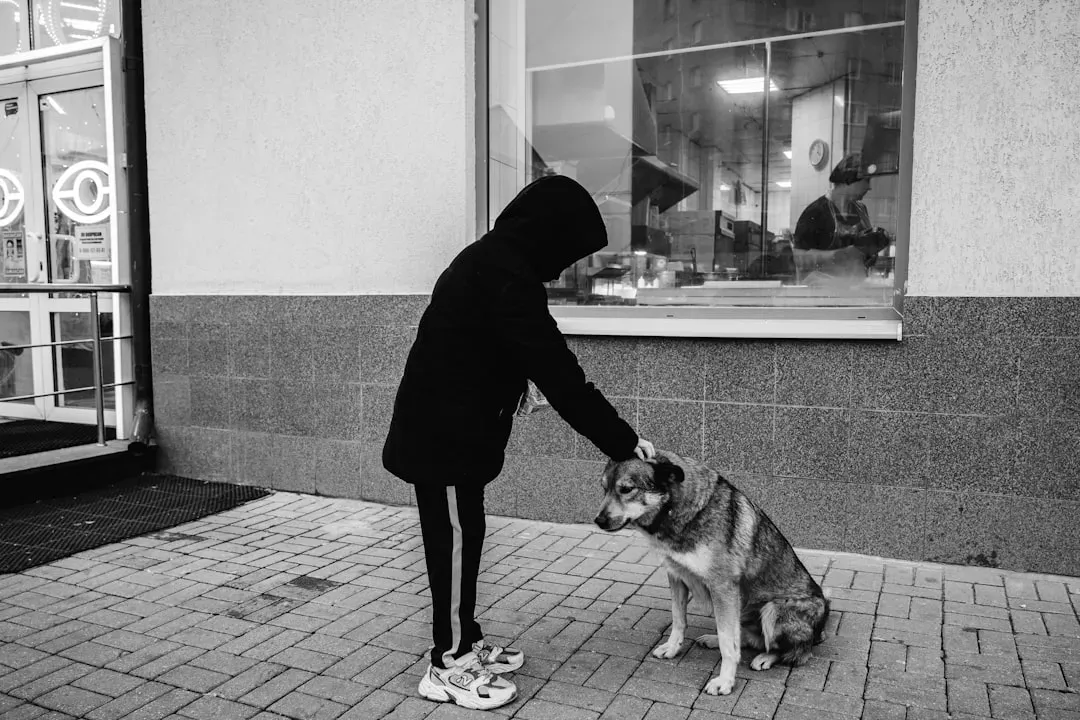
Many dog owners accidentally reward bad behavior in their dogs by giving them attention and petting them when they act unfavorably; if your dog acts aggressively towards people or is nervous around them, then try not to soothe them by stroking them and praising them, as this will only encourage the behavior you are trying to put a stop to. This is one of those mistakes that feels completely counterintuitive. When your dog seems scared, your instinct is to comfort them with pets and soothing words.
The problem is, from your dog’s perspective, you’re rewarding the fearful state. You’re essentially saying, “Yes, good job being scared! Keep doing that!” The same goes for overexcitement. If your dog jumps on the new person and you laugh or give them attention, even negative attention, you’re reinforcing the jumping.
Instead, wait for calm behavior before offering any praise or treats. Make sure you wait until your dog is sitting and calm before your guest approaches; ask your friend to approach them slowly, avoid eye contact, and get on their level, and don’t give them too much attention at first as it might lead to excitement, which ultimately leads to behavioral issues. Reward the behavior you want to see more of: relaxed, polite interest in the new person.
Not Socializing During the Critical Early Period
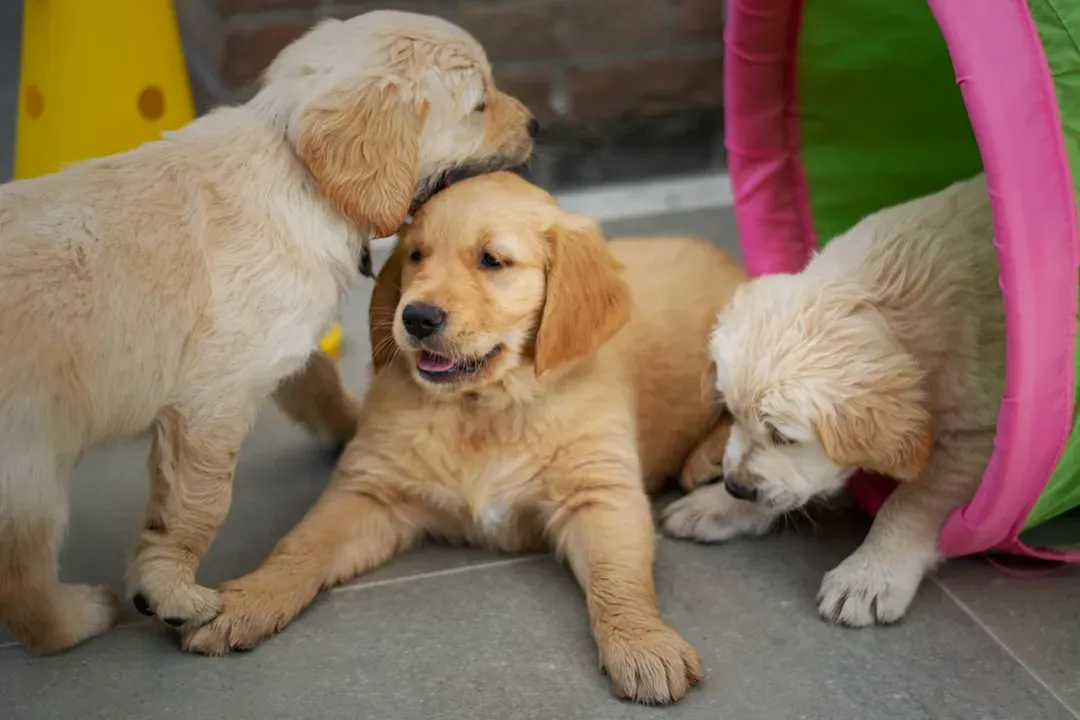
Most of the time, if a dog fears strangers, she has simply been under-socialized to them; during the critical socialization period from about 3 to 16 weeks of age, it is extremely important to introduce young puppies to as many unfamiliar people and places as possible, making sure that all new experiences are good ones. This mistake doesn’t happen during a single introduction, but it sets the stage for years of difficult interactions ahead.
According to the American Veterinary Society of Animal Behavior, improper socialization can lead to behavior problems later in life, and their position statement reads: “Behavioral issues, not infectious diseases, are the number one cause of death for dogs under 3 years of age.” That’s a sobering statistic. Many owners wait until their puppy is fully vaccinated at four or five months old before introducing them to new people, thinking they’re being protective. By then, the crucial window has largely closed.
There are safe ways to socialize young puppies. Give treats to people that want to meet your puppy, and strangers should avoid reaching for the puppy and allow the puppy to approach at his own pace. You can invite vaccinated, healthy friends to your home. You can carry your puppy in public places. The key is positive exposure during those precious early weeks.
Conclusion
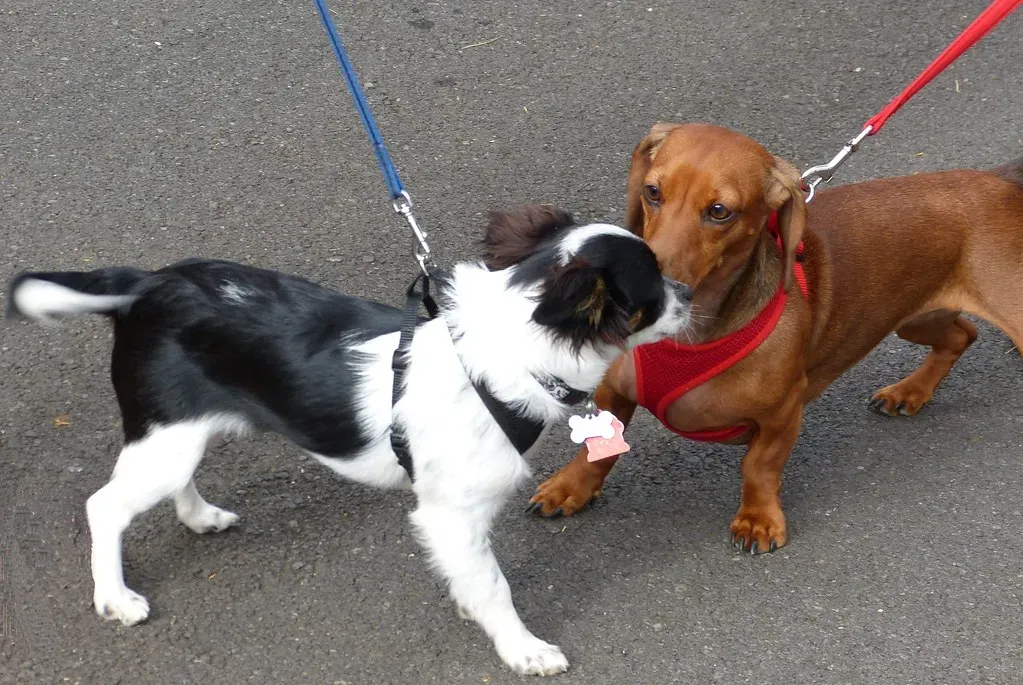
Introducing your dog to new people doesn’t have to be stressful or risky. When you learn to read your dog’s body language, respect their boundaries, manage the introduction process, and stay calm yourself, you set the stage for positive social experiences that build confidence rather than fear. Remember, every interaction is an opportunity to either strengthen or weaken your dog’s trust in you as their advocate.
The mistakes we’ve covered here are common precisely because they feel natural to us as humans. We want to be polite, we want our dogs to be friendly, and we want social situations to go smoothly. The trick is learning to see these moments through your dog’s eyes instead of your own. What feels friendly to you might feel threatening to them. What seems like reassurance might accidentally reinforce fear.
Take your time with introductions. There’s no rush. A dog who learns that new people equal good things, approached at their own pace, will become far more social than one who’s been forced into uncomfortable situations over and over. So what do you think? Have you been making any of these mistakes without realizing it? It’s never too late to start doing things differently.


