You’ll never forget the first moment you held your puppy. Those tiny paws, that soft fur, the unconditional trust in those bright eyes. Your heart melts instantly, and you make a silent promise to protect this little life no matter what.
Puppies, though, are incredibly vulnerable. Their immune systems are still developing, their bodies are fragile, and honestly, they can go from bouncing off the walls to seriously ill faster than you might think. Unlike adult dogs who might bounce back from minor upsets, puppies don’t have that luxury. What seems like a small hiccup can spiral into something frightening within hours.
That’s why knowing what to watch for isn’t just helpful, it’s essential. Some warning signs are subtle. Others hit you like a freight train. The trick is recognizing when something’s truly wrong versus normal puppy quirks. Let’s dive in.
Persistent Vomiting and Diarrhea

Let’s be real, puppies have sensitive stomachs. They eat things they shouldn’t, they get excited, they stress easily. Occasional digestive upset is common in puppies, so one soft stool or a single vomiting episode might not send you into panic mode.
Here’s the thing, though. Repeated vomiting, blood in the stool, or diarrhea lasting more than a day needs attention. When both happen together, that’s when alarm bells should ring. Vomiting and diarrhea together drastically increase the risk of dehydration and may signal ingestion of a toxic substance, gastrointestinal blockage, or serious viral infections like parvovirus.
Diarrhea itself can lead to dehydration, but along with vomiting, it can quickly lead to potentially fatal dehydration. Puppies are so small that they can’t afford to lose much fluid. If you notice your pup refusing water, having dry gums, or skin that doesn’t snap back when you gently pinch it, you’re looking at dehydration. Get to the vet immediately.
Watch for blood, too. Any red streaks or dark, tarry stool means internal bleeding and warrants an emergency visit. Your puppy’s life could literally depend on how fast you act.
Sudden Lethargy or Extreme Weakness

Puppies are meant to be wild little tornadoes of energy. Sure, they crash hard after playtime and sleep like rocks, but when they wake up, they should be ready to rumble again. Puppies should bounce back quickly after rest. If your canine pal seems listless, avoids play, or sleeps more than usual, it could be a sign of infection or internal discomfort.
Puppies tend to have high energy levels and are known for being playful and full of life. When puppies are lethargic, they may sleep more than usual, have little to no energy, and be uninterested in playing or interacting with people or other animals. This isn’t your pup just being lazy. Something is wrong.
A puppy that refuses food for more than 12 hours, appears unusually tired, or is reluctant to move may be showing early signs of systemic illness. Puppies with diarrhea often become dehydrated quickly, which can compound these symptoms and lead to life-threatening complications. Viruses like distemper, parvovirus, or even something as straightforward as low blood sugar can cause sudden lethargy.
If your puppy won’t lift their head, seems confused, or can’t stand up properly, that’s a veterinary emergency. Don’t wait until morning. Go now.
Difficulty Breathing or Labored Respiration

Breathing problems are terrifying to witness, and rightfully so. Respiratory distress is a serious medical emergency that occurs when a dog cannot get enough oxygen to meet its body’s demands and requires immediate attention. You might notice your puppy gasping, breathing with their mouth wide open even when resting, or making strange wheezing or honking sounds.
Respiratory issues like kennel cough or canine influenza often begin with subtle coughs or clear nasal discharge. Monitor for signs of labored breathing, especially in young pups. It might start as just a cough, but if your puppy’s chest is heaving with effort or their gums look pale or bluish, you’ve got seconds to minutes, not hours.
Puppies can be prone to pneumonia, heartworm disease, lungworm, and even congenital heart issues. Sometimes it’s an infection. Other times it’s a structural problem with the heart or lungs that you didn’t know existed. Either way, your puppy can’t tell you they can’t breathe. You have to see it.
If you spot any of these signs, stay calm but move fast. If you notice that your dog is showing any signs of respiratory distress, quickly and calmly take them to the nearest emergency animal hospital. Call ahead when possible so the staff can prepare for your arrival. Every second counts.
Loss of Appetite or Refusal to Drink

Puppies are usually little eating machines. They need a lot of fuel to grow, so when a puppy suddenly stops eating, it’s a huge red flag. If your pup suddenly stops eating or drinking – or begins drinking excessively – it may signal illness. Conditions like gastrointestinal upset, kidney issues, or even diabetes (rare, but possible) can cause these changes.
Missing one meal might not be the end of the world, especially if your puppy seems otherwise happy and playful. But refusing multiple meals or refusing water altogether? That’s serious. Dehydration sneaks up fast on tiny bodies, and low blood sugar can cause seizures or collapse in puppies.
On the flip side, excessive drinking paired with lethargy or vomiting can point to kidney problems or infections. You know your puppy’s habits better than anyone. If something feels off, trust your gut.
Watch their energy levels closely. A puppy who won’t eat but is still zooming around might just be picky. A puppy who won’t eat and won’t move is in trouble.
Uncontrollable Shaking, Tremors, or Seizures
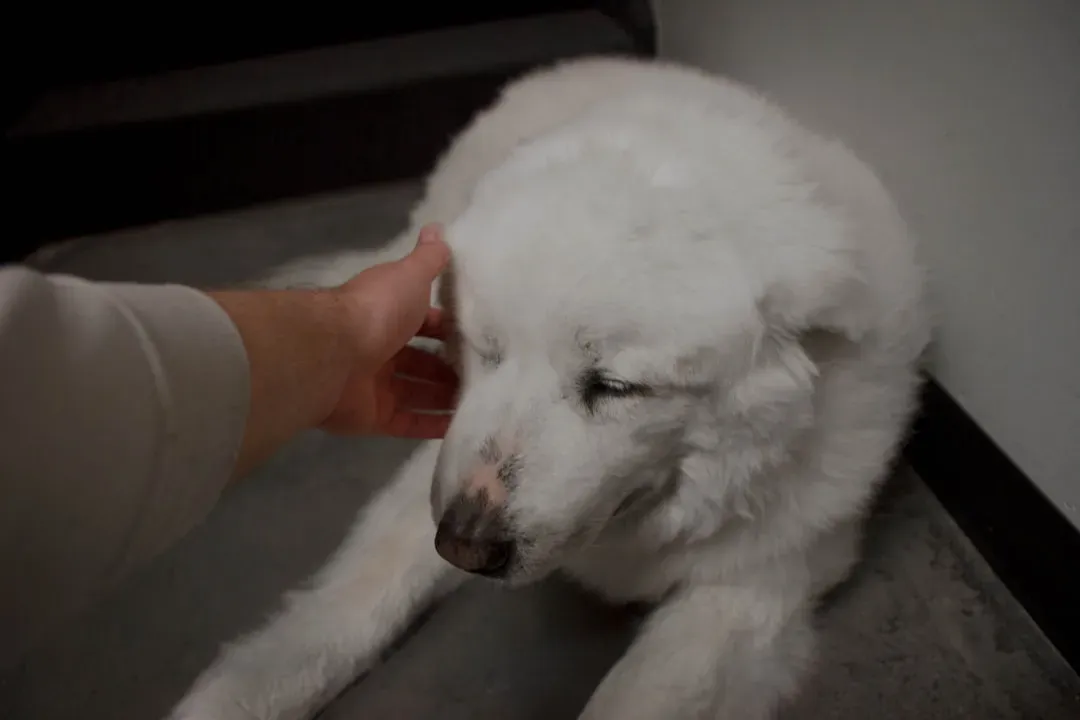
Seeing your puppy shake uncontrollably or have a full-blown seizure is absolutely horrifying. Persistent shaking, tremors, head tilts, unsteady gait, or seizures are serious red flags pointing to distemper or neurological conditions. Seizures can look different depending on the type. Sometimes it’s a grand mal seizure where your puppy falls over, paddles their legs, and loses consciousness. Other times it might just look like weird facial twitching or staring blankly into space.
Dog seizures lasting more than five minutes require emergency care. This condition can cause brain damage or overheating. It is a medical emergency if a puppy less than 6 months old has a seizure. In any of the following cases, seizing is a medical emergency, regardless of age: Lasts longer than 3 minutes or occurring repeatedly in rapid succession (clusters).
If your puppy has a seizure, don’t panic. Keep them away from stairs or furniture where they might hurt themselves. Never put your hand near their mouth. Time the seizure if you can, and get them to a vet immediately if it lasts more than a couple of minutes or if they have more than one in a short period.
Seizures can be caused by toxins, low blood sugar, infections, or congenital brain issues. Whatever the cause, your vet needs to know about it right away.
Pale Gums or Unusual Gum Color

Your puppy’s gums can tell you a lot about what’s happening inside their body. Healthy gums should be pink and moist, kind of like the color of bubblegum. If you press gently on them, the color should return within a second or two after you release.
Pale gum color can indicate internal bleeding and can lead to life-threatening anemia. If your puppy’s gums are white, gray, or very pale pink, that’s a sign they’re not getting enough oxygen or they’ve lost blood somewhere. This is an absolute emergency.
Blue or purple gums mean your puppy isn’t getting enough oxygen, which can happen with severe respiratory distress or heart problems. Yellow gums can indicate liver problems or a condition where red blood cells are being destroyed too quickly.
Checking your puppy’s gums takes two seconds and could save their life. Make it a habit to lift their lip and take a peek, especially if they seem unwell. If the color looks off, don’t wait. Head to the vet immediately.
Swollen or Distended Abdomen

A puppy’s belly should be soft and relatively flat, though it might look a bit round after a meal. If you notice sudden swelling, hardness, or your puppy seems in pain when you touch their stomach, take it seriously. Distended abdomen can be a sign of bloat or other abdominal emergencies.
Bloat, also called gastric dilatation and volvulus, is more common in deep-chested breeds, but it can happen to any dog. It occurs when the stomach fills with gas or fluid and sometimes twists on itself. Bloat presents with repeated unsuccessful attempts to vomit, a swollen stomach, and rapid deterioration. This condition requires quick emergency care as it can be fatal within hours if untreated.
Puppies can also develop distended bellies from severe worm infestations, fluid buildup from organ failure, or intestinal blockages. If your puppy’s belly suddenly looks bloated, they’re trying to vomit but nothing comes up, or they’re pacing and whining, don’t wait to see if it gets better. This is life or death.
Get to an emergency vet immediately. Time is everything with bloat and other abdominal emergencies.
Eye or Nasal Discharge with Other Symptoms

A little clear discharge from your puppy’s eyes or nose isn’t always cause for alarm. Sometimes it’s just allergies or a bit of dust. But thick, yellow, or green discharge is a whole different story. Thick, yellow/green discharge, squinting, pawing, cloudiness or redness – particularly around the eyes – suggests infection, foreign bodies, or distemper.
Distemper is a serious viral disease that can be deadly, especially in unvaccinated puppies. It often starts with eye and nasal discharge, then progresses to coughing, fever, and neurological symptoms like seizures. If your puppy has goopy eyes and nose along with lethargy, loss of appetite, or coughing, get them to a vet right away.
Eye infections can also progress quickly in puppies. What starts as a bit of redness can turn into a painful ulcer or even blindness if left untreated. If your puppy is squinting, pawing at their face, or has swollen, red eyes, that’s not something to wait on.
Nasal discharge paired with difficulty breathing, especially if your puppy sounds congested or is struggling to catch their breath, needs immediate attention. Respiratory infections in puppies can become life-threatening surprisingly fast.
Conclusion

Your puppy depends on you completely. They can’t tell you when something hurts or when they’re feeling off. All they can do is show you through changes in behavior, appetite, energy, or physical symptoms. Recognizing these eight red flags early could mean the difference between a minor scare and a devastating loss.
Trust your instincts. If something feels wrong, it probably is. Don’t second-guess yourself or worry about looking silly at the vet’s office. Better to hear “everything’s fine” than to wait too long and hear “I wish you’d brought them in sooner.” Many puppy illnesses can be managed – or even prevented – if caught early.
Keep your vet’s number handy. Know where your nearest emergency animal hospital is located. And above all, pay attention to your puppy’s normal behavior so you’ll notice when things change. You’re their whole world, and they’re counting on you to keep them safe.
Have you ever experienced a health scare with your puppy? What symptoms did you notice first?