

Have you ever walked into a room full of people and watched a dog make a beeline for one person while completely sidestepping another? Maybe you’ve been on either end of that scenario. It’s puzzling, sometimes even a little hurtful. The thing is, our canine companions aren’t being randomly picky or trying to hurt anyone’s feelings. They’re simply responding to a complex web of sensory information, past experiences, and emotional cues that we humans barely register.
Dogs are constantly gathering information about the people around them. They’re reading body language, picking up on invisible scent molecules, and even tuning into the energy we project without saying a word. Think of them as four-legged emotional detectives, piecing together clues we don’t even know we’re leaving behind. Some people seem to have an almost magical connection with dogs, while others struggle to win them over despite their best efforts.
So what’s really happening when a dog chooses to curl up next to one family member but keeps their distance from another? Let’s explore the fascinating reasons behind these preferences.
They’re Reading Your Body Language Like a Book
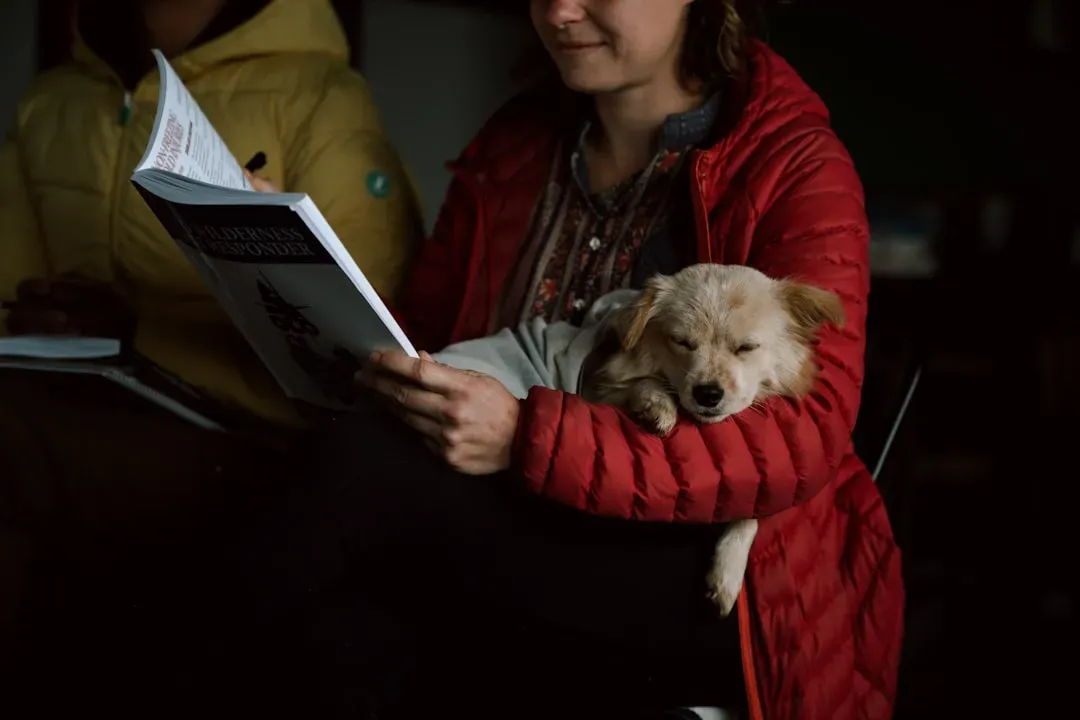
Dogs are incredibly skilled at interpreting human body language and feel more comfortable around people who exhibit calm, confident demeanors rather than those who are anxious or overly excitable. Your posture, the way you move, even how you hold your hands matters more than you’d think. Dogs prefer people who move slowly and deliberately, without sudden gestures that might feel threatening.
Sometimes dog body language is simply unfamiliar to humans, and at other times it’s in direct contrast with what that same signal means to a human, such as yawning or looking away. When you avoid direct eye contact and turn your body slightly to the side, you’re actually speaking their language. Dogs often use appeasement behaviors like avoiding eye contact or angling their bodies away to signal they’re not a threat, which is why so many dogs love people who aren’t all over them the second they come home. The person who ignores the dog at first often becomes their favorite because they’re giving the dog space to make the first move.
Your Scent Tells Them Everything They Need to Know
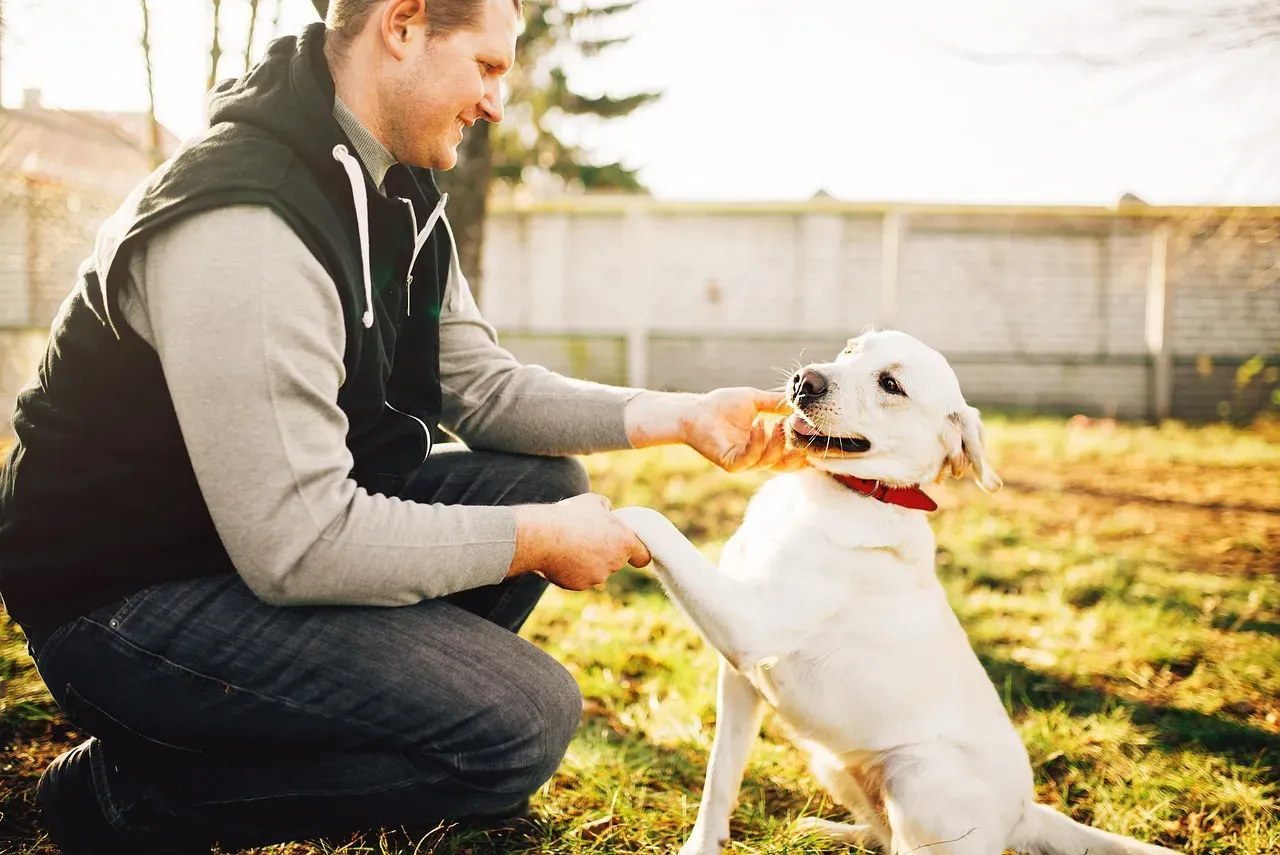
Let’s be real, dogs live in a world of smells that we can barely comprehend. Dogs have roughly forty times more smell-sensitive receptors than humans, ranging from about 125 million to nearly 300 million in some dog breeds. That’s not just impressive, it’s mind-blowing. Your unique scent signature includes information about your diet, your stress levels, even your emotional state.
Dogs sense fear and anxiety via their noses, and when we are stressed or scared, we secrete adrenaline, which dogs detect even though we cannot smell it. If you’re nervous around dogs, they absolutely know it. Dogs may respond positively to specific human pheromones, and when someone frequently brings treats or pets them gently, the dog associates that scent with pleasure. Your body chemistry becomes linked with either positive or negative feelings in their minds, creating an instant reaction when you enter the room.
They’re Watching How You Treat Their Favorite Humans
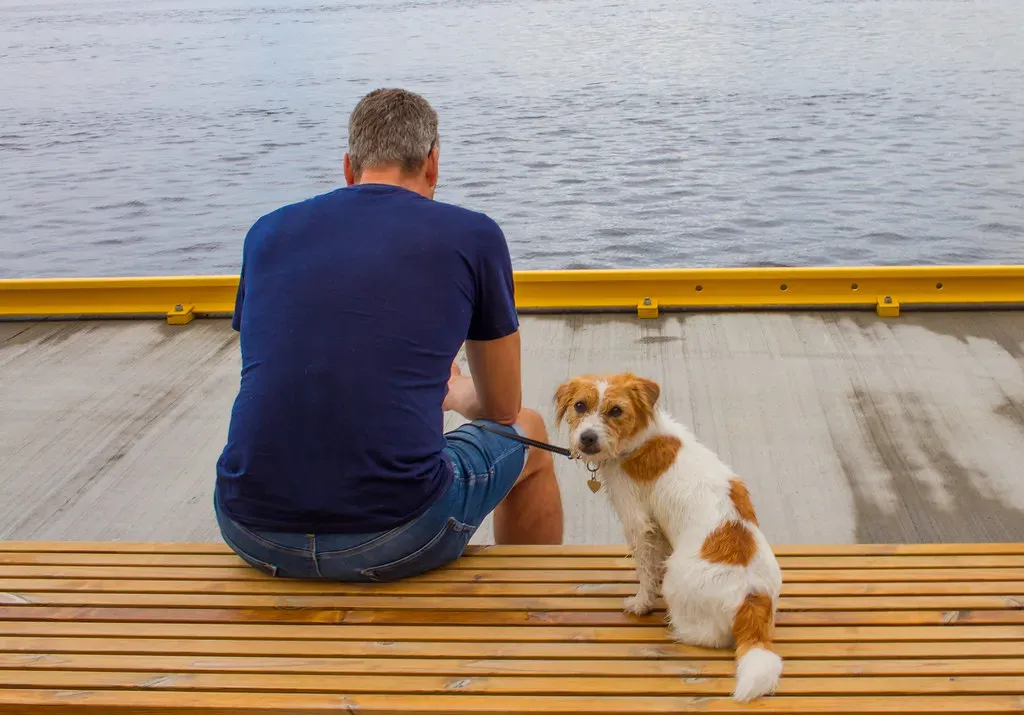
Here’s something that might surprise you. Research has shown that dogs are constantly observing the way their owners interact with other people and use this information to form opinions through something called social eavesdropping. Dogs are basically keeping tabs on everyone’s behavior. If you’re friendly and helpful toward their owner, you’re more likely to get the tail wag treatment.
Studies found that dogs avoided the offer of a treat from people who behaved unhelpfully toward their owners and preferred the treat from neutral bystanders. They’re not just passive observers; they’re making judgment calls based on what they witness. If someone slights you or acts in an unhelpful or unfriendly way, your dog may very well react by snubbing or avoiding that person in future interactions. Honestly, it’s a bit like having a tiny, furry bodyguard with a surprisingly good memory.
Past Experiences Shape Their Preferences
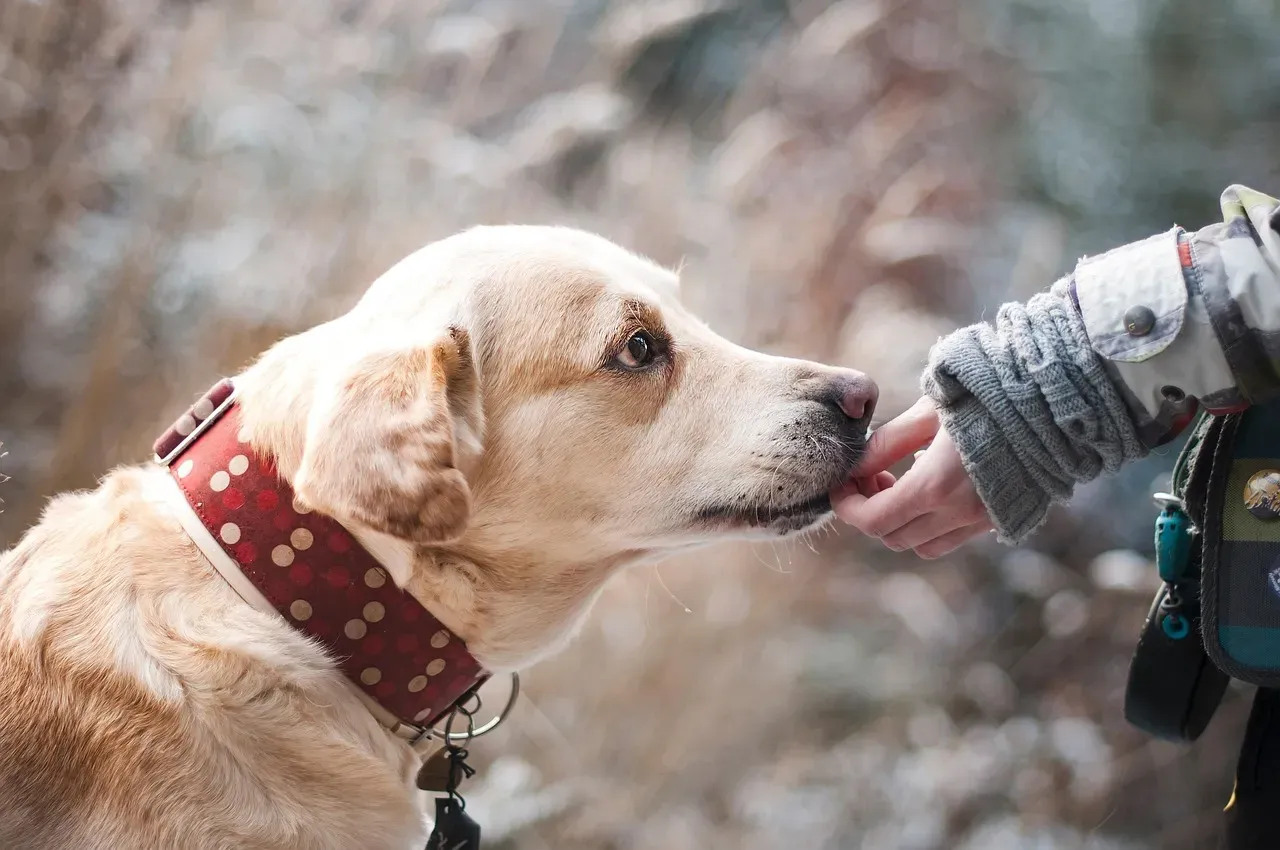
Past trauma can influence a dog’s preferences, and dogs that have been mistreated or neglected may show fear or aggression towards people resembling their past abusers. This isn’t about holding grudges; it’s survival instinct. A dog who had negative experiences with someone wearing a baseball cap might be wary of everyone in hats. It sounds specific, but it happens all the time.
Early social interactions during critical developmental stages shape a dog’s future behavior, and puppies exposed to various people and environments tend to be more well-adjusted adults. The first few months of a puppy’s life create a blueprint for how they’ll interact with humans forever. If they encountered mostly gentle, patient people early on, they’ll likely gravitate toward similar personalities throughout their lives. Building trust with a dog who’s had rough experiences takes time, patience, and consistent kindness, but the bond you create is absolutely worth the effort.
Your Energy Level Either Matches or Clashes With Theirs
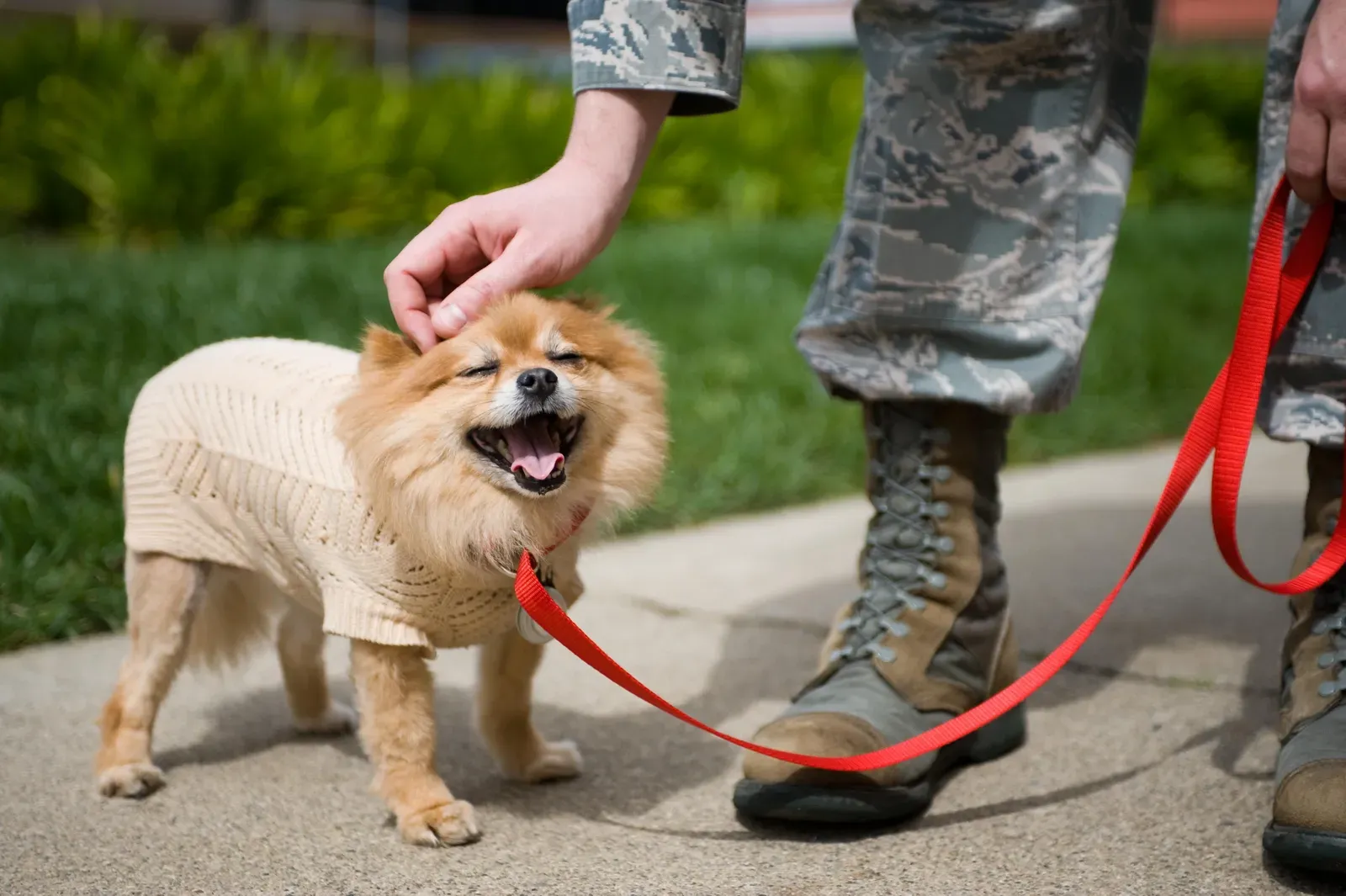
Dogs often choose a favorite person who matches their own energy level and personality, with the saying ‘like attracts like’ applying to dogs and people. If you’re a marathon runner with boundless enthusiasm, a high-energy Border Collie might become your shadow. Conversely, a laid-back senior dog might prefer the family member who enjoys quiet evenings on the couch.
Dogs can sense human emotions and energy levels, often reacting instinctively, and a calm demeanor makes dogs feel secure while anxiety may make them wary. Dogs are incredibly sensitive to the vibes we put out. Someone who’s constantly frazzled and rushing around might make a nervous dog even more anxious. Some people naturally project a calm, steady energy that dogs find comforting. It’s not about being boring; it’s about being predictable and safe in a dog’s eyes.
The Tone and Pitch of Your Voice Matters More Than Words
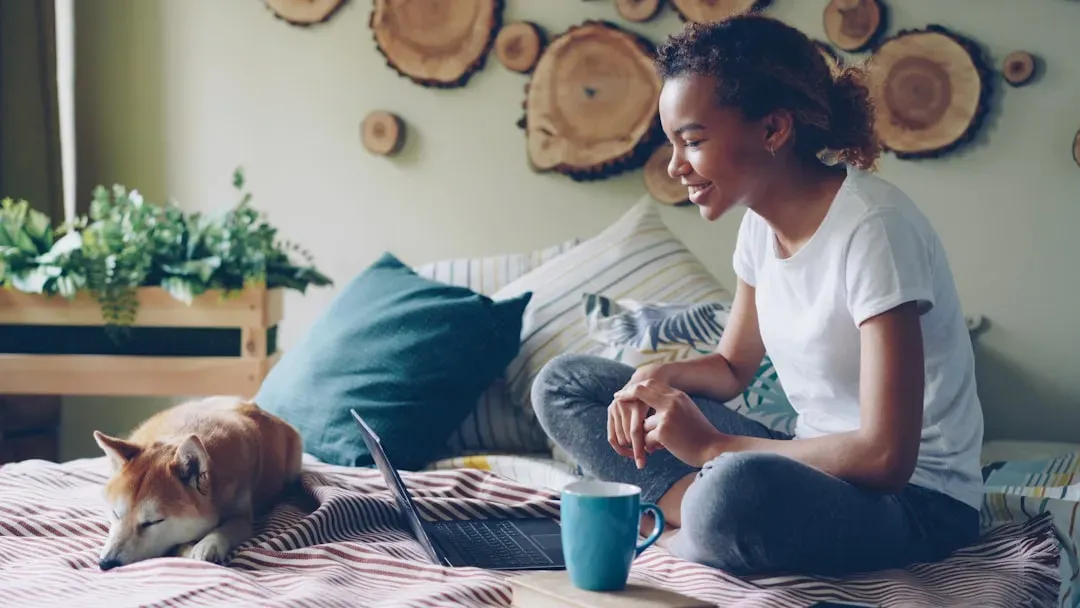
The tone used to address a dog plays a significant role in how they respond, and dogs are drawn to people who use a soft, friendly, and enthusiastic tone when speaking. High-pitched, gentle voices often trigger positive responses because they sound less threatening and more inviting. Dogs aren’t parsing your sentences for meaning; they’re tuning into the emotional content carried by your voice.
High-pitched voices resemble how humans speak to babies and can elicit positive responses, and dogs may be more drawn to those who frequently talk to them in a predictable, comforting tone. Think about how you’d talk to a scared child versus how you’d shout at someone who cut you off in traffic. Dogs respond to that same emotional temperature in your voice. The person in your household who uses a gentle, playful tone consistently becomes the one the dog seeks out for comfort and companionship.
Consistency and Positive Associations Build Loyalty
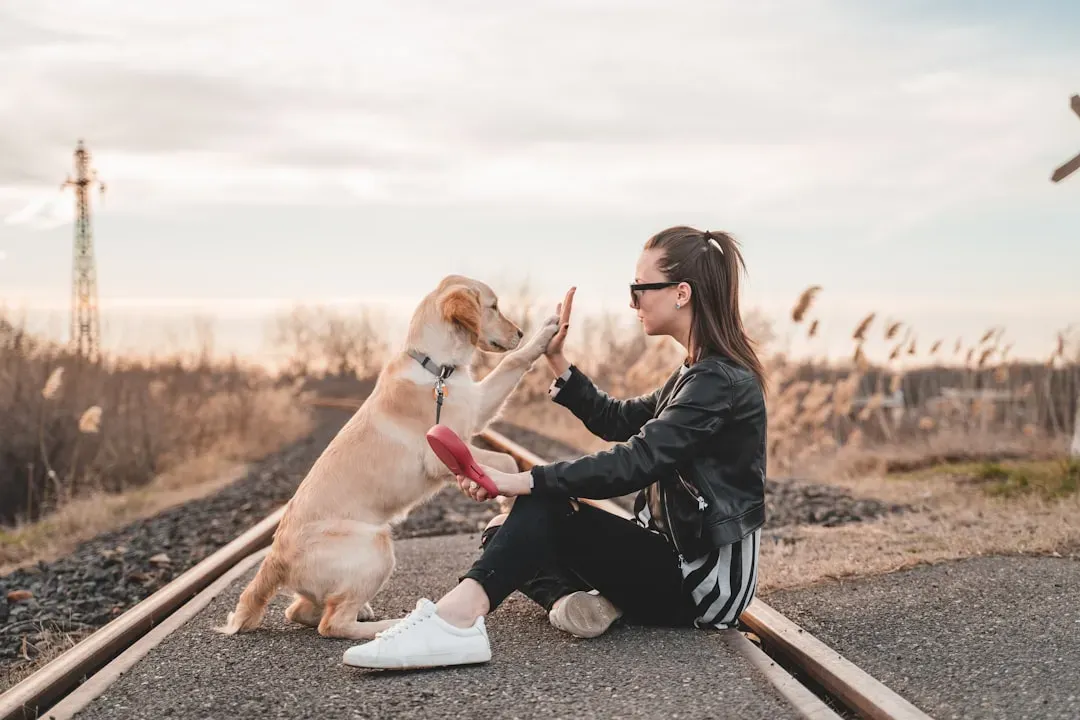
Dogs form their strongest attachments to people who consistently provide positive experiences and fulfill their basic needs for safety, comfort, and enjoyment through positive association. It’s not just about who feeds them, though that certainly helps. It’s about creating a pattern of good experiences. The person who takes them on walks, plays fetch, or sits calmly with them during thunderstorms earns a special place in their heart.
Dogs tend to choose the person who spends the most time with them, rewards them in ways they like, and best speaks their language. Different dogs value different things. Some prioritize play, others food, and some just want your undivided attention. Most dogs tend to bond to the person who gives them the most attention, such as in a family where the dog may favor the parent who fills their bowl every morning and takes them for a walk every evening. Consistency creates trust, and trust creates devotion.
They’re Reacting to Signs of Confidence or Insecurity
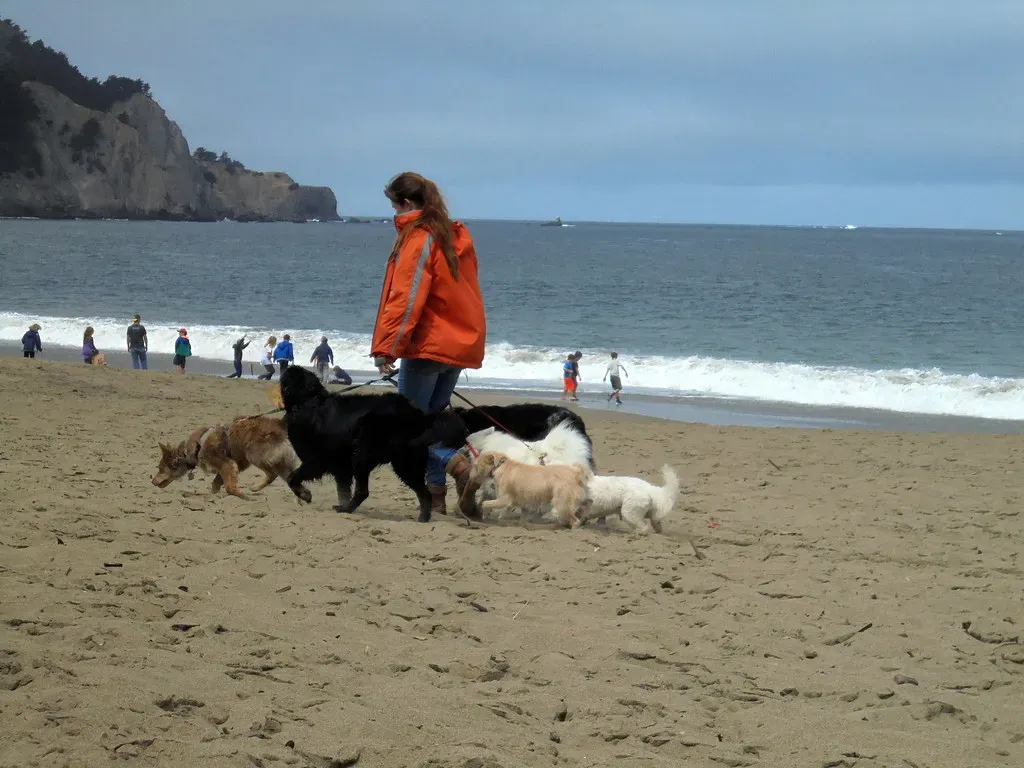
Dogs are attracted to individuals who behave confidently without being overbearing, and they often trust those who show genuine interest in them while giving them space to choose the interaction. There’s a sweet spot between being pushy and being dismissive. Dogs respect people who are self-assured but not dominating, who offer interaction without forcing it.
If a person displays nervous or aggressive behavior, a dog might interpret these actions as threatening and respond by avoiding the person. Nervous energy translates to unpredictability in a dog’s mind, and unpredictability feels dangerous. Someone who’s genuinely comfortable around dogs, who doesn’t need the dog’s approval but welcomes their company, often wins them over effortlessly. It’s the paradox of dog affection: the less desperately you seek it, the more freely it’s given.
Conclusion
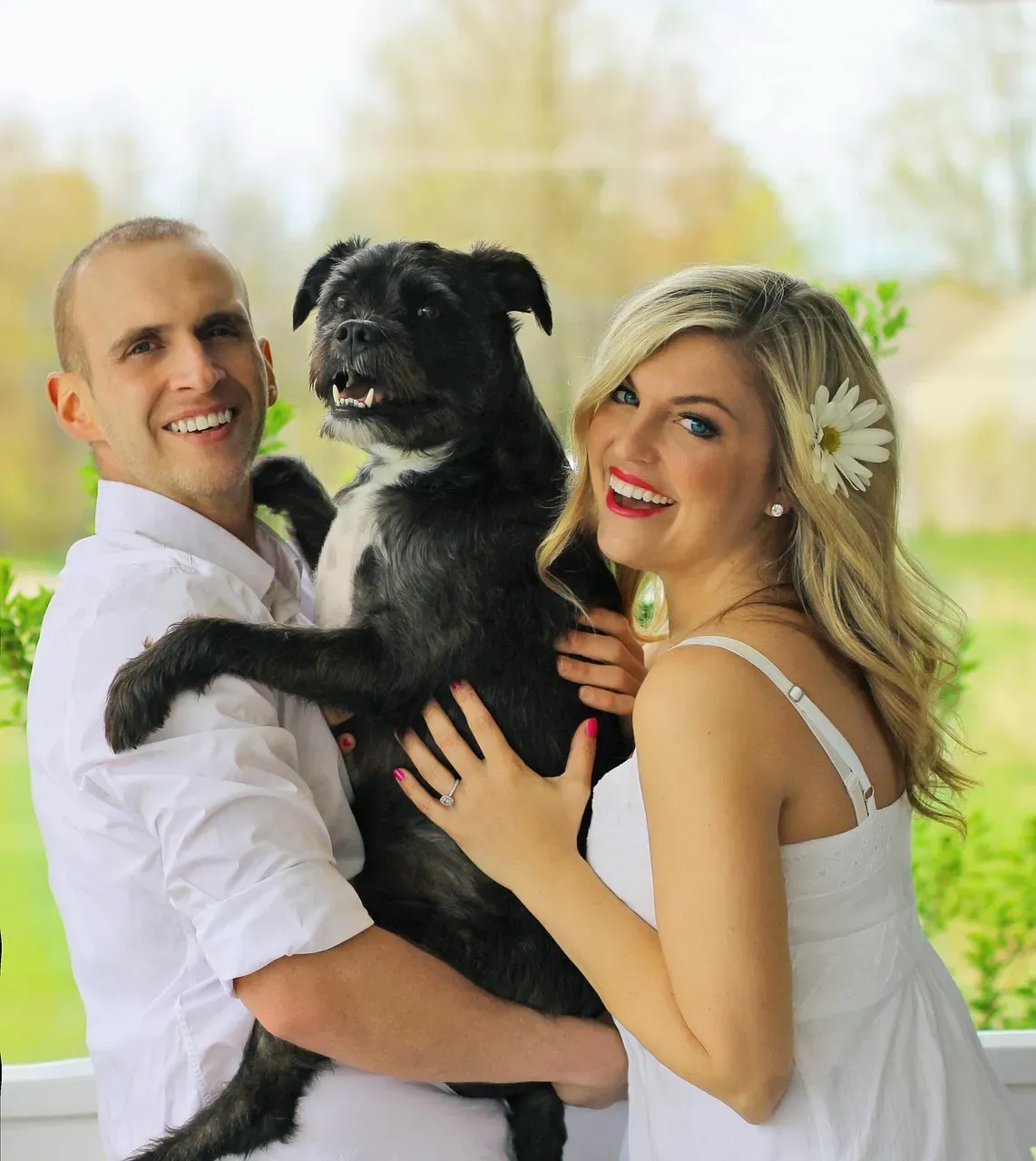
Understanding why dogs gravitate toward certain people while keeping their distance from others reveals just how sophisticated and emotionally intelligent these animals really are. They’re not being stubborn or difficult; they’re responding to a complex mix of sensory input, learned experiences, and genuine emotional reading that most of us barely realize is happening. From the scent molecules we emit when stressed to the subtle shift in our posture when we’re feeling confident, dogs pick up on details that escape our conscious awareness.
The beautiful thing is that these preferences aren’t set in stone. With patience, consistent positive interactions, and an awareness of what your body language and energy are communicating, you can absolutely build a strong bond with even the most selective dog. Remember, they’re giving you honest feedback about how they experience your presence. That’s actually a gift, even when it stings a little. Have you noticed your own dog showing clear preferences? What do you think they’re picking up on that the rest of us are missing?


