

You see them on Instagram, those fluffy white clouds bouncing through parks with their signature puffball heads. The Bichon Frise looks like a living teddy bear, and honestly, who wouldn’t fall for that cheerful face? These dogs have captured hearts for centuries, from European royal courts to modern family homes. They’re undeniably adorable, affectionate, and full of personality.
Yet here’s the thing people don’t always mention in those cute videos: this breed comes with demands that catch many new owners completely off guard. Bichons aren’t just fluffy companions you can bring home and expect to fit seamlessly into any lifestyle. They have specific needs that can be challenging, time-consuming, and frankly, expensive. Before you fall head over heels for that cottony coat and those dark button eyes, you need to understand what you’re truly signing up for. Let’s dive into the reality behind the fluff.
Their Grooming Demands Are Relentless and Costly
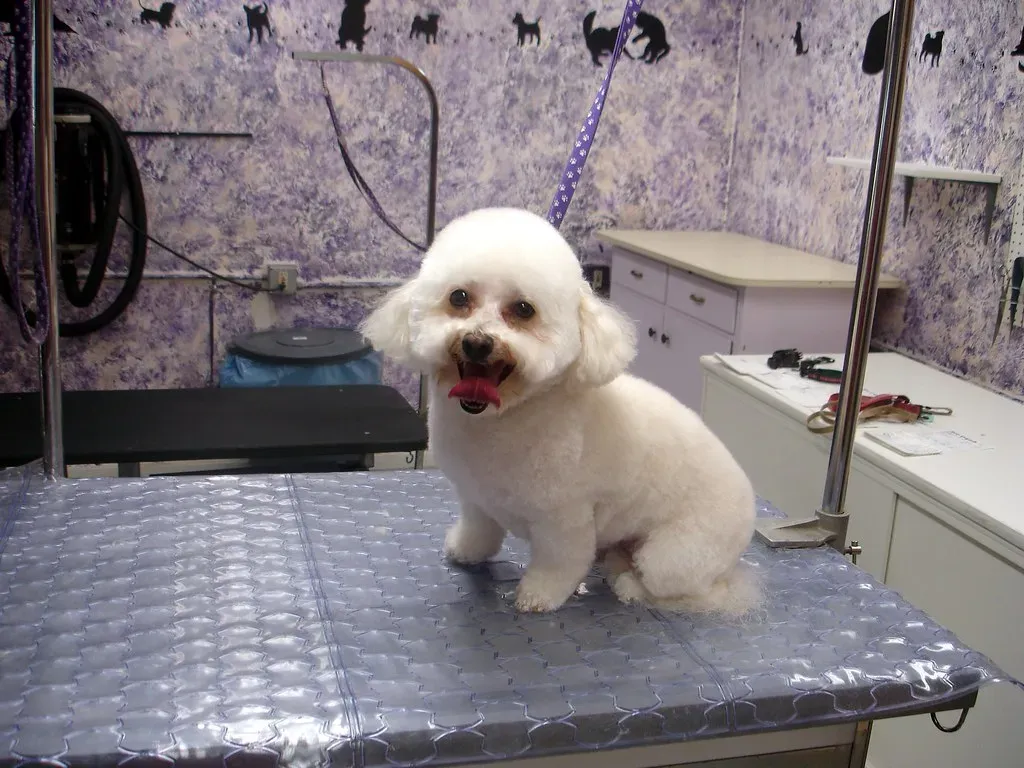
Bichon Frises are beautiful dogs that require high-end grooming, and their grooming can be very high-maintenance. These dogs should be brushed at least three to four times a week, and they typically require professional grooming every four to six weeks. We’re not talking about a quick brush here and there.
As the dog approaches a year old and develops its double coat, mats can occur daily behind the ears, armpits, and where the body meets the legs, and if left unattended, these mats turn into felt-like patterns that require either shaving the dog to the skin or painful removal. Missing even a few days of brushing can create a grooming nightmare. The financial commitment adds up fast when you factor in professional grooming sessions that can cost anywhere from fifty to over a hundred dollars each visit.
Think you can skip the groomer and do it yourself? Grooming a Bichon Frise can be both difficult and time-consuming, and it may take a while to successfully master the grooming routine. You’ll need specialized tools, patience, and a dog willing to sit still for extended periods. For busy professionals or families already stretched thin, this grooming schedule can feel overwhelming.
Separation Anxiety Isn’t Just a Phase – It’s Part of the Package

Let’s be real: Bichons were bred to be companion dogs. Their loyalty and affectionate nature come at the cost of an inability to be left alone for too long, and when left alone at home, they may become anxious, resulting in destructive behavior, excessive barking, and whining.
If the family is going to be gone most of the day, your Bichon could develop separation anxiety, and they need at least one person to be home most of the day for them to stay happy and healthy. This isn’t a dog you can leave for eight or nine hours while you work. I know it sounds crazy, but some Bichons will literally follow you from room to room, unable to relax unless you’re in sight.
Separation anxiety often manifests itself by your Bichon Frise pacing, drooling, biting, or being destructive while you’re away. Imagine coming home to shredded cushions, scratched doors, or accidents throughout the house. Training can help, but it requires consistent effort and patience. If you travel frequently for work or enjoy spontaneous weekend getaways, a Bichon might not be the right fit.
They Can Be Surprisingly Vocal and Yappy

On a yappiness scale of one to ten, these dogs rate around six to eight, and since they are naturally alert, they start barking at every little thing that catches their attention. That mail carrier approaching your door? Bark. A leaf blowing past the window? Bark. Someone walking their dog three houses down? You guessed it – bark.
This breed can be quite vocal, so training and early socialization is key. Still, even with training, you’re working against their natural instincts. If you live in an apartment with thin walls or have neighbors sensitive to noise, this tendency can create tension. The barking isn’t malicious; they’re just alerting you to everything happening in their world. However, that doesn’t make it any less exhausting when you’re trying to work from home or enjoy a quiet evening.
Housetraining Can Test Your Patience Like Nothing Else

Housebreaking is the breed’s greatest behavioral challenge. Many small breeds struggle with potty training, and Bichons are no exception. They’re eager to please and learn quickly in many areas, but can be a little harder to house train than other breeds.
Why is this such a problem? Small bladders mean more frequent trips outside, and their sensitive nature means harsh corrections backfire spectacularly. While Bichon Frises are intelligent and easy-to-train dogs, house soiling can still be an issue if they haven’t been trained properly. You’ll need consistency, positive reinforcement, and the patience of a saint.
Accidents might continue well past puppyhood if training isn’t maintained religiously. If you’re someone who gets frustrated easily or doesn’t have the time to take your dog out multiple times throughout the day, this challenge will wear you down quickly. It’s hard to say for sure, but many Bichon owners admit that housetraining took significantly longer than they expected.
Their Health Issues Come With Hefty Veterinary Bills

The average Bichon Frise lifespan is fourteen to fifteen years, but they can develop a few common health conditions during their long life. Bichon Frises are more prone to developing diabetes than other dogs. Diabetes in dogs is a disease of the pancreas that results in a failure to regulate blood sugar, causing high blood sugar that requires daily insulin injections and a special diet prescribed by a veterinarian.
Small breeds are especially prone to dental problems because of crowded teeth, and plaque and tartar build up quickly, leading to infection, bad breath, and even tooth loss. Cataracts may begin developing when Bichon Frise puppies are as young as six months old. These aren’t minor issues you can ignore.
Patellar luxation is common in small breeds like the Bichon Frise. Regular veterinary checkups become non-negotiable, and pet insurance is strongly recommended. The costs can add up shockingly fast, especially if your Bichon develops multiple conditions as they age. If you’re on a tight budget, the financial burden of owning a Bichon can become genuinely stressful.
They Demand Constant Attention and Interaction

Bichons love to play and need lots of attention and affection to be happy, and if they’re bored or lonely, they may turn to undesirable behaviors like excessive barking or chewing in an effort to entertain themselves. This isn’t a dog that will contentedly nap in the corner while you binge-watch your favorite show.
Bichons can suffer from separation anxiety, demand a lot of attention when you are home, and become bored easily. They want to be involved in everything you do. Cooking dinner? They’re right there at your feet. Working at your desk? They’re staring at you, waiting for interaction. Taking a bathroom break? Good luck closing that door.
For some people, this level of companionship is exactly what they want. However, if you value your independence or have a lifestyle that requires focused, uninterrupted time, a Bichon’s neediness can feel suffocating. They’re not content to entertain themselves for long stretches, which means you need to actively engage with them throughout the day.
They’re Prone to Developing Small Dog Syndrome
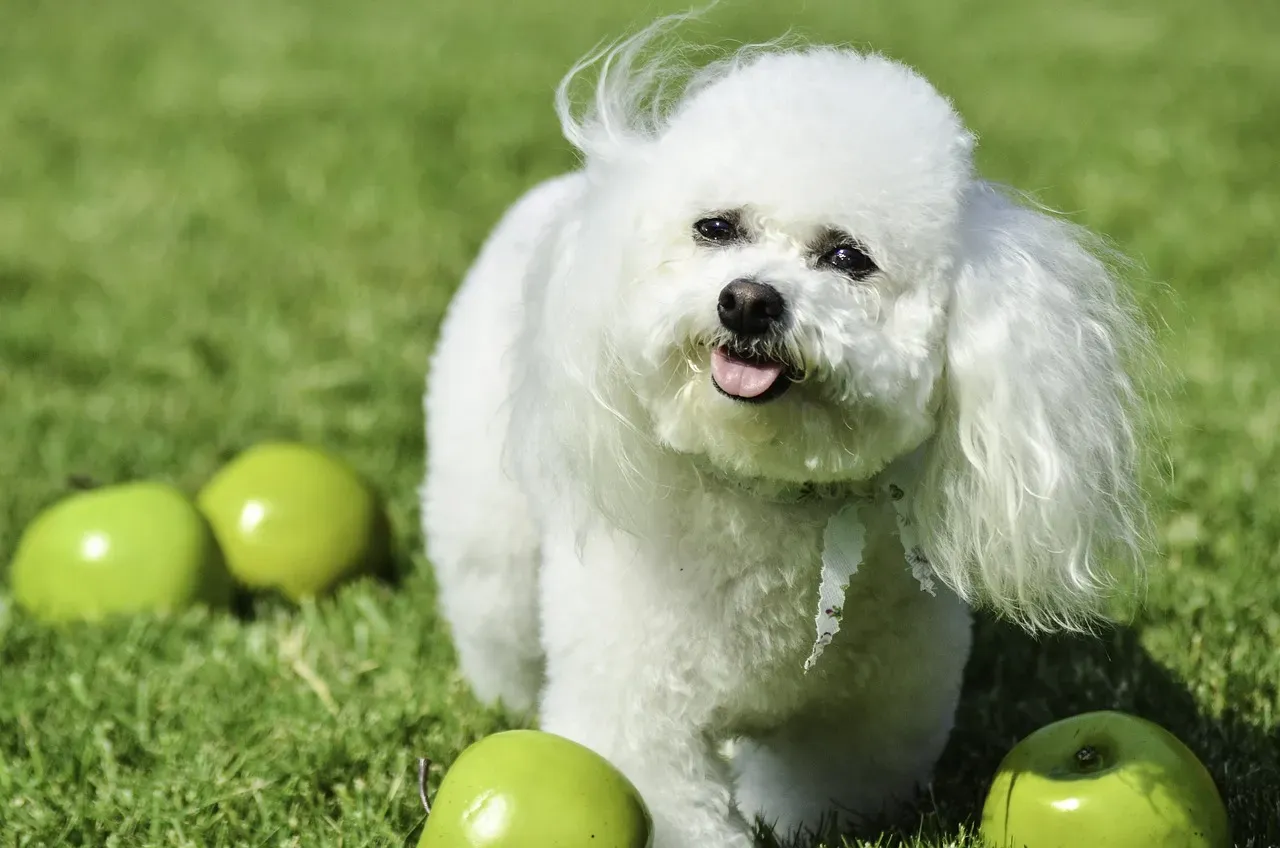
Don’t let them get away with unwanted behavior because they’re cute, as this often happens with small adorable pooches and can cause them to develop unwanted behavioral issues, and the Bichon Frise might try to test the limits of what they can get away with. It’s tempting to let that fluffy little face get away with things you’d never tolerate from a larger breed.
This self-assured breed may become overbearing if not trained well from an early age, so start puppy training from around three months old to reduce the likelihood of common Bichon Frise problems. Without proper boundaries, Bichons can become demanding, bossy, and difficult to manage despite their small size.
They might growl when you try to move them off furniture, refuse to follow commands, or become possessive of toys and food. The problem isn’t the dog’s fault – it’s the owner’s inconsistency. Still, correcting these behaviors once they’re established is significantly harder than preventing them in the first place. If you’re a first-time dog owner who might struggle with firm, consistent training, this breed’s tendency toward small dog syndrome can spiral quickly.
Their White Coats Show Every Speck of Dirt and Require Special Care
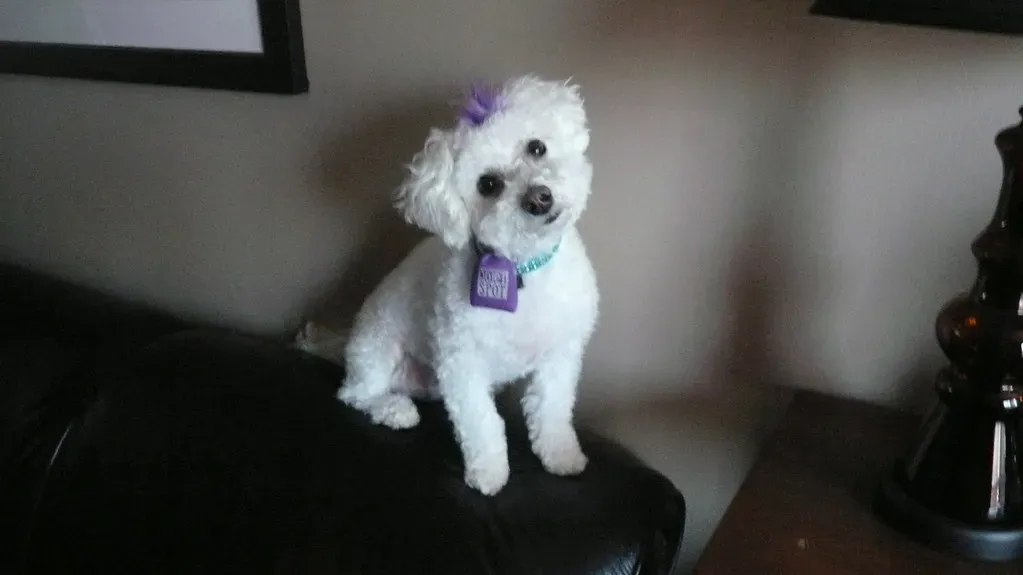
Because they don’t shed as much as other dog breeds, they are considered to be a hypoallergenic dog breed. That sounds great, right? However, that beautiful white coat comes with its own set of challenges. Tear stains are common in Bichon Frises, especially around the eyes, and you need to wipe daily with a damp cotton pad and ensure your pup’s diet has no artificial additives.
That pristine white fur shows every bit of dirt, grass stains, and discoloration. One romp through a muddy park and your fluffy cloud looks like a dingy dishrag. You need to brush three times a week and bathe at least once a month. Realistically, many Bichon owners find themselves bathing their dogs even more frequently to maintain that clean appearance.
The tear staining alone requires daily attention. Neglect it for even a few days and those reddish-brown streaks become noticeably worse. If you’re someone who wants a low-maintenance pet or doesn’t have time for daily grooming rituals, this breed will quickly become frustrating. Let’s be honest: maintaining a Bichon’s appearance is practically a part-time job.
Conclusion: Love Alone Isn’t Enough

The Bichon Frise is undeniably charming, affectionate, and full of personality. For the right owner, they can be wonderful companions who bring joy and laughter into every day. However, they’re definitely not a breed that fits into every lifestyle.
From relentless grooming demands and separation anxiety to health concerns and neediness, Bichons require significant time, money, and emotional investment. If you work long hours, travel frequently, have a tight budget, or simply prefer a more independent dog, this breed will likely overwhelm you.
The key is honest self-reflection before you commit. Can you truly meet their needs, or are you enchanted by their appearance without considering the reality? These dogs deserve owners who understand what they’re getting into and can provide the life they need to thrive.
What do you think? Are you prepared for the beautiful chaos that comes with owning a Bichon Frise?


