
Here’s something that might genuinely surprise you. That growl your dog just let out, that sudden snap, that menacing stare directed at a perfectly harmless visitor? It probably has nothing to do with your dog being “bad” or “born mean.” Most people jump to the worst conclusion when their dog shows aggression. They assume something is deeply, unfixably wrong.
The truth is far more hopeful than that. Although some dogs are naturally slightly aggressive, most dogs don’t show extreme aggression without a reason. There’s almost always something driving the behavior, and the moment you understand what that something is, everything changes. Your dog isn’t a ticking time bomb. Your dog is trying to tell you something. Let’s dive in.
Your Dog Is Hiding Pain You Can’t See
Let’s be real. Dogs are stoic creatures. They don’t limp dramatically or whimper to make a point. Pain in dogs is sneaky, and it has a direct link to aggression that far too many pet parents miss. Dogs use aggression to protect themselves from pain, and even the most gentle dog can become aggressive when it’s hurt.
Think of it this way. Imagine someone poked you on a bruise you didn’t know you had, and you couldn’t explain why it hurt. You’d lash out too. Dogs cannot understand that painful sensations can result from past activities, like an arthritic dog’s really long romp in the yard. They connect what they are feeling, which is pain, to what’s happening right now, like being touched, being startled by a loud noise, or being jostled while resting.
Aggressive dogs are sometimes found to have medical conditions such as hip dysplasia, which caused them pain and marred their overall wellbeing. The fix? Get a full veterinary checkup before assuming the worst. Pain treated is often aggression resolved.
Fear Is Doing the Talking, Not Anger

Fear is the most common reason for dog aggression. When faced with a scary situation, dogs have a fight-or-flight response, like humans. When a scared dog feels trapped, meaning they can’t choose flight, they will show aggression. It’s pure survival instinct, not malice.
Picture a shy kid backed into a corner by a school bully. They might throw a punch, not because they’re violent, but because they see no other way out. Your dog operates the same way. Dogs that display aggression are not mean or bad dogs. They are simply afraid or fearful and anxious about a perceived or anticipated threat or unpleasant outcome.
Watch for these fear signals before things escalate: tucked tail, pinned ears, a low body posture, or attempts to back away. A dog who is afraid may not give a warning sign such as showing their teeth or growling before biting. You can observe the dog’s body language. A dog who is afraid may appear tense and stiff or may attempt to escape.
Poor Socialization During Puppyhood Left Lasting Scars

Here’s the thing about puppies. There’s a golden window, roughly from four to fourteen weeks of age, where new experiences shape a dog’s perception of the world forever. Miss that window, and everyday life can feel genuinely terrifying to your dog as an adult. An individual dog’s general threshold for aggression is heavily influenced by genetic predisposition, prenatal environment, and exposures during early socialization, approximately four to fourteen weeks of age.
Anxious dogs are often reactive due to a lack of socialization while they were a puppy. Things that would be no big deal to other dogs are overwhelming instead. Or a previous bad encounter, such as being attacked by another dog, can create fear later in life.
The good news is that it’s never fully too late. The more enriched a puppy’s first twelve weeks are, the more capable they are to adjust to the world around them as they grow older. Socialization also includes positive experiences with people and other dogs. If they’re exposed to negative or scary situations, they might find it hard to cope with new things they encounter in their environment.
Resource Guarding Is an Ancient Survival Instinct

Has your dog ever frozen over their food bowl when you walked by? Or growled when you reached near their favorite chew toy? That’s resource guarding, and it’s one of the most misunderstood forms of aggression out there. Dogs who display resource guarding are aggressively possessive of the items that hold the most value to them. Usually, resource-aggressive dogs show aggression only when another person or pet gets near their most-loved items. These reactions can range from a warning growl to biting or a full attack.
It honestly makes evolutionary sense. This behavior evolved from furry friends’ wild ancestors, who had to compete for food, territory, and other resources to survive. Your well-fed house dog still carries that wiring deep in their brain.
Other dogs guard their food or other desired objects such as toys. Pressuring dogs and not respecting their warning signs in these circumstances can lead to a bite. Fortunately, once a behavior source is identified and understood, it often can be overcome with time, training, and confidence-building activities.
A Hidden Medical Condition Is Changing Their Brain Chemistry
Sometimes aggression isn’t emotional at all. It’s neurological or hormonal, and it can flip a dog’s personality seemingly overnight. This is one of the most heartbreaking causes because owners often blame themselves, wondering what they did wrong, when the answer is actually inside the dog’s body. Pain, thyroid problems, illnesses, and hormonal imbalances can cause an otherwise friendly dog to be cranky or display aggression. Dogs with hearing or vision loss can also exhibit extreme changes in behavior. If a medical issue is discovered, the aggression might subside on its own once the condition is treated.
Cognitive Dysfunction Syndrome is a common age-related disease in dogs that causes deterioration similar to Alzheimer’s disease in humans. Memory, learning, and awareness can all be impacted, sometimes leading to aggression that appears out of the blue. CDS usually begins to appear in dogs after the age of nine.
It’s hard to say for sure in every case, but aggressive behavior can be a symptom of, and exacerbated by, poor health or pain somewhere in your dog’s body. Research shows that anywhere from roughly a third to more than three quarters of behavioral problems, including aggression, are the symptom of an underlying medical problem. That statistic alone should make every dog owner pause.
Punishment-Based Training Backfired
Honestly, this one stings a little to write, because so many well-meaning dog owners have unknowingly made things worse. Yelling, harsh corrections, shock collars, forceful suppression of growling, all of these can spiral into serious aggression down the road. Physical punishment and aversive-based training methods contribute to aggression problems. When punishments are used to suppress behaviors, they simply teach a dog that it is unsafe to express itself politely and communicate its needs. Deprived of more diplomatic options, dogs learn they have to go “all in” to make their point. Then new incidents of aggression seem to come out of the blue, because the dog has learned to stop giving warnings.
It’s like putting a lid on a boiling pot. You haven’t solved the heat. You’ve just removed the only warning sign you had. Dogs that have experienced confrontational or correction-based training methods and dogs that are punished for using low-level aggressive displays may be at risk of behaving aggressively during social interactions.
Prevention is simple but firm: always use positive reinforcement. Positive reinforcement helps your dog make better choices when faced with a challenging situation or trigger. Build trust, not fear. Your dog will be calmer, safer, and genuinely happier for it.
Leash Frustration Is Making Every Walk a Battlefield
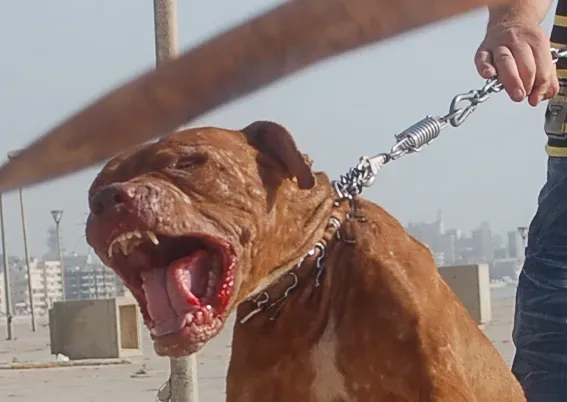
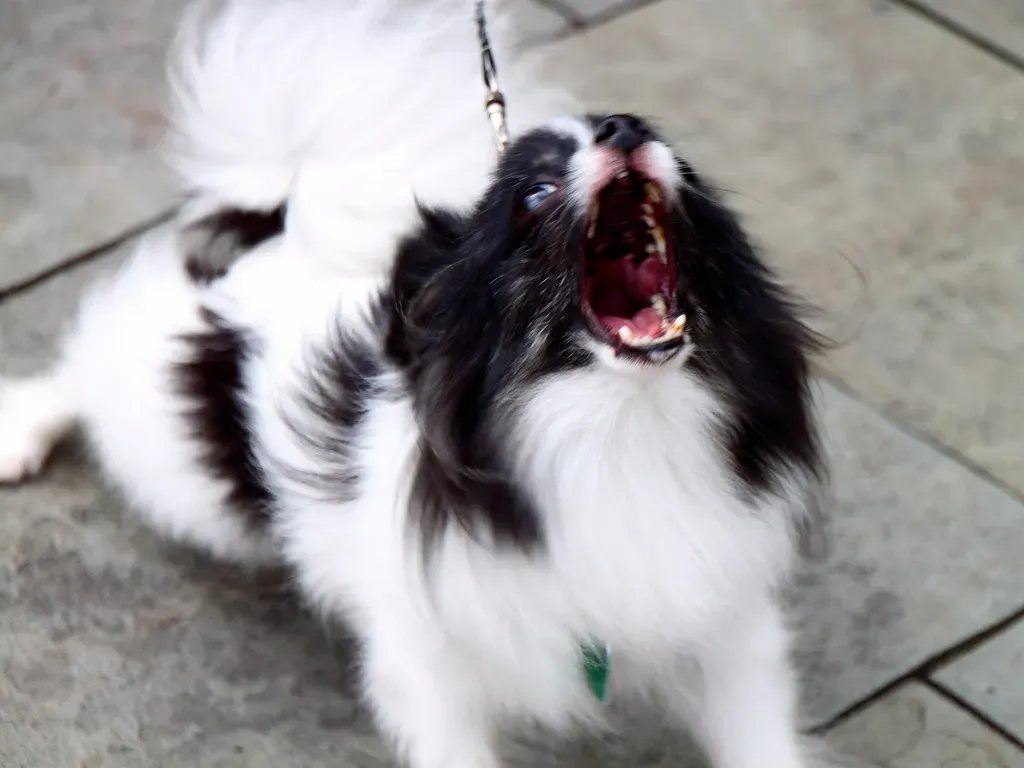
You’ve probably seen it. The sweet family dog who becomes a lunging, barking nightmare the second a leash clips on and another dog appears down the street. This isn’t random. It has a very specific name and a very specific cause. Some dogs exhibit leash aggression, a form of frustration caused by restraint. This is especially likely if they’re unable to approach or avoid other dogs on their own terms. You may see them barking, lunging, or growling. Over time, this behavior can become habitual.
Think about it from your dog’s perspective. They want to greet another dog. The leash stops them. That frustration has nowhere to go, so it explodes outward as aggression. Dogs that become frustrated when their excitement to greet another dog or a stranger is thwarted by a leash, fence, or other barrier often lack emotional self-control.
The solution involves patience and counter-conditioning. Socializing your dog and positively exposing them to as many situations and people as possible teaches them to control their emotions. Pair the sight of another dog on a walk with treats and calm praise, and over time, the threat dissolves into something positive.
Chronic Stress and Boredom Are Quietly Building a Pressure Cooker

We talk a lot about fear and pain, but stress and boredom deserve their own spotlight. A mentally understimulated dog is a frustrated dog, and a frustrated dog is an unpredictable dog. Although aggression may seem like a strange result of boredom, many bored dogs turn to aggressive tendencies to relieve their pent-up energy. It’s their version of going stir-crazy.
Mood, health, lack of sleep, boredom, unmet breed-specific needs, and mismatched environment can all contribute to how a dog is feeling, and how a dog is feeling has a huge impact on their behavior, aggressive or not. This is such an important reminder. Your dog’s emotional world is rich, complex, and deeply connected to their daily routine.
Dogs need plenty of mental and physical stimulation to discharge excess energy that might otherwise manifest as frustration and aggression. Puzzle feeders, training sessions, regular off-leash play, even a new walking route can work wonders for a stressed-out dog. Sometimes all they need is a little more of your time.
Conclusion: Your Dog Deserves to Be Understood, Not Just Corrected
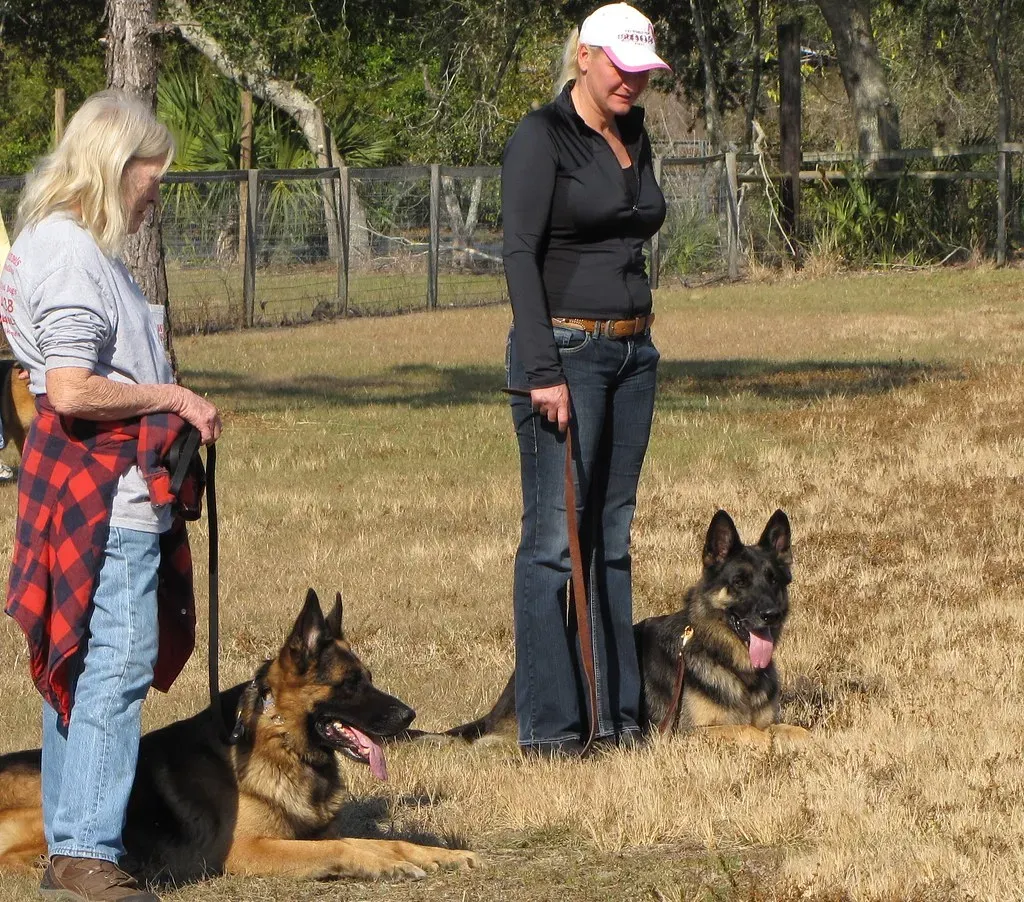
Here’s what I want you to take away from all of this. Your dog’s aggression is a message, not a character flaw. By identifying the trigger and addressing the root cause, which in many cases is a fear or stressor within your control, it is possible to help your pup and prevent their aggressive behavior. That’s genuinely encouraging news.
Aggression is the most common and most serious behavior problem in dogs. It’s also the number-one reason why pet parents seek professional help from behaviorists, trainers, and veterinarians. You are absolutely not alone in this journey, and reaching out for help is one of the bravest and most loving things you can do for your dog.
Start with a vet visit. Then look at your dog’s environment, their history, their daily routine. Work with a certified behaviorist if needed. Most of all, stay patient. An individual dog’s behavioral tendencies are shaped by the dog’s genetic makeup, their health and diet, the health and behavior of their mother, and all their life experiences. Understanding that full picture is where real change begins.
Your dog isn’t broken. They’re communicating. The question is, are you ready to truly listen? What’s one thing you’ve noticed about your dog’s triggers that you’d like to understand better? Share it in the comments below.


