
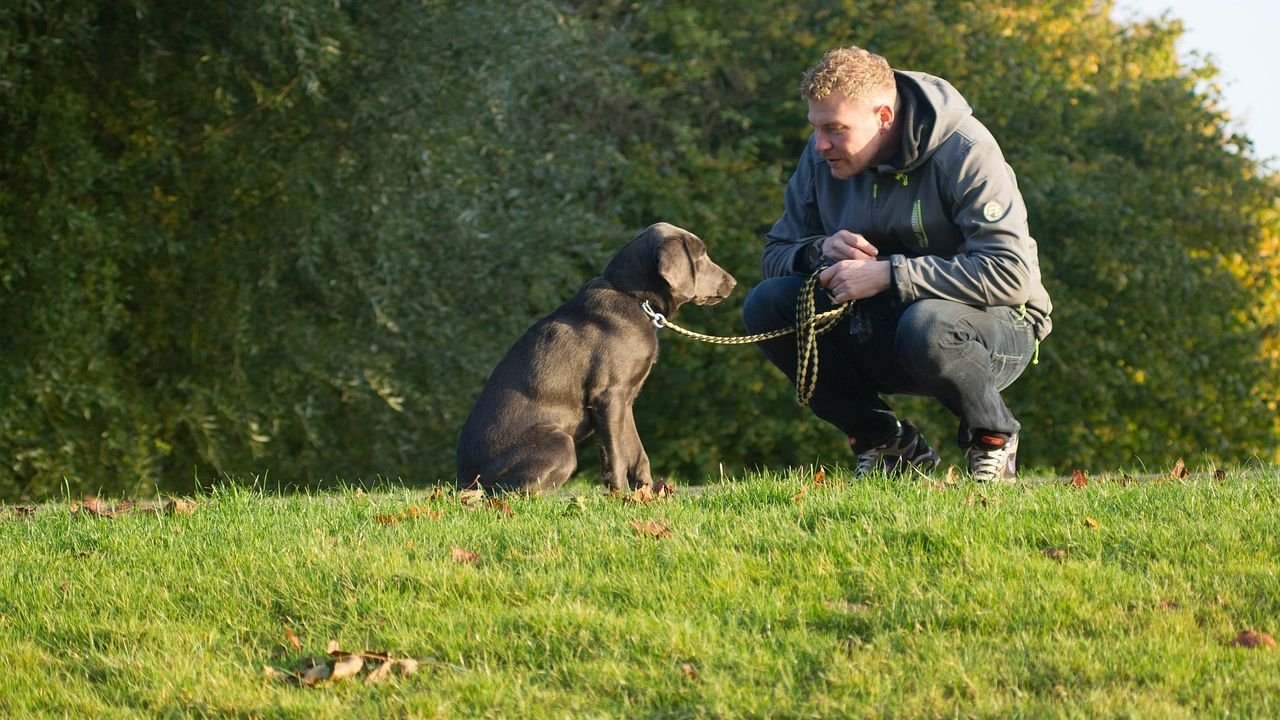
You’ve probably noticed it a thousand times. You stand up to grab a glass of water, and suddenly your furry friend is right there, padding behind you into the kitchen. You head to the bathroom, and sure enough, there’s that familiar click of paws on the floor. Some might call it clingy behavior, but here’s the thing: your dog’s shadow act is way more nuanced than simple neediness.
What looks like clinginess might actually be a fascinating mix of ancient instinct, genuine affection, and sometimes a practical communication strategy. Dogs have lived alongside humans for thousands of years, and their reasons for following us around are as varied as their personalities. Let’s dive into the real reasons behind this endearing behavior and discover what your four-legged shadow is actually trying to tell you.
1. Pack Instinct Runs Deep in Their DNA
Dogs are descended from wolves, and this heritage plays a crucial role in their following behavior. In the wild, wolves stick close to their pack, and the pack leader is the key to their survival. This isn’t some outdated theory. Your dog genuinely views you as part of their social group, and staying close is hardwired into their biology.
Dogs are pack animals, which means they prefer to live in a group. Although your pet isn’t navigating the wild, their tendency to travel in a pack – close by your side – is reflective of natural instinct. Think about it like this: even though your pup has never hunted for survival or needed protection from predators, those ancestral patterns still influence their daily behavior. It’s honestly remarkable how thousands of years of evolution show up in something as simple as following you to the fridge.
2. They’re Literally Bred for Companionship
Dogs were first domesticated at least 15,000 years ago. They went from being wolves living in packs to dogs living in packs with humans. One of the biggest reasons that humans bred dogs was for companionship. Let’s be real: we basically created these devoted companions by selecting traits that brought dogs closer to us generation after generation.
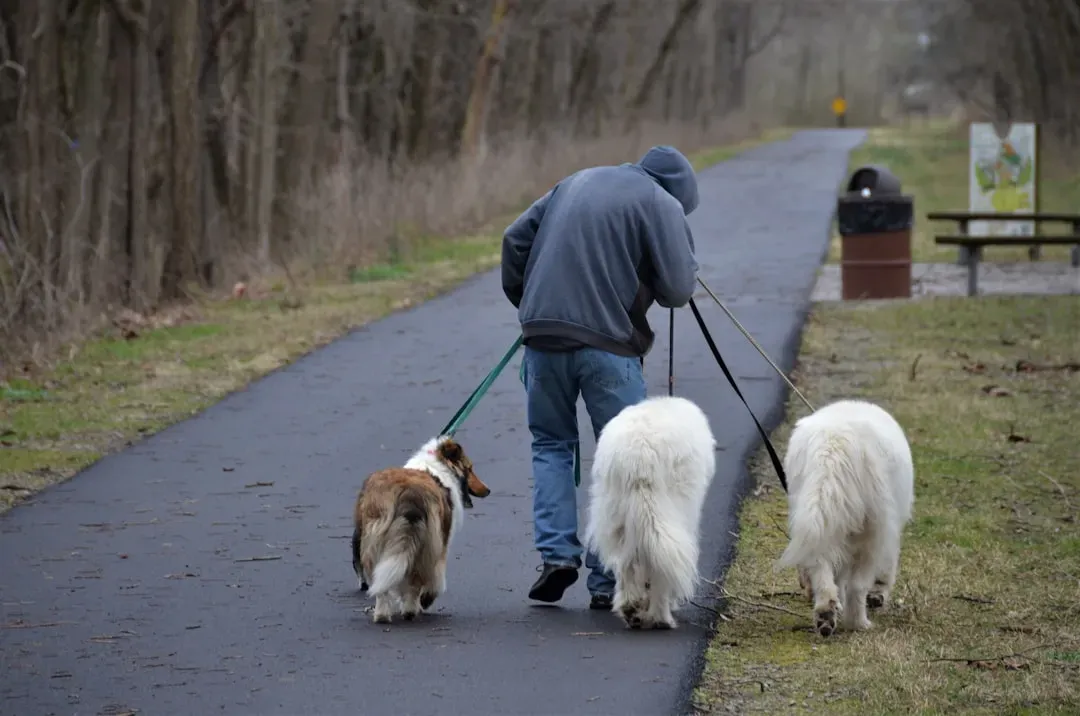
Herding dogs, including Border Collies and Labrador Retrievers, were bred to follow human orders to perform specific jobs. For this reason, they may also follow their owner’s every move. Certain breeds were specifically designed to work alongside humans all day long. Those German Shepherds, Golden Retrievers, and Chihuahuas weren’t just randomly clingy. Their ancestors literally made their living by staying close and reading human cues. It’s in their job description, so to speak.
3. You’re the Source of All Good Things
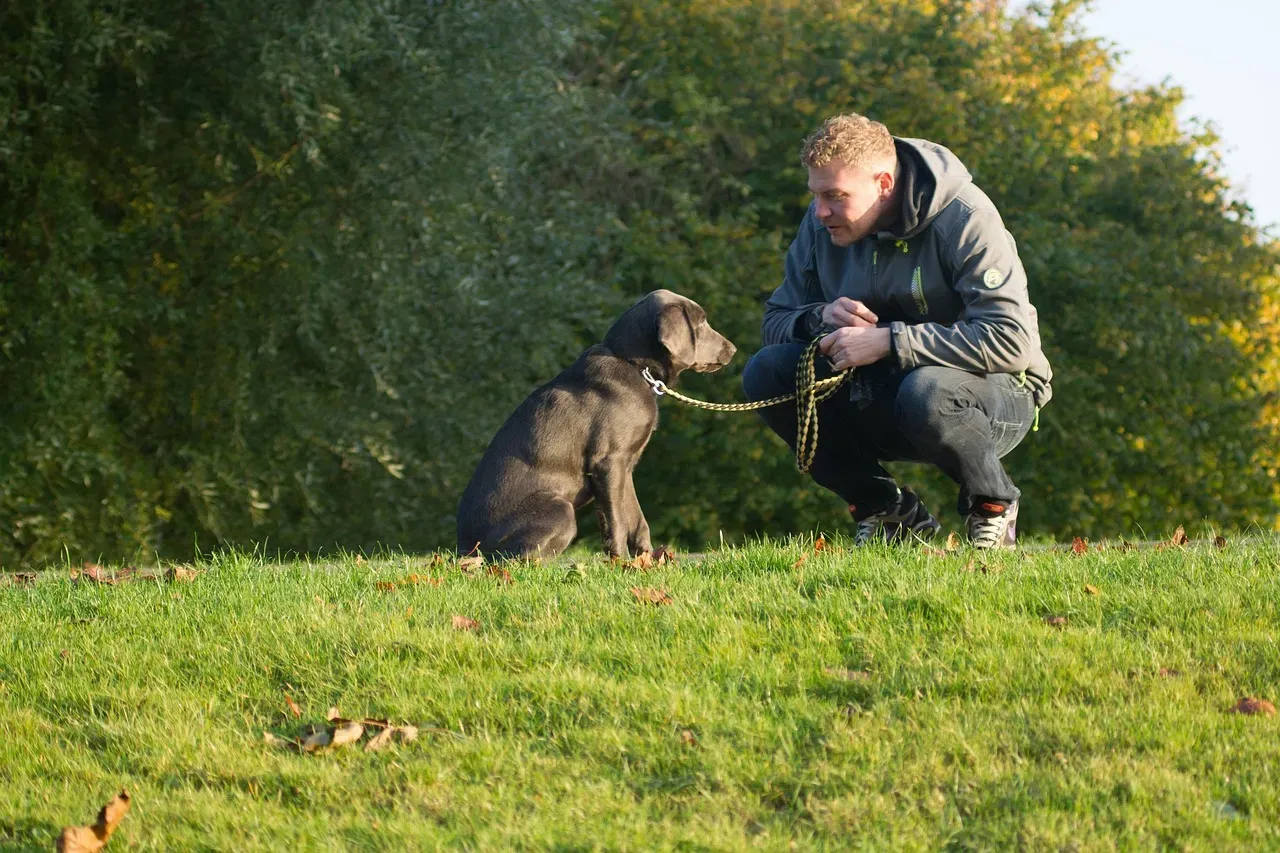
Here’s the practical side of things. Your pup will also follow you around when they need or want something. This is especially true when dogs are hungry or need to go outside. Your dog has figured out that you control access to basically everything they love: food, treats, walks, playtime, and belly rubs.
Dogs are quick learners, so if being near you leads to treats, affection, or praise, they’ll repeat the behavior. You might not realize it, but every time you give your dog a treat when they follow you to the refrigerator or pet them when they settle near your feet, you’re reinforcing that following behavior. It’s not manipulation. It’s just smart doggy logic: stick close to the human, good stuff happens.
Lots of pets learn to clue in on daily routines, like the fact that they are fed or walked at certain times. What better way to make sure you don’t forget than to be right there and waiting?
4. Genuine Affection and Emotional Bonding
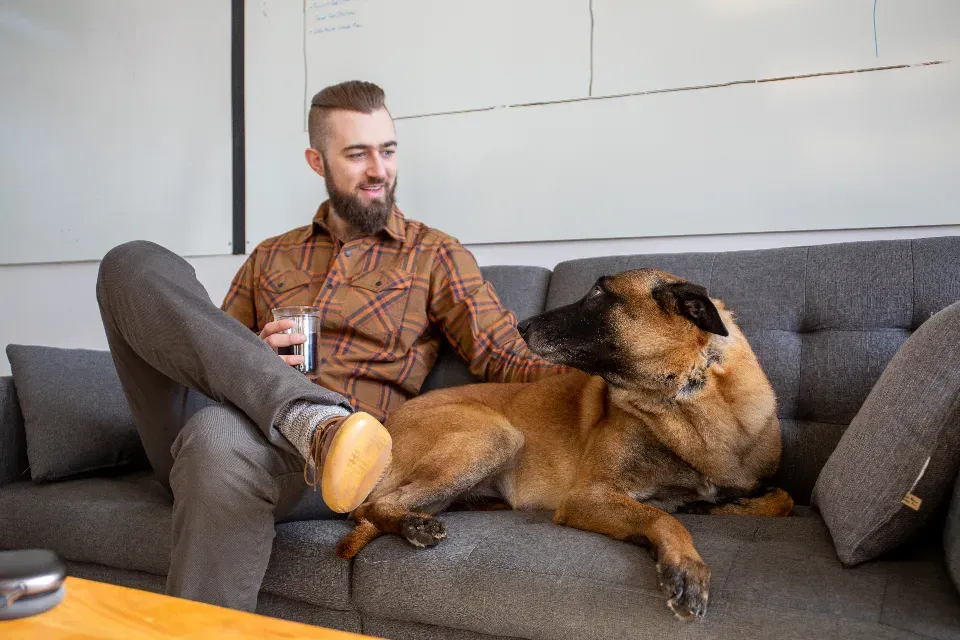
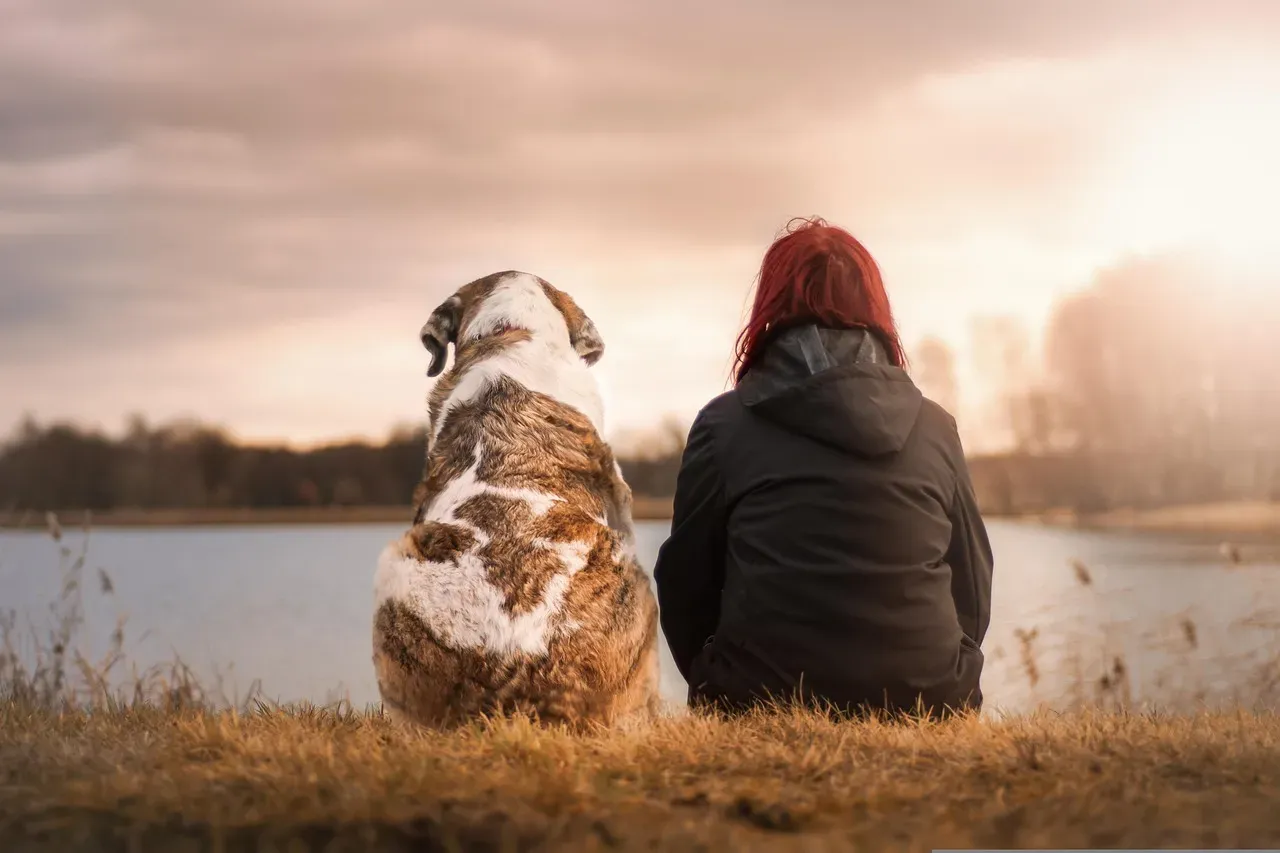
Thanks to 15,000 years of domestication, dogs’ attachment has shifted from other dogs to humans. That need for social contact can drive a dog’s desire to follow their owner wherever they go. This one hits differently because it’s pure love. Research has actually shown something pretty incredible about the dog-human bond.
A study in the journal Scientific Reports found that when dogs were shown photos of their caregivers, it activated parts of their brains that are the same as those associated with emotion and attachment in humans. Think about that for a second. Your dog’s brain literally lights up with emotional connection when they see you. Dogs are social animals, and simply being with you usually makes them happy. Following you around the house is their way of enjoying your company – even if you’re just folding laundry, going to the bathroom, or doing the dishes.
5. Puppies and Senior Dogs Need Extra Security
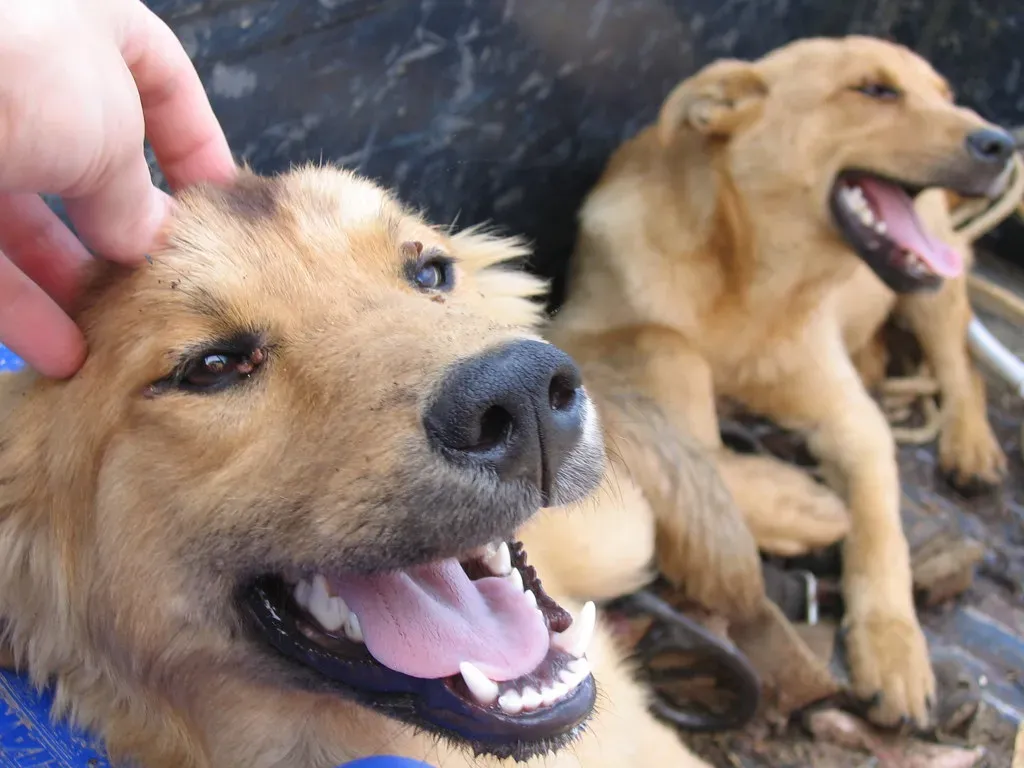
Young puppies anywhere from birth to 6 months of age can often imprint on their owners and look to them as they would their mother. Puppies are basically learning everything about life, and you’re their primary teacher and protector. Following you everywhere is how they stay safe and figure out how the world works.
An older dog may be losing their sight or hearing. As a result, they may become more fearful of the environment and dependent on having you near. Senior dogs sometimes develop clingy behavior for completely different reasons. Older dogs may follow their owners purely out of familiarity and habit. However, if this is a new behavior, it may also indicate that things are changing for your dog, making them less confident. It’s honestly heartbreaking but important to recognize when your older dog needs that extra reassurance.
6. They’re Seeking Reassurance During Stress
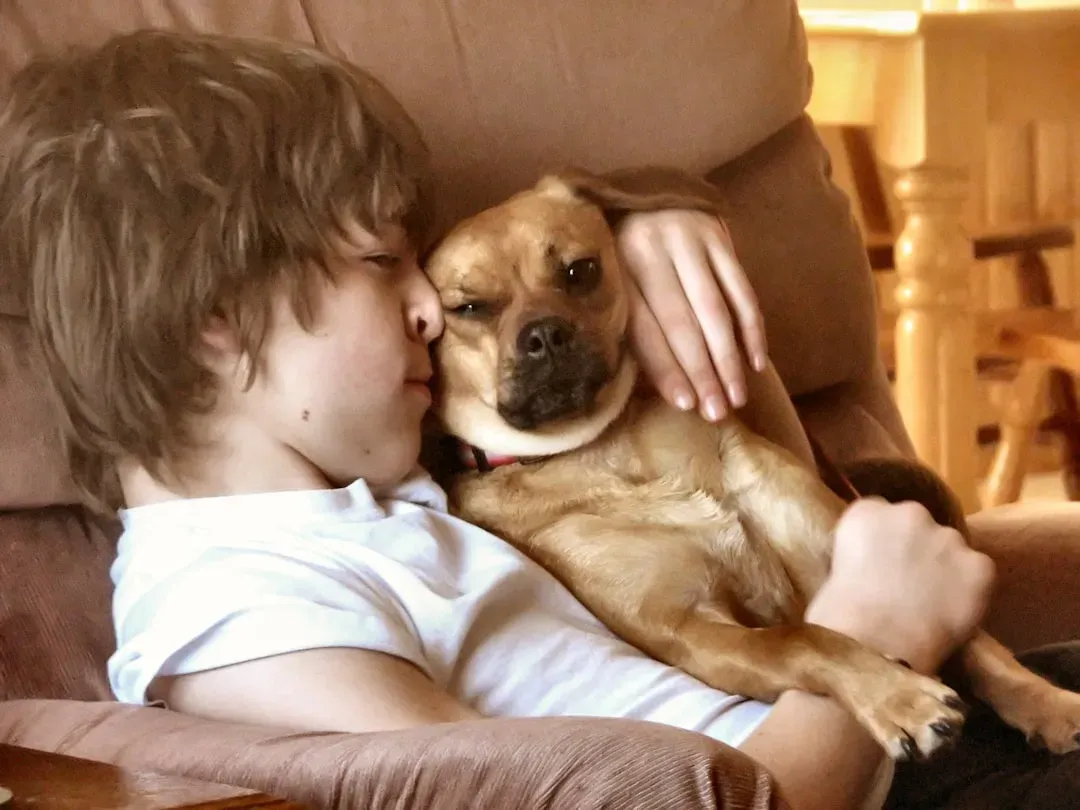
Occasionally, dogs will stick close to your side if they are nervous, frightened, uncertain of strangers, or not feeling well. This is especially common during thunderstorms and fireworks; dogs see us as their protectors in these events. Your dog isn’t being dramatic. They genuinely view you as their safe haven when the world feels scary or unpredictable.
Some dogs may become clingy during scary situations, like storms or fireworks. This also applies to human anxiety: dogs can become clingy if they sense their human’s stress or anxiety. Dogs are incredibly perceptive creatures. They pick up on our emotional states with remarkable accuracy. Sometimes your dog follows you not because they’re anxious, but because they’ve sensed that you are, and they’re trying to offer comfort. That’s pretty amazing when you think about it.
7. Simple Curiosity and FOMO
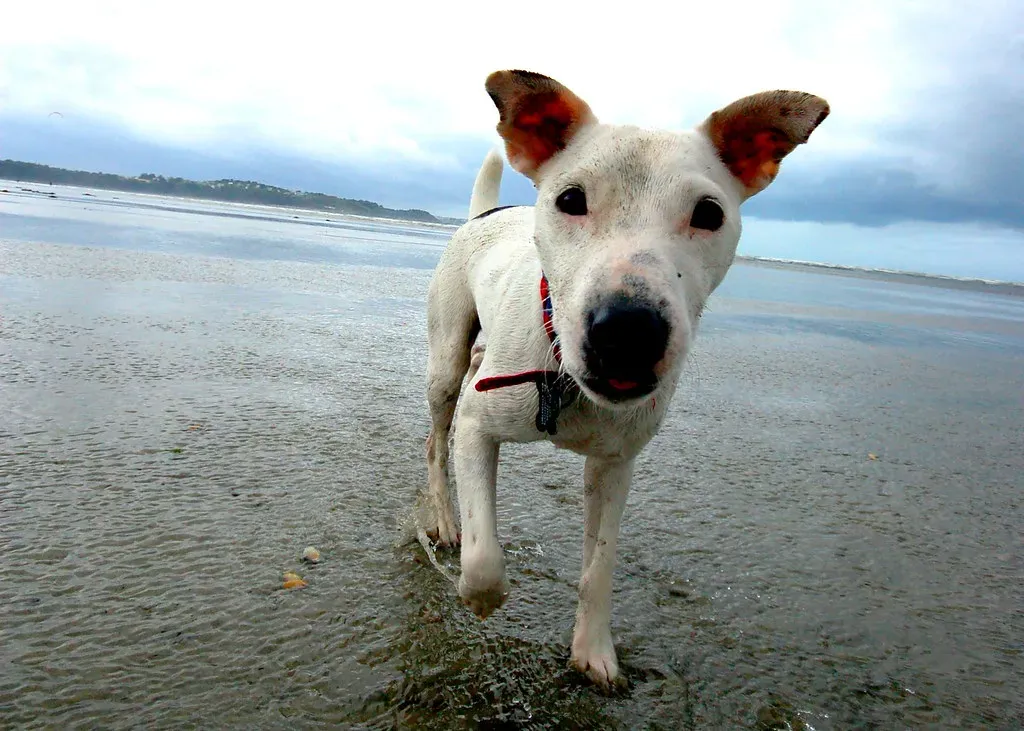
Dogs are curious creatures. They want to know what their pack members are up to. After all, you may be going to get treats or take part in a fun activity. Your four-legged family member isn’t taking a chance on missing out. Let’s be honest, dogs have a serious case of FOMO when it comes to their humans.
Every time you get up, your dog thinks something interesting might happen. Maybe you’re heading to get the leash for a walk. Perhaps there’s food involved. Could be playtime. They simply can’t risk not being there for whatever adventure you’re embarking on, even if that adventure is just walking to the mailbox. It’s less about neediness and more about not wanting to miss the party.
8. When Following Signals Something’s Wrong
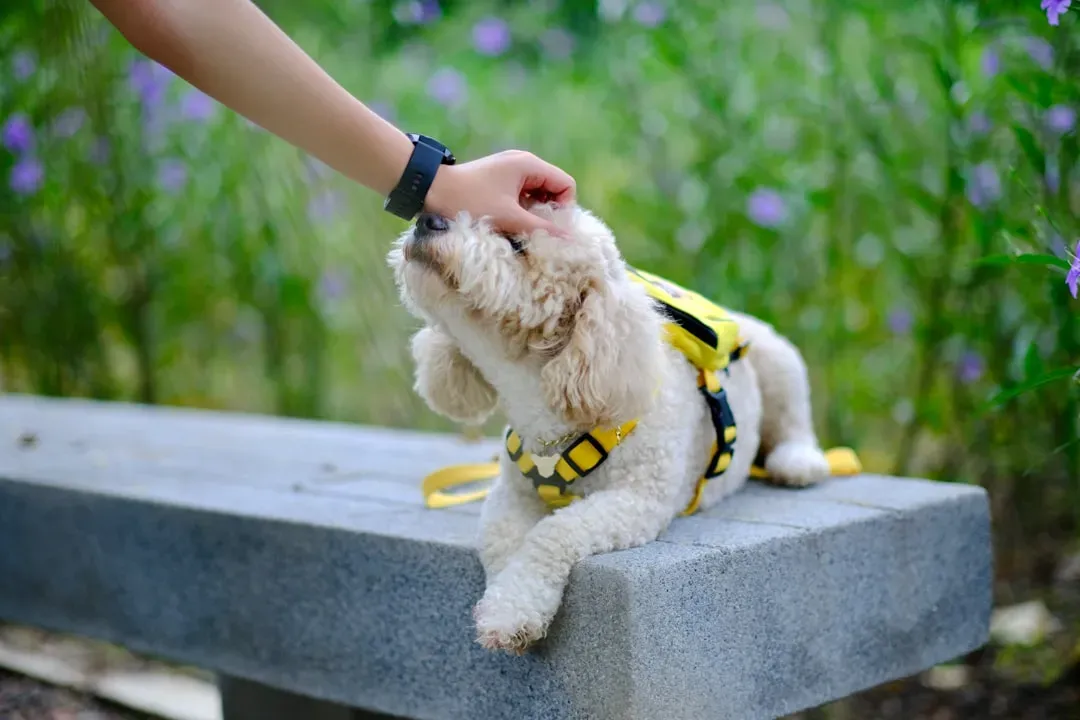
A dog that suddenly becomes very clingy may be suffering from a physical ailment and keeping you in reach for comfort. A checkup by the veterinarian is a good idea if this happens. This is where you need to pay closer attention. If your normally independent dog suddenly becomes your constant shadow, it might be time for a vet visit.
If your dog has always been a confident, independent dog and has suddenly become clingy, there’s a good chance they are trying to tell you something. Often, this may mean something is wrong – that they aren’t feeling well or something in their body has changed and is making them less confident, like a loss of sight or hearing. Any time a dog’s behavior changes markedly and suddenly, it is time to schedule a checkup. Dogs can’t tell us when something hurts or feels off, so behavioral changes become their primary communication method.
Conclusion: Embrace the Shadow (Most of the Time)

Your dog’s following behavior is rarely about pure neediness. More often, it’s a beautiful combination of evolutionary instinct, learned behavior, genuine affection, and practical communication. Canine companions that follow their humans everywhere are often referred to as “Velcro dogs” because of their desire to be attached to your side.
While being a “Velcro dog” and having separation anxiety are both associated with not wanting to be away from an owner, there are some distinct yet subtle differences between these two forms of behavior. Velcro dogs may be more inclined to develop separation anxiety, but it doesn’t automatically mean they will. The key is finding that healthy balance where your dog enjoys your company but can also handle some independence.
Next time your furry friend trails behind you into the bathroom, remember: they’re not being clingy for the sake of it. They’re honoring thousands of years of partnership between our species, expressing love, staying connected to their pack, and maybe hoping for a treat along the way. Does your dog follow you everywhere? Tell us in the comments which reason resonates most with your pup’s behavior.


