
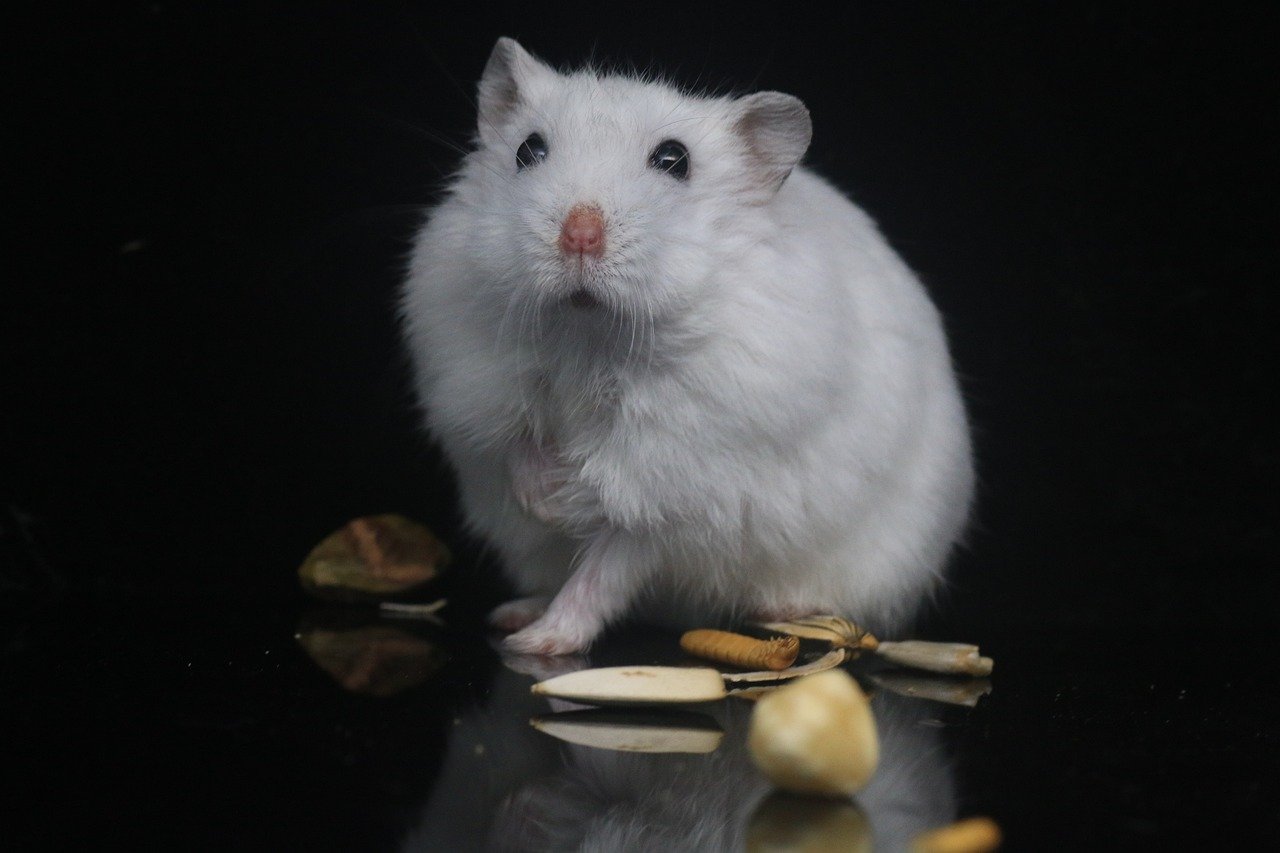

Is your hamster truly happy, or is it quietly struggling behind those adorable twitching whiskers? As small as they are, hamsters have big personalities—and even bigger needs. Every hamster lover wants their furry friend to live a joyful, healthy life, but it’s not always easy to read their tiny signals. With the right knowledge, you can recognize the little ways your hamster shows its contentment and well-being. Let’s discover the telltale signs that your beloved pet is thriving!
Bright, Clear Eyes Full of Curiosity

Hamsters may be small, but their behaviors speak volumes about how they feel. Whether you’re a new hamster parent or a seasoned owner, understanding the subtle signs of a content and thriving pet is key to building trust and ensuring long-term health. From energetic burrowing to curious exploration, these tiny gestures reveal when your hamster is truly living its best life.
One of the easiest ways to spot a content hamster is by looking into their eyes. When a hamster is healthy and happy, their eyes will appear bright, shiny, and free from discharge. A curious hamster will often approach the edge of its cage, standing on its hind legs to peek at you or explore its surroundings with wide, alert eyes. Dull, sunken, or crusty eyes can be a warning sign that something’s wrong. If your hamster’s gaze sparkles with life, it’s a strong indicator they’re feeling good. Much like humans, a lively look in their eyes reveals a world of happiness and health within.
Energetic and Playful Behavior
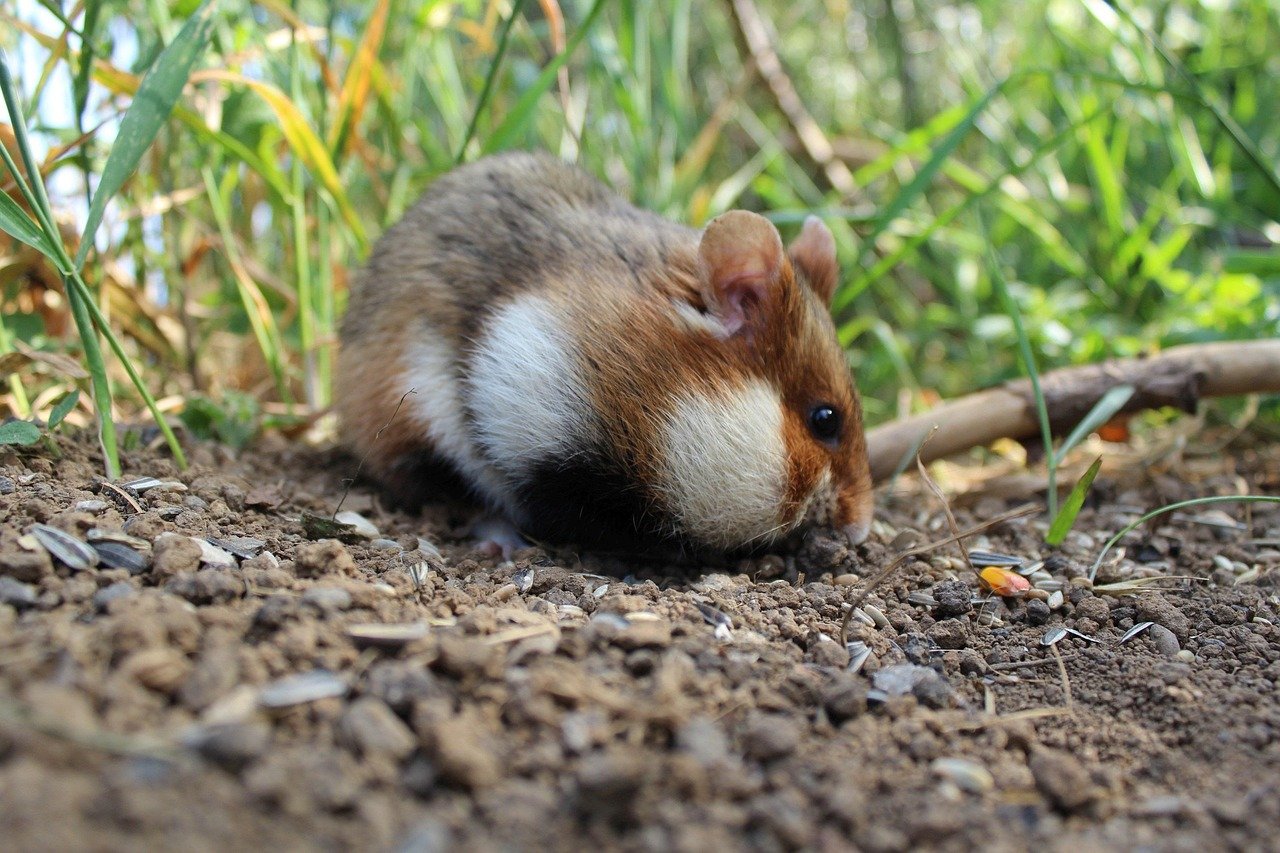
A joyful hamster loves to zoom around, climb, and explore every nook and cranny of its enclosure. Watch for bursts of activity, especially during the evening hours when hamsters are most lively. You might see your pet running on its wheel, tunneling through bedding, or investigating toys with enthusiasm. Playfulness is a clear sign that your hamster feels safe, comfortable, and physically fit. If your little friend is active and seems to enjoy new challenges, it means you’re doing a great job as a hamster parent!
Healthy Appetite and Drinking Habits

Hamsters are known for their love of nibbling. A happy, healthy hamster will readily eat their favorite foods and snacks, storing some away in their cheek pouches for later. You’ll notice them coming out to munch on seeds, fresh vegetables, or a tasty treat. Just as important, they’ll regularly drink water from their bottle. If you spot any sudden loss of interest in food or water, it could be a red flag. A steady appetite and normal drinking habits are essential signs that everything is well in your hamster’s world.
Glossy, Well-Groomed Fur
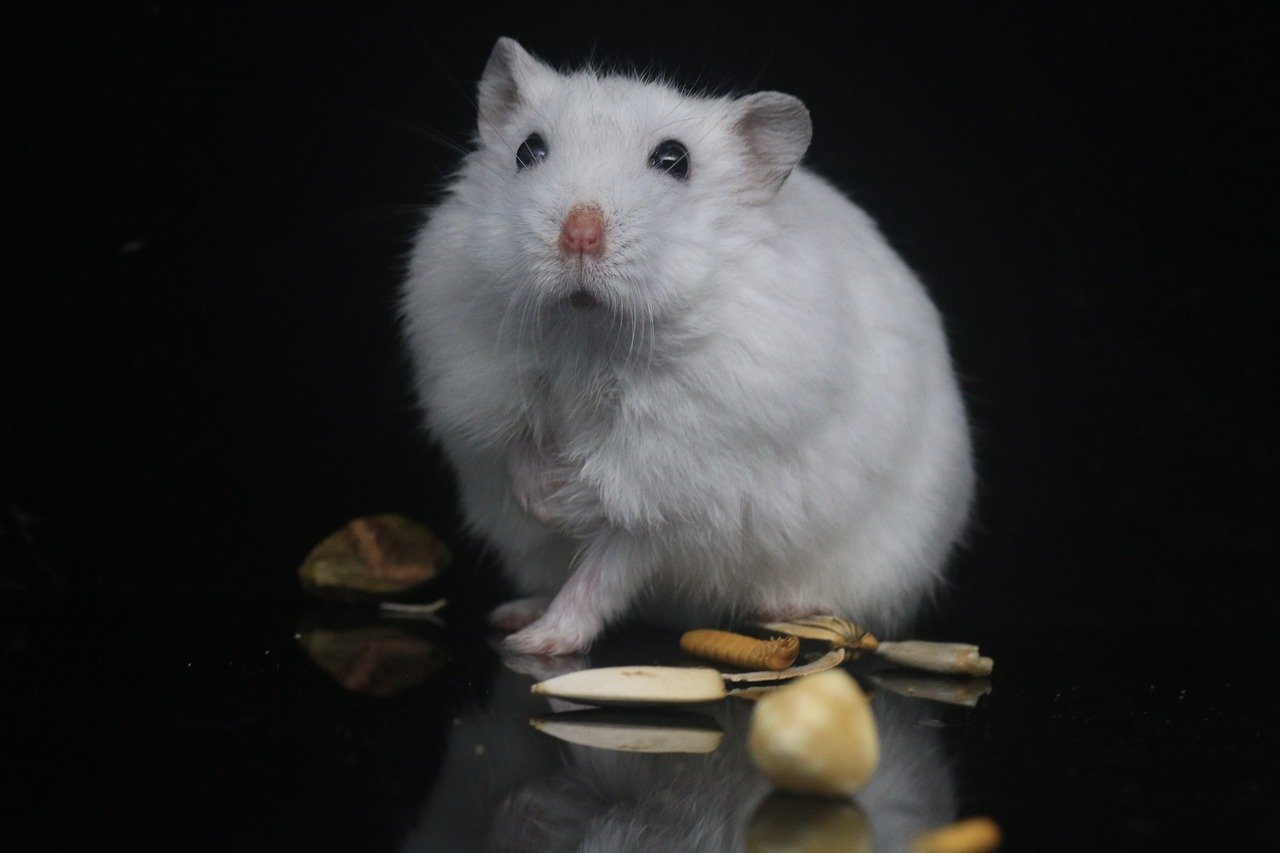
A hamster that feels good will spend plenty of time grooming itself, keeping its fur sleek and shiny. Their coats should appear smooth, clean, and free of bald spots or rough patches. Grooming is not just about looking good—it’s a hamster’s way of staying healthy and stress-free. If you notice your pet grooming often and their fur looks soft and beautiful, it means they’re both happy and healthy. On the other hand, matted or dirty fur can signal stress, illness, or poor living conditions.
Normal Sleep Patterns and Nesting Habits
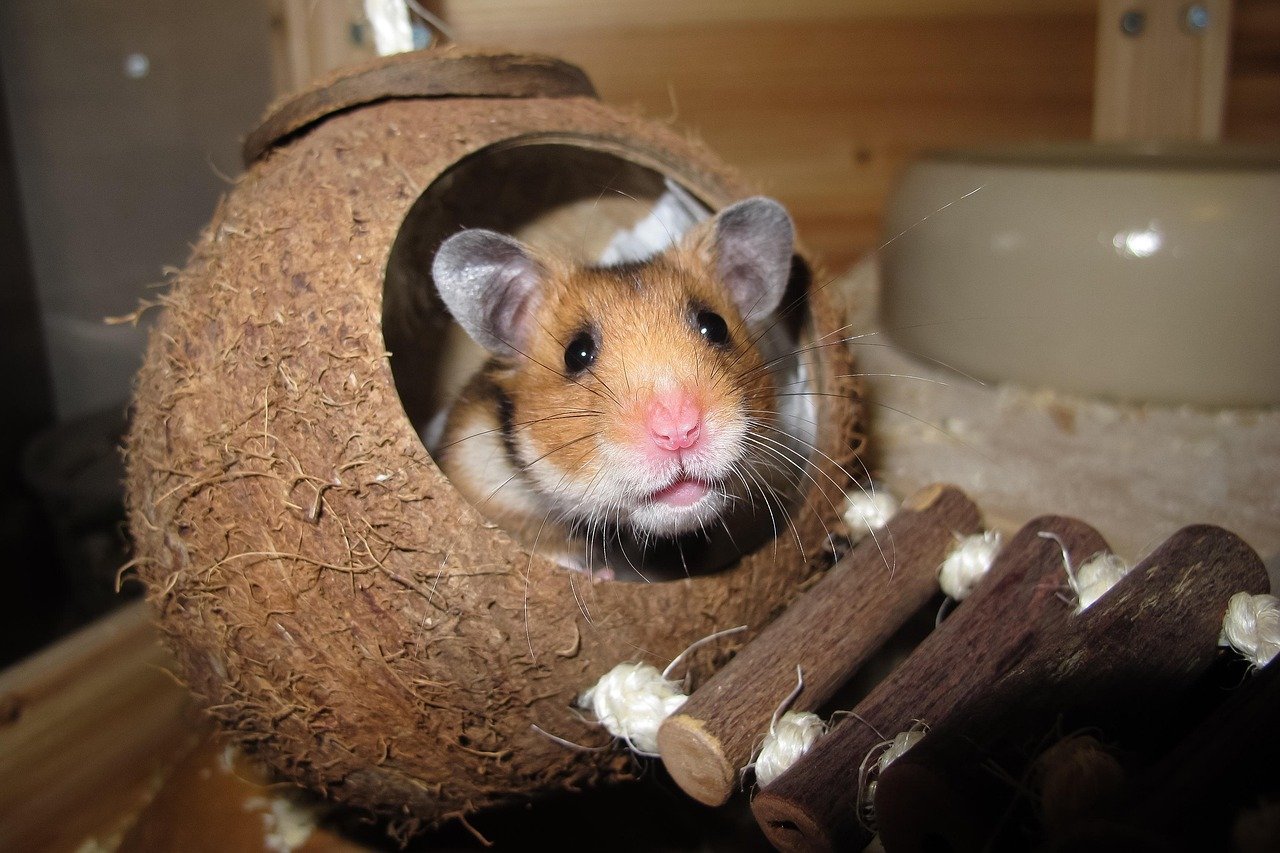
Hamsters are nocturnal creatures, so don’t be surprised if they’re most active at night. A content hamster will sleep soundly during the day, curled up in a cozy nest they’ve built themselves. Watch for regular sleep patterns—waking up at dusk, active for several hours, then returning to rest. They’ll also enjoy rearranging their bedding and creating comfortable nests. Disrupted sleep or a lack of nesting behavior could point to stress, discomfort, or environmental issues. When your hamster builds a plush hideaway and sleeps peacefully, it’s a sure sign they feel secure.
Friendly Reactions and Social Interaction

A happy hamster often greets its owner with gentle curiosity. While not every hamster enjoys being held, most will approach your hand for treats or a gentle pet if they trust you. They may even climb onto your palm or sniff your fingers with interest. Friendly, calm reactions show your hamster feels safe in your presence. Fearful behaviors—such as biting, hiding constantly, or freezing—suggest something isn’t right. A hamster that enjoys your company is a hamster that feels at home.
Normal Breathing and Clean Nose

Pay close attention to your hamster’s breathing and nose. Breathing should be quiet and easy, without any wheezing, clicking, or heavy panting. Their nose should look clean and dry, with no signs of wetness or discharge. These subtle details are important clues to your hamster’s respiratory health. Labored breathing or a runny nose could indicate an illness that needs quick attention. When your hamster breathes easily and has a spotless nose, it’s a comforting sign of good health.
Regular Chewing and Tooth Health
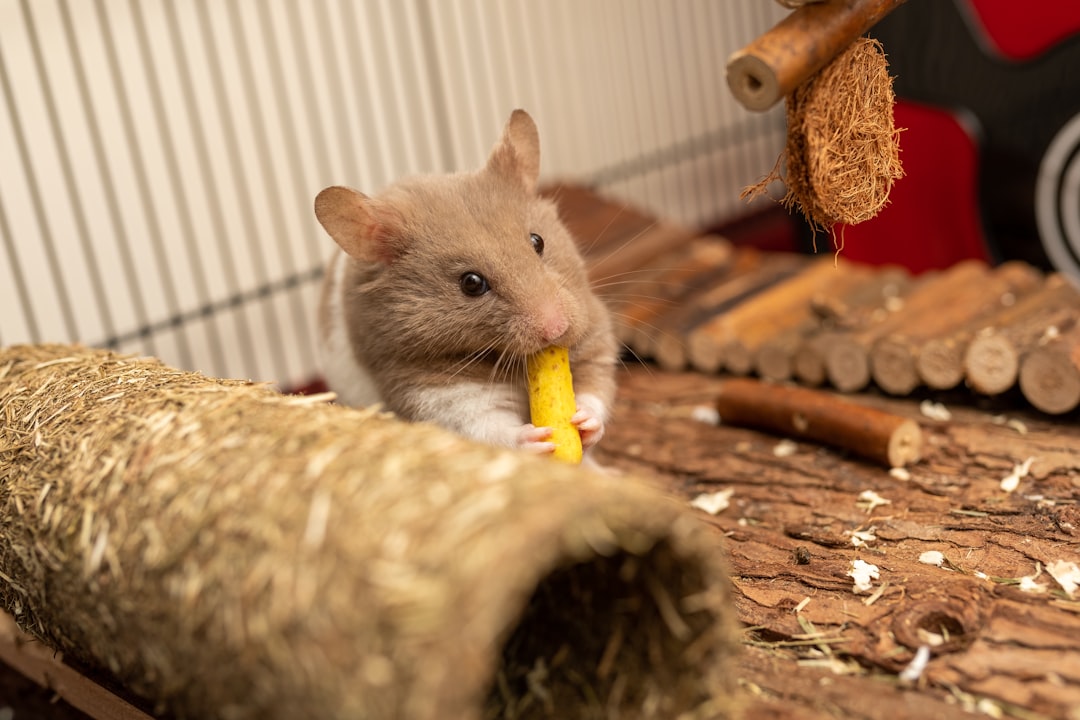
Hamsters naturally love to chew, and this habit is actually vital for their dental health. Their teeth never stop growing, so you’ll often see them gnawing on wooden toys or chew sticks. Regular chewing keeps their teeth at the right length and provides entertainment. If your hamster gnaws happily and shows no signs of drooling, bleeding, or overgrown teeth, you can be sure their mouth is healthy. Unusual chewing patterns or difficulty eating means it’s time to check their teeth and possibly see a vet.
Recognizing the signs of a happy and healthy hamster is essential for any responsible pet owner. From active nighttime behavior to a well-groomed coat and bright eyes, these indicators not only reflect your hamster’s well-being but also the quality of care they receive. By providing a clean habitat, nutritious food, regular enrichment, and gentle handling, you can ensure your furry companion thrives. Remember, even the smallest pets deserve our full attention and love—because a happy hamster is a joy to watch and a delight to care for.

Jen is a passionate nature lover and ocean conservationist. She has dedicated her life to protecting the environment and preserving the beauty of the natural world. Growing up in a small coastal town, Jen sincerely appreciated the ocean and its inhabitants. She has spent countless hours exploring the shoreline, learning about the creatures that inhabit the waters, and advocating for their protection. Jen is an active member of ocean conservation organizations, and she is committed to educating the public about the importance of conserving wildlife and the natural environment.


