
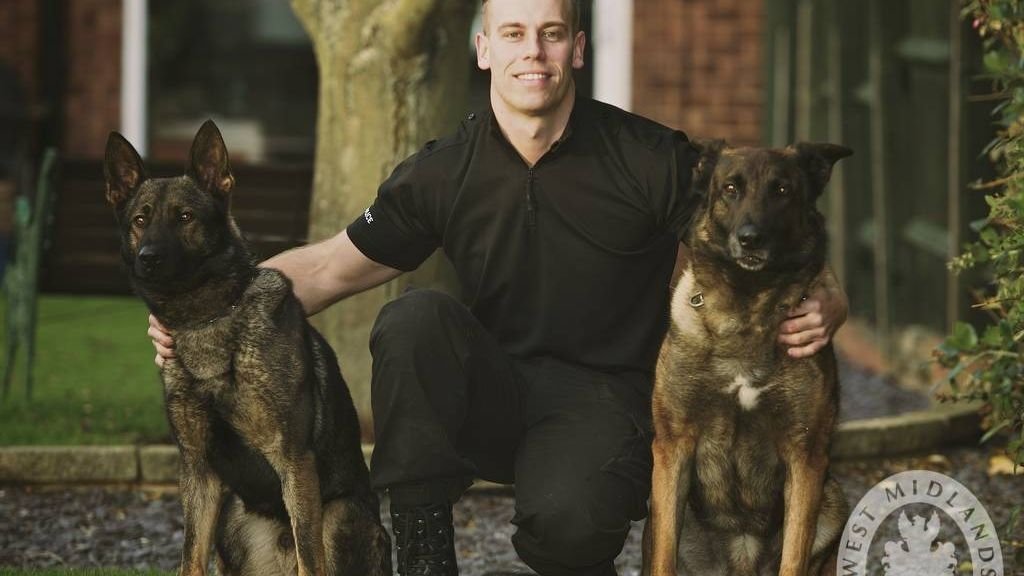
Have you ever wondered if your dog is becoming more like you? Maybe you’ve noticed your anxious pup seeming extra stressed when you’re going through a rough patch. Perhaps your energetic Border Collie mirrors your own enthusiasm for morning runs. Or you’ve caught your furry friend copying that little sigh you make when you finally sit down after a long day.
Here’s the thing. Your dog isn’t just living with you. They’re tuning into you, reading you, and quite literally adapting to who you are. Recent research confirms what many dog lovers have suspected all along: Dogs and their owners resemble each other in the way they look and in their personality traits. The bond between you and your dog runs deeper than shared routines or favorite walking spots. It’s a connection that shapes behavior, emotions, and even stress responses. So what are the telltale signs that your dog is becoming your four-legged reflection?
Your Dog Mirrors Your Stress Levels
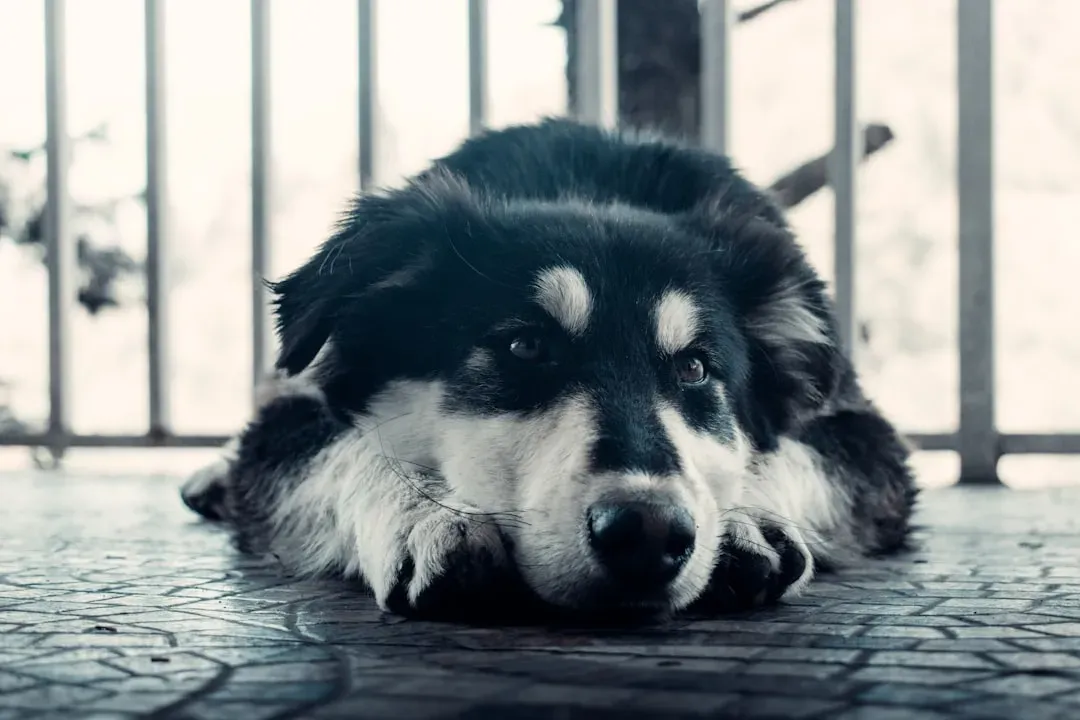
Let’s be real, this one hits close to home for a lot of us. When you’re anxious about a deadline, moving house, or dealing with family drama, have you noticed your dog acting differently? That’s not coincidence.
The personality of the owner had a strong effect. This has led researchers to suggest that the dog mirrors its owner’s stress. Studies have shown that human cortisol levels from both summer and winter samplings correlated strongly with dog cortisol levels, meaning your dog’s stress hormones actually rise and fall in sync with yours over long periods. It’s hard to say for sure exactly how they know, but dogs pick up on tension in your body language, the tone of your voice, and even chemical changes in your scent.
The physiological processes associated with an acute psychological stress response produce changes in the volatile organic compounds emanating from breath and sweat that are detectable to dogs. Your dog can literally smell your stress. If your pup has been extra clingy, restless, or showing signs of nervousness when you’re going through a tough time, that’s them reflecting what you’re feeling.
They Share Your Energy Patterns
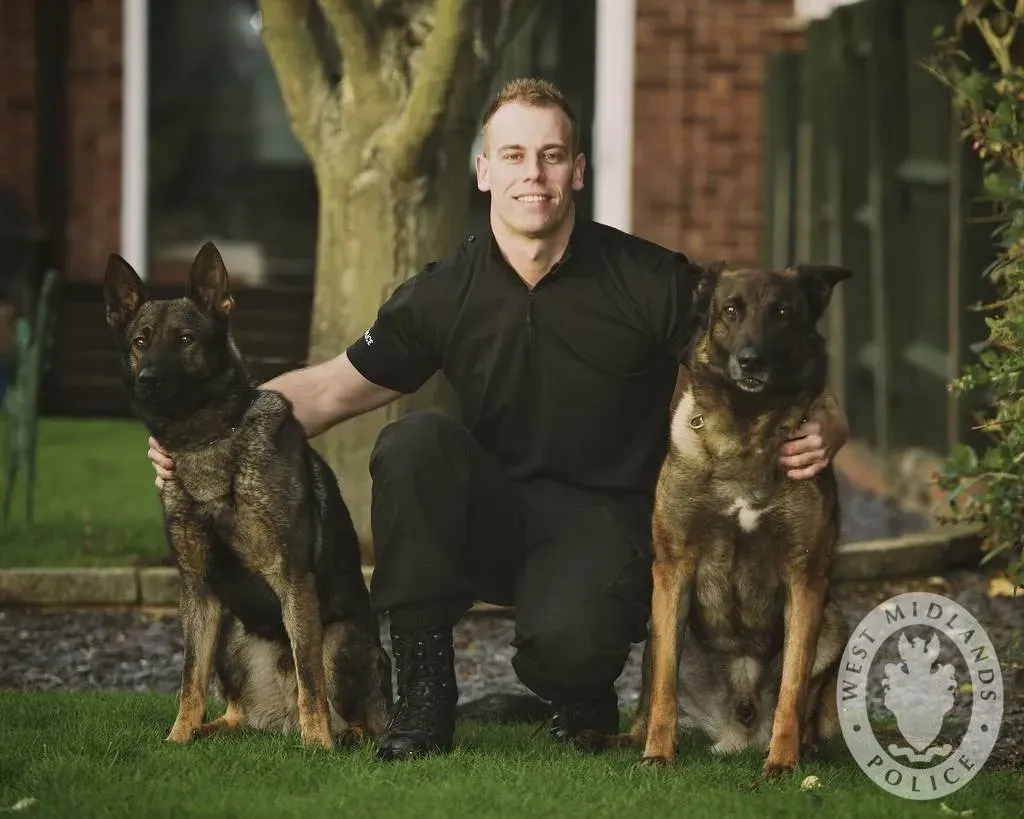
Are you a morning person who bounces out of bed ready to conquer the day? Or do you prefer a slower, more contemplative pace? Chances are, your dog has picked up on this rhythm.
Dogs are remarkable social learners, capable of picking up subtle cues from their human companions. Through daily interactions, they learn to mirror their owners’ energy levels, emotional responses, and even social behaviors. If you’re naturally high-energy and extroverted, research suggests your dog is likely to be more active and excitable. Conversely, people who are more laid-back tend to have dogs that are calmer and less reactive.
This isn’t just about matching your walking pace. It’s about how your dog approaches the world. An energetic owner who seeks out social interactions and new experiences often ends up with a dog who exhibits similar enthusiasm. Meanwhile, introverted folks often find their dogs are content with quieter, more predictable routines.
Your Anxiety Makes Them Anxious
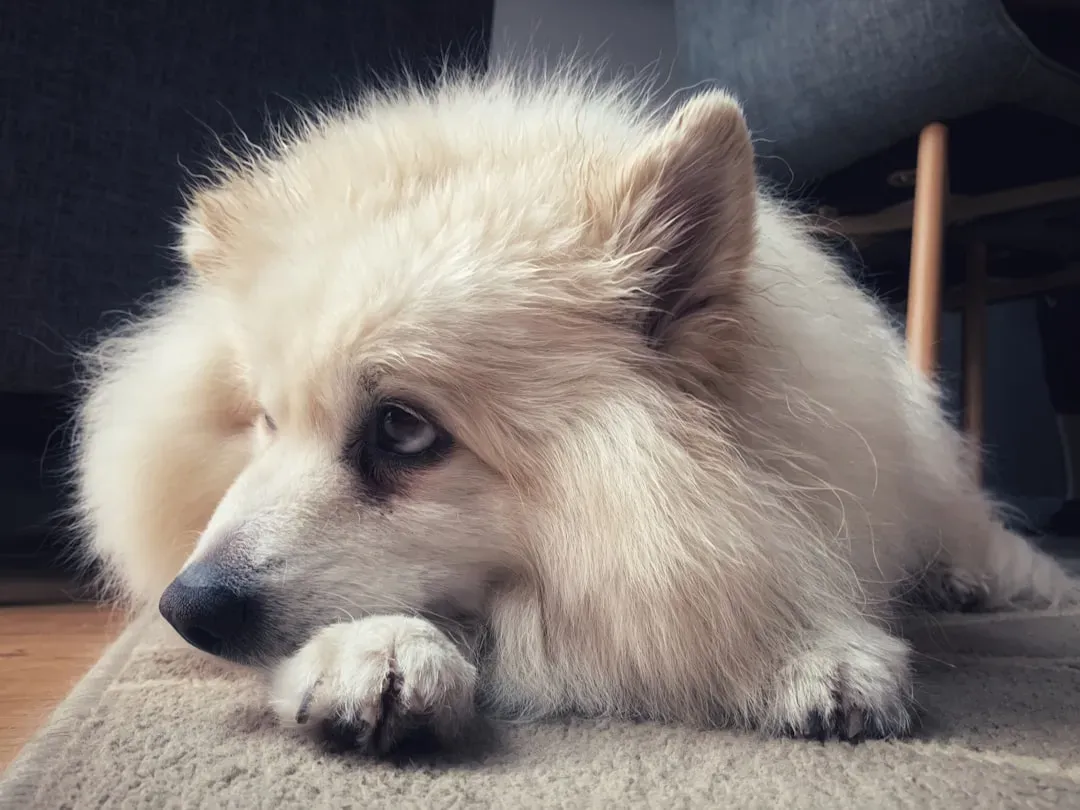
This one can be tough to admit, but it’s important to recognize. Neurotic owners rated their dogs as more fearful. If you tend to worry a lot, experience frequent anxiety, or react strongly to unexpected situations, your dog is picking up on all of that.
Highly neurotic owners tended to have dogs that also showed signs of anxiety or mood instability. Think about it. When you’re tense and jumpy, your dog doesn’t understand that you’re worried about work or bills. They just know that you’re on edge, and in their mind, there must be something to be worried about.
Over time, this can shape your dog’s entire outlook. They might become more reactive to noises, more hesitant around strangers, or generally more skittish. It’s not your fault, and honestly, it’s just another reminder of how deeply connected you two are. The good news is that by working on managing your own stress and anxiety, you can actually help your dog feel calmer too.
They’ve Adopted Your Social Habits
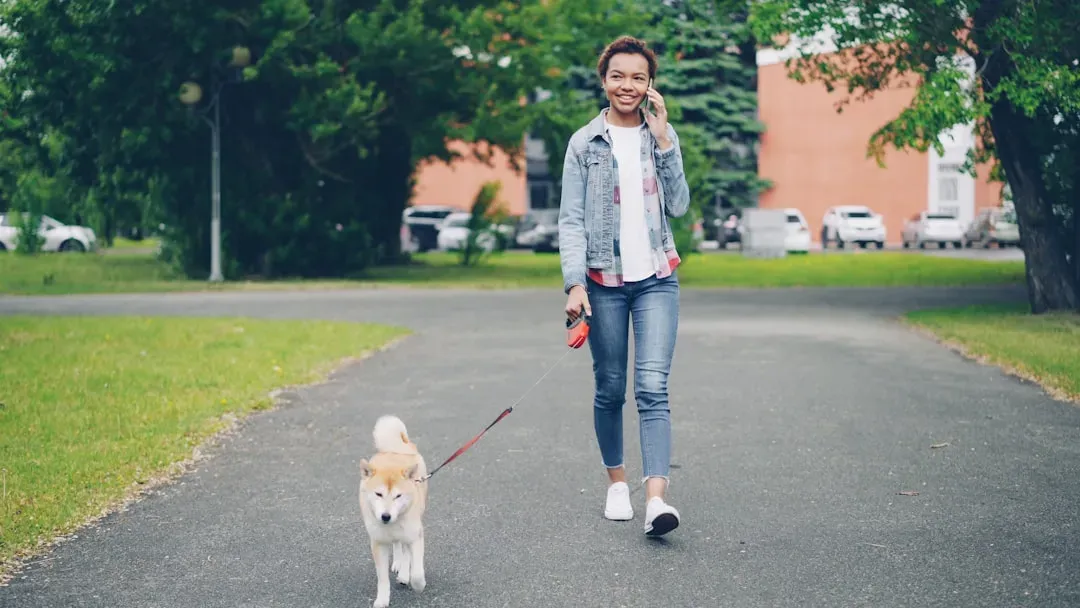
Do you love meeting new people and hosting gatherings? Or do you prefer a smaller circle and quieter spaces? Your dog is learning from watching you navigate social situations every single day.
A highly agreeable person is twice as likely to have a dog who is highly active and excitable and less aggressive than someone who is less agreeable. Dogs belonging to friendly, outgoing owners tend to be more comfortable around strangers and other dogs. They’ve had more opportunities to socialize and have learned from your relaxed demeanor that new people aren’t a threat.
On the flip side, if you’re more reserved or cautious around others, your dog might mirror that wariness. They watch how you react when someone approaches on a walk or when visitors come to the door. Your body language and tone tell them whether this is a situation to embrace or be cautious about. It’s fascinating, really, how much they learn just by observing you.
Your Mood Affects Their Behavior
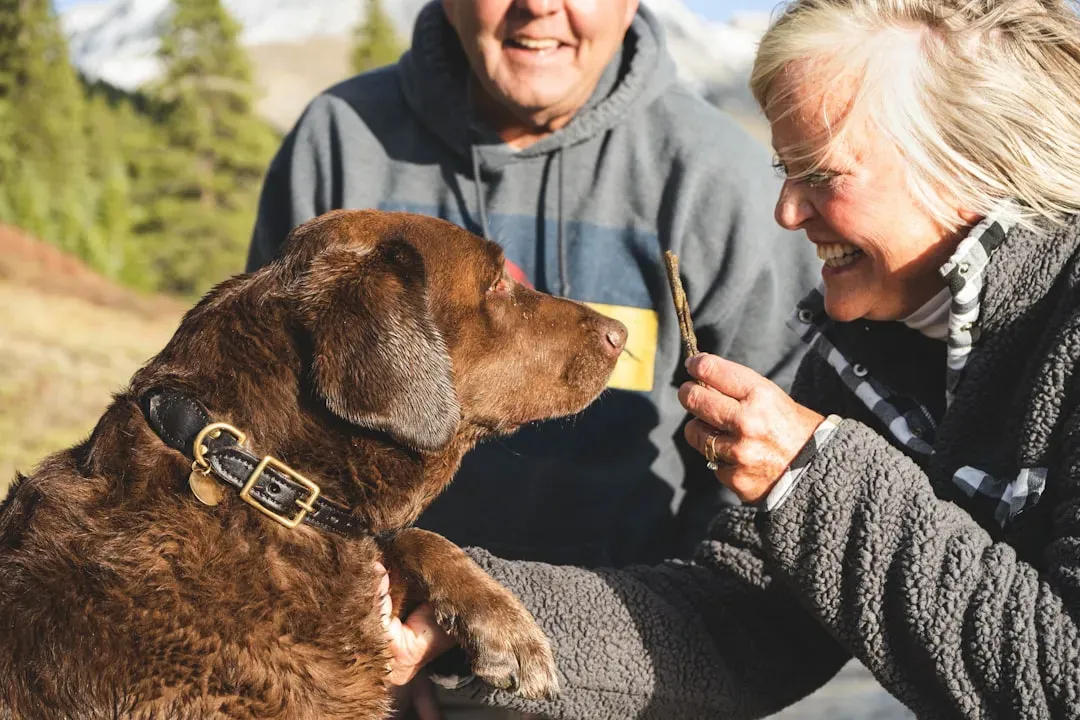
Have you ever noticed your dog acting differently when you’re sad versus when you’re happy? That’s emotional contagion at work, and it’s a real phenomenon.
The correlation coefficients of heart rate variability were positively correlated with duration of ownership in both control and stress conditions. In addition, daily duration of the time spent with dogs has positive influence on the correlation coefficients of HRV between dogs and owners. The longer you’ve been together and the more time you spend with your dog, the stronger this emotional connection becomes. Your dog isn’t just noticing your mood. They’re actually experiencing a shift in their own emotional state when yours changes.
When you’re happy and relaxed, your dog tends to be more playful and confident. When you’re down or upset, they might become quieter, more withdrawn, or unusually attentive. Some dogs will even try to comfort you, placing their head on your lap or staying close by your side. This emotional mirroring is one of the most beautiful aspects of the human-dog bond.
They Respond to Your Training Style
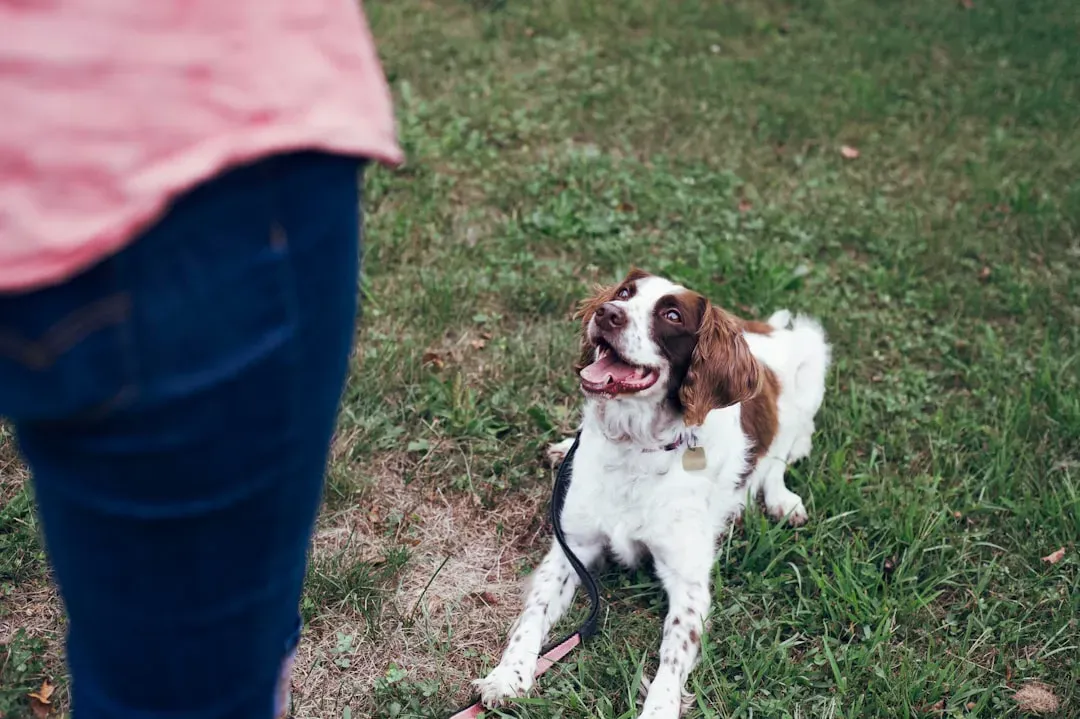
The way you train your dog says a lot about your personality, and your dog adapts accordingly. Are you patient and consistent? Firm and structured? Or maybe a bit inconsistent because life gets hectic?
The study found associations between the degree that the dog advanced during a behavioral intervention and conscientiousness. The researchers speculated that the conscientious pet owners’ lifestyle and behaviors had shaped their dogs to display more territorial aggression toward other people. Interestingly, highly conscientious owners who maintain strict routines and high standards sometimes end up with dogs that are more protective or territorial, possibly because the structured environment creates clear boundaries that the dog feels compelled to defend.
Dogs are incredibly perceptive. They pick up on whether you follow through with commands, how you react when they misbehave, and what behaviors you inadvertently reward. Over time, your training approach shapes not just their obedience, but their entire personality and how they interact with the world.
They Copy Your Daily Routines and Habits

Think about your daily patterns. When do you wake up? How do you spend your evenings? Do you like staying busy or do you value downtime?
Dogs may also imitate their owners’ behaviors. For instance, a dog may adopt certain habits or mannerisms of their owner, such as sleeping patterns or exercise routines. If you’re someone who loves being active and outdoors, your dog likely expects and craves that same level of activity. If you’re more of a homebody who enjoys quiet evenings on the couch, your dog has probably settled into that rhythm too.
This adaptation goes beyond just fitting into your schedule. Dogs genuinely learn what to expect from life based on how you live yours. A dog who lives with an adventurous owner who’s always trying new trails or visiting new places develops a different personality than one whose owner prefers the same familiar park every day. Neither is better or worse, they’re just different adaptations to different human personalities.
Your Reactions Shape Their Confidence
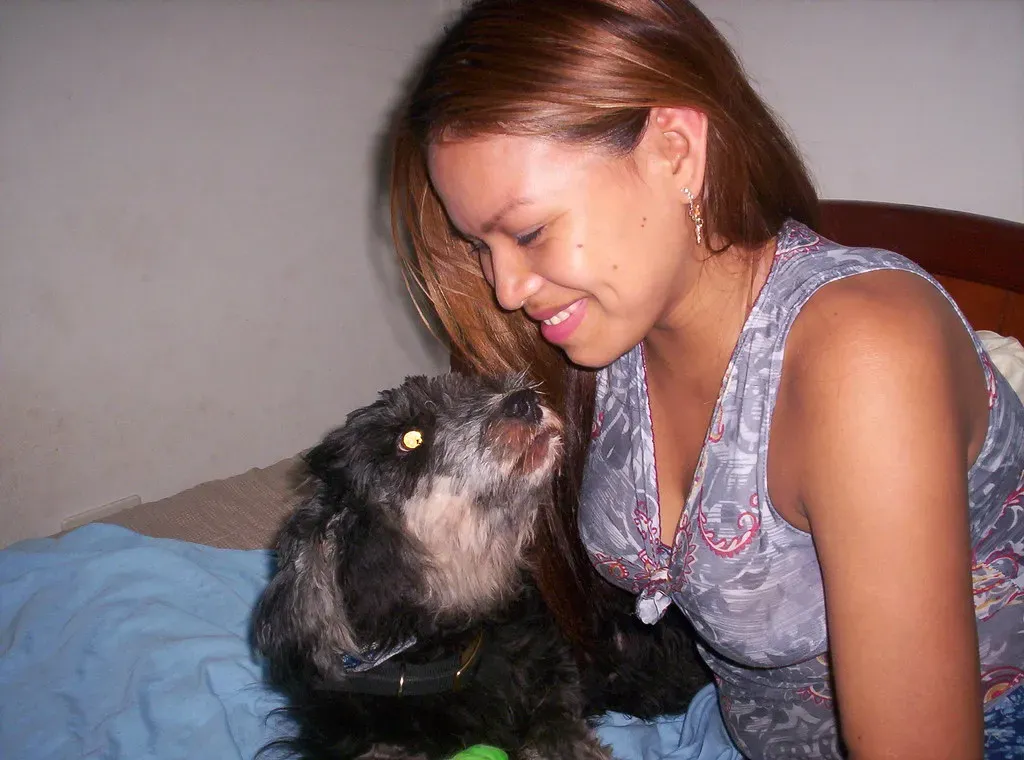
Here’s something that might surprise you. The way you react to new or unexpected situations directly influences how confident or fearful your dog becomes.
While about a third of a dog’s personality is genetic, another two-thirds is determined by their environment, which is largely shaped by their owner if they’re together from puppyhood. If you tend to stay calm when encountering something new, like a loud truck or an unfamiliar dog, your pup learns that these things aren’t threats. However, if you tense up, pull the leash tighter, or show signs of worry, your dog reads that as confirmation that they should be worried too.
This is especially true during the critical early months of a dog’s life, but it continues throughout their lifetime. Your confidence, or lack thereof, becomes their guide for navigating the world. Dogs are always watching you for cues about how to respond, and over time, your typical reactions become their default responses. It’s a responsibility, sure, but also a beautiful reminder of the trust your dog places in you.
Conclusion
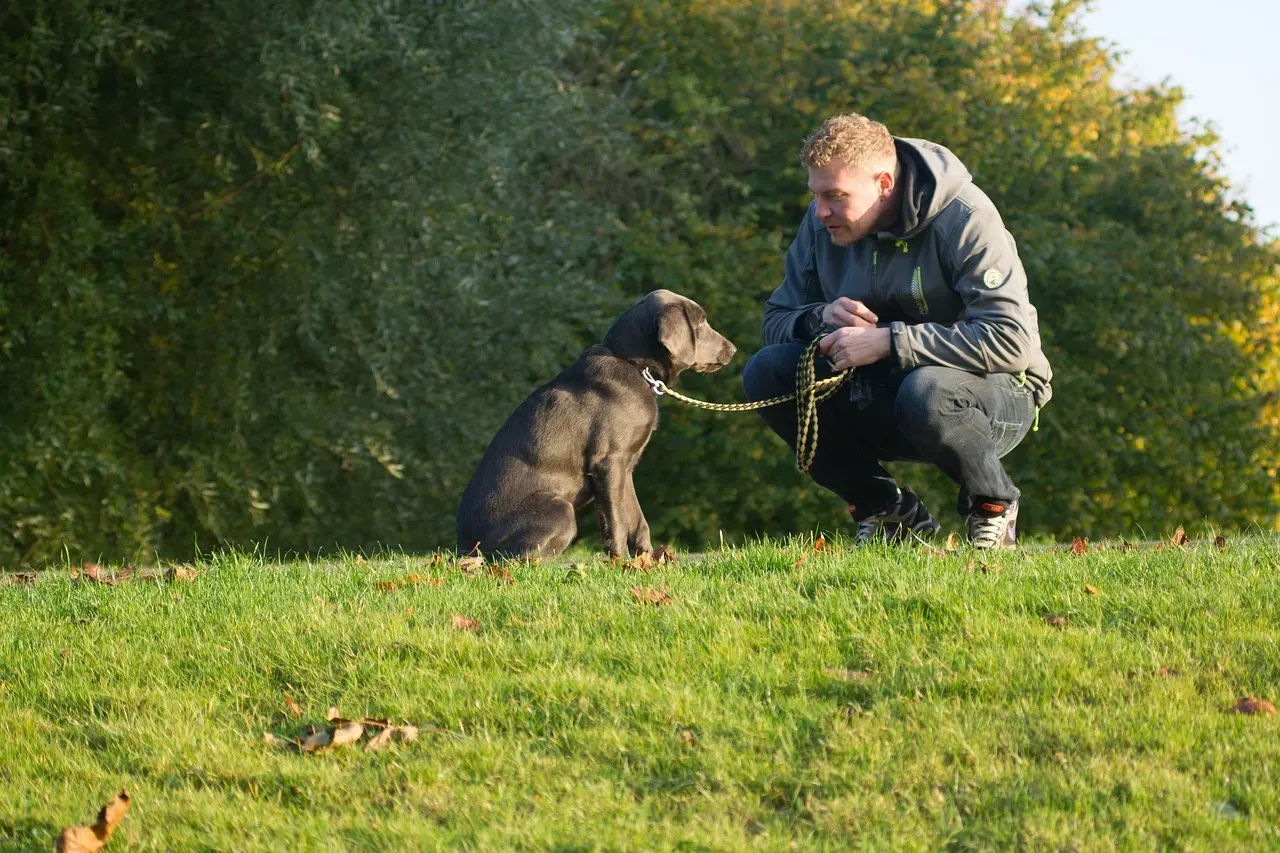
The science is clear, and honestly, most of us who live with dogs already knew it in our hearts. Our dogs aren’t just pets sharing our space. They’re deeply connected companions who adapt, learn, and mirror aspects of who we are. From stress levels to social habits, energy patterns to emotional states, dogs are constantly tuning into us and adjusting themselves accordingly.
This doesn’t mean you need to be perfect or worry that every bad day will damage your dog. It simply means that the relationship you share is reciprocal and powerful. By understanding how much your dog is influenced by you, you can be more mindful of the energy and emotions you bring into your shared life. Work on managing your own stress, model the behaviors you want to see, and create a calm, positive environment for both of you.
What’s most remarkable is that this mirroring happens because of love and proximity, not training or force. It’s a natural result of the unique bond between humans and dogs, one that has evolved over thousands of years. So next time you catch your dog sighing when you sigh, or notice them perking up when you do, take a moment to appreciate just how connected you really are. What changes have you noticed in your dog since they came into your life?


