
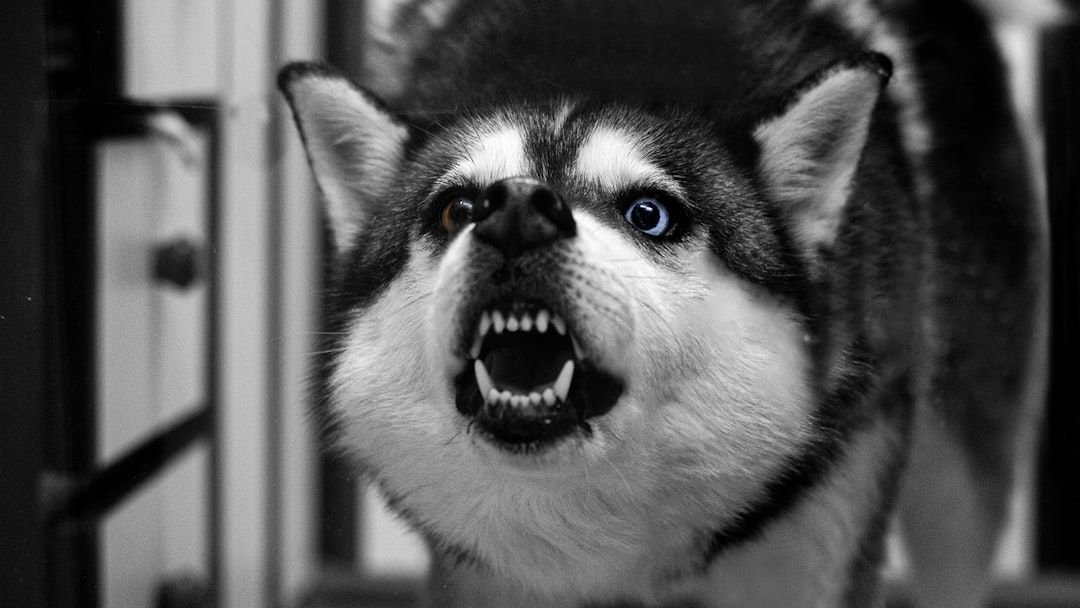
You know that feeling when your dog gives you the side-eye and walks away? It stings a little, doesn’t it? Here’s the thing: our dogs don’t experience anger quite the way we do. They don’t hold grudges or stew over that time you forgot the second walk. What they do experience, though, is frustration, discomfort, and stress – and yes, sometimes irritation directed right at us. The challenge is learning to read those signals before they escalate into something more serious.
Dogs are masters of nonverbal communication, but most of us miss the subtle cues until our pup is barking, growling, or snapping. Think of it like this: your dog has been texting you politely, and you’ve left them on read. Eventually, they’re going to call. Let’s learn to pick up the phone earlier.
They’re Giving You the Cold Shoulder
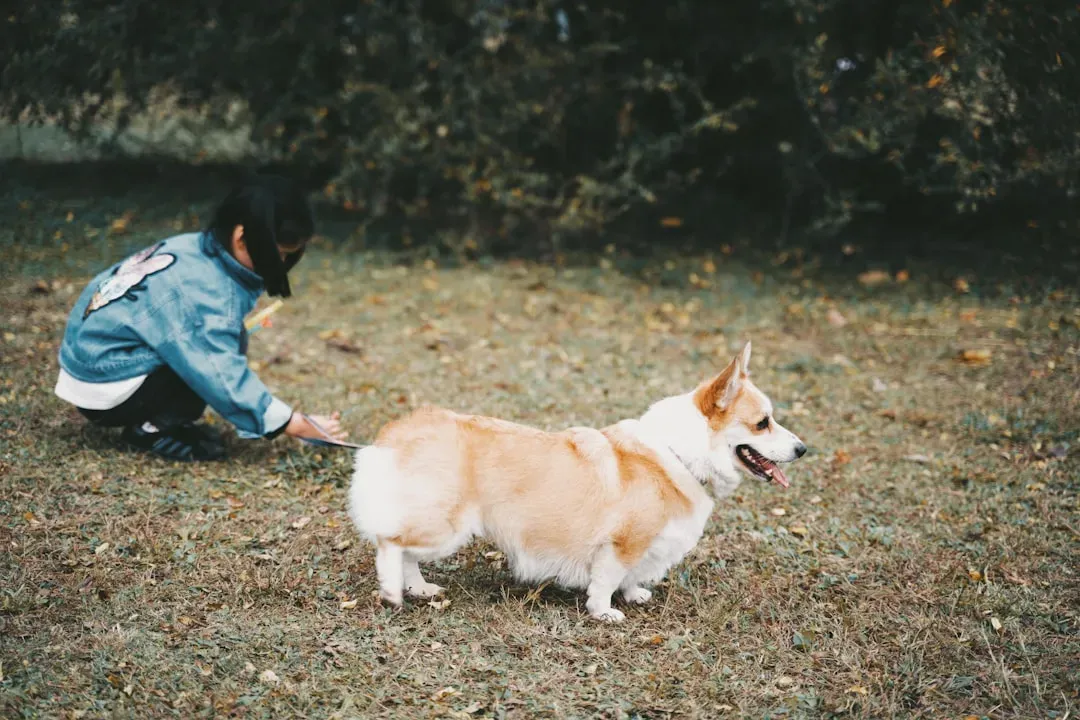
Picture this: you come home from work, and instead of your usual enthusiastic greeting, your dog barely glances your way. A typically affectionate pup suddenly avoiding eye contact or not greeting you enthusiastically can signal they’re upset about something. Maybe you just got back from the vet, or perhaps they’re still annoyed about that bath you insisted on.
This behavior isn’t spite in the human sense. Dogs live in the moment, but they do remember negative experiences and can associate you with discomfort. A dog who usually follows you everywhere may suddenly prefer another room, creating physical distance to communicate their current state of mind. It’s temporary, but it’s real.
Their Body Goes Stiff as a Board

Standing still and stiff with ears forward, mouth closed, tail high, hackles raised is one of the clearest warning signs that your dog is experiencing intense stress or anger. This tension is their way of saying “I’m uncomfortable, and I need you to back off.” Staring at objects is a recognizable stress indicator for dogs, and when combined with a rigid body, it indicates escalating distress.
If your dog freezes mid-motion and their muscles tense up, don’t approach or try to force interaction. If your dog stands still, becomes rigid, and stares at you with wide, alarmed eyes, they’re telling you something’s seriously wrong. Give them space, speak calmly, and reassess what triggered this response.
Growling That Doesn’t Sound Playful

Not all growls are created equal. When dogs growl, it is not always a sign of aggression; they may do so to ask something scary to back off, or they may do so while they’re having fun. The key is context and tone. A play growl is loose, rhythmic, and paired with a wagging tail and relaxed body. An angry growl? That’s low, sustained, and accompanied by tension.
It can range from lunging at the source of anger to warning you off with a low growl. This vocalization is your dog’s way of setting a boundary. Honestly, growling is a gift – it’s their way of saying “please stop” before resorting to more drastic measures. Never punish a growl. You’ll only teach your dog to skip the warning next time.
They’re Baring Teeth or Snapping
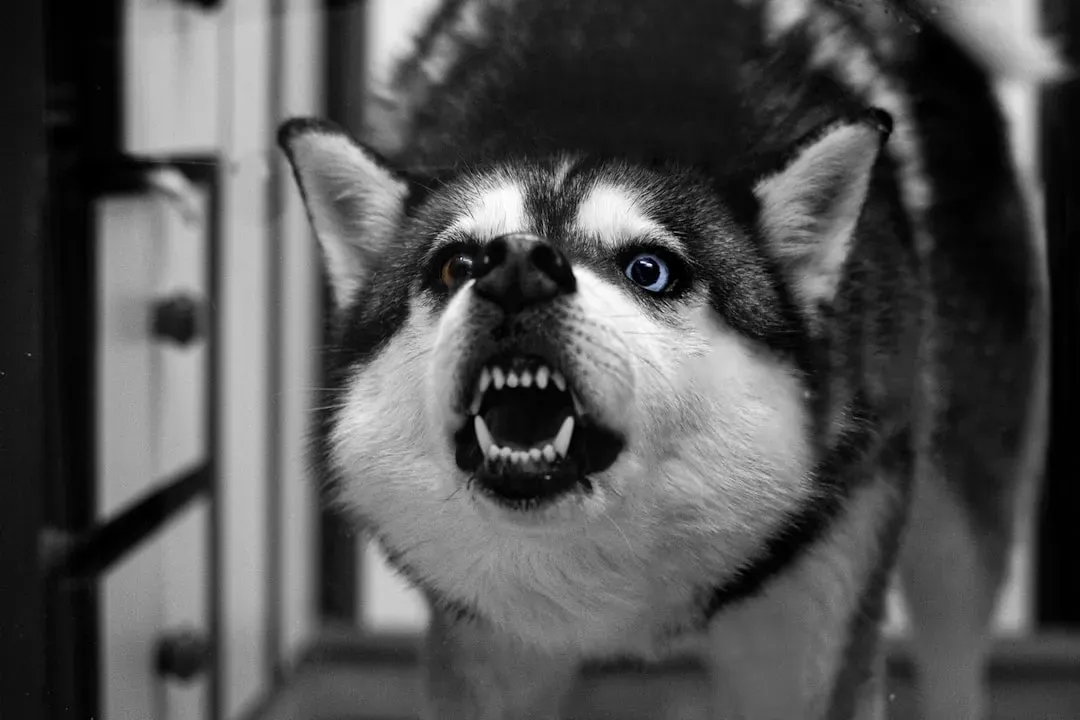
Signs of anger include raised hackles, bared teeth, and a tense body posture with forward-leaning stance. When your dog shows their teeth, they’re not smiling – they’re issuing a very clear ultimatum. This is advanced-level communication, and it means earlier, subtler signals were likely missed or ignored.
Aggressive displays can range from subtle postures, such as staring or leaning forward, to more obvious postures, such as growling, barking, snarling, snapping, lunging forward, or biting. Snapping – when a dog bites the air near you without making contact – is a calculated warning. They’re showing restraint while making their discomfort crystal clear. This requires immediate intervention and possibly professional help.
Excessive Yawning and Lip Licking
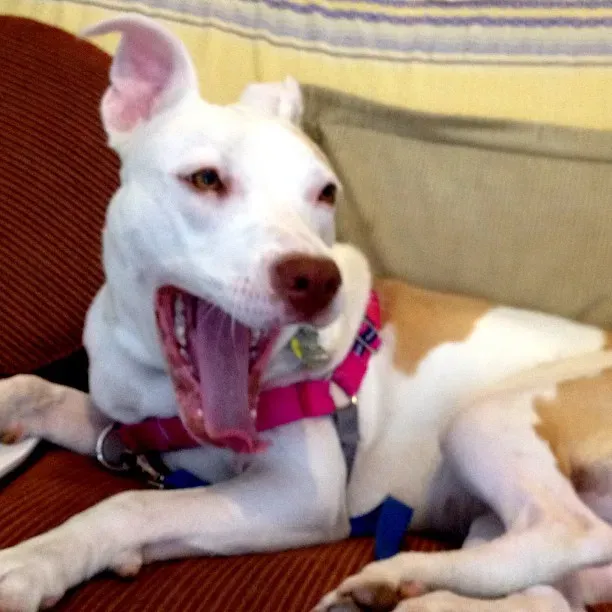
You might think yawning means your dog is tired, but in the world of canine communication, it’s often something else entirely. People yawn when they’re tired or bored, but dogs yawn when they’re stressed. Frequent yawning, even when a dog isn’t tired, can serve as an important indicator of anxiety or discomfort.
Pair that with rapid lip licking – where a dog quickly flicks its tongue across its lips – and you’ve got a dog trying desperately to self-soothe. The top three calming signals owners should be on the lookout for are lip licking, yawning, and shaking off. These aren’t signs of guilt or sneakiness; they’re stress responses your dog uses to calm themselves and communicate unease to you.
Refusing to Obey Commands They Usually Follow

Your dog’s refusal to obey your orders may be a sign of aggression or, more accurately, frustration and stress. When a dog who normally comes when called suddenly develops “selective hearing,” it’s worth asking what changed. Did you just scold them? Are they in pain? Is there something in the environment making them anxious?
If they suddenly ignore commands like “Come here!” you might be on their bad side. This isn’t defiance for defiance’s sake. Dogs don’t plot revenge. Instead, they’re likely overwhelmed, uncomfortable, or trying to avoid something they perceive as threatening. Forcing compliance in these moments can backfire badly.
Tucked Tail and Pinned-Back Ears
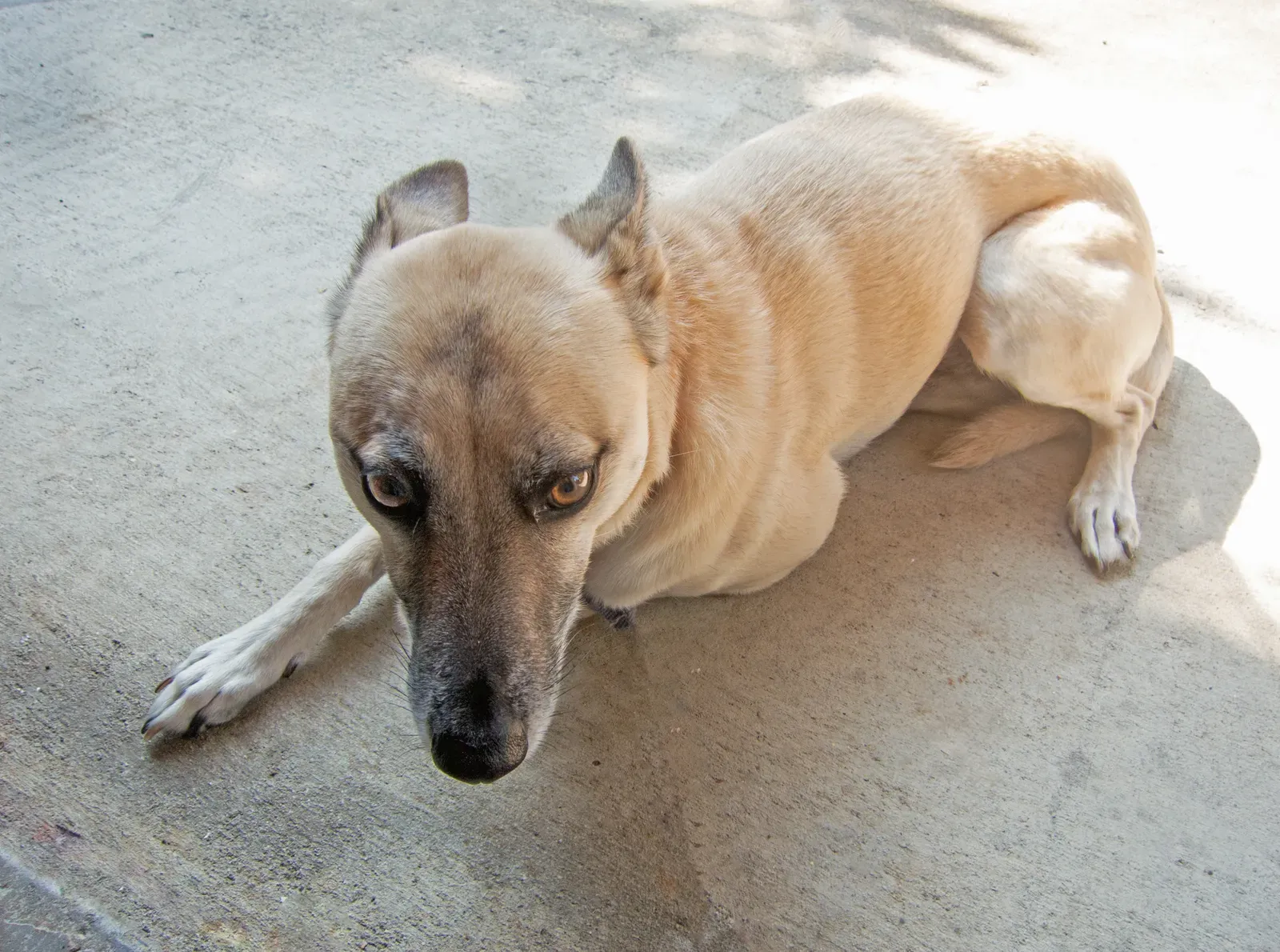
A frightened dog may tuck his tail, while an alert or nervous dog will carry its tail high and possibly wag it vigorously. When the tail is tucked and the ears are plastered against the head, your dog is signaling fear or submission – but that doesn’t mean they won’t bite. Fear- or anxiety-related aggression is perhaps the most common form of aggression in dogs.
The body language of an angry or threatened dog will include flattened ears, bared teeth, and frequent lip licking. A scared dog can become an aggressive dog when they feel cornered with no escape route. This combination of body language tells you to approach with extreme caution – or better yet, give them space and time to decompress.
Destructive Behavior or Indoor Accidents

Suddenly finding chewed shoes, shredded pillows, or surprise puddles where they shouldn’t be? Sudden destructive behavior – Chewing, shredding, or making a mess out of nowhere can be a sign of frustration or anxiety. While this isn’t always directed “at you” in a personal sense, it’s definitely a symptom of an unhappy, stressed dog.
One of the ways in which dogs show their aggression is by destroying things, though it’s crucial to distinguish between true behavioral issues and medical problems. Sometimes these behaviors stem from separation anxiety, fear, or even an undiagnosed health condition. Before labeling your dog as “angry,” rule out medical causes with your vet and consider whether their environment or routine has changed recently.
Conclusion: Listen Before the Bark Gets Louder
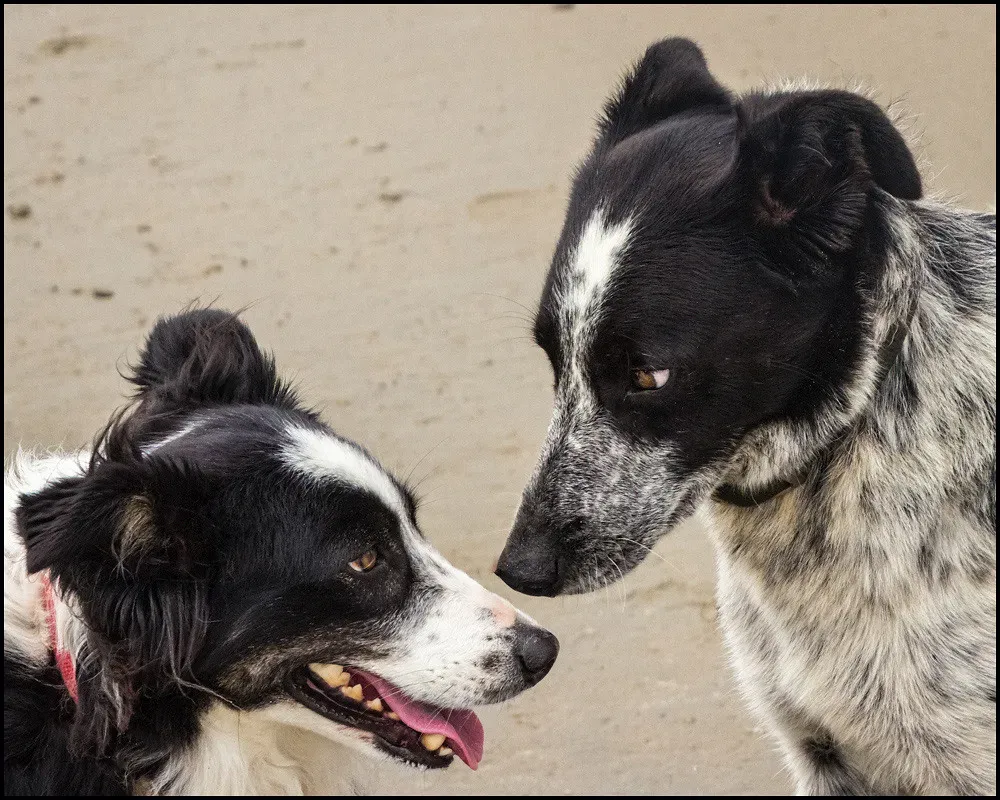
Let’s be real: most of the time when we think our dog is “mad at us,” they’re actually stressed, scared, or uncomfortable. Dogs don’t hold grudges the way we do. They live in the present, reacting to what’s happening right now. The good news? That means once you address the trigger – whether it’s pain, fear, or overstimulation – they’re usually quick to move on.
The key is learning to listen to those early whispers before they become shouts. Yawning, lip licking, a stiff body, avoidance – these are all your dog’s way of asking for help. Respect those boundaries, adjust your approach, and when in doubt, consult a professional trainer or veterinary behaviorist. Your dog is always communicating. The question is: are we paying attention? What signs have you noticed in your own dog? Share your experiences in the comments below.


