

You know that look. The one where your dog stares at you from across the room with those soulful eyes, as if they’re silently screaming for something more than the same old routine. Maybe you’ve come home to find the couch cushions scattered like confetti, or noticed your pup doing that repetitive tail-chasing thing again. Here’s the thing: your dog isn’t being difficult just for the sake of it.
Dogs are naturally curious and social creatures that need challenges both physical and mental, socialization, and different types of activity to feel fulfilled, and without these things, they can quickly become bored. Think of boredom as your dog’s way of waving a giant red flag, telling you something’s missing from their daily life. Let’s dive into the telltale signs that your furry friend is plotting their next great escape from monotony.
They’re Chewing Everything Except Their Toys

When your dog suddenly turns everything into a chew toy, from shoes to furniture to remote controls, boredom might be to blame, as dogs chew when they’re anxious or when they have energy to burn. I’ve seen it happen with my own eyes: a perfectly well-behaved dog turning into a furniture destroyer simply because they had nothing better to do.
The chewing isn’t malicious. It’s actually your dog’s way of self-soothing and finding something, anything, to occupy their mind. Chewing relieves stress and anxiety and is a way for them to let off some steam. If you’re noticing torn pillows, gnawed table legs, or your favorite pair of sneakers in tatters, your pup is desperately trying to create their own entertainment.
Excessive Barking at Every Little Thing
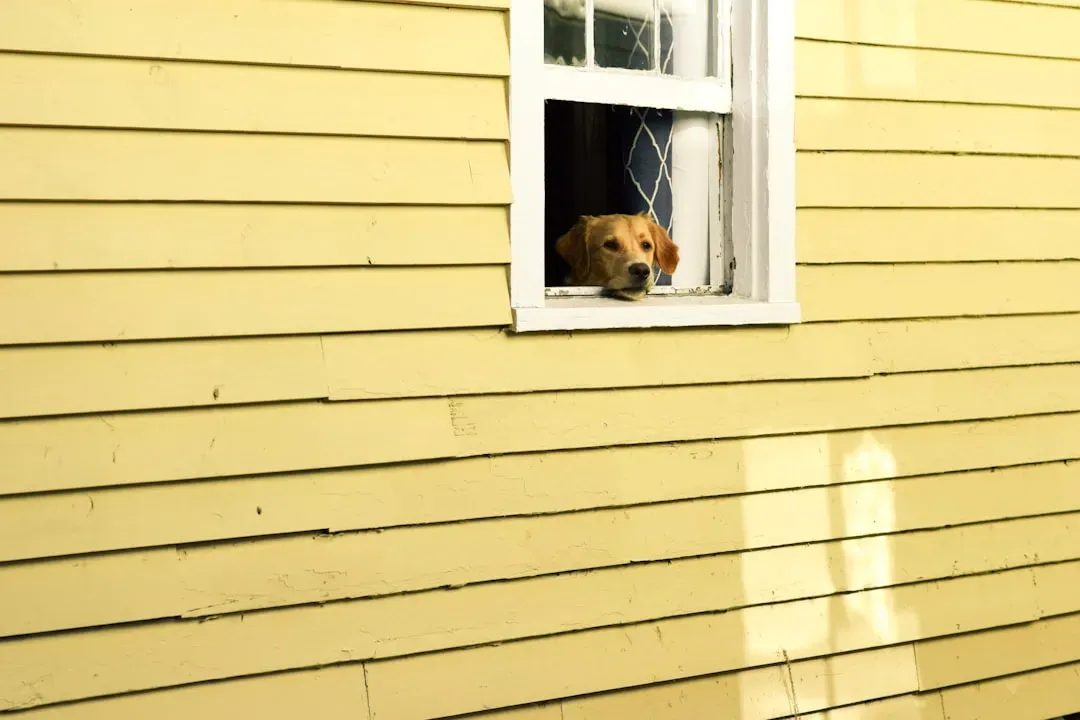
Barking at every sound or staring out the window and barking at every passerby is often your dog’s way of creating their own entertainment when they’re bored. Let’s be real, if your dog is posted up at the window all day like a furry security guard, they’re probably not just being protective.
Sudden barking or whining for no clear reason is often a sign of boredom or frustration, and when dogs feel mentally under-stimulated, they may vocalize to express their discomfort. This constant noise isn’t just annoying for you and your neighbors. It’s actually a cry for help from a dog whose brain needs more engagement than watching the mailman walk by seventeen times a day.
Restless Pacing and Inability to Settle Down

Does your dog seem like they’ve had three espressos even though they haven’t? Pacing, struggling to settle down, or constantly patrolling around the house can often mean that your dog has excess energy with no outlet.
It’s hard to say for sure, but restlessness usually means your dog’s brain is revving with nothing productive to focus on. They might circle the living room, move from spot to spot, or just seem generally unable to relax. This isn’t hyperactivity in the traditional sense. It’s more like your dog is searching for a job that doesn’t exist, and that unfulfilled need manifests as constant movement.
Following You Around Like Your Shadow
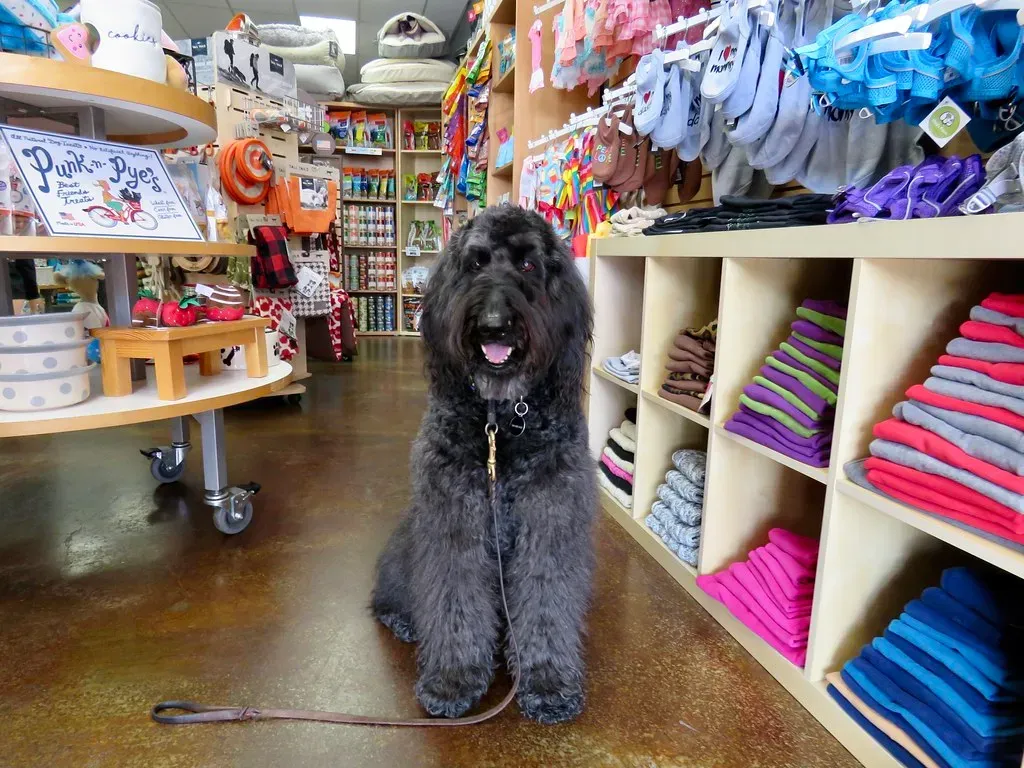
If your dog is sticking to you like glue and shadowing your every move, it may be their way of telling you they’re bored, anxious, or in need of more stimulation. Sure, we all love when our dogs show affection, but there’s a difference between loving companionship and desperate clinginess.
When your pup follows you to the bathroom, the kitchen, and even stands outside the shower waiting, they’re probably not just being sweet. When your fur baby is whining, nudging, and begging for your attention around the clock, they’re most likely bored and need some form of engagement. Think of it as their way of saying, “Please, for the love of squeaky toys, give me something to do.”
Destructive Digging and Scratching
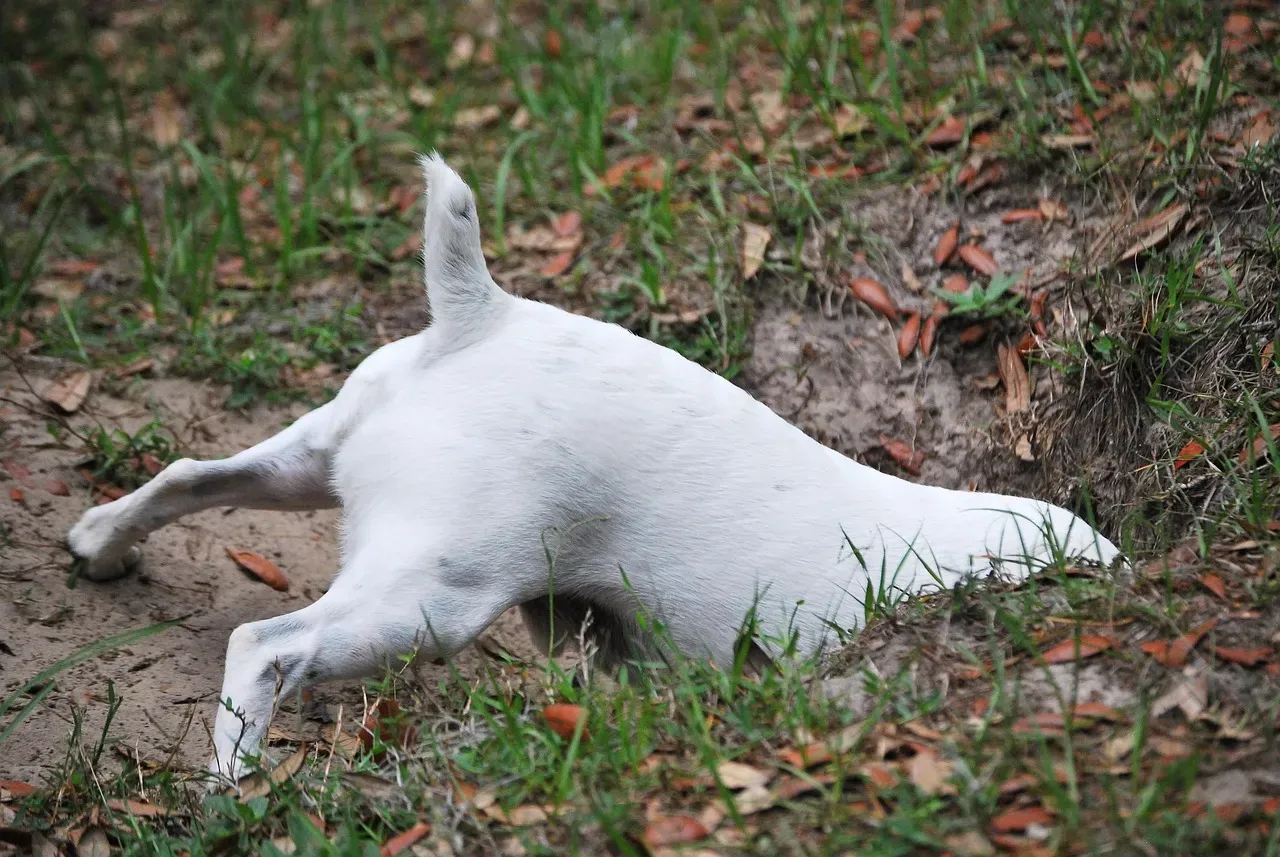
Digging is inherent to certain breeds like Terriers who have a natural inclination to dig rooted in their historical role, but digging habitually can indicate a lack of stimulation. If you’re finding craters in your backyard or scratch marks on your carpet, your dog is channeling their boredom into landscaping projects you definitely didn’t approve.
A bored dog who is left alone will find an available way to keep occupied, and if left outdoors, that can translate to excessive digging. It’s their instinctual way of problem-solving when they have nothing else to focus their considerable energy on. Honestly, can you blame them? If you were stuck in the same yard day after day with nothing new to explore, you’d probably start redecorating too.
Excessive Sleeping or Lethargy

Here’s one that surprises people: excessive sleeping and lethargy may seem like signs of relaxation, but they can actually indicate boredom in dogs, and when a dog lacks enough mental or physical stimulation, they may spend long periods sleeping or appear sluggish during the day.
Your once-playful pup suddenly snoozing for hours on end isn’t necessarily lazy. They might actually be checking out mentally because there’s nothing interesting happening. A lack of interest in regular activities, such as refusing walks, ignoring toys, or turning down treats, can be one of the unexpected signs your dog might be bored, and when dogs become bored, they often lose enthusiasm for things they usually enjoy, which can even lead to depression. It’s like they’ve given up on expecting anything exciting to happen.
Indoor Accidents Despite Being House-Trained

Boredom can also look like pooping and peeing in places around the house not designated for potty trips, and if your well-trained pet is suddenly changing their bathroom behaviors, it could be a sign. I know it sounds crazy, but your dog isn’t trying to get revenge or punish you.
This behavior is actually more complex than it seems. When your dog poops and pees in the house, it’s a classic sign of boredom, and a dog trained to use the restroom outside who suddenly starts having accidents indoors might be experiencing boredom, with some dogs acting out purely out of boredom or even as a form of protest to being left alone for long periods of time. Before you get frustrated, rule out medical issues with your vet first, then consider whether your pup needs more mental engagement.
Obsessive or Repetitive Behaviors
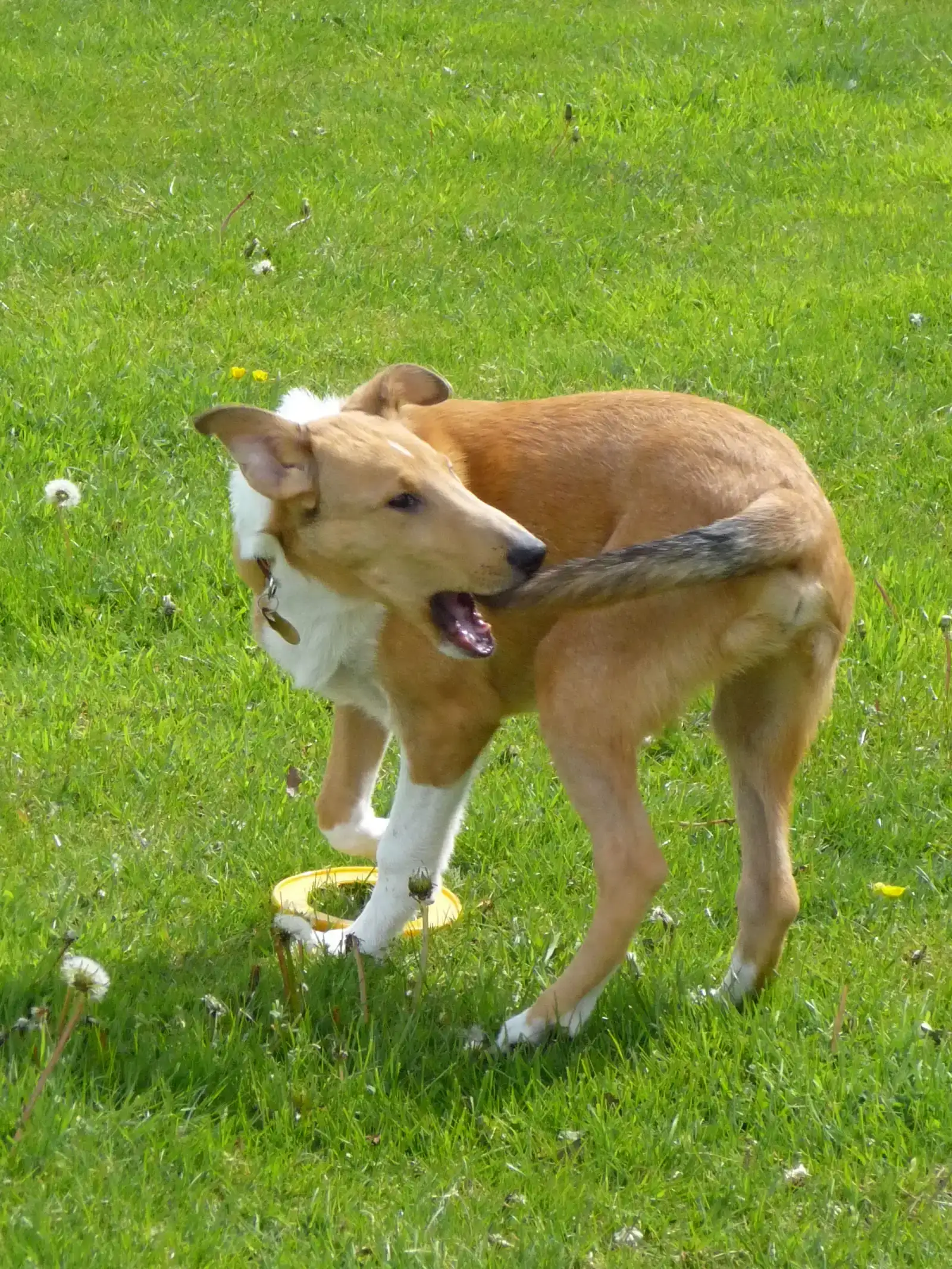
Tail chasing, excessive licking, or spinning in circles can develop into compulsive behaviors when dogs don’t have enough enrichment or healthy outlets to focus their mind and body on. These behaviors can start out seeming cute or quirky, but they can quickly escalate into something more concerning.
Pets can develop impulsive actions as a form of pet obsessive-compulsive disorder, usually as a result of stress, anxiety, or boredom, and they will continually repeat a behavior. An estimated 16 percent of dogs are known to engage in repetitive behaviors, often triggered by frustration, stress, or boredom. If you notice these patterns developing, it’s time to seriously rethink your dog’s daily routine and add more variety and stimulation.
Conclusion: Your Dog Deserves Better Than Boredom
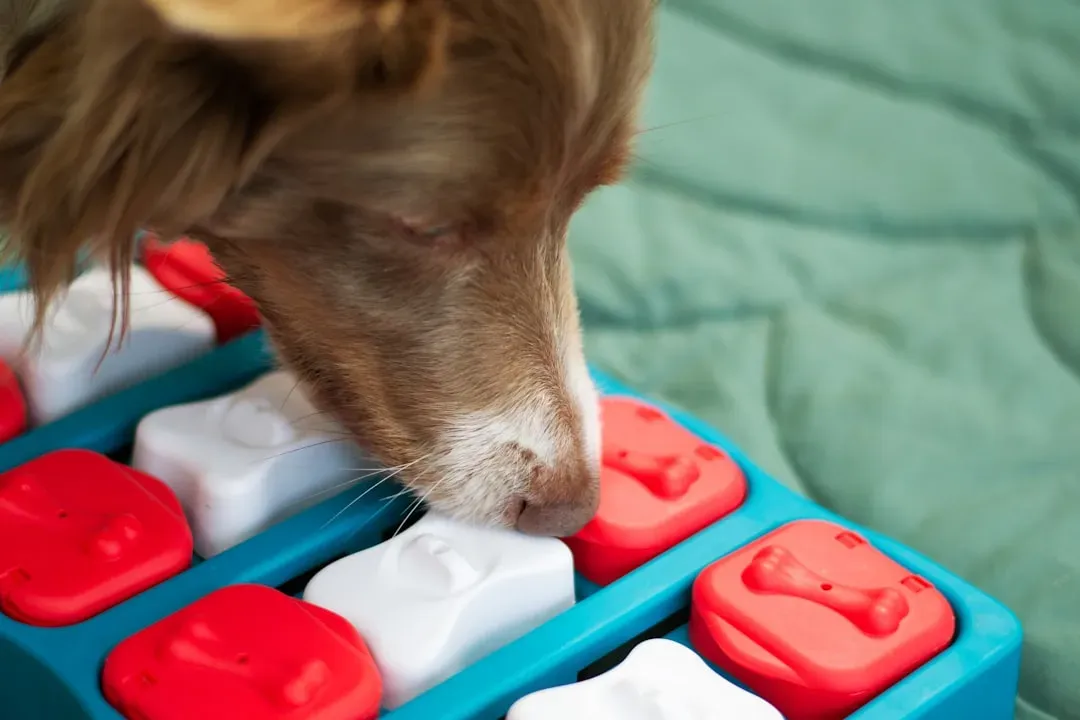
The beauty of recognizing these signs is that you now have the power to change things. Mental stimulation is just as important for dogs as physical exercise, and mental exercises can actually make dogs even more tired than physical exercise, with many destructive behaviors in dogs being resolved simply by implementing mental exercises every day.
Your dog isn’t plotting mischief because they’re bad. They’re doing it because they’re smart, energetic beings who need more than just food and shelter to thrive. Whether it’s puzzle toys, training sessions, longer walks with more sniffing time, or doggy daycare, there are countless ways to enrich your pup’s life. The investment you make in keeping them mentally stimulated pays off in a calmer, happier, healthier companion.
What behaviors have you noticed in your own dog? Have any of these signs hit a little too close to home?


