
There’s nothing quite like watching your dog bring new life into the world. If you’re here because your girl is expecting, you probably have a mix of excitement, nerves, and a million questions running through your mind. When will she go into labor? How will you know it’s time? What if something goes wrong?
Let’s be real, even experienced dog owners can get a little anxious during this time. The truth is, your dog is hardwired for this moment. Nature has equipped her with incredible instincts, and she’ll likely handle most of it herself. Still, knowing what to watch for can help you support her and step in if needed. So let’s dive in and take a closer look at those telltale signs that puppies are on the way.
Her Temperature Takes a Sudden Dive
One of the most reliable signs that labor is imminent is a drop in your dog’s body temperature from her normal range to around 98 to 99 degrees Fahrenheit, which typically happens within 12 to 24 hours before labor begins. Normal canine body temperature ranges between 100 and 102.5 degrees Fahrenheit.
This temperature drop happens when your dog’s progesterone levels suddenly lower. To catch this sign, you’ll need to take her temperature twice daily during the final week of pregnancy using a rectal thermometer. This decrease in temperature typically lasts around eight hours. If taking her temperature stresses her out, skip it. Keeping her calm matters more than any thermometer reading.
Nesting Behavior Goes Into Overdrive
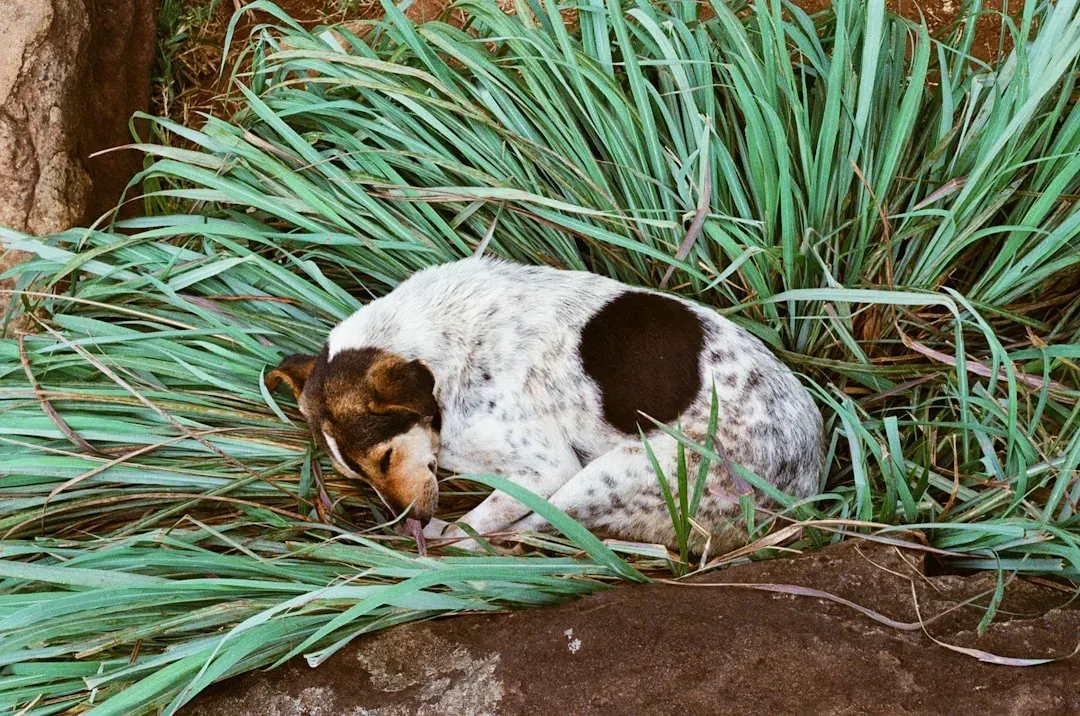
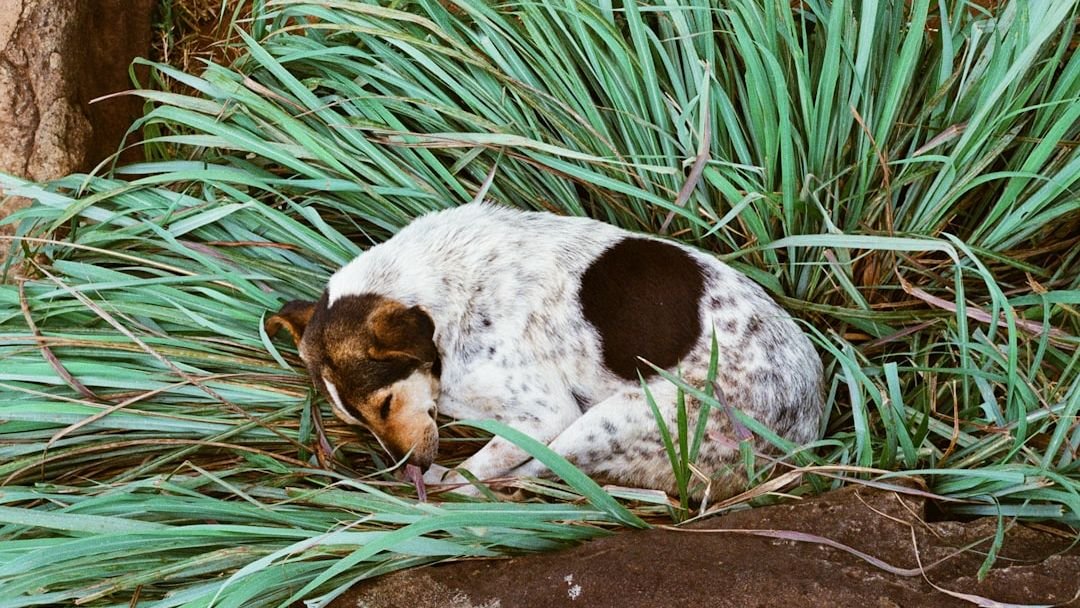
You may notice extreme nesting behavior such as fervently shredding bedding material, frantic nesting, discomfort and increased panting, which usually occur 6 to 12 hours before parturition but may last up to 24 to 36 hours. She might suddenly start rearranging her bed, gathering blankets, or even moving household items to create her perfect birthing spot.
Here’s the thing, though. Your dog might completely ignore the beautiful whelping box you spent hours preparing and choose the back of your closet instead. Don’t take it personally. The mama dog will try to find a quiet corner and make an area for her to have puppies. Let her pick the spot where she feels safest, as long as it’s clean and accessible.
She’s Restless and Can’t Settle Down
As the first labor pains begin, you may notice behavioral changes including becoming especially clingy, not wanting you out of her sight, beginning to pant heavily, becoming restless, relentlessly pacing around the room, and starting to shiver. She might wander from room to room, unable to get comfortable no matter where she lies down.
This restlessness comes from early contractions that you can’t see yet. During this stage, your dog will act restless, travel in and out of the nesting box, pant, dig, and sometimes even vomit. It’s hard to watch her discomfort, honestly. Stay close by to offer reassurance, but try not to hover too much. She needs to feel supported, not smothered.
Her Appetite Completely Disappears

A loss of appetite and burrowing in her bedding is common in the 12 to 24 hours before she goes into labor. If your food-motivated pup suddenly turns her nose up at her favorite meal, pay attention. Being in labor is uncomfortable, and the body does not have time or energy to digest food, so when it comes close to the time for labor, she may have no interest in eating or even drinking water.
Some dogs may refuse food for a couple of days before delivery. Some bitches may vomit. Make sure fresh water is always available. Dehydration during labor can complicate things, so encourage her to drink even if she won’t eat.
Increased Panting and Trembling
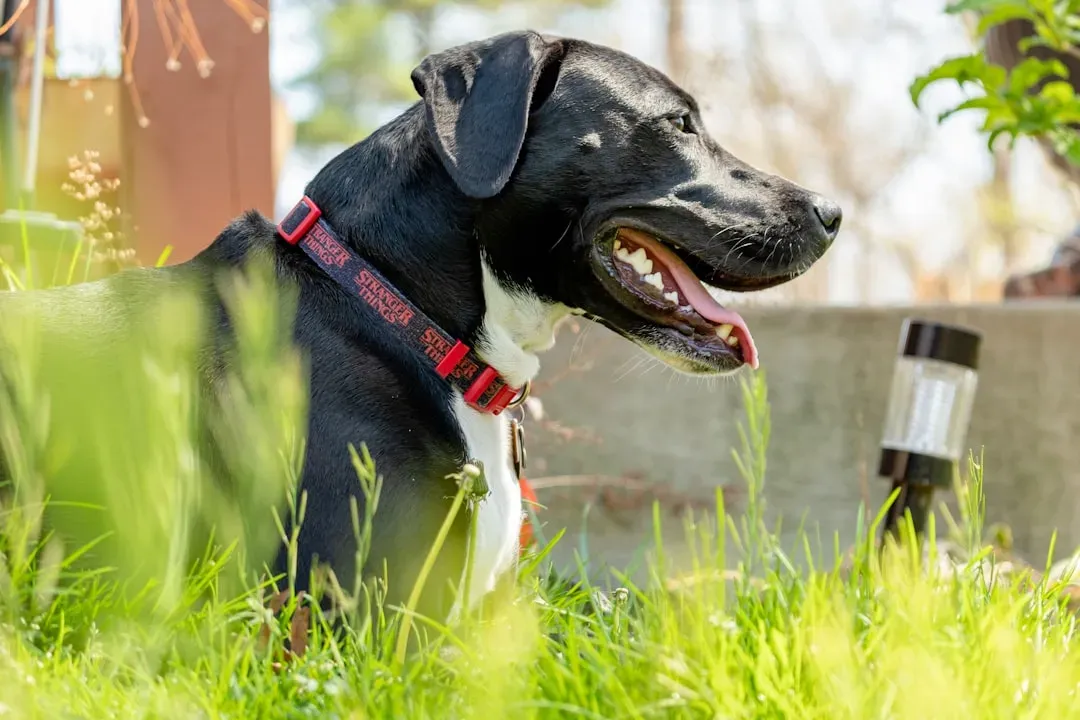
Panting and trembling may be among the first signs, as the uterus is contracting and the cervix is dilating. Shivering can be a sign your dog is in pain and the labor has started. You’ll notice her breathing becomes rapid and shallow, almost like she’s overheated even though the room temperature is fine.
This isn’t just nervousness. It’s her body’s way of managing discomfort as contractions begin. Panting is another way a dog in labor will let you know they are in pain and the contractions have started. Do your best to keep the environment quiet and comforting. Dim the lights, speak softly, and let her know you’re there.
Excessive Licking of Her Genital Area
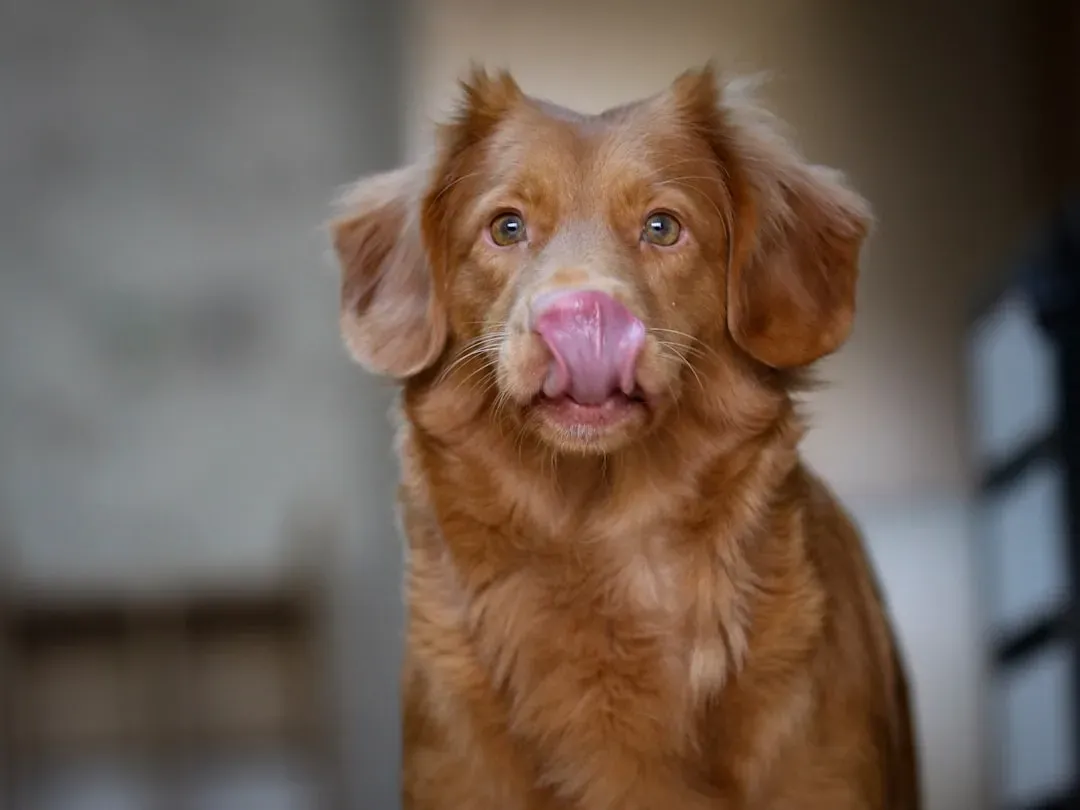
Excessive licking of the genitals near her due date is a good sign that . This is done to prepare the genitals for birth and sometimes to get rid of pent up stress due to the labor, and your pup might also lick her nipples at this time, spending several minutes at a time licking these areas in the days and hours leading up to labor.
Dogs may also have vaginal discharge before birth that is clear to white. The licking becomes more intense as delivery time approaches. It’s totally normal and nothing to worry about. She’s simply getting ready for what’s ahead.
Her Belly Hardens With Contractions
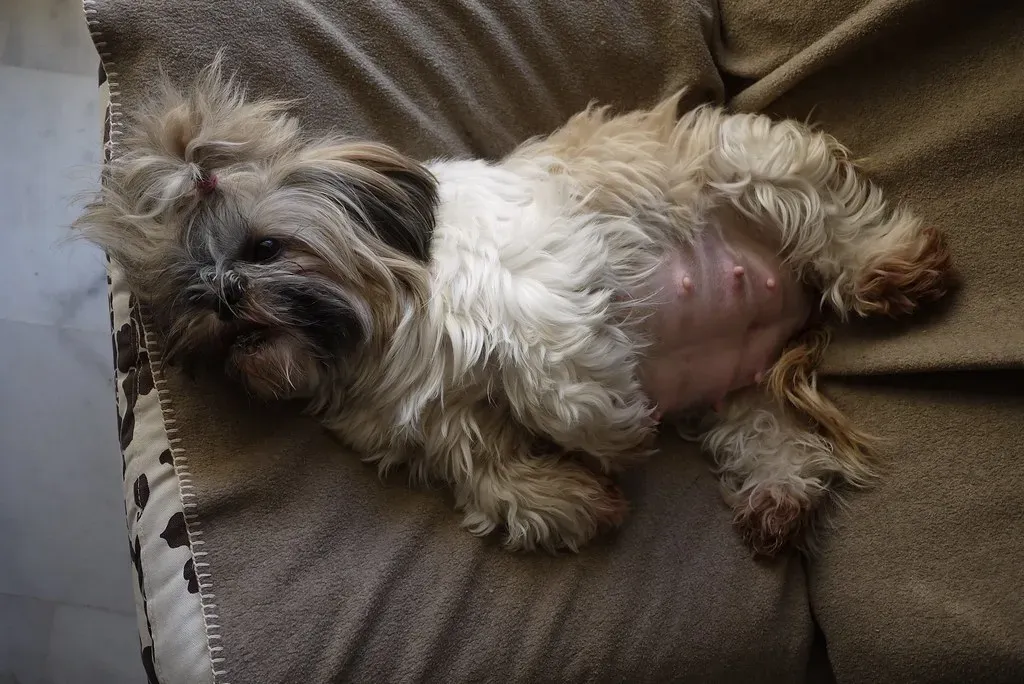
Another thing that happens during the last couple of days before the delivery of puppies is a hardened belly, with the mother dog’s abdomen feeling hard and firm to the touch with usually not much give when it is gently pressed, as contractions are typically what cause the hardened belly. You might be able to see visible tightening and relaxing of her abdomen if you watch closely.
These contractions start mild and become more frequent and intense. You may notice contractions once labor begins. If you gently place your hand on her belly, you’ll feel the muscles tighten in waves. This means things are progressing, and puppies will arrive soon.
She Seeks Seclusion or Becomes Clingy
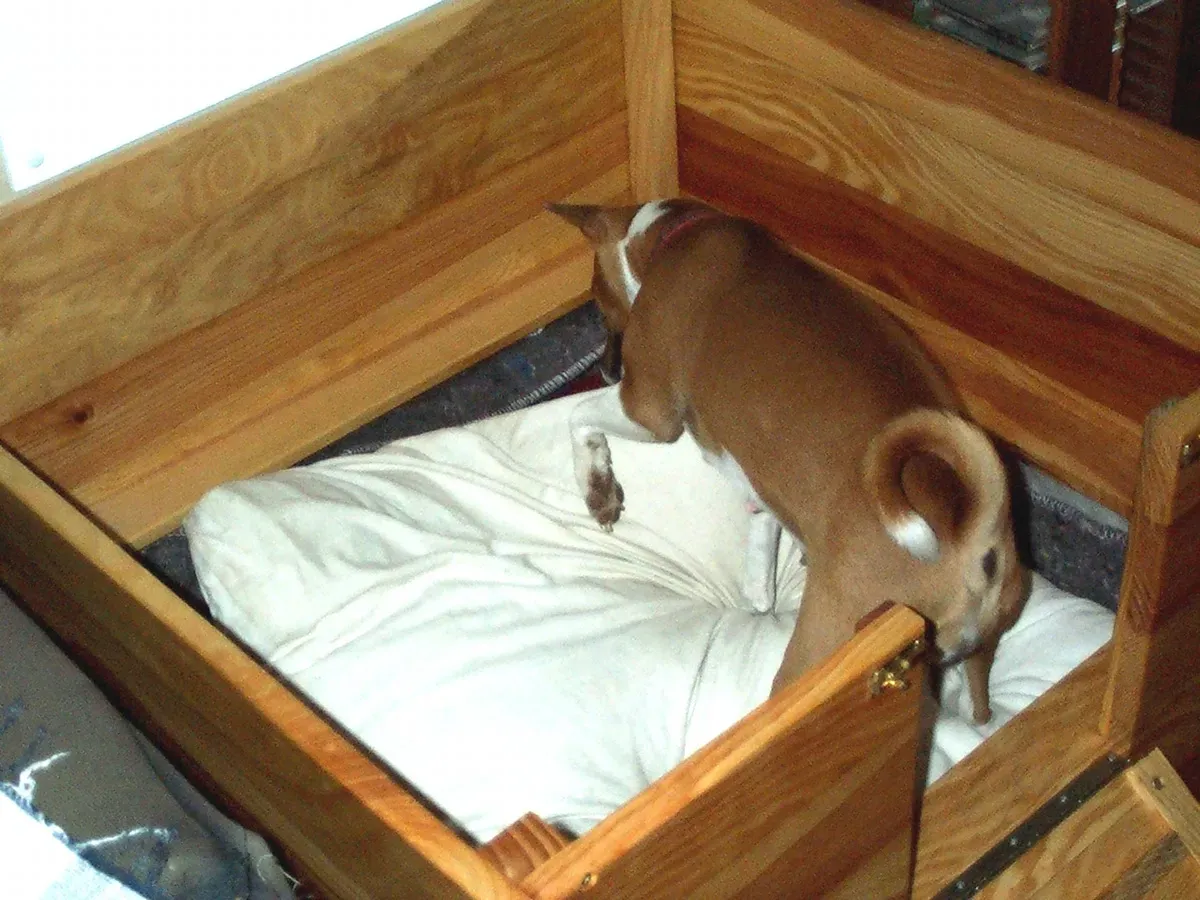
During the final week of dog pregnancy, mothers to be may be a little restless and seclude themselves in a quiet area. Some pregnant dogs display some changes in their behavior in the days leading up to labor, as they might become more defensive as their comfort fades, or they might show signs of anxiety, especially when they try to lie down and rest.
Interestingly, dogs respond differently. Some want you by their side constantly, while others prefer to disappear into a corner alone. They also may try to run away and hide if the household is busy, in an attempt to be someplace quiet and safe in the event that she gives birth. Respect her preference. If she wants space, give it to her. If she needs you close, stay near.
Conclusion
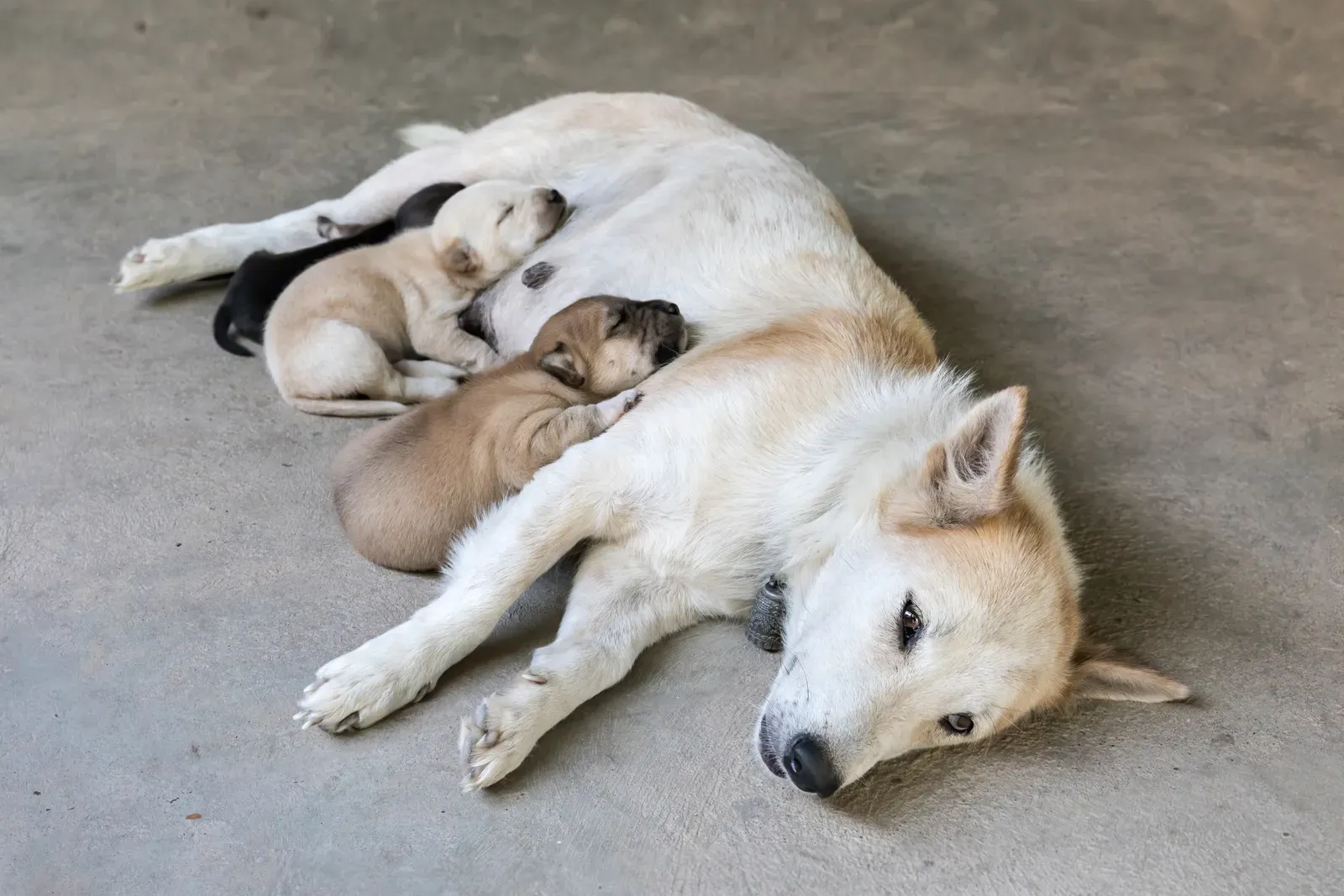
Watching your dog go through labor is one of those experiences you’ll never forget. It’s beautiful, messy, emotional, and sometimes nerve wracking all at once. By recognizing these eight signs, you’re giving yourself the best chance to support her through this incredible journey.
Remember, most dogs deliver naturally without complications. With proper preparation, monitoring, and care, most dogs deliver safely without intervention. Stay observant, trust her instincts, and don’t hesitate to contact your vet if anything seems off. You’ve got this, and so does she.
Did you notice any unique signs when your dog went into labor? Every birth story is different, and we’d love to hear yours in the comments below.


