

Your dog finished their walk, had their dinner, and is now circling the living room like a tiny, furry tornado. You’ve done everything right, or so you thought. Here’s the thing: physical exercise is only half the story when it comes to a happy dog. The other half lives entirely inside that brilliant, curious brain of theirs.
Mental stimulation for dogs is just as important as physical exercise, and dogs need enrichment for their overall health and well-being to prevent boredom, frustration, anxiety, and unhappiness. The tricky part? Our dogs can’t exactly book a therapy appointment or text us when they’re understimulated. They communicate through behavior, and learning to read those signals is one of the most loving things you can do as a pet parent. Let’s dive in.
1. They’re Destroying Everything in Sight

Picture this: you come home after a long day, only to find your favorite cushion in shreds and the TV remote surgically dismantled. Before you feel frustrated, take a breath. Arriving home to discover your favorite slippers in tatters or the garbage scattered across your kitchen floor is typically a sign of boredom among dogs. Your dog isn’t being spiteful. They were simply bored out of their mind.
If your dog is shredding, chewing, tearing, and ripping your belongings, no matter how many miles you run them, then they probably need to wear out that brain. Think of it like a toddler with too much energy and nothing to do. Giving your dog acceptable outlets for these drives, like treat-dispensing toys to “destroy,” can curb unwanted behaviors, and training them what they CAN chew also helps.
2. They Can’t Seem to Settle Down, Even After Exercise

Does your dog whine, pace, or get up from their resting position every few minutes? Dogs that just can’t settle, even after physical exercise, are suffering from a brain that just won’t be quiet. Exercising their brain will help them relax and finally settle down. Honestly, it’s one of the most misunderstood signs out there.
Ever notice your dog wandering room to room, pacing and plopping down with a sigh every few minutes? Yep, they’re bored. Just like humans, dogs seek something to grab their attention and keep them occupied. A quick training session or a puzzle feeder can work wonders here. It doesn’t take long, but the payoff is enormous.
3. The Barking Just Won’t Stop

Excessive barking is a sign that your dog needs something to do. Barking can be a sign of boredom or restlessness, when a dog has pent-up energy because they don’t have enough to do. Imagine sitting in a quiet room with nothing to read, watch, or do. You’d eventually start making noise too, right?
Lots of barking and reacting to any little stimulus can indicate an under-stimulated mind seeking entertainment. Simple attention, even negative attention, is rewarding. Making sure your dog receives adequate daily enrichment will help calm this behavior. Try redirecting that vocal energy with a scent game or hide-and-seek session before reaching the end of your patience.
4. They Follow You Absolutely Everywhere
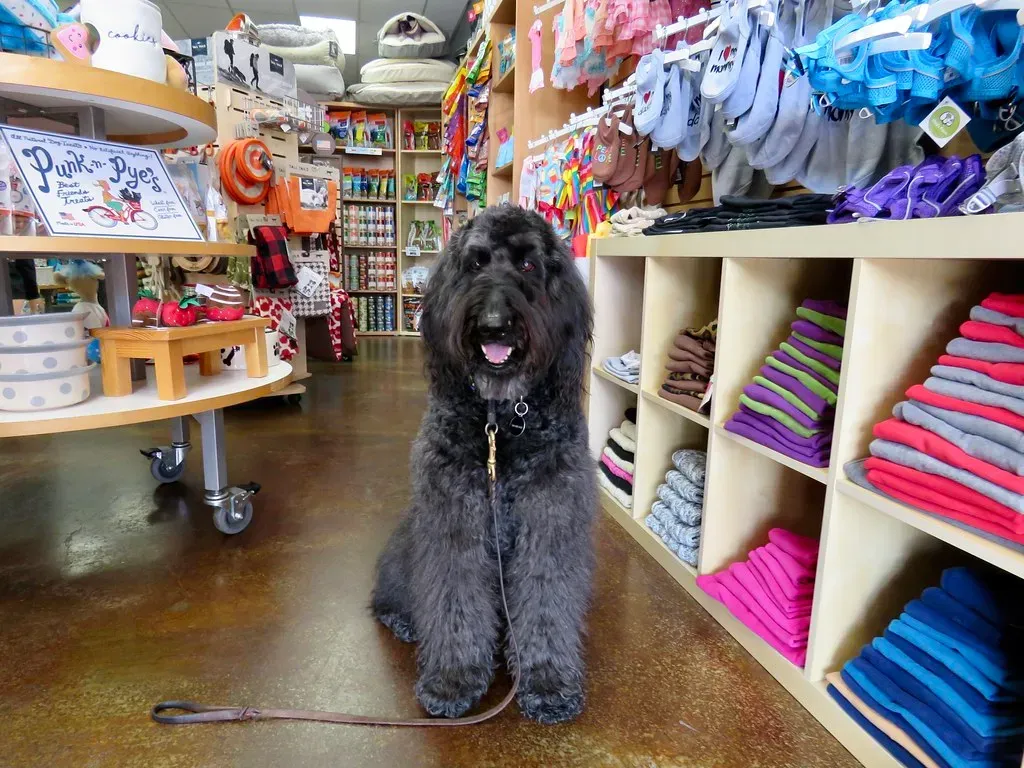
We all love feeling needed, but a dog who shadows your every single move, including trips to the bathroom, might be telling you something important. If your dog is sticking to you like glue and shadowing your every move, it may be their way of telling you they’re bored, anxious, or in need of more stimulation. There’s a difference between an affectionate dog and a desperately bored one.
Most dogs appreciate everyday affection, but if your pup is following you constantly or trying to get your attention, it might be a sign of boredom. The fix here is giving your dog something purposeful to focus on. Giving your dog a job to do with brain games forces them to concentrate and use problem-solving skills, which means they stop treating you like their only source of entertainment.
5. They’ve Developed Obsessive or Repetitive Habits

It’s normal for dogs to occasionally chase and “catch” their tail. But some become obsessive tail hunters, even risking injury. This repetitive behavior suggests boredom. The same goes for spinning in circles, chasing shadows, or compulsively licking their paws. These aren’t quirky little habits. They’re communication.
Tail chasing, excessive licking, or spinning in circles can develop into compulsive behaviors when dogs don’t have enough enrichment or healthy outlets to focus their mind and body on. If it becomes compulsive despite efforts, check with your vet, as it could signal anxiety or a medical condition requiring treatment. Always worth a professional opinion when repetitive behaviors escalate.
6. They Sleep Way Too Much

Sure, dogs love a good nap. We love them for it, honestly. But there’s a meaningful difference between a healthy rest and checked-out, all-day snoozing. Dogs spend a good portion of the day snoozing, but if your formerly active pup is now logging 18 or more hours in dreamland, it often means they’re bored out of their mind. Excess sleep is not healthy.
Not all bored dogs act out. Some shut down instead, sleeping excessively throughout the day, showing little interest in toys or food, and avoiding interaction with humans or other pets. This type of boredom can mimic depression, and it’s often overlooked. If your once-bouncy pup now seems indifferent to everything, it’s time to shake up their routine with fresh activities.
7. They Go Absolutely Wild When You Get Home
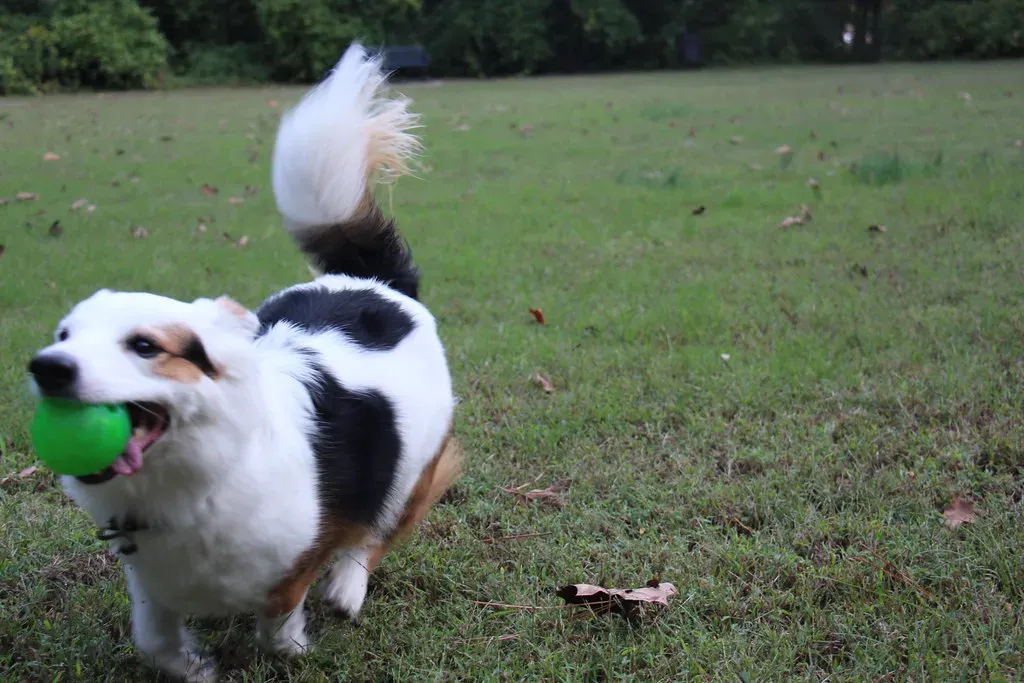
You open the front door and suddenly it’s a full-scale celebration, complete with zoomies, jumping, spinning, and enough energy to power a small city. Jumping, barking, and practically bouncing off the walls whenever anyone comes through the door could be a sign that your pup is under-stimulated and craving more consistent interaction. It feels flattering at first, but let’s be real: it’s a cry for help.
Dogs starved for mental enrichment often react excessively to minor stimuli, a passing person, a doorbell on TV, even your sneeze. They have so little going on that any small change grabs their attention. This isn’t bad behavior, just an exuberant brain looking for some action. The solution is giving that brain something constructive to chew on throughout the day, literally and figuratively.
8. They’ve Lost Interest in Things They Used to Love

This one breaks my heart every time. Pay attention to changes in your dog’s behavior or mood. If they appear disinterested, lethargic, or withdrawn, it may be a sign they’re not receiving enough mental stimulation. A dog who used to race for their ball and now barely lifts an eyebrow isn’t being dramatic. They’re telling you something has gone quiet inside.
Without proper mental stimulation, your canine companion can become bored, anxious, and even depressed. This is especially true for high-energy breeds or working dogs who are used to having jobs to do. Mental enrichment can improve your furry pal’s mood, reduce unwanted behaviors, and even slow cognitive decline as they age. So if the spark seems gone, it might just need a little rekindling.
Conclusion: Your Dog Is Talking. Are You Listening?

Dogs are extraordinary communicators. They don’t need words. Every chewed cushion, every frantic bout of zoomies, every afternoon spent staring at the wall is a message from a creature who trusts you completely with their wellbeing. Boredom in dogs is far more than an inconvenience. It is a welfare issue that directly impacts behavior, health, and the bond between pet and owner.
The good news is, you don’t need a ton of money or time to make a real difference. Providing mental stimulation for your dog doesn’t have to break the bank or be fancy. Activities like playing “Find It” or “Hide and Seek,” or taking them on scent walks cost nothing and can be enjoyed anywhere. Small changes, done consistently, add up to a deeply happy dog.
You already love your dog. Now you have the tools to truly understand them. So the next time your pup gives you that restless look or starts demolishing a shoe, ask yourself: when did I last challenge that incredible brain of theirs? What would you do differently starting tomorrow?


