

You leave for work, and when you come home, the snack cabinet is mysteriously open, the puzzle toy is disassembled in three places, and your dog is sitting on the couch looking completely innocent. Sound familiar? Living with a highly intelligent dog is one of the most rewarding, slightly humbling, and occasionally chaotic experiences a dog lover can have.
Intelligence in dogs is about so much more than just “book smarts.” It’s an ability to learn new things, retain information, and adapt to the environment. The tricky part is that those same qualities that make your dog a joy to train can also make them a tiny four-legged mastermind. Here are eight signs your dog might be operating on a level that quietly exceeds your own planning abilities.
They’ve Basically Figured Out Your Entire Daily Schedule
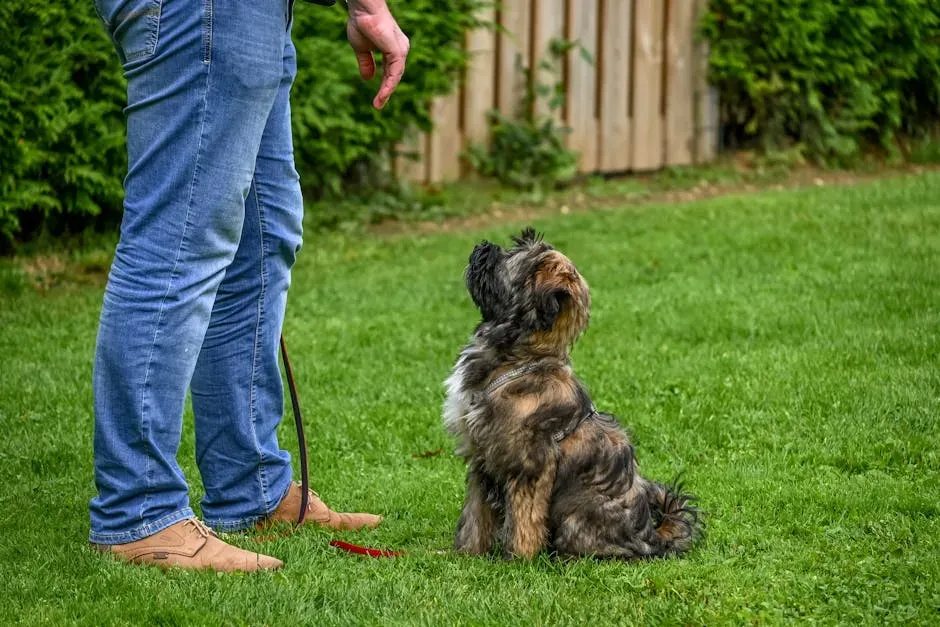
You haven’t said a word. You haven’t picked up your keys. Yet somehow, your dog is already at the door, staring at you with that knowing expression before you’ve even decided to leave. That is not coincidence. Highly intelligent dogs are able to learn your habits, body language, tone, and micro-signals too. They are quietly studying you, every single day.
Being highly observant is a characteristic that smart dogs share. When you pull out your suitcase, for instance, a perceptive dog recognizes that it’s a sign something is about to change. Dogs may show their understanding by trying to jump or hide in your suitcase, or they might stick unusually close to you. If your dog reacts to cues you didn’t even know you were giving off, you may want to start being a little more secretive about your plans.
Training Them Is Easy, But Keeping Their Interest Is a Whole Other Story

Some of the smartest dogs misbehave because they get bored easily. Some dogs can learn but are stubborn, and some have days where they simply don’t feel like performing. This is not defiance for the sake of it. It is a highly capable brain looking for something more stimulating than a sit-and-stay drill for the fifteenth time.
Highly intelligent dog breeds often learn new commands in fewer than five repetitions and obey first commands over ninety percent of the time. However, smart dogs also require mental stimulation to stay happy and avoid boredom-related behaviors. The fix? Variety. Short sessions, rotating rewards, and new challenges keep a clever dog genuinely engaged rather than just tolerating you.
They’ve Invented Their Own Games, Without Any Input from You

You bought the ball. You introduced the rope toy. Then one day you noticed your dog has created an entirely new activity involving the laundry basket, the hallway, and some internal set of rules only they understand. When a dog invents their own forms of entertainment, it’s a sign of higher cognitive ability and curiosity. When boredom and an intelligent brain meet, it produces creative ways to stay busy.
Smart dogs get creative during playtime and often come up with new ways of entertaining themselves or inventing games without anyone teaching them. These pups show a higher level of creativity while figuring out how to toss a toy into a basket or finding new ways to interact with family members. It’s genuinely impressive, even if the game involves something you’d rather they left alone.
They Know Exactly Which Human in the House Is the Softest Touch

Every household has one person who cannot say no. A smart dog finds that person within the first week and proceeds to exploit that relationship with breathtaking precision. Dogs love attention, and smart dogs will know how to get it. Intelligent dogs will place their head under your hand and bump it to prompt you to give them a scratch behind the ears, or they may even “pet” you as an example of how they want you to pet them.
Dogs can learn how to use cues to their benefit. Your dog may even try to convince you that she hasn’t received her dinner yet, even though someone else fed her already. This is not accidental. That is calculated, strategic, and at least a little bit impressive. Keeping a consistent household routine and making sure everyone is on the same page helps prevent your dog from running a very effective con operation.
They’re a Master Escape Artist, and They Make It Look Effortless

The gate was latched. The crate door was secure. You double-checked both. Yet somehow, your dog is sitting in the kitchen when you walk in, completely unbothered. Escape-artist dogs will use their brains and figure out how to get out by jumping the fence, digging under it, unlocking a fence, opening a door, and more. The key distinction here is calm calculation, not panic.
Smart dogs may get into trouble more often because of their outstanding skills. They might figure out how to get out of their crate or reach a forbidden item from the counter, for example. Prevention is straightforward once you accept the situation. Invest in more complex enclosures, add enrichment inside their space, and treat their environment like a puzzle they should want to stay inside rather than escape from.
They Show a Remarkable, Almost Uncomfortable Level of Emotional Awareness

You didn’t say anything. You didn’t even cry. You just sat down quietly after a rough day, and within thirty seconds your dog was pressed against your leg, staring up at you. Intelligent dogs are very good at sensing and interpreting your emotions. A smart dog will read your sadness and take steps to comfort you, such as cuddling up with you or refusing to leave your side.
A dog that senses when you are sad and tries to make you feel better is showing signs of emotional intelligence. This emotional attunement is genuinely one of the most touching qualities a dog can have. It also means they pick up on tension, anxiety, and stress in the household, so maintaining a calm and predictable environment genuinely benefits them. Their emotional world is richer than most people realize.
They’ve Essentially Trained You Without You Noticing

You started giving them a treat every time they sat by the back door. Now, every time they want anything, they sit by the back door. You thought you were training them. They were training you. Dogs that try different cues on their own and then repeat the ones that work are showing adaptive intelligence by trying to find communication that works. Sometimes, this results in our dogs training us.
Smart dogs communicate with greater precision by using distinctive sounds, body language, or even behaviors to deliver their points. Some dogs nudge onto their leash to let their owners know that they wish to go out for a walk, while others might fetch their ball whenever it is time to play. This is worth paying attention to, because it means your dog is actively problem-solving and communicating. Channeling that into structured communication, like bell training or clear cues, gives them a constructive outlet for that brilliance.
Boredom Hits Them Hard, and Your House Pays the Price

The chewed chair leg. The mysteriously relocated remote control. The garden bed that somehow got rearranged overnight. These are not the acts of a bad dog. If your dog tends to get into trouble, they may just be bored and need mental stimulation and more exercise. Destructive behaviors like chewing on things they shouldn’t or getting into the trash can be signs of boredom. They can also be signs of stress or anxiety, so it’s important to pay closer attention to figure out which it is.
Smart dogs require mental exercise equal to physical activity. Daily training sessions, puzzle feeders, and scent work prevent destructive boredom behaviors. Rotating activities weekly helps maintain engagement, and hiding treats, teaching toy names, or creating DIY obstacle courses all offer cost-effective enrichment. The goal is not to exhaust your dog but to give their brain something worth working on. A mentally satisfied dog is almost always a calmer, happier one.
Conclusion: Celebrate the Brilliance, Channel It Well

Sharing your home with a highly intelligent dog is not always easy, but it is rarely boring. For your pup, intelligence can mean they use their abilities to stay out of dangerous situations, learn the rules of the house, or communicate with you in their own unique way. The chaos is usually just untapped potential looking for somewhere to go.
Whether your pup is a genius problem solver or a mischievous escape artist, intelligence is something to celebrate. With the right outlets and plenty of mental engagement, you can help them stay sharp, confident, and deeply connected to you at any age. The smartest thing you can do as their person is meet that mind halfway, with patience, creativity, and maybe a better latch on the gate.


