
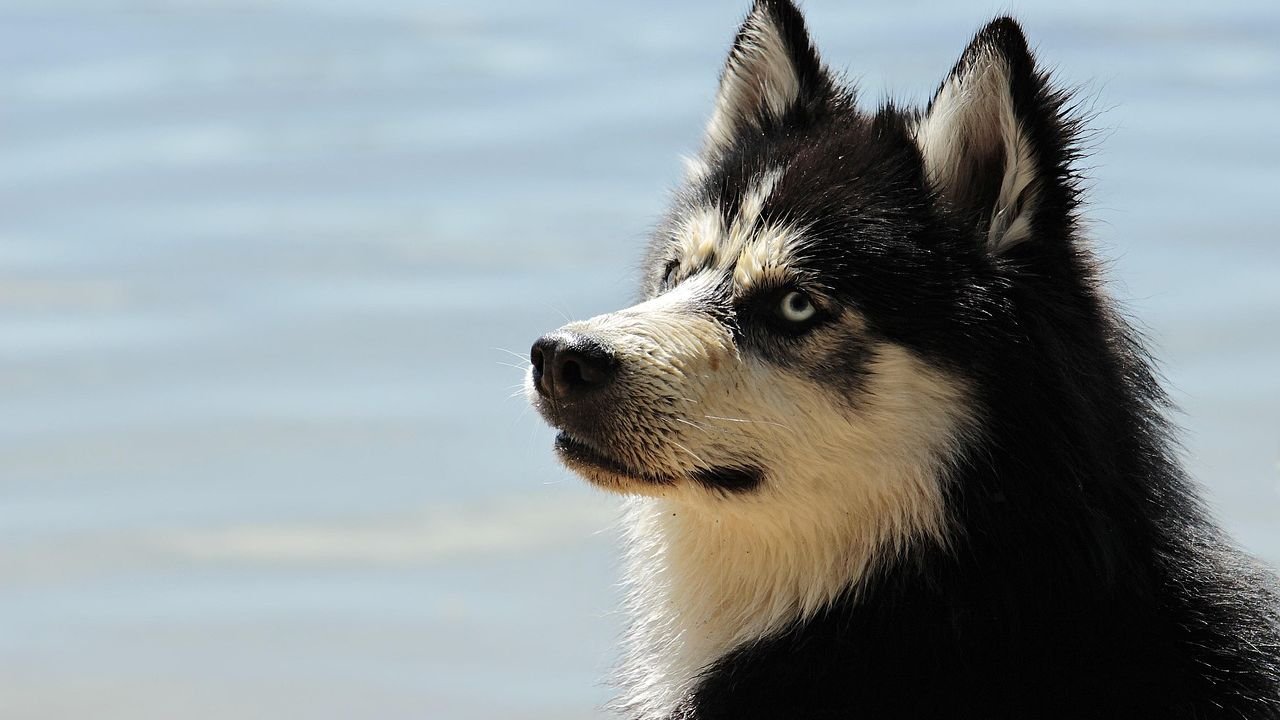
Have you ever caught your dog doing something a little odd and wondered what they were really trying to say? Maybe they yawned even though they just woke up from a nap, or they avoided eye contact when you tried to give them a cuddle. Dogs have this incredible, nuanced language all their own, and honestly, most of us are just learning to speak it.
Our dogs can’t tell us when something’s bothering them. There’s no puppy hotline where they can call and complain about that new neighbor’s dog or the thunderstorm that’s rolling in. Instead, they rely entirely on us to notice the subtle shifts in their behavior, the quiet signals that whisper instead of shout. If we miss these cues, we miss the chance to help them feel safe and secure. Let’s dive into those telltale signs your furry friend might be uncomfortable, and more importantly, what you can actually do to ease their worries.
Excessive Yawning When They’re Not Tired
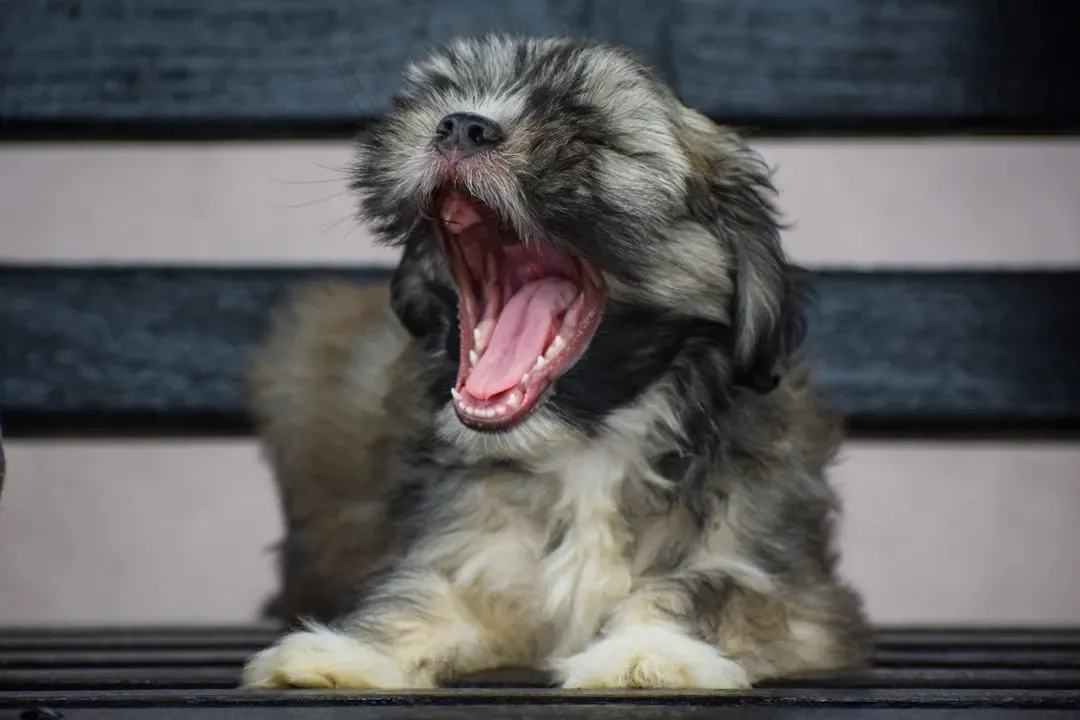
Dogs yawn when they’re stressed, not just when they’re sleepy. It’s one of those things that catches people off guard because we assume yawning means the same thing for dogs as it does for us. A wide-awake dog who yawns may be experiencing stress and this is a common signal that they’re feeling nervous or worried.
Picture this: you’re at the vet’s office, and your pup starts yawning repeatedly while sitting in the waiting room. They’re not bored or drowsy. They’re actually trying to self-soothe and communicate their discomfort. If you notice your dog yawning in situations that don’t involve bedtime, take a moment to assess what might be triggering their anxiety. Remove them from the stressful environment if possible, or simply offer calm reassurance through your presence and a gentle touch.
Lip Licking and Quick Tongue Flicks
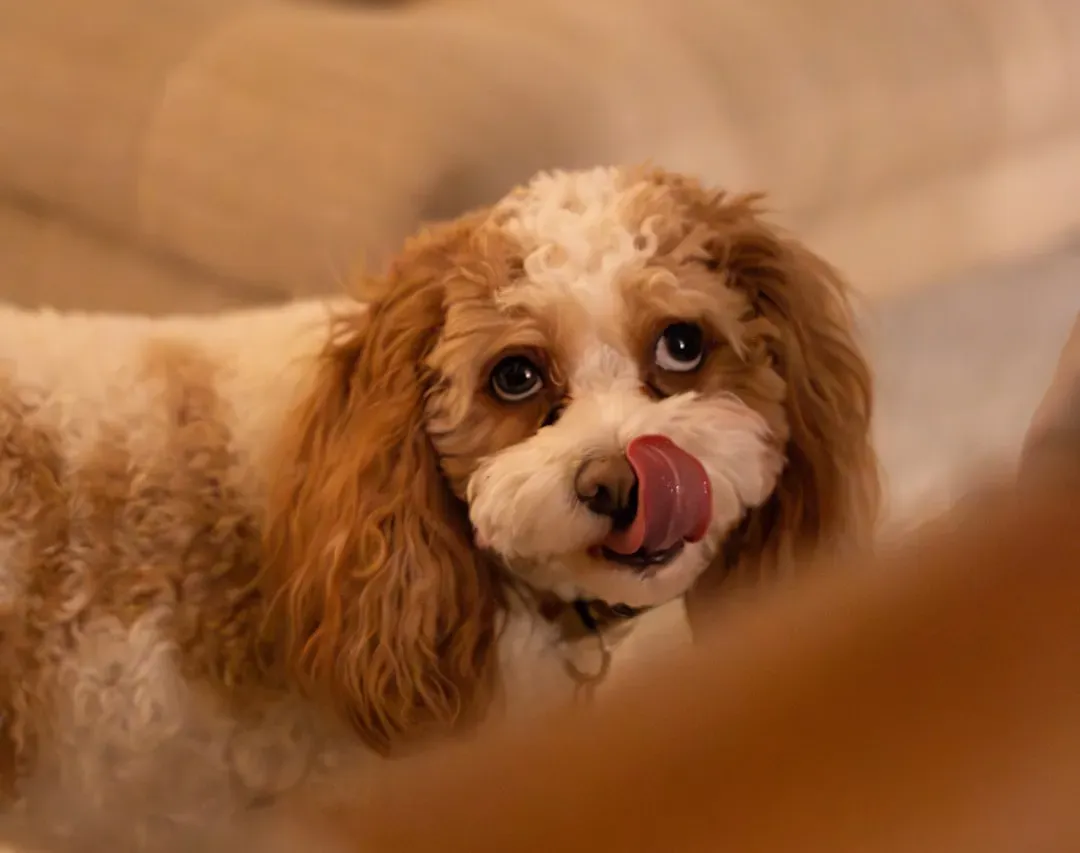
Dogs will lick their lips after a delicious meal, but they’ll also do it when they feel anxious. Sometimes the tongue flick is so quick it’s tricky to notice. This subtle gesture is your dog’s way of saying they’re not entirely comfortable with what’s happening around them.
You might see this when a stranger leans down to pet your dog, or when you’re scolding them for something they did. If you notice your pup licking their lips but know they’ve recently eaten and probably aren’t hungry, this behavior may indicate your dog is worried about something. The best response? Give them a little space and try to identify what’s making them uneasy. Sometimes just taking a step back or changing the situation can make all the difference.
Avoiding Eye Contact or Turning Their Head Away
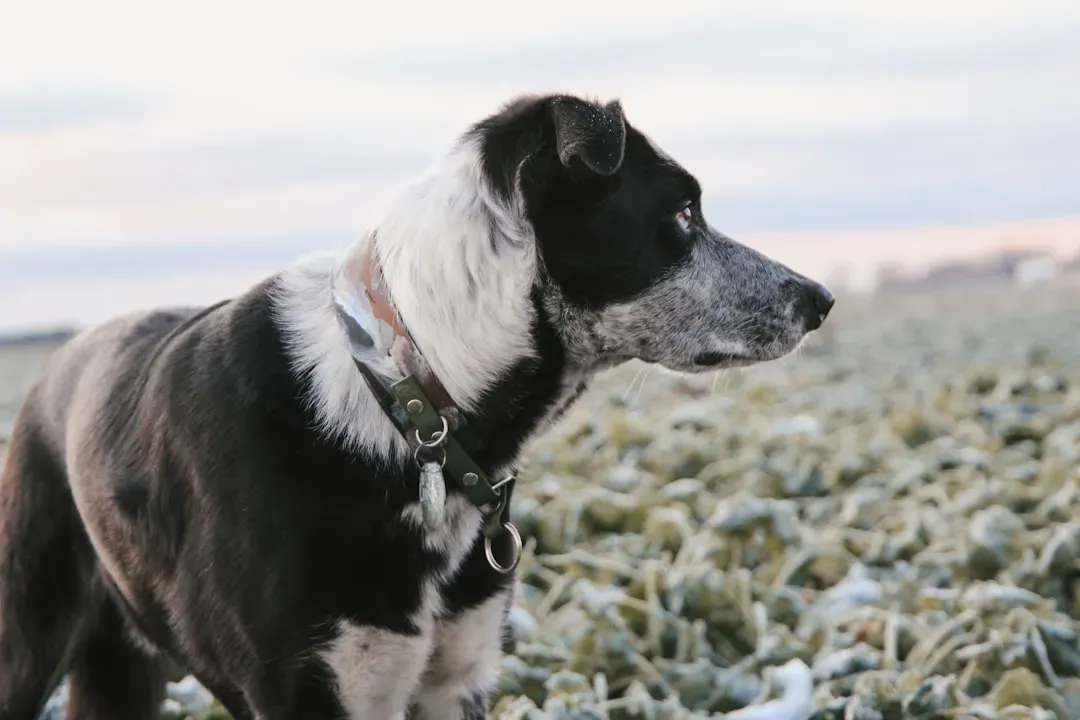
Your dog might avoid eye contact or look away when they’re feeling stressed. It’s a polite way of saying they don’t want confrontation or that something’s making them uncomfortable. Think of it as their version of de-escalation.
They often turn their head away from whatever is frightening them, but they keep their eyes locked on the stressor. This creates that distinctive sideways glance where you can see the whites of their eyes. If your dog consistently looks away when you reach toward them or when another dog approaches, they’re telling you they need more space or a gentler approach. Respect that boundary. Let them come to you on their terms instead of forcing interaction.
Whale Eye (Showing the Whites of Their Eyes)
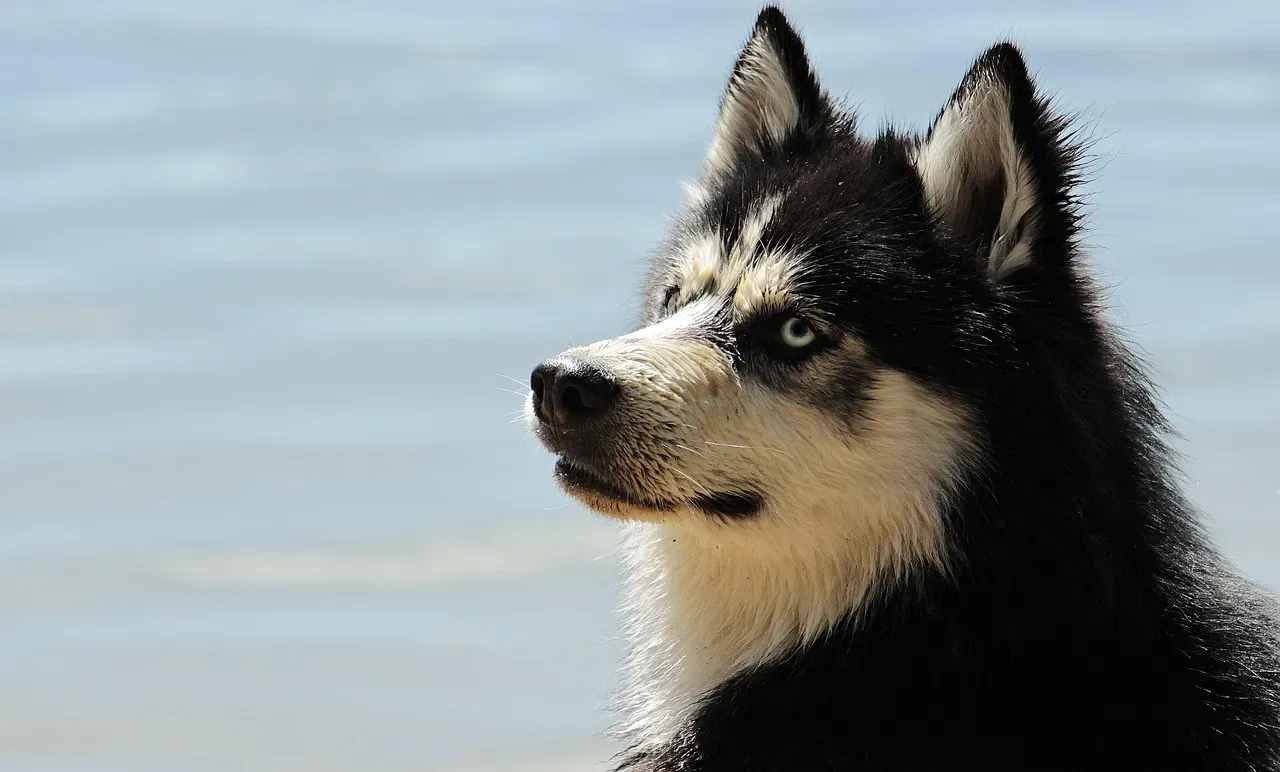
The ‘Whale Eye’ is where you can see dilated pupils and the whites of your pup’s eye and it can mean they are nervous or afraid. It happens when a dog turns their head but keeps their gaze fixed on something that’s worrying them. The whites become visible in a crescent shape, and it’s honestly quite unsettling to see once you know what it means.
This typically occurs when a dog turns its head away but keeps its eyes fixed on a person or object and it signals discomfort or anxiety, indicating that the dog is feeling uneasy or stressed in the given situation. If you see whale eye, don’t push your dog further into that situation. Whether it’s during a hug, while someone’s hovering over them, or when they’re guarding a favorite toy, that expression is a clear warning sign. Back off and give them breathing room before their discomfort escalates into something more serious.
Pacing, Restlessness, and Inability to Settle
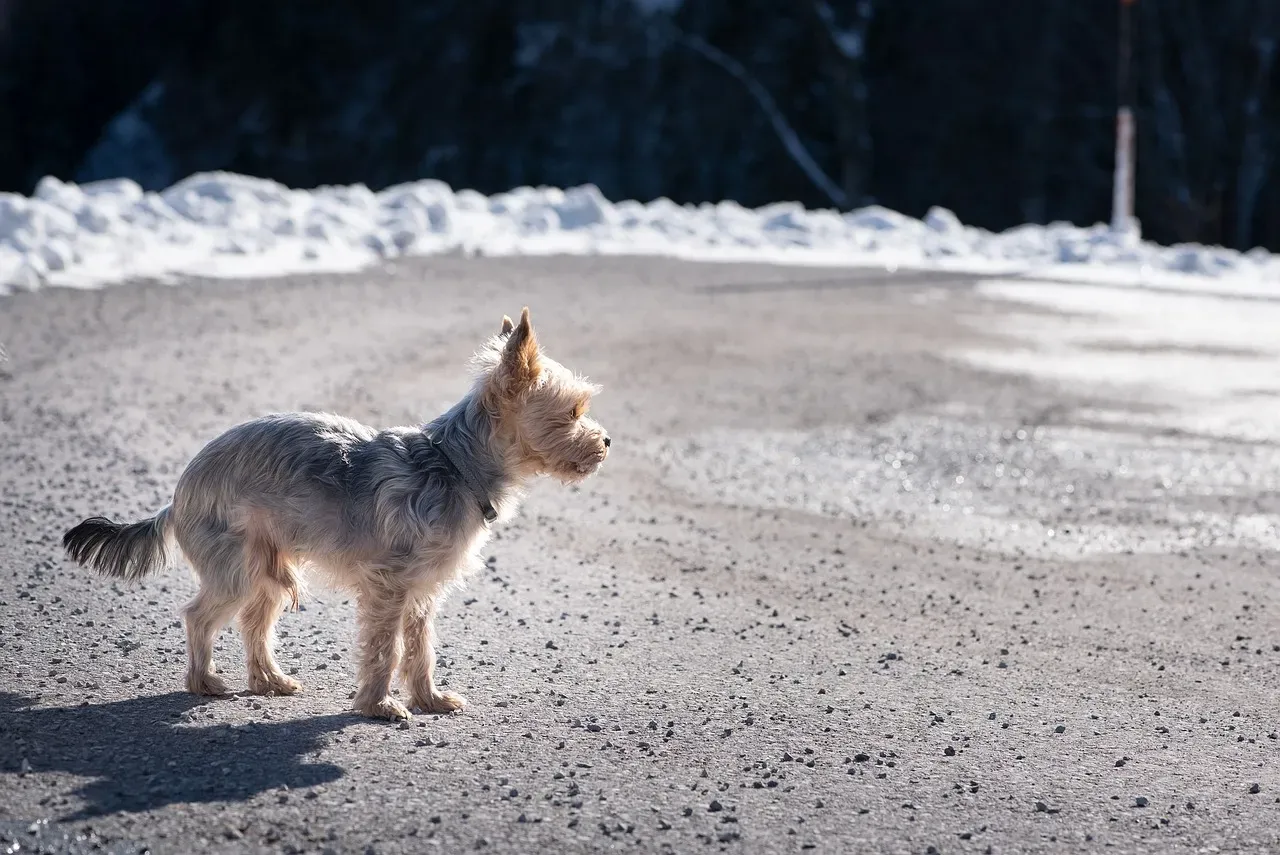
When dogs are pacing back and forth, it’s a sign they can’t settle down because something is stressing them. You’ll notice them wandering from room to room, circling, lying down only to get up again seconds later. It’s like they can’t find their off switch.
This restless energy often shows up before thunderstorms, when you’re getting ready to leave the house, or when there’s been a change in their routine. Noticing when your dog engages in this behavior can give you clues as to what’s triggering their anxiety. Help them by creating a calm, predictable environment. A cozy safe space with their favorite blanket, perhaps some soft music, can work wonders. Physical exercise earlier in the day can also help burn off that nervous energy before it manifests as pacing.
Changes in Body Posture (Hunched, Low Head, Tucked Tail)
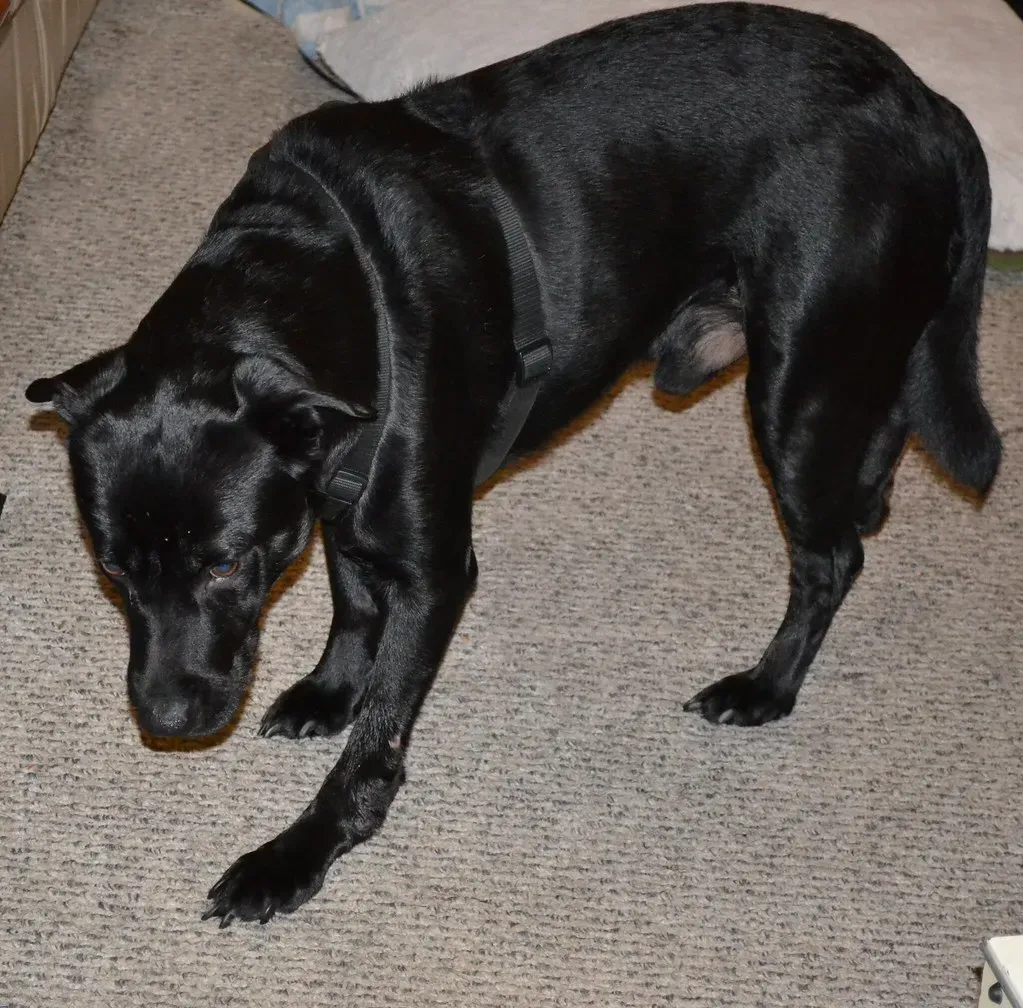
A dog with their head down or lowered is likely feeling uncomfortable. Scared dogs will have a stiff, hunched posture and hold their heads close to the ground, and their ears will be tucked close to their head, and their tail will be tucked and pressed close to the belly. This whole body language screams vulnerability and fear.
Your dog may sit or lie down more often, hold an arched back, carry their head low, or position their tail abnormally. When you see your dog making themselves small like this, they’re trying to appear non-threatening or they’re genuinely frightened. Don’t force them into social situations when they’re displaying this posture. Instead, allow them to retreat to a place where they feel secure, and approach them gently if they seek your comfort.
Excessive Panting Without Physical Exertion
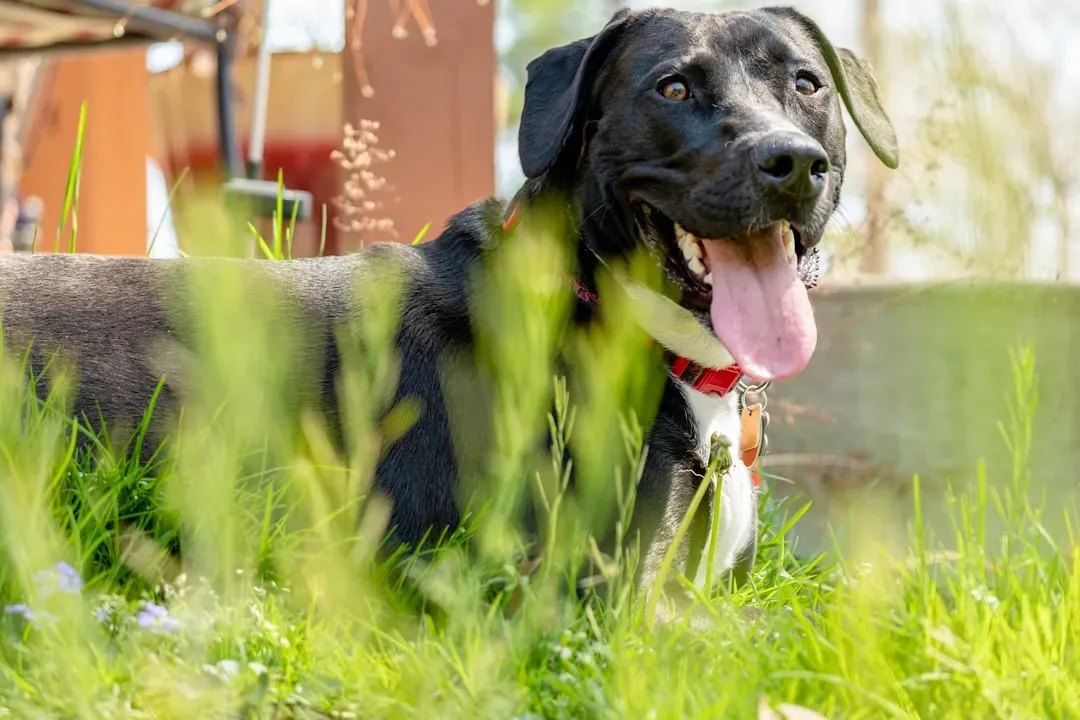
Dogs pant when hot, excited, or stressed, and if your dog is panting even though they have not exercised, they may be experiencing stress. It’s easy to overlook panting, especially if your home is warm, but context matters tremendously here.
Let’s be real, if your dog is panting heavily while sitting still in a cool room, something’s up. They might be anxious about an upcoming car ride, nervous about a visitor, or reacting to sounds you haven’t even registered. Watch for panting combined with other stress signals like a tense body or pinned-back ears. Creating a calm atmosphere, removing the stressor, or using calming techniques like gentle massage can help bring their breathing back to normal.
Excessive Shedding or “Blowing Their Coat”
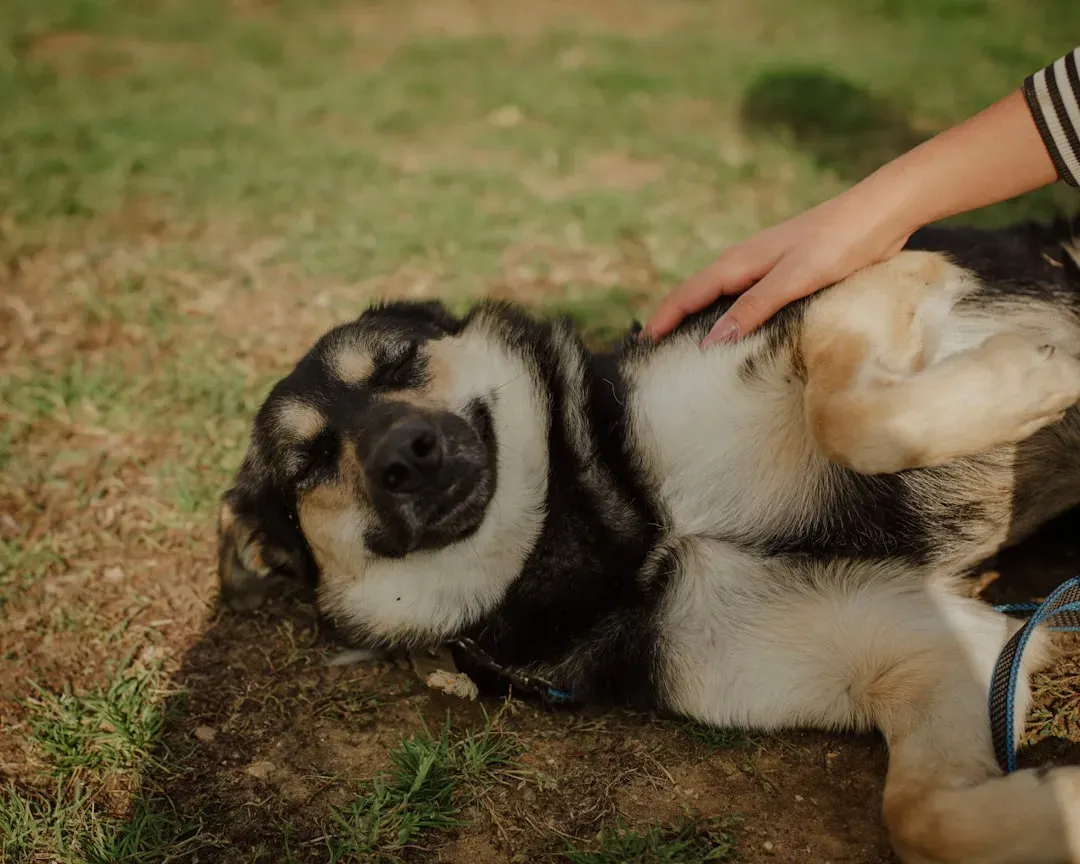
Shedding increases when a dog is anxious, even in situations outside the home. Excessive shedding can mean nervousness and discomfort. You might notice clumps of fur coming out during a vet visit or when meeting new people, far more than their usual amount.
This isn’t about seasonal coat changes. This is stress-induced shedding that happens suddenly and intensely. If you run your hand down your dog’s back and come away with a handful of fur during a tense moment, that’s their body physically responding to anxiety. The solution isn’t just a good brush. You need to address whatever’s causing that underlying stress, whether through desensitization training, creating positive associations, or simply recognizing when your dog has reached their limit and needs a break from the situation.
Conclusion
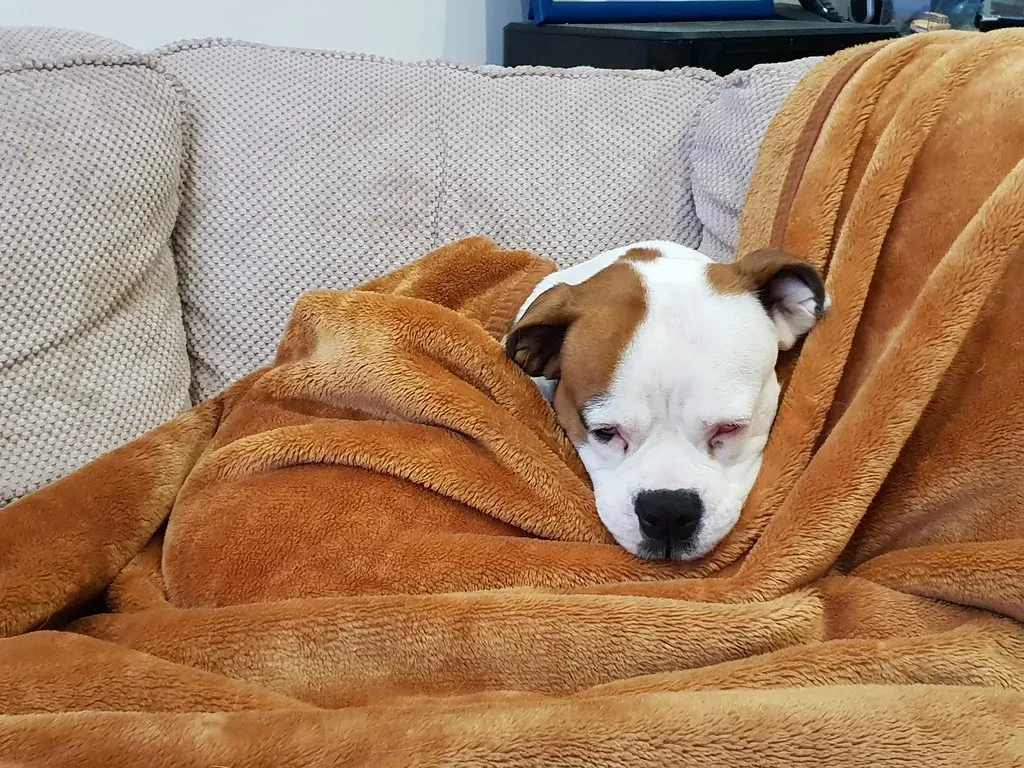
Understanding your dog’s discomfort signals isn’t just about being a better pet parent. It’s about building trust and creating a relationship where your dog knows you’ve got their back. These signs, yawning, lip licking, whale eye, pacing, postural changes, panting, and excessive shedding, are all part of their vocabulary. Once you learn to read them fluently, you can step in before their stress escalates into fear or even aggression.
The most important thing you can do is stay calm yourself and respond with patience. Dogs are incredibly perceptive to our emotions, and if we panic when they’re uncomfortable, we only amplify their anxiety. Create safe spaces, establish predictable routines, and never punish your dog for communicating discomfort. If these signs persist or worsen despite your efforts, don’t hesitate to consult with your veterinarian or a certified behaviorist. What do you think? Have you noticed any of these signs in your own pup? Your awareness might just be the thing that helps them feel truly safe.


