
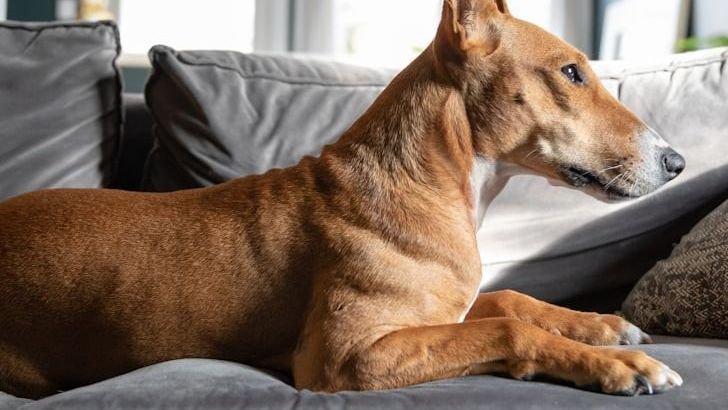
Have you ever felt like your beloved pup is calling the shots in your household? You’re not alone. Dogs are hardwired to understand social structure, and when clear leadership isn’t established, they may step up to fill that void themselves. While the old dominance theory has been debunked by modern science, dogs do benefit from consistent, predictable routines and clear communication from their humans. Understanding these subtle signs isn’t about asserting dominance – it’s about creating a harmonious relationship where both you and your furry friend feel secure and happy. Let’s explore the telltale behaviors that suggest your dog might be taking the reins.
They Demand Your Attention on Their Terms
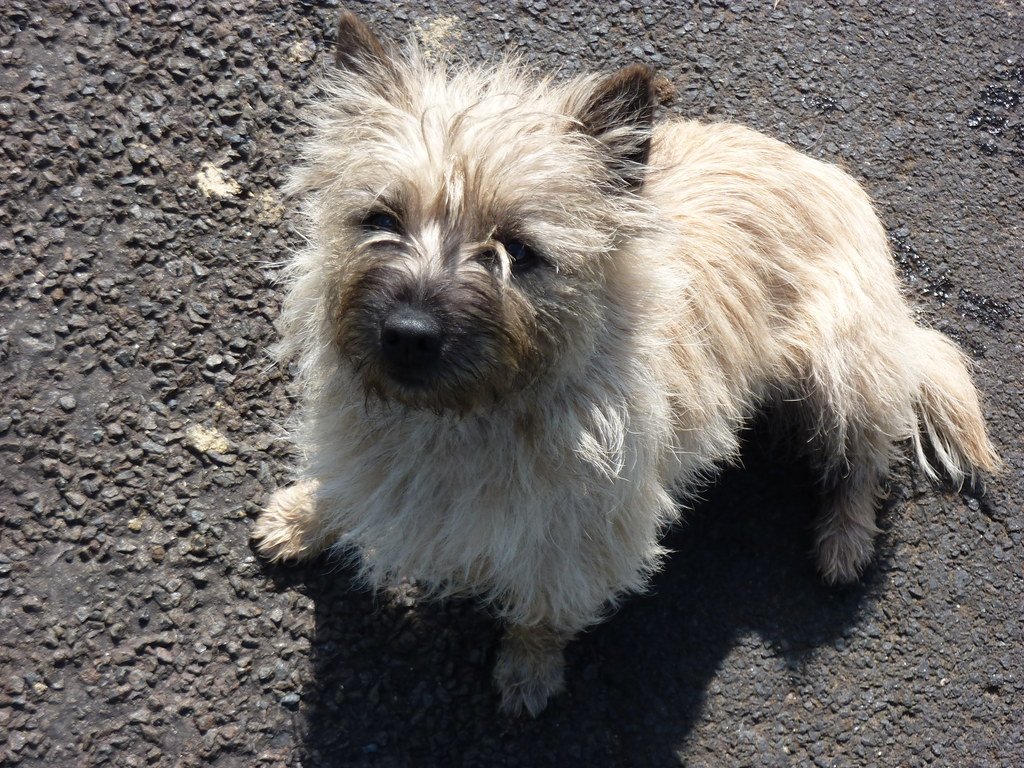
Your dog might bark while you’re on the phone, and you turn to them, even just to say “Shush!” It doesn’t take many repetitions for your dog to figure out that barking while you hold that device to your ear is a surefire way to get your focus. This kind of pushy behavior often escalates when dogs realize they can control your attention through increasingly demanding actions.
Dogs might jump up on you specifically when your attention is focused on something else, like working at the computer or cooking dinner. Because jumping is invasive and startling, it often achieves your dog’s goal by distracting you from your other task. The key distinction here is timing – if your pup consistently interrupts you during focused activities rather than approaching politely during downtime, they’re essentially training you to respond to their demands.
Your Dog Pulls You Around on Walks
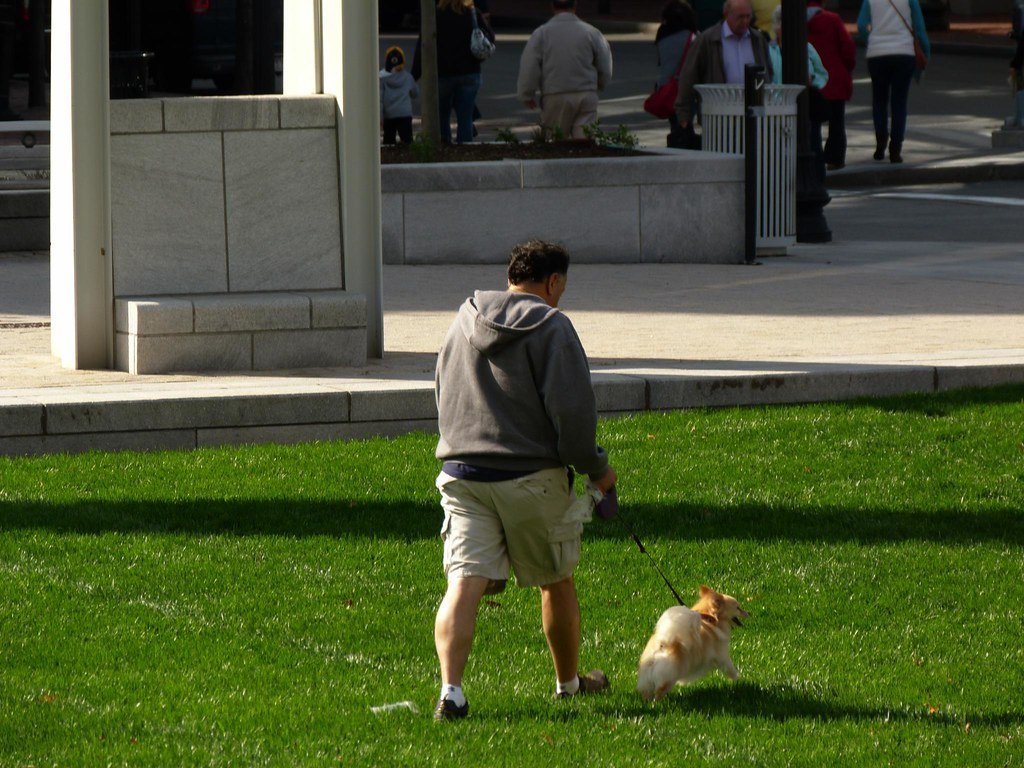
Your Dog Pulls You Around on Walks (image credits: flickr)
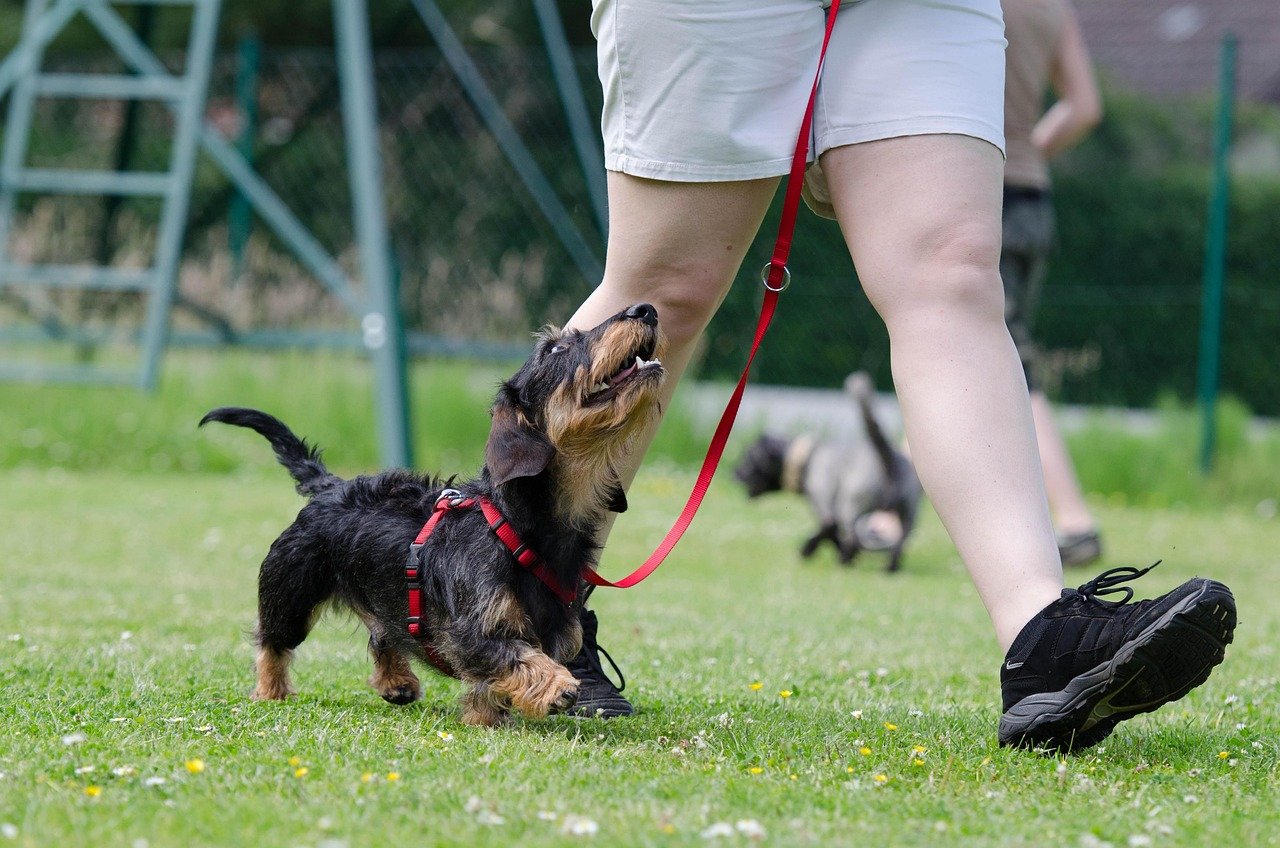
Dogs pull to get where they are going. Dogs want to engage with the environment, and from a dog’s perspective, humans can be slow. However, when your dog consistently drags you toward every interesting smell, person, or dog, they’re essentially dictating the pace and direction of your walks. Dogs pull because they’re excited to explore. Teaching loose-leash walking helps create more pleasant walks for both of you.
A confident dog who respects your leadership will check in with you during walks, rather than forging ahead without regard for where you want to go. Walks are typically the most exciting times of the day for a dog. They’re naturally keen to explore all the new smells and people, but it can be difficult to know how to keep that enthusiasm in check. The difference lies in whether your dog can contain that enthusiasm when you ask them to.
They Guard Resources and Space from You
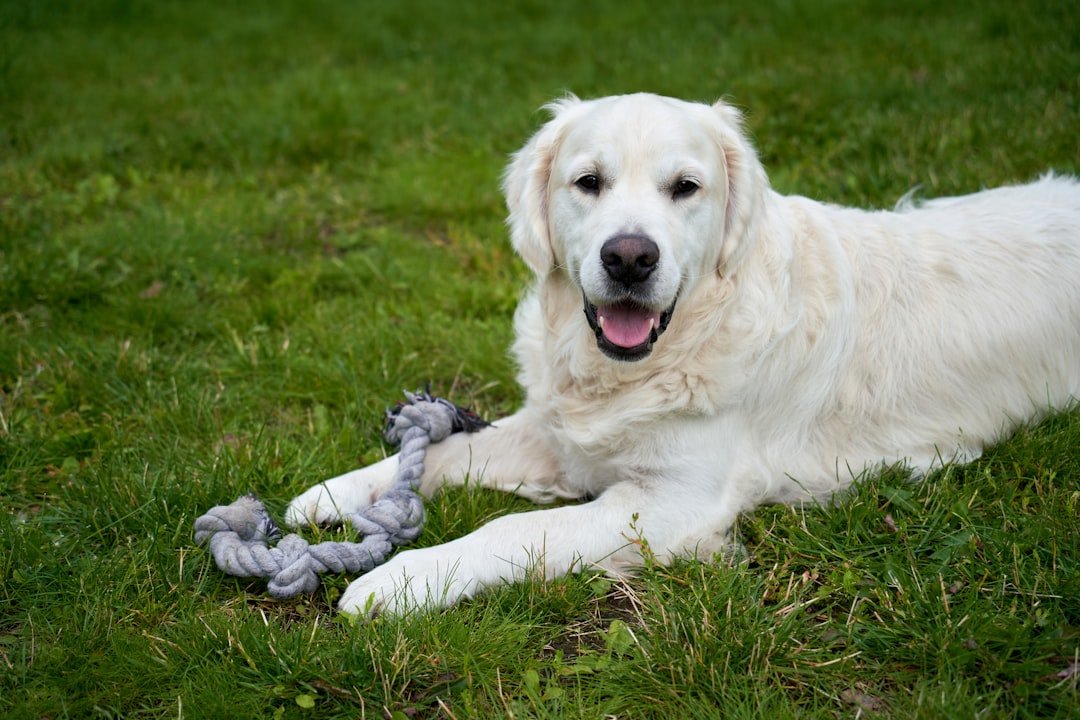
While most often seen around food items, a dog can develop resource guarding with any item that they deem “valuable.” This might be something we don’t consider very important, like a sock, but that sock could be your dog’s most beloved possession. Resource guarding isn’t necessarily about dominance, but it does indicate your dog doesn’t see you as someone they can trust to respect their possessions.
Resource guarding can come from a place of insecurity. The dog may have developed a fear that they’ll lose access to the couch. When dogs guard furniture, doorways, or even refuse to move when you need to pass through, they’re essentially controlling the household’s physical spaces. If a dog is lying down in a hallway, walk through by gently shuffling your feet until he gets up and moves. Gently encouraging your dog to move creates better household flow and teaches polite space-sharing.
They Ignore Your Commands Unless There’s Something in It for Them
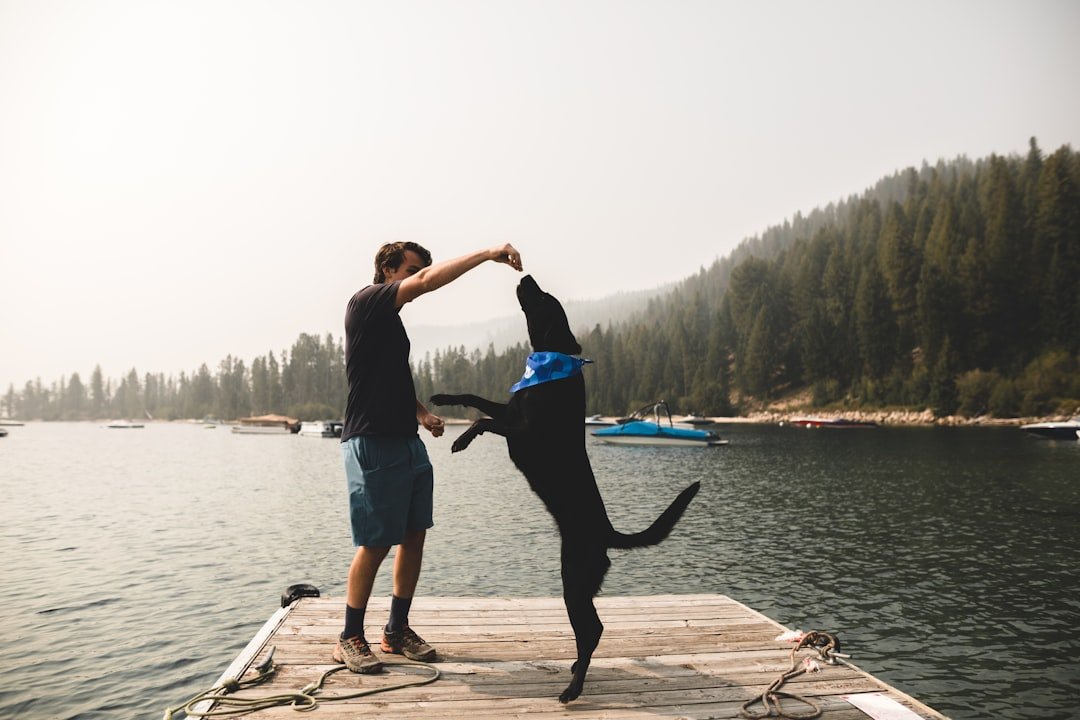
Picture this scenario: you call your dog’s name during a regular moment, and they might glance over briefly before returning to whatever they were doing. But shake a treat bag? Suddenly they’re at full attention. This selective hearing suggests your dog has learned that your words don’t carry much weight unless backed up by immediate rewards.
Dogs are learning how to interact by assessing what works and what doesn’t with each interaction. Dogs are great students of human behavior and draw conclusions based on your actions. When dogs only respond to commands that benefit them directly, they’ve essentially trained themselves to be transactional rather than respectful. A dog who truly sees you as a leader will respond to your voice and guidance even when there’s no obvious reward in sight.
They Show Pushy Physical Behaviors
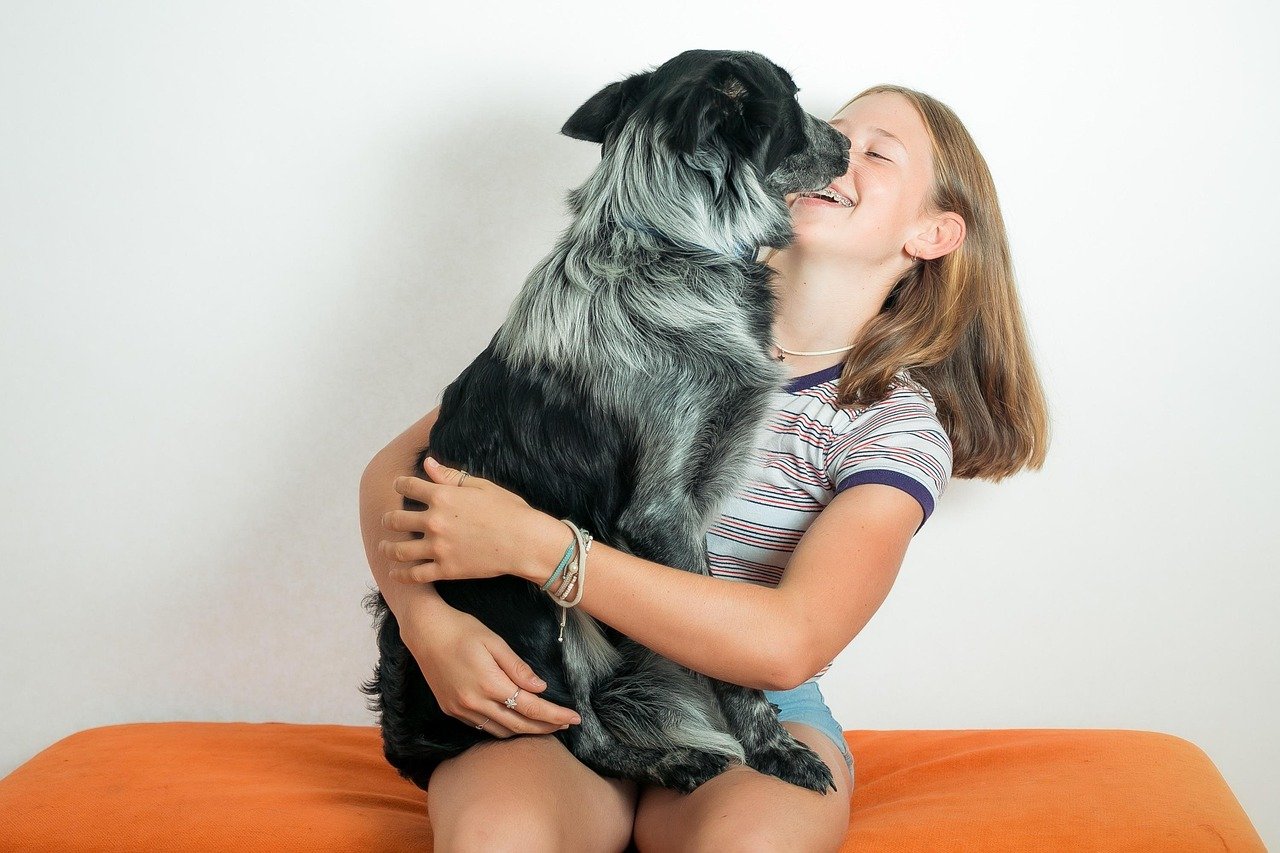
Jumping in your lap uninvited and excessive licking can be attention-seeking behaviors that benefit from consistent boundaries. He stands so that he’s making eye contact and insists on it. These determined, incessant kisses indicate more of a dominant intent than affection. While many owners find these behaviors endearing, they often signal that your dog feels comfortable being physically demanding with you.
Nipping is another way your dog might try to gain your attention. This is very concerning, as well, because a nip can sometimes accidentally catch skin and become a bite. A dog might nip at your hands to demand petting or even nip and pull at your clothes to distract you from your other task. These behaviors, while sometimes playful, cross important boundaries and suggest your dog doesn’t respect your physical space.
They Steal and Keep Your Belongings
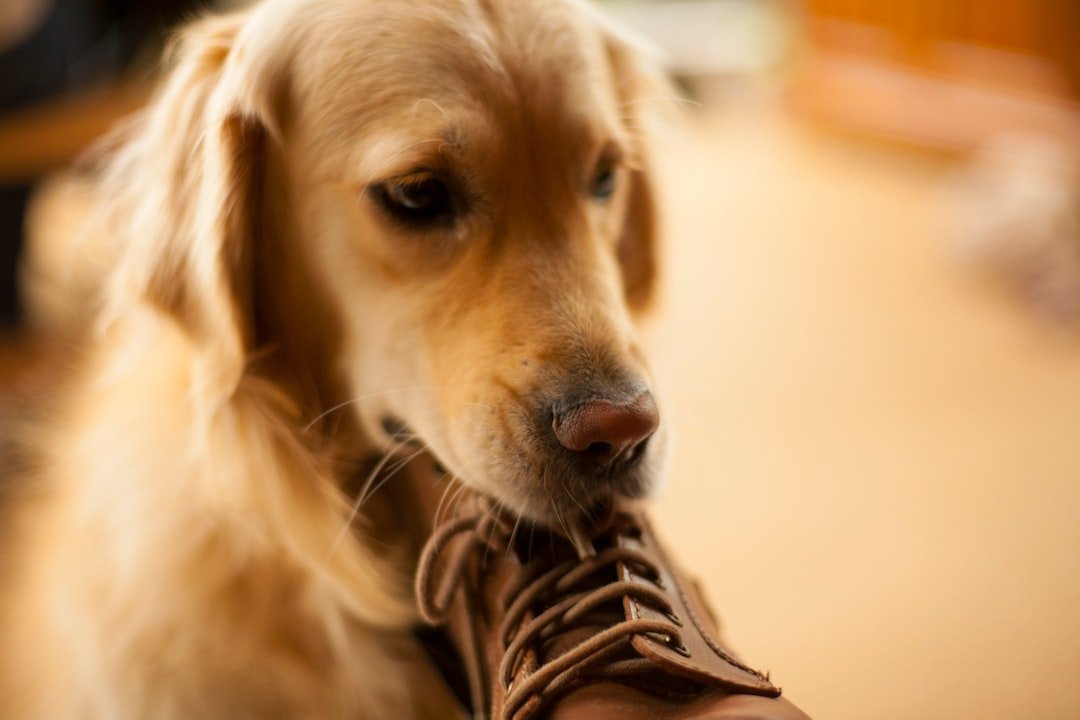
Some dogs like to get their owner’s attention by stealing something and running off with it – and the more intense our reaction, the more attention your dog feels they’re getting, so the more valued the prize and the more they do it. This can be a great game for a clever dog! However, there’s a crucial difference between playful mischief and controlling behavior.
Dogs might “steal” an item that is known to be off-limits, such as a shoe or a child’s stuffed animal. Your golden retriever might go into your room and snag a sock when you’re busy, then prance around the house proudly with their mischievous object. When your dog takes something and refuses to give it back, or becomes possessive over stolen items, they’re testing boundaries and asserting control over the household rules.
They Control Entry and Exit Points
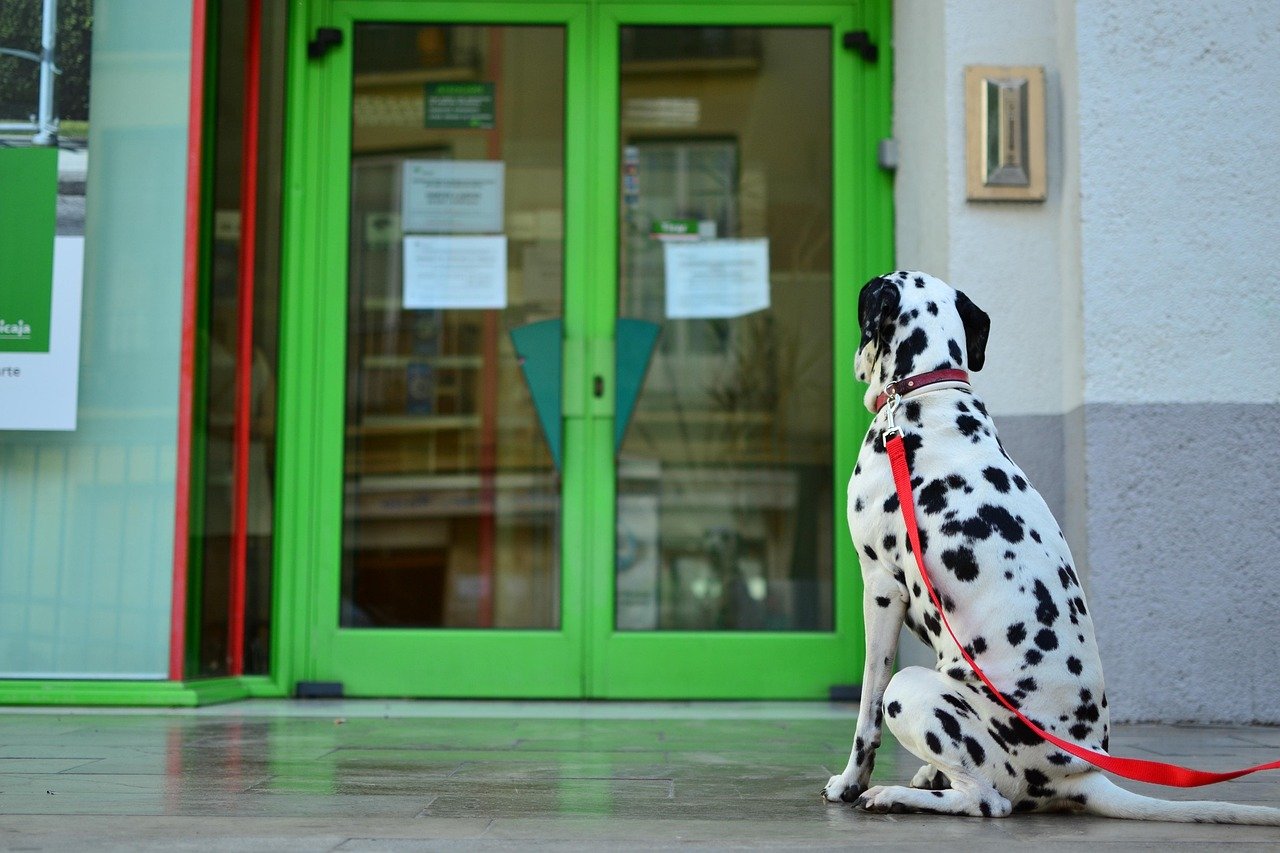
Teaching dogs to wait at doors is a useful safety and politeness skill, regardless of any pack dynamics. Conversely, when your dog rushes through doorways first, pushes past you, or blocks your path, they’re taking charge of movement through your shared spaces.
Dogs who dart out doors ahead of their owners aren’t just excited – they’re making decisions about when and how the household moves from space to space. Your dog should not knock you over as you pass through a doorway and he should not escape past you. In addition, if your dog tends to pull excessively or show aggression when meeting or greeting new people and pets, he should be trained to follow you out the door. A respectful dog waits for permission or at least acknowledgment before moving through thresholds.
They Refuse to Give Up Prime Spots
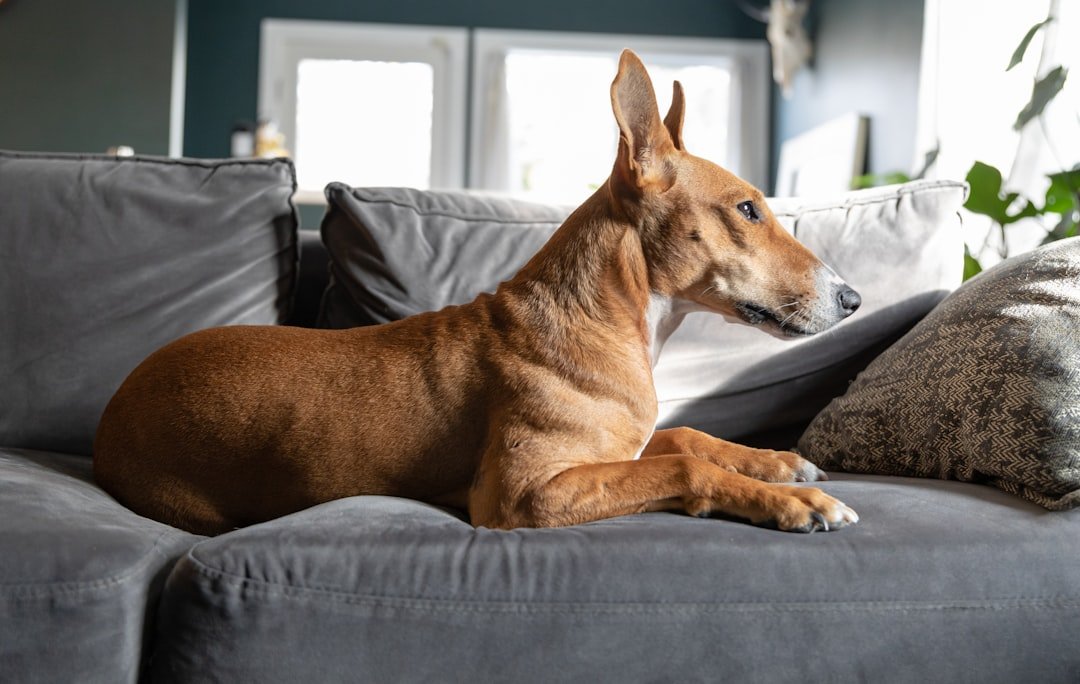
Dogs have a literal sense of hierarchy; if he is up on the couch looking down at you he will feel more dominant. In a social pack, the alpha dog would never let that happen unless it was during invited play. When your dog sprawls across your favorite chair and gives you a look that says “find somewhere else to sit,” they’re essentially claiming ownership of the house’s prime real estate.
If you are the pack leader, he will leave the most comfortable spot for you. The spot may be occupied when you’re not present, but he will undoubtedly get up and leave the spot the moment you’re on his radar. It’s also not unusual for them to greet and guide you to the spot. The key difference is whether your dog willingly makes room for you or acts like you’re inconveniencing them by wanting your own furniture back.
Conclusion
Recognizing these signs doesn’t mean your dog is “bad” or that you’ve failed as an owner. Dogs have a very strong basic instinct to either be a leader, or be a follower. Dogs know that SOMEONE has to be in charge. If they don’t see us behaving like leaders, then they will feel obligated to take on the role of leader. The beautiful thing about dogs is their adaptability and eagerness to please when given clear, consistent guidance.
Remember, modern dog training isn’t about being harsh or dominant – it’s about being a calm, confident presence your dog can trust. Being a pack leader means being a calm, confident presence your dog can rely on. When dogs sense stable leadership, they’re more likely to listen, follow directions, and feel safe. By addressing these behaviors with patience, consistency, and positive reinforcement, you’re not just improving your dog’s manners – you’re giving them the security of knowing someone reliable is in charge. After all, wouldn’t you rather be the leader your dog can trust than leave them feeling like they have to manage everything themselves?


